The Future of Website Marketing in 2026: Navigating AI Discovery, Trust, and the Omnichannel Customer Journey

Website marketing has undergone a fundamental transformation, rendering traditional promotion strategies obsolete. Historically, digital marketing centered on a straightforward formula: direct traffic to a primary website and convert visitors into customers through targeted landing pages and search engine optimization. While the website remains a critical hub, the modern customer journey has largely decoupled from direct site visits during the crucial research phase.
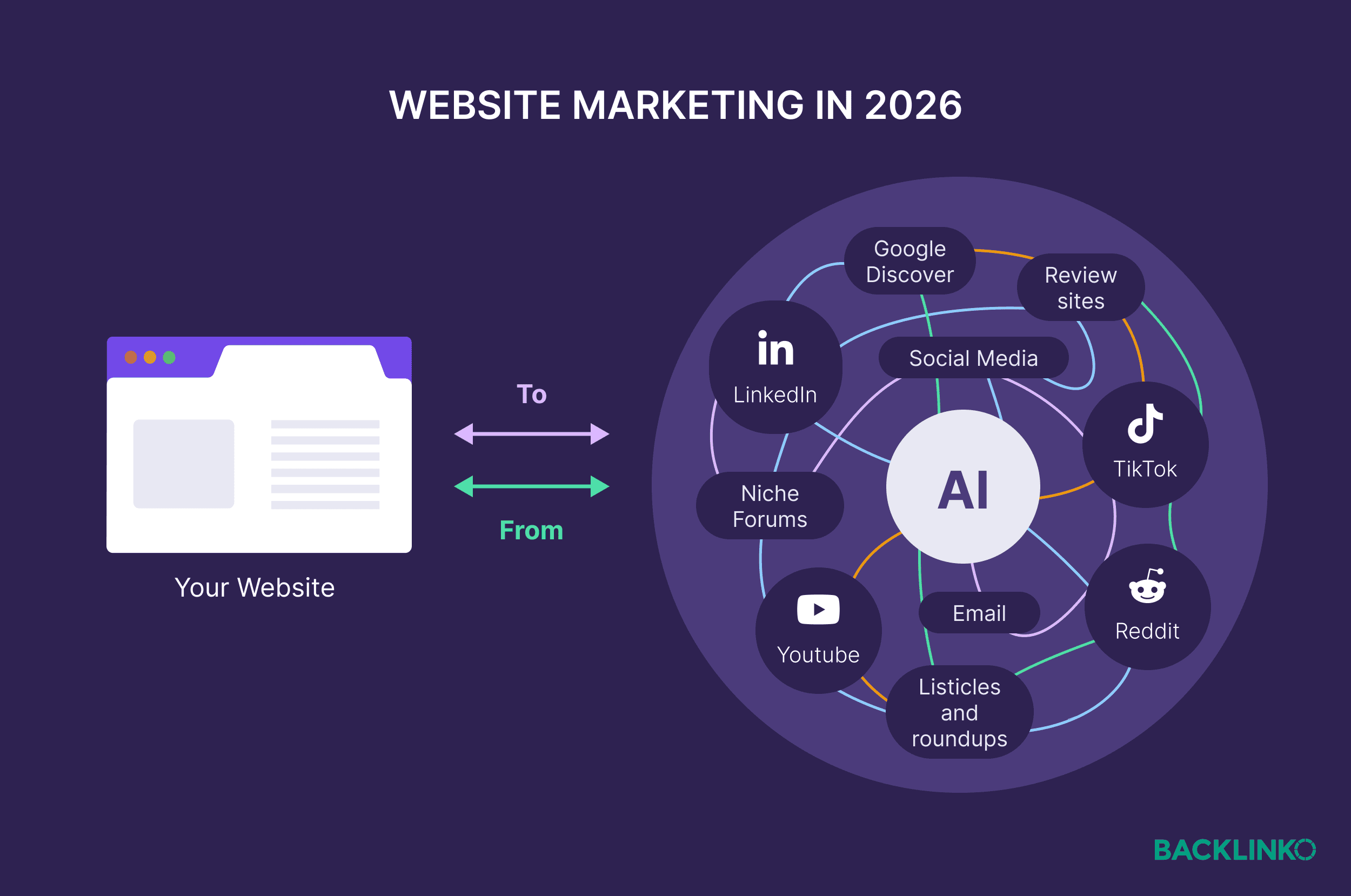
Contemporary consumer behavior reveals that potential buyers rarely land on a corporate website as a first step. Instead, over 65% of buyers utilize artificial intelligence tools, Reddit threads, niche communities, and social media platforms to conduct exhaustive background research before ever interacting with a brand’s primary domain. Consequently, a company’s digital footprint across third-party channels dictates its perceived credibility long before a formal web visit occurs. If a brand lacks visibility and authority on these external platforms, prospective customers frequently bypass the official website entirely.
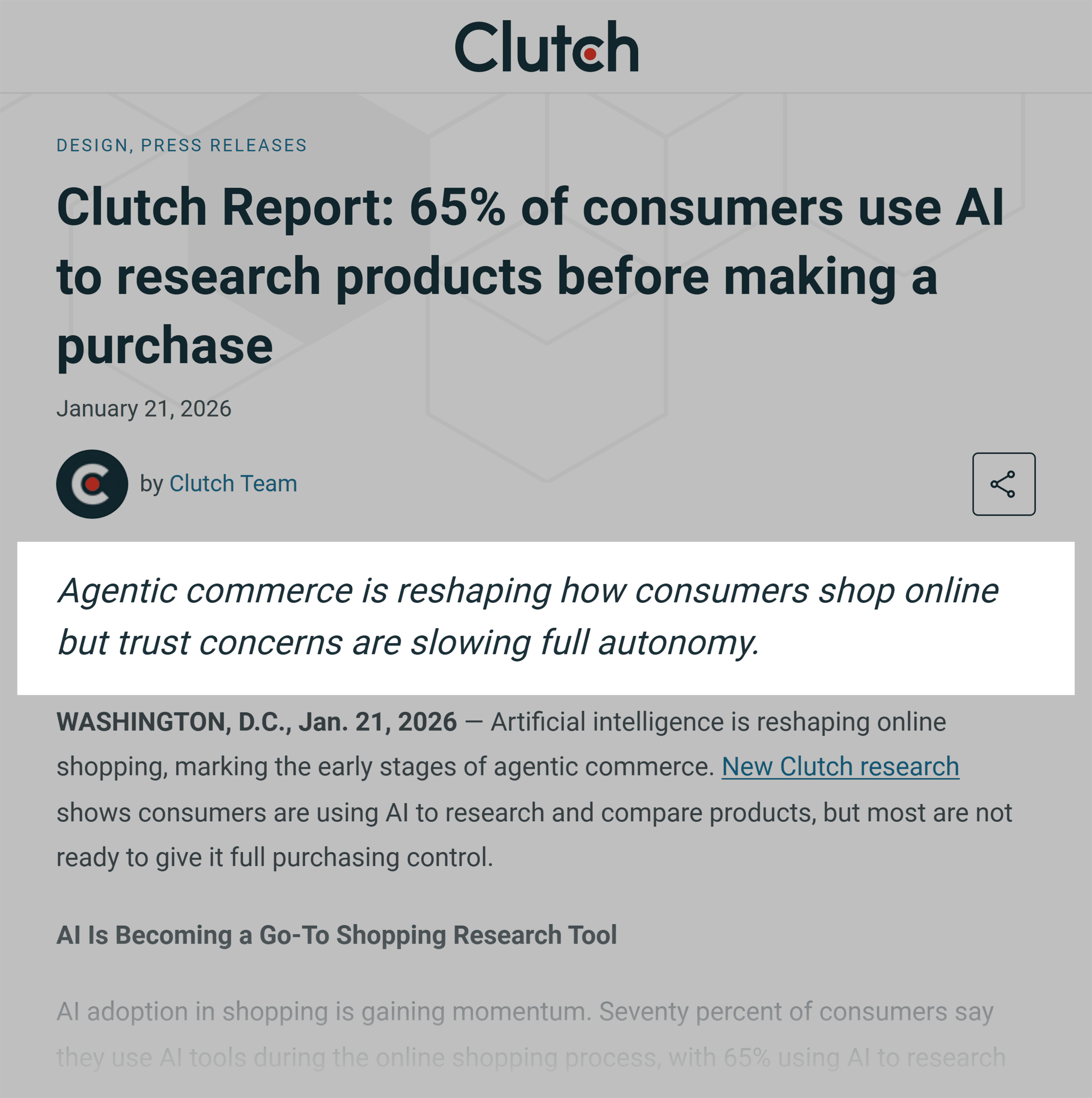
This paradigm shift requires a comprehensive restructuring of digital strategy. Brands must optimize their online presence for a fragmented, AI-driven discovery ecosystem while simultaneously maximizing conversion efficiency for high-intent visitors who arrive with established context and trust.

The Rise of AI and Human Discovery in Digital Ecosystems
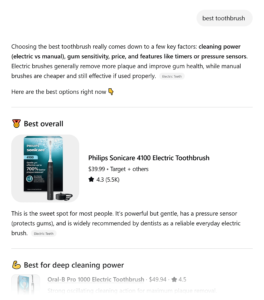
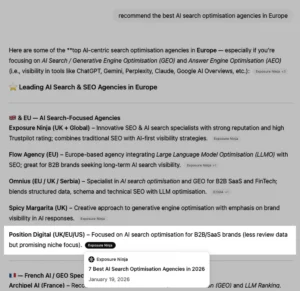
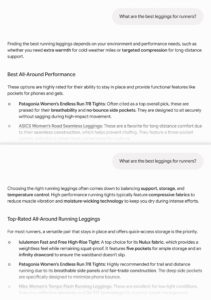
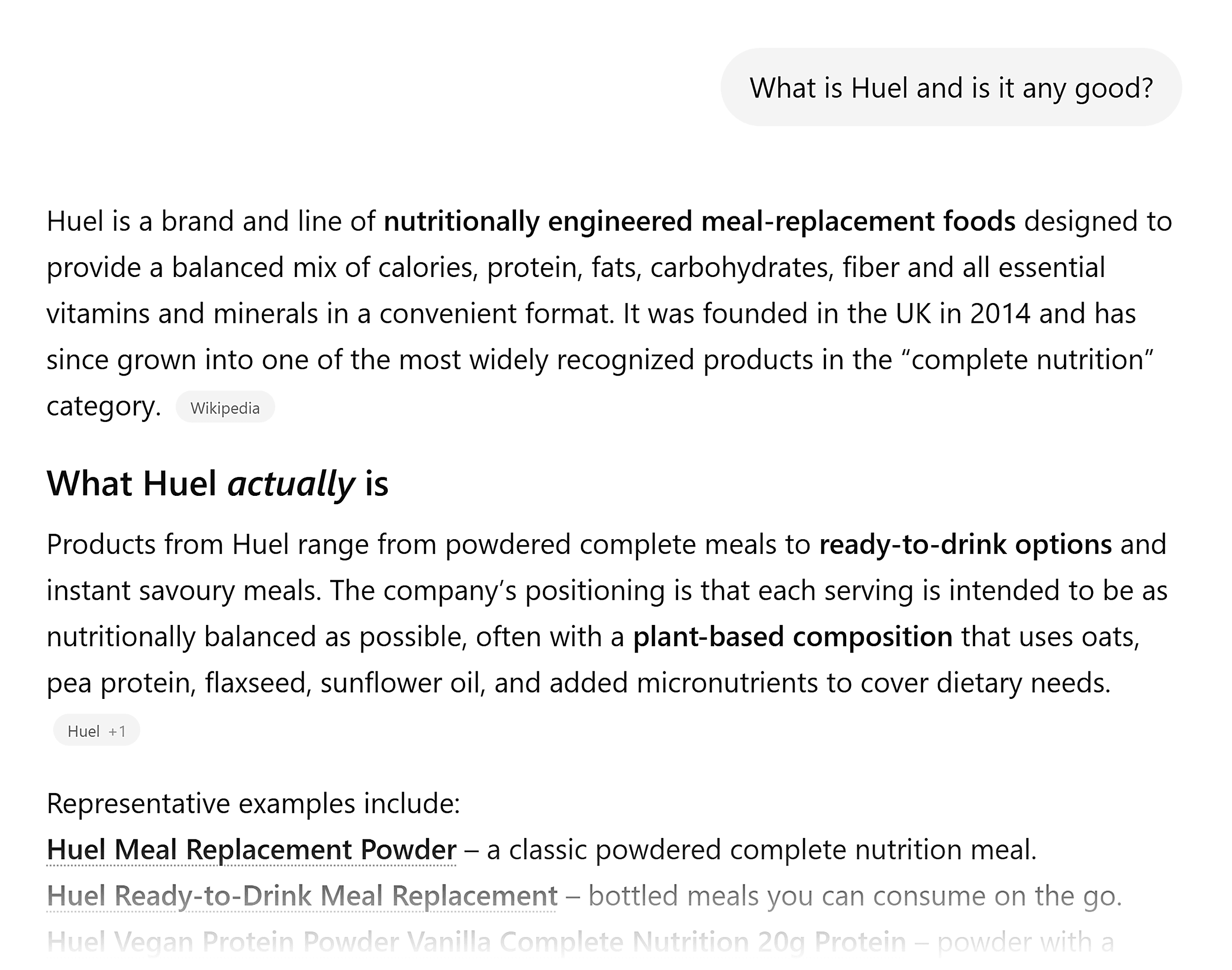
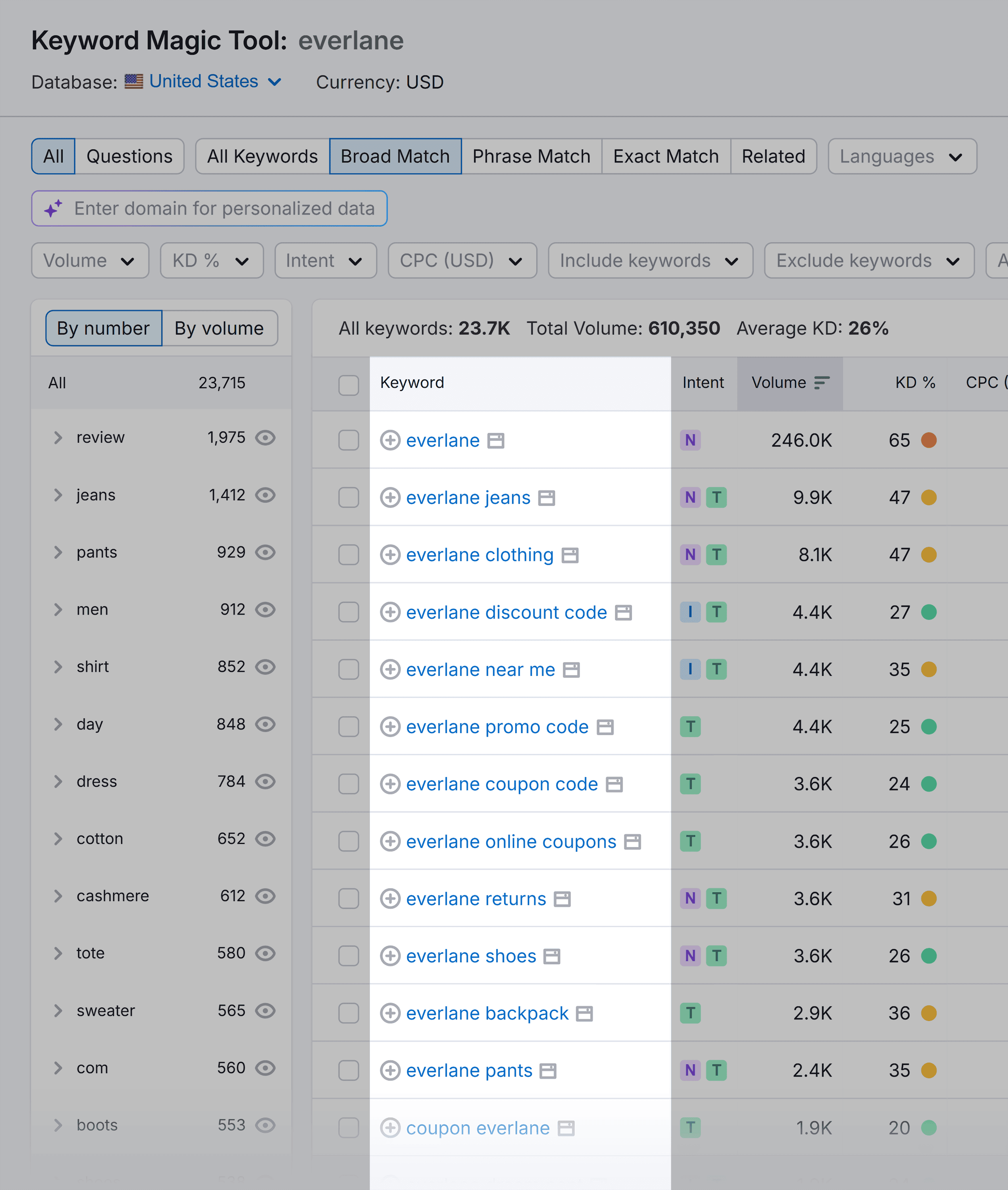
The modern consumer relies heavily on large language models (LLMs) and conversational search engines to vet products and services. When a user asks an AI tool about a specific industry category or product type, the underlying algorithm synthesizes information gathered from across the entire internet. Therefore, businesses can no longer afford to leave their digital reputation to chance.
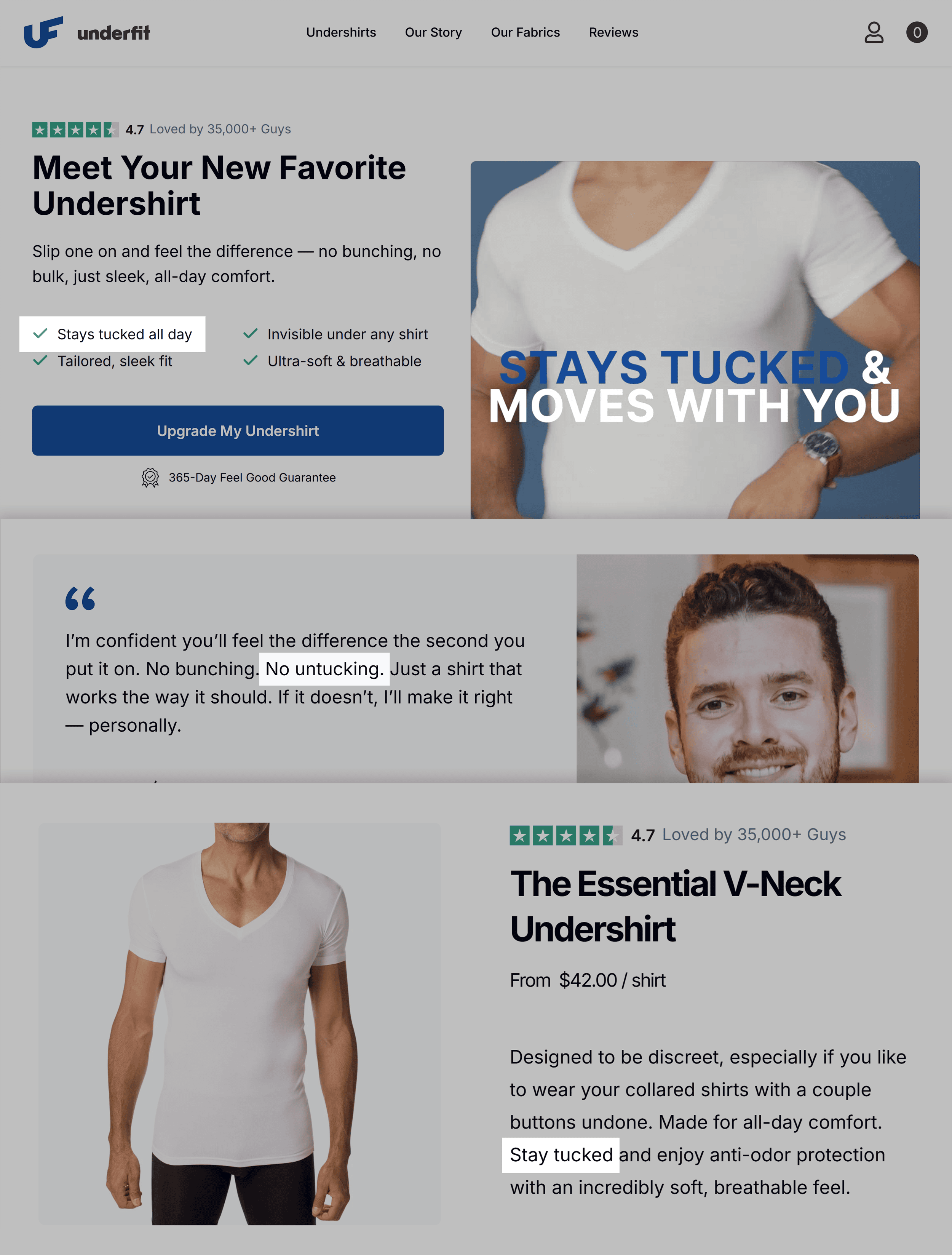
Engineering how the internet describes a brand begins with a documented brand messaging strategy. This framework establishes the consistent terminology, core values, and specific positioning associated with a business. By ensuring that key product benefits and differentiators are consistently articulated across official channels, customer reviews, and industry roundups, companies create a clear semantic signal that LLMs can easily parse and associate with their brand.
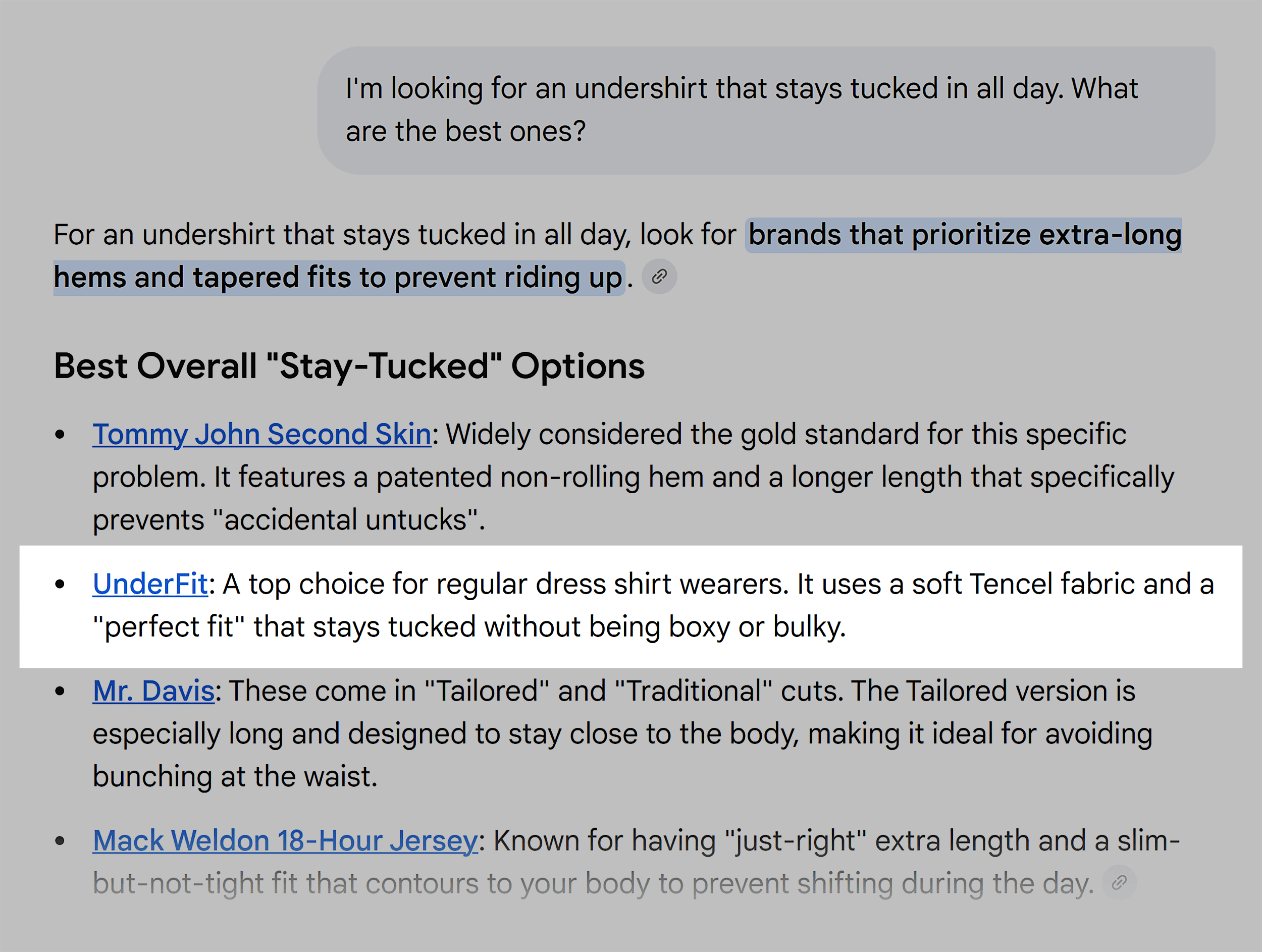
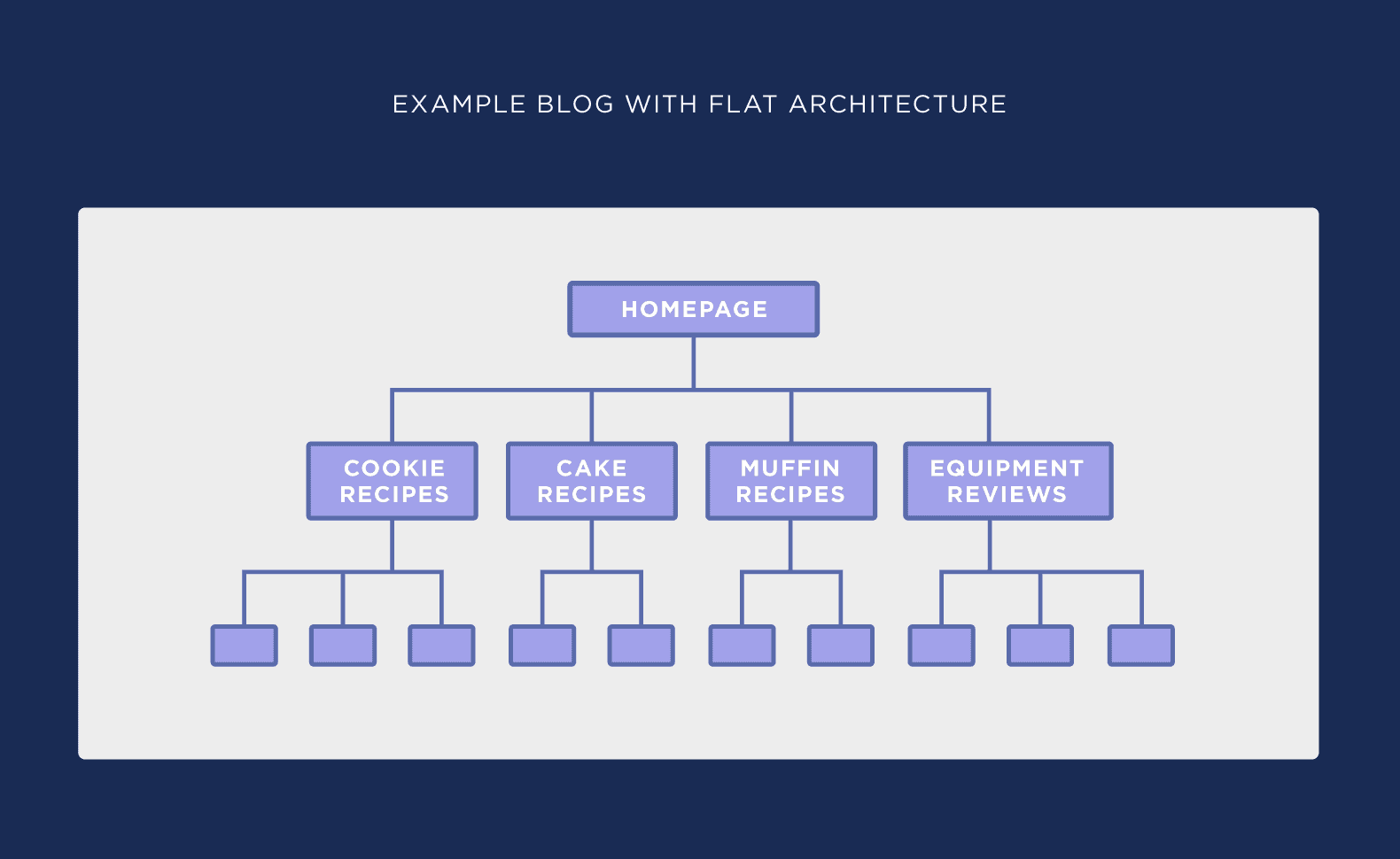
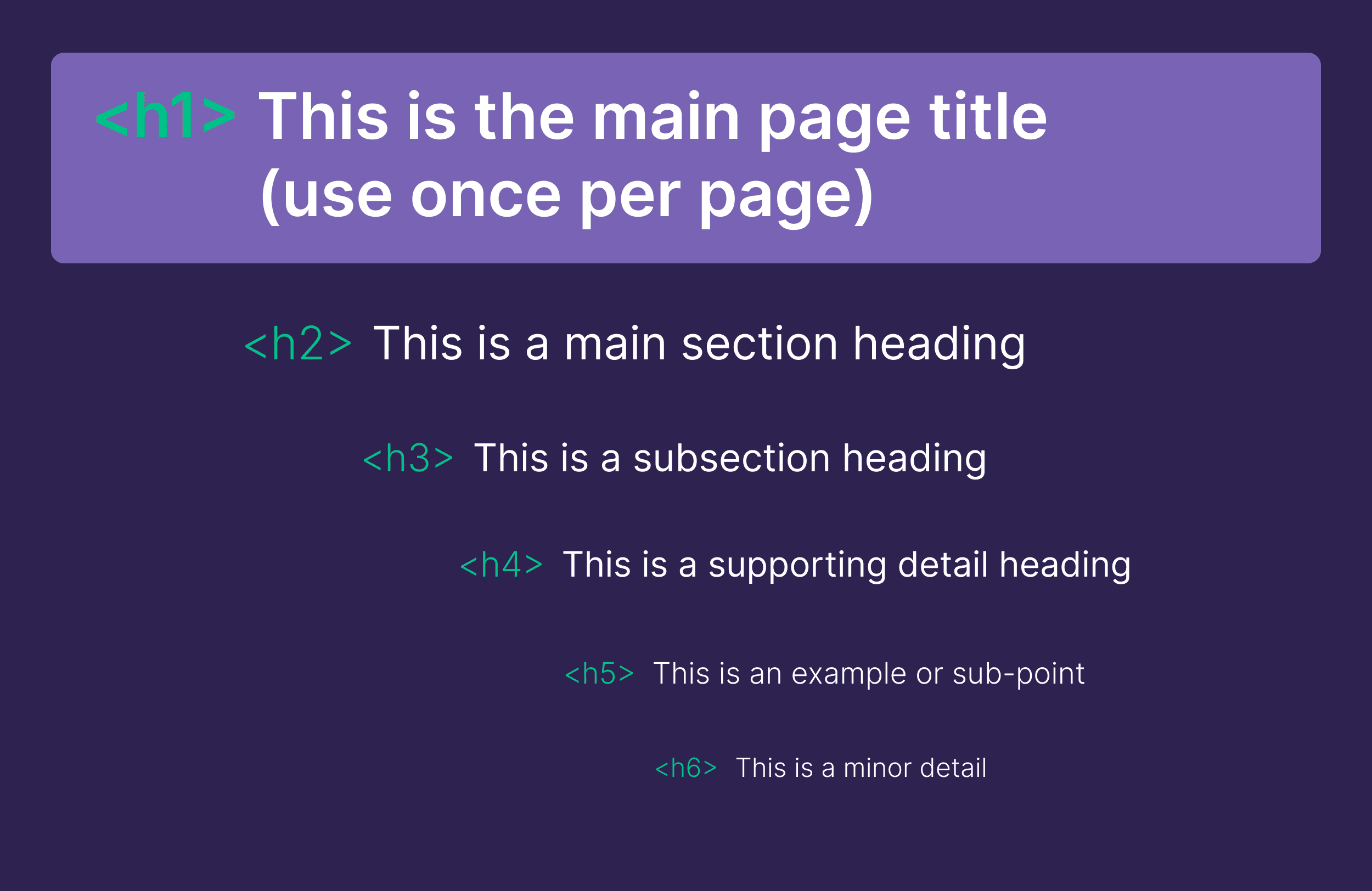
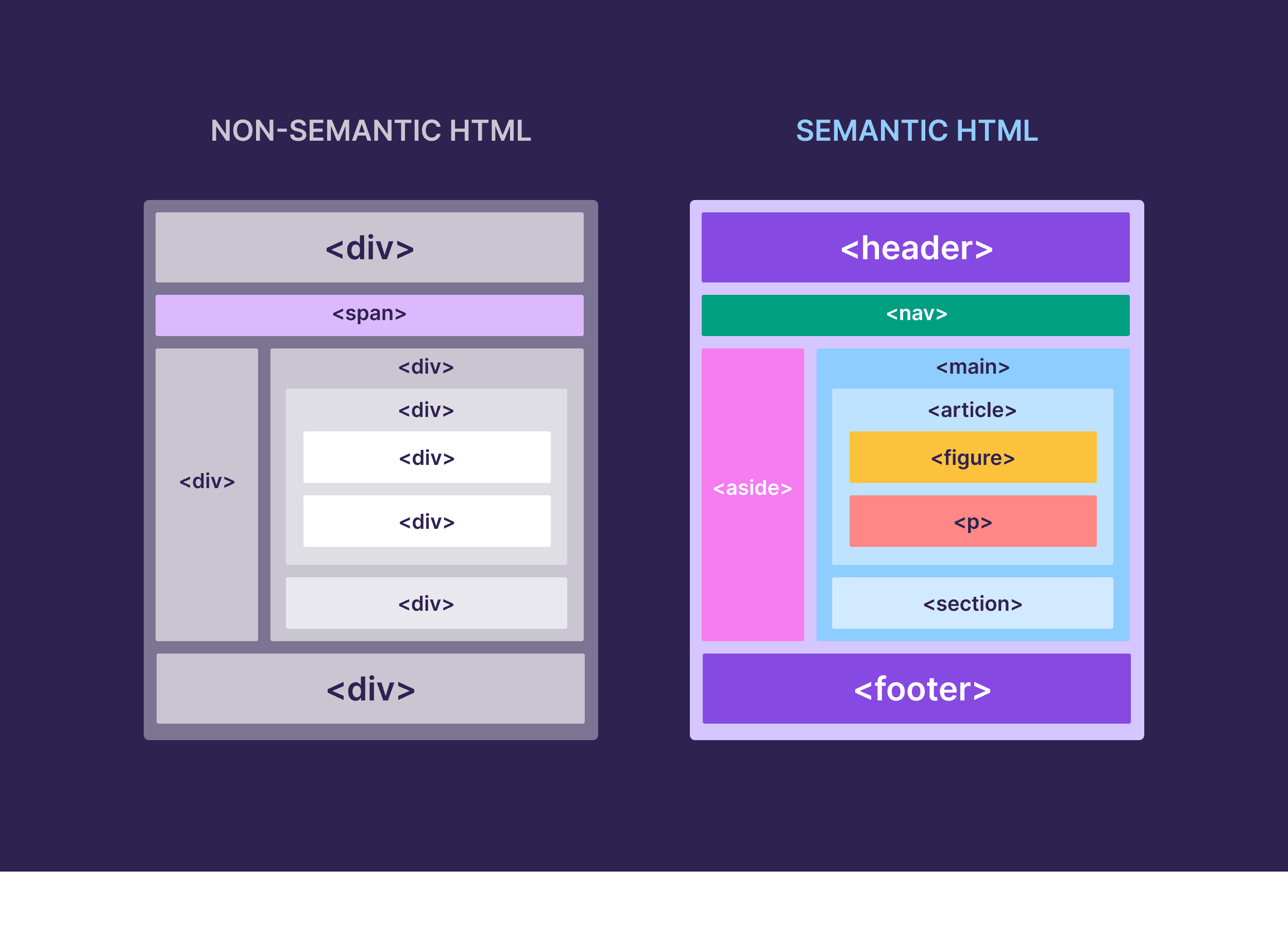
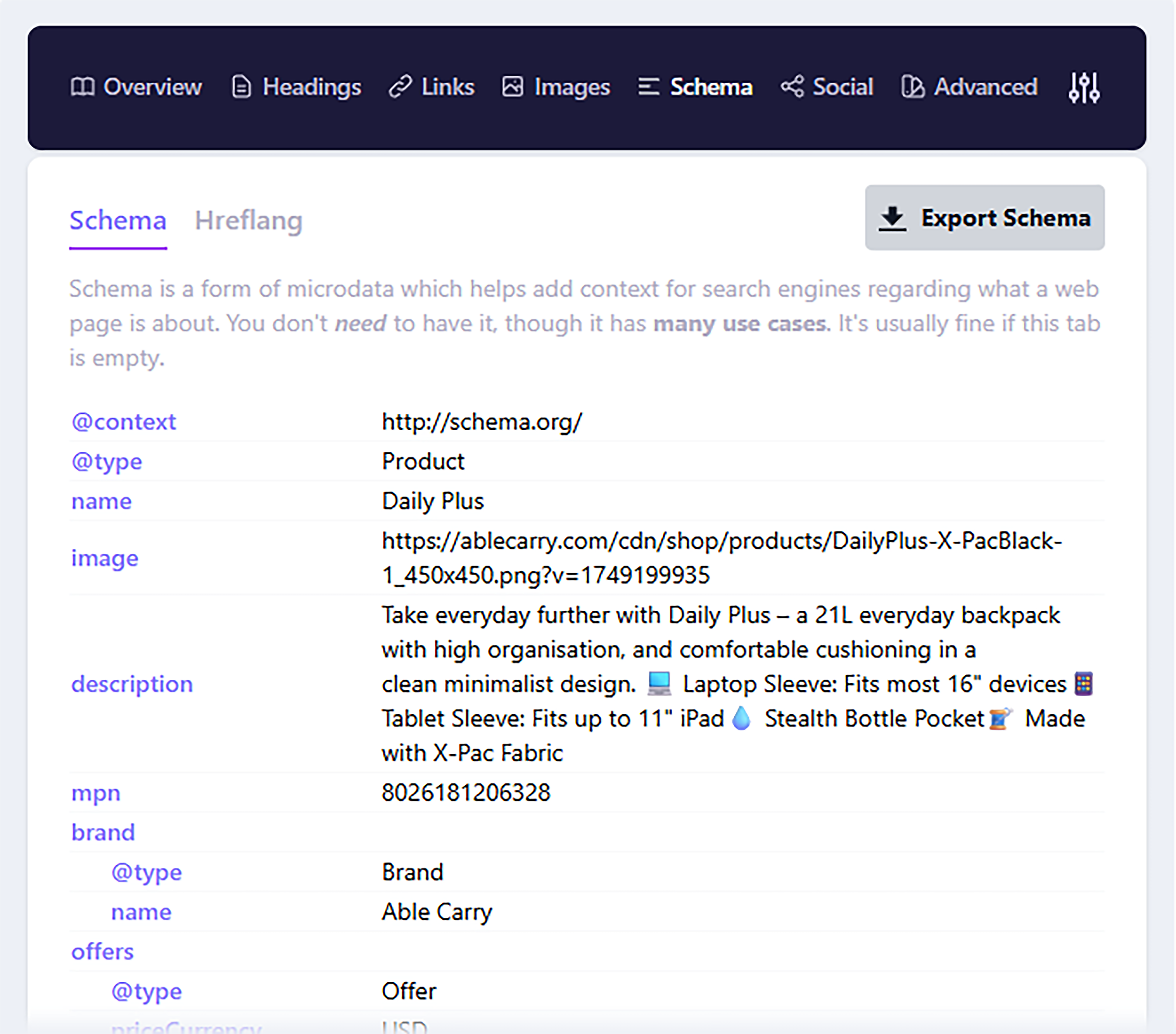
Concurrently, website architecture must evolve to accommodate both human readers and automated parsing tools. Modern on-page optimization requires clean semantic HTML, logical content hierarchies, skimmable sections, and properly implemented structured data. These structural elements enable search engines and AI systems to accurately interpret the core subject matter of each web page, ensuring proper indexing and retrieval in zero-click search environments.
Establishing Credibility Through Multi-Format Content and Proof Assets
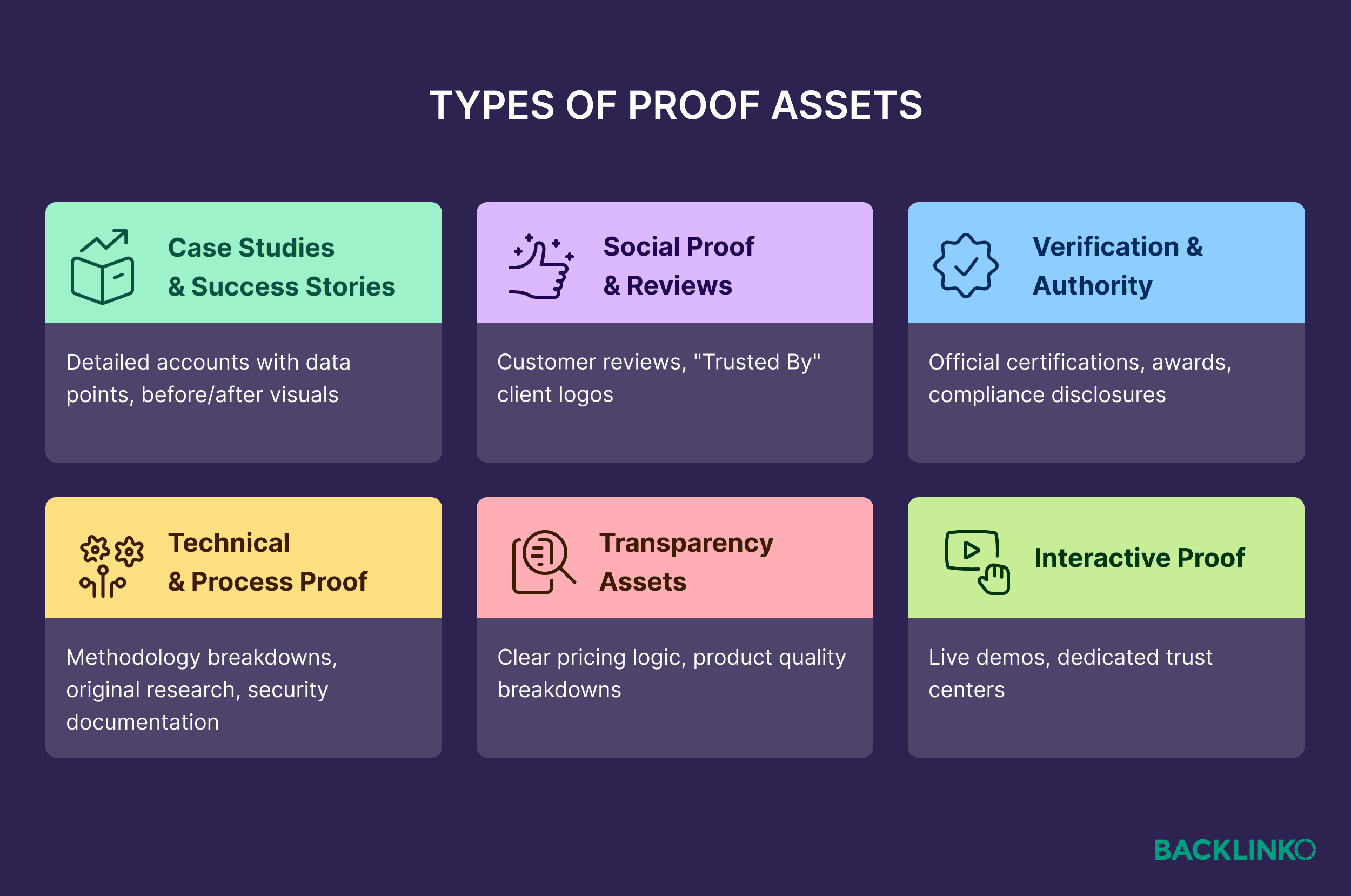
As third-party platforms increasingly shape consumer sentiment, the deployment of verifiable proof assets has become paramount. Proof assets—ranging from measurable case studies and rigorous security documentation to independent product reviews and transparent return policies—provide the empirical evidence necessary to validate marketing claims. Industry-specific demands dictate which proof assets carry the highest weight; for instance, enterprise software buyers typically prioritize uptime statistics and compliance frameworks, whereas e-commerce consumers scrutinize quality assurance details and user testimonials.
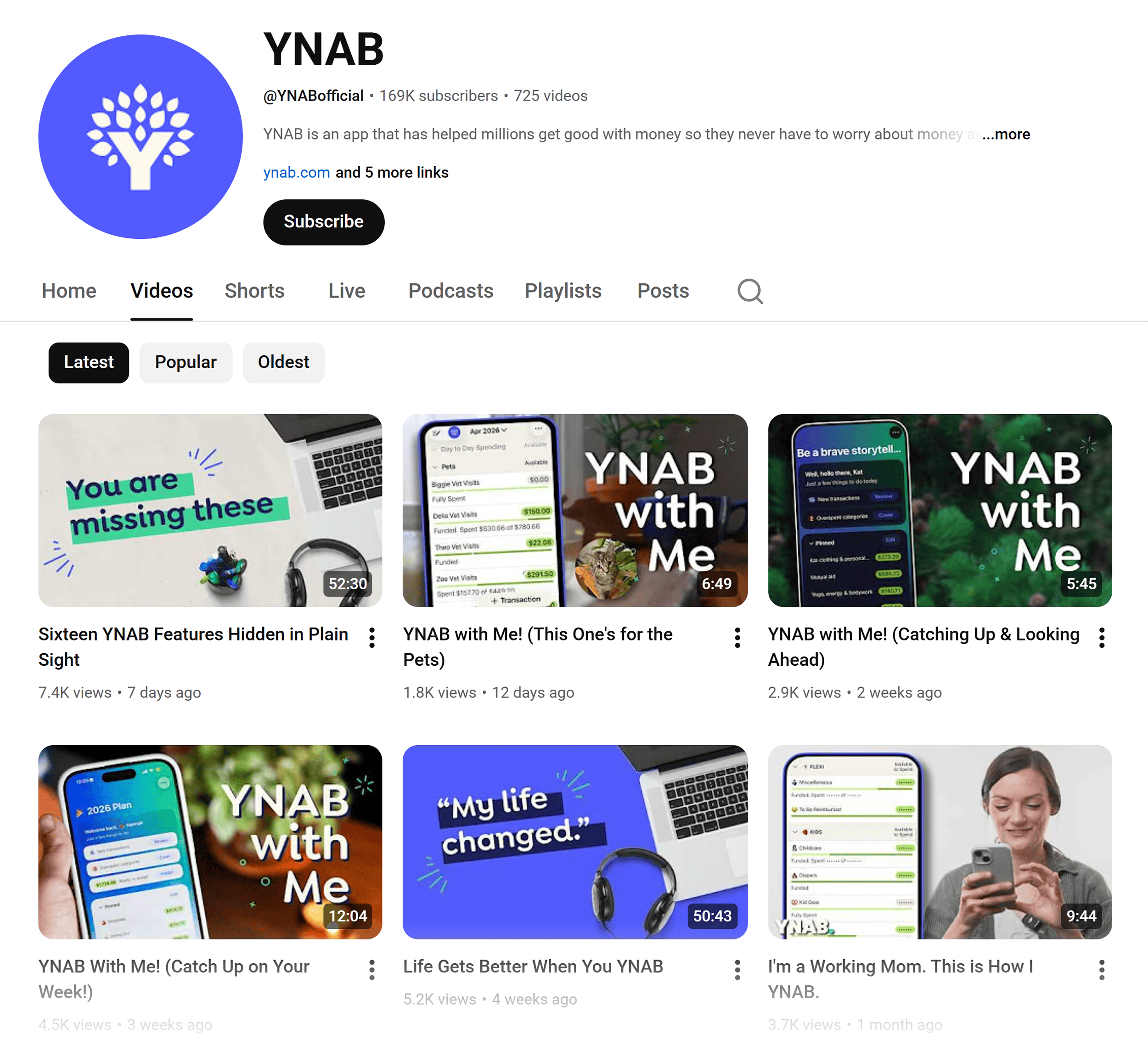
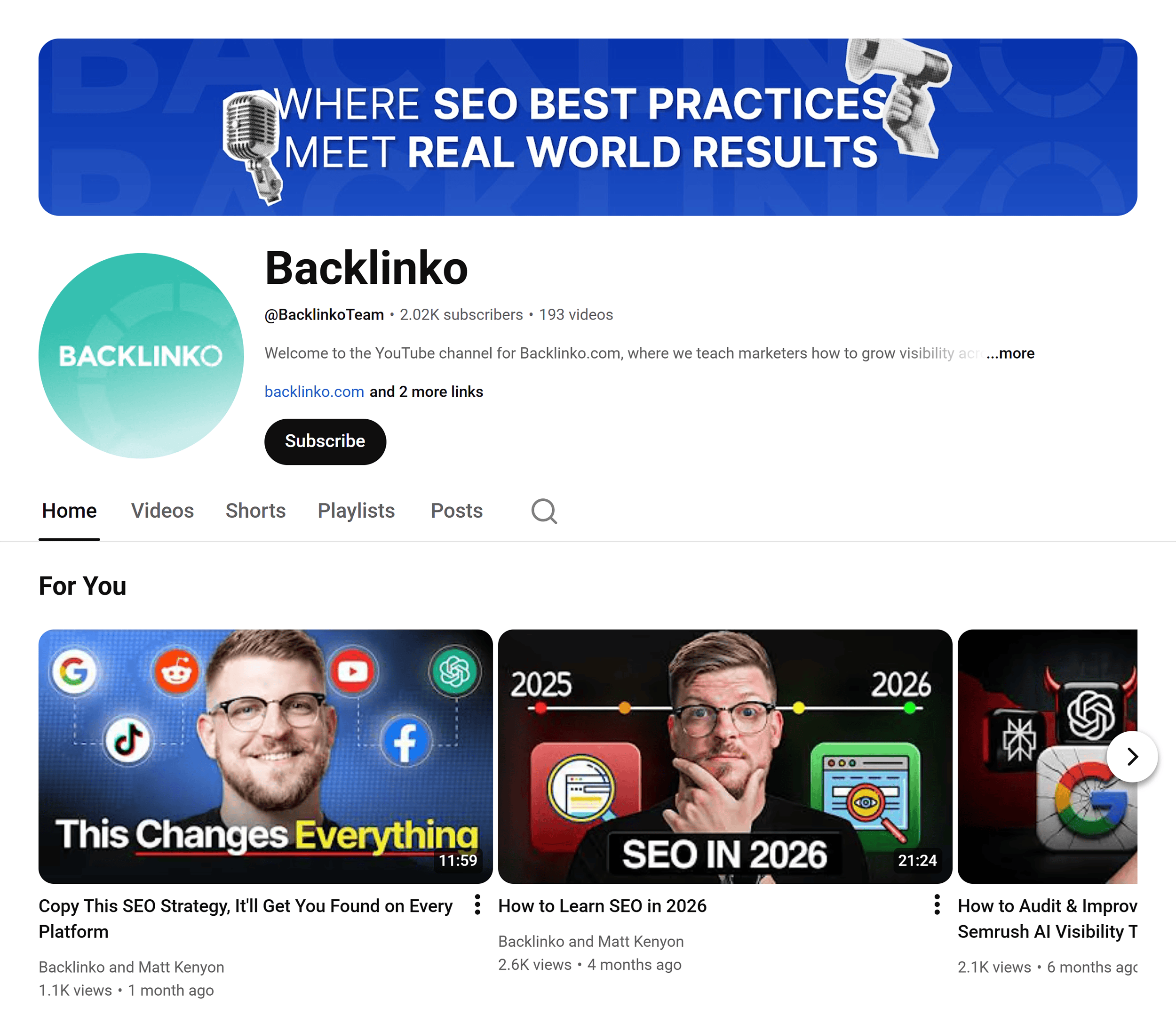
To complement these text-based trust signals, video marketing has established itself as an indispensable tool for building pre-sale familiarity. Long-form video content, hosted primarily on platforms like YouTube, allows brands to demonstrate deep expertise, address complex buyer objections, and humanize their operations. By creating educational tutorials, product deep-dives, and evaluation guides, companies can capture high-intent viewers and seamlessly direct them back to relevant website landing pages via contextual links and video descriptions.
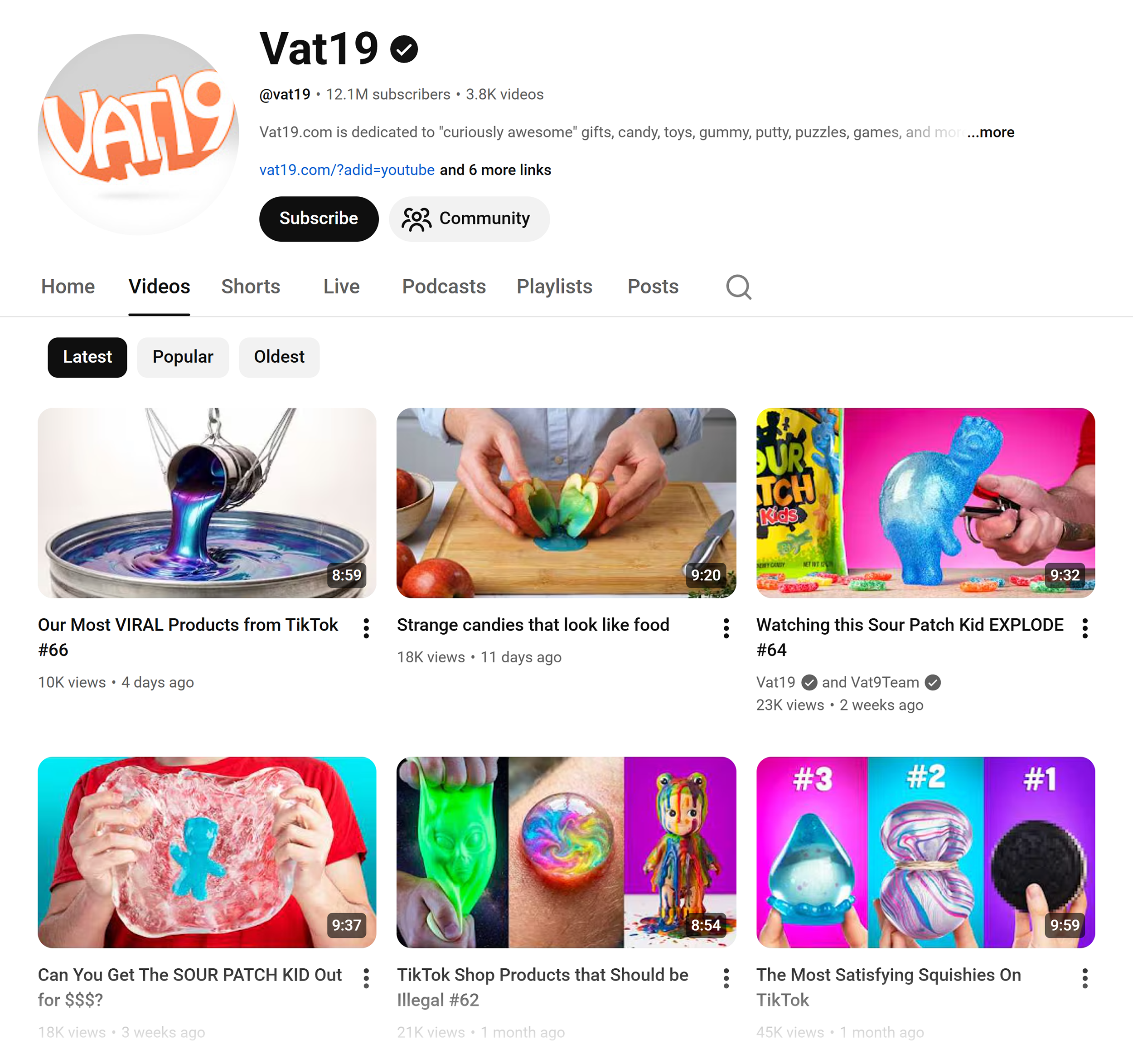
Short-form video formats on platforms such as TikTok, Instagram Reels, and YouTube Shorts further reinforce brand familiarity through consistent, bite-sized touchpoints. By addressing recurring customer questions gathered directly from sales calls and support tickets, brands can maintain a steady drumbeat of engagement that keeps them top-of-mind.
Capturing Algorithmic Traffic via Google Discover
Optimizing for algorithmic content feeds, such as Google Discover, represents another critical frontier for modern digital strategy. Google Discover delivers personalized, interest-based content to mobile users without requiring an explicit search query. Because Discover traffic can generate massive, sudden spikes in visibility, publishers must adapt their content strategies to align with interest-based curation.
Success in Google Discover hinges on timeliness, compelling packaging, and clear editorial angles. Content that performs well in these feeds typically connects broader industry trends to current developments, framing topics around newness, stakes, or tension. Furthermore, packaging plays a decisive role: headlines must communicate immediate relevance, and featured images must feature high-resolution, clear focal points to capture user attention in a fast-moving, multi-topic mobile environment.
Optimizing Conversions in a Zero-Click Landscape
The proliferation of zero-click search results—where users receive direct answers from AI summaries or featured snippets without visiting a source website—has profound implications for web traffic volume. While top-of-funnel traffic may shift, the visitors who do click through to a website are invariably better pre-educated and further along in their decision-making process.
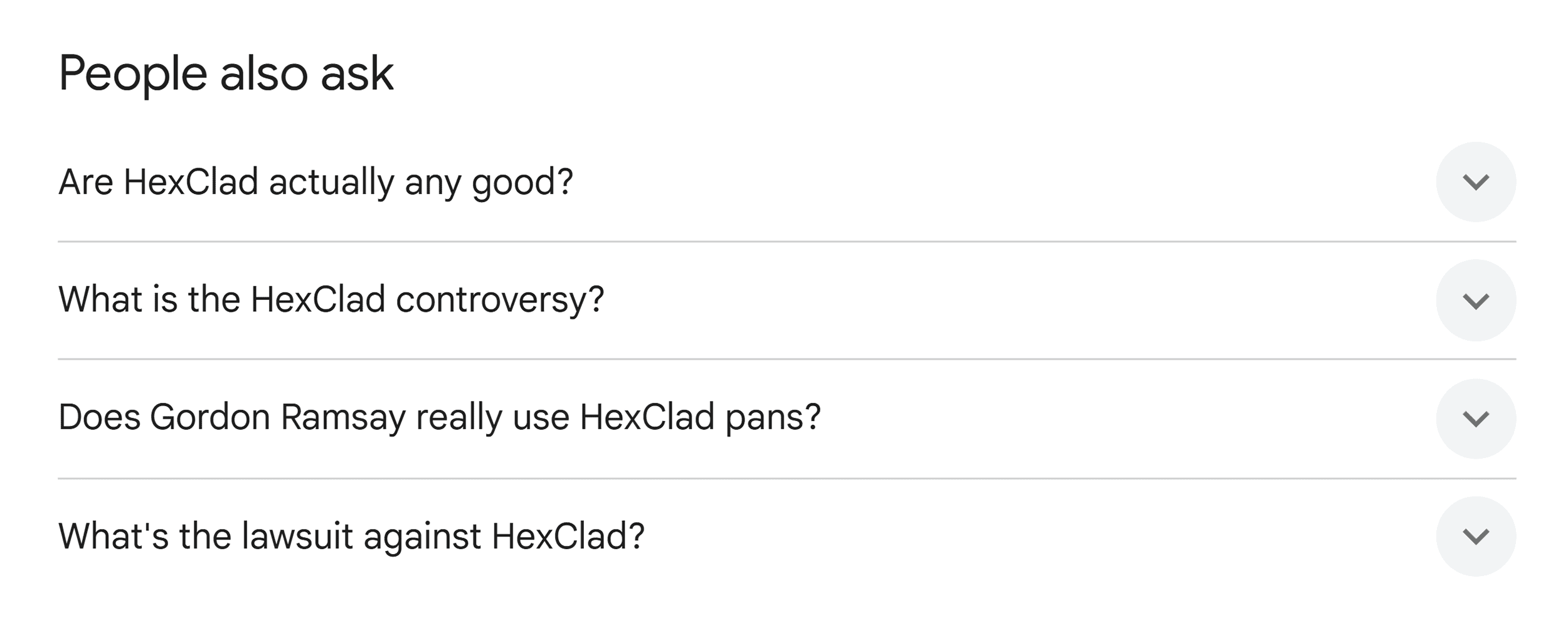
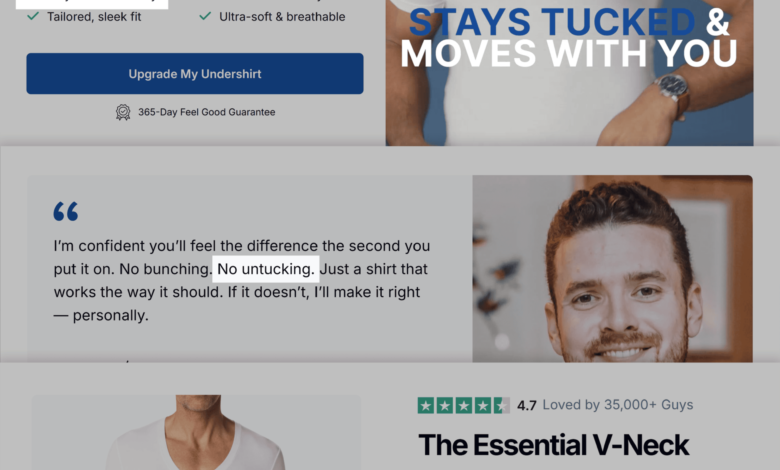
This reality places unprecedented pressure on conversion rate optimization (CRO). When high-intent visitors land on a site, friction and anxiety must be aggressively minimized. Friction, such as slow page speeds or confusing navigation, impedes progress, while anxiety, such as unclear pricing or inadequate trust signals, introduces hesitation. Conducting regular audits of high-intent pages—such as product pages, pricing matrices, and checkout flows—ensures that potential buyers encounter a seamless path to action.
To sustain engagement after a visitor leaves the site, brands increasingly rely on behavioral email marketing. By triggering automated follow-up messages based on specific on-site actions—such as viewing a pricing page or abandoning a cart—companies can deliver timely, relevant content that addresses lingering objections and leverages psychological principles like reciprocity to encourage conversion.
Humanizing the Brand and Cultivating Niche Communities
In an era saturated with automated content, human-centric marketing commands a distinct premium. Introducing recognizable faces, voices, and distinct personalities into a brand’s public-facing communications effectively reduces perceived risk for the consumer. Thought leadership initiatives championed by founders, executives, or subject matter experts allow companies to articulate original points of view that resonate with human audiences and earn citations from AI systems.
Simultaneously, active participation in niche communities—such as Reddit subreddits, specialized forums, and professional Discord servers—allows brands to build authentic credibility. Rather than engaging in blatant self-promotion, successful marketers approach these spaces as contributors, offering genuine assistance and addressing community pain points. This grassroots visibility not only shapes human perception but also feeds the data pools that train conversational AI models, ultimately influencing how a brand is represented across the digital ecosystem.
Ultimately, website marketing in 2026 requires a holistic approach that recognizes the entire omnichannel customer journey. By integrating AI discovery optimization, multi-format content creation, rigorous conversion practices, and active community participation, businesses can build a resilient digital presence capable of thriving in an increasingly complex online landscape.