Matrix Growth Academy Unveils the Zero to 100 Blueprint: A Definitive Playbook for Scaling B2B Startups to $100 Million in Revenue

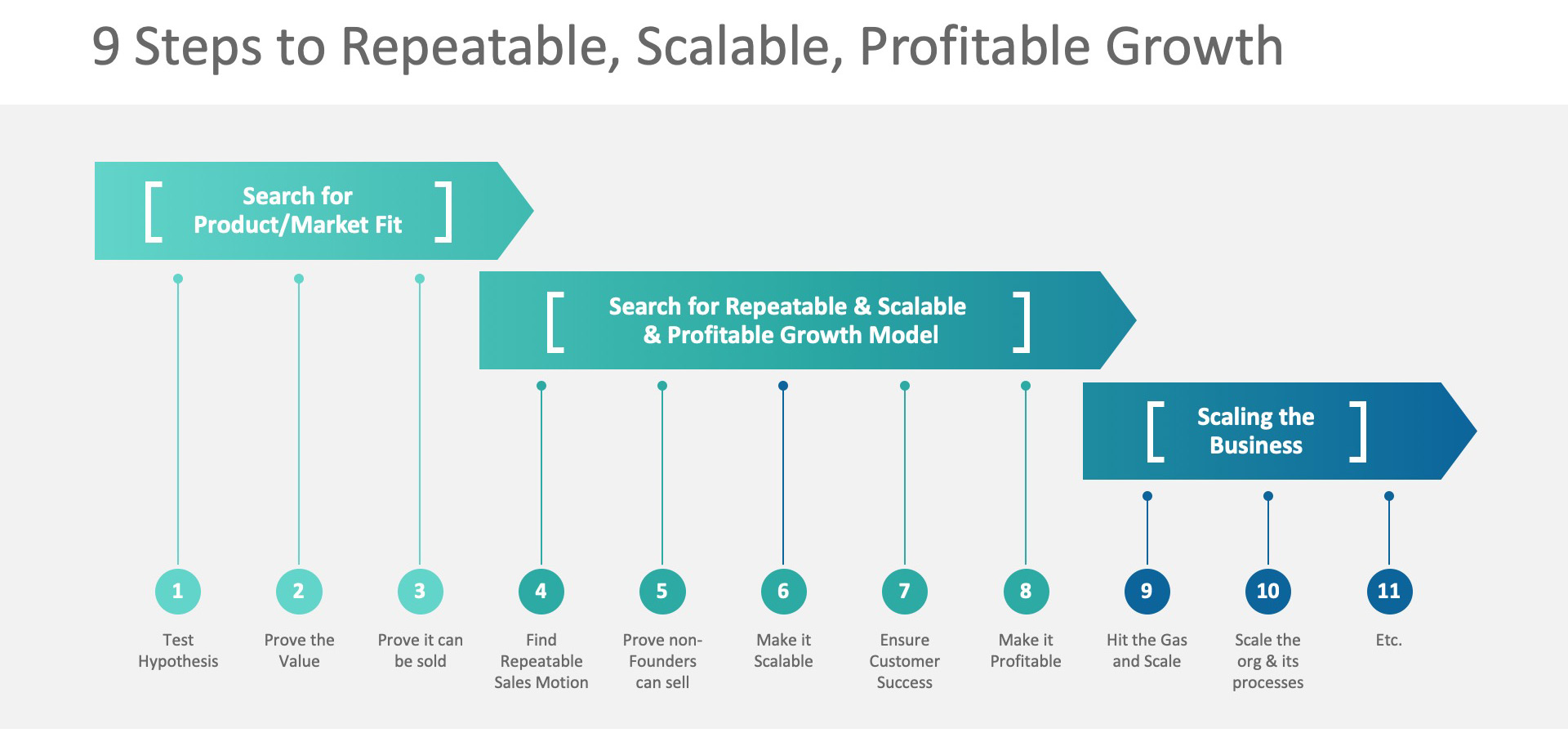
While the traditional Lean Startup methodology revolutionized how early-stage ventures achieve product-market fit, B2B founders face a distinctly steeper uphill battle when transitioning from initial traction to high-speed commercial acceleration. Recognizing a critical gap in the entrepreneurial landscape, the Matrix Growth Academy hosted its premier "Zero to 100" educational event in San Francisco. The comprehensive gathering was explicitly designed to supply business-to-business founders with a rigorous, step-by-step roadmap for building repeatable, scalable, and profitable growth models capable of propelling a startup toward $100 million in annual recurring revenue.
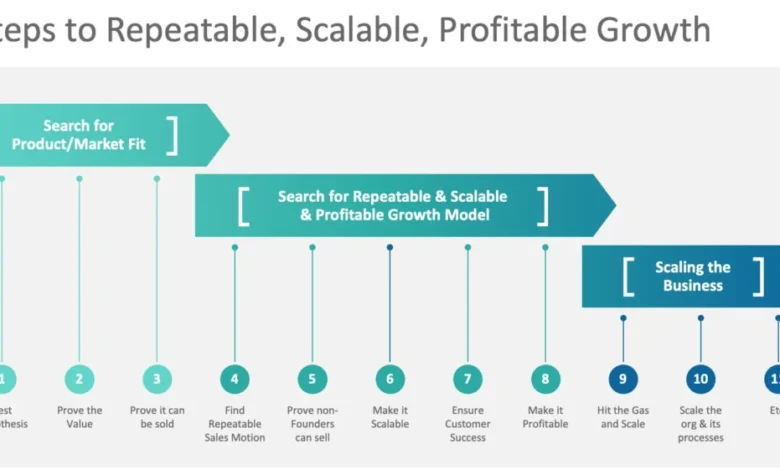
Spearheaded by venture capitalist and seasoned entrepreneur David Skok alongside a roster of industry luminaries, the event dissected the intricate journey of enterprise scaling into nine distinct, sequential phases. Industry veterans emphasize that attempting to force rapid growth or prematurely step on the accelerator without thoroughly mastering each preceding phase remains the single most common—and frequently fatal—mistake made by modern founders.
The Core Philosophy: Avoiding the Fatal Premature Scaling Trap
Statistical analysis from startup failure post-mortems consistently highlights premature scaling as the leading cause of business collapse, accounting for roughly 70 percent of enterprise liquidations. Founders high on the success of closing their initial pilot customers often rush to hire large sales teams and pour capital into customer acquisition channels before establishing a truly repeatable sales model.
David Skok drew heavily from his own entrepreneurial scars and years of observing portfolio companies as a board member and venture partner at Matrix. In designing the nine-phase framework, Skok sought to codify the painful lessons and high financial expenses he personally incurred. By breaking down the trajectory into digestible milestones, the curriculum offers a preventive framework that safeguards companies against the burn-rate pitfalls that plague early-stage B2B firms.
The educational content from the San Francisco symposium has since been systematically cataloged and made accessible to the global entrepreneurial community. Divided into targeted video modules, the curriculum features deep dives led by top-tier practitioners, including Pete Kazanjy, Stephanie Schatz, and Mark Gally, covering everything from founder-led selling to complex SaaS unit economics.
Phase One: Mastering Founder-Led Selling and Early Product Validation
A foundational pillar of the Zero to 100 methodology revolves around the reality that no one can sell an early-stage product better than the founder. Pete Kazanjy’s session on "Founder Led Selling" addressed the initial aversion many technical or product-focused founders feel toward sales functions.
Kazanjy outlined the critical psychological hurdles entrepreneurs face when transitioning from product creation to commercial outreach. The curriculum stresses that founders must personally execute early sales cycles to intimately understand customer friction points, validate true willingness-to-pay, and refine the value proposition. Trying to outsource sales to an expensive first-time VP of Sales before the founder has established a repeatable sales motion almost invariably results in wasted capital and prolonged sales cycles.

Parallel to selling is the rigorous pursuit of true product-market fit. Skok’s modules emphasize that product-market fit is not a static milestone, but a dynamic state of alignment where customer demand pulls the product out of the startup. During this phase, businesses must meticulously evaluate customer retention, engagement metrics, and organic word-of-mouth adoption before considering any outward expansion of their marketing funnel.
Transitioning to a Scalable Go-to-Market Model
Once product-market fit is established, founders must transition from ad-hoc closing to establishing a systematic, predictable revenue engine. This requires selecting the appropriate go-to-market model tailored to the company’s average selling price (ASP) and target customer profile, ranging from self-serve and transactional inside sales to complex enterprise field sales.
A major emphasis of the Matrix Growth Academy program is placed on diagnosing and fixing broken funnels. Skok introduced advanced diagnostics for identifying leaks in the conversion pipeline, noting that pouring more traffic into a structurally flawed conversion process only accelerates cash burn without improving output.
Furthermore, the curriculum champions the concept that "the product is your salesperson." By optimizing onboarding flows and shortening the "Time to Wow"—the precise moment a user realizes the core value of the software—startups can drastically reduce customer acquisition costs (CAC) and drive organic product-led growth.
Building and Structuring a High-Performance Sales Organization
Scaling beyond the founder-led phase requires building out a formal human capital infrastructure. Stephanie Schatz, former Chief Revenue Officer at Xamarin, delivered a masterclass on constructing high-performing sales organizations during the San Francisco event.
Schatz’s segments walked founders through the delicate architecture of sales team evolution:
- Specialization: Transitioning from generalist account executives to specialized roles involving inbound lead qualification, outbound prospecting, account execution, and customer success.
- Hiring Profiles: Identifying the distinct psychological and skill-set requirements needed for early-stage startup sales reps versus mature enterprise account managers.
- Onboarding and Enablement: Establishing repeatable training programs to shorten ramp-up times for new sales hires, ensuring predictable quota attainment across the roster.
- Compensation Design: Structuring incentive plans that properly align rep behavior with corporate goals, such as rewarding multi-year contracts or high-retention cohorts over one-off transactional wins.
Decoding the SaaS Business Model and Unit Economics
Long-term enterprise valuation in the B2B space hinges on a firm grasp of Software-as-a-Service (SaaS) metrics and unit economics. David Skok’s dedicated sessions provided an exhaustive breakdown of the financial machinery that makes subscription businesses attractive to institutional investors.
Key performance indicators highlighted in the playbook include:
- Customer Acquisition Cost (CAC): The total cost of sales and marketing required to acquire a new customer.
- Lifetime Value (LTV): The total gross margin contribution expected from a customer throughout their lifecycle.
- LTV/CAC Ratio: A benchmark metric indicating the return on investment of sales and marketing expenditure, with top-tier companies targeting a ratio exceeding 3:1.
- Magic Number: A measure of sales efficiency that evaluates the relationship between sales and marketing spend and net new ARR growth.
- Net Revenue Retention (NRR): The gold standard for SaaS health, measuring a company’s ability to expand revenue within existing accounts through upsells and cross-sells while offsetting churn.
Maintaining healthy unit economics ensures that as the startup scales its marketing engine, revenue growth translates efficiently into gross margins rather than compounding operational losses.
Operationalizing the Playbook: Theory to Practice and the CEO’s Evolving Role
Translating high-level strategic frameworks into daily operational execution remains a formidable hurdle for executive teams. Mark Gally’s contribution to the Zero to 100 curriculum focused heavily on bridging this gap. Gally outlined tactical execution strategies for aligning cross-functional departments—specifically product, marketing, and sales—around shared revenue and retention targets. Siloed execution is flagged as a primary inhibitor of enterprise velocity.
As companies successfully navigate through the intermediate stages toward higher revenue plateaus, the responsibilities of the Chief Executive Officer undergo a radical transformation. In the final modules of the program, David Skok examined the evolving role of the CEO.
Early-stage CEOs operate largely as tactical operators and chief salespeople. However, as the organization scales past the initial growth inflection points, the CEO must pivot toward becoming an architect of culture, a recruiter of elite executive talent, and a strategic visionary managing external capital allocation and board governance. The ability of a founder to successfully let go of day-to-day operational controls and empower professional management layers often dictates whether a company stalls out or successfully scales to a centaur valuation.
Broader Impact and Industry Implications
The release of the complete Matrix Growth Academy video series and associated learning materials arrives at a critical juncture for the broader technology sector. In an economic climate where venture capital investors place significantly higher emphasis on capital efficiency, profitability, and sustainable unit economics over unconstrained growth-at-all-costs, frameworks like Zero to 100 have transitioned from optional guidance to essential reading.
By demystifying the structural milestones required to scale a B2B software company from inception to $100 million in revenue, initiatives like those led by David Skok, Pete Kazanjy, Stephanie Schatz, and Mark Gally continue to shape the next generation of enterprise leaders. For founders navigating the treacherous waters between early product-market fit and enterprise maturity, adhering to a disciplined, sequenced playbook offers the clearest path to enduring market success.
Related posts: