AI Tools for Small Businesses: Revolutionizing Operations, Boosting Productivity, and Driving Growth

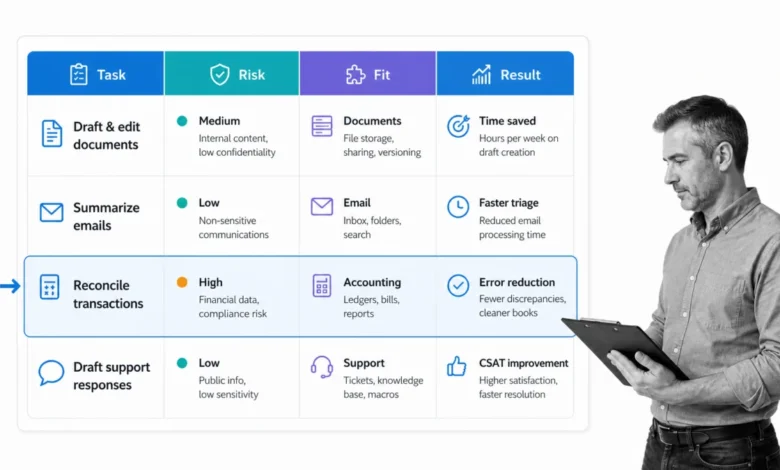
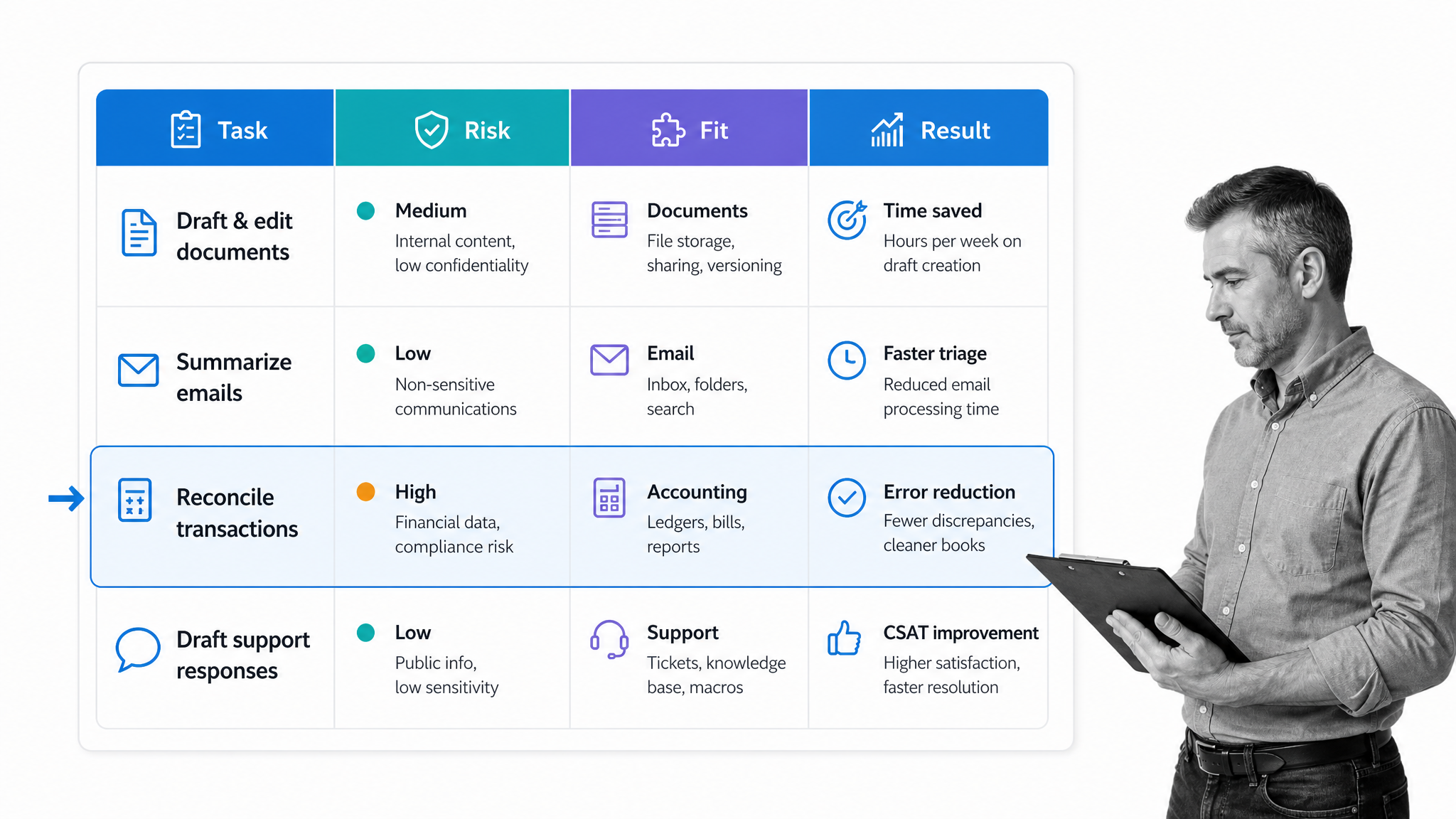
Artificial intelligence (AI) is no longer a futuristic concept; it’s a powerful tool that small businesses can leverage to streamline operations, reduce repetitive tasks, and enhance decision-making across various departments, including marketing, finance, hiring, customer support, operations, and compliance. The key to successful AI adoption lies not in selecting the tool with the most features, but in identifying the solution that best addresses a frequent business challenge, integrates seamlessly with existing systems, safeguards sensitive data, and delivers measurable results.
A practical approach for small businesses to integrate AI is to start with a single, well-defined workflow. This involves selecting a task that the team performs repeatedly each week, testing one or two suitable AI tools, and crucially, maintaining human oversight for consequential decisions. By tracking changes in time, cost, error rates, or conversion metrics before expanding AI adoption, businesses can ensure a strategic and effective integration. The landscape of AI tools is vast, with over 50 options categorized by business function, allowing for a comparison of broad platforms against specialized solutions. Businesses can navigate this landscape by focusing on the specific area they wish to improve, utilizing category links to jump directly to relevant sections.
The Growing Landscape of AI for Small Businesses
The integration of AI into the small business ecosystem has been a gradual but accelerating process. Initially, AI was perceived as a technology for large enterprises with significant IT budgets. However, the democratization of AI tools, driven by advancements in machine learning and cloud computing, has made these powerful capabilities accessible to businesses of all sizes. Reports from industry analysts consistently highlight the growing adoption of AI in SMBs, with a significant percentage already experimenting with or actively using AI solutions to gain a competitive edge. For instance, a recent survey by [Fictional Research Firm Name] indicated that over 60% of small businesses are exploring or implementing AI tools to improve efficiency and customer engagement.
The proliferation of AI has also spurred innovation in how businesses approach their core functions. What once required significant human capital and time can now be augmented or even automated. This shift is particularly impactful for small businesses, where resources are often stretched thin. AI offers a pathway to "do more with less," enabling teams to focus on strategic initiatives rather than getting bogged down in manual, time-consuming tasks.
Understanding the Core Benefits of AI Integration
AI tools offer tangible benefits that directly impact a small business’s bottom line and operational agility. These benefits can be broadly categorized:
- Reduced Repetitive Work: AI excels at automating mundane tasks, freeing up human employees for more complex and strategic work. This is evident across all business functions, from drafting marketing emails to processing invoices.
- Enhanced Decision-Making: By analyzing vast amounts of data, AI can provide insights and predictions that inform better business decisions. This can range from identifying customer trends to forecasting financial performance.
- Improved Customer Experience: AI-powered chatbots, personalized recommendations, and efficient support systems can significantly elevate customer satisfaction and loyalty.
- Increased Efficiency and Productivity: Automation and intelligent assistance lead to faster turnaround times, reduced errors, and overall higher output from teams.
- Cost Savings: While there’s an investment in AI tools, the long-term savings from reduced manual labor, fewer errors, and optimized processes often outweigh the initial costs.
Navigating the AI Tool Spectrum: A Categorized Approach
The following sections delve into specific categories of AI tools, highlighting their functionalities, pros, and cons for small businesses. Each tool is presented with its official website for further exploration.
Cross-Functional AI Tools for Small Businesses
These versatile AI tools transcend specific departmental functions, offering broad applications for process enhancement and productivity boosts.
-
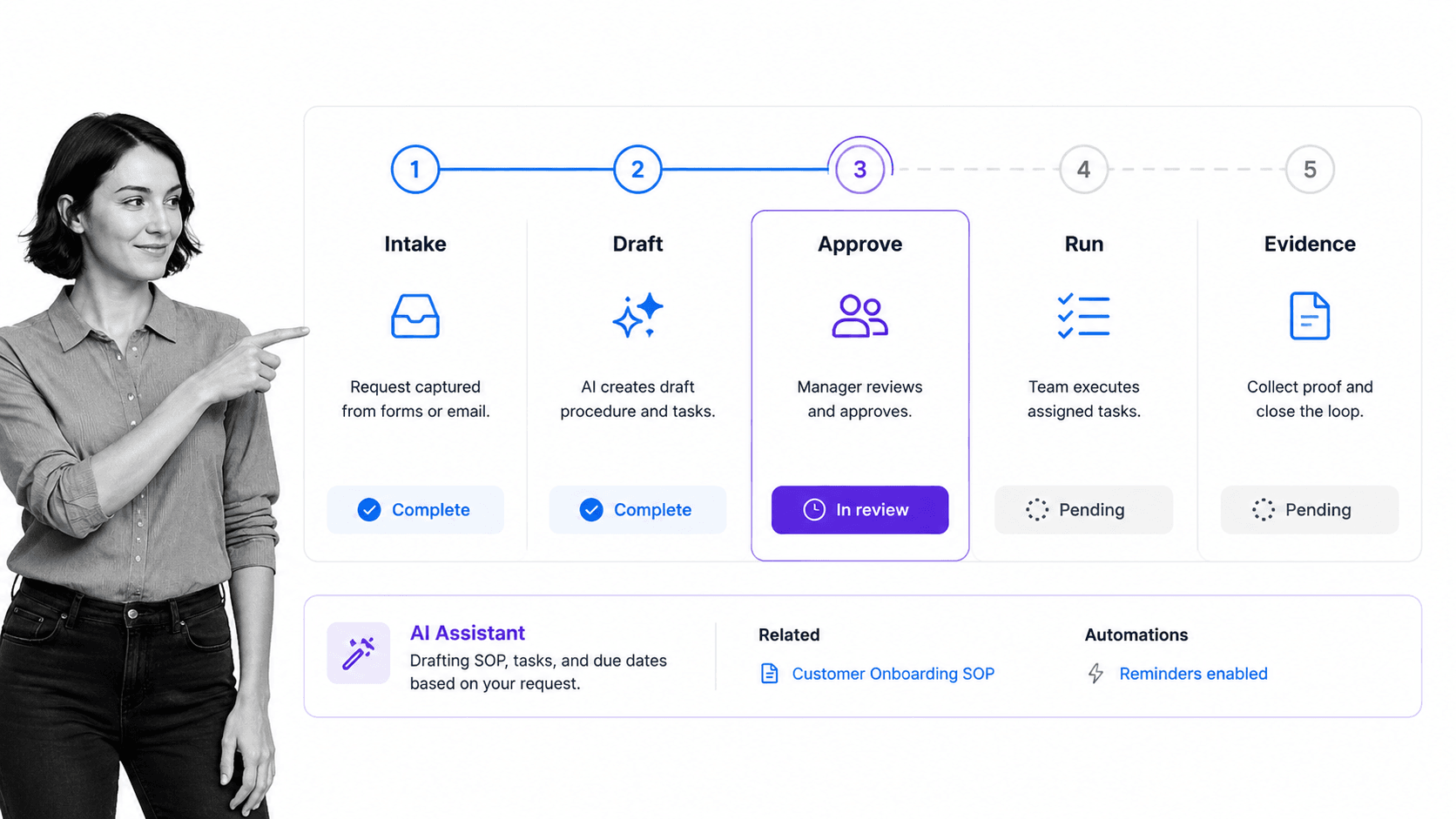
Process Street: A Compliance Operations Platform designed to document, standardize, and evidence critical business work. Process Street transforms policies into structured workflows, manages approvals, collects data, and maintains audit trails without requiring a patchwork of separate solutions. It’s an excellent starting point for businesses seeking to optimize repeatable operations with AI.
- Features: AI-powered workflow automation, document management, approval routing, data collection, audit trails, integration capabilities.
- Pros: Streamlines complex processes, ensures consistency, provides auditable records, user-friendly interface.
- Cons: May require initial setup and adaptation to existing workflows.
-
ChatGPT Business: Offers a shared workspace for drafting, research, analysis, and coding support. It is most effective when businesses define clear use cases, provide reliable source material, and maintain human review of outputs before critical decisions or external communications.
- Features: Advanced natural language generation, research assistance, data analysis, custom assistant creation.
- Pros: Highly versatile for content creation and information synthesis, accessible interface.
- Cons: Requires careful prompt engineering and human oversight for accuracy and context.
-
Gemini: Google’s AI assistant facilitates research, drafting, analysis, and multimodal tasks. For businesses leveraging Google Workspace, Gemini enhances work within familiar applications like documents, emails, and spreadsheets, while keeping final decision-making with the user.
- Features: Multimodal understanding, integration with Google Workspace, research and drafting capabilities.
- Pros: Seamless integration for Google users, powerful analytical and creative potential.
- Cons: Performance can vary based on the complexity of the task and data provided.
-
Claude (Anthropic’s LLM): Differentiates itself with the capacity to process extensive text inputs (up to 75,000 words per prompt). Claude is adept at text generation, translation, and content design, making it a robust tool for in-depth content tasks.
- Features: Large context window, strong text generation, translation, and content creation capabilities.
- Pros: Handles lengthy documents, suitable for detailed analysis and complex writing tasks.
- Cons: May require specific prompting for nuanced outputs.
-
Zoho Zia: An AI assistant embedded within the Zoho software suite, Zia provides businesses with enhanced data analysis and decision-making tools. Its features, from intuitive workflows to predictive analytics, optimize operations and improve outcomes.
- Features: Predictive analytics, workflow automation, data insights within Zoho applications.
- Pros: Deep integration with Zoho ecosystem, enhances business intelligence.
- Cons: Primarily beneficial for existing Zoho users.
-
Regie.ai: An AI-powered sales engagement platform focused on prospecting and outbound communication. Regie.ai assists small sales teams with account research, personalized messaging, and outreach sequence management, though deliverability and brand quality still depend on human oversight.
- Features: AI-driven sales prospecting, personalized message generation, outreach automation.
- Pros: Streamlines sales outreach, enhances personalization at scale.
- Cons: Requires careful campaign management and review to maintain quality.
-
UiPath: A leading Robotic Process Automation (RPA) software that uses AI to automate repetitive tasks and streamline business processes. UiPath enables the creation of software robots that mimic human actions, boosting efficiency and reducing errors.
- Features: RPA capabilities, AI-driven automation, process optimization.
- Pros: Automates high-volume, rule-based tasks, significant efficiency gains.
- Cons: Implementation can be complex and require specialized skills.
-
AppZen: An AI-based tool that automates expense report auditing. By leveraging AI and machine learning, AppZen identifies policy violations, potential fraud, and errors, saving time and ensuring compliance.
- Features: AI-powered expense auditing, fraud detection, compliance checks.
- Pros: Saves significant time in financial administration, enhances accuracy.
- Cons: Requires integration with existing expense management systems.
-
ThoughtSpot Spotter: Offers an AI-driven analytics experience for asking business questions in natural language and exploring governed data. Spotter is effective when businesses have established reliable data models and access controls.
- Features: Natural language querying, AI-driven data analysis and visualization.
- Pros: Empowers non-technical users to access data insights.
- Cons: Requires well-structured and accessible data sources.
-
HubSpot Breeze Copilot: HubSpot’s AI assistant integrated across its customer platform. It helps summarize records, draft content, prepare for customer conversations, and reduce CRM-related repetitive work.
- Features: AI assistance within HubSpot CRM, content drafting, record summarization.
- Pros: Enhances CRM efficiency, keeps customer data centralized.
- Cons: Primarily beneficial for HubSpot users.
-
Intercom Fin: An AI customer service agent designed to resolve support questions using a company’s knowledge base and escalate to human agents when necessary. Fin helps small teams manage routine inquiries efficiently.
- Features: AI-powered customer support, knowledge base integration, human handover.
- Pros: Improves response times, handles common queries, frees up support staff.
- Cons: Requires a well-maintained knowledge base for optimal performance.
-
Email Content Generator from Mailchimp: Mailchimp’s AI feature optimizes email campaigns and customer targeting. The generator assists in creating personalized, targeted messages to improve email marketing results.
- Features: AI-driven email content creation, personalization, campaign optimization.
- Pros: Enhances email marketing effectiveness, saves time on content creation.
- Cons: Output quality depends on input and brand voice guidelines.
-
Grammarly AI: Helps teams draft, revise, and improve written communication across various platforms. Grammarly AI acts as an editing layer, enhancing clarity, tone, and consistency, rather than replacing subject matter expertise.
- Features: Advanced grammar and style checking, tone detection, clarity suggestions.
- Pros: Improves written communication quality, widely compatible.
- Cons: Best used as a supplement to human editing and fact-checking.
-
Starmind: An AI platform that maps skills and expertise within an organization, facilitating efficient knowledge sharing and problem-solving.
- Features: AI-driven expertise mapping, knowledge discovery, internal collaboration.
- Pros: Leverages internal knowledge, improves problem-solving efficiency.
- Cons: Requires active employee participation to build a comprehensive knowledge map.
-
Persado: Generates the most impactful language for communications by analyzing data and leveraging AI algorithms. Persado helps create compelling and persuasive content tailored to specific audiences.
- Features: AI-powered language generation, content optimization for engagement.
- Pros: Enhances marketing and sales communication effectiveness.
- Cons: Focuses specifically on language and persuasion, not broader content creation.
-
Gong.io: Analyzes sales calls and meetings to provide insights and coaching for sales teams. Gong.io helps understand customer interactions, identify sales patterns, and optimize strategies through AI.
- Features: Sales call analysis, AI-driven insights, coaching recommendations.
- Pros: Improves sales team performance through data-driven feedback.
- Cons: Requires call recording and analysis setup.
-
HubSpot Breeze Intelligence: Assists HubSpot customers in enriching company and contact records, understanding buyer intent, and reducing data entry. It is most beneficial when a business has a defined ideal customer profile and clear data usage rules.
- Features: Data enrichment, buyer intent analysis within HubSpot.
- Pros: Improves CRM data quality and sales intelligence.
- Cons: Relies on the accuracy of existing data and defined profiles.
-
Microsoft 365 Copilot: Integrates AI assistance into Microsoft applications, helping teams summarize meetings, draft documents, analyze spreadsheets, and prepare presentations. Effective when permissions and source files are well-managed.
- Features: AI assistance across Microsoft 365 apps, document summarization, content generation.
- Pros: Seamless integration for Microsoft users, broad productivity enhancements.
- Cons: Requires Microsoft 365 subscription and proper configuration.
-
Invoca: A call tracking and analytics platform that provides insights from customer phone calls. Invoca offers data-driven analytics, call attribution, and conversation analytics to optimize marketing campaigns and customer experiences.
- Features: Call tracking, conversation analytics, marketing attribution.
- Pros: Provides valuable insights from voice interactions, optimizes marketing spend.
- Cons: Focuses specifically on phone call interactions.
Financial Management AI Tools for Small Businesses
These tools leverage AI to streamline financial operations, improve accuracy, and provide deeper insights into financial health.
-
BILL: A financial operations platform for managing accounts payable, accounts receivable, spend, and cash flow. BILL’s automation helps small finance teams capture invoices, route approvals, and schedule payments, while ensuring human accountability for transactions.
- Features: AP/AR automation, invoice processing, payment scheduling, spend management.
- Pros: Automates tedious financial tasks, improves cash flow management.
- Cons: Requires accurate invoice data input for optimal processing.
-
Zeni: An AI-powered finance manager handling bookkeeping, tax filing, and financial reporting. Zeni automates manual financial processes, reducing errors and saving time.
- Features: AI-driven bookkeeping, tax preparation, financial reporting.
- Pros: Comprehensive financial management automation, cost-effective for SMBs.
- Cons: May require consultation for complex financial situations.
-
Chata.ai: This AI assistant provides data analytics for small business owners, understanding natural language queries to offer instant insights into cash flow, forecasting, and revenue predictions.
- Features: Natural language financial queries, cash flow analysis, revenue forecasting.
- Pros: Democratizes financial data analysis, provides quick insights.
- Cons: Relies on the accuracy and completeness of financial data fed into the system.
-
American Express Business Blueprint: Offers eligible small businesses a consolidated view of cash flow and financing products. It functions as a financial platform rather than a generic AI assistant, consolidating financial data.
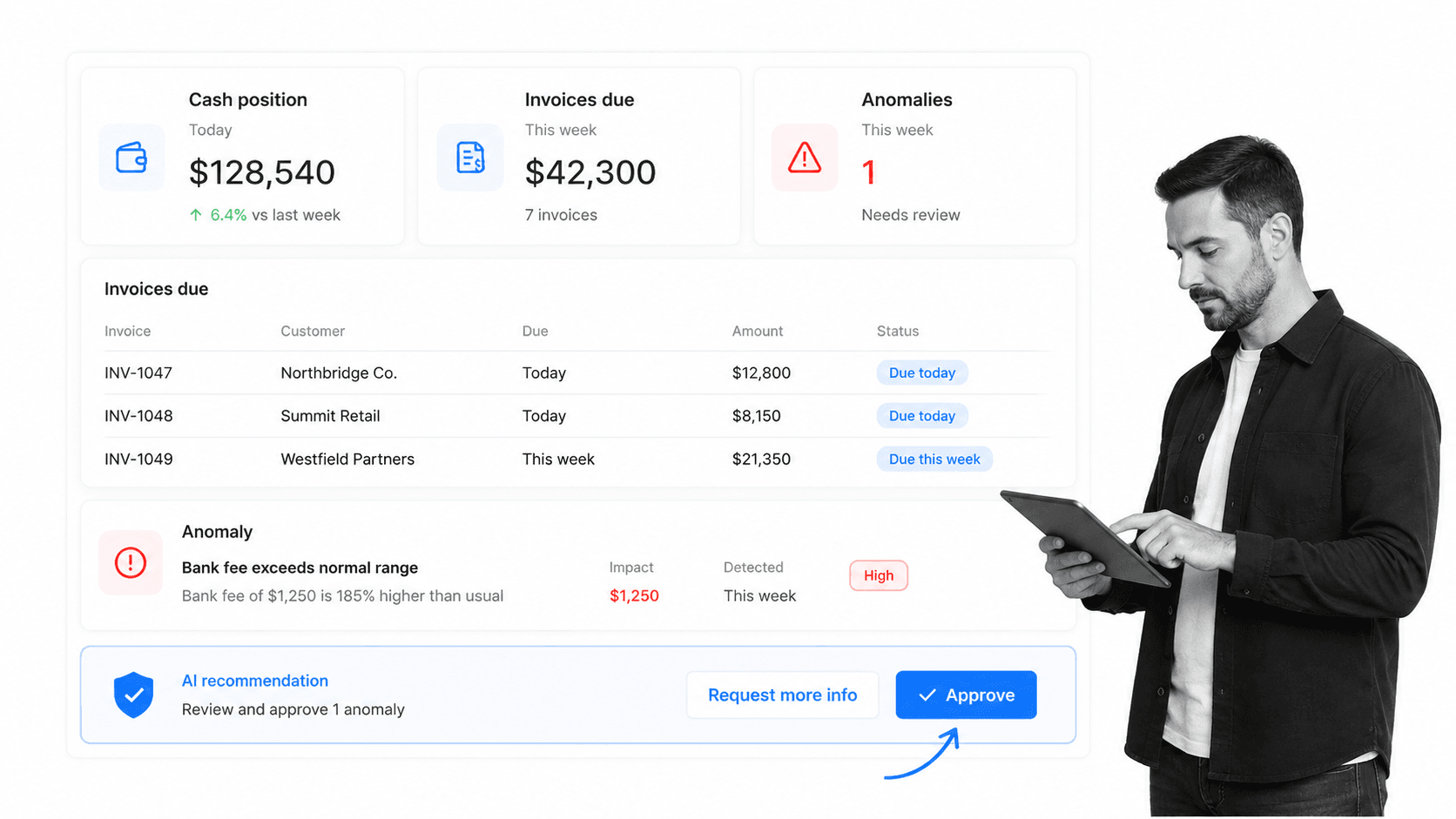
- Features: Cash flow visualization, financing product integration.
- Pros: Provides a clear overview of financial health and financing options.
- Cons: Primarily for businesses using American Express services.
Human Resource Management (HRM) AI Tools for Small Businesses
AI is transforming HR by streamlining recruitment, performance management, and employee engagement.
-
hireEZ: An AI-assisted recruiting platform for sourcing, candidate engagement, and talent data management. hireEZ helps organize outreach and research, but human oversight is crucial for candidate evaluation and employment decisions.
- Features: AI-powered candidate sourcing, outreach management, talent analytics.
- Pros: Accelerates talent acquisition, improves candidate engagement.
- Cons: Automated recommendations should be critically reviewed by hiring managers.
-
Lattice: An AI-powered performance management platform designed to help SMBs manage employee performance effectively. Lattice uses AI to collect feedback, set goals, and track progress.
- Features: Performance reviews, goal setting, employee feedback collection, AI insights.
- Pros: Enhances performance management processes, fosters employee development.
- Cons: Requires active participation from both managers and employees.
-
X0PA AI: Supports structured recruiting with candidate screening, shortlisting, and matching tools. X0PA AI reduces repetitive review work, but human accountability remains essential for evaluation criteria, accommodations, and final hiring decisions.
- Features: AI-driven candidate screening, shortlisting, and matching.
- Pros: Streamlines the initial stages of recruitment, identifies top candidates efficiently.
- Cons: Bias in AI algorithms needs careful monitoring and mitigation.
-
Harver: AI-powered pre-employment assessment software that streamlines candidate screening. Harver uses AI to evaluate applicants based on skills, personality traits, and cultural fit, aiming for better hiring decisions.
- Features: AI-driven pre-employment assessments, skills and personality evaluation.
- Pros: Objective assessment of candidate suitability, reduces time-to-hire.
- Cons: Assessments should be validated for fairness and job relevance.
-
Engagedly: A talent management platform encompassing engagement, performance, and learning, with AI-assisted people workflows. Engagedly, now including Butterfly.ai, offers a comprehensive suite for talent development.
- Features: Employee engagement, performance management, learning and development, AI workflows.
- Pros: Holistic approach to talent management, promotes employee growth.
- Cons: Can be a broad platform requiring strategic implementation.
-
Linear AI: Assists software product teams by enhancing the creation, updating, searching, and summarizing of work within Linear. It provides AI integration directly within an issue-tracking workflow.
- Features: AI-powered task management, code assistance, documentation summarization.
- Pros: Integrates AI into development workflows, boosts team productivity.
- Cons: Specific to teams using Linear for project management.
-
Radancy AI Interview: Radancy’s AI hiring capabilities, including technology previously known as myInterview, support structured screening and interview workflows. Human oversight is vital for evaluation, accommodations, and final employment decisions.
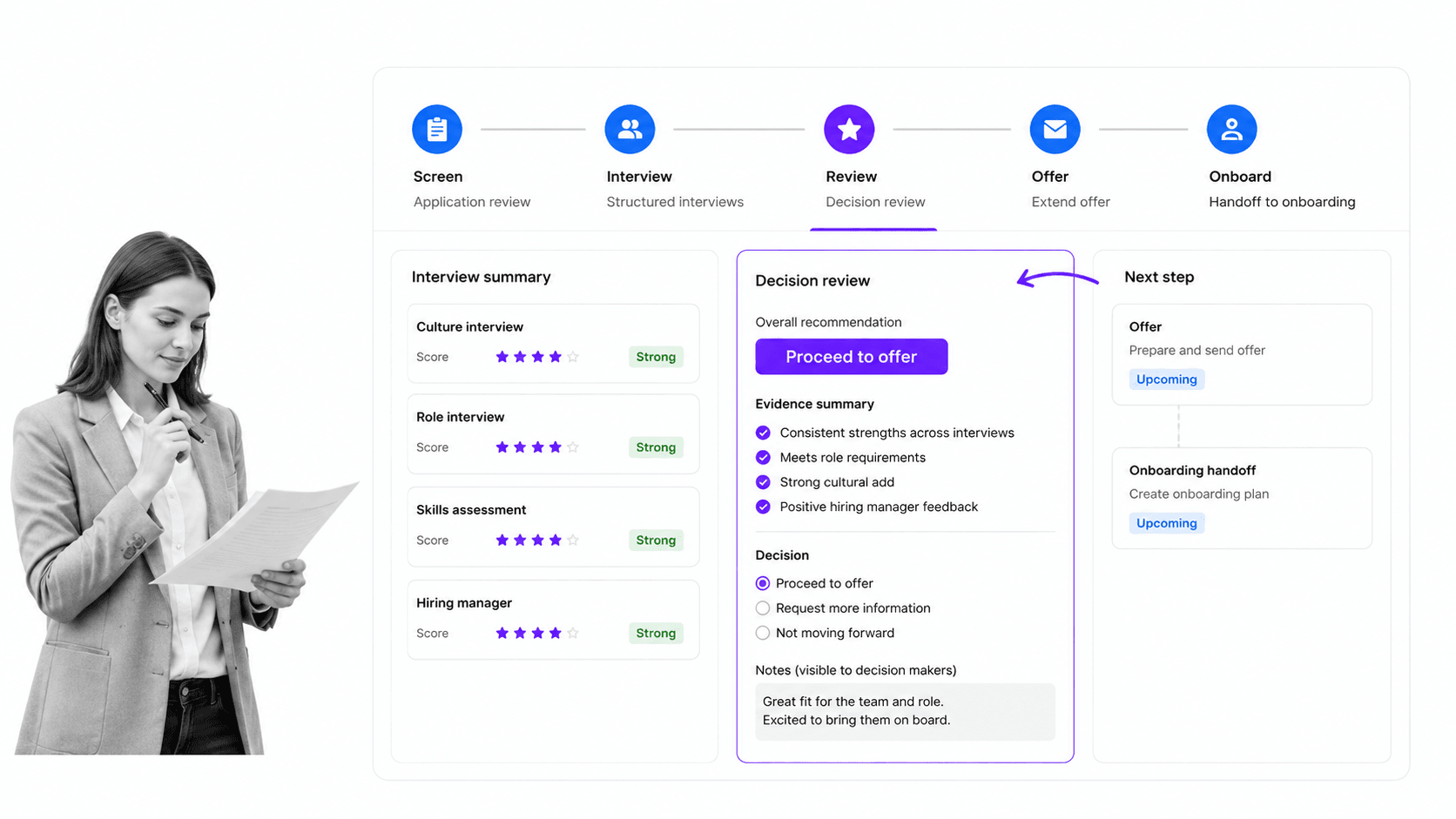
- Features: AI-assisted interviews, candidate screening, structured evaluation.
- Pros: Standardizes interview processes, provides objective candidate data.
- Cons: Ethical considerations regarding AI in interviews require careful management.
Marketing and Customer Relationship Management (CRM) AI Tools
AI is revolutionizing how businesses connect with customers, create engaging content, and manage relationships.
-
beehiiv: An email newsletter platform offering tools for writing, sending, growing, and monetizing newsletters, with AI features supporting content creation and production.
- Features: Newsletter management, AI content assistance, audience growth tools.
- Pros: Streamlines newsletter operations, enhances content creation.
- Cons: Primarily focused on email newsletters, not a full CRM.
-
Wordtune: An AI-powered writing assistant that suggests word choices, corrects grammar, and makes writing more concise and engaging, improving overall communication style.
- Features: AI writing suggestions, style enhancement, rephrasing capabilities.
- Pros: Improves clarity and impact of written content, user-friendly.
- Cons: Primarily focused on refining existing text, not generating entirely new content.
-
Canva Magic Studio: Integrates AI-assisted image, video, presentation, and copy tools into Canva. It helps small teams quickly move from a brief to usable campaign assets while maintaining brand consistency.
- Features: AI-powered design tools, content generation, template integration.
- Pros: Accelerates creative asset production, accessible for non-designers.
- Cons: Advanced customization may still require design expertise.
-
Adobe Firefly: Provides generative image, video, and design capabilities within Adobe products. Creative teams can use Firefly for concepts and production variations, fitting into established editing workflows.
- Features: Generative AI for images and video, creative asset generation.
- Pros: Powerful creative tools, seamless integration with Adobe Creative Cloud.
- Cons: Can be resource-intensive and may require learning new interfaces.
-
Synthesia: A tool that allows users to create animated videos with text-to-speech capabilities, enabling the production of professional-looking videos quickly.
- Features: AI-powered video creation, text-to-speech, avatar customization.
- Pros: Fast and cost-effective video production, accessible for various use cases.
- Cons: AI-generated avatars may lack the nuance of human presenters.
-
Writesonic: A text-generating AI tool capable of writing blog posts, articles, social media posts, product descriptions, and more.
- Features: AI content generation for various formats, SEO optimization tools.
- Pros: Generates diverse content quickly, supports content marketing efforts.
- Cons: Content requires editing for originality and specific brand voice.
-
Kapiche: A powerful text analytics software that uses AI to understand and analyze customer feedback, providing insights into customer sentiments, opinions, and reviews.
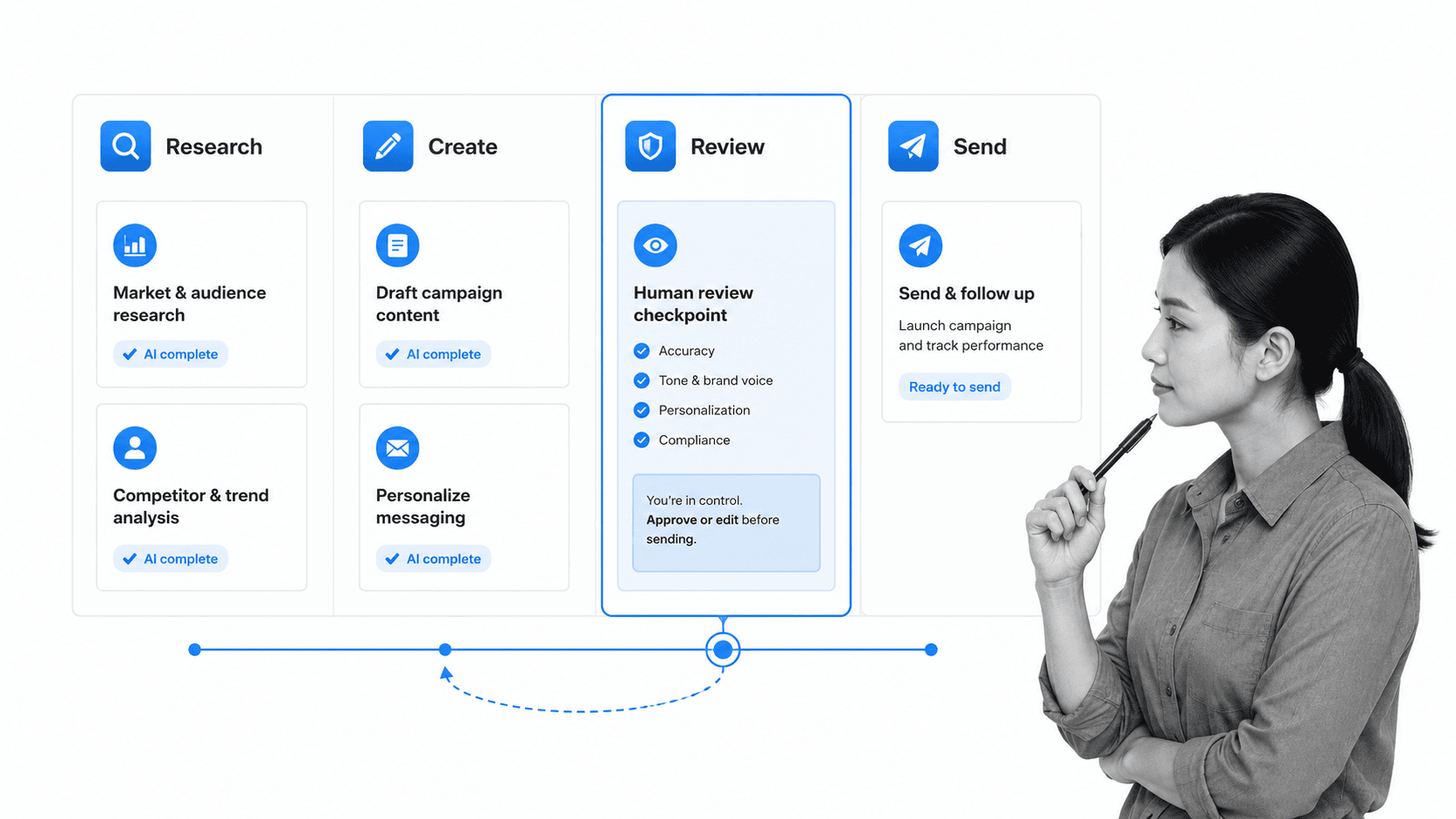
- Features: AI-driven text analytics, customer feedback analysis, sentiment analysis.
- Pros: Uncovers deep insights from unstructured feedback, drives customer-centric improvements.
- Cons: Requires a substantial amount of text data for accurate analysis.
-
Optimizely: An AI-driven platform for website experimentation and personalization. It helps optimize website performance, increase conversions, and deliver tailored customer experiences.
- Features: A/B testing, personalization, conversion rate optimization, AI-driven insights.
- Pros: Data-driven approach to improving user experience and conversions.
- Cons: Requires traffic and user data to run effective experiments.
-
Crisp: An AI-powered customer service platform for managing and enhancing customer support. It offers live chat, chatbots, and automation to streamline interactions and provide efficient support.
- Features: AI chatbots, live chat, customer support automation.
- Pros: Improves customer response times, offers 24/7 support capabilities.
- Cons: Chatbot effectiveness depends on its training and integration.
-
Birdeye: A platform focused on driving business growth through improved customer experience. It collects and analyzes customer feedback, online reviews, and ratings to enhance reputation and attract more customers.
- Features: Online review management, customer feedback collection, reputation management.
- Pros: Enhances online presence and customer trust, drives business growth.
- Cons: Relies on active customer engagement for feedback.
-
Zendesk AI: Enhances customer service workflows with automated answers, agent assistance, routing, and quality support. Zendesk AI is a robust option for businesses seeking AI integration with a managed support queue and knowledge base.
- Features: AI-powered ticketing, automated responses, agent assist, intelligent routing.
- Pros: Significantly improves customer service efficiency and agent productivity.
- Cons: Best suited for businesses already using Zendesk for support.
Operational Efficiency AI Tools for Small Business
These tools focus on optimizing internal processes, improving project management, and enhancing overall operational flow.
-
Taskade: A cloud-based project management tool enabling team collaboration on tasks, projects, and documents. Taskade is user-friendly and offers features to boost team productivity and efficiency.
- Features: Project management, task collaboration, AI-powered project assistance.
- Pros: All-in-one platform for team productivity, intuitive interface.
- Cons: May lack the depth of specialized project management software for complex needs.
-
Replit Agent: Assists users in describing, building, testing, and deploying software within a browser-based development environment. It speeds up prototypes and internal tools, though production applications require rigorous review.
- Features: AI-assisted coding, rapid prototyping, software development environment.
- Pros: Accelerates software development cycles, supports innovation.
- Cons: Production-ready applications require human expertise for security and reliability.
-
Notion AI: A suite of AI-powered features integrated into Notion, a collaborative workspace. Notion AI allows for efficient content creation, idea generation, and task automation.
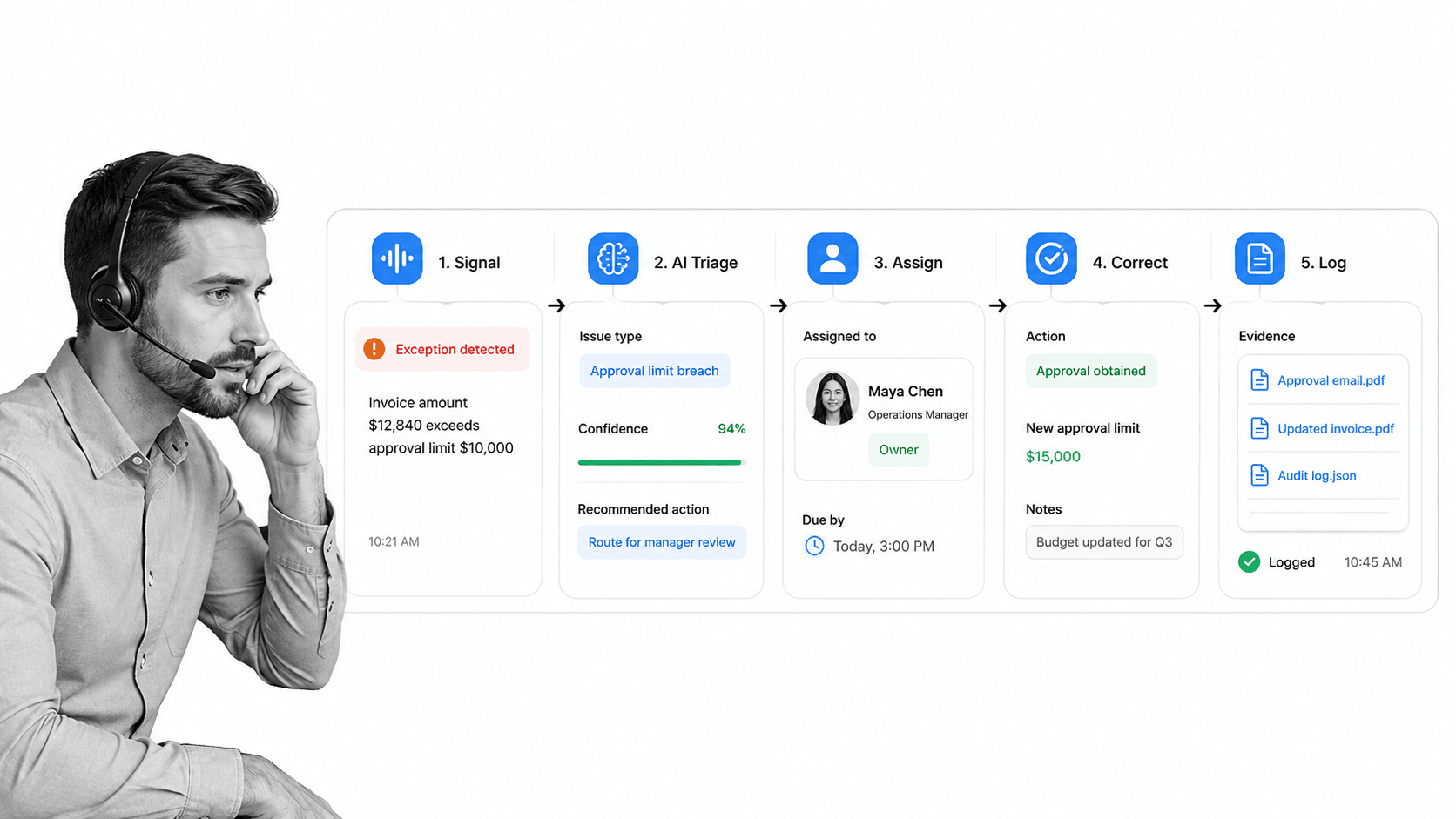
- Features: AI-powered content generation, summarization, task automation within Notion.
- Pros: Enhances productivity within a flexible workspace, versatile applications.
- Cons: AI features are tied to the Notion ecosystem.
-
Flowpoint: A customer-journey and funnel analytics platform that helps businesses understand user behavior, identify drop-offs, and prioritize changes to improve conversions.
- Features: Customer journey mapping, funnel analytics, AI-powered optimization recommendations.
- Pros: Provides actionable insights for improving website performance and conversions.
- Cons: Primarily focused on digital user journeys.
-
Pando: An AI-powered transportation management platform for freight planning, procurement, execution, and payment workflows. Pando helps operations teams consolidate shipment data and coordinate logistics.
- Features: AI-driven freight management, logistics optimization, supply chain visibility.
- Pros: Streamlines complex logistics operations, reduces costs and inefficiencies.
- Cons: Specific to the transportation and logistics industry.
-
Greyparrot: An AI-based tool focused on waste recognition and management to improve sustainability. It uses computer vision to analyze waste streams and provide insights for effective management.
- Features: AI-powered waste analysis, sustainability reporting, computer vision for waste sorting.
- Pros: Promotes environmental sustainability, optimizes waste management processes.
- Cons: Requires specialized hardware for visual analysis.
-
Midjourney: A text-to-image AI tool that creates images from textual descriptions. Midjourney is powered by a large language model trained on extensive datasets of text and images.
- Features: AI-generated imagery from text prompts.
- Pros: Enables rapid visual content creation for marketing and design.
- Cons: Artistic control can be challenging; output requires refinement.
Technology and Data Management AI Tools
These tools assist in managing technological infrastructure, analyzing data, and ensuring system reliability.
-
DataRobot: An automated machine learning platform that predicts and understands user data. DataRobot empowers non-experts to build and deploy machine learning models for data insights.
- Features: Automated machine learning, predictive analytics, data science platform.
- Pros: Democratizes AI and machine learning for businesses, accelerates data insights.
- Cons: Can be a complex platform requiring specialized understanding for full utilization.
-
SAP WalkMe: A digital adoption platform that guides users through software and helps teams identify areas of struggle. WalkMe supports onboarding and process adoption across complex applications.
- Features: In-app guidance, user onboarding, process automation.
- Pros: Improves software adoption rates, reduces training time and support requests.
- Cons: Typically a larger implementation for enterprise-level software.
-
Logz.io: A log analysis platform offering advanced insights into IT infrastructure monitoring. Logz.io centralizes log data, applies machine learning for analysis, and provides real-time alerts for proactive troubleshooting.
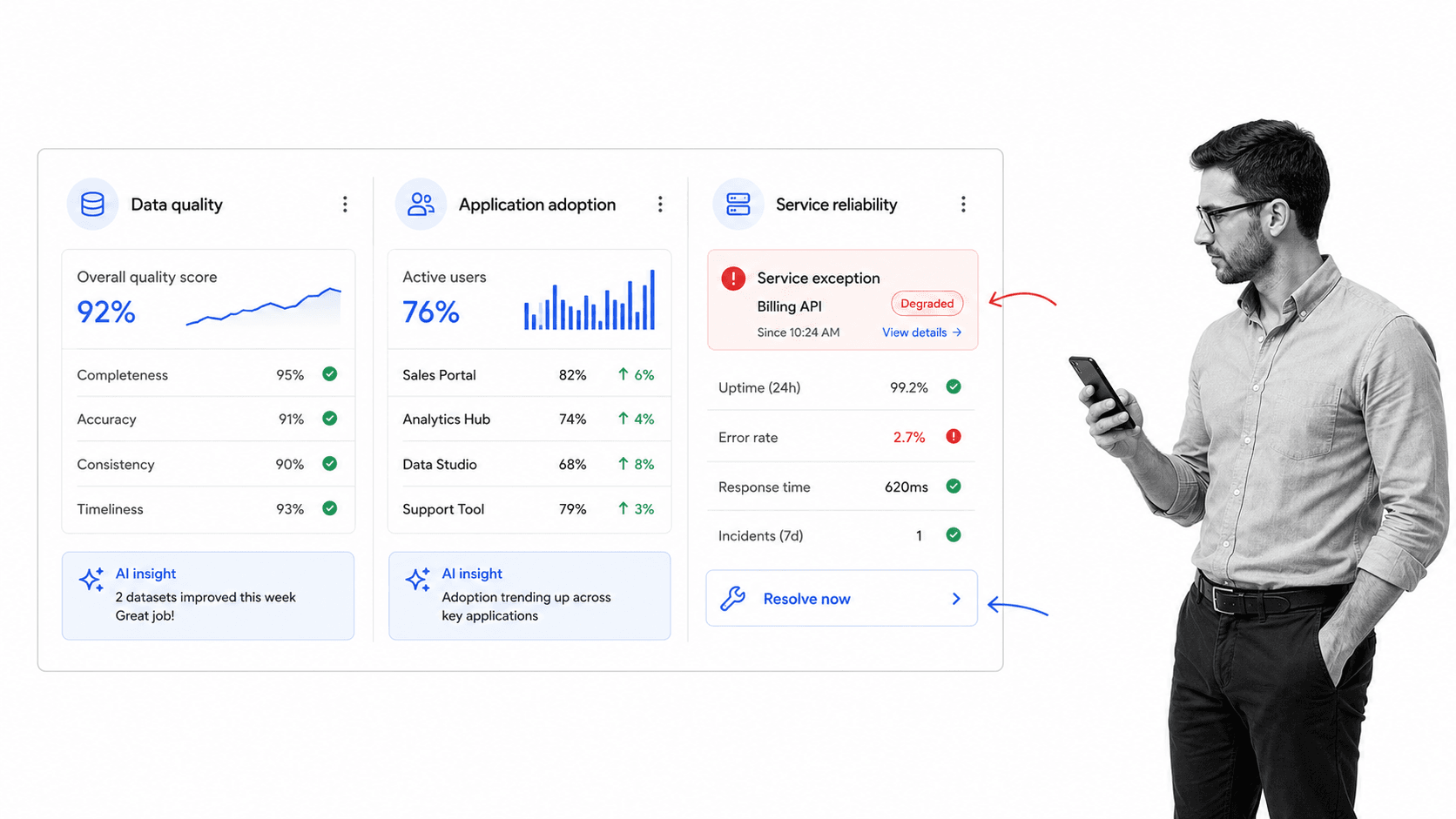
- Features: AI-powered log analysis, IT infrastructure monitoring, real-time alerting.
- Pros: Enhances IT operational visibility, enables faster issue resolution.
- Cons: Requires integration with existing IT systems and log sources.
Compliance and Legal AI Tools
AI is increasingly being used to navigate the complex landscape of compliance and legal documentation.
-
Archer Evolv Compliance: Incorporates regulatory change management capabilities. It helps compliance teams monitor changes, assess relevance, assign actions, and retain evidence within a broader risk and compliance program.
- Features: Regulatory change tracking, compliance risk assessment, evidence management.
- Pros: Streamlines compliance management, reduces regulatory risk.
- Cons: Requires a structured approach to risk and compliance.
-
Spellbook: An AI contract assistant that aids in drafting, reviewing, and comparing legal documents. Spellbook is designed to work with legal texts for efficiency and accuracy.
- Features: AI-powered contract analysis, drafting assistance, legal document review.
- Pros: Accelerates legal document processing, enhances accuracy.
- Cons: Legal professionals should always review AI-generated outputs.
Real-World Impact: Case Studies in AI Adoption
The theoretical benefits of AI are best understood through practical applications. Several small businesses have shared their experiences, showcasing the tangible impact of AI integration.
Boosted Efficiency and Productivity with Regie.ai
Alister Wood, owner of VisitUs, a company that relies heavily on email marketing for lead generation and sales conversions, found Regie.ai to be a game-changer. Before implementing Regie.ai, crafting personalized emails for their extensive contact list was a significant challenge, requiring considerable overtime from their sales and marketing teams. With Regie.ai, VisitUs can now specify their target audience and customer type, and the AI generates personalized emails within minutes. This automation has saved substantial time, allowing teams to focus more on customer engagement. Furthermore, the platform’s automated email scheduling has led to a slight increase in conversion rates.
Enhanced Decision-Making with Flowpoint
Michaela Melo from Musician Authority’s marketing department highlights Flowpoint as instrumental in optimizing website conversions and maximizing ROI through data-driven decisions. Flowpoint provides features like cross-domain funnel tracking, AI-powered recommendations, and conversion rate optimization. Melo states, "I gained valuable insights into our website’s performance, received recommendations for improvement, and identified any technical errors hindering conversions. The suggested actions resulted in noticeable improvements in our website’s conversion rates and overall performance."
Improved Customer Experience with Intercom Fin
Gene Caballero, co-founder of GreenPal, emphasizes how Intercom.io’s AI-powered features have streamlined customer communication, enhanced satisfaction, and driven business growth. "This (tool) not only improved our efficiency but also enabled us to deliver a superior customer experience that sets us apart from our competitors," he explains. Intercom Fin provides personalized support and engages customers effectively, contributing to a competitive advantage.
How to Choose AI Tools for Your Small Business: A Strategic Framework
Selecting the right AI tools requires a methodical approach, moving beyond simply browsing feature lists.
- Identify a Specific Problem: Begin by pinpointing a repeated, expensive, or error-prone task within your business operations. This targeted approach ensures the AI solution addresses a real need.
- Establish a Baseline: Before implementing any AI tool, meticulously document the current performance metrics of the chosen task. This includes current time spent, cost, quality levels, or conversion rates. This baseline is crucial for measuring the AI’s impact.
- Pilot Testing: Select one or two AI tools that appear to be the best fit for your identified problem. Conduct a pilot test on the chosen workflow.
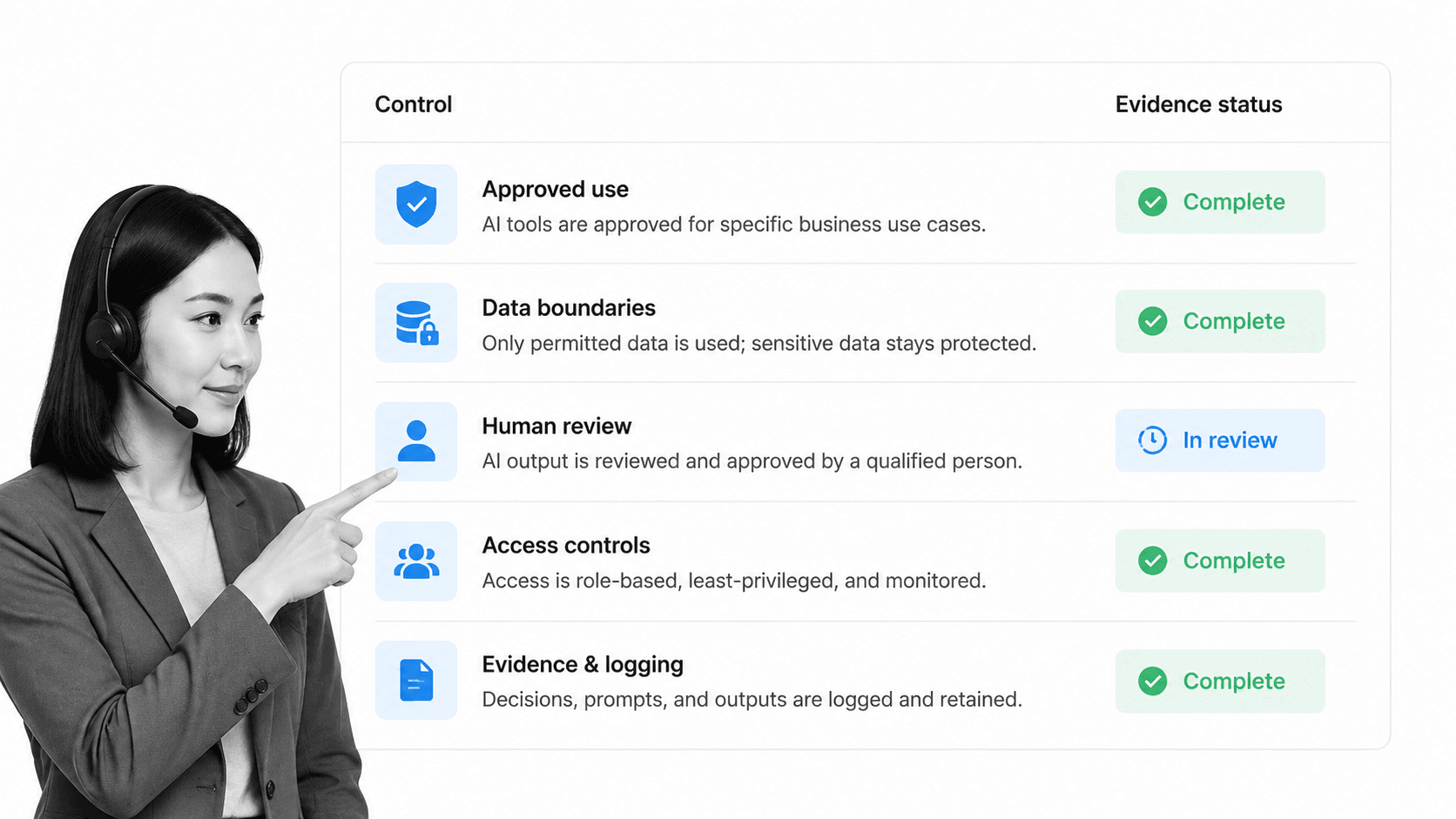
- Maintain Human Oversight: For consequential decisions—those impacting finances, customer commitments, employment, or legal matters—ensure a human review process remains in place. AI should augment, not fully replace, human judgment in critical areas.
- Measure and Evaluate: After the pilot, rigorously analyze the collected data against your baseline. Quantify the changes in time, cost, error reduction, or conversion improvements.
- Expand Strategically: Only after a workflow is stable, team members understand the AI’s limitations, and the measured benefits clearly justify the operating costs, should you consider expanding AI adoption to other areas.
- Prioritize Integration and Security: When evaluating tools, consider how well they integrate with your existing systems and the robustness of their data security measures. Protecting sensitive business and customer data is paramount.
- Focus on Value, Not Volume: A smaller, well-integrated set of AI tools with clear ownership and review controls often delivers more value than a vast collection of disconnected subscriptions.
The strategic integration of AI tools can transform small businesses, enabling them to compete more effectively, operate more efficiently, and deliver superior value to their customers. By adopting a measured and results-oriented approach, small businesses can harness the power of AI to drive sustainable growth and innovation.