A Comprehensive Guide to Modernizing Local Delivery Operations Through Route Optimization

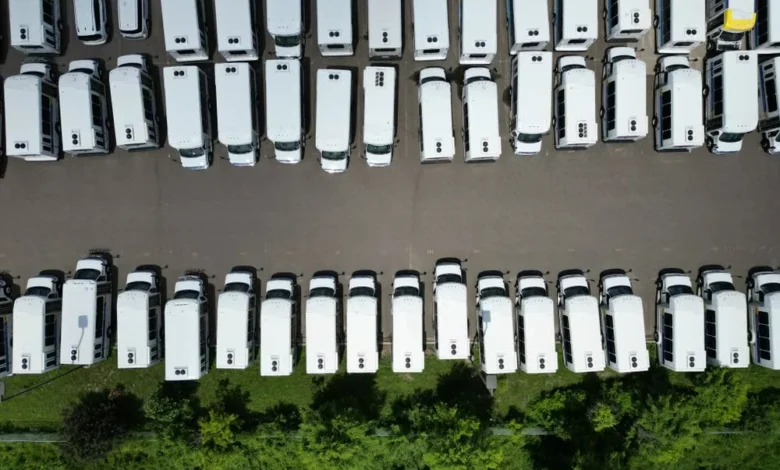
Most local delivery operations begin with humble origins: a handful of vans, a manually printed stop list, and a veteran dispatcher who relies on decades of institutional knowledge to navigate the city. For small-scale businesses, this manual approach is often efficient and cost-effective. However, as order volumes surge and consumer expectations for same-day delivery shift from a luxury to a standard requirement, the limitations of human-led dispatching become apparent. The transition from manual routing to automated optimization is a critical juncture for any growing logistics provider, representing the difference between scaling successfully and succumbing to operational gridlock.
The Anatomy of the Delivery Bottleneck
When a business reaches a tipping point—characterized by tighter delivery windows, higher stop density, and a reliance on ad-hoc same-day orders—the traditional dispatch method begins to fail. The time required for manual route planning each morning increases exponentially, while drivers spend an unnecessary amount of time on the road, trapped in inefficient loops.
Industry data suggests that the "last mile" of delivery is the most expensive and inefficient part of the entire supply chain, accounting for approximately 53% of total shipping costs. For operations managers, this creates a clear incentive to move toward algorithmic solutions. The objective is not merely to get packages from point A to point B, but to do so with the lowest possible fuel consumption, vehicle wear, and labor hours.
Defining the Delivery Problem: A Data-Driven Approach
Before a company invests in expensive software, it must quantify its operational reality. Successful optimization starts with gathering a week’s worth of granular data. Operations teams should audit their current performance by tracking:
- Average daily stops per vehicle: A measure of driver utilization.
- Total miles driven per route: A baseline for fuel and maintenance costs.
- Frequency of time-window violations: A key metric for customer satisfaction.
- Total overtime hours paid: A primary indicator of planning inefficiency.
This data serves as the foundation for all future conversations with software providers. Whether a florist is managing three vans or a courier service is coordinating a fleet of sixty, these numbers dictate the scale of the solution required. By establishing this baseline, firms can objectively measure the return on investment (ROI) once a new system is implemented.
Visualization vs. Optimization
A common misconception in the industry is the conflation of route visualization with route optimization. Route visualization tools provide a digital map where dispatchers can manually drag and drop stops to reorder them. This is an improvement over paper lists, but it remains a manual, error-prone process.
Conversely, true route optimization employs advanced mathematical algorithms to calculate optimal stop sequences, vehicle assignments, and load balancing across hundreds of variables simultaneously. This includes accounting for traffic patterns, vehicle capacity, service duration at each stop, and mandatory driver rest periods. A route can be "feasible"—meaning all packages are delivered—without being "optimal." An optimized route avoids unnecessary backtracking, ensures high vehicle utilization, and maximizes the number of deliveries within a given window.
Leading providers, such as Timefold, offer sophisticated APIs that integrate directly into existing order management systems. These tools perform complex calculations that humans simply cannot manage in real-time, especially when dealing with dozens of constraints.
The Decision Matrix: When to Invest in Optimization
Not every fleet requires enterprise-grade optimization software. Businesses with a small, static fleet and predictable routes may find that the costs of software implementation outweigh the efficiency gains. However, professional operations managers generally agree that a transition is warranted when the following warning signs appear:
- Declining On-Time Performance: When delivery windows are missed regularly, leading to customer churn.
- Increased Overtime Costs: When dispatchers cannot balance workloads, resulting in some drivers working 12-hour days while others finish early.
- Scaling Constraints: When adding a new vehicle to the fleet does not lead to a proportional increase in delivery capacity.
- Complex Variable Management: When the complexity of the delivery (e.g., cold-chain requirements, weight limits, or specific recipient availability) exceeds the cognitive capacity of the human dispatcher.
Navigating Constraints and Regulatory Compliance
Effective routing is governed by a set of rigid constraints. These must be clearly defined before any software integration occurs. Constraints generally fall into three categories:
- Vehicle Constraints: Capacity limits (weight and volume), fuel efficiency, and vehicle-specific access requirements (e.g., vans vs. trucks in urban centers).
- Service Constraints: Specific delivery windows, required signature protocols, and specialized handling (such as hazardous materials or fragile goods).
- Regulatory Constraints: For commercial fleets, the Federal Motor Carrier Safety Administration (FMCSA) mandates strict "hours-of-service" regulations. For instance, the 11-hour driving maximum for property-carrying drivers is a hard limit that software must enforce.
While modern routing systems can flag potential violations of these laws, the ultimate responsibility for compliance remains with the carrier. Implementing a system that ignores these regulatory realities can lead to significant legal and financial liabilities.
Handling Dynamic Disruption
The modern delivery environment is characterized by volatility. A "static" plan, created in the morning, is rarely the plan that survives until the end of the day. Successful operations require dynamic replanning capabilities.
When evaluating potential tools, managers must ask: "How does the software handle a new urgent order, a driver calling in sick, or a sudden road closure?" A robust system should be able to rework affected routes without disrupting the entire fleet’s schedule. The ability to "lock" specific stops that have already been communicated to customers is essential to maintaining service reliability while adjusting for unforeseen changes. Furthermore, these updates must be communicated to the drivers in real-time via mobile interfaces to ensure seamless execution.
Integration and the "Build vs. Buy" Debate
The efficacy of any routing tool is strictly limited by the quality of the data fed into it. Before deployment, businesses must ensure they have:
- Geocoded addresses: Accurate coordinates that go beyond standard zip codes.
- Service times: Realistic estimates of how long a driver actually spends at each stop, factoring in unloading time and parking difficulties.
- Data consistency: Standardized order formats that allow the software to ingest information without manual cleaning.
Regarding the "build vs. buy" decision, most businesses benefit from purchasing established solutions. While an internal build might seem attractive for a firm with highly specific needs, the ongoing cost of maintaining, updating, and scaling a custom-built routing engine is significant. Packaged software or integration-ready APIs from experienced vendors allow firms to leverage years of R&D, ensuring they remain competitive in a rapidly evolving logistics landscape.
Measuring Success and Future-Proofing
Once a solution is implemented, success must be measured against the baseline established during the initial audit. Metrics such as "miles per stop," "failed first-attempt rate," and "labor cost per delivery" should be reviewed on a monthly basis. It is vital to compare these metrics across similar timeframes—accounting for seasonal fluctuations like the holiday rush—to ensure a fair evaluation.
The process of modernizing a delivery fleet is iterative. It begins with defining the problem, continues through rigorous data analysis, and relies on the thoughtful evaluation of technological partners. By moving away from manual, reactive dispatching and toward data-driven, optimized routing, local businesses can transform their logistics operations from a cost center into a competitive advantage. The future of delivery is not just about moving faster, but about moving smarter, ensuring that every mile driven contributes to a more sustainable and profitable bottom line.