The story of Africa’s demographic and cultural landscape is deeply intertwined with the Bantu expansion, a millennia-long migration that stands as one of the most significant human movements in history. Originating in the borderlands of modern-day Nigeria and Cameroon, this gradual dispersal of Bantu-speaking peoples fundamentally altered the socio-economic and linguistic fabric of sub-Saharan Africa. By introducing agriculture, iron metallurgy, and new social structures, these communities transitioned the continent from a mosaic of hunter-gatherer societies to a region defined by sedentary states and complex trade networks. Recent interdisciplinary research—synthesizing linguistics, genomics, and archaeology—is finally providing a clearer, albeit complex, picture of how this monumental expansion unfolded.
A Chronology of Expansion: From the Grassfields to the South
The expansion began approximately 4,000 to 6,000 years ago in the Grassfields region of Cameroon. These early Bantu speakers possessed a "package" of cultural traits that provided a competitive advantage in land management: the ability to cultivate crops, raise livestock, manufacture pottery, and forge iron tools. As population density increased, these communities began to push outward.
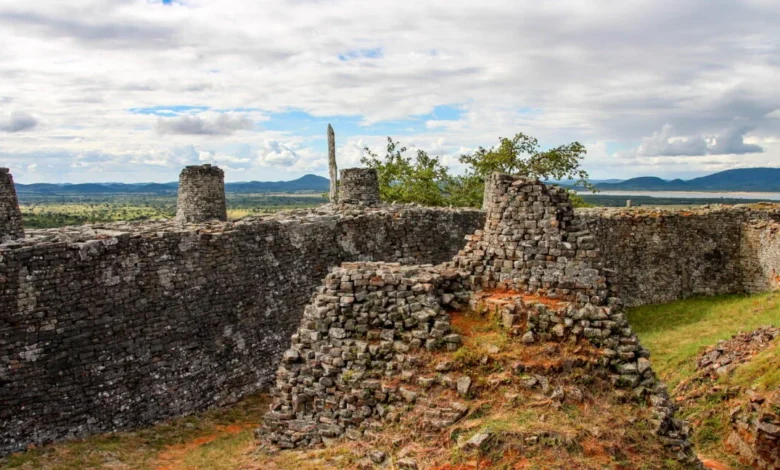
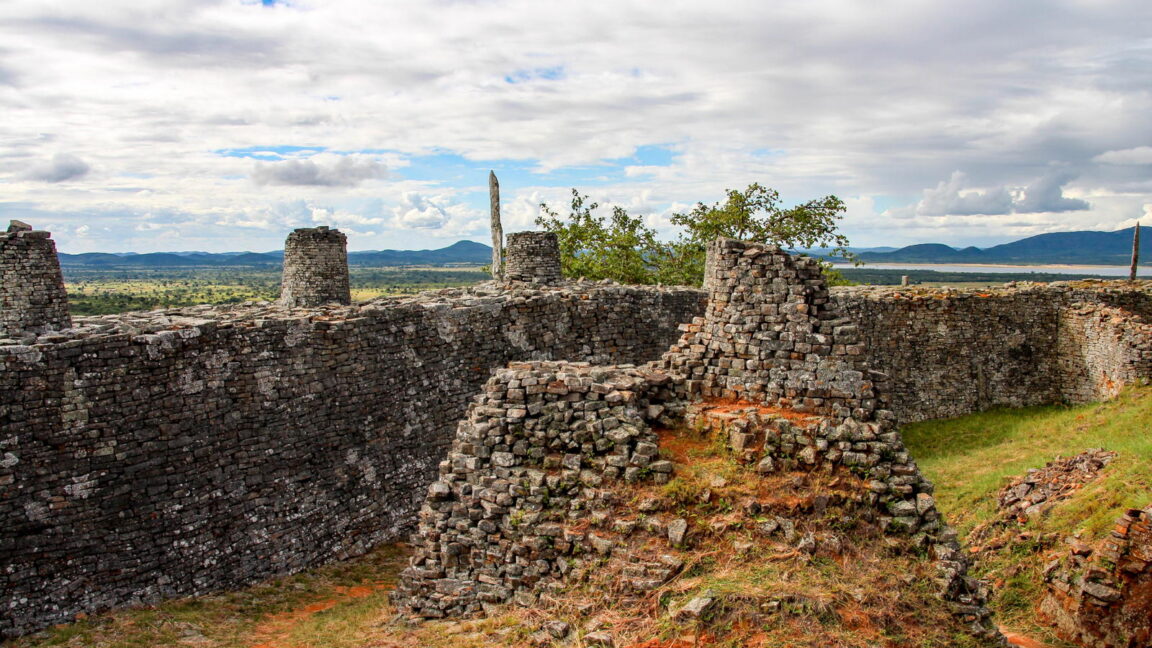
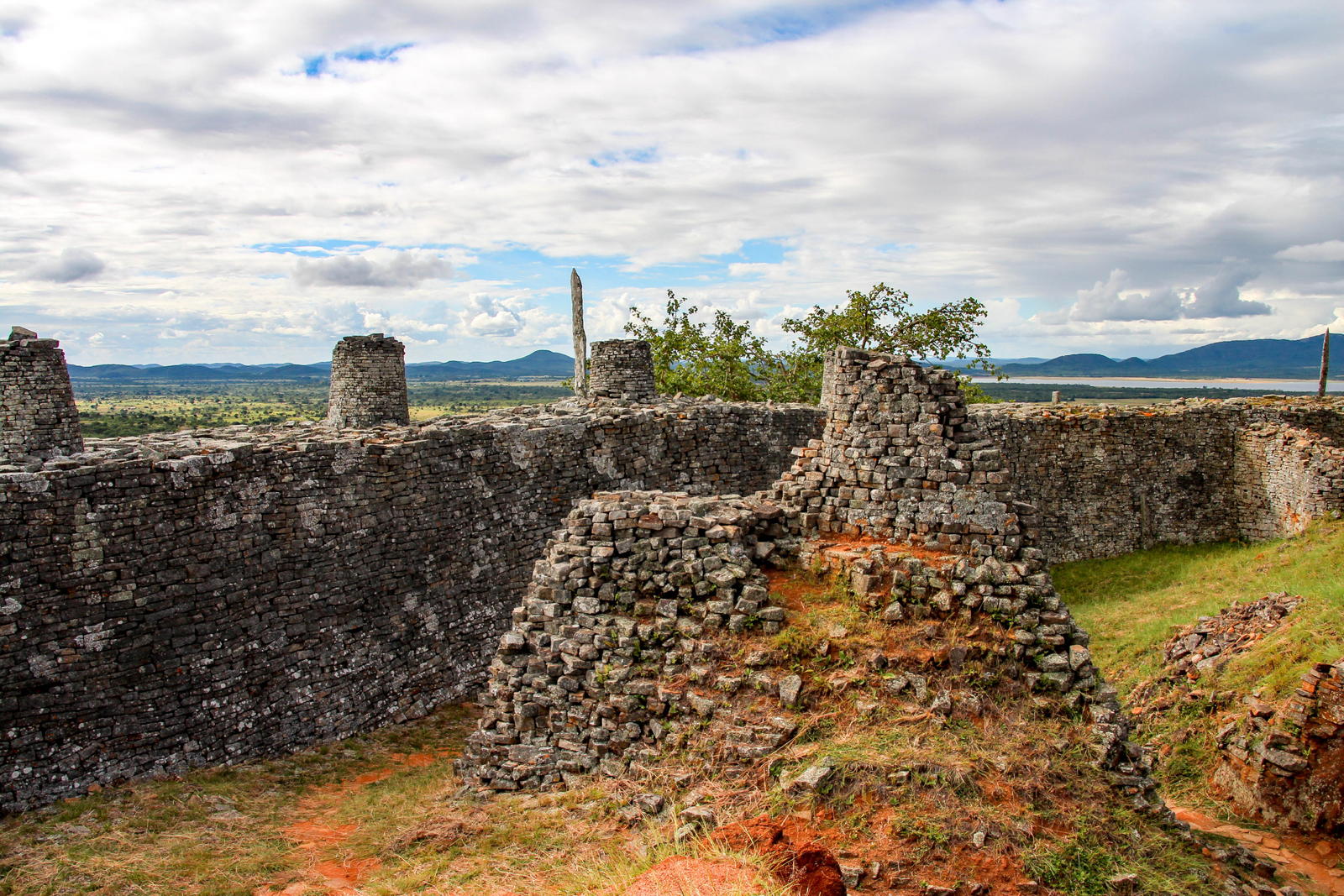
Historical evidence suggests a north-to-south trajectory. By 2,500 to 3,000 years ago, Bantu-speaking groups had reached the margins of the Congo rainforest. For years, scholars debated whether these groups bypassed the dense jungle or moved through it. Current linguistic and genetic evidence now suggests they traversed the forest, with a pivotal split occurring at the rainforest’s southern fringe. This divergence led to two primary streams: one moving eastward toward the Great Lakes region and another pushing southward into the territories of modern-day Angola, Zimbabwe, and South Africa. By 1000 AD, these groups had established sophisticated state societies, with the civilization at Great Zimbabwe emerging as a pinnacle of architectural and economic development.
Genomic Insights and the Language Puzzle
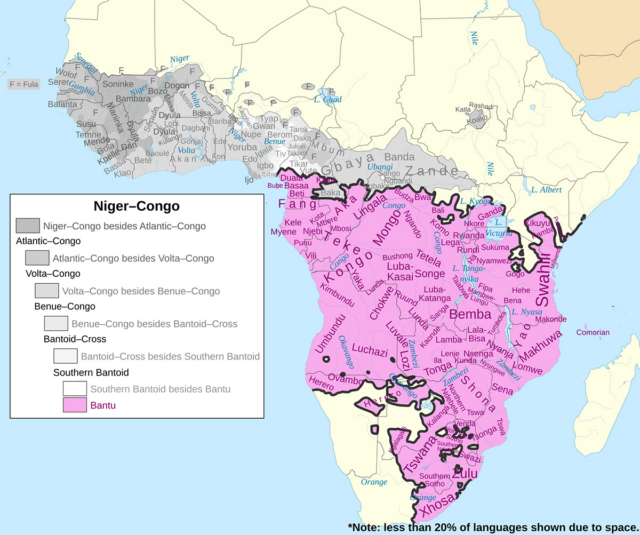
The linguistic unity of the Bantu family is striking. Today, approximately 350 million people speak one of over 500 related Bantu languages, ranging from Swahili in the east to Zulu in the south. The structural similarities are so profound that 15th-century explorers noted the ability of their crews to communicate across vast distances, a phenomenon rooted in the common ancestry of these tongues.
Genetics has provided the empirical backbone to the linguistic theories of the 19th and 20th centuries. A 2024 analysis of 1,763 African genomes revealed a distinct pattern of declining genetic diversity that correlates perfectly with the distance from the Bantu homeland in western Africa. This "serial founder effect" is a hallmark of human migration. Furthermore, genetic studies of populations in Angola and Mozambique have challenged older, simplified models. By comparing the genomes of current populations, researchers have discovered that the eastern and southern branches of the migration share more recent common ancestors than previously assumed, suggesting that the "split" into two streams was a more fluid, multi-generational process that occurred only after reaching the southern edge of the Congo basin.
The Technological Edge: Iron and Agriculture
The rise of complex societies like the kingdom of Great Zimbabwe was not incidental; it was driven by a mastery of the environment and material science. Archaeometallurgists have identified the remains of sophisticated iron-smelting furnaces that utilized natural-draft technology. By leveraging the physics of chimney airflow, these furnaces could reach temperatures exceeding 2,100 degrees Fahrenheit without the need for manual bellows.
This technical prowess allowed for the mass production of agricultural tools—hoes and axes—which, in turn, facilitated the large-scale farming necessary to sustain urban populations. The discovery of bone fragments within furnace rubble suggests that these processes were not merely industrial; they were likely embedded in complex social or ritual practices. These rituals may have served a dual purpose: reinforcing social cohesion and providing a technical benefit, such as the introduction of calcium from bone to act as a flux, optimizing the iron-extraction process.
Interaction and Intermarriage: The Social Dynamics of Migration
The Bantu expansion was not a vacuum-sealed event; it was a process of intense interaction with indigenous hunter-gatherer communities, such as the rainforest peoples and the Khoisan of southern Africa. Genomic data indicates that this was not a simple replacement of one group by another. Instead, there was significant intermingling.
Intriguingly, this mixing shows clear gender-biased patterns. Genetic analysis of mitochondrial DNA (maternal) and Y chromosomes (paternal) in southern African Bantu-speaking populations reveals that in many cases, Bantu men intermarried with or absorbed local Khoisan women. This suggests a hierarchical social structure where Bantu-speaking groups, often possessing superior military or agricultural technology, became the dominant political force, while local indigenous lineages were incorporated into the new population through marriage. The presence of "click" sounds in languages like Zulu and Xhosa serves as a living linguistic fossil of this ancient cultural exchange, where the languages of the mothers influenced the development of the new, dominant Bantu dialects.
Beyond the Continent: Global Trade and Economic Sophistication
By the second millennium AD, the influence of Bantu-speaking societies extended well beyond the African interior. The state of Great Zimbabwe, for example, functioned as a critical node in a vast Indian Ocean trade network. Archaeological excavations have unearthed Chinese porcelain and glass beads from Southeast Asia, clear indicators of long-distance maritime commerce.
In exchange, these kingdoms exported gold, ivory, and high-quality iron. Historical records from the 12th century, penned by Muslim cartographers, indicate that the iron produced in these regions was held in higher regard than that from established metallurgical centers in India. This international recognition of the quality of their work underscores the advanced nature of these societies, which were far from the isolated, "primitive" entities once depicted in colonial-era historiography.
Limitations and the Future of the Field
Despite the progress made by linguists, geneticists, and archaeologists, the "Bantu story" remains a work in progress. One of the primary obstacles is the uneven distribution of research funding. Much of the high-level genetic and archaeological analysis has been bankrolled by European institutions, which, while beneficial, limits the autonomy and scope of local research efforts.
Linguistic reconstruction also faces challenges. Computational models that once predicted neat, isolated "trees" of language evolution are being revised to account for the reality of constant contact and cross-pollination between groups. Linguists like Igor Yanovich have pointed out that without a more robust, ground-level documentation of endangered or lesser-known Bantu languages, many of the "missing branches" of the linguistic family tree may never be recovered.
Furthermore, the "spread over spread" nature of the migration means that the archaeological record is often layered, with multiple waves of migration masking the signatures of the earliest settlers. Future research is now focusing on the extraction of ancient DNA from skeletal remains to provide a chronological map that is independent of modern population distributions.
Broader Implications: A Legacy of Diversity
The Bantu expansion is more than an ancient movement of people; it is the fundamental framework for the modern African identity. It explains the continuity of culture, the prevalence of agriculture, and the shared linguistic heritage that connects millions across the continent. It also explains the deep-seated relationships between diverse ethnic groups, forged through centuries of conflict, cooperation, trade, and intermarriage.

As researchers continue to peel back the layers of this history, the narrative is shifting from one of a monolithic "conquest" to one of adaptation, integration, and innovation. The success of the Bantu speakers was not merely in their movement, but in their capacity to create a synthesis of traditions—a mosaic of food, philosophy, and language that persists to this day. The ongoing collaboration between the descendants of these ancient groups and the scientific community is vital; it ensures that the history of Africa is written not through the lens of external observation, but through the rigorous, evidence-based study of its own complex and brilliant past. As funding for local research increases, the next decade promises to turn these historical fragments into a cohesive, nuanced, and globally recognized chapter in the history of human civilization.