Navigating Underage DUI Checkpoints: Legal Realities and the Zero-Tolerance Standard for Young Drivers

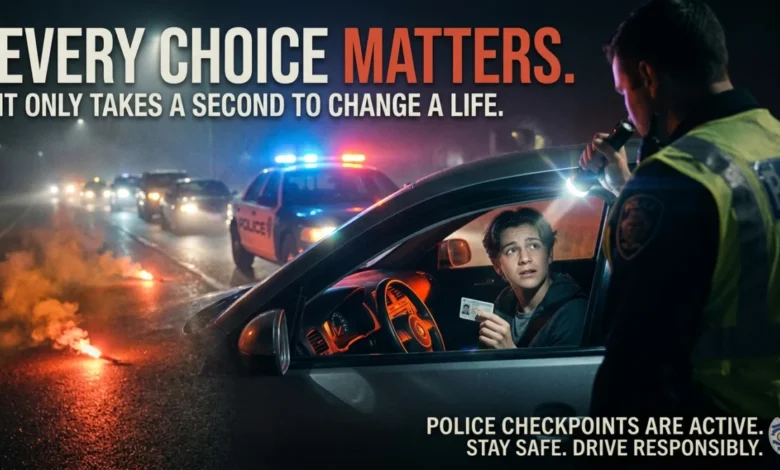
In 2024, more than 2,100 young drivers lost their lives in vehicle crashes, according to data from the National Highway Traffic Safety Administration (NHTSA), with nearly one-third of these fatalities involving a blood alcohol concentration (BAC) of .08% or higher. These sobering statistics serve as the foundation for the rigorous enforcement of traffic safety laws across the United States. For young drivers—specifically those under the age of 21—the legal landscape surrounding impaired driving is significantly more restrictive than that for the general adult population. As law enforcement agencies continue to utilize DUI checkpoints as a primary tool for deterrence and detection, it is imperative for younger motorists to understand the distinct legal framework of zero-tolerance policies and the potential long-term ramifications of a traffic stop.
The Mechanics of DUI Checkpoints
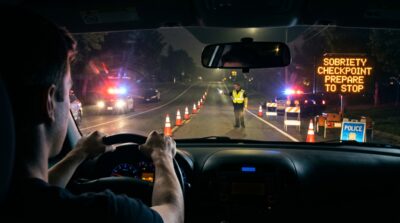
DUI checkpoints, often referred to as sobriety checkpoints, are pre-planned operations where law enforcement officers systematically stop vehicles at specific locations to screen drivers for signs of impairment. Unlike random stops, these operations are governed by specific legal criteria to ensure they pass constitutional muster. Law enforcement agencies typically select sites based on historical data, identifying areas with a high incidence of alcohol-related crashes or DUI arrests.
These programs are frequently subsidized by state and federal traffic safety grants. This funding ensures that departments have the necessary personnel to maintain operations during peak hours—typically late evenings and early mornings on weekends—when the statistical probability of impaired driving is at its highest. While the specific locations are rarely publicized in advance, the legal mandate requires that the selection process be objective and non-discriminatory. Once a vehicle enters the designated checkpoint zone, the interaction is usually brief unless an officer observes indicators of impairment, such as the smell of alcohol, slurred speech, or erratic behavior.
Beyond Alcohol: The Scope of Impairment
A pervasive misconception among younger drivers is that DUI enforcement is strictly focused on alcohol consumption. In reality, the legal definition of "driving under the influence" encompasses a broad spectrum of substances. Over-the-counter medications, prescription drugs, and illicit substances are all subject to scrutiny.

Many common medications, including antihistamines, cough syrups, and sleep aids, carry warning labels regarding drowsiness or impaired reaction times. If an officer determines that a driver is unable to safely operate a vehicle due to these substances, the driver can be cited for a DUI just as they would for alcohol. Furthermore, while marijuana legalization has expanded in many states, the legal standard for operating a motor vehicle remains consistent: any level of impairment that compromises the ability to drive safely is a violation. For the underage demographic, this is compounded by the fact that the possession and consumption of these substances are often illegal in themselves, providing an additional layer of legal jeopardy during a traffic stop.
The Zero-Tolerance Framework
The defining characteristic of modern traffic law for those under 21 is the "zero-tolerance" policy. While the national standard for adult intoxication is a BAC of .08%, these laws set the threshold for minors at a significantly lower level—often between .01% and .02%. This marginal allowance is designed strictly to account for trace amounts of alcohol that might be present due to non-beverage sources, such as mouthwash or certain food products.
For an underage driver, this means that even a single drink can result in a BAC that exceeds the legal limit. Because the threshold is so low, law enforcement officers do not need to prove that a driver is "visibly impaired" in the same way they might for an adult. A positive reading on a preliminary breathalyzer test is often sufficient to establish probable cause for a citation, effectively bypassing the more complex evidentiary requirements involved in adult DUI prosecutions.
Chronology of a Typical Stop
The experience of being stopped at a checkpoint follows a predictable legal trajectory. Upon entering the checkpoint, the driver is greeted by an officer who may ask for a license and registration. If the officer detects potential impairment, the driver is directed to a secondary screening area.
- Initial Contact: The officer evaluates the driver’s demeanor and physical appearance.
- Preliminary Screening: If suspicion is raised, the driver is requested to perform field sobriety tests (FSTs) or submit to a breathalyzer test.
- Detention: If the driver tests above the state’s low-tolerance limit, the vehicle is likely to be impounded, and the driver is taken into custody or cited at the scene.
- Adjudication: The case enters the court system, where the driver faces the legal consequences of the citation.
Consequences and Long-Term Impact
The consequences of an underage DUI extend far beyond the immediate fines or the inconvenience of the stop. A citation typically triggers an automatic administrative suspension of the driver’s license. Beyond the immediate loss of driving privileges, the offense often necessitates mandatory alcohol education programs and court-ordered counseling.
Perhaps most critically, a DUI conviction creates a permanent mark on a person’s criminal or driving record. This can have cascading effects on future opportunities, including university admissions, military service, insurance premiums, and even employment prospects. Employers and academic institutions often conduct background checks, and a history of substance-related traffic offenses can be viewed as a significant red flag, potentially limiting a young person’s career trajectory before it truly begins.
Diversion Programs: A Pathway to Rehabilitation
Recognizing that a single mistake should not necessarily define a young person’s entire future, many jurisdictions have implemented diversion programs. These programs allow first-time, low-level offenders to complete a series of requirements—such as community service, substance abuse education, or counseling—in exchange for the dismissal of the charges.
In states like Illinois, specific counties have established protocols that allow young offenders to clear their records entirely upon successful completion of these educational paths. These programs prioritize rehabilitation over punitive measures, aiming to provide the offender with the tools to make better decisions in the future. However, entry into these programs is rarely automatic; it often requires the proactive assistance of legal counsel to navigate the application process and ensure that the driver meets all eligibility criteria.
The Role of Legal Guidance
Given the complexities of traffic law and the ease with which a citation can be issued, seeking professional legal guidance early is crucial. A lawyer specializing in traffic or juvenile law can provide essential context regarding the evidence gathered at a checkpoint, evaluate the validity of the stop, and determine if the driver qualifies for a diversion program.
Legal experts emphasize that the stakes for minors are significantly higher than many young drivers realize. The combination of administrative law—which governs the license suspension—and criminal law—which governs the citation—creates a dual-front battle that can be overwhelming for a young person and their family. An attorney can serve as an advocate, ensuring that the legal process is handled with the appropriate level of care and that the individual’s long-term interests are protected.

Implications for Public Safety
The rigorous enforcement of zero-tolerance laws is driven by a clear public safety mandate. The goal of these checkpoints is not merely to issue citations but to prevent the catastrophic loss of life that occurs when inexperienced drivers operate vehicles while impaired. According to safety advocates, the "in the know" culture—where youth are informed about the severe consequences of their actions—is the most effective deterrent.
The message to young drivers is clear: the standards expected of them are higher because their risk profile is higher. Understanding the nuances of how these checkpoints operate, the reality of the zero-tolerance standard, and the available paths toward resolution is essential. By being informed, young drivers can make choices that not only ensure their compliance with the law but, more importantly, guarantee their safety and the safety of others on the road. As society continues to grapple with the toll of impaired driving, the focus remains on education, proactive prevention, and the consistent application of laws designed to protect the next generation of motorists.