Mastering Query Fan-Out: The Essential SEO Strategy for Dominating AI Search Visibility

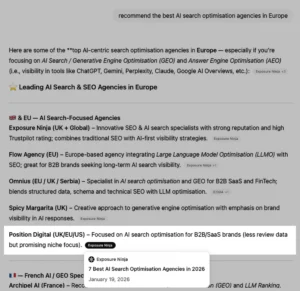
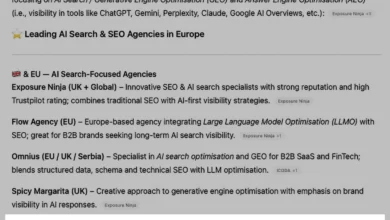
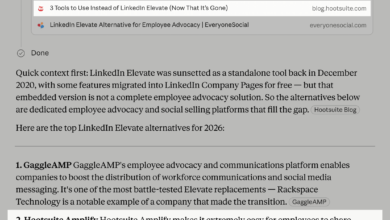
The modern search landscape has undergone a foundational shift. Content creators and digital marketers can secure a coveted first-page ranking on traditional search engines like Google while remaining entirely invisible to Large Language Models (LLMs) such as ChatGPT, Claude, and Perplexity. This disconnect highlights an evolving reality of digital discovery: traditional ranking factors, while still important, no longer guarantee visibility in conversational AI engines.
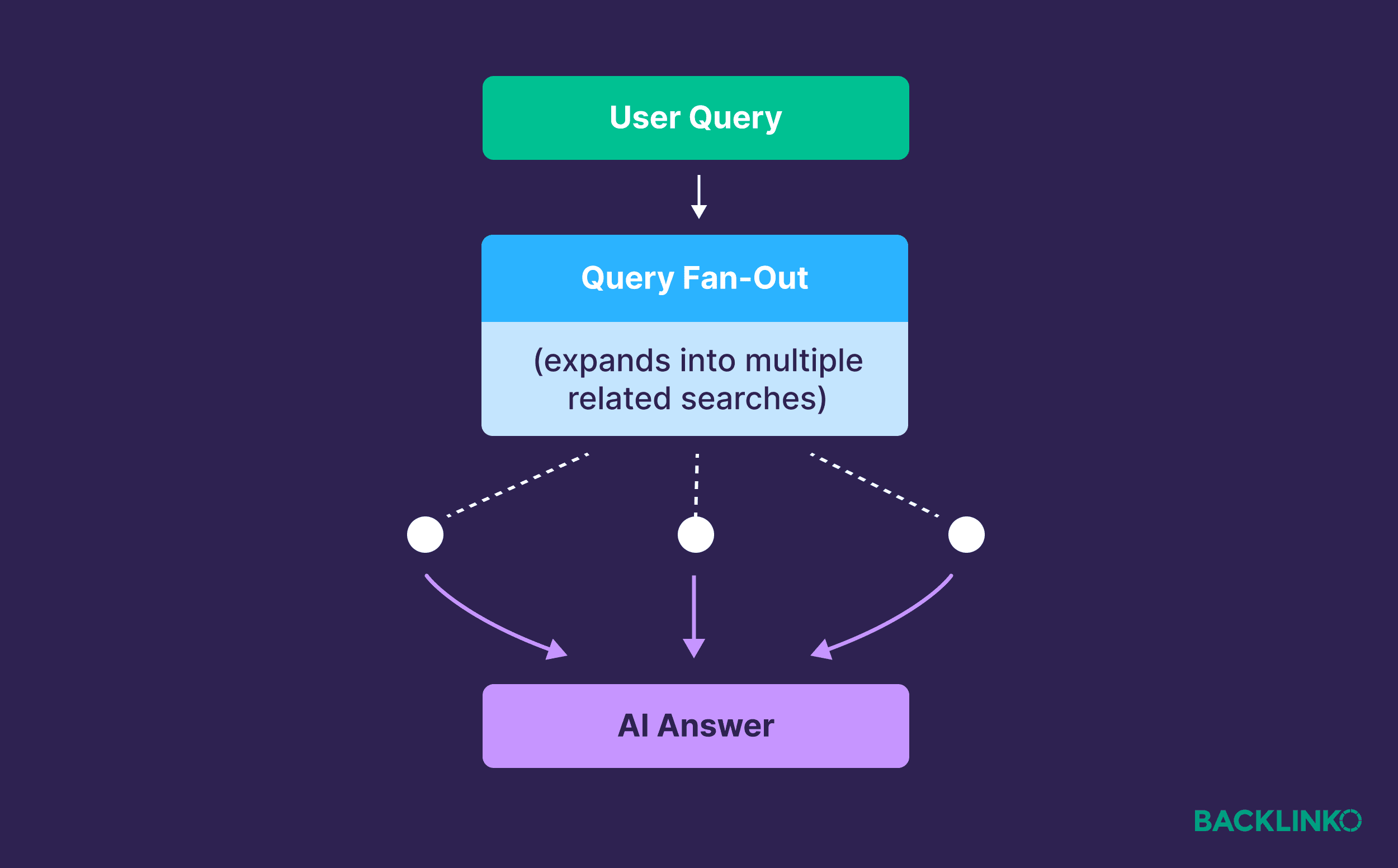
To bridge this gap, digital strategists must understand "query fan-out," a sophisticated background process utilized by generative AI systems to synthesize comprehensive answers from fragmented internet data.
Understanding the Mechanics of Query Fan-Out
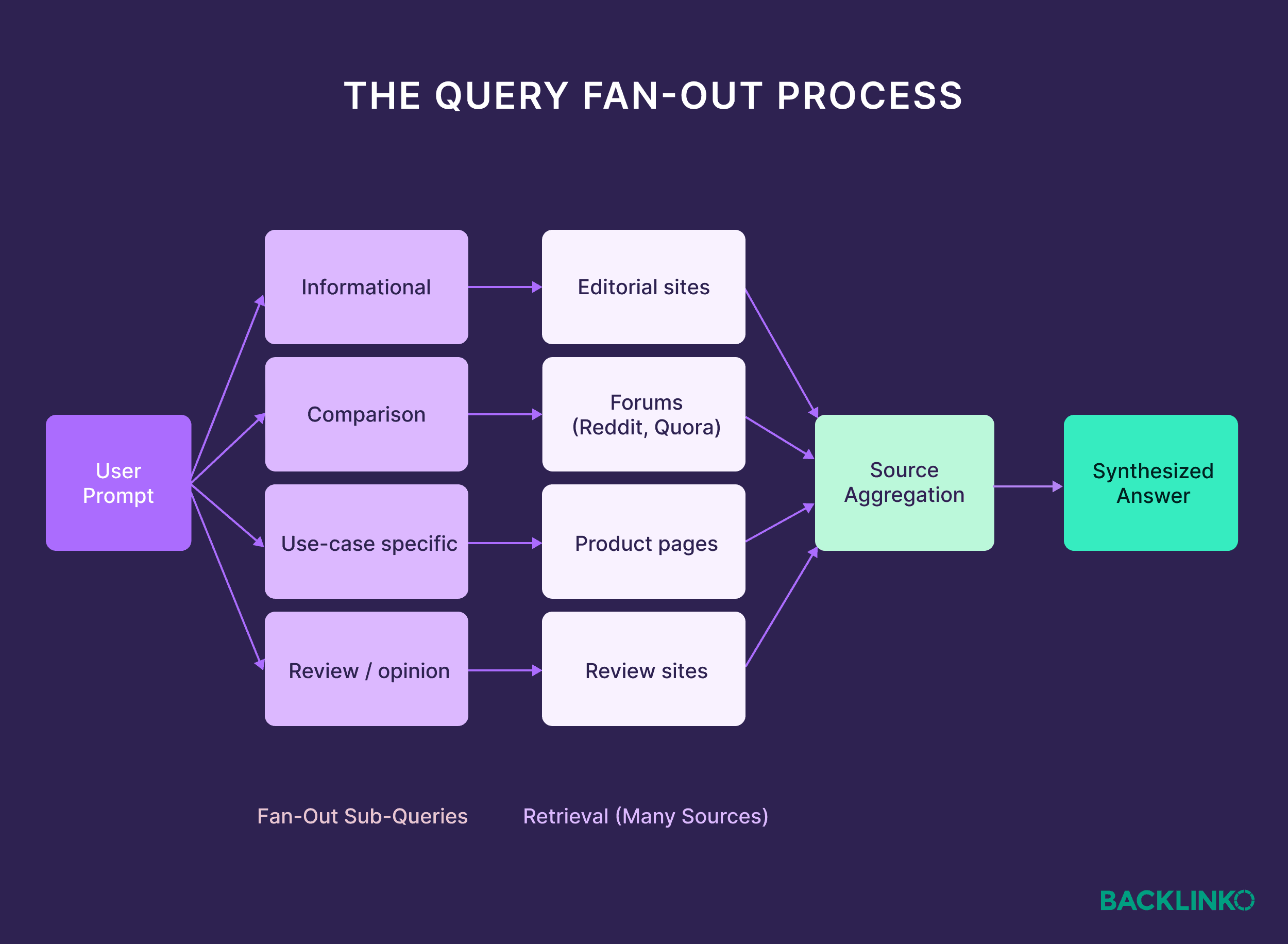
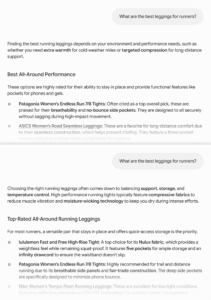
Query fan-out refers to the computational process wherein an AI search engine breaks down a single, broad user query into a constellation of targeted, related sub-queries. Instead of defaulting to the single best-ranking web page for a two-word prompt, the AI initiates a behind-the-scenes multi-search operation. It pulls relevant passages, data points, and reviews from a wide variety of sources—including niche editorial sites, community forums like Reddit, product comparison tables, and vendor catalogs—before synthesizing them into a cohesive response.
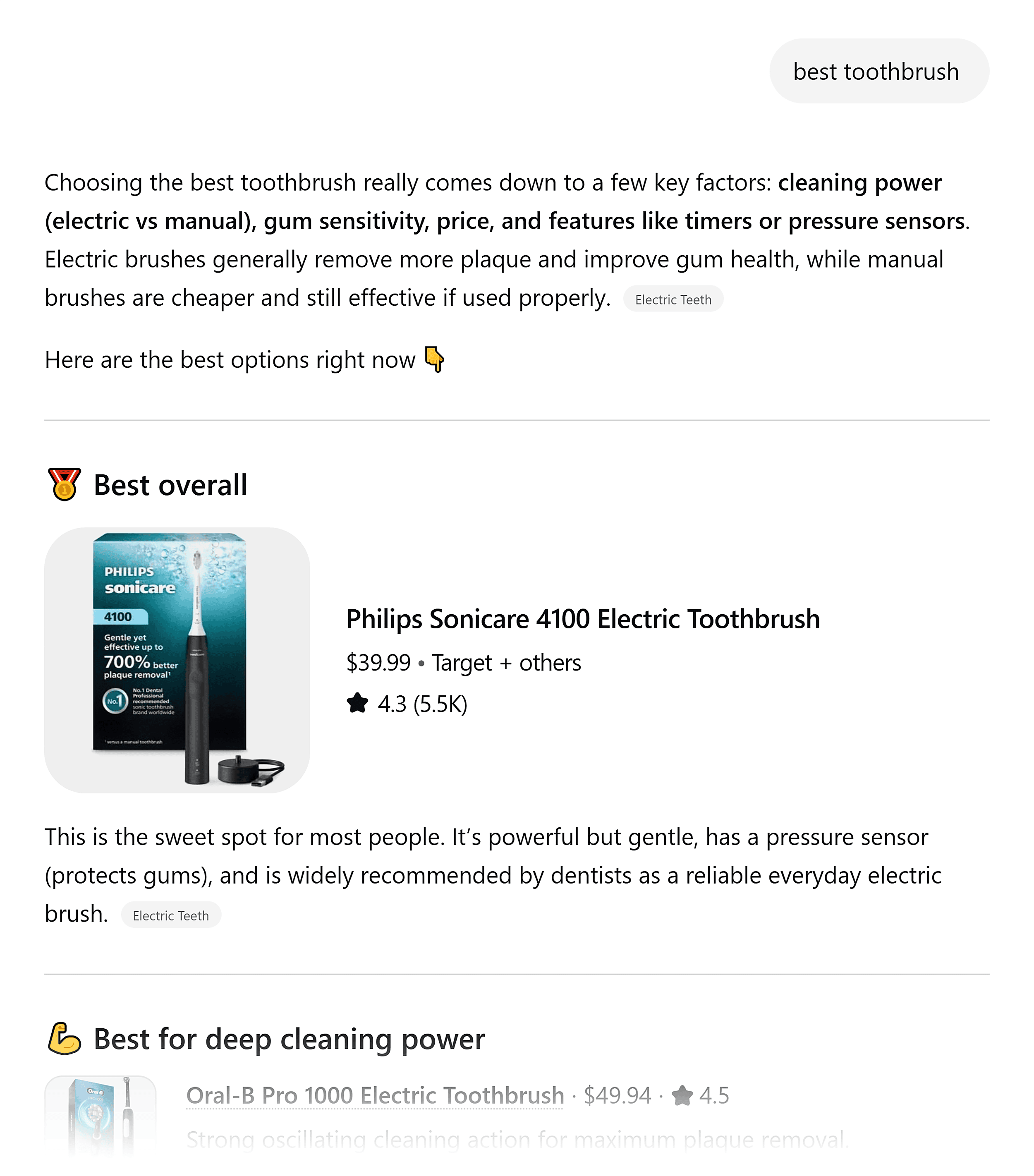
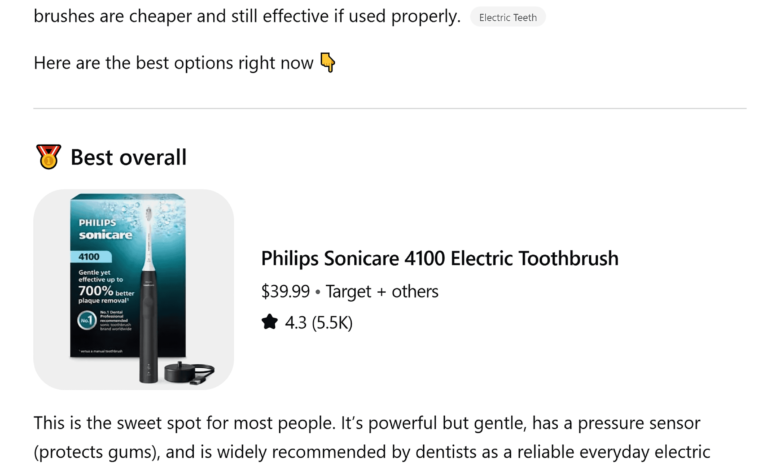
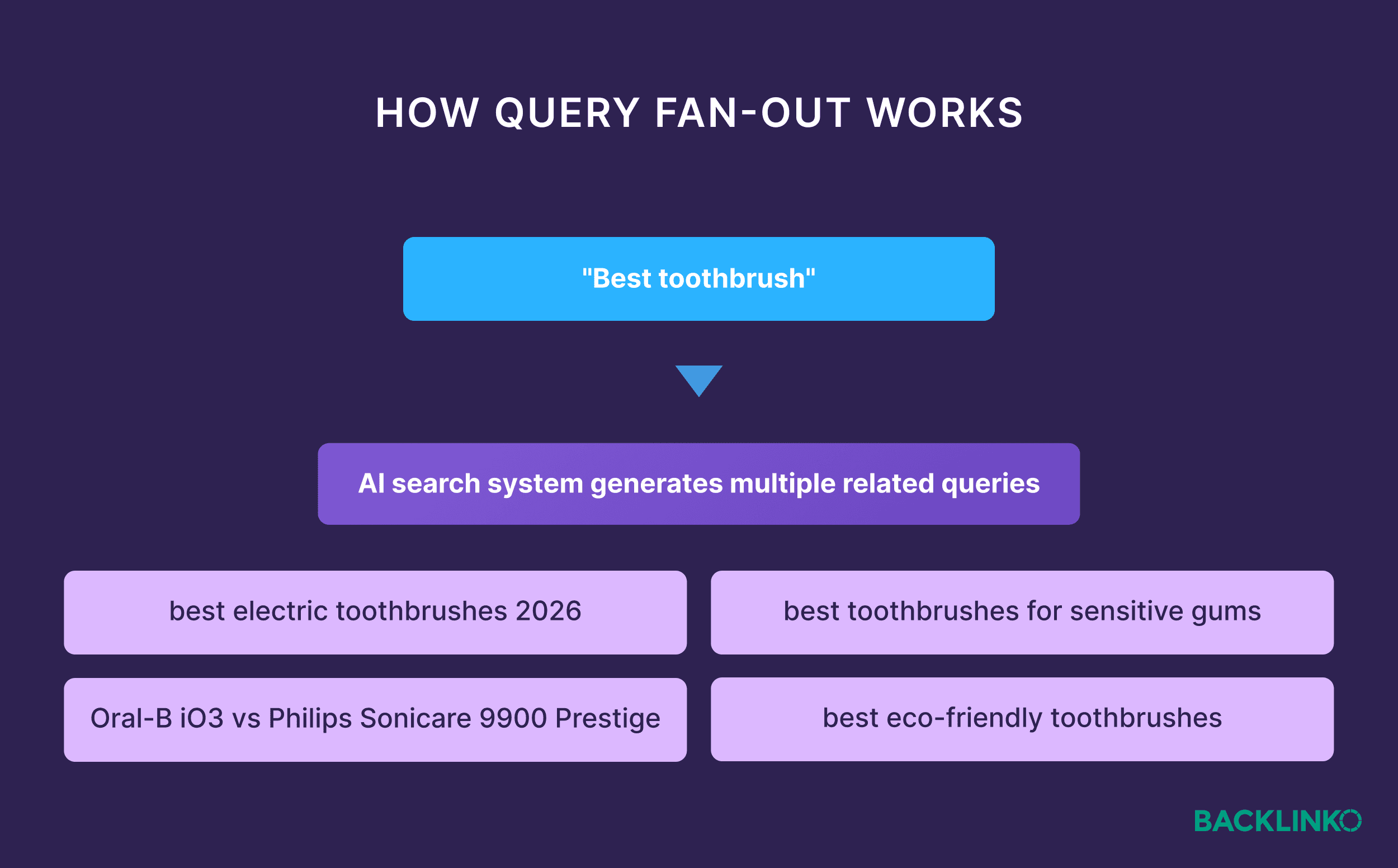
For example, when a consumer submits a generalized query like "best electric toothbrush," the underlying AI architecture does not simply retrieve top-ranking landing pages. Instead, it systematically fans out the request into specific sub-queries, such as "best electric toothbrushes [current year]," "best toothbrushes for sensitive gums," "Oral-B vs. Philips Sonicare head-to-head performance," and "eco-friendly oral care price points."
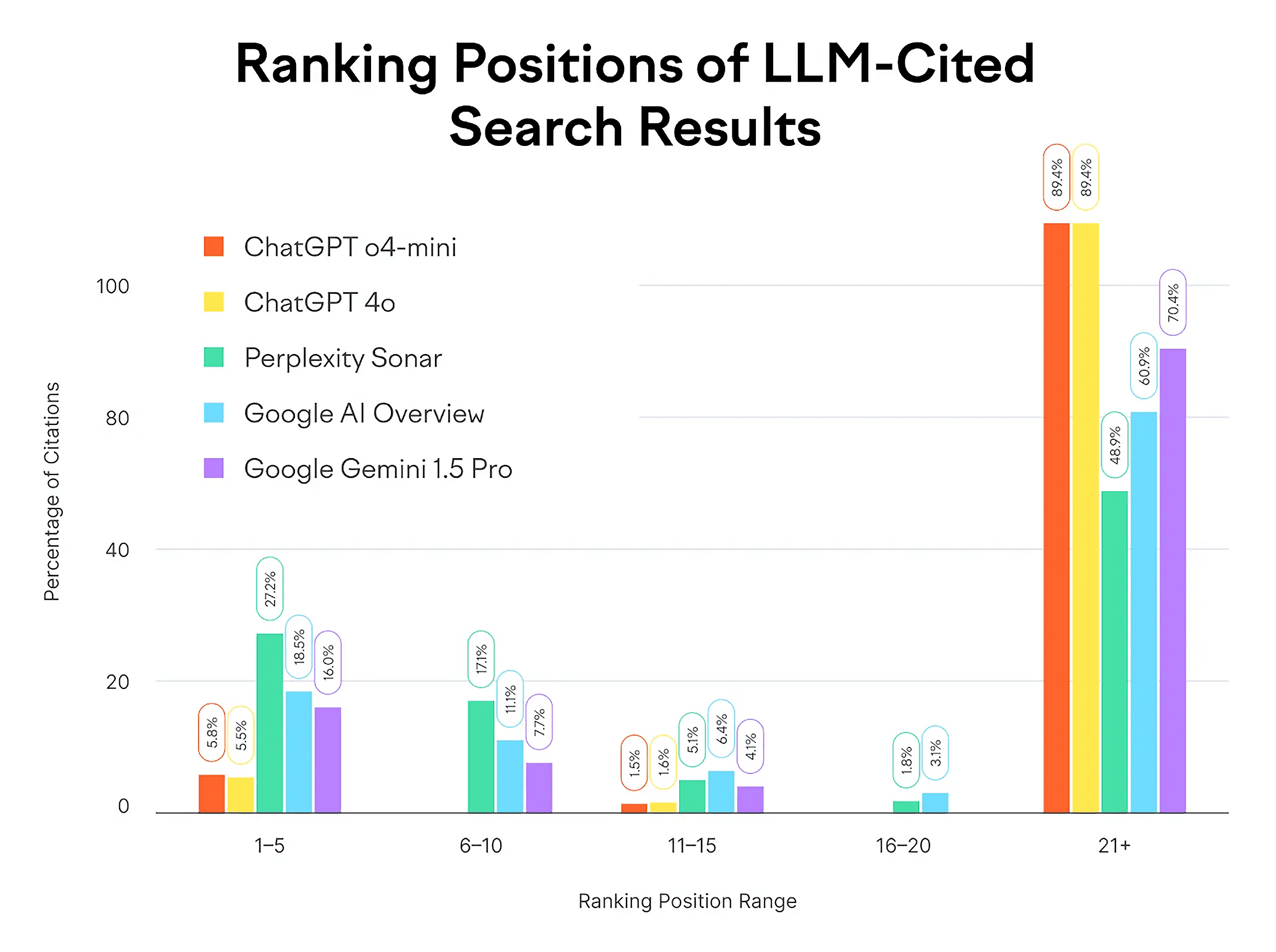
By anticipating the multifaceted needs of the user, the AI constructs a unified answer that spans top product picks, pricing brackets, feature comparisons, and specialized use cases. Crucially, research indicates that LLMs prioritize content relevance and structural clarity over domain authority ranking positions. Data from recent industry studies show that conversational platforms routinely cite web pages residing past position 20 in traditional search engine results, provided those pages contain the precise passage required to satisfy a specific sub-query.
The Evolution of AI Search and the Collapse of the Marketing Funnel
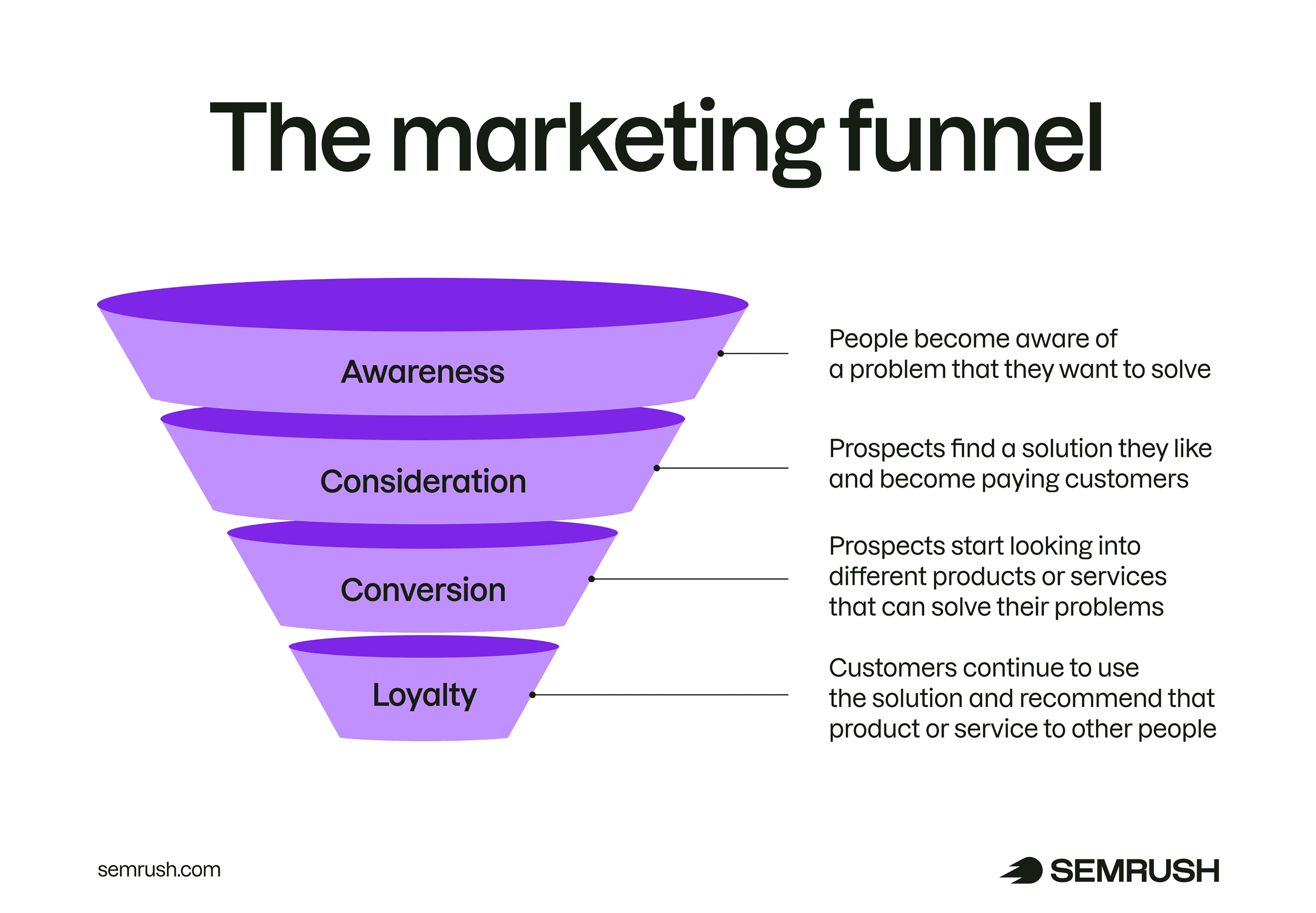
The rise of query fan-out has radically altered how consumers interact with information, effectively collapsing the traditional, linear marketing funnel. Historically, digital marketing strategies segmented content into distinct awareness, consideration, and decision stages. Brands carefully crafted top-of-funnel blog posts, mid-funnel comparison guides, and bottom-of-funnel product landing pages to shepherd users along a predictable journey.
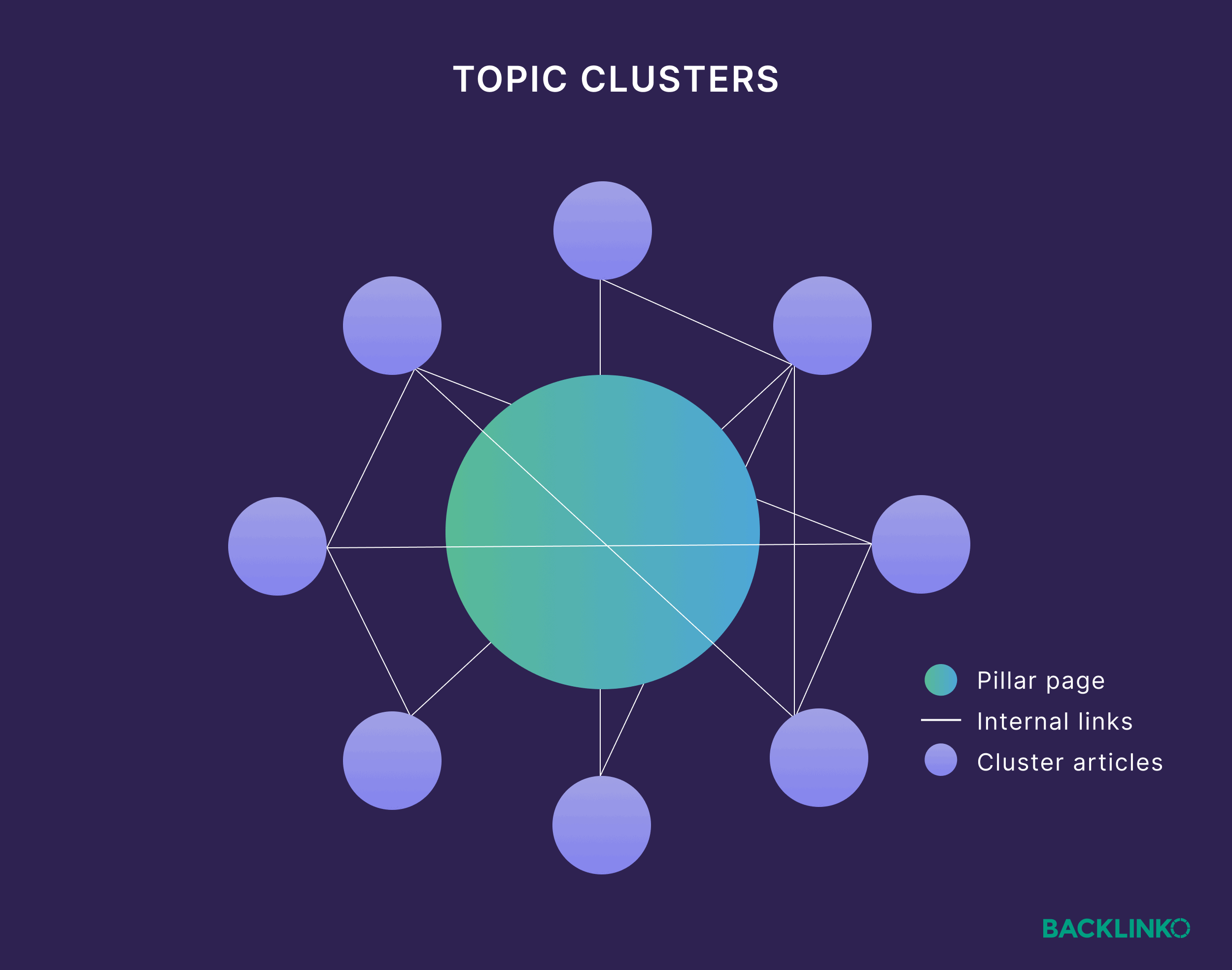
AI search compresses these distinct phases into a single interaction. A single high-intent prompt triggers the AI to gather awareness-level context, consideration-level comparisons, and decision-level specifics simultaneously. Consequently, modern content strategies must adapt to multi-intent architecture. Web pages can no longer rely on single-keyword targeting; they must provide comprehensive coverage across entire topic clusters to capture the fragmented sub-queries generated during an AI search session.
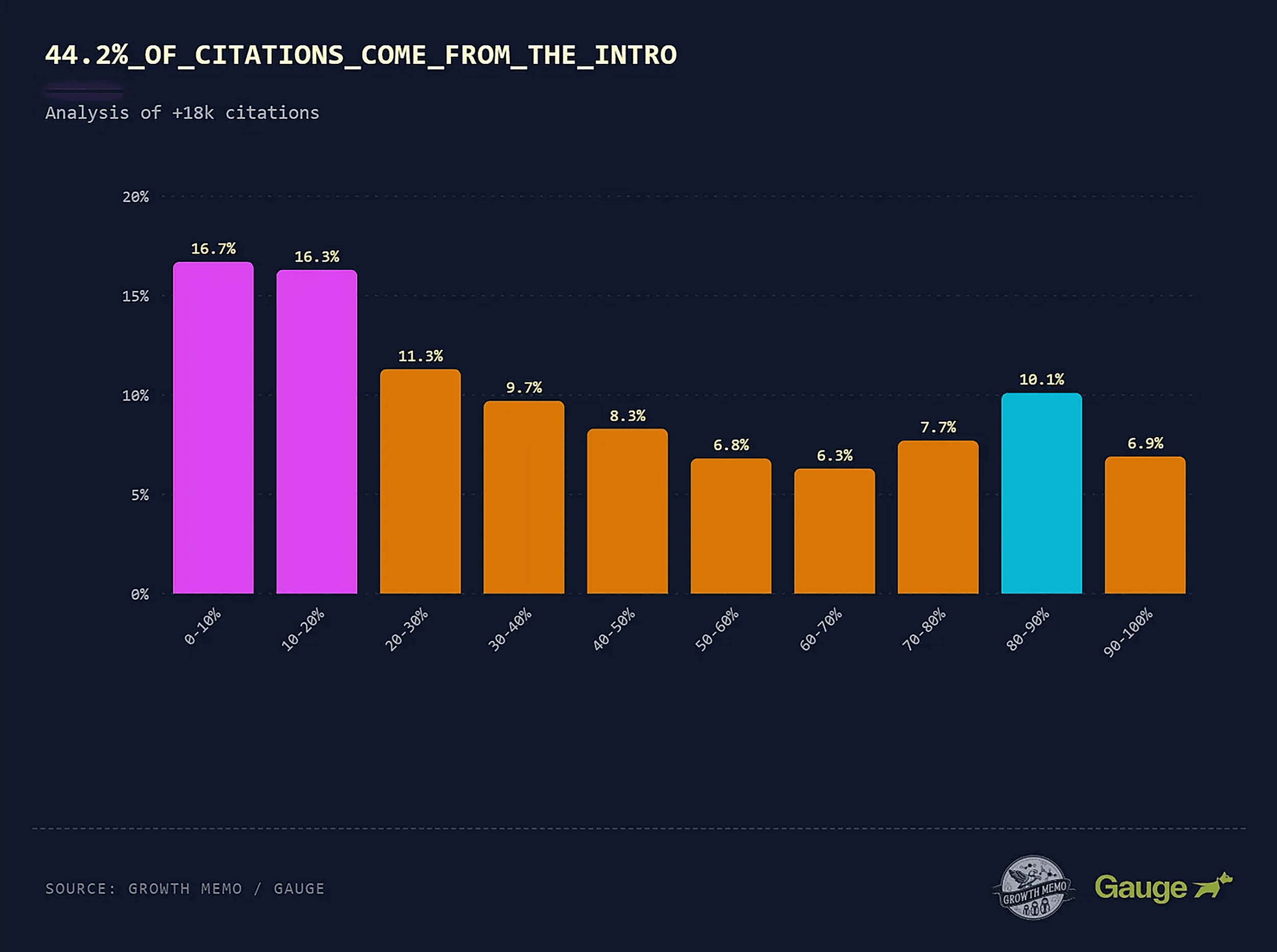
Furthermore, AI systems do not index and retrieve entire web pages in the traditional sense; they extract and synthesize specific text passages. Analytical data indicates that a significant percentage of LLM citations originate from the top third of a web page, emphasizing the critical need for front-loaded, easily parsable answers. When information is buried deep within long-form prose, the likelihood of automated extraction decreases significantly.

The Six-Step Workflow for Optimizing AI Visibility
To successfully capture citations within AI-driven search environments, digital marketers and content creators must adopt a systematic optimization workflow centered around query fan-out. This methodology involves identifying high-intent conversational prompts, analyzing AI-generated sub-queries, and structuring site content for effortless algorithmic extraction.
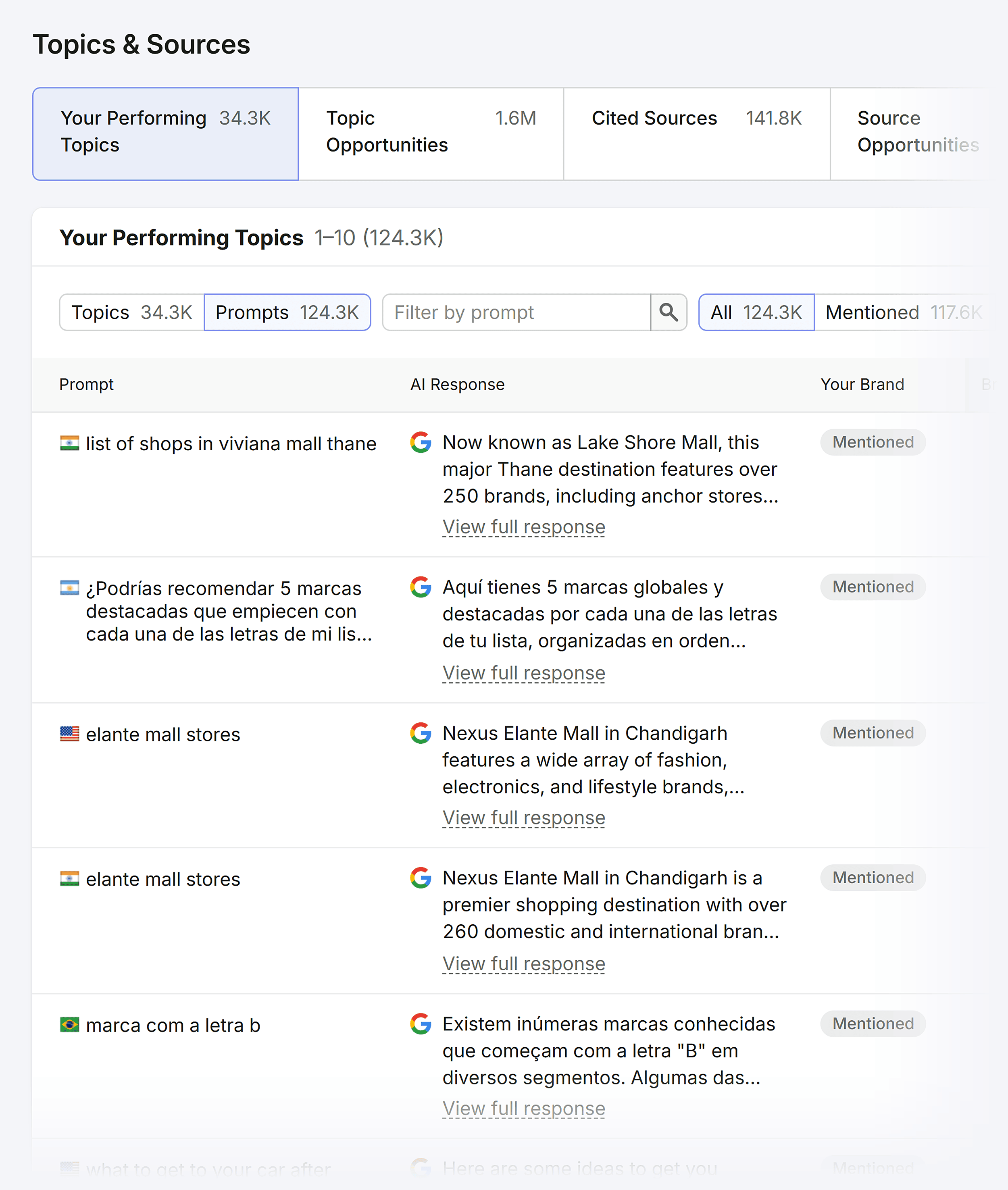
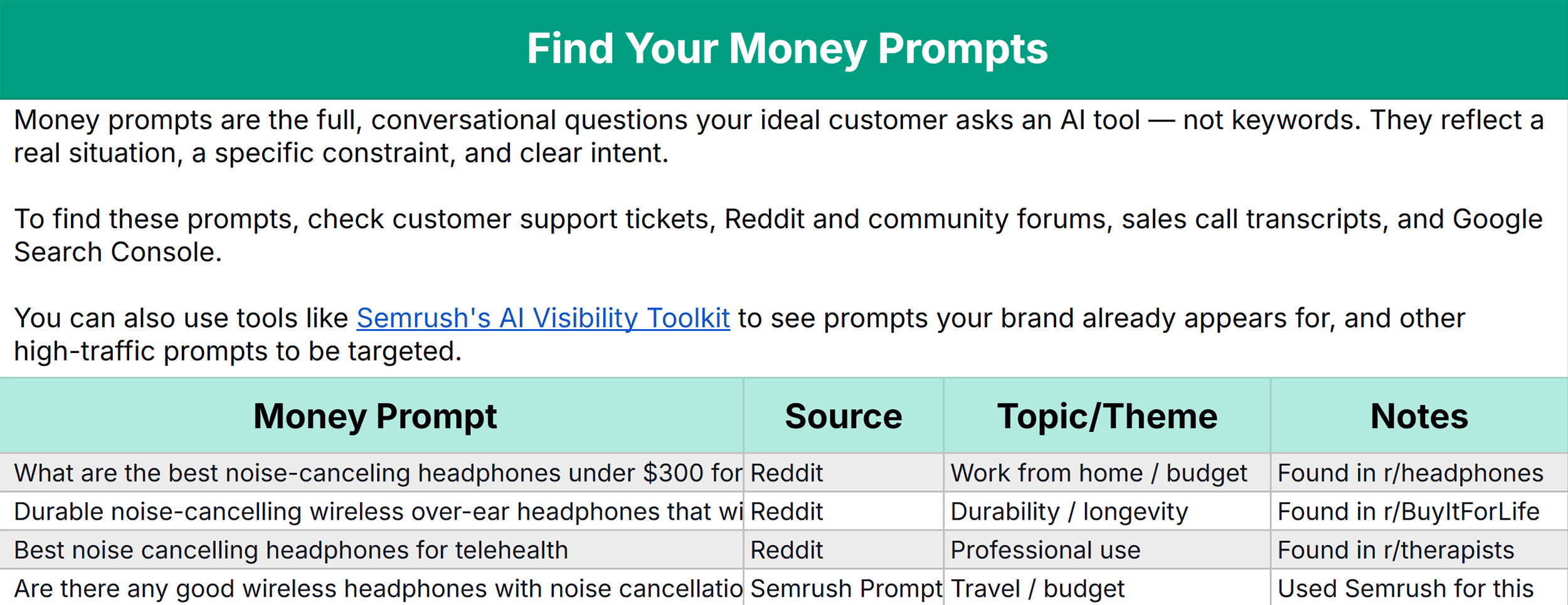
Step 1: Identify High-Intent Money Prompts
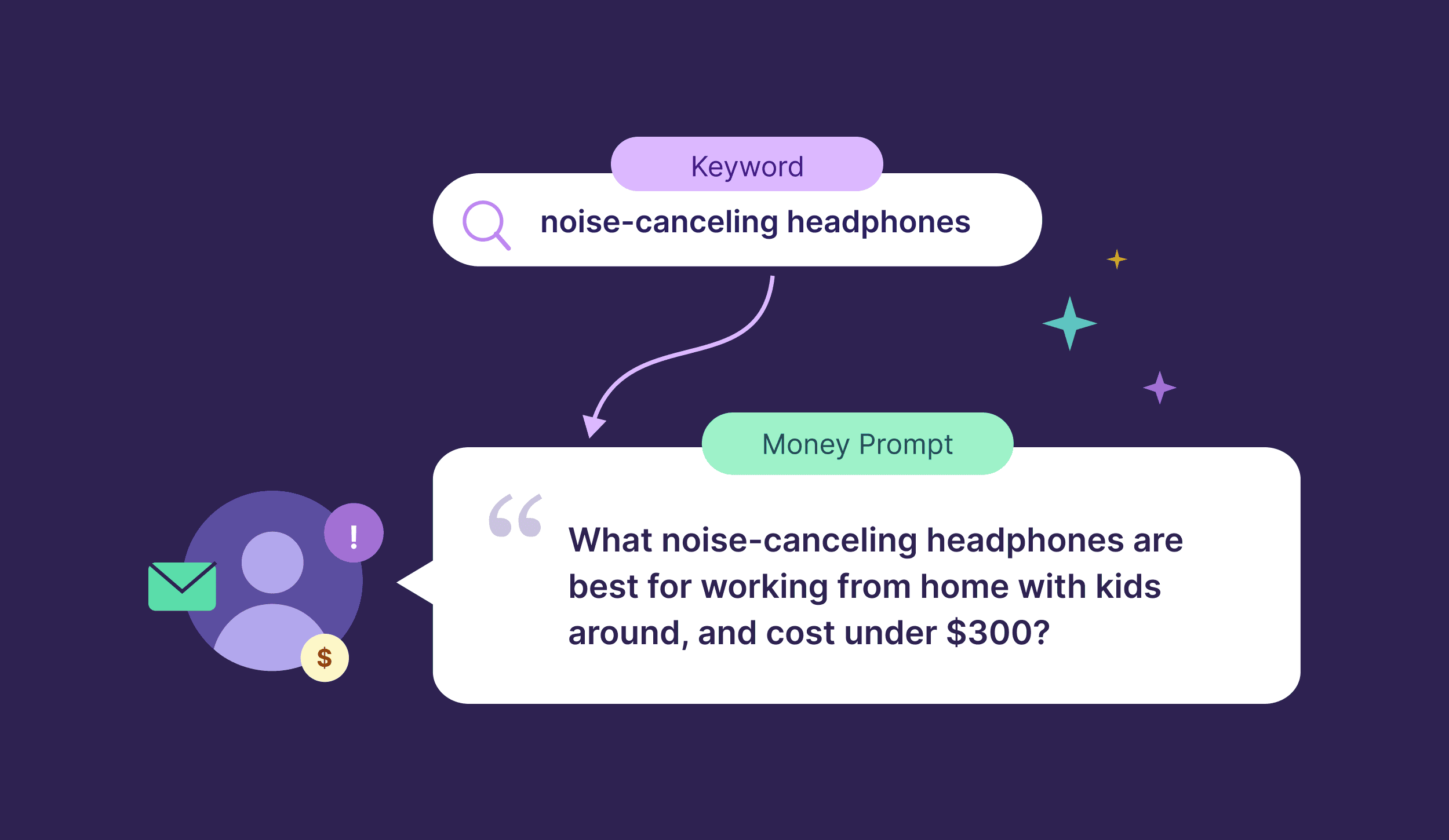
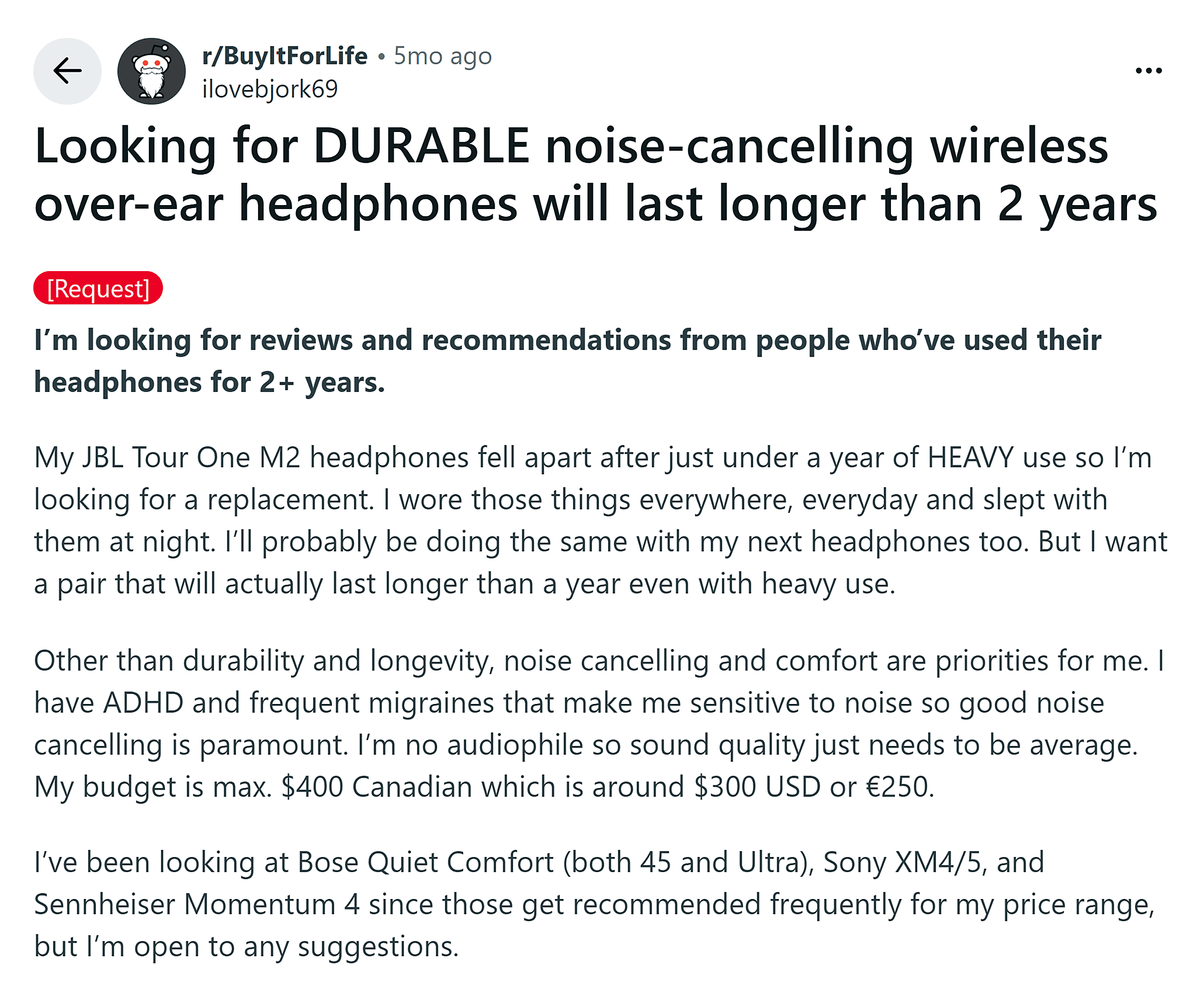
Traditional keyword research focuses on short, high-volume terms. In contrast, AI optimization relies on "money prompts"—conversational phrases and complex questions that target audiences submit to LLMs when seeking solutions. For instance, while "noise-canceling headphones" serves as a traditional keyword, a money prompt reads: "What noise-canceling headphones are best for working from home with children present, priced under $300?" Digital strategists can identify these prompts by mining community forums, customer support transcripts, and dedicated AI visibility analytics tools that track real-world conversational search data.
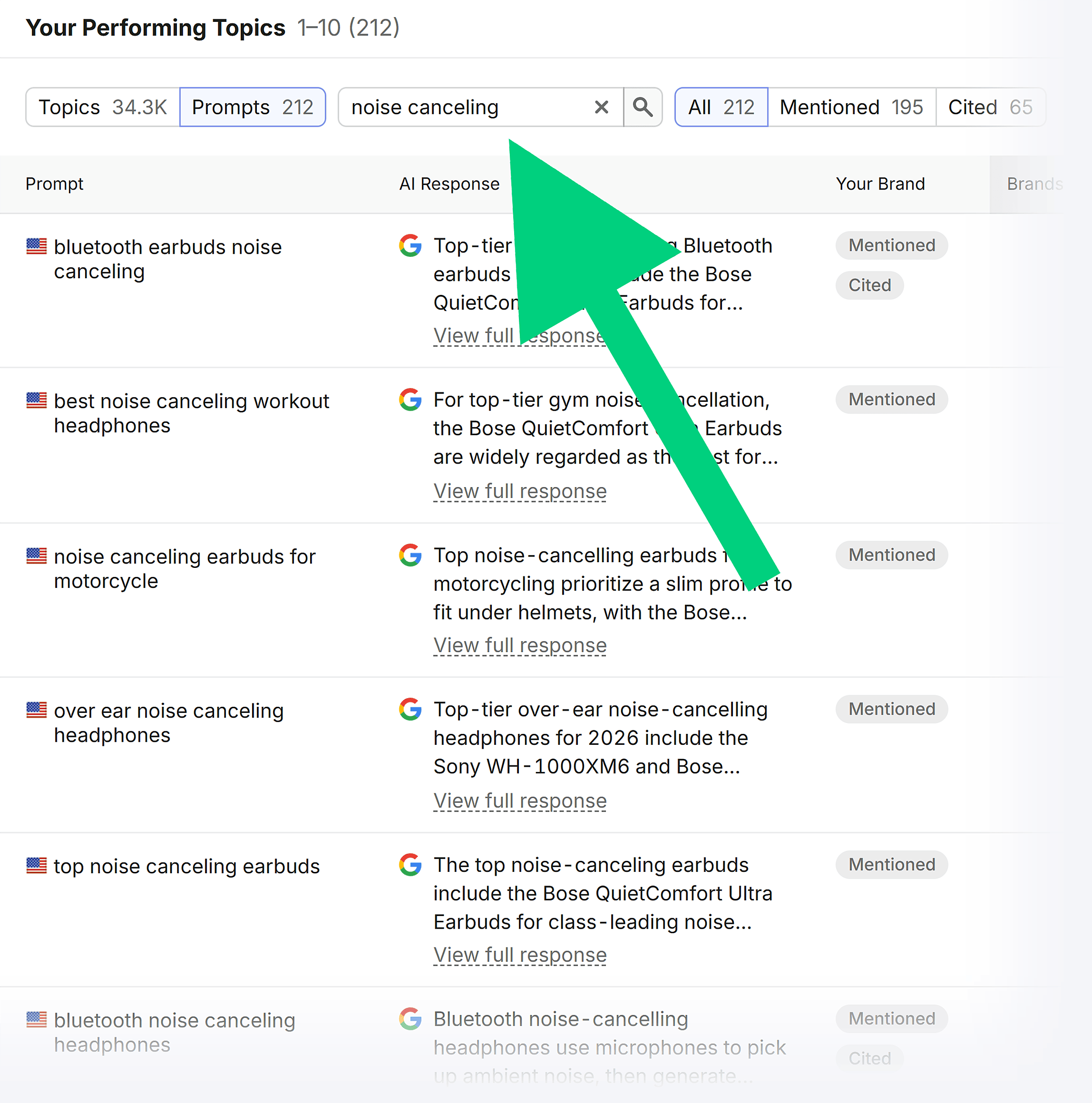
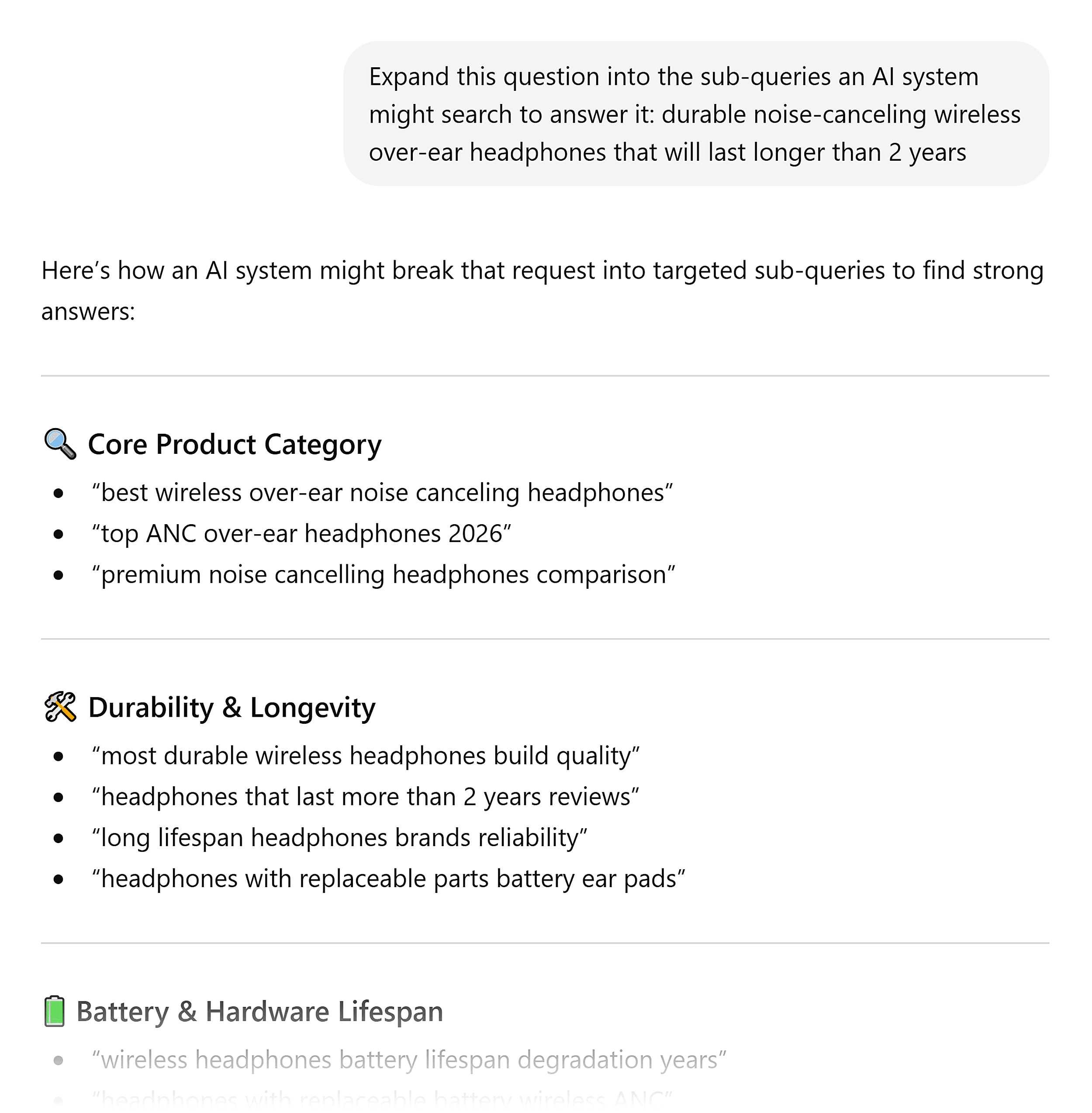
Step 2: Generate and Categorize Fan-Out Sets
Once money prompts are identified, the next step involves mapping the sub-queries generated by AI platforms. This can be accomplished manually by analyzing platform responses or by utilizing specialized browser extensions designed to capture live query expansions. Sub-queries typically fall into specific categories, including reformulations, comparative evaluations, personalized constraints, and entity expansions. Categorizing these queries reveals critical content gaps that must be addressed.
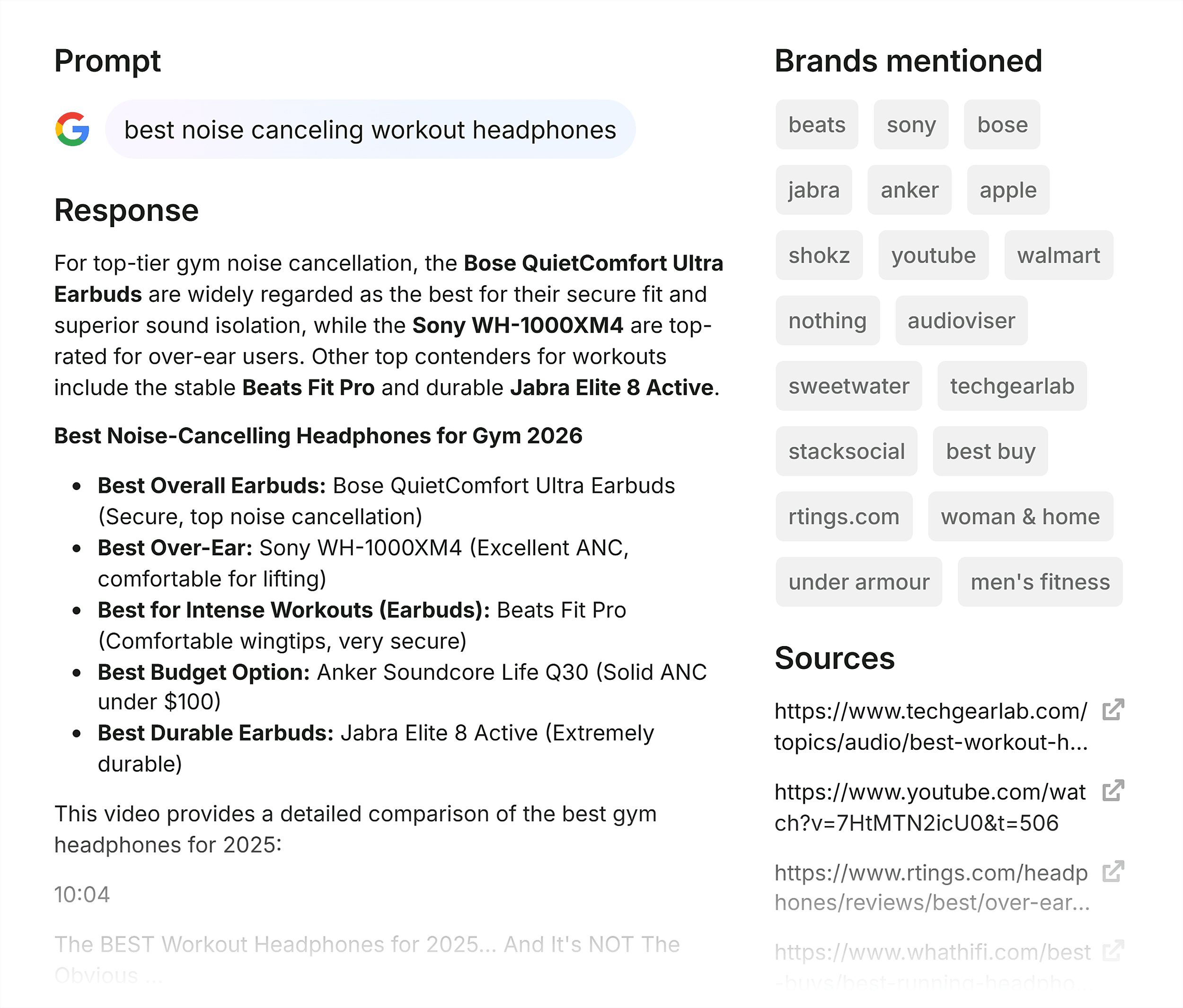
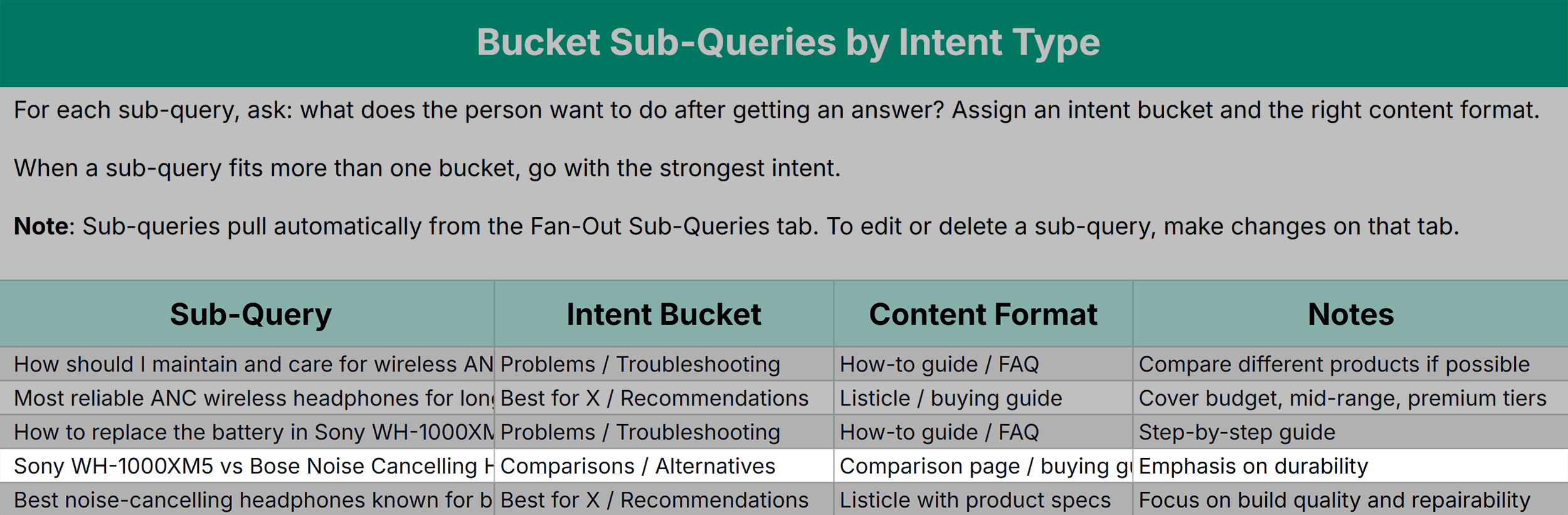
Step 3: Bucket Sub-Queries by User Intent
Sub-queries must be organized according to the user’s ultimate objective. Intent buckets generally include definitions, direct product comparisons, best-use-case recommendations, troubleshooting instructions, pricing inquiries, and social proof reviews. Aligning sub-queries with the correct content format—such as structured comparison tables for head-to-head queries or concise explainer sections for definitional queries—ensures maximum relevance.
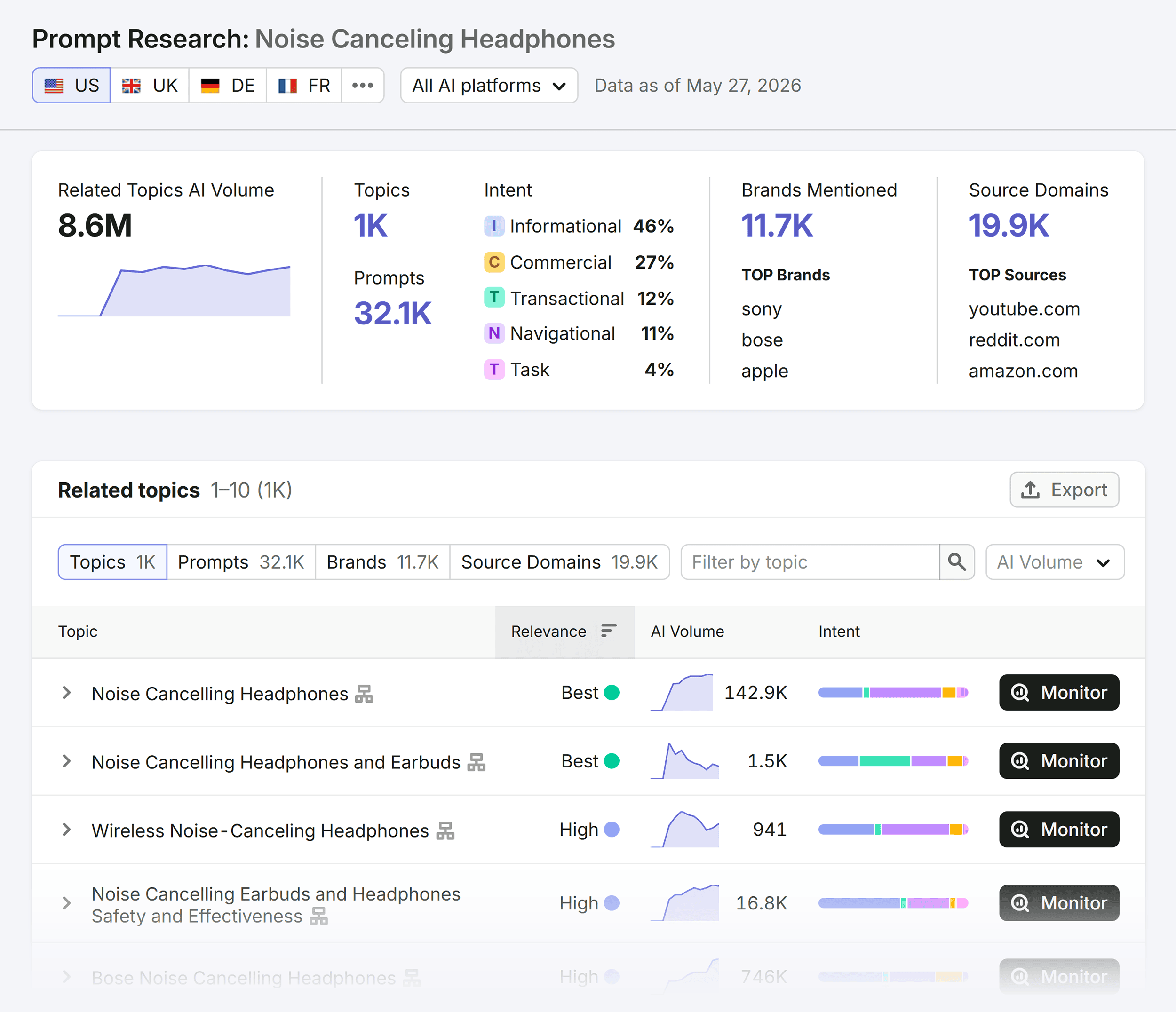
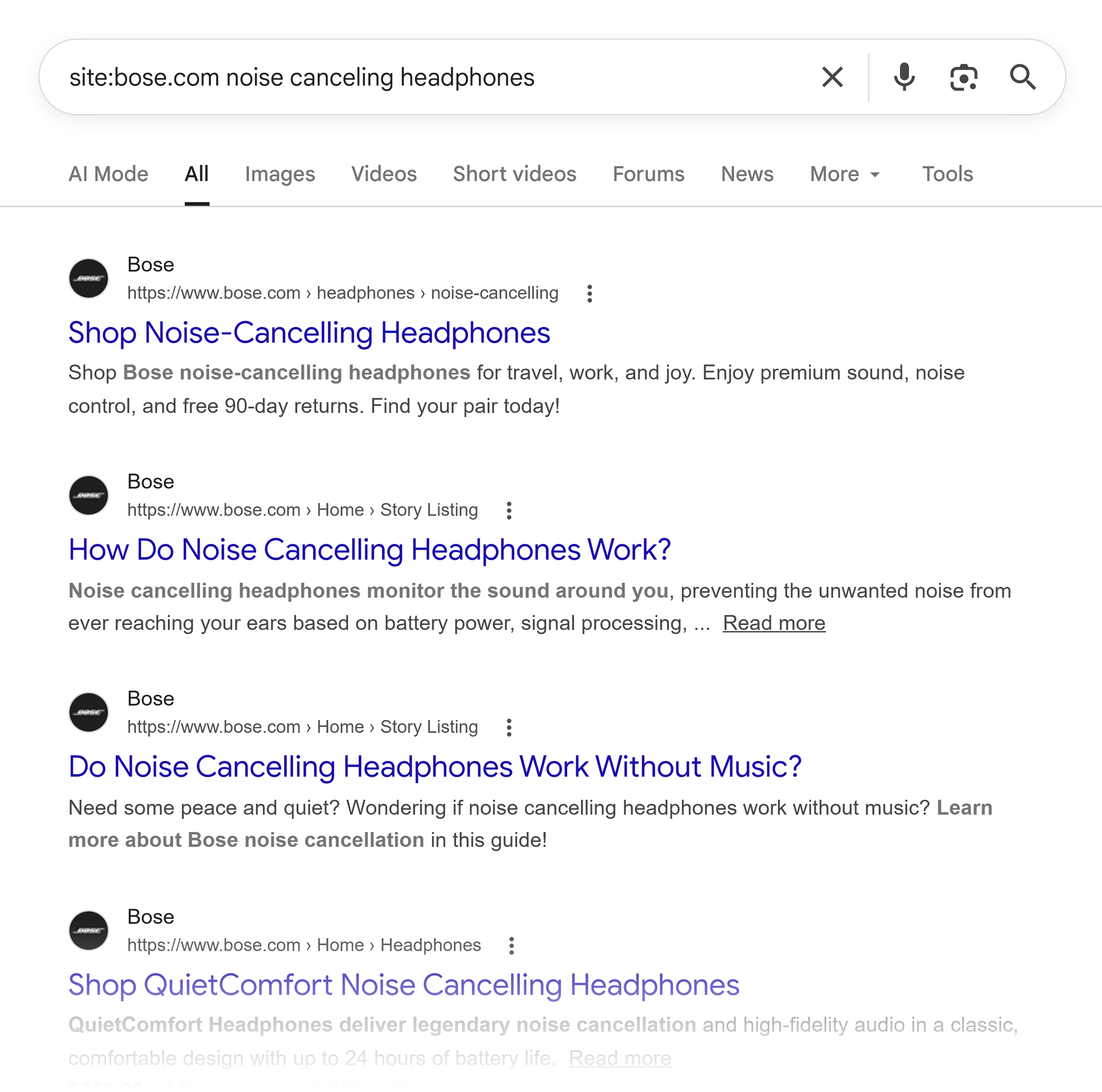
Step 4: Conduct Rigorous Content Gap Audits
With intent buckets established, brands must audit their existing digital footprint to determine which sub-queries are fully covered, partially covered, or entirely missing. Competitor analysis plays a vital role here; identifying which brands are frequently cited by LLMs for specific money prompts allows organizations to benchmark their visibility and defend their market share against emerging rivals.
Step 5: Structure Content for Algorithmic Extraction
To maximize the probability of citation, content must be structured in a manner that facilitates machine reading. Best practices include front-loading core answers in the introductory sections of a page, utilizing descriptive H2 and H3 subheadings, organizing key specifications into clean HTML tables, and adopting scenario-specific language that mirrors real-world user constraints.
Step 6: Measure and Refine Performance
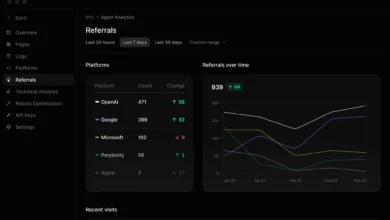
Because the AI search ecosystem is highly dynamic, ongoing performance measurement is essential. Automated tracking tools can monitor shifts in brand sentiment, citation frequency, and relative visibility scores across multiple LLM platforms. Regular audits ensure that content strategies remain resilient against algorithmic updates and shifting consumer inquiry patterns.
Implications for the Future of Digital Publishing
The transition toward query fan-out represents a maturation of search technology away from rigid string matching and toward semantic synthesis. As conversational search interfaces capture an increasing share of global discovery traffic, the fundamental relationship between publishers and search engines will continue to evolve.
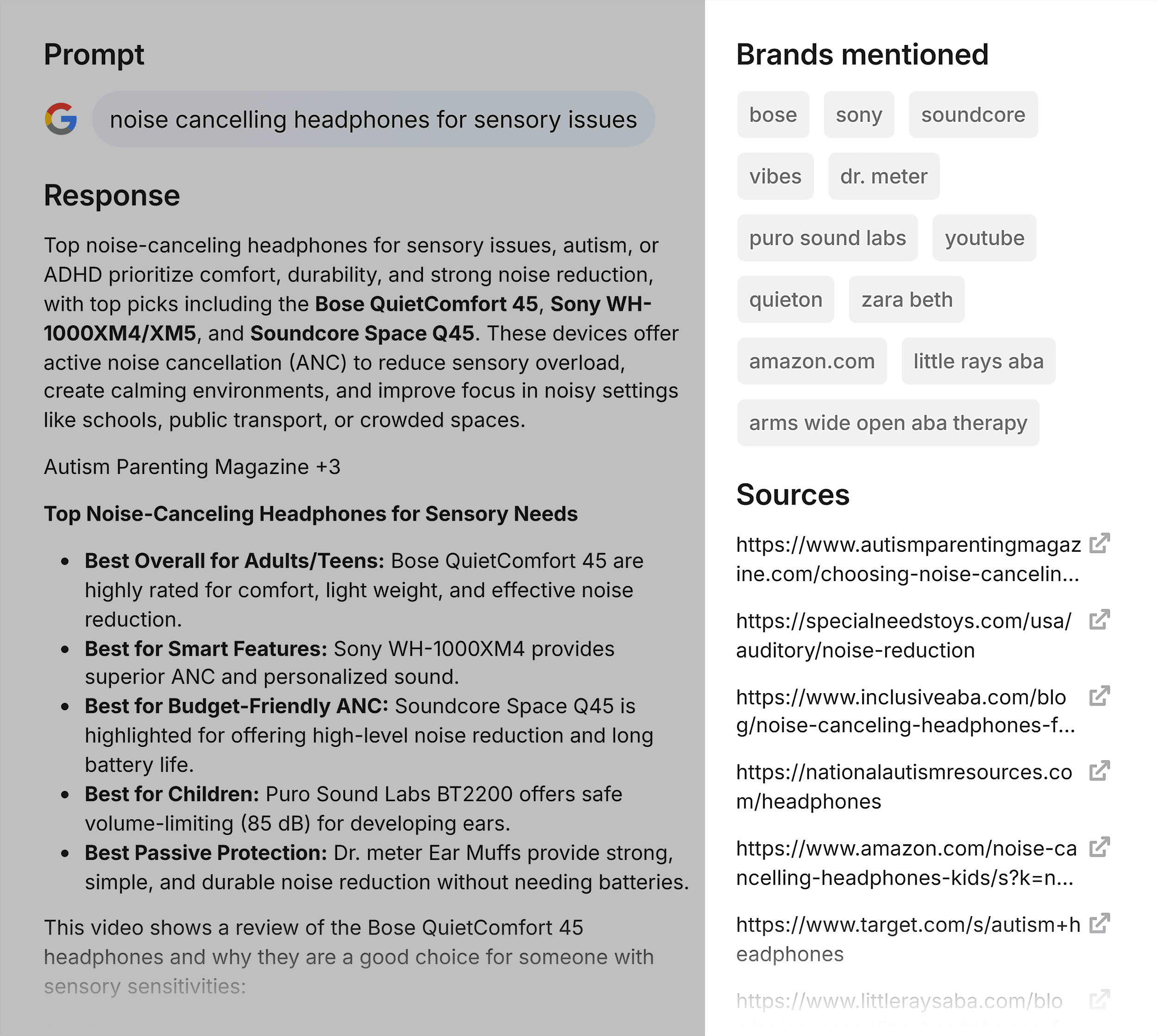
Organizations that cling strictly to legacy SEO tactics risk marginalization, regardless of their traditional domain authority. Conversely, brands that embrace structured, multi-intent content design will position themselves as authoritative sources capable of satisfying the complex, fragmented demands of modern AI-driven discovery. Success in this new era requires treating content not merely as a vehicle for keywords, but as a modular, extractable knowledge base designed to answer the nuanced questions of tomorrow’s consumers.