Modernizing the Purchase Order Workflow: A Strategic Imperative for Operational Efficiency and Financial Control

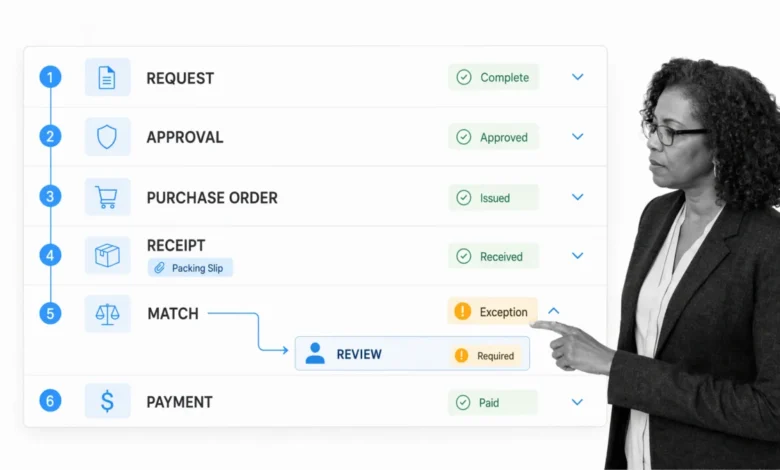
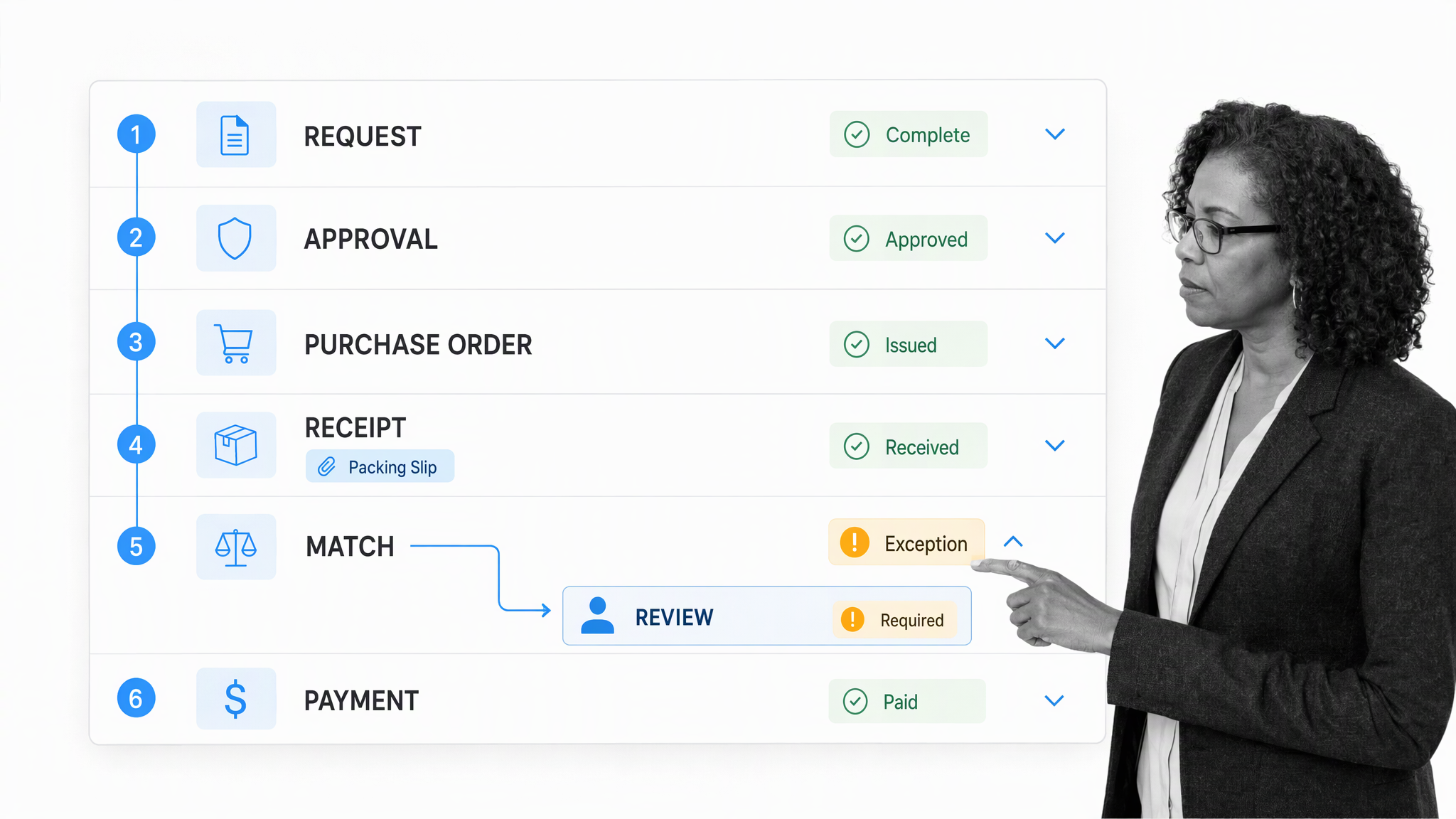
The modern enterprise is increasingly defined by the agility of its back-office operations, with the purchase order (PO) workflow serving as the primary nervous system for financial commitment and procurement integrity. A purchase order workflow is the formalized, controlled sequence through which a company initiates a purchase request, secures budgetary and departmental approvals, issues a formal purchase order, confirms the receipt of goods or services, performs a three-way invoice match, and authorizes final payment. As businesses expand globally, the reliance on fragmented, manual, or paper-based procurement systems has become a significant liability, often serving as a bottleneck that stifles growth and invites fiscal risk.
The historical reliance on disparate tools—email threads, physical filing cabinets, and static spreadsheets—to manage these complex cycles is rapidly becoming an obsolete practice. By migrating to an automated purchase order workflow, organizations can establish a single, traceable path for ownership, evidence-based approvals, and exception handling. Platforms like Process Street, which integrate compliance operations with workflow automation, turn these procedural requirements into a digital infrastructure where handoffs occur in real-time and every financial decision creates a permanent, auditable footprint.
The Evolution and Criticality of Procurement Management
Purchase order management is far more than an administrative task; it is the essential bridge between internal operational requirements and external financial commitments. The procurement cycle begins long before the order is issued, typically with an employee-submitted purchase requisition. This document captures critical data points, including the item description, quantity, vendor details, designated cost center, business justification, and the requested delivery date.
The complexity arises as this requisition navigates the organizational hierarchy. Depending on the size of the company and the nature of the purchase, the request may require multi-layered approvals from budget holders, department heads, procurement specialists, legal counsel, or security teams. Once these hurdles are cleared, the purchase order is officially transmitted to the supplier. The process then shifts to the fulfillment phase, where goods are received, recorded, and reconciled against the original order and the vendor’s invoice.
In the absence of a unified, automated system, the potential for human error is statistically significant. According to various industry benchmarks, manual data entry in procurement processes contributes to a 10% to 15% error rate in invoice reconciliation. When discrepancies occur—such as a partial delivery, a price variance, or an invoice arriving before receiving confirmation—manual systems struggle to provide the necessary visibility to resolve the issue. An automated PO system mitigates these risks by centralizing the current status, identifying the responsible owner, and providing an automated "exception path" that guides staff through the resolution process without requiring exhaustive manual investigation.
The Macro-Economic Importance of Buyer-Supplier Relationships
Strong buyer-supplier relationships are a foundational element of long-term corporate growth. A purchase order acts as an operational promise, conveying clear expectations regarding volume, delivery schedules, and contractual terms. When information flows seamlessly between the buyer and the vendor, suppliers can optimize their own supply chains to meet the buyer’s demands with greater accuracy.
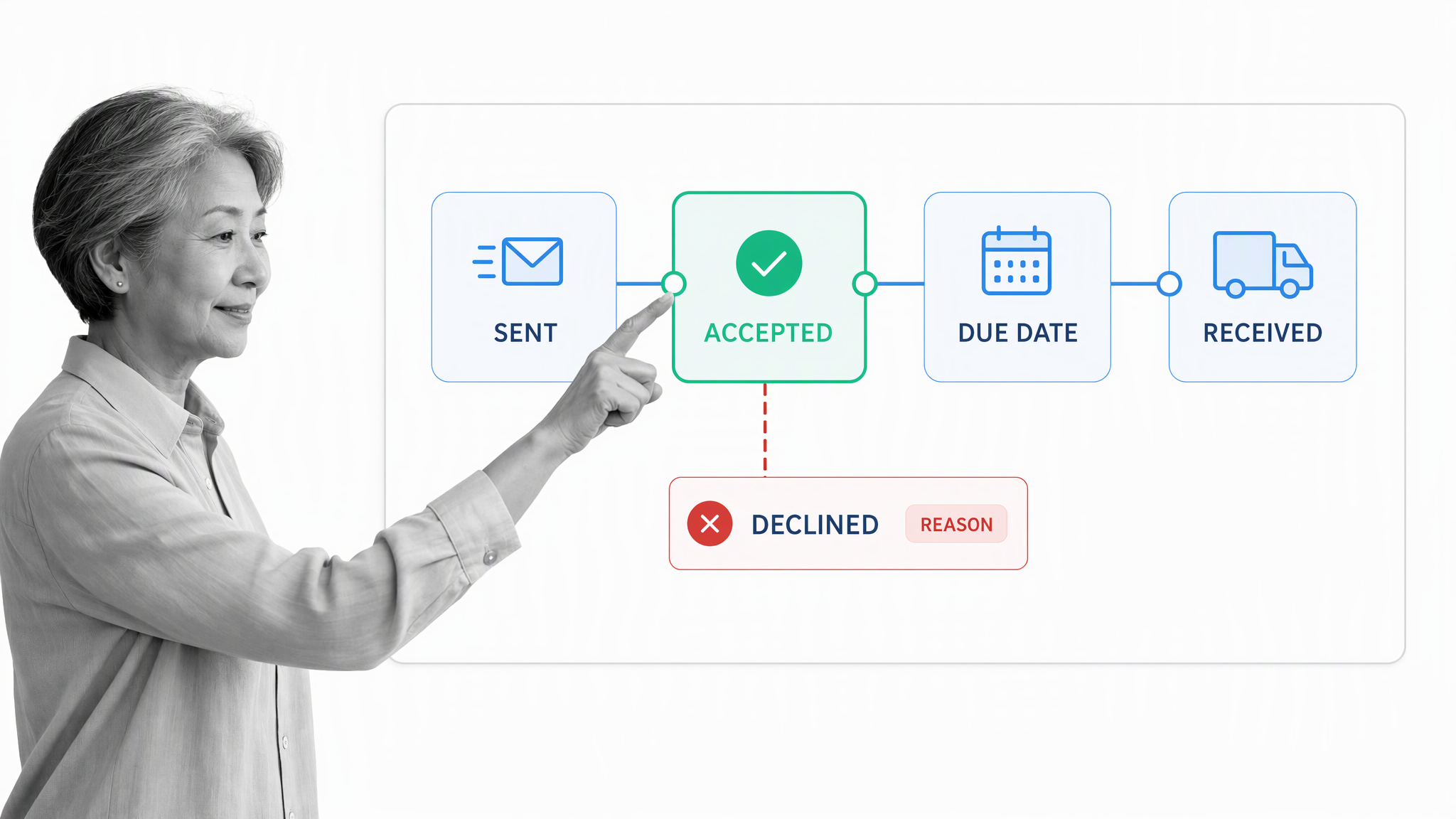
Guidance from the Chartered Institute of Procurement and Supply (CIPS) highlights that consistent communication and transparent processes are the cornerstones of effective supplier relationship management. Conversely, when status updates are buried in individual inboxes, trust erodes. A controlled, automated workflow serves both parties by providing a reliable handoff mechanism. Suppliers can acknowledge acceptance, propose alternative delivery dates, or provide explanations for potential shortages within the system. This transparency allows procurement teams to act proactively rather than reactively, effectively managing risk before a late delivery or billing error manifests as a crisis.
Chronology of a Standardized Procurement Lifecycle
To achieve consistent results, organizations must adopt a standardized, repeatable sequence. While specific approval thresholds vary based on organizational size, the following chronology represents the industry standard for an effective purchase order workflow:
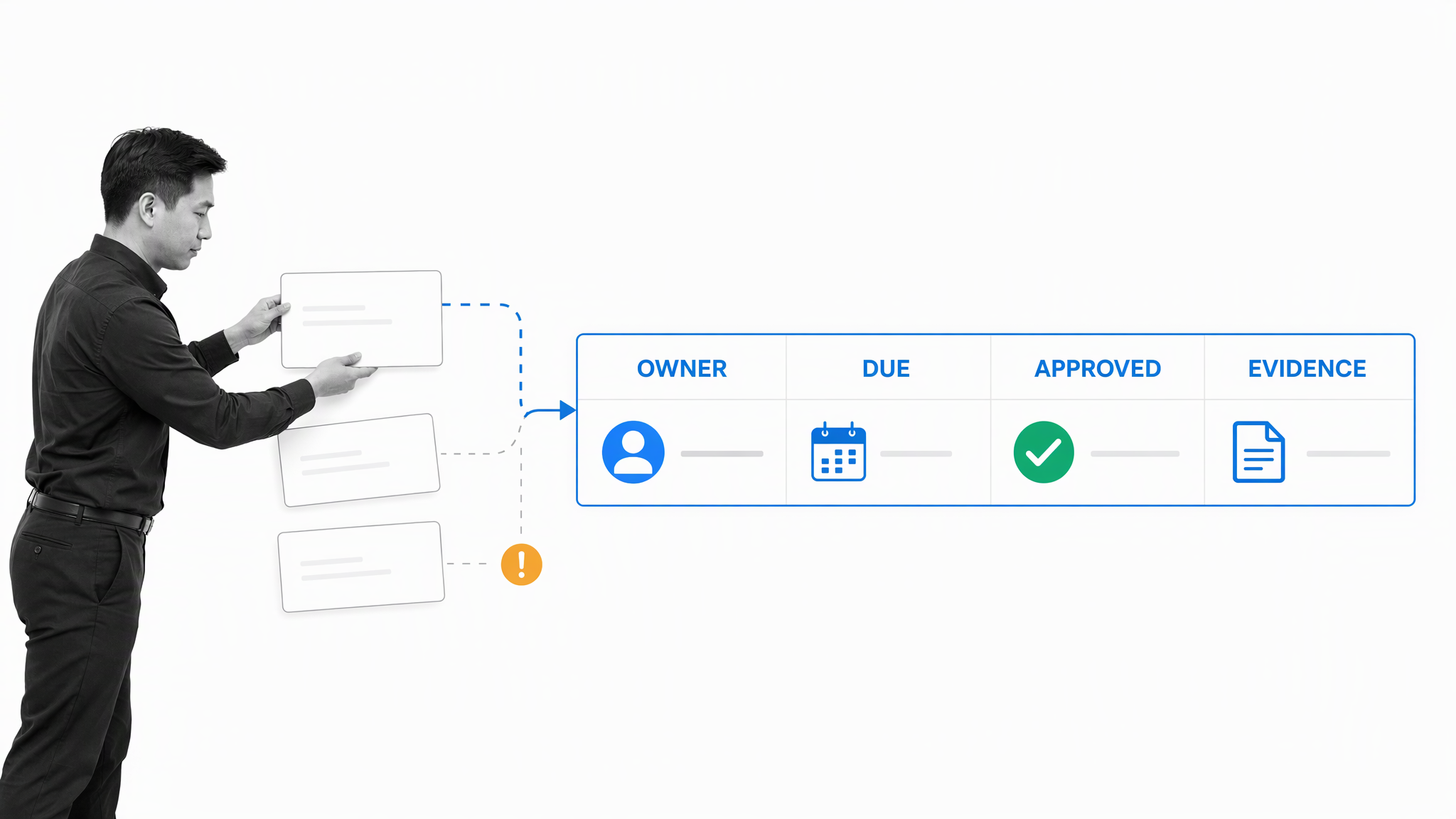
- Requisition Initiation: The end-user submits a detailed request via a structured, digital form.
- Compliance and Budget Review: The request is automatically routed to the appropriate authority based on spend limits and category.
- Purchase Order Generation: Upon approval, the system triggers the creation of the PO, which is dispatched to the supplier.
- Supplier Acknowledgment: The vendor confirms receipt and provides a binding delivery date.
- Receiving and Goods Receipt (GR): The warehouse or department logs the physical arrival of items, updating the record.
- Three-Way Matching: The system automatically compares the PO, the GR note, and the supplier’s invoice.
- Exception Handling: If the three-way match fails, the system triggers a workflow for human intervention to resolve the discrepancy.
- Payment Authorization: Once validated, the invoice is cleared for payment, and the record is closed for auditing.
The Dangers of Legacy Systems: Fraud and Operational Inefficiency
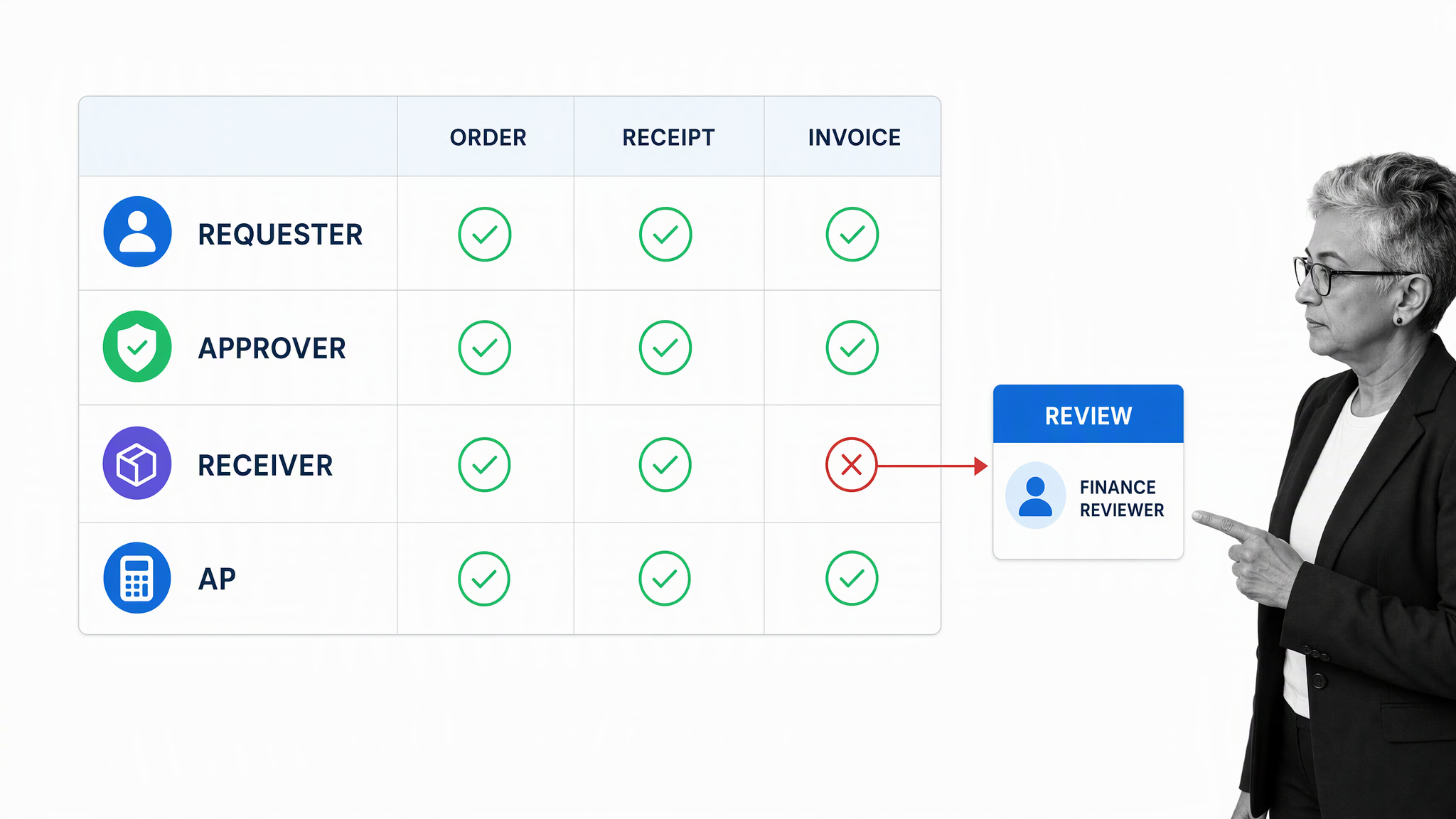
The persistence of manual, paper-based purchase orders is a primary driver of operational waste and a major vulnerability for fraud. The Association of Certified Fraud Examiners (ACFE) has consistently identified procurement and billing schemes as significant threats to organizational assets. Without a system that enforces the separation of duties—whereby the person requesting the purchase is distinct from the person who approves it, receives the goods, and authorizes payment—the risk of internal manipulation increases exponentially.
Furthermore, manual systems often suffer from "maverick spending," where employees bypass established procurement channels to source goods from unauthorized vendors. This leads to inconsistent pricing, a loss of bulk-purchasing leverage, and the accumulation of hidden costs. Organizations that fail to centralize their procurement data are often operating in a state of "blind spend," making it impossible to perform accurate budget forecasting or identify cost-saving opportunities through vendor consolidation.
The Role of AI and Integration in Modern Operations
Modern procurement software, such as the Process Street Compliance Operations Platform, serves as a bridge between high-level corporate policy and day-to-day execution. By integrating with existing ERP or accounting systems, these platforms ensure that the "rulebook" for purchasing is baked into the technology itself.
The inclusion of artificial intelligence (AI) has further transformed this landscape. AI agents can now extract data directly from invoices, perform complex data validation, and surface potential duplicates or missing tax information. This does not replace human oversight; rather, it empowers procurement professionals to focus on strategic decision-making, such as contract negotiations and supplier performance reviews, rather than manual data entry.
A significant advantage of this digital integration is the ability to maintain a comprehensive audit trail. In the event of an external audit or an internal investigation, having a time-stamped, unalterable record of who approved a purchase, why it was approved, and whether it matched the received goods is invaluable. This level of transparency protects the company from both external compliance risks and internal operational failures.
Broader Implications for Corporate Governance
As organizations navigate an increasingly volatile global economy, the efficiency of the back office is becoming a competitive advantage. Companies that can process orders faster, maintain high levels of contract compliance, and nurture positive relationships with their suppliers are better positioned to weather supply chain disruptions.
The transition from manual processes to automated workflows is not merely a technological upgrade; it is a cultural shift toward accountability. By requiring standardized, documented evidence for every dollar spent, organizations cultivate a culture of fiscal responsibility. When managers can access real-time dashboards showing exactly where money is being committed, how vendors are performing, and where bottlenecks exist in the approval chain, they are equipped to make data-driven decisions that impact the bottom line.
Ultimately, the goal of an automated purchase order workflow is to eliminate the friction that causes delays and misunderstandings. By providing clear, repeatable processes, businesses can ensure that their purchasing activities remain consistent, regardless of personnel changes or organizational growth. This ensures that the procurement department acts not as a gatekeeper of bureaucracy, but as a strategic engine for corporate success, facilitating the flow of resources necessary to achieve the company’s broader objectives. As the technological landscape continues to evolve, the integration of AI-driven tools with robust, compliant workflows will remain the standard for world-class procurement management.