Beyond the Hotel Lobby: The Rising Economic and Experiential Appeal of Historic Mansion Stays

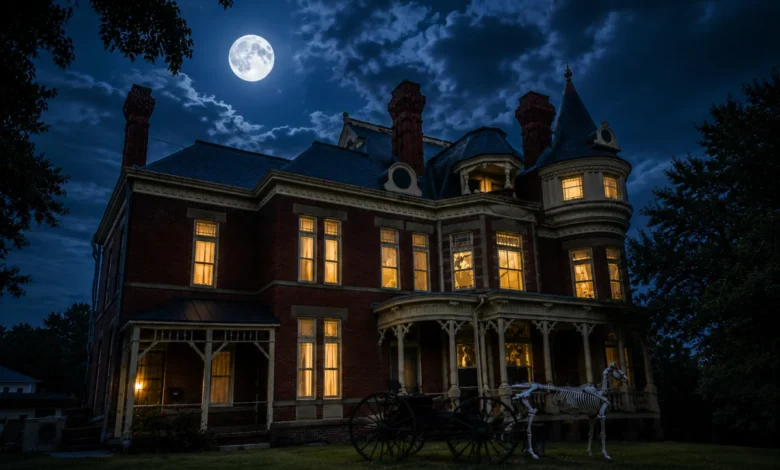
Planning a group getaway often devolves into a logistical exercise in budget management, where the cost of multiple hotel rooms creates a significant financial barrier. For groups of ten to twenty people, standard accommodations at approximately $200 per night can quickly escalate into a four-figure expenditure before accounting for dining, travel, or leisure activities. However, a growing trend in the hospitality sector suggests that travelers are increasingly bypassing conventional chains in favor of historic mansions, haunted estates, and preserved period properties. This shift is driven by a dual desire for immersive, shared experiences and the potential for cost-efficiency through group-rate dynamics.
The Economics of Collective Hospitality
The primary driver behind the surge in mansion rentals is the shift from per-room billing to flat-rate property rentals. In a traditional hotel model, costs scale linearly with the number of rooms required. Conversely, renting a historic mansion typically involves a fixed fee for the entire property or a large-scale reservation, allowing groups to divide the total cost among all participants.
Market data indicates that for large groups, the per-capita cost of a private estate rental can often be 30% to 50% lower than the cumulative price of individual hotel rooms. Beyond the raw numbers, these properties offer communal spaces—such as parlors, dining rooms, and expansive grounds—that are absent in standard hotel configurations. This environment fosters a sense of collective activity, whether that involves historical research, paranormal investigation, or simply the enjoyment of architectural heritage.
Chronology and Context: The True Crime Connection
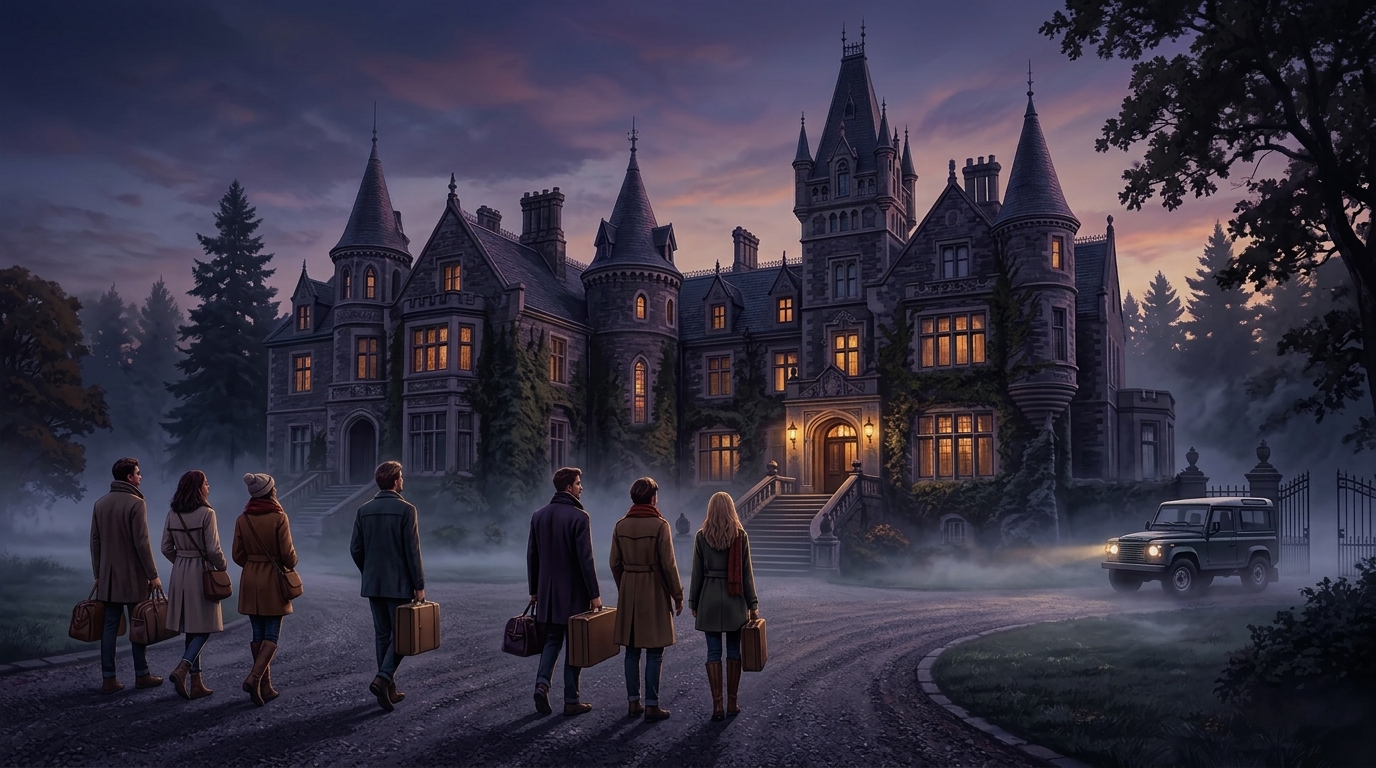
Many of the most popular historic rentals are defined by their connection to pivotal, often tragic, moments in American history. These sites occupy a unique niche in the travel market, blending hospitality with the preservation of cultural memory.
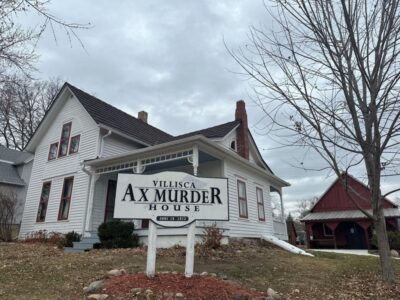
The Villisca Axe Murder House in Iowa remains a cornerstone of this segment. On the night of June 9, 1912, eight individuals—including six children—were murdered in the residence. The case, which remains officially unsolved, transformed the quiet home into a focal point of American true-crime history. Today, the property is managed by US Ghost Adventures, which provides structured access for researchers and visitors. The operational model requires guests to accept a "rugged" stay; the property lacks modern conveniences such as indoor plumbing or standard electrical infrastructure, reflecting an emphasis on historical preservation over contemporary comfort.
Similarly, the Lizzie Borden House in Fall River, Massachusetts, offers a window into the 1892 double homicide of Andrew and Abby Borden. The house has been meticulously restored to resemble its late-19th-century appearance. Unlike some sites, the Borden House operates as a functioning museum and lodging facility, allowing guests to sleep in the very rooms where the tragedy occurred. The operational impact is clear: by monetizing the history of the site, the owners secure the funds necessary to maintain the structure, while guests receive an experience that is deeply tied to the narrative of the location.
Architectural Grandeur and Cultural Tourism
Not all historic rentals focus on the macabre. The market for grand estates, such as Oheka Castle in New York or the Wentworth Mansion in South Carolina, caters to travelers seeking a Gilded Age experience. Oheka Castle, completed in 1919 by financier Otto Hermann Kahn, stands as a testament to the era of American excess. Its 127 rooms and expansive French-style gardens represent a high-end segment of the market where the value proposition is rooted in luxury and historical architecture rather than bargain-seeking.
In Charleston, the Wentworth Mansion, constructed in 1886, provides a different service model. As a boutique hotel, it offers the intimacy of a private home with the services of a high-end hotel, such as curated breakfast and evening wine service. This model illustrates the diversification of the historic lodging sector: while some properties lean into the "haunted" or "true-crime" experience, others utilize their historic status to command premium rates in the luxury travel market.
Operational Challenges and Regulatory Considerations
While the financial allure of renting a historic mansion is clear, potential guests must navigate significant operational nuances. Property managers of historic sites often enforce strict occupancy limits, noise ordinances, and preservation-focused rules.
A critical distinction for prospective groups is the difference between an "exclusive rental" and a "room-only" reservation. An exclusive rental grants the group private access to the entire facility, which provides the most control over the environment and the best value for larger parties. Conversely, reserving individual rooms in a property like the Brickhouse Inn in Gettysburg allows for a more traditional hospitality experience but limits the ability to utilize the property for private, group-led activities.
Furthermore, potential guests should consider the hidden costs of historic properties. Older buildings often lack modern climate control, high-speed internet, or accessibility features required by the Americans with Disabilities Act (ADA). Some remote, high-interest properties require guests to sign liability waivers, particularly those that are marketed as "haunted" and include late-night, self-directed exploration.
Analysis of Market Implications
The growth of this niche travel segment reflects a broader trend in the hospitality industry: the move away from the commoditized hotel experience toward "experiential travel." Consumers are increasingly willing to trade modern amenities for a direct connection to a place’s history.
From an economic perspective, this shift has stabilized several historic sites that might otherwise have fallen into disrepair. By converting homes into lodging, owners generate the steady revenue streams necessary to pay for the prohibitive costs of maintaining 19th-century architecture. For local economies, these properties often serve as anchors for heritage tourism, drawing visitors who spend money on local dining, tours, and secondary attractions.
However, the trend is not without controversy. Some critics argue that the commercialization of sites associated with brutal crimes borders on exploitation. Yet, proponents maintain that these sites provide a vital educational function, allowing the public to engage with history in a visceral way. The responsible management of these properties—balancing respect for the victims with the entertainment needs of guests—is a constant challenge for operators.
Strategic Planning for Group Getaways
For those planning to utilize a historic mansion for a future gathering, the following steps are recommended:
- Inventory Assessment: Determine the true headcount and whether the property offers enough beds for every member of the party. Avoid assuming that "full house" rentals equate to modern hotel standards of privacy.
- Total Cost Analysis: Calculate the cost inclusive of taxes, cleaning fees, and mandatory tour or service charges. A lower base rate may be offset by high turnover fees.
- Policy Verification: Confirm whether the property allows for late-night activity, private catering, or group gatherings in common areas.
- Logistics: Evaluate the location’s proximity to essential services. Many historic properties are situated in older, quieter neighborhoods where transportation, parking, or late-night food delivery may be restricted.
The future of group travel appears to be increasingly bifurcated. While the standard hotel remains the default for short-term business or quick city visits, a dedicated segment of travelers is consistently choosing the deeper, often more complex narrative offered by historic estates. By prioritizing these sites, groups are not only securing a unique, shared experience but are also participating in the preservation of architectural and social history. As the market for these stays matures, increased transparency in pricing and clearer communication regarding property restrictions will likely become the standard, ensuring that these historic venues remain viable, memorable destinations for years to come.