The AI Productivity Paradox: Why Faster Automation is Leading to a Rise in Unfinished Projects

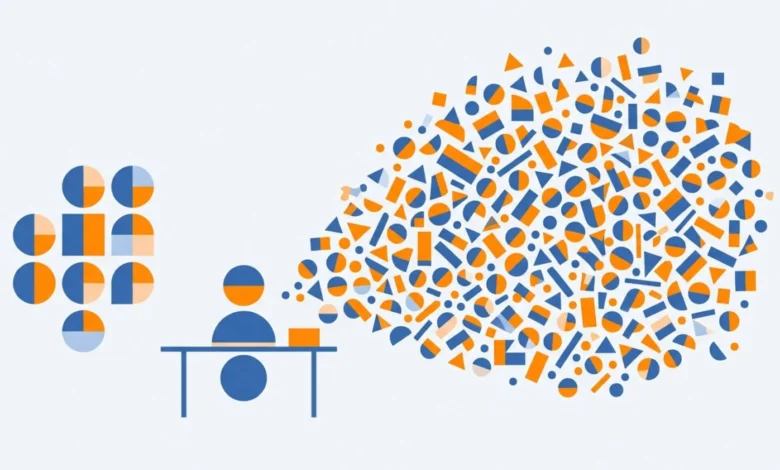
The rapid integration of generative artificial intelligence into professional workflows has triggered a significant shift in labor output, yet recent data suggests this efficiency gain may be coming at a hidden cost. For many professionals, the ability to deploy AI-driven automations has not resulted in a higher volume of completed projects. Instead, it has created a phenomenon known as "knowledge debt," characterized by an accumulation of half-finished initiatives that outpace an individual’s ability to manage or understand the underlying processes.
The Rise of Knowledge Debt in the AI Era
Before the widespread adoption of Large Language Models (LLMs), project management was constrained by the time required to draft, code, or organize workflows. Today, AI can generate complex automations in seconds. While this capability is theoretically beneficial, it has led to a structural imbalance: users are building systems faster than they are building the cognitive framework required to sustain them.
Knowledge debt occurs when an individual implements a technical solution without fully comprehending the logic of that solution. When a task is delegated to an AI model, the human participant often skips the critical "learning phase"—the period of manual trial and error that establishes institutional knowledge. Consequently, the user is left with a functional system they do not understand, making it impossible to troubleshoot or determine if the automation is truly necessary.
A Chronology of the Productivity Shift
The shift toward AI-assisted project management can be traced back to late 2022, following the public release of advanced generative models.
- Q4 2022 – Q1 2023: Early adopters prioritized "prompt engineering" to replace manual tasks, leading to an initial surge in perceived productivity.
- Q2 2023 – Q4 2023: Professionals began using AI to build complex, multi-stage workflows. During this period, the volume of "in-progress" projects began to climb as users experimented with diverse AI-driven toolsets.
- 2024 – Present: Data indicates a stagnation in project completion rates. Despite increased speed, the "completion gap"—the distance between initiating a project and finalizing it—has widened as users become bogged down in managing their own automated systems.
Supporting Data and Behavioral Analysis
Recent studies on workplace efficiency highlight a correlation between "automated sprawl" and decision fatigue. Research suggests that when workers delegate task creation to AI, they often lose sight of the primary objective.
One contributing factor is the design of modern AI interfaces, which frequently employ "upsell loops." After a user completes a task, the AI interface typically suggests secondary or tertiary follow-up actions. While these are intended to be helpful, they often lead to "scope creep," where the user spends valuable time optimizing a process that was already sufficient for the goal at hand. This cycle mirrors the design philosophy of social media platforms, intended to maximize time-on-platform rather than objective completion.
Strategies for Sustainable AI Integration
Productivity experts are now advocating for a recalibration of how AI is deployed in professional environments. The consensus among analysts is that immediate, unchecked automation is counterproductive.
1. The Rule of Three
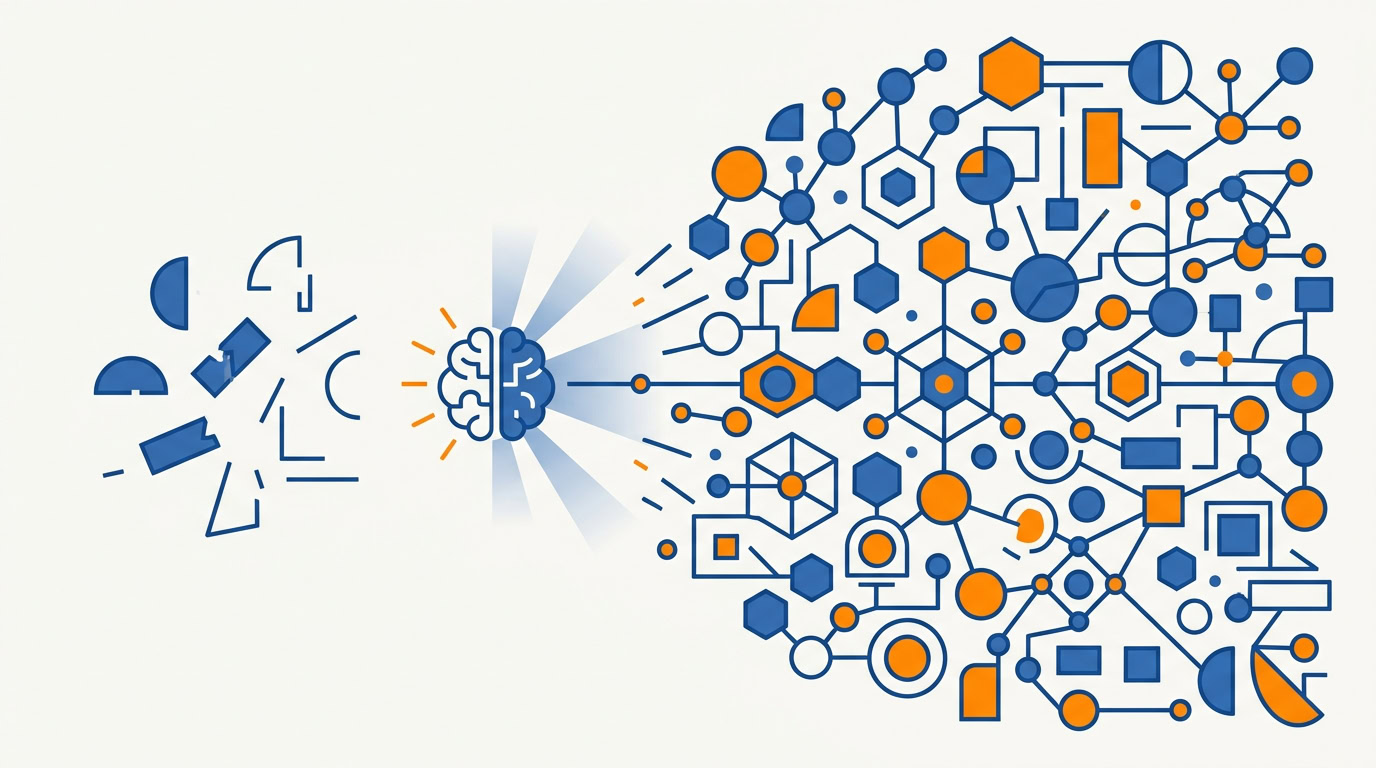
To avoid building unnecessary systems, experts recommend performing any task manually at least three times before considering automation. This process serves several purposes:
- Constraint Identification: It forces the user to encounter the specific roadblocks and variables inherent in the task.
- Feasibility Testing: It reveals whether the task is actually a candidate for automation or if the manual effort is lower than the time required to build and maintain an automated workflow.
- Process Refinement: It ensures the user understands the inputs and outputs of the process, which is essential for effective system design.
2. The Crappy First Draft Protocol
The "blank page" problem—the tendency to over-plan and delay execution—is a major hurdle in project management. Professionals are encouraged to utilize AI to generate a "rough draft" of a workflow or document immediately, rather than spending hours in the design phase. By having a tangible, albeit imperfect, artifact to refine, the user can iterate more effectively. This approach turns the AI into a collaborator rather than an architect.
3. Combating Information Overload
The habit of subscribing to automated daily digests and push notifications has created a "fire hose" effect. Data shows that information pushed to a user—rather than information actively sought out (pulled)—has a significantly lower retention rate. Organizations are increasingly moving toward a "pull" model, where users define the specific data they need, thereby reducing digital clutter.
Broader Implications for the Future of Work
The long-term success of AI integration depends on digital hygiene. The "one tweak a week" philosophy is gaining traction as a sustainable alternative to the current "bookmark hoarding" culture. Instead of saving hundreds of potential automations for future use, workers are encouraged to synthesize the content they encounter and implement one actionable experiment per week.
Furthermore, the shift toward human-readable documentation is essential. While AI models prefer clean Markdown text, humans often struggle to scan and interpret raw code-heavy documents. The development of automated tools that convert text into HTML-based visuals—such as flowcharts, tables, and diagrams—is becoming a critical requirement for maintaining clear documentation that humans can actually utilize.
Conclusion: The Necessity of Periodic Review
The ultimate remedy for the current state of "knowledge debt" is the implementation of a robust, mandatory review process. Weekly retrospectives, whether manual or AI-assisted, are necessary to audit the state of active projects. By comparing what was "shoveled" to an AI against what was truly understood and mastered, professionals can bridge the gap between building and completion.
Ultimately, the goal of AI should not be to increase the number of projects started, but to increase the velocity and quality of projects finished. Until organizations and individuals prioritize the human understanding of these systems over the speed of their creation, the accumulation of unfinished work will likely remain the defining characteristic of the AI-augmented workplace.