Mastering the Employee Onboarding Experience: A Strategic Framework for Organizational Success

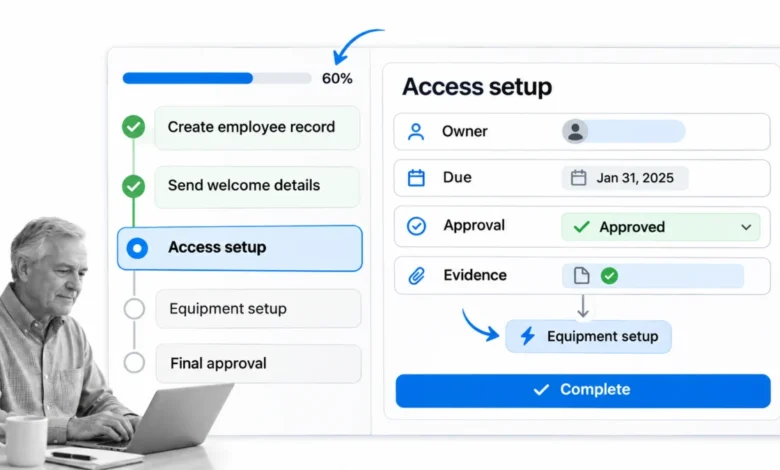
The employee onboarding experience represents the critical bridge between the moment a candidate accepts a job offer and the point at which they achieve full role readiness, team integration, and sustained performance. Far from being a mere administrative formality or a single-day orientation event, modern onboarding is a structured, longitudinal process that encompasses technical access, cultural immersion, and clear goal setting. As organizations navigate increasingly complex hybrid and remote working environments, the need for a repeatable, scalable, and human-centric onboarding framework has never been more pressing.
The Anatomy of a Successful Onboarding Lifecycle
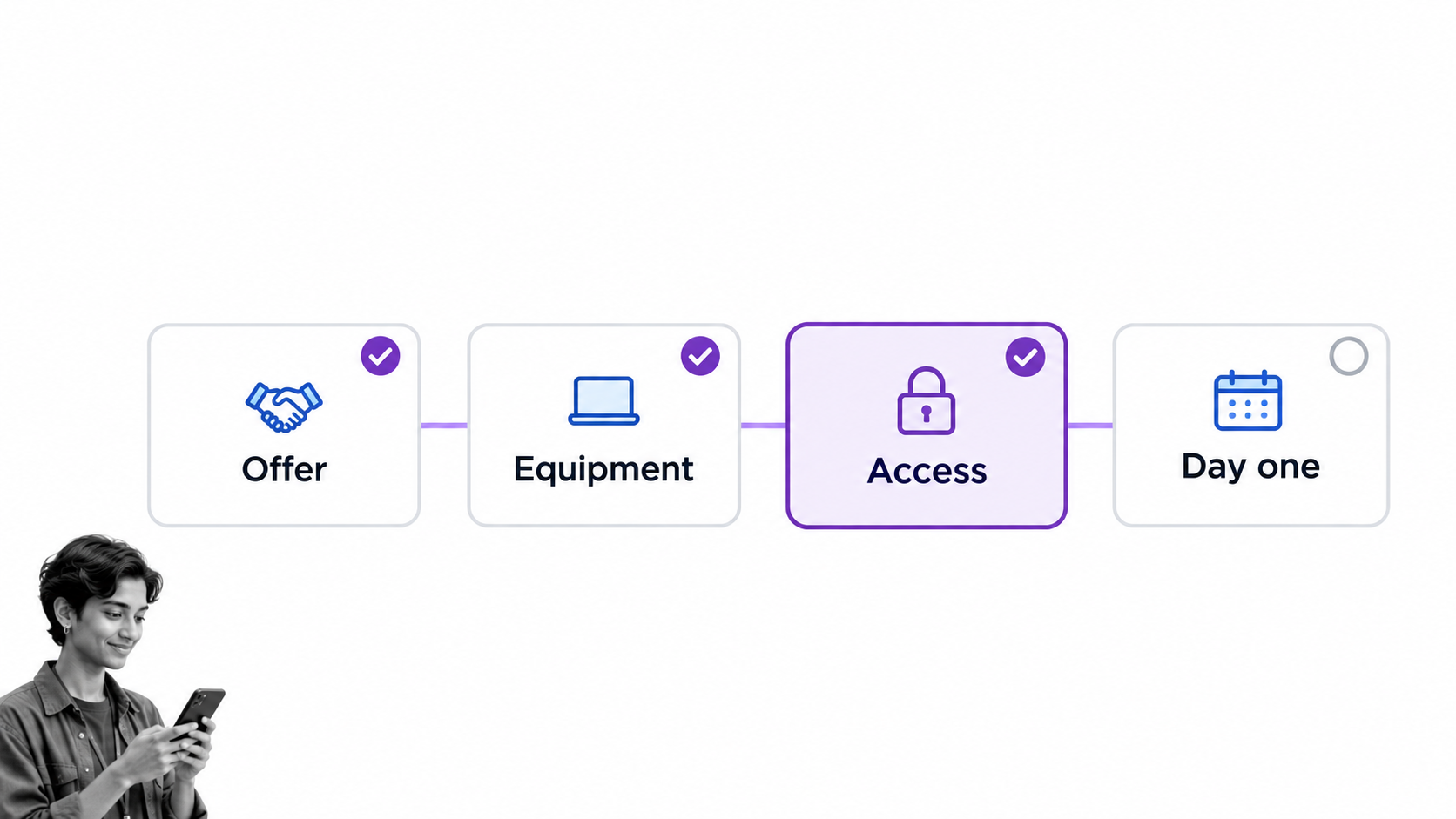
A high-functioning onboarding program is defined by four core pillars: clarity, personalization, pacing, and measurability. When an organization treats onboarding as a strategic imperative rather than a checklist of compliance tasks, it significantly reduces the "time-to-productivity" gap for new hires. The journey begins long before the first day—a phase known as preboarding—which is essential for alleviating the anxiety often associated with starting a new role.

Research from the Society for Human Resource Management (SHRM) suggests that organizations with a strong onboarding process improve new hire retention by 82% and productivity by over 70%. These statistics underscore the cost of a poor experience; when a new employee feels neglected or ill-equipped during their first week, the "early confusion" often compounds, leading to long-term performance deficits or early turnover.
Chronology of an Effective Onboarding Path
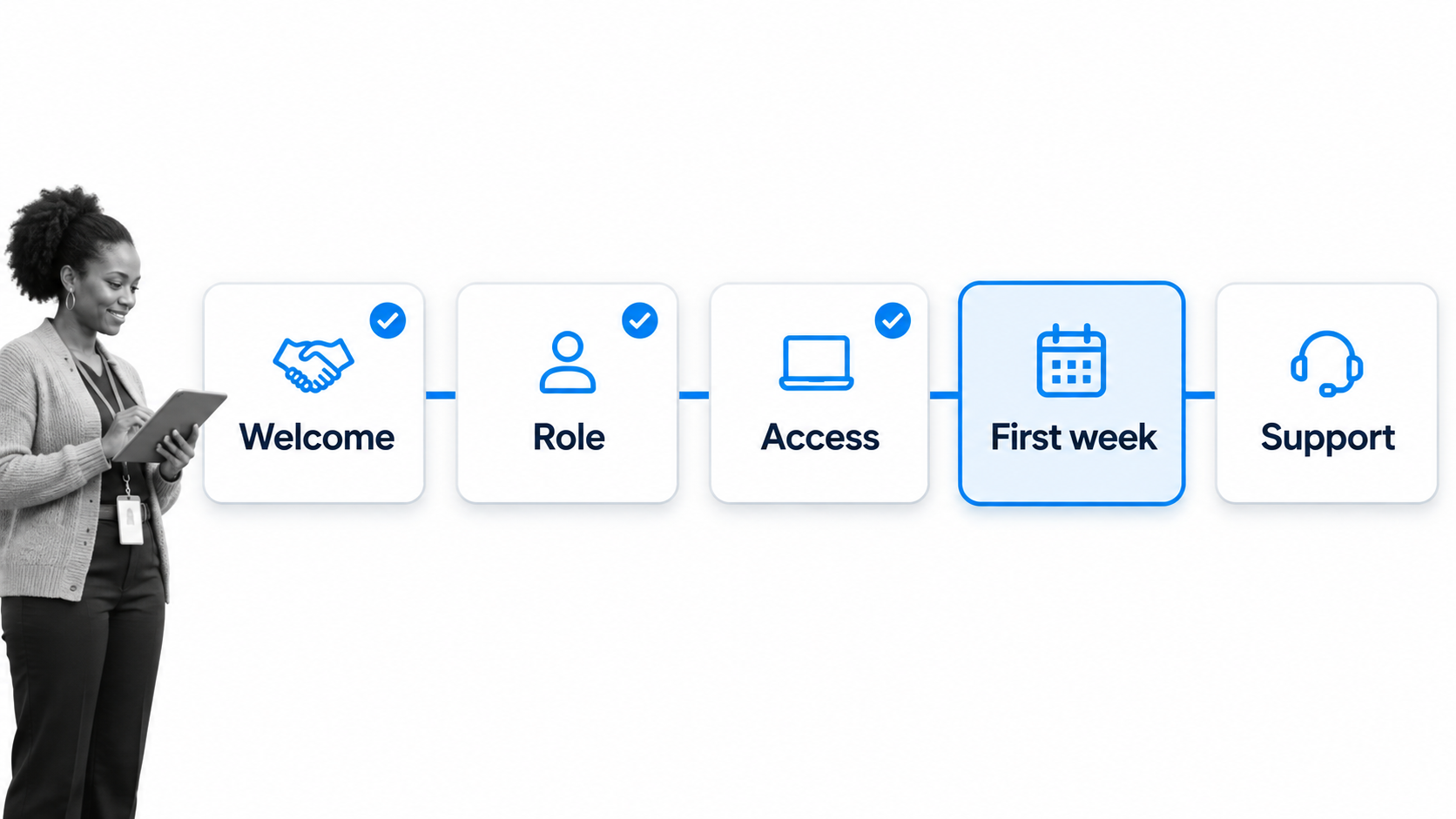
The onboarding lifecycle can be categorized into four distinct chronological phases, each requiring specific attention from human resources, IT departments, and direct managers:
- The Preboarding Phase (Offer Acceptance to Day Zero): This stage focuses on removing logistical friction. It includes the provisioning of hardware, the configuration of software access, and the dissemination of the "first-week map." By sending a schedule and an introduction to the team before the official start date, the organization signals that the new hire is a valued, expected addition to the workforce.
- The Orientation Phase (Days 1–5): The goal here is to provide context without overwhelming the individual. This phase should prioritize "learning blocks" over "document dumps." Rather than asking a new hire to read a 100-page handbook in isolation, successful companies facilitate purposeful one-to-one meetings with key stakeholders to explain how work actually flows through the organization.
- The Role Readiness Phase (Weeks 2–4): As the initial administrative tasks conclude, the focus shifts to role-specific training. This is the period where the employee begins to apply their skills to actual, albeit smaller, projects. It is essential that managers maintain a regular cadence of feedback during this window to correct misunderstandings early.
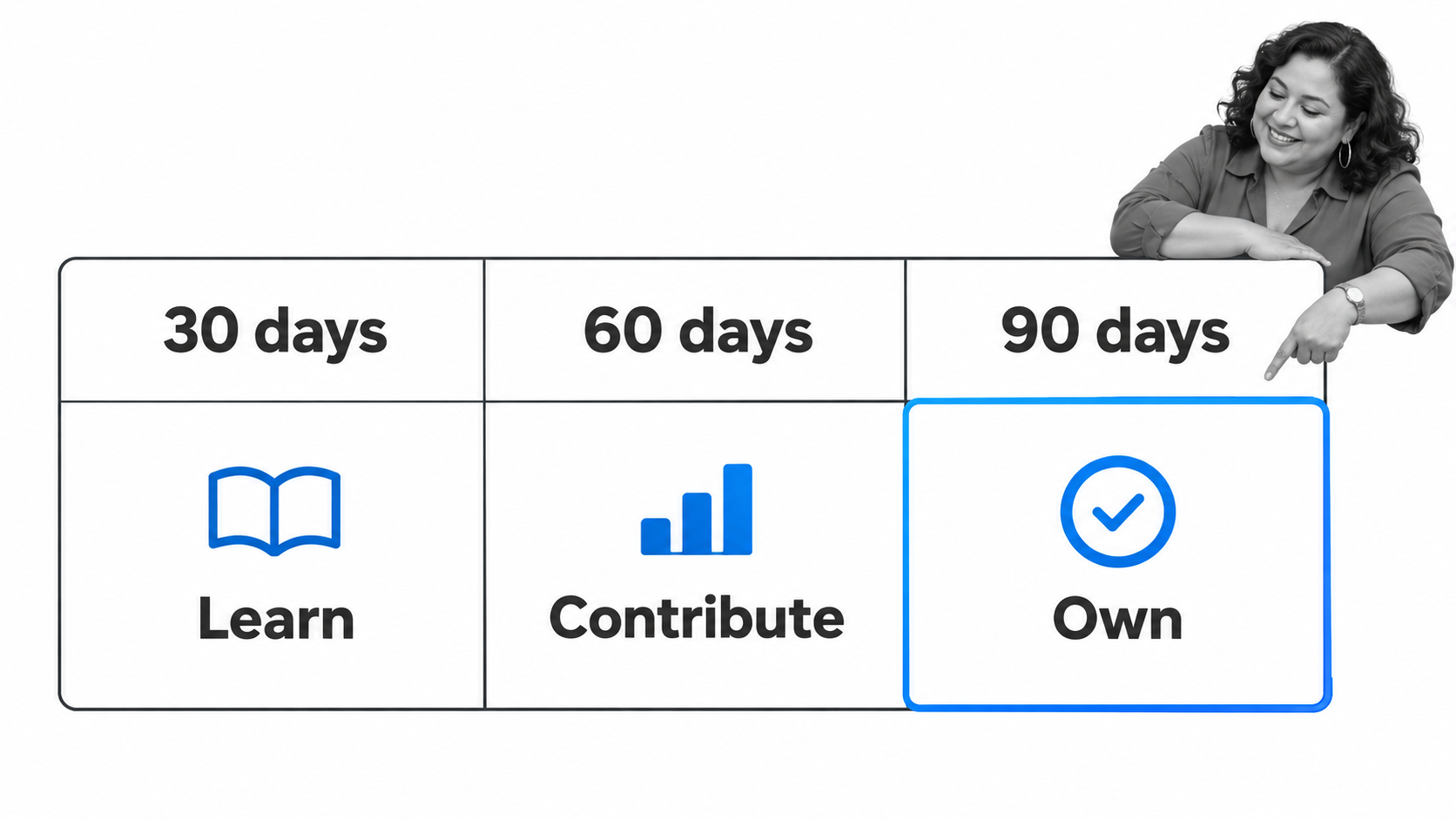
- The Integration Phase (Months 1–3): This period aligns with the 30-60-90-day plan. By the end of this cycle, the employee should have moved from a state of learning to a state of autonomous contribution.
Data-Driven Insights and the Retention Connection
Recent studies from Gallup indicate that employees who describe their onboarding experience as "exceptional" are significantly more likely to report high levels of job satisfaction and long-term commitment. Conversely, when the reality of the role diverges from the expectations set during the interview process, the "psychological contract" between employer and employee is broken.
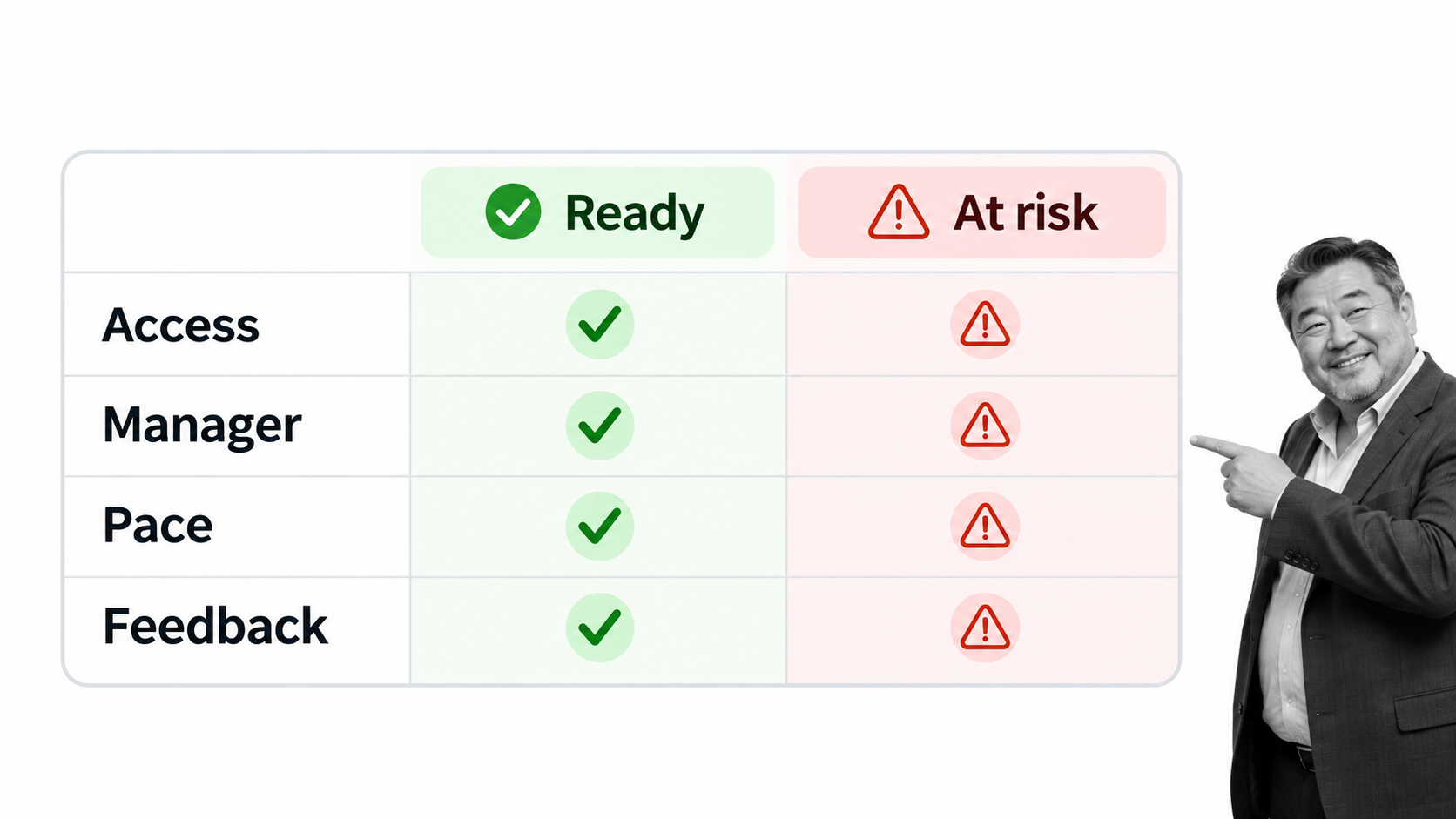
Retention is inextricably linked to credibility. When an organization delivers on its promises—such as providing the necessary tools to perform the job or ensuring that IT access is ready on day one—it builds a foundation of trust. In contrast, failing to provide basic equipment or leaving a new hire without clear guidance for the first several days is frequently cited in exit interviews as a primary reason for early resignation.
Addressing the Remote and Hybrid Challenge
The shift toward distributed workforces has necessitated a more intentional approach to onboarding. In an office setting, "osmosis" often fills the gaps in an employee’s knowledge—they might overhear a conversation or observe a colleague’s workflow. In a remote or hybrid environment, those informal cues are absent.
To compensate, managers must move from passive management to active facilitation. This includes:
- The Onboarding Buddy System: Assigning a peer mentor who is not the direct manager provides a safe space for the new hire to ask "silly" questions, fostering social connection and cultural alignment.
- Structured Communication Norms: Clearly defining how, where, and when to communicate—whether through project management software, video calls, or instant messaging—removes the ambiguity that often leads to burnout.
- Virtual Transparency: Utilizing a shared directory and documented workflows allows remote employees to locate information independently, promoting a self-serve attitude that is vital for decentralized teams.
The Role of Automation in Scaling Onboarding
As companies scale, manual processes become the primary point of failure. HR professionals and managers can mitigate this by implementing automated, repeatable workflows. By leveraging platforms that allow for "conditional paths" and automated reminders, organizations can ensure that no administrative step—such as payroll setup or benefits enrollment—is missed.
Automation should never replace human interaction; instead, it should act as a scaffold that supports it. By automating the "boring" tasks, managers gain more time to invest in high-value activities: meaningful conversations, career coaching, and goal-setting sessions.
Feedback Loops: The Engine of Continuous Improvement
No onboarding program is perfect at launch. The most resilient organizations treat their onboarding templates as "living documents" that evolve based on direct feedback from those who have recently experienced them.
After the first week and again after the 90-day mark, HR should administer short, targeted surveys. Questions should focus on qualitative experiences:
- "Did you have the tools you needed on your first day?"
- "Was the information provided relevant to your immediate goals?"
- "Did you feel supported by your manager during your first month?"
By capturing this data and reviewing it during quarterly process audits, leadership can identify bottlenecks. If multiple new hires report difficulty accessing a specific software platform, the IT provisioning process must be updated. If employees feel lost during their first week, the orientation schedule should be adjusted. This feedback-driven cycle transforms a static document into a dynamic system that improves with every new hire.
Strategic Implications for Leadership
The long-term implication of a refined onboarding process is a more resilient organizational culture. When an organization makes the effort to clearly define roles, expectations, and communication channels, it creates an environment where high performance is the norm rather than the exception.
The cost of a failed onboarding experience is high—not only in terms of the salary paid to an underperforming employee but also in the significant expenses associated with re-recruiting and re-training. By contrast, an investment in a robust, structured, and empathetic onboarding journey pays dividends in employee engagement, reduced turnover, and a stronger, more cohesive team.
In conclusion, the transition from candidate to high-performing employee is a critical business process. By leveraging free, accessible templates, standardizing the workflow, and committing to a culture of continuous feedback, HR teams and managers can ensure that every new hire is positioned for long-term success from the very first day. Success in this area is not about having the largest budget; it is about having the most disciplined, consistent, and human-centric approach to welcoming new talent.