The Strategic Imperative of Robust Sales Onboarding for Enhanced Employee Retention and Performance

Sales onboarding is the structured, comprehensive process designed to transform newly recruited sales professionals into confident, highly productive, and consistently performing representatives. This critical function integrates essential elements such as in-depth product knowledge, refined sales methodologies, supervised practical application, dedicated manager coaching, and rigorous readiness assessments. The ultimate goal is to ensure every new hire possesses a clear understanding of their responsibilities and can demonstrably prove their preparedness to excel in their role. A well-executed sales onboarding program acts as a powerful deterrent against early employee attrition, replacing initial ambiguity with robust support systems, clearly defined standards, and visible markers of progress. The following discussion will explore the multifaceted benefits, strategic integration of sales skills, and illustrative case studies of companies that have mastered this vital process, alongside an examination of the operational tools that facilitate its success.
Defining Effective Sales Onboarding
Sales onboarding represents a specialized segment of the broader employee onboarding framework, meticulously crafted to equip new sales representatives with the specific competencies and contextual understanding required for their demanding roles. The process commences even before the employee’s first day, establishing role clarity, ensuring necessary access to systems and resources, providing an initial schedule, and designating a primary point of contact. Subsequently, it delves into the company’s overarching context, deepens product and market intelligence, instills effective sales methodologies, familiarizes individuals with critical tools, facilitates practical application, incorporates constructive feedback mechanisms, and culminates in formal certification of readiness.
More broadly, onboarding serves as the foundational mechanism for integrating new employees into an organization’s fabric. It encompasses the vital task of familiarizing newcomers with company-specific customs, core values, and the prevailing culture, while concurrently delivering effective training essential for their success. In the specific context of sales, this translates to preparing new recruits to become the next generation of high-performing sales leaders within the organization.
It is a common misconception that a candidate with an impressive resume is exempt from a robust onboarding process. Recruitment identifies a candidate’s potential for success. Onboarding, conversely, cultivates the environment where this potential can be consistently translated into measurable performance within the company’s unique operational landscape. While a salesperson may possess a general understanding of concepts like discovery or negotiation, they still require tailored instruction on the specific nuances of your clientele, your product’s positioning, your qualification criteria, inter-departmental handoffs, the required evidentiary standards, and the benchmarks for successful customer interactions.
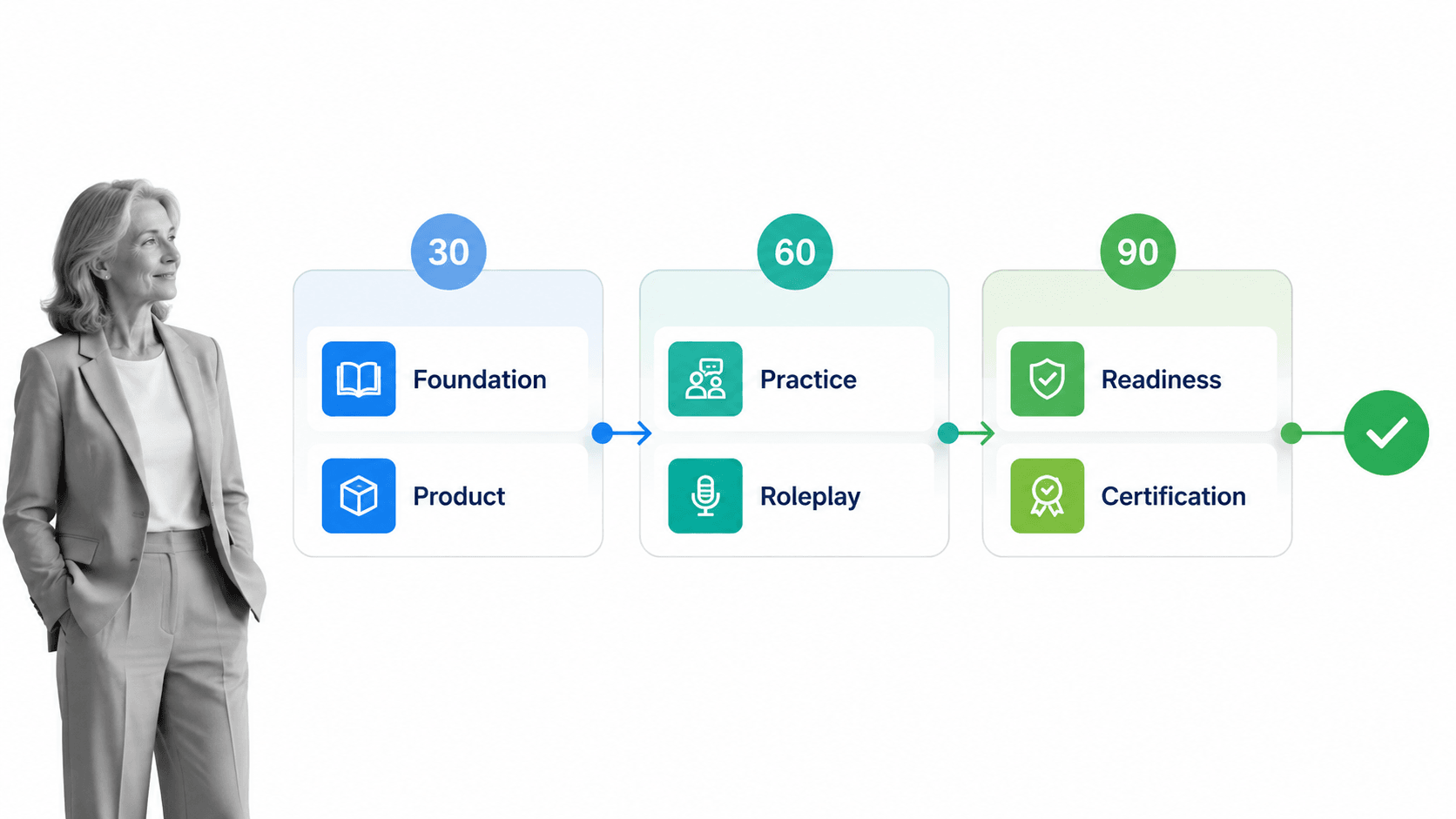
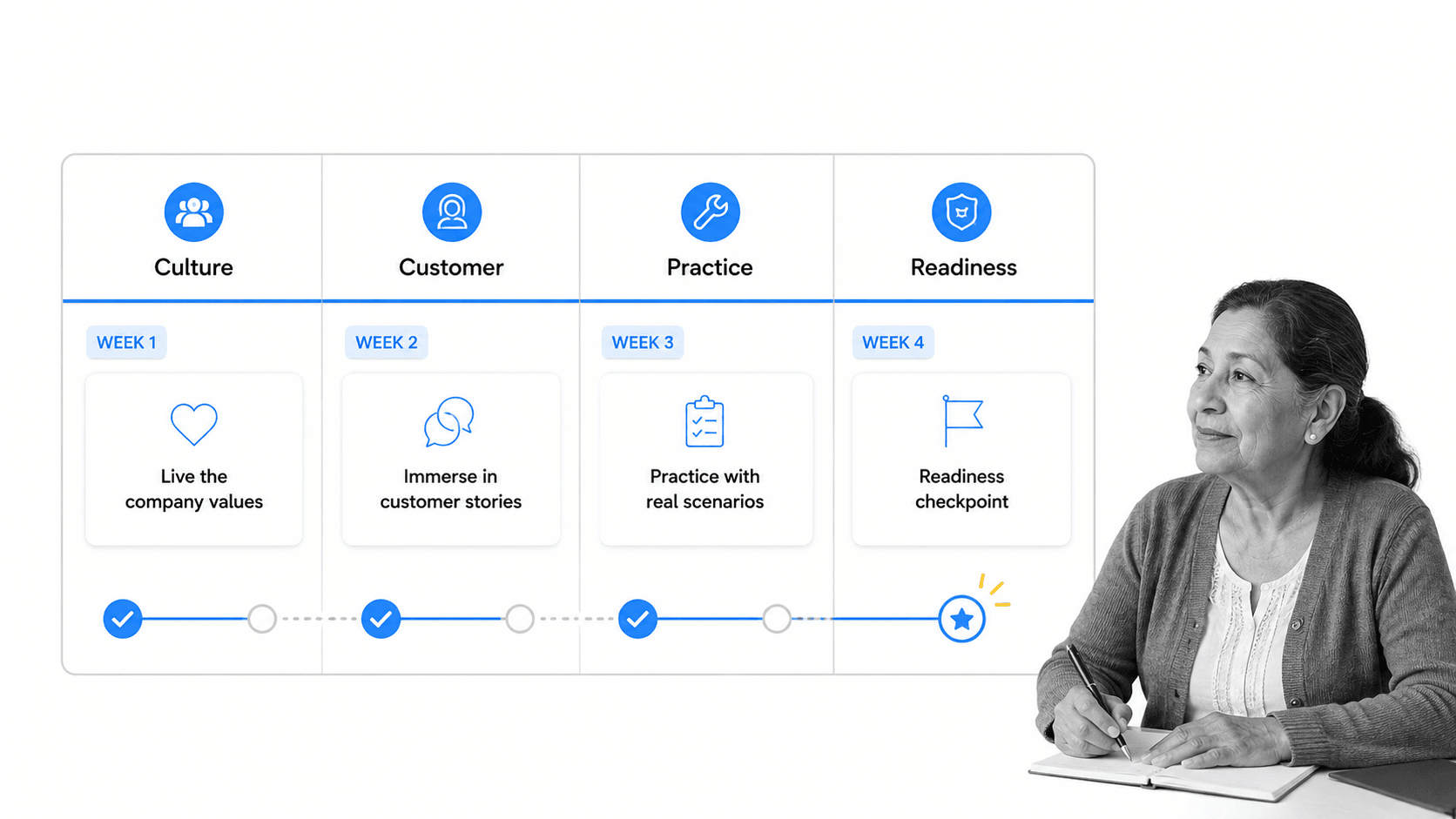
The most impactful sales onboarding programs approach the ramp-up period not as a passive consumption of information, but as a structured progression of observable capabilities. New representatives must clearly understand what constitutes success at each stage, identify their support network, comprehend the requisite practice activities, and know what tangible evidence demonstrates their readiness. This often translates into a structured 30-60-90 day plan, delineating distinct phases of development.
A 30-60-90 day readiness ramp typically divides the onboarding journey into foundational learning, practical application, and demonstrable readiness. The initial 30 days often focus on building a solid foundation of company knowledge, product basics, and core sales processes. The subsequent 30 days (days 31-60) emphasize practice, role-playing, and initial supervised client interactions. The final 30 days (days 61-90) are dedicated to demonstrating readiness, handling more complex scenarios, and achieving initial performance targets.
This phased structure simplifies the management of the onboarding process by clearly separating exposure to information from the development of actual capability. Reviewing a product demonstration, for instance, is an act of exposure. Conversely, delivering a clear product explanation during a role-play exercise signifies developed capability. Reading a qualification framework is informational exposure, whereas applying it to a live opportunity and documenting the supporting evidence demonstrates practical capability.
The Tangible Benefits of an Effective Sales Onboarding Process
Investing in a robust sales onboarding process is fundamentally an investment in the conditions that foster employee longevity and sustained success. Just as a healthy plant requires more than just its initial vitality—needing the right soil, light, water, and ongoing care to flourish—a new salesperson, regardless of their innate ability, requires a nurturing environment to develop and thrive. Neglecting this environment can lead to the withering of even the most promising talent.
A meticulously planned and tailored onboarding process provides this essential care by integrating clear expectations, readily accessible resources, ample practice opportunities, consistent support, and timely feedback. The benefits are manifold and directly impact both individual performance and organizational outcomes.
The foremost benefit is enhanced clarity. New hires are invariably inundated with a dense volume of information, including product capabilities, buyer personas, competitive landscapes, sales stages, messaging frameworks, internal systems, company policies, key stakeholder relationships, and performance expectations. A sequenced onboarding plan acts as a vital navigational tool, clearly delineating what information is critical at the present moment, what will be addressed later, and where the definitive source of truth can be found. This structured approach significantly reduces the likelihood of new hires relying on outdated documentation, unverified internal communications, or the availability of whichever colleague happens to be nearby.
Secondly, it ensures managerial consistency. In the absence of a standardized onboarding process, the quality of a new representative’s ramp-up period can be heavily dependent on the individual habits, available time, and expertise of their direct manager. A controlled workflow establishes a consistent set of core assignments, practice sessions, evidence requirements, and review points for every new hire. While this framework provides uniformity, it also retains the necessary flexibility for personalized coaching tailored to the individual’s specific role and prior experience.
Thirdly, it facilitates earlier and more effective feedback. Waiting for a missed sales target to identify a knowledge or skills gap can be an exceptionally costly oversight. Through structured activities such as role-plays, call reviews, written exercises, and regular manager check-ins, potential issues are surfaced and addressed while they are still easily correctable. For example, if a representative can articulate product features but struggles to uncover the underlying business impact for a prospect, the manager can intervene with targeted coaching on discovery techniques before this deficiency affects the active sales pipeline.
Fourthly, it leads to measurable readiness. Simply completing onboarding tasks is an insufficient indicator of preparedness. Effective sales onboarding metrics establish a clear correlation between activities undertaken and tangible outcomes achieved. Key performance indicators for onboarding success include time to productivity, employee retention rates, engagement levels, and overall performance metrics. For sales roles specifically, these can translate into metrics such as the time taken to secure the first qualified opportunity, scores on role-play assessments, quality evaluations of recorded calls, adherence to CRM hygiene standards, progress through sales stages, manager certification of competencies, and the quality of early-stage pipeline development.
These metrics should serve as guiding indicators for strategic decision-making, rather than as punitive measures for new hires navigating the normal learning curve. A readiness dashboard is most valuable when it empowers managers to answer critical operational questions: Which individuals require additional product-specific practice? Which common objections are recurring? Where are handoffs between teams proving problematic? Which training tasks are most predictive of successful live client interactions? The overarching objective is to direct support and resources precisely toward the development of the next critical capability.
Finally, a well-executed onboarding program significantly strengthens the bond between the sales representative and the organization. It transparently demonstrates that performance expectations are not concealed and that professional development is a shared commitment. Employees gain a clear understanding of decision-making processes, how their individual contributions align with broader organizational goals, and where to raise concerns or seek clarification. This cultivated sense of structure, clarity, and belonging forms the bedrock of enduring employee retention.
Integrating Essential Sales Skills
The integration of crucial sales skills into the onboarding process must be approached as the teaching of observable behaviors within realistic work scenarios, rather than the abstract discussion of theoretical concepts. While the precise competency model will invariably vary based on the specific role, market segment, and sales methodology employed, most effective onboarding programs will encompass the following key areas:
- Product Knowledge: Sales representatives must possess an in-depth understanding of what they are selling. Product training should equip them with the knowledge to articulate not only the benefits and fit of the product or service but also its limitations.
- Strategic Prospecting Skills: Prospecting, the initial phase of the sales cycle where potential customers are identified, is paramount. Providing sales representatives with the requisite knowledge and skills for effective prospecting, followed by an evaluation of their application to specific accounts, is crucial.
- Active Listening: This involves focused attention during conversations and the ability to formulate insightful follow-up questions that demonstrate genuine understanding and engagement.
- Qualification Questioning: Building upon active listening, this discipline focuses on asking the right questions to ascertain a prospect’s needs, the key decision-makers involved, the significance of their problem, and potential obstacles to action.
- Time Management: Training representatives to effectively sort through leads, prioritize the most promising opportunities, and diligently allocate time for preparation and follow-up is equally vital for sustained productivity.
- Buyer-Seller Agreement: Sales professionals should learn to establish clear verbal agreements at the outset of the sales process, fostering a sense of comfort and transparency for the prospect regarding what to expect next.
- Demo Skills: This competency combines product understanding with a keen awareness of customer context. A product demonstration should effectively illustrate how the solution addresses a prospect’s specific needs, avoiding an overwhelming barrage of features that can confuse or alienate.
- Post-Sale Relationship Management: The onboarding process should also extend to nurturing relationships after a sale has been finalized. Demonstrating appreciation, courtesy, and reliability is essential, particularly when responsibilities are handed over to implementation or customer success teams.
When incorporating these sales skills, it is imperative to consider the specific requirements of your team and the unique demands of your sales position. Some sales representatives may possess an innate ability to build rapport over the phone, while for others, this is a skill that requires explicit instruction. Incorporating listening to effective sales calls as part of the training regimen, followed by providing safe environments for practice through role-playing, is a highly effective strategy.
A practical training plan should systematically link each identified competency to a specific activity and a clear readiness signal. For instance, achieving product fluency might necessitate a "teach-back" session where the new hire explains the product to a peer or manager. Demonstrating proficiency in discovery might require two recorded role-play sessions scored against a detailed rubric. Qualification readiness could be assessed through a manager’s review of the representative’s documented evidence for a sample opportunity. This approach provides both the learner and the manager with a more equitable basis for determining the next steps in the onboarding journey.
Emerging technologies, such as built-in AI capabilities, can offer significant support for preparation and coaching. These tools can summarize approved instructional material, generate practice questions, or identify potential gaps in call reviews. However, it is critical that AI remains bounded by trusted content and human oversight. The ultimate decision regarding a representative’s readiness for increased responsibility must always rest with the manager, based on their comprehensive assessment of the provided evidence.
Case Studies: Leading Companies and Their Onboarding Excellence
Sales onboarding does not necessitate a monolithic approach across all organizations. The most successful examples consistently demonstrate recurring design principles: fostering deep understanding, forging a connection between daily work and organizational purpose, blending formal training with active participation, and making company culture palpable through tangible actions.
Quora’s Mentorship-Driven Onboarding
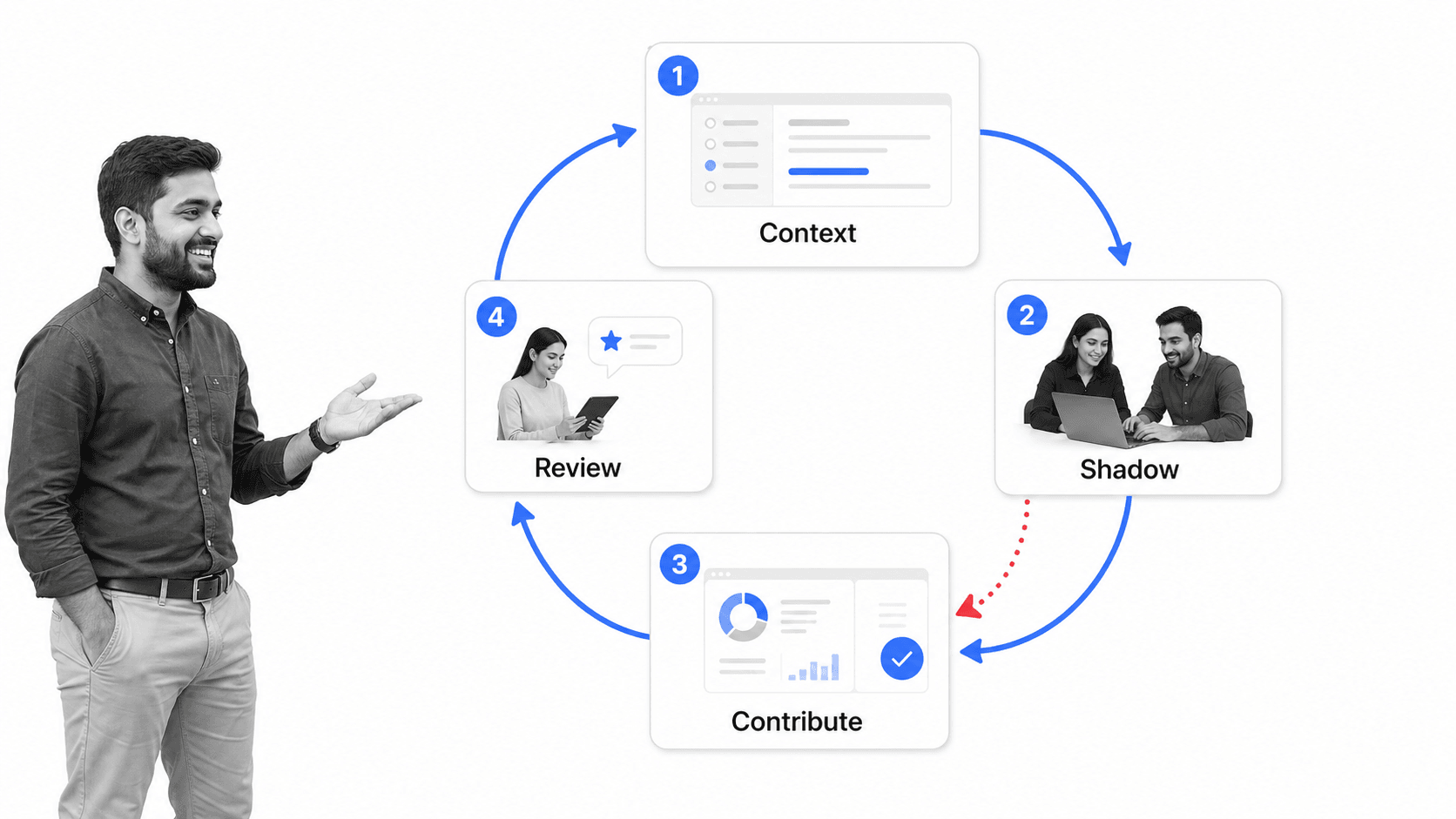
Quora has garnered recognition for an onboarding approach that pairs new employees with mentors and integrates them into meaningful work early in their tenure. This principle is highly valuable for sales teams: providing essential context, allowing the new hire to observe experienced colleagues, and then assigning a bounded yet impactful contribution. A new sales representative, for example, might be tasked with researching a specific account, preparing discovery questions for an upcoming meeting, or taking ownership of a single component within a role-play scenario before progressing to full customer conversations.
New hires at Quora are assigned a dedicated mentor and are prioritized for support. The emphasis on teaching is significant, with onboarding sessions designed to elucidate fundamental success factors, key concepts, and essential tools. The program imbues learning with purpose by directly connecting it to actionable work. Quora’s philosophy treats onboarding as a strategic means of guiding new employees toward the objectives that the team deems most critical.
This early contribution does not equate to an unprepared plunge into complex tasks. The mentor facilitates a continuous feedback loop around the assigned work. The new hire gains insight into the thought processes of experienced colleagues, attempts the task, receives specific and constructive reviews, and subsequently refines their approach. This participatory model ensures that the initial weeks are both instructive and engaging, without compromising the quality of customer interactions.
Zappos’ Culture-Centric Immersion
Zappos is renowned for its distinctive culture-led onboarding model. Historically, new employees participated in a shared training experience that prioritized company values and exceptional customer service before they were fully integrated into their specific roles. For a sales organization, the transferable lesson is that company culture should be actively demonstrated through the tasks employees perform, not merely presented in a welcome presentation.
The traditional Zappos onboarding program, spanning four weeks, placed a strong emphasis on preserving company culture, fostering interpersonal connections, and promoting effective communication. New hires were trained in practices that were integral to Zappos’ unique identity. Core values were not just recited but delivered through immersive experiences, and the historical context behind these values was thoroughly explained to cultivate genuine understanding rather than rote memorization.
A culture-and-customer immersion period might involve listening to customer support calls, reviewing compelling customer success stories, shadowing colleagues in cross-functional roles, and practicing how company values inform decisions in challenging situations. This approach ensures that new representatives not only understand the messaging they are expected to deliver but also the underlying operational behaviors that embody that message.
Google’s Manager-Focused Preparation
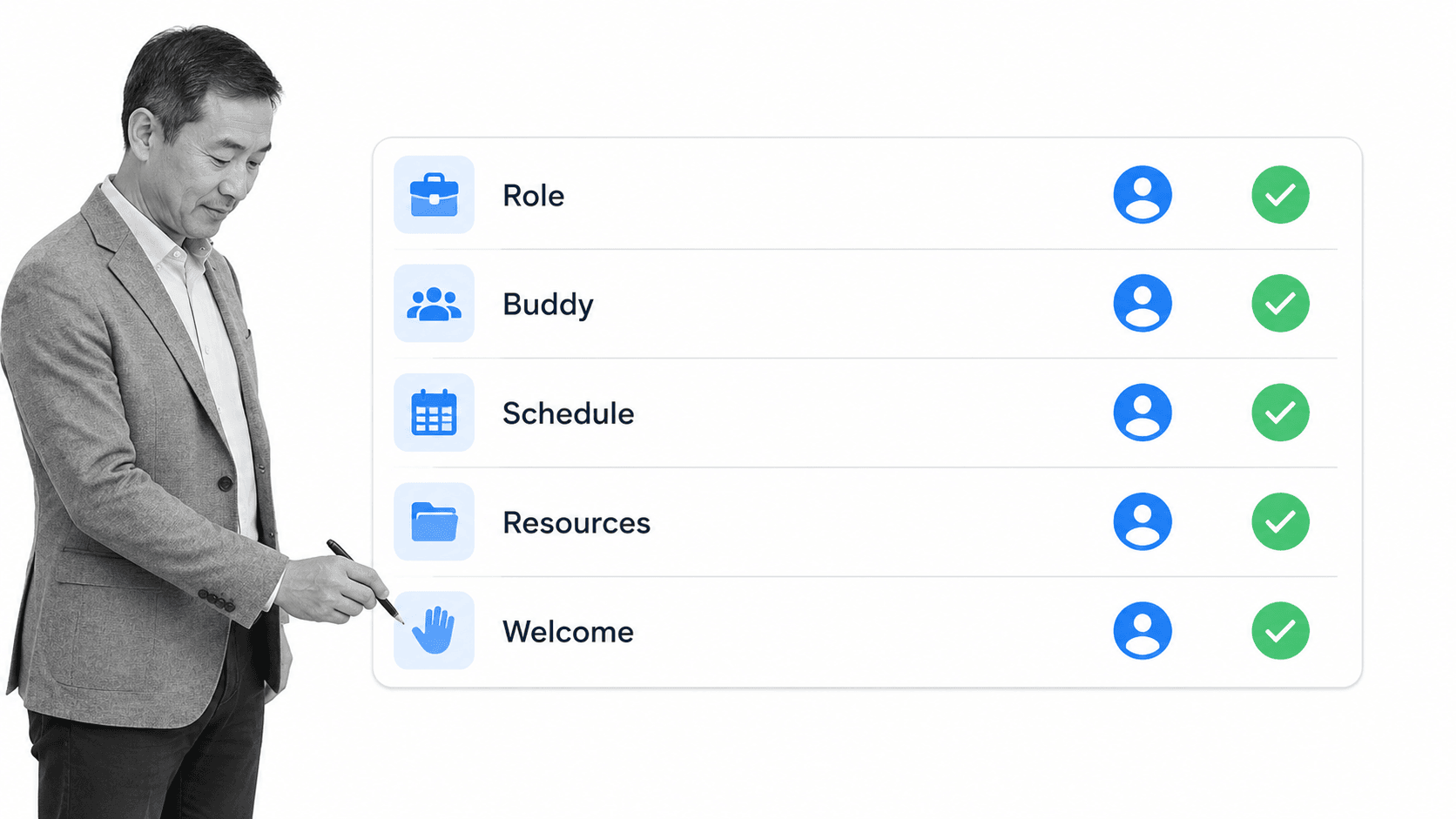
Google conducted a notable experiment with a simplified intervention that centered on the manager’s role. Prior to a new hire’s start date, the manager received a concise checklist of practical preparatory tasks. These included clearly defining the role, arranging for a peer "buddy," scheduling initial introductory conversations, ensuring necessary resources were prepared, and extending a personal welcome. The reported outcome, detailed in their onboarding process analysis, was a remarkable 25% acceleration in new hires reaching full productivity when managers diligently completed this checklist.
One day before the new hire’s arrival, the manager received an email outlining five specific, actionable tasks requiring immediate attention. These tasks included assisting the new hire in building their professional network and assigning them a peer buddy. Google also employed a hands-on educational approach, allowing new hires to engage directly with tasks and learn through practical application, with culture and values reinforced organically through the work environment.
The core lesson derived from this initiative is not that every onboarding challenge can be resolved with a handful of tasks. Rather, it underscores the profound impact of manager preparation before the employee commences their role. Sales managers should be equipped on day one with a clearly defined ramp-up plan, dedicated coaching time, assigned collaborators, guaranteed system access, and an initial practice schedule. This proactive preparation allows the new representative to dedicate their energy to learning and skill development, rather than expending it on logistical hurdles.
Across these diverse examples, four unifying themes emerge: providing new hires with sufficient context to comprehend the organization’s mission and operations, explicitly connecting their daily responsibilities to meaningful organizational outcomes, integrating formal instruction with supervised practical participation, and making the company culture visible and actionable through everyday work. These foundational principles can be effectively implemented through the utilization of structured templates and workflows.
Leveraging Process Street for Optimized Sales Onboarding
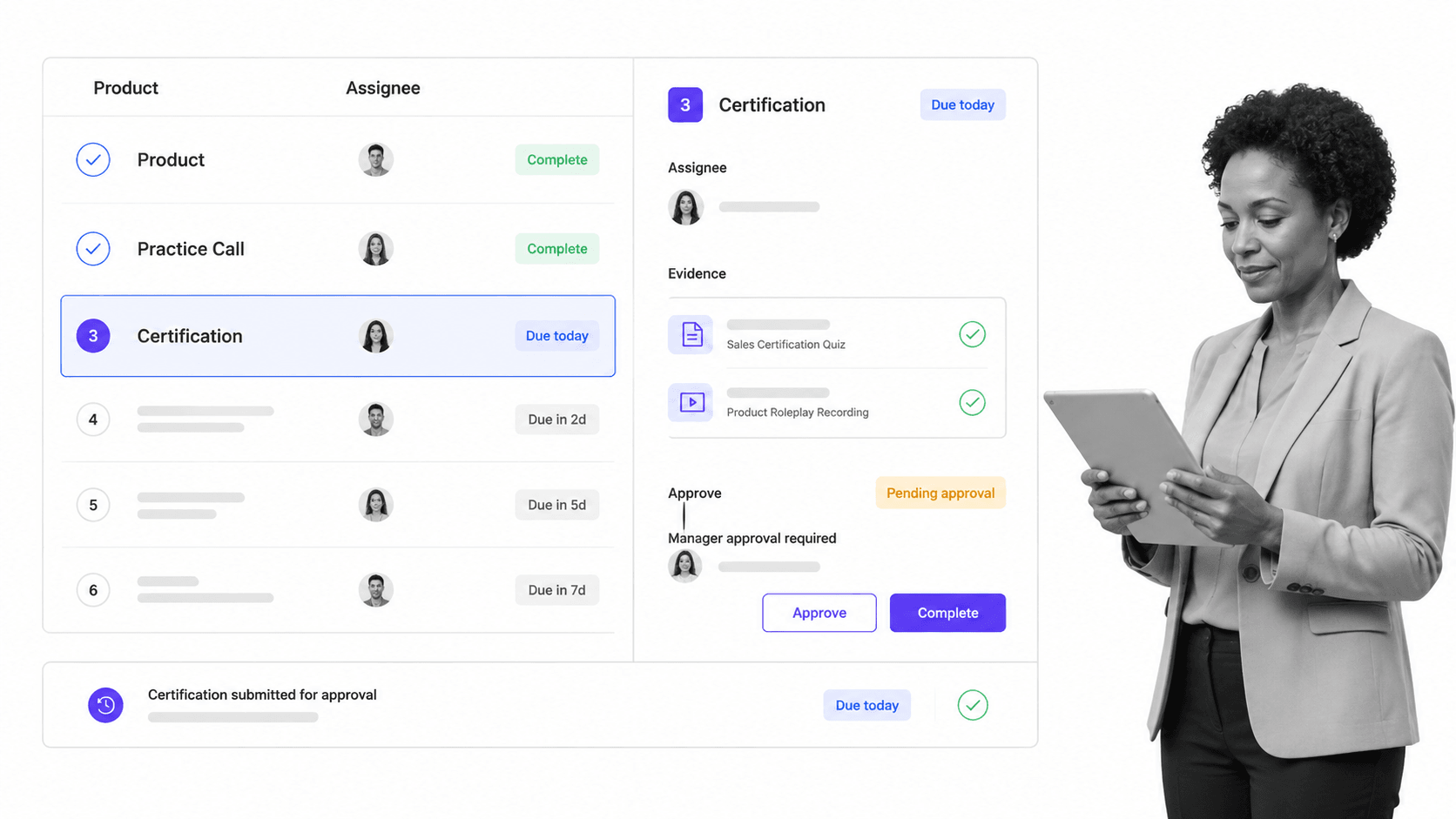
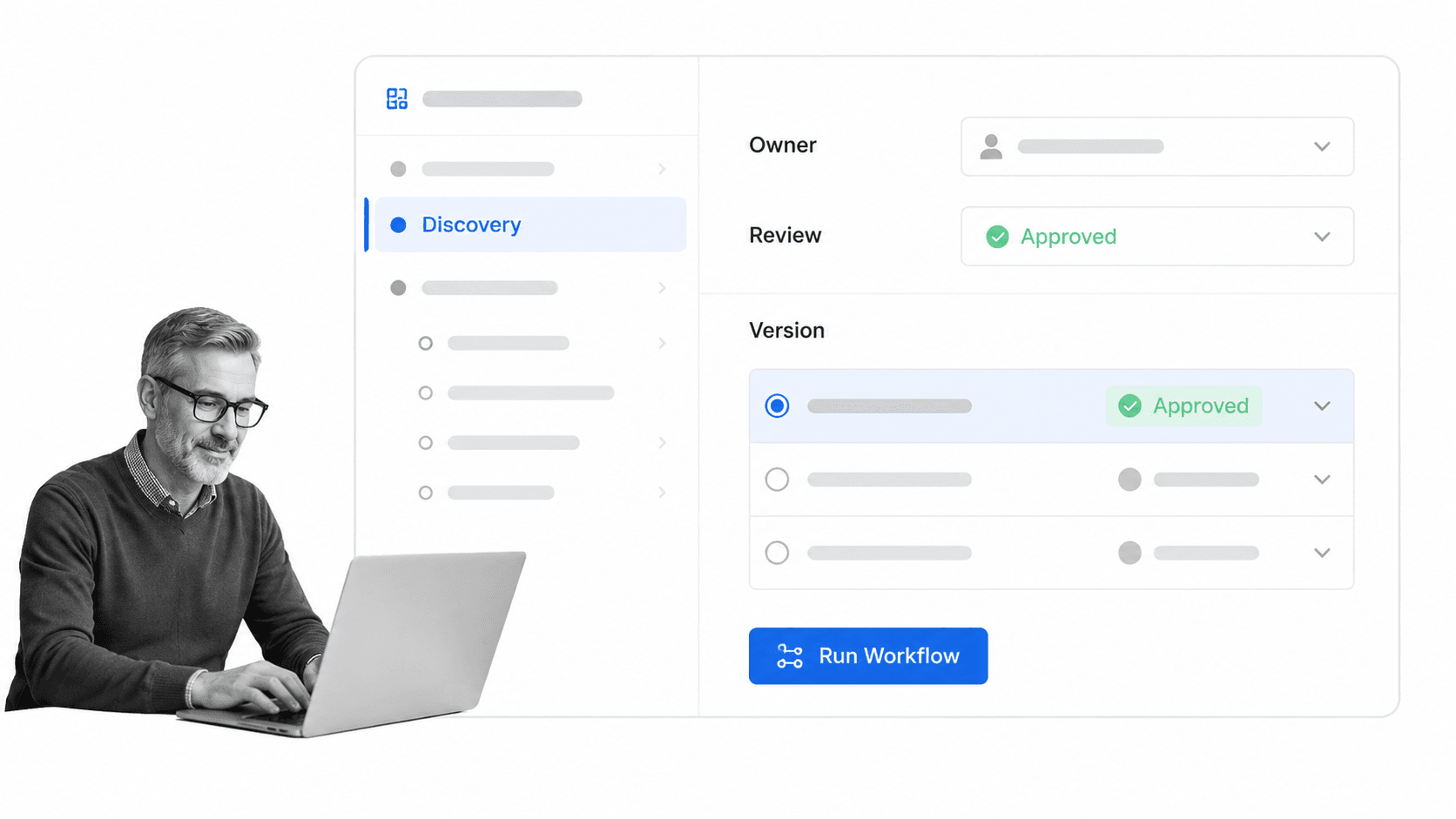
Process Street offers a comprehensive Compliance Operations Platform that consolidates governed process knowledge and controlled execution into a singular, cohesive product. Its "Docs" feature provides a centralized repository for creating and maintaining approved sales playbooks, policies, and operating procedures, complete with clear ownership, review cycles, approval workflows, and robust version history. The "Ops" component transforms these documented instructions into dynamic workflows, incorporating assignments, due dates, mandatory fields, conditional logic, approvals, integrations, and a detailed audit trail of all actions taken.
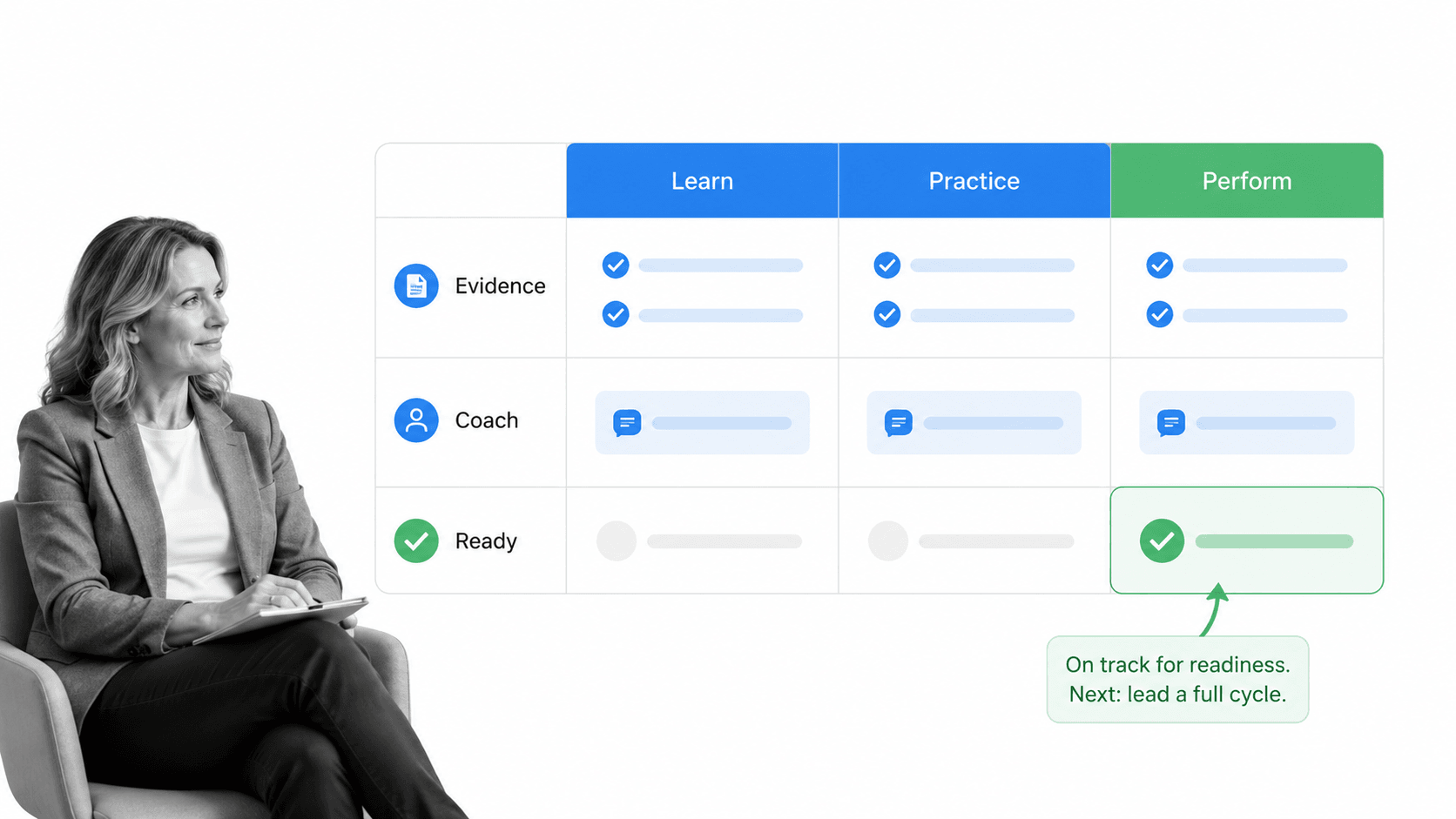
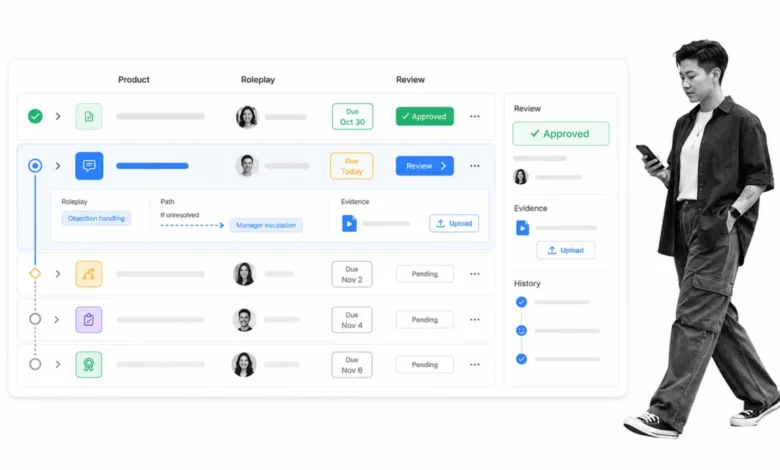
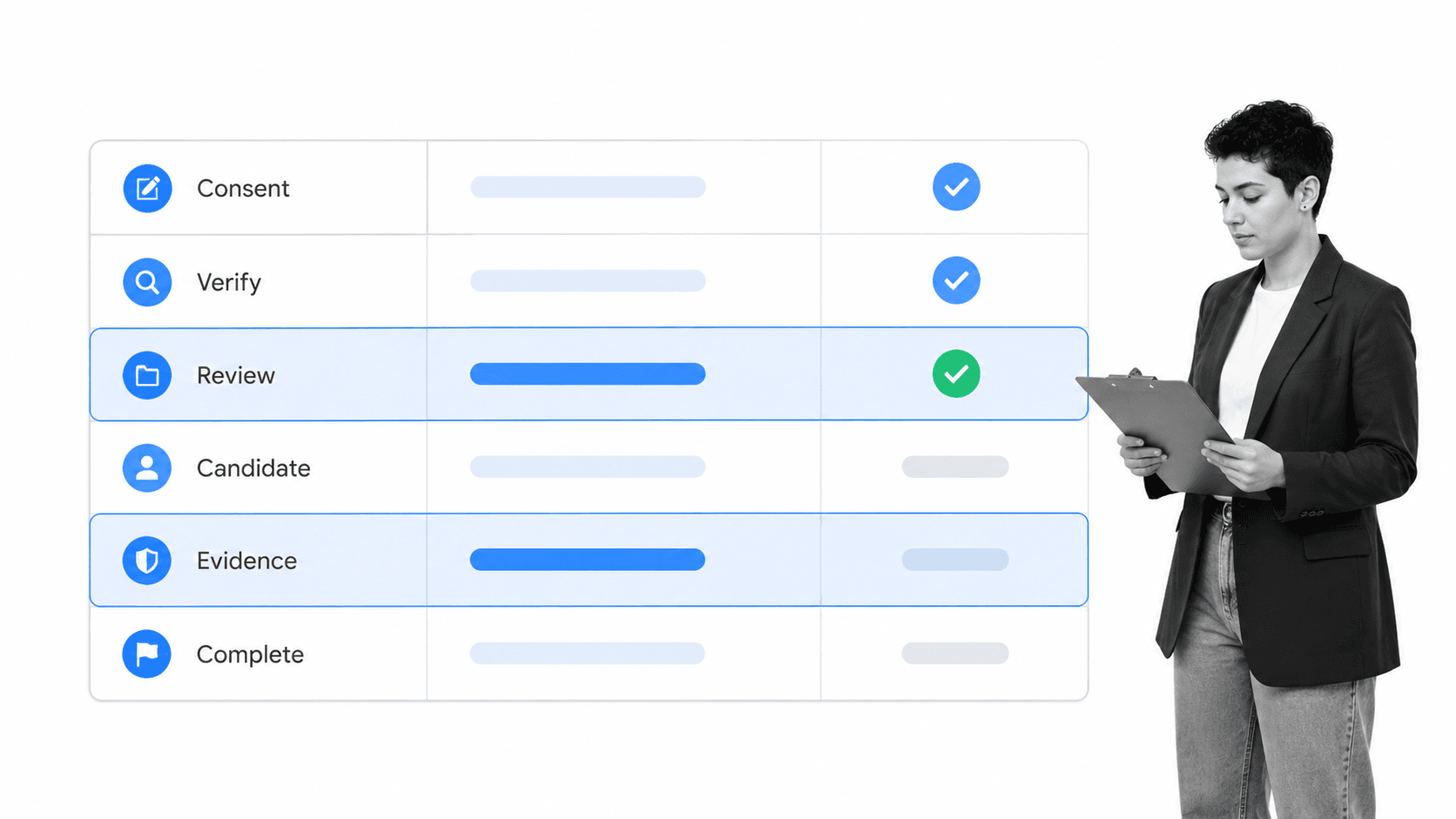
For sales onboarding, this translates into a system where a playbook serves as the authoritative, governed source of truth, while an onboarding workflow guides each individual representative through their required tasks and learning modules. Assignments clearly delineate ownership, ensuring accountability. Required evidence fields confirm that practice activities have been completed. Conditional logic dynamically adjusts the workflow path based on an individual’s role or responses. Approvals provide managers with a formalized mechanism for making readiness decisions, replacing informal assumptions with documented verification.
Built-in AI capabilities can further enhance efficiency by supporting bounded tasks such as generating practice questions from approved content, summarizing submitted evidence, or suggesting specific areas for coaching focus. Crucially, human oversight remains an integral part of this operational model. Managers retain the authority to review source evidence, modify AI-generated suggestions, approve actions, and maintain an auditable record of all decisions.
The outcome is a sales onboarding program that effectively bridges the gap between what the organization intends to happen and what actually transpires for each new hire. Managers gain real-time visibility into progress, can intervene proactively when evidence is lacking, and can systematically improve the onboarding process as emerging patterns become apparent. New representatives benefit from a clearer developmental path, timely and actionable feedback, and a reliable resource for understanding and executing the processes expected of them.
Cultivating a Leading Sales Team Through Effective Onboarding
Effective sales onboarding is far more than a perfunctory orientation session. It represents a meticulously managed transition, guiding a new hire from their initial day to becoming a trusted and valuable contributor. The most successful programs meticulously define the essential capabilities required for success, provide structured learning and practice opportunities, actively involve managers from the outset, employ evidence-based readiness assessments, and ensure continued development beyond the initial ramp-up period.
Initiating this process with a comprehensive Sales Onboarding Checklist, and subsequently integrating relevant workflows for hiring, conduct, background checks, development planning, employee satisfaction surveys, performance management, targeted training, and managerial support, forms the backbone of a robust program. The program must remain sufficiently focused to be comprehensible for new representatives, yet rigorous enough to instill confidence in both customers and colleagues regarding the quality of the sales team’s output.
For related guidance and a broader perspective, exploring the overarching employee onboarding process and the extensive library of available onboarding templates is highly recommended. When the foundational elements of the onboarding process are established, commencing a trial period with a dedicated platform can provide the operational framework necessary for consistent and effective execution.