The Block Protocol: A New Standard Emerges to Unify Web Content Creation and Interoperability

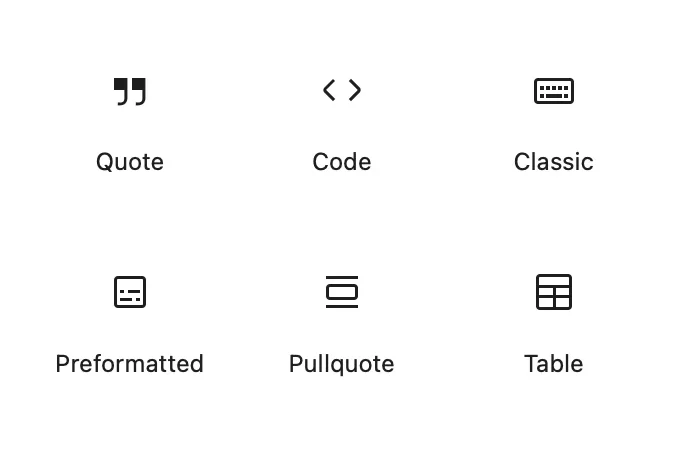
The digital landscape of content creation has been fundamentally reshaped over the past decade by the widespread adoption of "block-based" editors. From personal blogs to enterprise content management systems, the paradigm of assembling web pages and documents from discrete, modular units, or "blocks," has become the de facto standard for intuitive and flexible authoring. Users of platforms like WordPress, Notion, Medium, Squarespace, and countless note-taking applications are familiar with the seamless experience of adding paragraphs, images, videos, lists, and even complex interactive elements with a simple click of a ‘+’ button or the now-ubiquitous ‘/’ command. This user-friendly approach has democratized web publishing, allowing individuals and organizations alike to craft rich, dynamic content without extensive technical knowledge. However, beneath this veneer of intuitive design lies a significant fragmentation: the blocks themselves are proprietary, unique to each platform, leading to a sprawling ecosystem of isolated functionalities and considerable interoperability challenges.
In response to this growing fragmentation, a new initiative, the Block Protocol, has been launched, aiming to standardize how these digital building blocks are created, shared, and embedded across the web. Announced as an open, free, and non-proprietary protocol, its creators envision a future where any block can function seamlessly within any embedding application, fostering an unprecedented level of modularity and reusability in web content. This ambitious project seeks to liberate developers from the perpetual cycle of re-implementing common or specialized block functionalities and empower users with a truly universal toolkit for their digital workspaces.
Unveiling the Block Protocol: A Vision for Universal Web Components
At its core, the Block Protocol is a technical specification designed to enable applications to host and render "blocks" developed by third parties, irrespective of the host application’s native environment. The protocol outlines the communication mechanisms and data structures required for a block to interact with its embedding application, ensuring compatibility and functionality across diverse platforms. This means that a developer could create a sophisticated Kanban board block once, and it could theoretically be used in WordPress, Notion, a custom CMS, or any other application that adheres to the Block Protocol, without requiring specific adaptations for each platform.
The primary motivation behind this endeavor is to address the current "reinvent the wheel" problem prevalent in block-based development. As the original announcement articulates, "Until now, every app that wants blocks has to implement them from scratch. Want a calendar block? Some kind of fancy Kanban board? Something to embed image galleries? Code it up yourself, buddy." This leads to duplicated effort, inconsistent user experiences, and a stifled ecosystem where specialized, niche blocks struggle to find broad adoption due to platform limitations. By establishing a common language, the Block Protocol aims to drastically reduce development overhead for application builders and unleash a wave of innovation from block developers.
For end-users, the benefits are equally profound. The current reality often limits users to the blocks their chosen platform has had the time and resources to implement, which can be basic or incomplete. Imagine a scenario where a user, accustomed to a highly functional table block in one application, wishes to use that exact same block in another without compromise. The Block Protocol promises to deliver this flexibility, offering a richer, more diverse array of functionalities that are universally accessible. This paradigm shift could transform how users interact with content, moving beyond platform-specific features to a truly personalized and portable digital experience.
Crucially, the Block Protocol is not merely about visual interoperability. A significant aspect of its design focuses on enabling blocks to be "highly structured" and "typed," meaning they can carry machine-readable data. This feature holds immense potential for the semantic web, allowing content within blocks to be automatically understood and processed by other applications, artificial intelligence, and search engines. For instance, an "event" block could specify a schema describing the event’s date, time, location, and participants in a standardized way. This structured data could then be reliably parsed by calendar applications, event aggregators, or intelligent assistants, eliminating the need for manual data entry or complex screen-scraping techniques. This move toward natively machine-readable web content could eventually render cumbersome data downloads in formats like .XLS obsolete, ushering in an era of truly dynamic and interconnected information.
A Fragmented Digital Canvas: The Current State of Web Editors
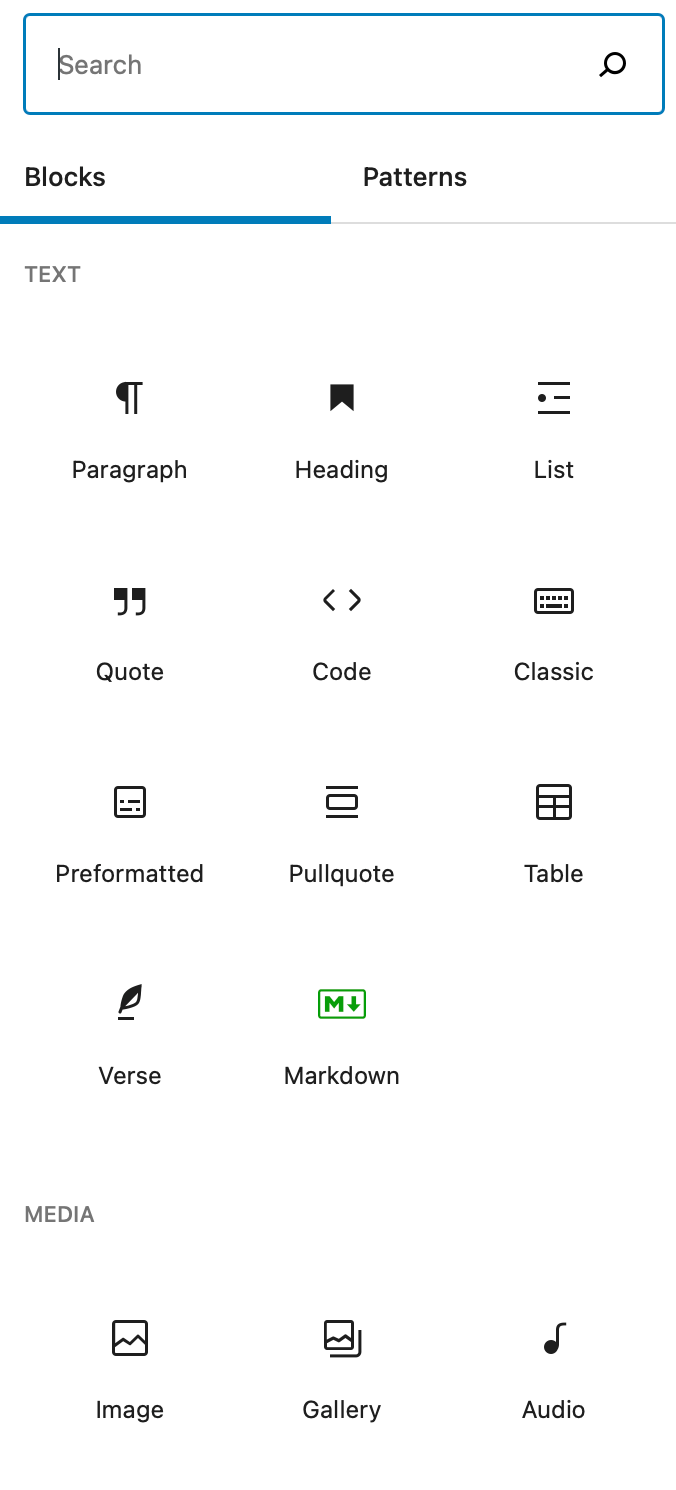
The evolution of web content creation has followed a fascinating trajectory. In the early days, web pages were hand-coded in HTML, a process that demanded technical proficiency. The advent of WYSIWYG (What You See Is What You Get) editors in the late 1990s and early 2000s, often integrated into Content Management Systems (CMS) like early WordPress versions or proprietary solutions, brought visual editing capabilities to a broader audience. These editors, while revolutionary for their time, often produced clunky HTML and offered limited control over layout and design without delving into code.
The past five to seven years have witnessed a significant shift towards the block-based editing paradigm, largely popularized by the introduction of WordPress’s Gutenberg editor in late 2018. This modular approach resonated deeply with users and developers, leading to its rapid adoption and subsequent inspiration for countless other platforms. Today, WordPress powers over 43% of all websites on the internet, and its block editor has become a standard reference point. Beyond WordPress, dedicated productivity and note-taking apps like Notion, Coda, and Obsidian have built their entire user experience around blocks, offering unparalleled flexibility in structuring information. Publishing platforms like Medium and website builders such as Squarespace and Wix also leverage similar block-like components to simplify content creation.
Despite this widespread embrace of the block concept, the underlying implementations remain stubbornly proprietary. While the "slash command" (typing ‘/’ to bring up a list of available blocks) has emerged as a delightful and widely adopted user interface convention, it serves as a superficial veneer over a deeply fragmented technical landscape. Each platform develops its own block architecture, its own APIs, and its own ecosystem of extensions. This means a "heading" block in WordPress is fundamentally different from a "heading" block in Notion, even though they serve the same functional purpose.
This fragmentation creates substantial hurdles. For developers, building a compelling block-based application means investing significant resources in creating a library of basic and advanced blocks from scratch, or porting them from other environments. This often results in a narrow range of available blocks, particularly for smaller platforms or niche applications. If a developer wants to offer a unique feature, like a specialized scientific graph or an interactive data visualization, they must build it specifically for their platform, locking users into that ecosystem. The lack of standardization also means that if a user decides to migrate content from one platform to another, the blocks often break, requiring manual reformatting or the loss of interactive elements, underscoring the severe limitations on content portability.
Addressing Developer Pain Points and Empowering Users
The "code it up yourself" dilemma has been a constant source of frustration for developers aiming to enrich their platforms with diverse content types. Imagine a small team building a niche CMS for academic research. If their users require a specific block for embedding interactive chemical structures or complex mathematical equations, the team must dedicate significant development time to create and maintain these specialized blocks. This diverts resources from core platform development and limits the speed at which new functionalities can be introduced. The Block Protocol directly addresses this by proposing a universal standard. Once a block is developed to conform to the protocol, it theoretically becomes compatible with any embedding application that also supports the protocol. This drastically reduces the development burden for application providers, allowing them to instantly gain access to a rich variety of block types developed by the wider community without additional integration work.
This shift promises to foster a vibrant ecosystem of block developers. Independent creators, open-source communities, and even commercial entities could focus on building highly specialized, high-quality blocks, knowing that their creations could reach a broad audience across multiple platforms. This mirrors the success of app stores for mobile devices or plugin marketplaces for established CMS platforms, but on a more fundamental, interoperable level. Instead of having a WordPress plugin market, a Notion template market, and so on, there could emerge a single, vast marketplace or open-source repository for Block Protocol-compliant blocks.
For users, the immediate benefit is an exponential increase in available functionalities and a reduction in vendor lock-in. A user might discover a highly advanced project management block that works perfectly for their workflow. With the Block Protocol, they could use that same block across their personal note-taking app, their team’s collaborative document platform, and their public-facing blog, ensuring consistency and efficiency. This empowers users to curate their digital toolset based on the best-of-breed functionalities, rather than being limited by the native offerings of a single platform. The consistency in user experience, where a block behaves predictably regardless of its host, will also significantly reduce the learning curve when transitioning between different block-enabled applications.
Beyond Aesthetics: Structured Data and the Semantic Web

Perhaps one of the most transformative aspects of the Block Protocol lies in its capacity for highly structured, typed data. Current blocks, while visually rich, often store their content as unstructured text or simple HTML fragments. This makes it challenging for machines to truly "understand" the meaning or context of the content within them. The Block Protocol addresses this by allowing blocks to define a schema for their data. A schema acts as a blueprint, describing the specific data fields, their types, and their relationships within a block.
Consider an "event" block. Instead of just displaying "Annual Tech Conference – May 15th, 2024 – New York City," a Block Protocol-compliant event block could define a schema with fields like eventName (string), eventDate (date), eventLocation (object with street, city, state), and attendeeCapacity (number). When this block is embedded in a web page, the data is not just visually presented; it is also programmatically accessible in a standardized format.
This capability has profound implications for the Semantic Web and the future of information exchange. It means:
- Machine Readability: Tools like calendars, search engines, and AI assistants can instantly parse and understand the data embedded in web pages, making information retrieval and utilization far more efficient and accurate.
- Enhanced Interoperability: Data can flow seamlessly between applications. An event block on a blog could automatically populate a user’s calendar application, or a product block could feed directly into an e-commerce inventory system.
- Data Portability: Complex datasets, currently often relegated to downloadable spreadsheet files (.XLS, .CSV), could be natively embedded within web pages as interactive, machine-readable blocks. This eliminates the need for users to download, open, and parse external files, streamlining data access and promoting real-time updates.
- AI and Knowledge Graphs: As AI models become more sophisticated, their ability to understand and process structured data on the web will be crucial. The Block Protocol could provide a standardized foundation for building richer knowledge graphs and enabling AI to draw more accurate inferences from web content.
This aspect of the protocol represents a significant leap beyond simple visual components, positioning it as a potential cornerstone for how structured data is published and consumed across the internet, moving towards a truly intelligent and interconnected web.
Charting the Course: The Protocol’s Early Stages and Future Outlook
The Block Protocol is being launched in its very early stages, with an initial draft at version 0.1. This deliberate early release underscores the creators’ commitment to fostering an open, community-driven development process. Recognizing that building a universally adopted web standard is a monumental task, the team is actively soliciting feedback, contributions, and collaboration from developers, platform providers, and the wider open-source community. The goal is to iterate rapidly, refine the protocol based on real-world use cases, and build a robust foundation that can stand the test of time.
The success of such an initiative hinges on widespread adoption, a challenge faced by all new web standards. History offers both cautionary tales and inspiring examples. Standards like HTML, CSS, and HTTP achieved ubiquity through broad consensus and the support of major browser vendors and technology companies. Other ambitious projects, despite technical merit, have struggled to gain traction due to insufficient community buy-in or competition from entrenched proprietary solutions.
The Block Protocol’s commitment to being 100% free, open, and non-proprietary is a critical factor in its potential for success. By removing commercial barriers and ensuring transparent governance, it aims to build trust and encourage participation from all corners of the web development world. The team has already begun building simple blocks and a basic editor that can host them, providing tangible examples and a starting point for potential contributors. The vision is to cultivate an extensive open-source library of diverse and powerful blocks, collaboratively built and maintained by a global community.
Challenges, however, remain. Convincing major platforms like Google, Apple, Microsoft, and other large CMS providers to adopt a new, external protocol requires significant effort and demonstrates tangible benefits. Security considerations for embedding third-party code, performance implications, and ensuring backward compatibility will also be crucial aspects to address during the protocol’s evolution. Nevertheless, the compelling advantages of interoperability, reduced development costs, and enhanced user experiences provide a strong impetus for its consideration.

Industry Reactions and Broader Implications
While specific official statements from major industry players are yet to emerge given the protocol’s nascent stage, the developer community’s initial reaction is likely to be one of cautious optimism and keen interest. Developers are constantly seeking ways to improve efficiency and expand the reach of their creations, and a truly universal block standard aligns perfectly with these goals. Smaller independent developers and open-source projects, in particular, stand to gain immensely, as they can leverage a shared ecosystem without having to compete directly with the vast resources of larger companies.
For larger platform providers, the decision to adopt the Block Protocol will involve a strategic assessment. While it offers the benefit of offloading block development to the community and potentially enriching their platforms, it also means opening up their ecosystems, which might contradict some proprietary business models. However, the increasing demand for interoperability and the risk of being perceived as a "walled garden" could incentivize adoption, especially if the protocol gains significant traction. Progressive platforms that prioritize user choice and a vibrant developer community are more likely to be early adopters.
The broader implications for the internet are significant. The Block Protocol could act as a powerful catalyst for a more open, composable web. Instead of content being locked into specific applications, it could become truly fluid and portable. This vision aligns with the original ethos of the internet as an open platform for information exchange and innovation. By standardizing the fundamental building blocks of web content, the protocol could pave the way for entirely new categories of web applications and user experiences that are currently unimaginable due to existing fragmentation. It represents a bold step towards a future where the web is not just a collection of siloed applications, but a truly interconnected and intelligent network of information.
Join the Open Web Movement
The Block Protocol represents a pivotal moment in the ongoing evolution of web content creation. Its early release is a direct invitation to the global community: if you work on any kind of editor—be it a blogging tool, a note-taking app, a content management system, or anything similar—you are encouraged to explore how to integrate support for the Block Protocol. This integration promises to immediately expand the range of block types your editor can host, without additional development effort for each new block. Similarly, if you develop custom data types that could benefit from being embedded across the web, supporting the Block Protocol would enable universal access to your creations.
The ambitious goal is for the Block Protocol to become a widely adopted web standard, driving innovation, enhancing user experiences, and fostering a truly open and machine-readable internet. This vision requires collective effort, feedback, and contributions from developers, designers, and platform architects worldwide. The future of web content interoperability is being written now, and the Block Protocol offers a compelling framework for shaping that future. Further details and documentation are available at blockprotocol.org, inviting all interested parties to engage with this foundational initiative.