DA: Cop covered bodycam to snap nude prisoners on his iPhone—but other cams caught him

In a case that has sent shockwaves through the Pennsylvania law enforcement community, a veteran deputy sheriff in Bucks County has been formally charged with multiple crimes following an investigation into the illicit photographing of detainees. Ryan Gaffney, who served with the Bucks County Sheriff’s Office, faces a litany of charges including official oppression, unsworn falsification to authorities, possession of an instrument of crime, and obstructing the administration of law. The charges follow a month-long investigation by the Bucks County District Attorney’s Office, which uncovered a pattern of behavior that investigators say violated the privacy and dignity of individuals in police custody.
The case against Gaffney highlights the evolving challenges of digital-age policing, where the very technology intended to ensure transparency and accountability—body-worn cameras—was allegedly manipulated to hide misconduct. The investigation reveals a narrative of a law enforcement officer who believed he could bypass the digital safeguards of his office, only to be undone by the forensic trail left by his own mobile device and the cameras of his fellow deputies.
The Genesis of the Investigation
The investigation into Ryan Gaffney’s conduct began on March 31, 2026, when the Bucks County District Attorney’s Office received a formal complaint from the Bucks County Sheriff’s Office. The complaint was internal in nature, originating from within the ranks of the deputies themselves. It alleged that Gaffney had used his personal iPhone to capture images of nude or partially nude prisoners and had subsequently shared these images with civilian employees within the department.
Initial reports suggested that the behavior was not an isolated incident but rather a recurring practice that Gaffney treated with a degree of levity. According to witness statements, Gaffney allegedly shared these sensitive photos with female civilian staff "in jest," treating the degradation of detainees as a source of office humor. This breach of professional ethics prompted an immediate internal review, which quickly escalated into a criminal probe led by District Attorney Joe Khan’s office.
Chronology of the January 30 Incident
The core of the criminal complaint centers on an incident that occurred on the morning of January 30, 2026. On that date, five uniformed deputies from the Bucks County Sheriff’s Office arrived at a local residence to assist with a man experiencing an acute mental health crisis. The situation was delicate; the individual was in an upstairs bedroom and was naked from the waist down.
As the deputies worked to de-escalate the situation, they eventually persuaded the man to put on pants. It was during this period of vulnerability that Gaffney allegedly saw an opportunity to commit the act for which he is now charged. While the other four deputies were focused on the safety of the individual and the logistics of the detainment, Gaffney was observed engaging in suspicious behavior.
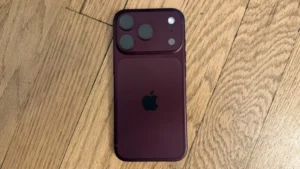
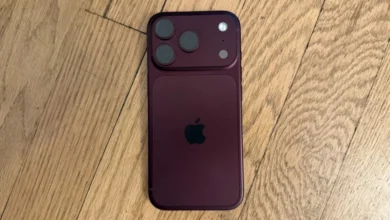
Subsequent analysis of body-worn camera footage from the other deputies present in the room provided a clear picture of the events. As the man sat on the edge of the bed to pull on his clothing, Gaffney was seen removing a glove from his right hand. He then reached into his right pants pocket and retrieved an iPhone 15. Investigators noted that Gaffney appeared to be "manipulating" the device.
In a move that investigators characterize as a deliberate attempt to evade detection, Gaffney was seen placing his left hand over the lens of his own Axon body-worn camera. This temporary "blackout" was intended to ensure that his own camera did not record the act of taking the photo. However, he failed to account for the vantage points of the other four deputies in the room. Their cameras captured Gaffney pointing his phone toward the partially clothed man while the camera application appeared to be open on the iPhone screen.
Forensic Evidence and the Digital Trail
The investigation relied heavily on the Axon digital evidence management system, which logs every time an officer accesses or views bodycam footage. Investigators discovered that Gaffney did not access the official footage of the January 30 incident for several months. This led them to conclude that if he had shown a photo to a civilian employee on the day of the arrest, as witnesses claimed, the image must have originated from his personal device rather than an official source.
On April 22, 2026, investigators obtained a search warrant for Gaffney’s iPhone 15. The device was processed the following day by a digital forensics expert unaffiliated with the direct investigation to ensure impartiality. The results of the forensic search were damning. Despite Gaffney’s earlier attempts to conceal the evidence, investigators located the photos in question.
The forensic analysis revealed that Gaffney had not only taken the photos but had also disseminated them. One image had been shared with two stored contacts, while another image—dating back to a late 2024 incident involving the "naked buttocks" of another subject in custody—had been sent to twelve different contacts on four separate dates.
The metadata embedded in the image files provided the final piece of the puzzle. Metadata acts as a digital fingerprint, recording the exact time, date, and device used to capture an image. Investigators were able to cross-reference the metadata from the recovered photos with the timestamped bodycam footage from the other deputies, proving that the photos were taken at the exact moment Gaffney was seen pointing his phone at the victim.
The Attempted Cover-Up
Before the formal charges were filed, Gaffney participated in a voluntary interview with the Bucks County Sheriff. During this interview, he was asked directly about the allegations of taking unauthorized photos of detainees. Gaffney denied the claims, stating, "I used it [the phone] for texting my wife, but in relation to the allegations? No." He later signed a written statement affirming this denial as accurate.

In an further attempt to clear his name, Gaffney’s legal counsel submitted screenshots of his iPhone’s photo library covering the period from January 18 through February 7, 2026. The screenshots showed no signs of the illicit photos, nor were they present in the "Recently Deleted" folder. However, law enforcement forensic tools are designed to recover data that has been manually "deleted" by users. The fact that Gaffney provided curated screenshots that omitted the incriminating evidence formed the basis for the charge of unsworn falsification to authorities.
Legal Charges and Statutory Definitions
District Attorney Joe Khan announced the charges on July 2026, emphasizing the severity of the breach of trust. Ryan Gaffney faces the following counts:
- Official Oppression: Under Pennsylvania law, a public servant commits official oppression if, knowing their conduct is illegal, they subject another to arrest, detention, search, seizure, mistreatment, or infringement of personal or property rights. By photographing a man in a state of undress during a mental health crisis, Gaffney is alleged to have mistreated a person in his official capacity.
- Unsworn Falsification to Authorities: This charge stems from Gaffney’s signed statement denying the acts and the submission of misleading screenshots to investigators.
- Obstructing the Administration of Law: This charge relates to the physical act of covering the bodycam lens and the subsequent efforts to delete evidence and mislead the internal investigation.
- Possessing an Instrument of Crime: In this context, the "instrument" is the iPhone 15 used to facilitate the alleged criminal act of photographing the detainees.
Official Responses and Public Trust
In a public statement, District Attorney Joe Khan underscored the importance of holding law enforcement to the highest standards. "When a deputy sheriff breaks the law and then attempts to cover it up by lying about it, it erodes the public trust that thousands of honest public servants work daily to preserve," Khan stated. "This Office will continue to aggressively investigate and prosecute official misconduct at all levels of government to ensure that no one is above the law, especially not those who are sworn to enforce it."
The Bucks County Sheriff’s Office confirmed that Gaffney was terminated from his position in June 2026, shortly before the criminal charges were finalized. The department has indicated that it is reviewing its internal policies regarding the use of personal cellular devices by deputies while on duty and during the processing of detainees.
Broader Implications for Law Enforcement Ethics
The Gaffney case serves as a cautionary tale regarding the "double-edged sword" of modern surveillance. While technology provides officers with tools to document evidence, it also ensures that their own actions are subject to permanent, discoverable records. The assumption that a hand over a camera lens can hide an action is increasingly obsolete in an environment where multiple sensors—from fellow officers’ cameras to digital logs of phone activity—are constantly operating.
Furthermore, the case raises significant concerns about the treatment of individuals experiencing mental health crises. The victim in the January incident was in a state of extreme vulnerability, requiring compassion and professional care. The allegation that a law enforcement officer viewed this vulnerability as an opportunity for "jest" highlights a need for continued training in de-escalation and the ethical treatment of detainees.
As the legal proceedings against Ryan Gaffney move forward, the case will likely bolster calls for stricter regulations on personal device usage by police and more rigorous auditing of bodycam "blackout" periods. For now, the residents of Bucks County are left to grapple with a breach of trust by an officer sworn to protect the most vulnerable members of the community.