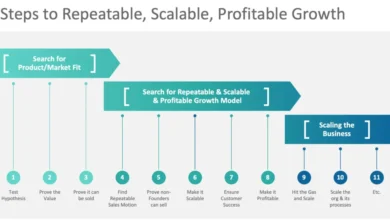
This second installment of the comprehensive 2021 SaaS Survey, conducted in collaboration with KBCM, delves deeper into the dynamic landscape of Software as a Service, offering critical insights into market performance, growth drivers, and emerging trends. Following the foundational analysis presented in Part One, this segment unpacks specific data points and projections that will shape the future trajectory of the SaaS industry. The full survey report is available for download in PDF format via this link: https://www.forentrepreneurs.com/wp-content/uploads/2021/10/2021-KBCM-SaaS-Survey.pdf. Readers are encouraged to consult Part One for a complete overview of the survey’s findings, which covered [mention specific topics from Part 1 if known, otherwise generalize].

The 2021 SaaS Survey represents a significant undertaking to capture the pulse of a sector that has experienced unprecedented growth and transformation, particularly in the wake of global events that accelerated digital adoption. This year’s survey builds upon previous iterations, providing a valuable historical context for understanding the current state and future potential of SaaS businesses. The data presented herein is derived from extensive research and analysis, offering a robust foundation for strategic decision-making by industry leaders, investors, and stakeholders.
Analyzing Key Performance Indicators and Market Growth
The survey’s findings underscore the continued robust performance of the SaaS market. While specific metrics are detailed within the full report, the general trend indicates sustained revenue growth, driven by increasing adoption across various industries and business sizes. This growth is not monolithic; specific sub-sectors within SaaS are demonstrating particularly strong momentum, fueled by technological advancements and evolving customer needs.
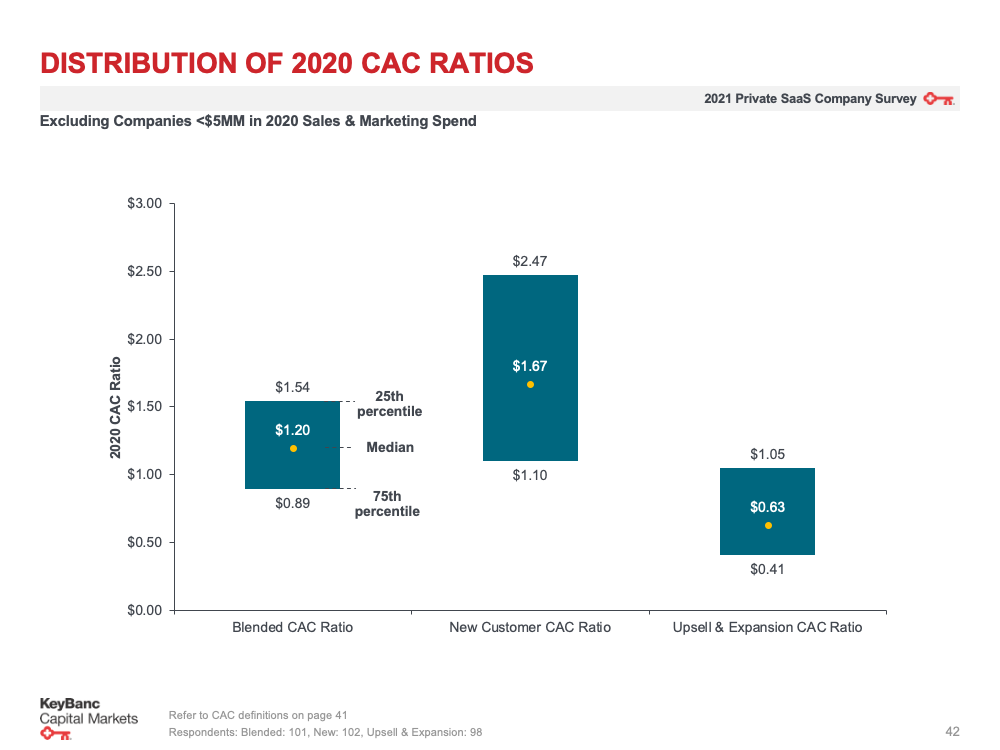
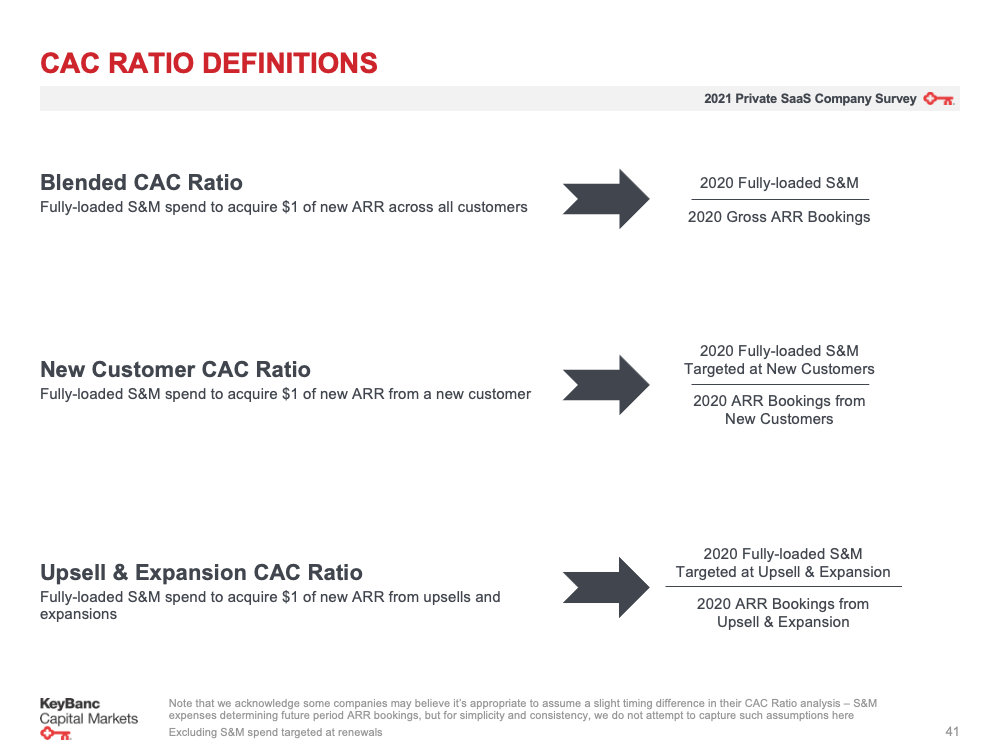
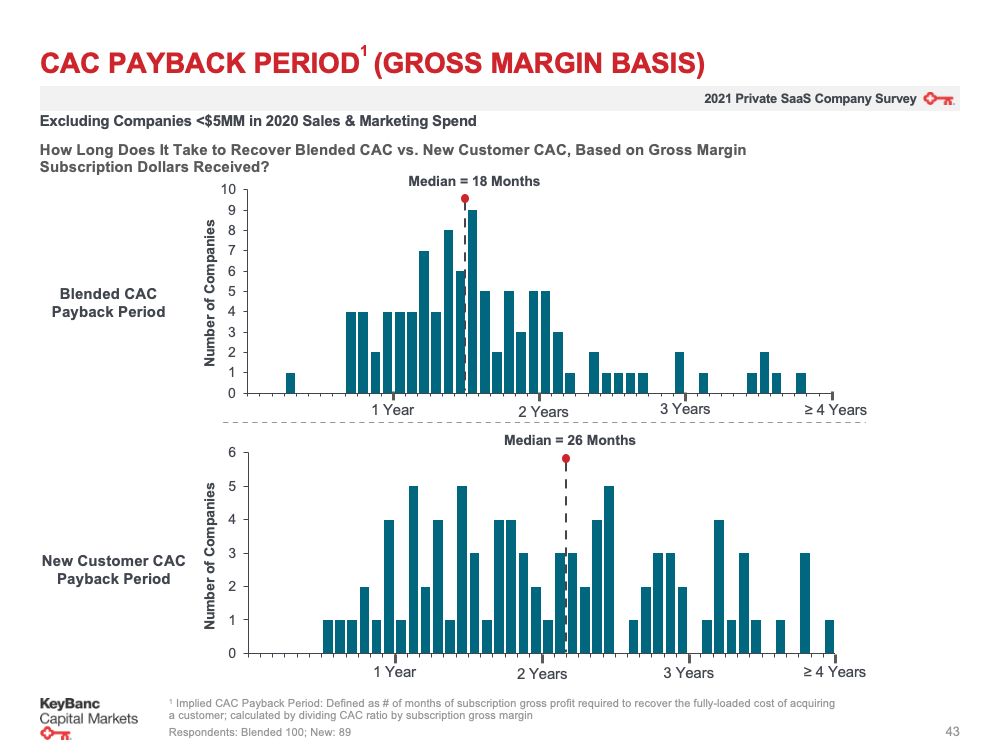
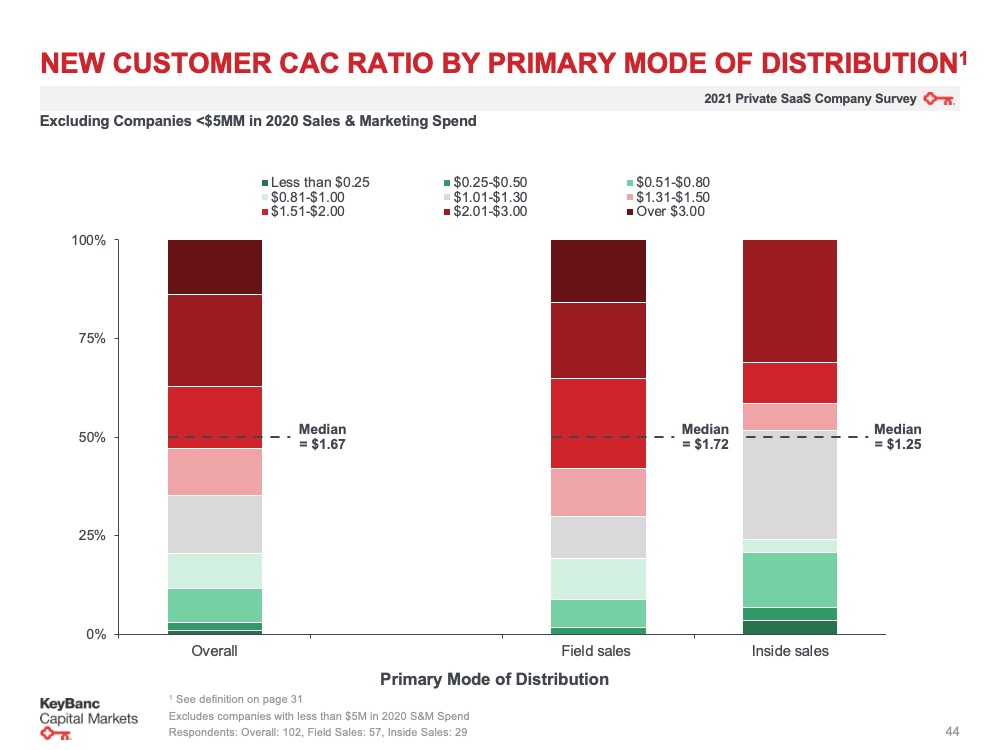
For instance, the proliferation of cloud-native solutions, enhanced data analytics capabilities, and the rise of specialized vertical SaaS platforms are key contributors to this expansion. The survey likely quantifies these trends, providing data on compound annual growth rates (CAGR) for different SaaS categories, customer acquisition costs (CAC), lifetime value (LTV) ratios, and churn rates. Understanding these key performance indicators is crucial for assessing the health and scalability of individual SaaS companies and the market as a whole.
Emerging Trends Shaping the SaaS Ecosystem
Beyond headline growth figures, the 2021 SaaS Survey highlights several pivotal trends that are redefining the competitive landscape. These include:
The Ascendancy of Vertical SaaS
The survey’s data points to a significant shift towards vertical SaaS solutions, which are tailored to the specific needs of particular industries, such as healthcare, finance, or manufacturing. This specialization allows businesses to leverage software that is deeply integrated with their unique workflows and regulatory requirements, offering greater efficiency and value compared to generic horizontal solutions. The survey likely provides insights into the market share and growth rates of leading vertical SaaS providers, as well as the increasing investment flowing into this segment.

The Democratization of AI and Machine Learning in SaaS
Artificial Intelligence (AI) and Machine Learning (ML) are no longer niche technologies; they are increasingly becoming integral components of mainstream SaaS offerings. The survey’s findings may reveal the extent to which SaaS companies are embedding AI/ML capabilities into their products to enhance user experience, automate tasks, provide predictive analytics, and personalize services. This trend is not only improving the functionality of SaaS applications but also creating new revenue streams and competitive advantages for early adopters.
The Growing Importance of Data Security and Privacy
As businesses rely more heavily on cloud-based solutions, the imperative for robust data security and privacy measures has intensified. The survey likely addresses how SaaS providers are responding to increasing regulatory scrutiny and customer demands for secure data handling. This could include data on investments in security certifications, compliance with regulations like GDPR and CCPA, and the development of advanced threat detection and prevention mechanisms. Companies that prioritize and effectively communicate their commitment to data security are likely to gain a significant competitive edge.
The Continued Evolution of the Remote Work Paradigm
The widespread adoption of remote and hybrid work models has fundamentally altered how businesses operate and the tools they require. The survey’s analysis might offer data on the demand for SaaS solutions that facilitate collaboration, communication, project management, and employee engagement in distributed workforces. This includes insights into the growth of tools for virtual meetings, asynchronous communication, and remote IT management.
Investment Landscape and Funding Trends
The SaaS sector has been a magnet for venture capital and private equity investment. The 2021 SaaS Survey, with KBCM’s involvement, is expected to provide a granular view of the investment landscape. This could include:
- Funding Rounds: Data on the volume and value of funding rounds across different stages of SaaS company development (seed, Series A, B, C, etc.).
- Valuation Trends: Insights into average valuations for SaaS companies, potentially segmented by growth stage, revenue multiples, and key financial metrics.
- Exit Strategies: Analysis of M&A activity and IPO performance within the SaaS sector, offering a benchmark for potential exits and investor returns.
- Investor Sentiment: An overview of investor confidence and the key criteria they are using to evaluate SaaS opportunities in the current market.
The robust investment activity suggests a strong belief in the long-term growth potential of SaaS. However, investors are also becoming more discerning, focusing on companies with proven product-market fit, strong unit economics, and sustainable growth strategies.

Analyzing the Competitive Dynamics
The SaaS market, while growing, is also intensely competitive. Companies are constantly innovating to differentiate themselves and capture market share. The survey’s findings might shed light on:
- Customer Acquisition Strategies: Analysis of effective marketing and sales channels for SaaS businesses, including inbound marketing, content marketing, direct sales, and channel partnerships.
- Customer Retention and Expansion: Data on strategies for reducing churn and increasing customer lifetime value, such as excellent customer support, product innovation, and upselling/cross-selling opportunities.
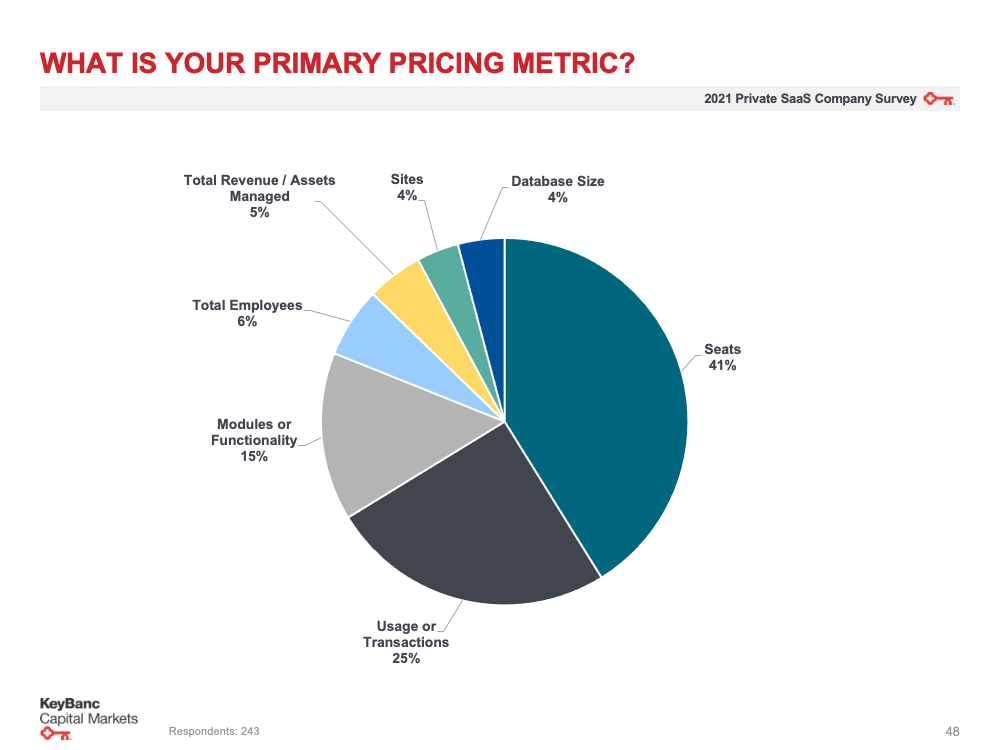
- Competitive Differentiation: Insights into the key factors that SaaS companies are leveraging to stand out, such as unique features, superior user experience, pricing models, and specialized integrations.
Understanding these competitive dynamics is essential for any SaaS company looking to thrive in this evolving market.
Future Outlook and Projections
The 2021 SaaS Survey provides a forward-looking perspective on the industry. Based on current trends and expert analysis, the outlook for SaaS remains exceptionally strong. Key projections likely include:
- Continued Market Expansion: The global SaaS market is projected to continue its rapid expansion, driven by digital transformation initiatives across all sectors.
- Increased Cloud Penetration: The migration of business processes to the cloud is expected to accelerate, further solidifying the role of SaaS.
- Innovation in Emerging Technologies: The integration of AI, blockchain, and other cutting-edge technologies will continue to drive innovation and create new opportunities within the SaaS space.
- Focus on Customer Experience: As the market matures, customer experience will become an even more critical differentiator, pushing SaaS providers to invest in seamless onboarding, intuitive interfaces, and proactive support.
Implications for Stakeholders
The insights gleaned from the 2021 SaaS Survey have far-reaching implications for various stakeholders:
For SaaS Companies:
- Strategic Planning: The survey provides data to inform strategic decisions regarding product development, market expansion, pricing, and sales and marketing efforts.
- Benchmarking: Companies can use the survey data to benchmark their performance against industry peers and identify areas for improvement.
- Investment Readiness: Understanding key SaaS metrics and market trends can help companies position themselves effectively for future funding rounds or acquisition.
For Investors:
- Opportunity Identification: The survey highlights promising sub-sectors and companies with strong growth potential, guiding investment decisions.
- Risk Assessment: By understanding market dynamics and competitive pressures, investors can better assess the risks associated with SaaS investments.
- Valuation Guidance: The data on valuations and exit strategies provides valuable context for deal-making and portfolio management.
For Customers:
- Informed Decision-Making: Understanding market trends can help businesses make more informed choices about the SaaS solutions they adopt, ensuring they align with their evolving needs.
- Vendor Evaluation: Awareness of industry standards for security, performance, and customer support can aid in evaluating potential SaaS vendors.
Conclusion
The 2021 SaaS Survey, Part Two, offers a deep dive into the critical trends and performance metrics that define the current state and future trajectory of the Software as a Service industry. In partnership with KBCM, this research provides an invaluable resource for understanding the forces driving growth, innovation, and competition. As the digital transformation continues to reshape businesses worldwide, SaaS remains at the forefront, offering agile, scalable, and powerful solutions. The detailed findings within the full survey report empower stakeholders to navigate this dynamic landscape with greater clarity and strategic foresight, ensuring continued success in the ever-evolving world of cloud-based software.