Small businesses today operate in a digital environment where search engine visibility is no longer an optional luxury but a primary engine for revenue generation. According to the latest HubSpot State of Marketing report, 50% of small-to-medium enterprises (SMEs) identify their website, blog, and search engine optimization (SEO) as their most leveraged marketing channels. However, the path to search dominance is often obstructed by limited budgets and the overwhelming complexity of the modern "martech" stack. For the small business owner, the challenge is not a lack of tools, but the selection of a cohesive tech stack that maintains a competitive edge without exceeding operational costs.

As organic search continues to be the single largest driver of growth for businesses with limited advertising spend, the industry is seeing a shift in how tools are evaluated. The criteria for selection have moved beyond mere keyword volume toward integrated ecosystems that connect search performance directly to Customer Relationship Management (CRM) data and revenue.
The Strategic Framework for Choosing SEO Software
For small business decision-makers, tool selection must follow a rigorous framework to ensure return on investment (ROI). There is no universal solution; instead, the "best" software is defined by its alignment with specific growth goals, the technical skill level of the internal team, and the existing budget.
Industry analysts suggest that businesses categorize their needs into four primary pillars: growth goals, tool category matching, ease of integration, and fiscal sustainability. A business launching its first digital presence will have drastically different requirements than a scaling firm attempting to recover from a ranking drop or aiming to compete in a saturated local market.
Mapping Tools to Growth Objectives
To maximize efficiency, SMEs must align their software acquisition with their current stage of the business lifecycle:
- New Website Launches: Priority should be placed on auditing tools to establish benchmarks and identify immediate growth opportunities.
- Conversion Optimization: If the goal is to drive more sales from existing traffic, keyword research and content optimization tools become the primary focus.
- Technical Recovery: Businesses facing visibility drops require deep-crawl technical SEO tools to identify indexing or speed issues.
- Local Competition: Brick-and-mortar establishments must prioritize Google Business Profile management and local citation tools.
- Reporting and ROI: When the objective is to justify marketing spend to stakeholders, analytics and revenue-attribution software are essential.
A Chronology of SEO Maturity for Small Businesses
The development of an SEO strategy typically follows a predictable timeline. Understanding this chronology allows businesses to invest in the right tools at the right time, avoiding the "feature bloat" that often leads to wasted subscription fees.
Phase 1: The Foundational Stage (Months 1-3)
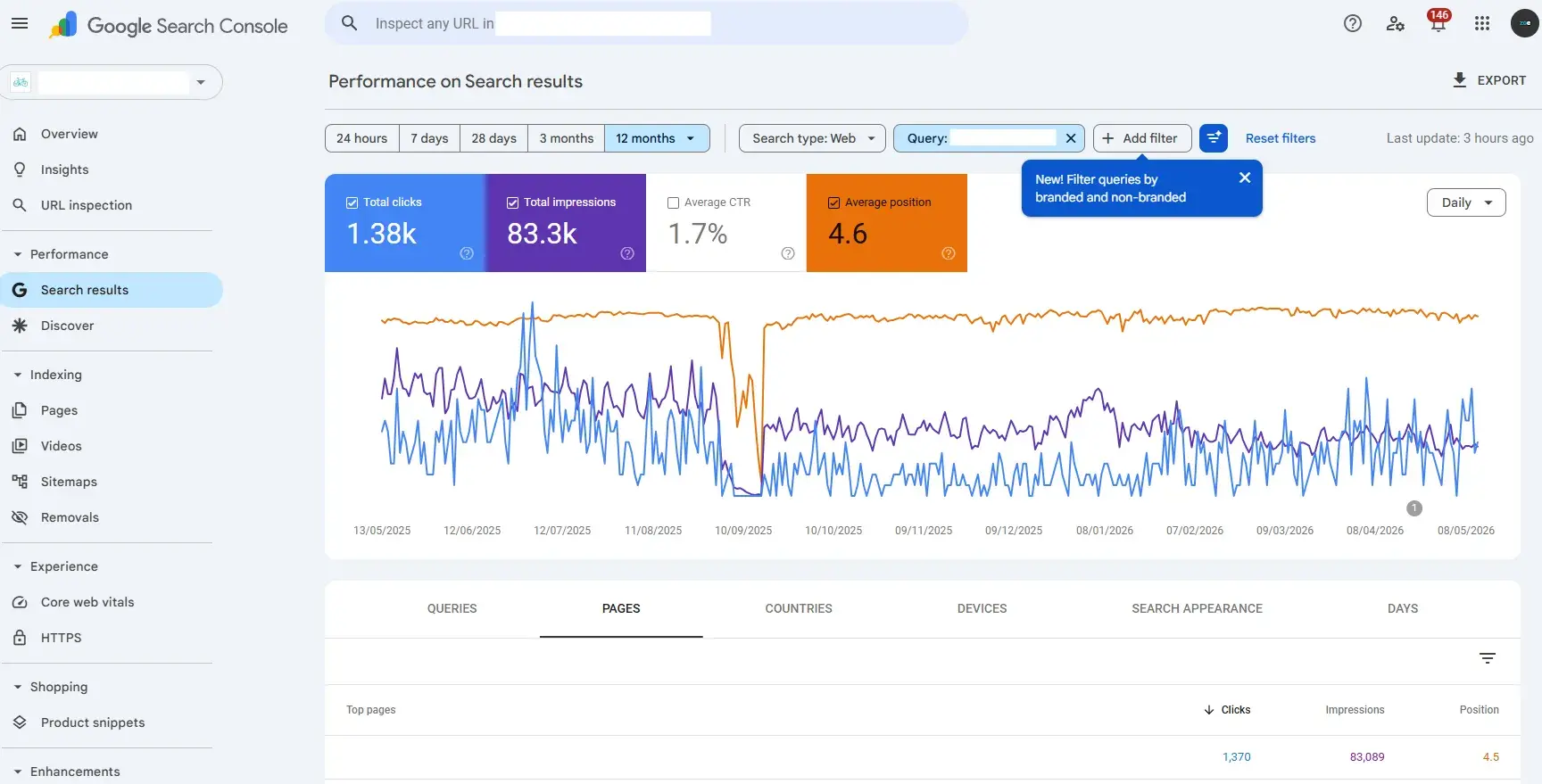
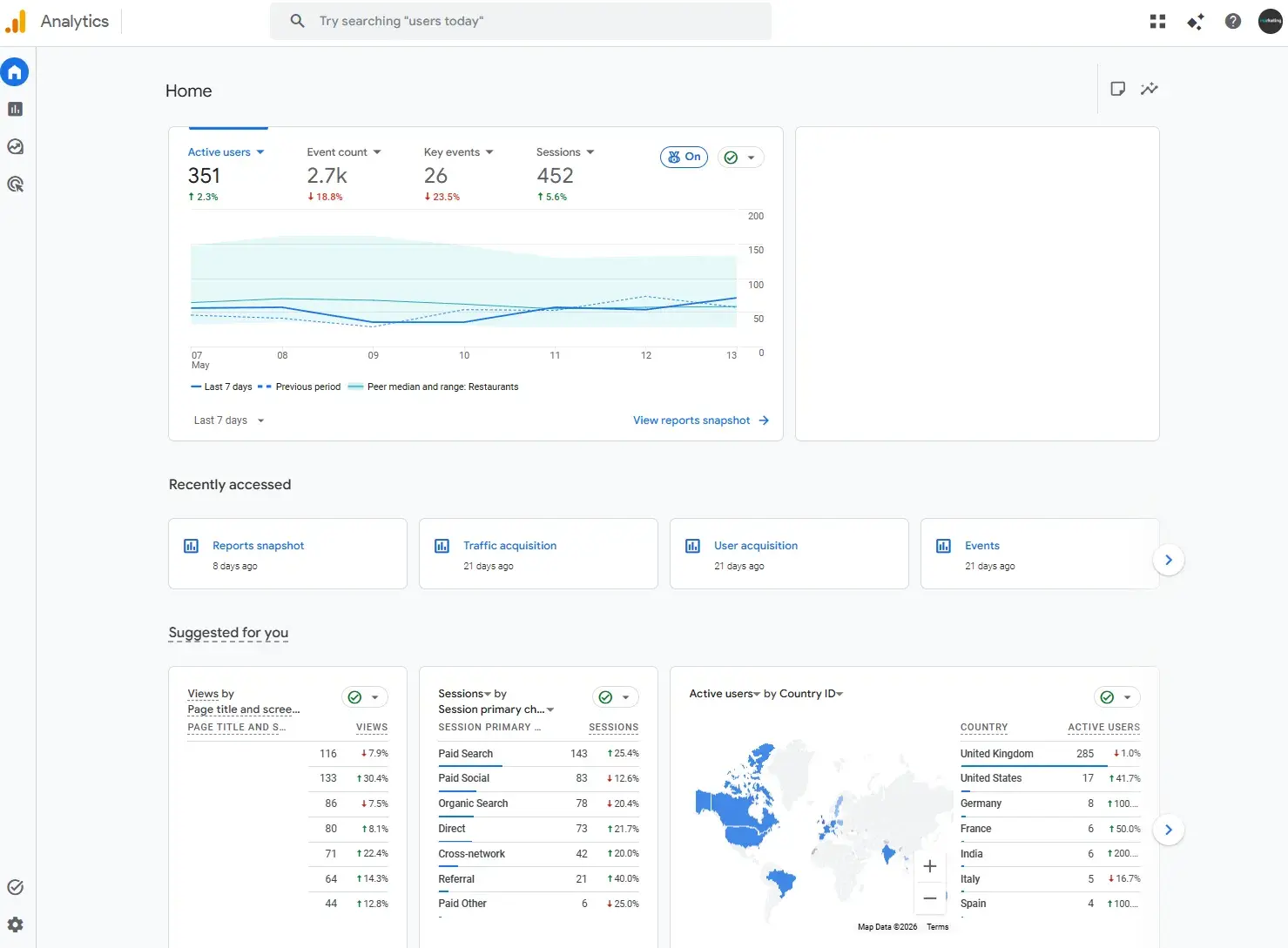
In the initial stage, the focus is on data collection and basic health. Every business, regardless of size, must implement the "Free Trinity" of search tools: Google Search Console, Google Analytics 4, and a basic site grader. These tools provide the first-party data necessary to understand how Google views the site and how users interact with its content.
Phase 2: Content and Keyword Expansion (Months 4-8)
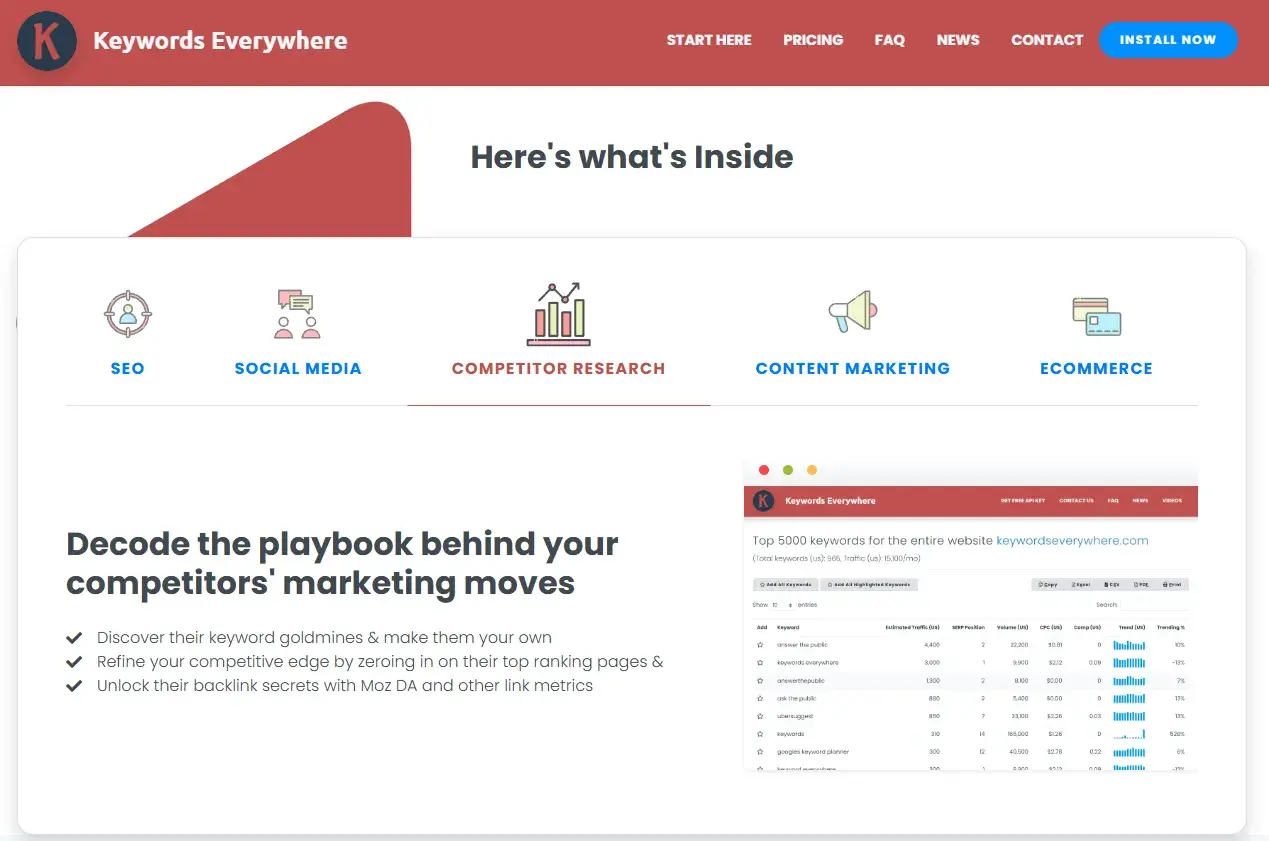
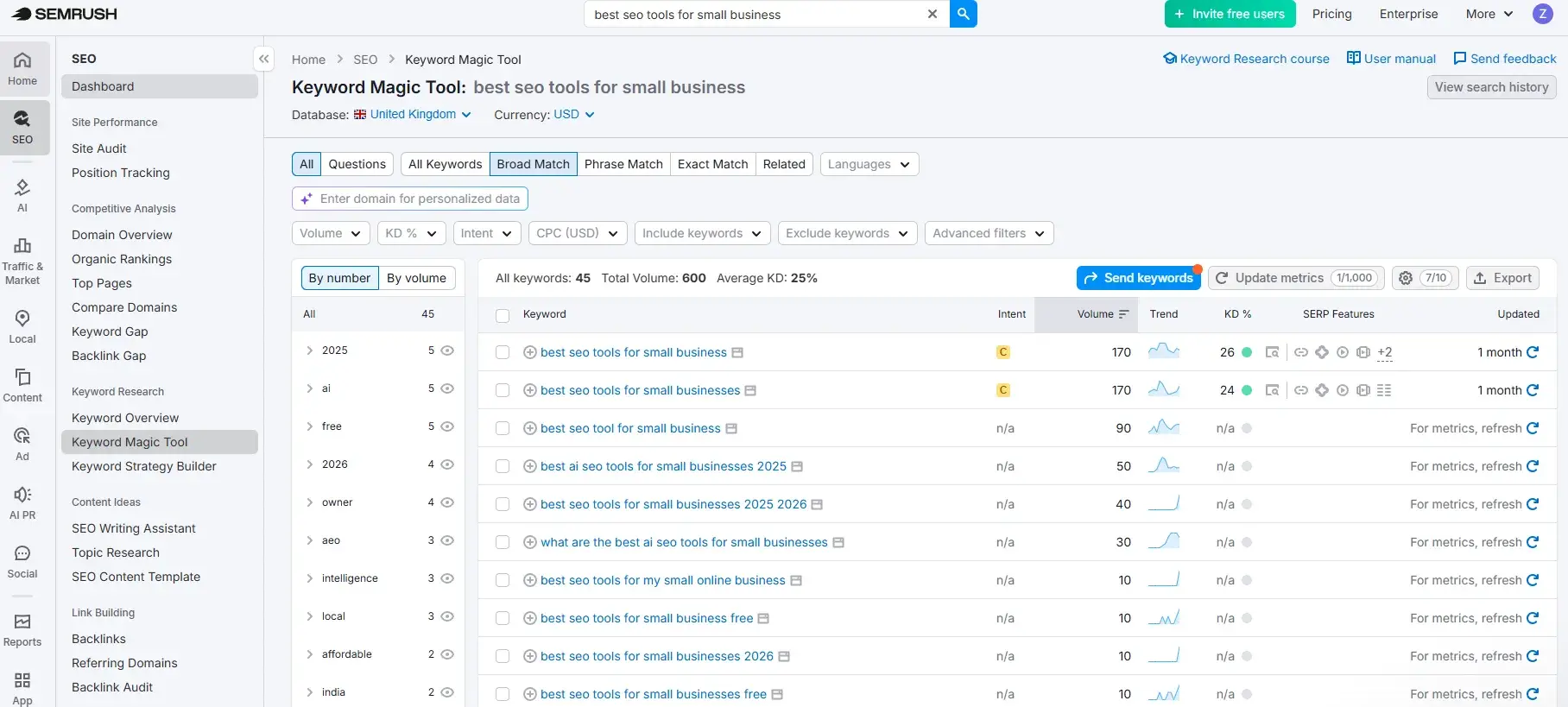
Once the foundation is set, businesses begin aggressive content production. This phase requires investment in keyword research tools (such as Semrush or Keywords Everywhere) and content optimization software like Surfer SEO or HubSpot Content Hub. The goal here is to bridge the gap between what the business offers and what the audience is actively searching for.
Phase 3: Authority Building and Technical Scaling (Months 9-12+)
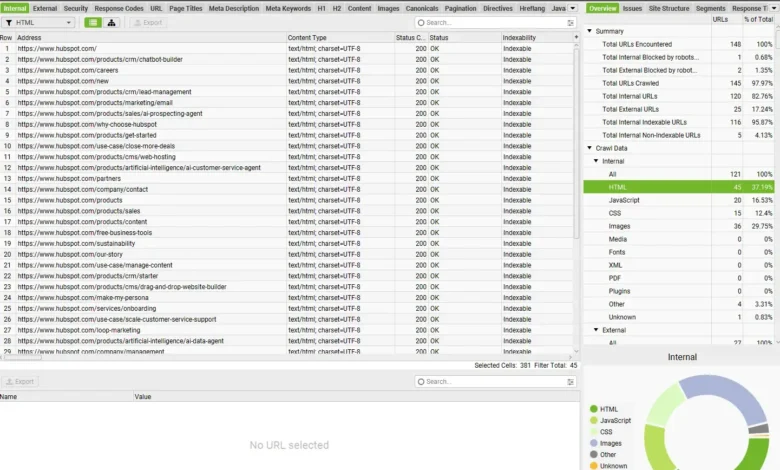
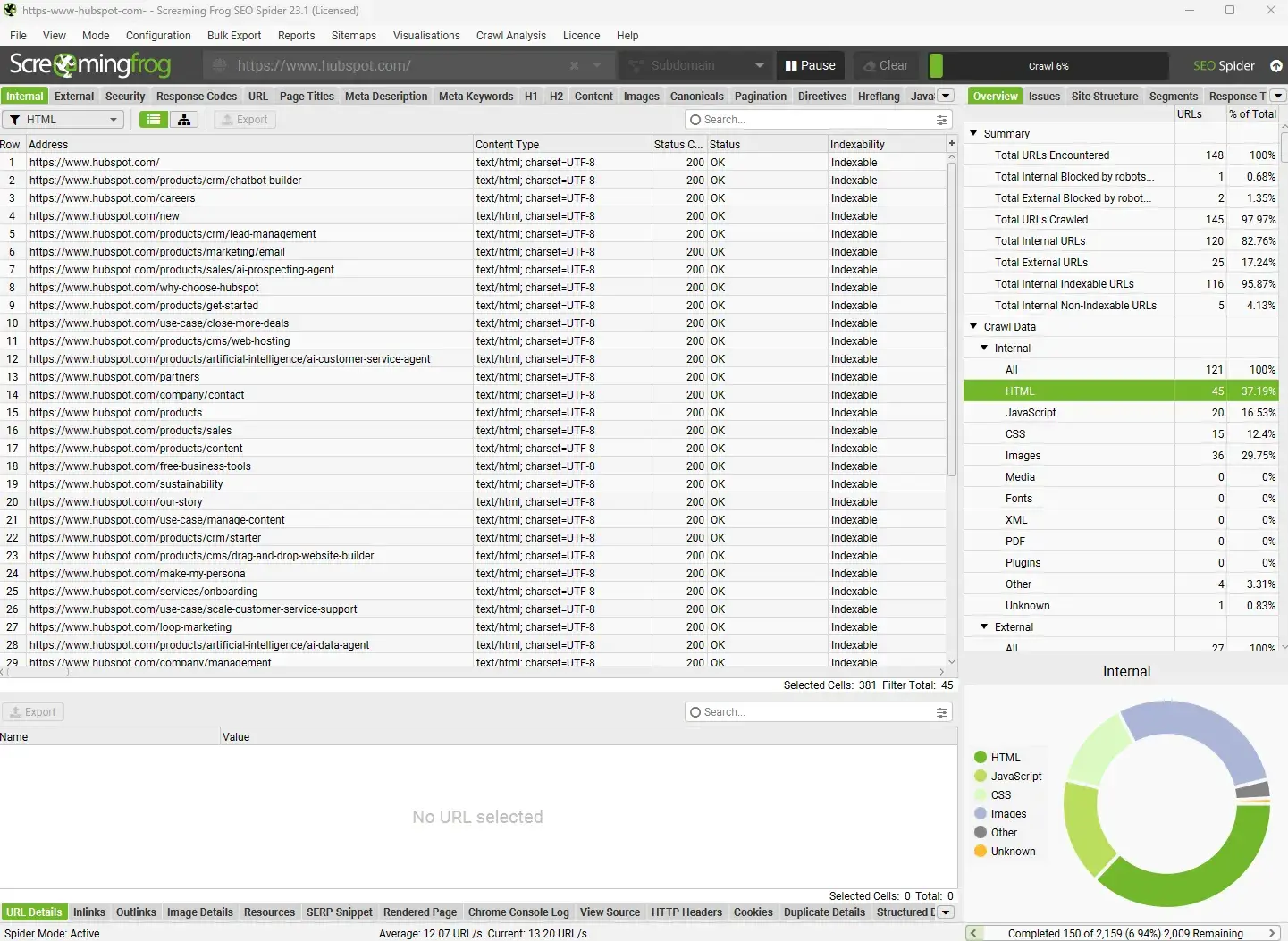
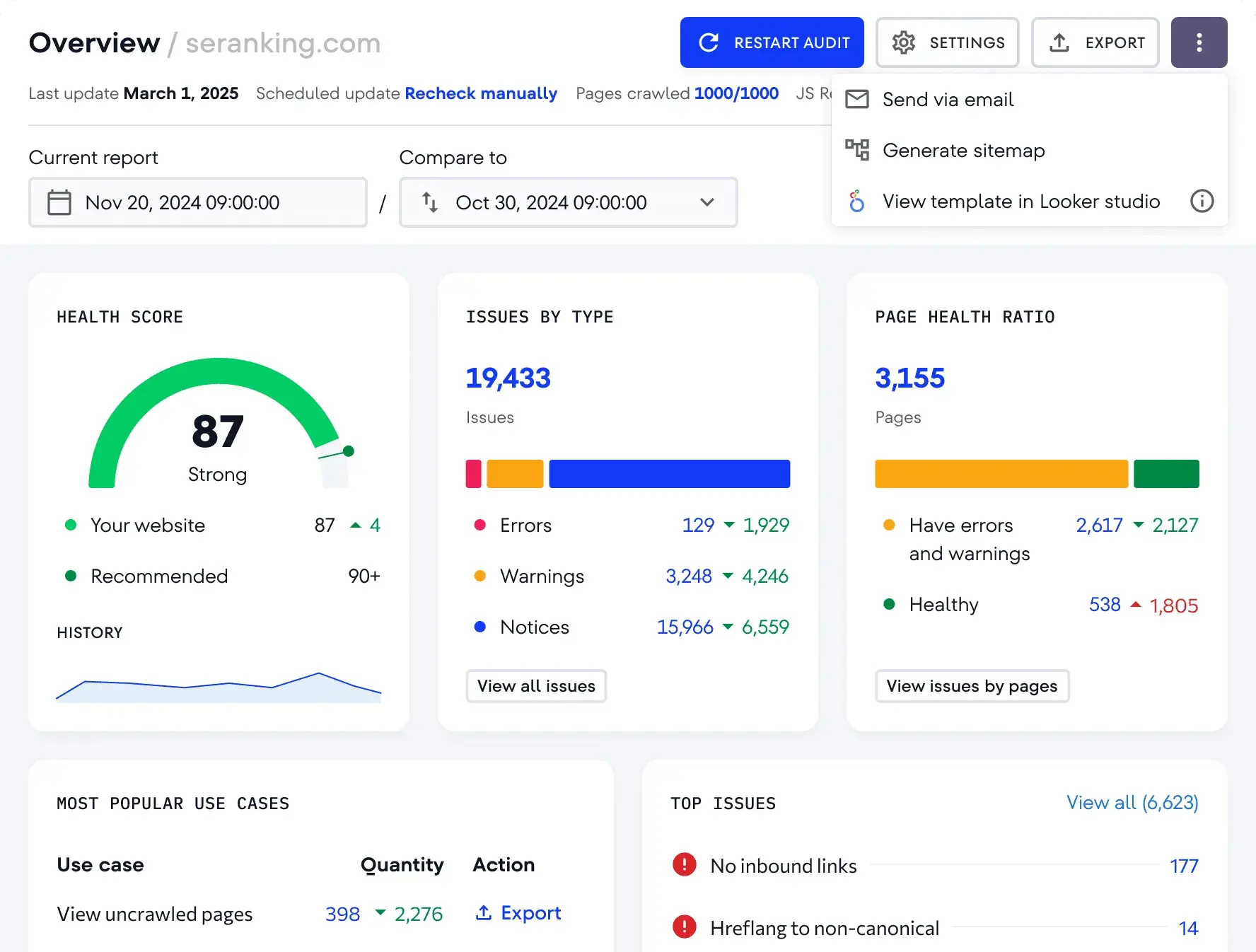
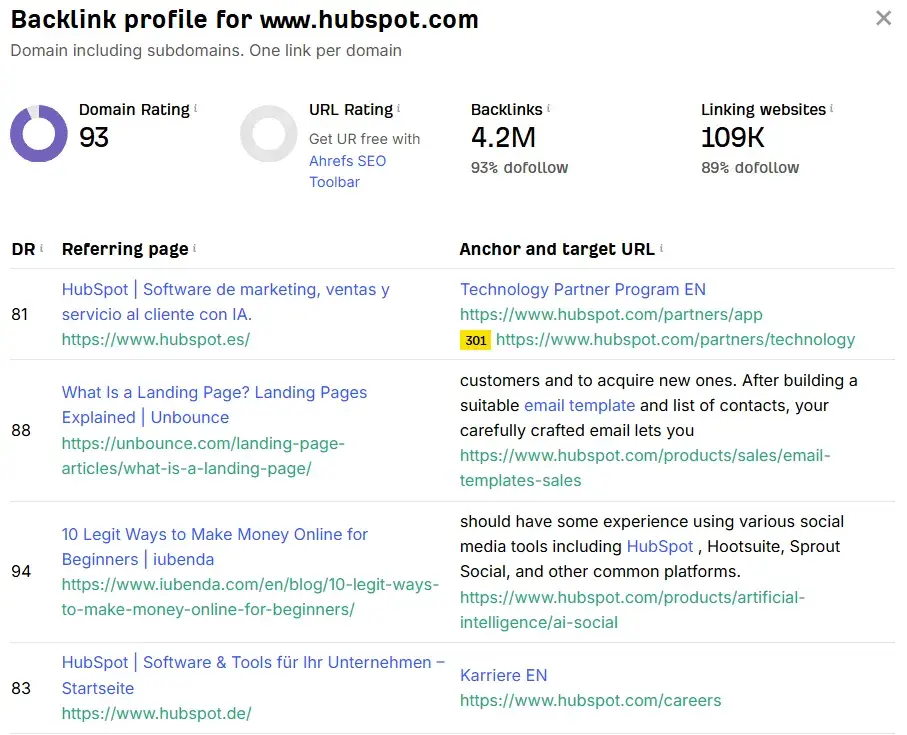
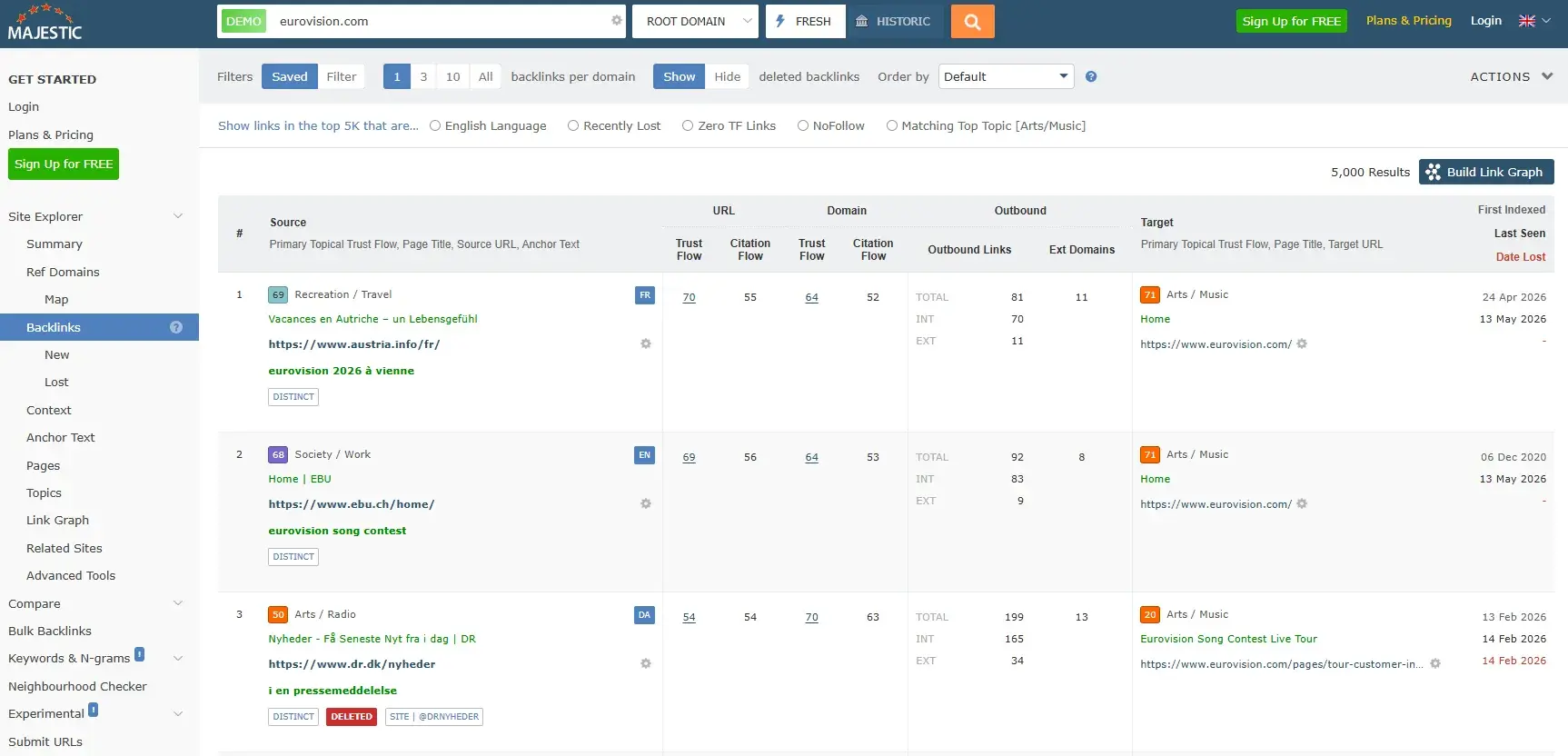
As the site grows, technical debt accumulates. This necessitates more advanced crawlers like Screaming Frog. Simultaneously, to rank for more competitive terms, businesses must invest in backlink research tools such as Ahrefs or Majestic to analyze competitor profiles and identify outreach opportunities.
Comprehensive Categorization of Essential SEO Tools
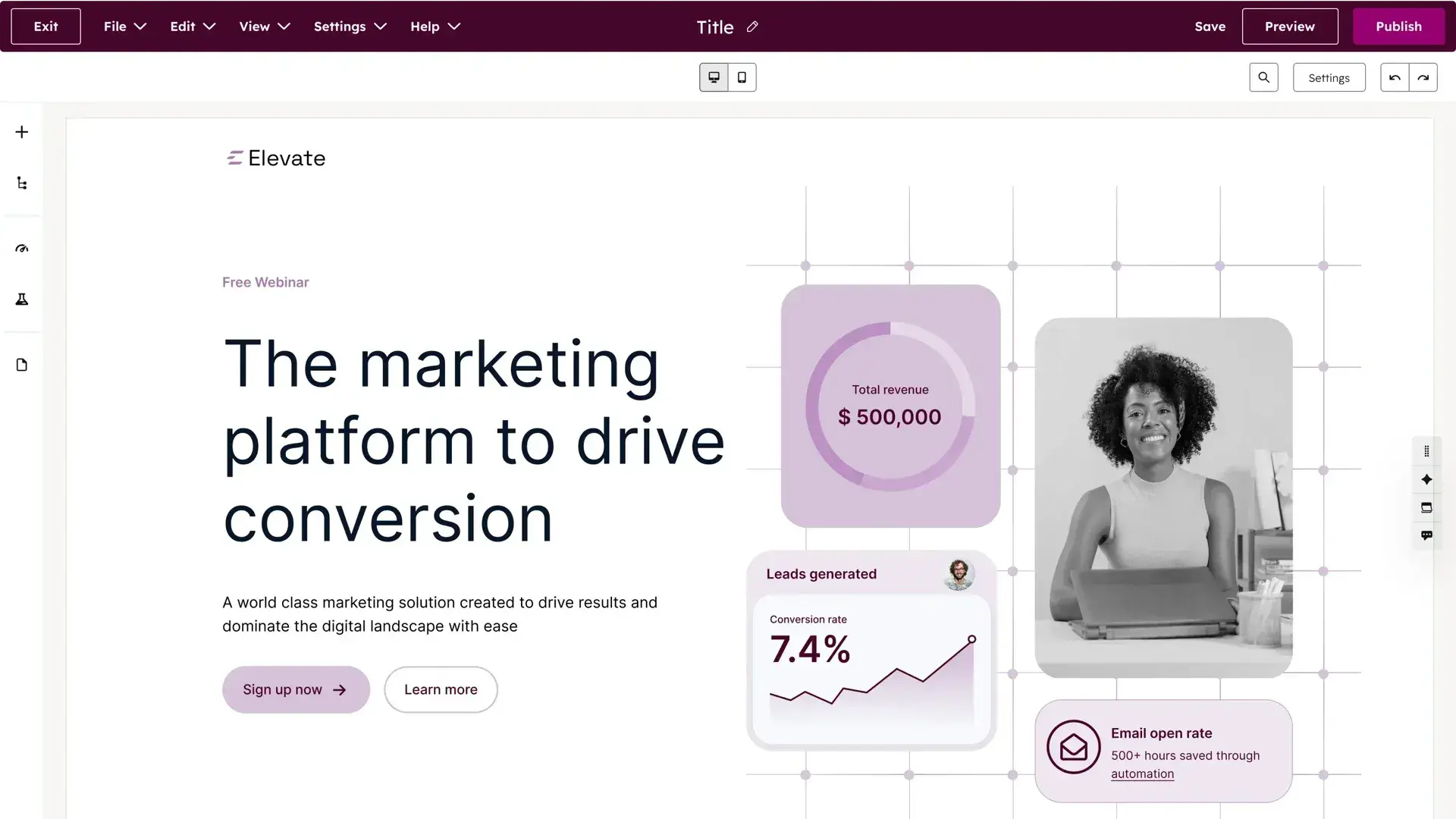
To build a functional tech stack, SMEs should understand the specific utility of each tool category. The following breakdown explores both free and paid options, providing a roadmap for when an upgrade becomes a business necessity.
Keyword Research: The Discovery Engine
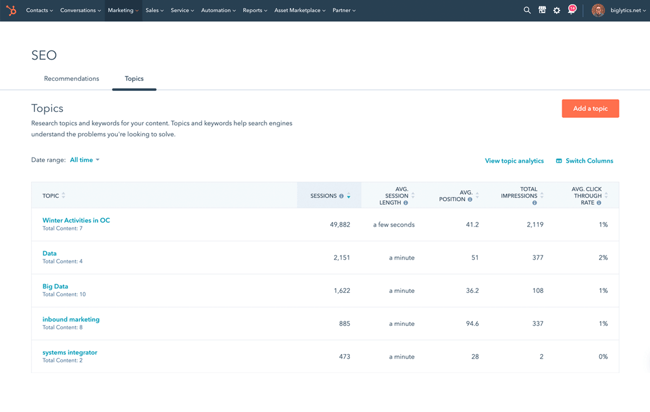
Keyword research remains the bedrock of SEO strategy. While AI-driven search is changing the landscape, understanding the "intent" behind a query is still vital for content creation.
- Keywords Everywhere: A lightweight browser extension that surfaces data directly within search results. It is ideal for solopreneurs who need quick insights without a complex interface.
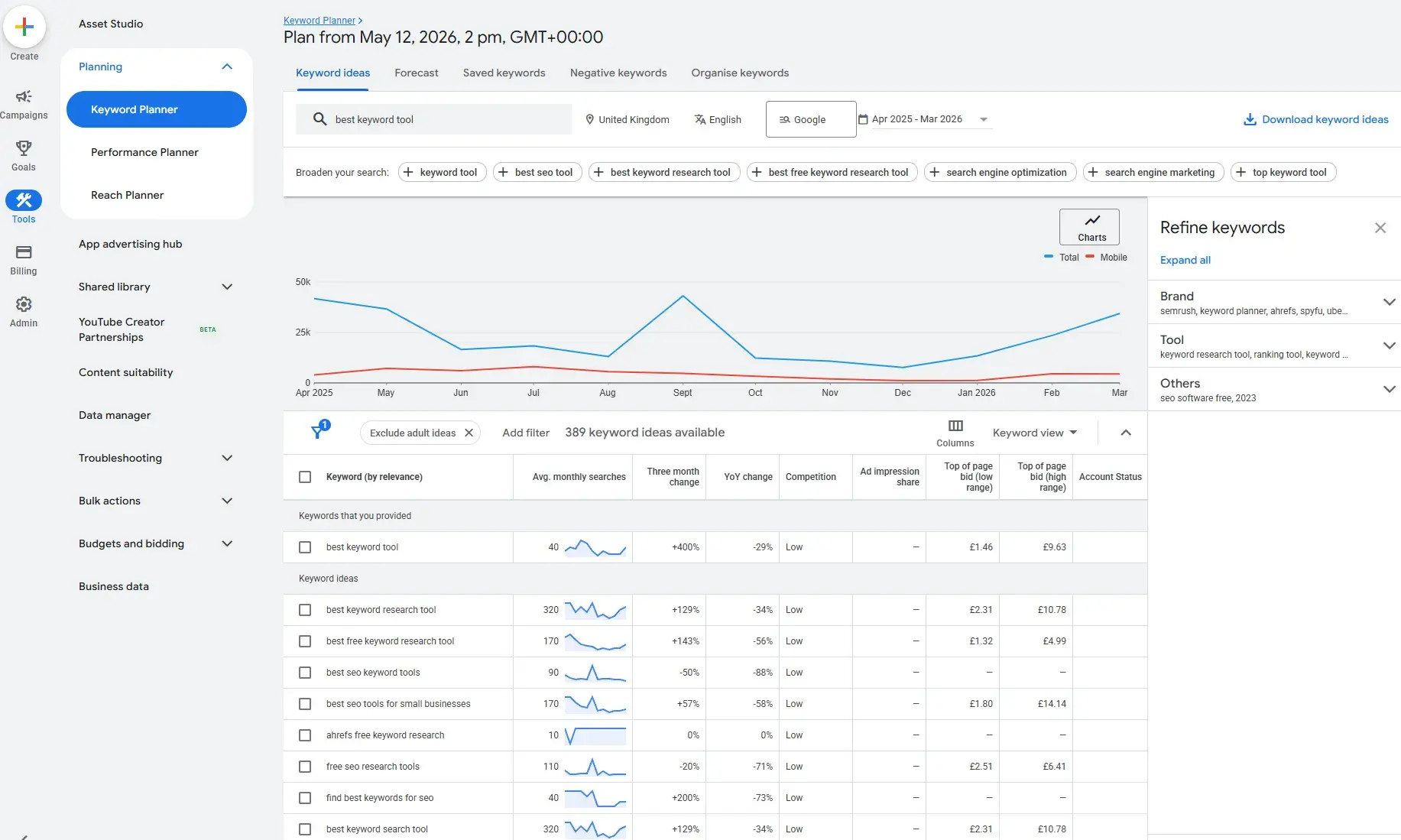
- Google Keyword Planner: While technically a tool for paid advertisers, its access to Google’s primary search volume data makes it an indispensable free resource for SMEs.
- Semrush: A comprehensive platform that offers the "Keyword Magic Tool." With a database of over 25 billion keywords, it is the standard for businesses ready to conduct deep competitor analysis and intent filtering.
Technical SEO: Maintaining Site Integrity
A website with poor technical health cannot rank, regardless of content quality. Technical tools detect crawl errors, broken links, and slow loading speeds—issues that often remain invisible until traffic begins to plummet.
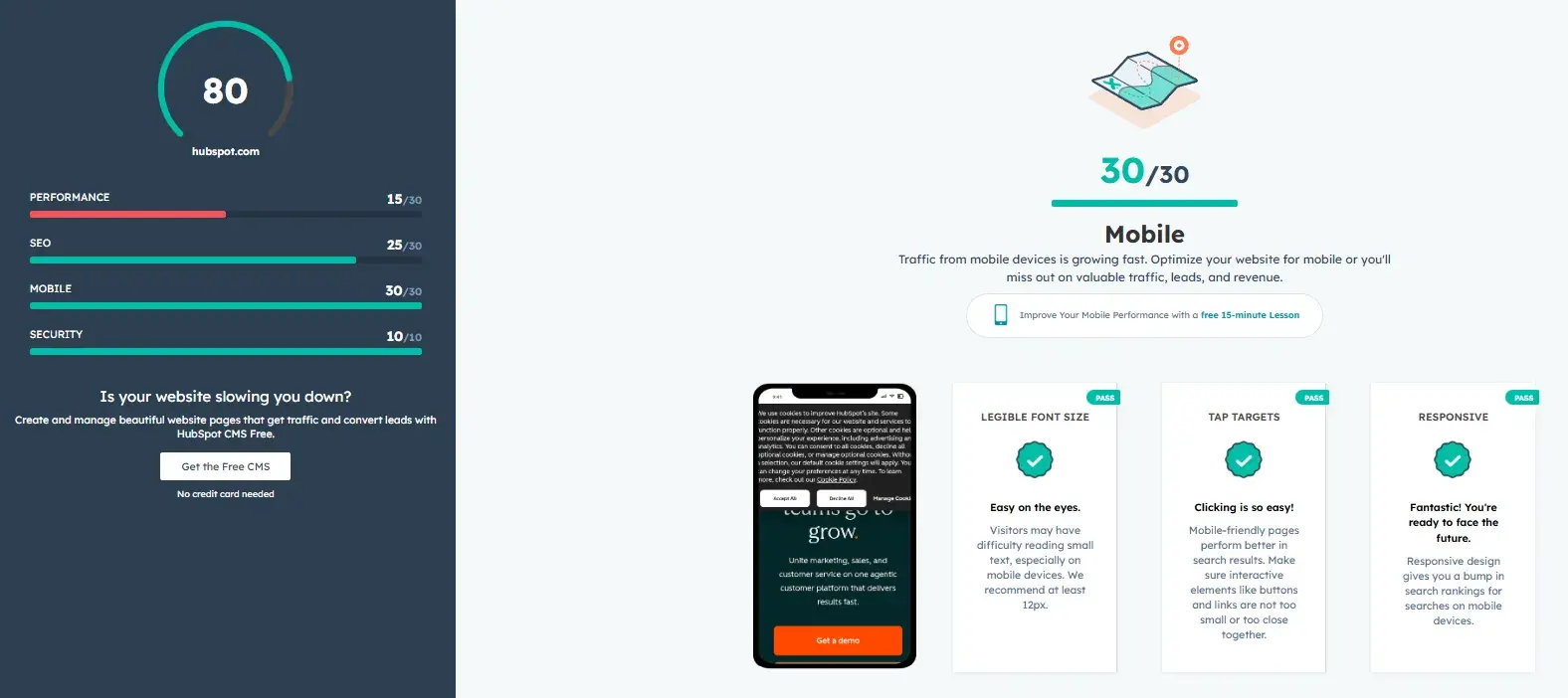
- HubSpot Website Grader: A free, entry-level tool that provides a scored report on performance, mobile readiness, and security. It is designed for non-technical users who need actionable priorities.
- Screaming Frog SEO Spider: A desktop-based crawler that provides a granular view of every URL on a site. It is highly effective for sites exceeding 500 pages but requires a higher level of technical expertise to interpret.
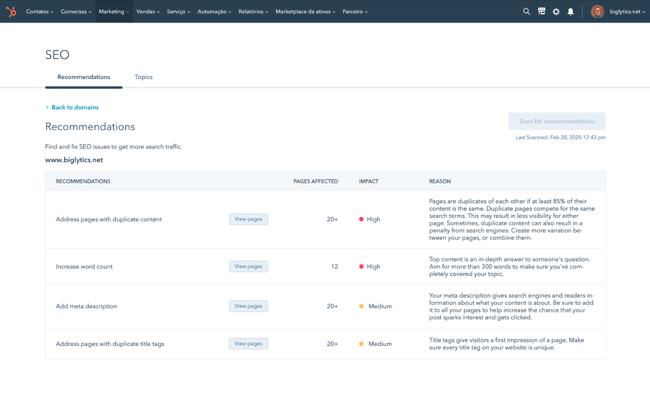
- HubSpot SEO Recommendations: Integrated within the Marketing Hub, this tool prioritizes issues by their potential impact on rankings, making it a "guided" solution for teams without a dedicated SEO specialist.
Content Optimization: Closing the Relevance Gap
Content optimization tools ensure that articles and landing pages are structured to satisfy both human readers and search algorithms.
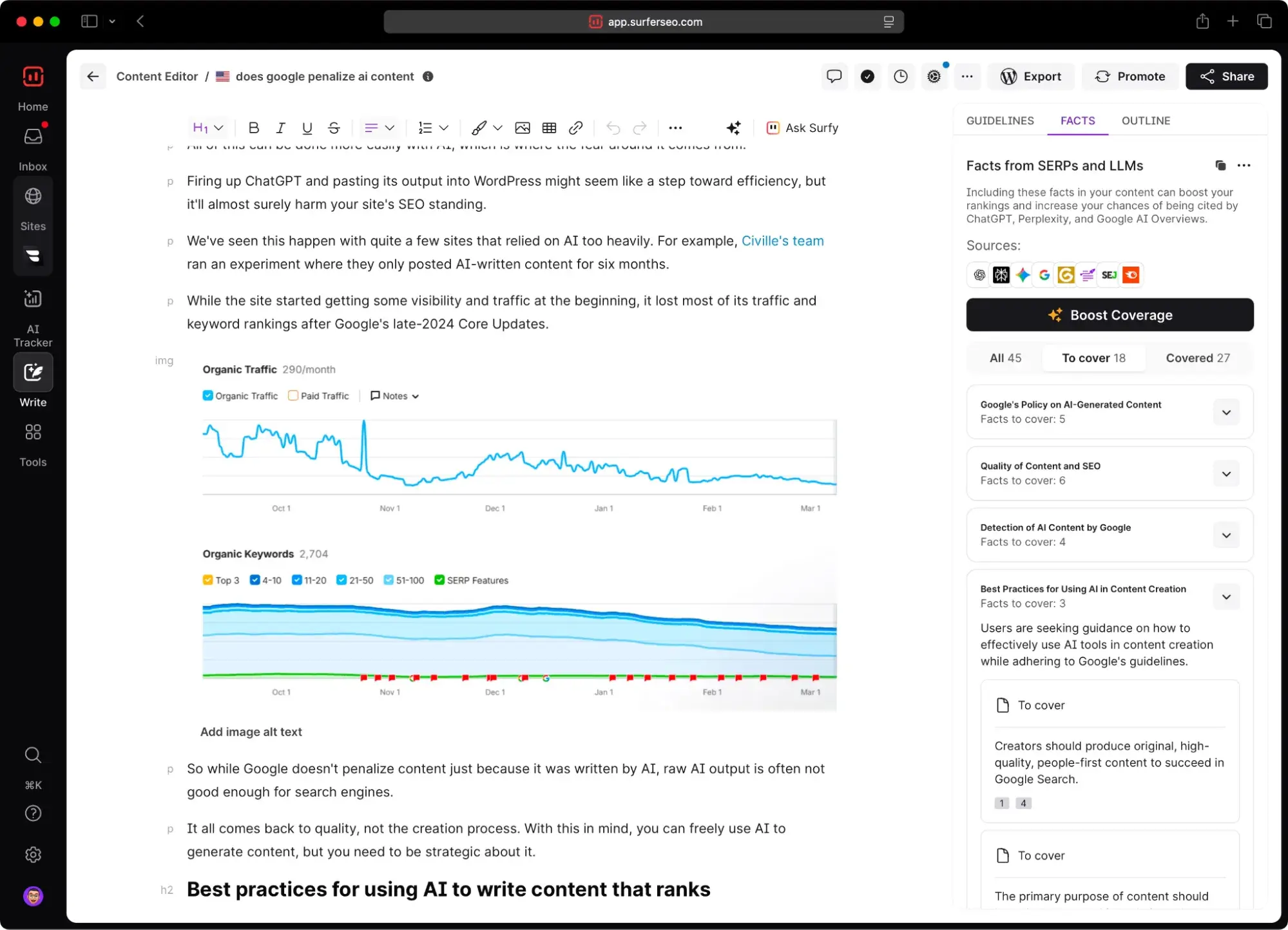
- Surfer SEO: This tool uses real-time SERP (Search Engine Results Page) data to provide a "content score." It suggests specific keyword densities and structural changes based on what is currently ranking in the top 10 results.
- HubSpot Content Hub: An all-in-one solution that connects content creation with CRM data. This allows businesses to see not just which blog posts get traffic, but which ones generate actual leads and customers.
The Emerging Frontier: Answer Engine Optimization (AEO)
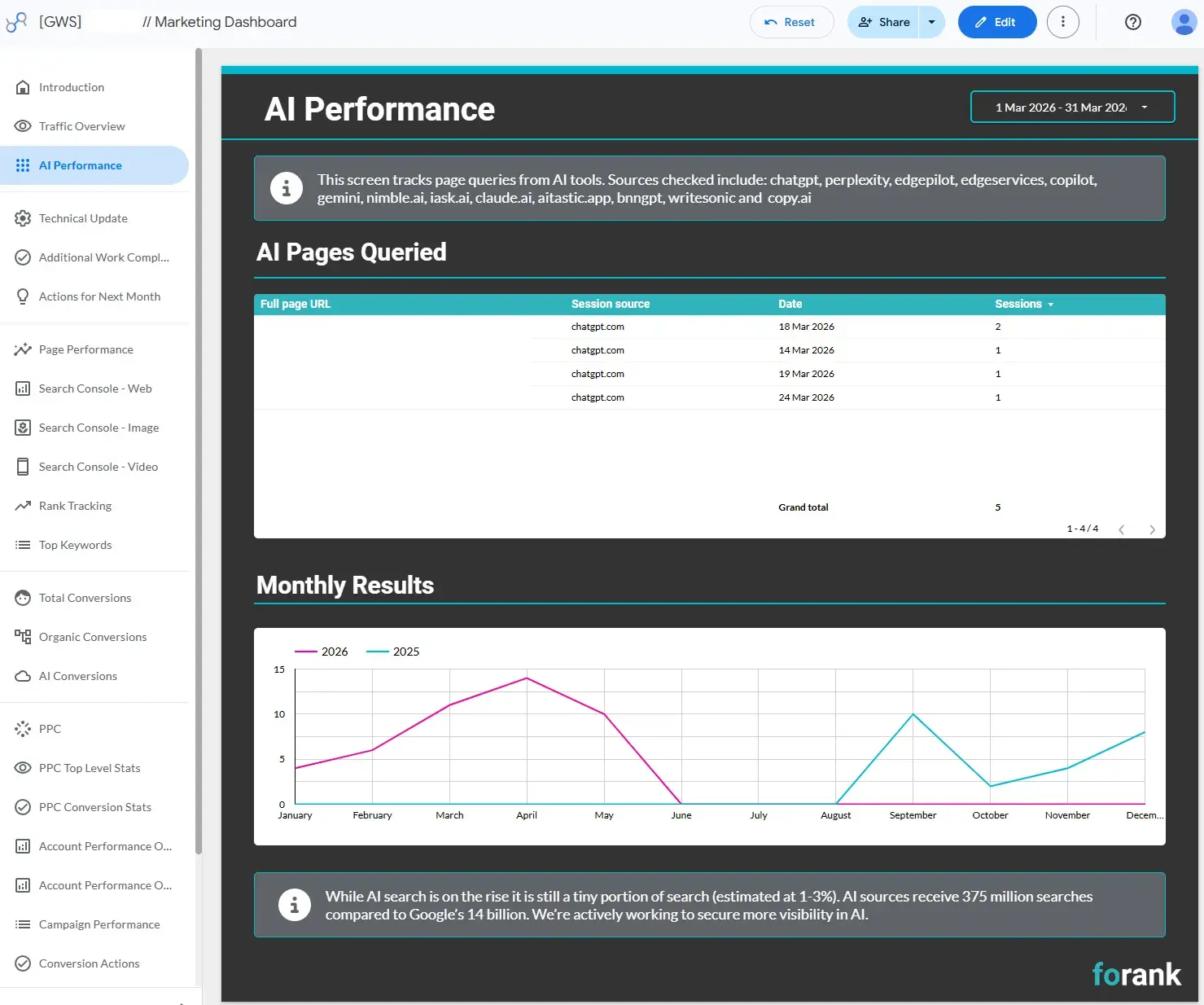
The rise of generative AI and chatbots has introduced a new discipline: Answer Engine Optimization (AEO). Traditional SEO focuses on "blue links" and clicks; AEO focuses on being the cited source within an AI-generated summary, such as those provided by ChatGPT, Perplexity, or Google’s AI Overviews.
Why AEO Matters for Small Businesses
For SMEs, AEO represents both a threat and an opportunity. AI engines often provide a single, definitive answer rather than a list of options. If a business is not cited in that answer, they effectively lose the traffic. However, if an SME can become the "authoritative source" for a specific niche query, the AI engine acts as a powerful endorsement.
Measuring AI Visibility
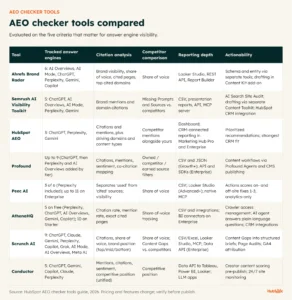
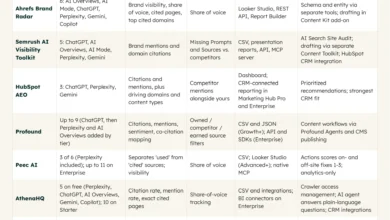
Tools like HubSpot AEO are now entering the market to help businesses track their "Brand Visibility Score" within AI prompts. This involves:
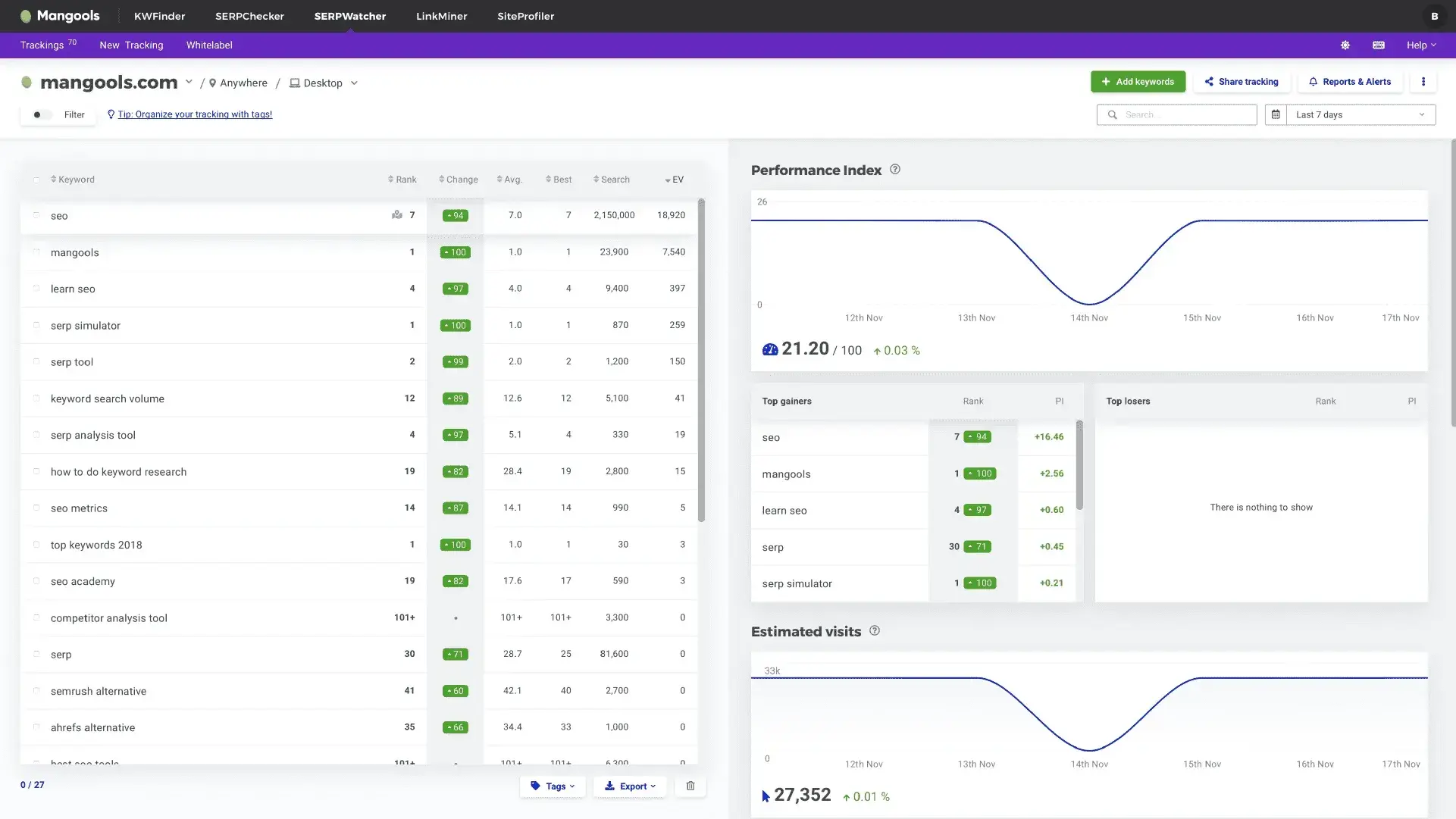
- Prompt Tracking: Identifying the specific questions buyers ask AI engines.
- Citation Analysis: Monitoring which pages the AI uses to formulate its answers.
- Sentiment Analysis: Measuring whether the AI describes the brand positively or negatively.
Local SEO: Dominating the Geographic Market
For many small businesses, local visibility is more important than national rankings. 46% of all Google searches are seeking local information.
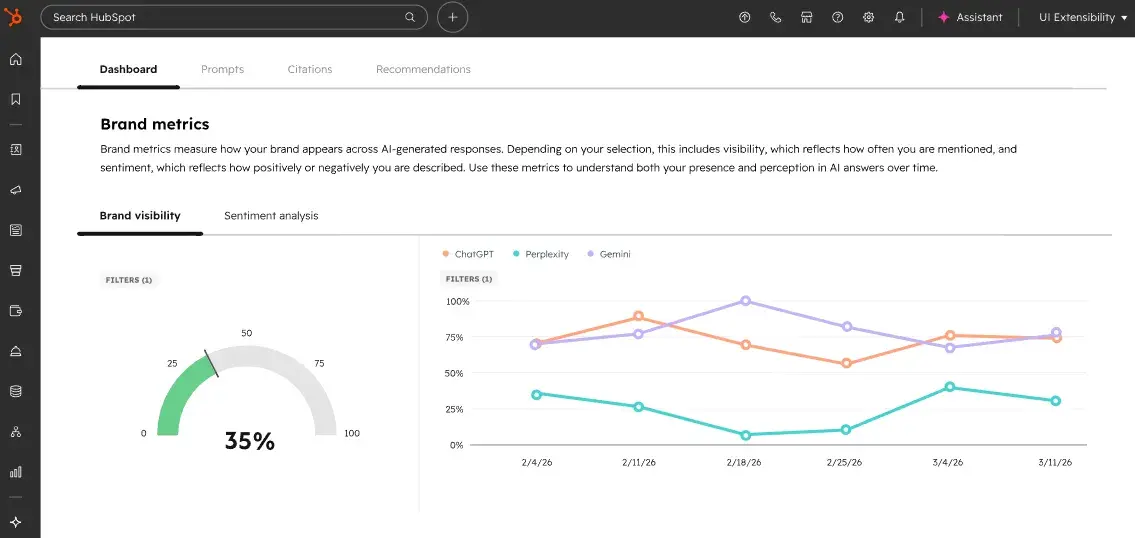
- BrightLocal: A specialized platform for managing citations and reviews across multiple locations. It identifies "NAP" (Name, Address, Phone number) inconsistencies that can damage local rankings.
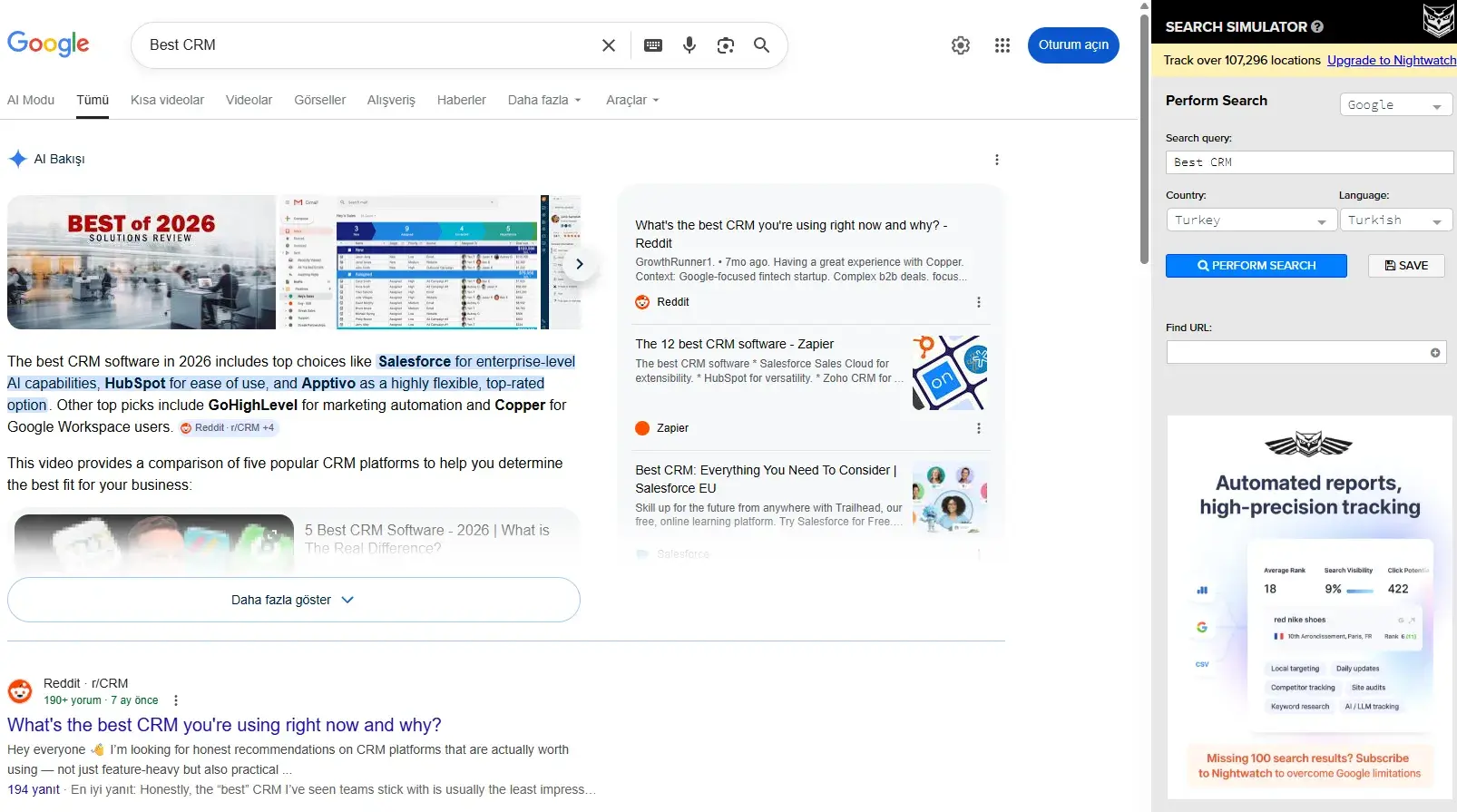
- Nightwatch: Offers granular, location-based rank tracking. This allows a business to see exactly where they rank in specific zip codes or neighborhoods, which is essential for service-based industries like plumbing or legal services.
Analytics and the Shift to Revenue Attribution
The final and perhaps most critical component of the SEO stack is analytics. In a tightening economy, small businesses must move beyond "vanity metrics" like total traffic and focus on "revenue attribution."
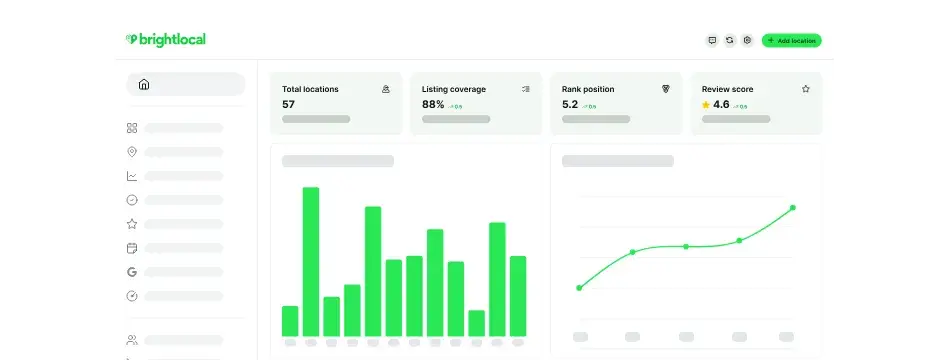
- Google Analytics 4 (GA4): The industry standard for tracking user behavior. It provides essential data on how users navigate a site, though it often requires significant configuration to track conversions accurately.
- Looker Studio: A visualization tool that aggregates data from multiple sources (GSC, GA4, Semrush) into a single, shareable dashboard.
- HubSpot Marketing Hub Analytics: This represents the "gold standard" for SMEs because it connects an anonymous website visitor to a specific contact in the CRM. By using multi-touch attribution models, a business can prove that an organic search for a specific keyword in January led to a $10,000 contract in March.
Industry Implications and the Cost of Inaction
The democratization of SEO tools has leveled the playing field, allowing a small business with a $200 monthly tool budget to compete with much larger corporations. However, the complexity of search—driven by AI updates and the "Helpful Content" algorithms—means that the cost of inaction is rising.
Market analysts suggest that businesses that fail to integrate their SEO data with their CRM will struggle to survive the "AI transition." When search engines become answer engines, the only way to maintain visibility is through high-authority, deeply relevant content that is technically accessible.
Conclusion: Building a Future-Proof Tech Stack
Building an SEO tech stack for a small business is an exercise in strategic prioritization. The goal is to create a system that is measurable, actionable, and adaptable. By starting with free foundational tools and scaling into specialized software as revenue allows, SMEs can build a digital presence that is resilient to algorithmic shifts.
The transition from traditional SEO to a hybrid model that includes AEO and deep CRM integration is no longer a futuristic concept—it is a current market requirement. Whether through an all-in-one platform like HubSpot or a curated selection of specialist tools like Ahrefs and BrightLocal, the right technology stack ensures that a small business remains discoverable in whatever format the future of search takes.