The Block Protocol Emerges as a Proposed Open Standard to Revolutionize Web Content Creation and Interoperability

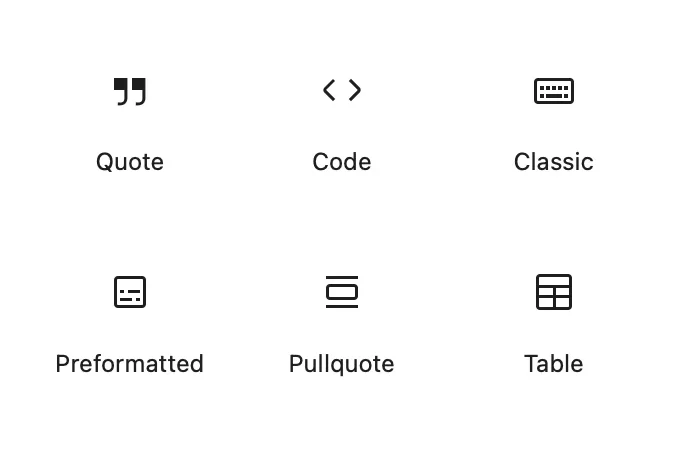
The digital landscape has undergone a profound transformation over the past decade, driven largely by the proliferation of intuitive web editors that empower individuals and organizations to craft sophisticated online content without deep technical expertise. At the heart of this revolution lies the concept of "blocks"—discrete, reusable components that represent everything from paragraphs and images to complex interactive elements like calendars and Kanban boards. Platforms such as WordPress (with its Gutenberg editor), Notion, Medium, Squarespace, and numerous note-taking applications have embraced this modular approach, making content creation a drag-and-drop or click-and-insert experience. While the ubiquity of block-based editing has undeniably streamlined web development and content management for millions, it has also inadvertently fostered a fragmented ecosystem where innovation is often siloed, and user choice is limited.
The prevailing model dictates that each application implements its own proprietary set of blocks. This means a "calendar block" in WordPress functions differently and is incompatible with a "calendar block" in Notion, or a custom content management system (CMS). Developers are compelled to re-engineer common functionalities from scratch for every new platform or integration, leading to significant resource duplication and a slower pace of innovation across the broader web. Users, in turn, are confined to the specific features and capabilities offered by their chosen platform, unable to easily transfer or leverage advanced blocks they might encounter elsewhere. This systemic lack of interoperability has created a significant bottleneck, preventing the open web from realizing its full potential in terms of dynamic, rich, and portable content.
Recognizing this fundamental challenge, a new initiative, the Block Protocol, has been unveiled. This ambitious project aims to establish an open, free, and non-proprietary standard that would enable blocks to be interchangeable and reusable across the entire web. The vision is simple yet transformative: any block, developed once according to the Block Protocol, could theoretically be embedded and function seamlessly within any compliant application—be it a blogging tool, a note-taking app, a content management system, or a bespoke web editor. This move seeks to democratize the development and deployment of web components, fostering an environment of shared innovation and greatly enhancing the user experience.
The Evolution of Web Content: From HTML to Blocks
The journey of web content creation has been one of continuous evolution, driven by the desire to make the internet more accessible and dynamic. In its nascent stages, the web was largely composed of static HTML documents, requiring intricate coding knowledge to publish even simple text and images. The late 1990s and early 2000s saw the rise of Content Management Systems (CMS) like Joomla, Drupal, and most notably, WordPress, which democratized publishing by introducing graphical user interfaces (GUIs) and WYSIWYG (What You See Is What You Get) editors. These tools allowed users to create and manage content with an experience akin to using a word processor, significantly lowering the barrier to entry for millions.
However, even with WYSIWYG editors, creating complex layouts or incorporating interactive elements remained challenging. Users often wrestled with shortcodes, custom HTML, or specialized plugins that could be cumbersome and prone to breaking. The mid-2010s marked a pivotal shift towards a more modular approach, with the concept of "blocks" gaining widespread adoption. WordPress’s introduction of the Gutenberg editor in 2018 served as a major catalyst, transforming content from a monolithic text area into a collection of distinct, editable units. This paradigm shift was quickly embraced by other platforms:
- WordPress Gutenberg: Introduced a block-based editor where every piece of content—a paragraph, an image, a video, a button—is a distinct block. This offered unparalleled flexibility in layout and design.
- Notion: Built its entire productivity and knowledge management platform around blocks, allowing users to seamlessly integrate diverse content types like text, tables, databases, code, and embedded media within a single workspace.
- Medium: Adopted an elegant, minimalist block-like interface for its publishing platform, focusing on a clean writing and reading experience.
- Other Platforms: Squarespace, Wix, Webflow, and countless note-taking applications (e.g., Obsidian, Roam Research) have implemented their own variations of block-based editing, underscoring its intuitive appeal and efficiency.
The widespread adoption of blocks is largely due to their inherent advantages: enhanced modularity, intuitive visual editing, consistent design application, and the ability to integrate sophisticated functionality without coding. This trend solidified the "block" as a de facto standard for content composition, even if the underlying implementations remained disparate. A curious meta-standardization even emerged: the widespread use of the "/" key as a universal shortcut to bring up a menu for inserting new blocks, indicating a collective recognition of the block paradigm’s utility.
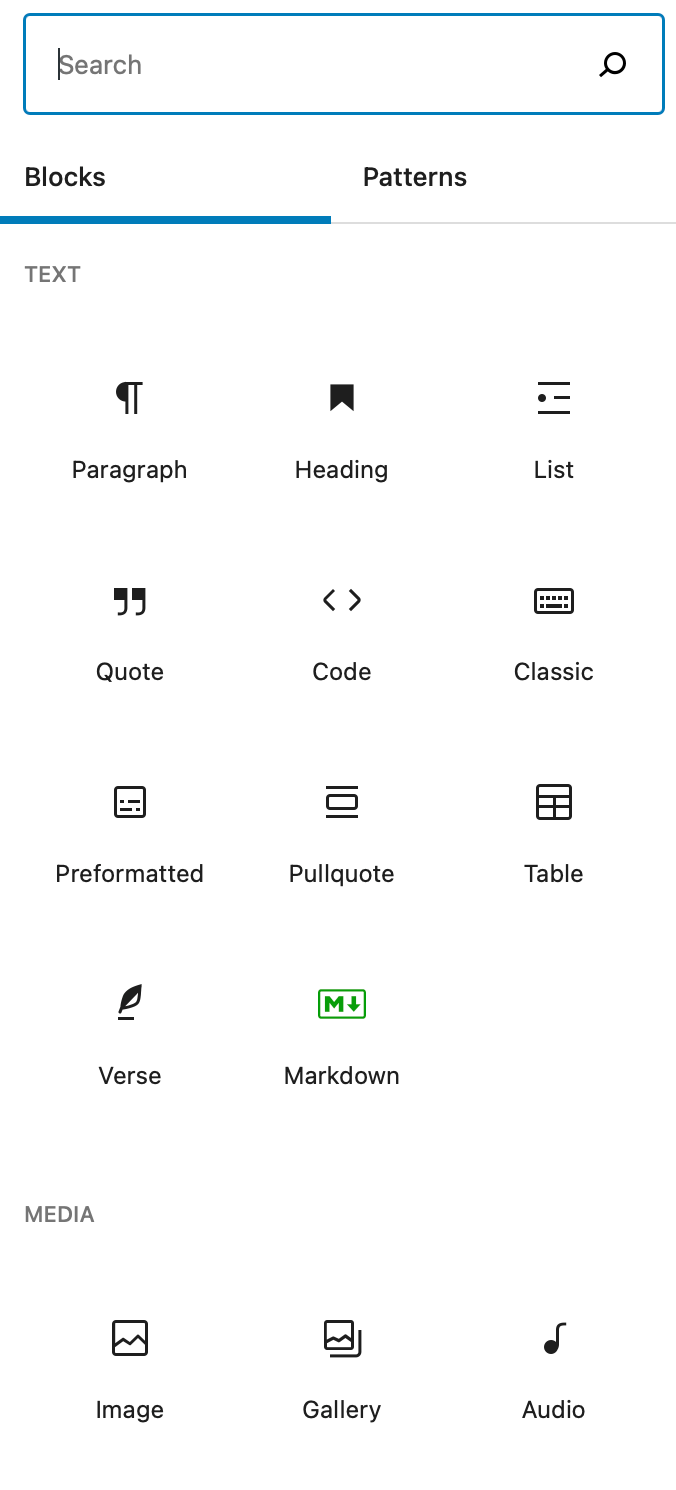
Despite these advancements, the proprietary nature of these block systems created a significant hurdle. Each platform’s blocks were designed to operate exclusively within its own ecosystem. A developer who created an innovative "interactive poll" block for a WordPress site would face the daunting task of completely rewriting or adapting it for a Notion workspace, a custom corporate intranet, or another CMS. This fragmentation led to an estimated tens of thousands of developer hours wasted annually on redundant block development, stifling cross-platform innovation and creating "walled gardens" of content functionality. Users, consequently, were often locked into platforms, unable to freely migrate their rich content or leverage the best blocks available across the entire web. As one industry expert might observe, "The current state is akin to having a unique power outlet for every appliance; it works, but it’s incredibly inefficient and limits what you can plug in."
Introducing the Block Protocol: A Universal Language for Web Components
The Block Protocol emerges as a direct, principled response to this systemic fragmentation. It proposes a foundational, open protocol that defines how blocks should be structured, how they interact with embedding applications, and how they manage their data. The core principle is that if both the block (the component itself) and the embedding application (the editor or platform hosting the block) adhere to this common protocol, they can seamlessly communicate and function together, irrespective of their origin or underlying technology stack.
The protocol is designed with several key attributes:
- Open and Free: The specifications are publicly available, and there are no licensing fees or proprietary restrictions, ensuring maximum accessibility and encouraging widespread adoption.
- Non-Proprietary: It is not owned or controlled by any single company or entity. This neutrality is crucial for fostering trust and preventing vendor lock-in, aligning with the principles of the open web.
- Universal Applicability: The ambition is for the Block Protocol to be a ubiquitous standard, applicable across the entire spectrum of web editors—from simple blogging tools and personal note-taking apps to complex enterprise-level CMS platforms and custom web applications.
At its technical core, the Block Protocol aims to establish a standardized interface. This interface would clearly define:
- Block Structure and Rendering: How a block’s visual representation (its frontend user interface) is rendered and how it integrates into the host application’s DOM (Document Object Model).
- Data Model and Persistence: How a block’s underlying data is structured, stored, and retrieved. This is a critical component for data portability.
- Interactions and Events: How a block communicates with its host application (e.g., signaling changes, requesting data, responding to user input, handling lifecycle events).
- Configuration and Properties: How a block exposes its configurable options to both the end-user and the embedding application, allowing for dynamic customization.
An inferred spokesperson for the Block Protocol initiative highlights the profound implications: "The Block Protocol isn’t merely about making visual elements reusable; it’s about making them inherently intelligent and portable. By providing a standard for blocks to describe their data through schemas, we’re not just moving pixels; we’re moving meaningful, structured information across platforms. This has profound implications for data analysis, search engine optimization, and the overall realization of the semantic web."
Technical Foundations: The Power of Structured Data and Schemas
One of the most significant and forward-looking aspects of the Block Protocol lies in its emphasis on structured data and schemas. In the current web landscape, much of the content, even within sophisticated block editors, is largely unstructured from a machine’s perspective. While a "title block" might display text prominently, a machine doesn’t inherently understand that this text represents a title, its hierarchical importance, or its relationship to other content elements without complex inferential algorithms.
The Block Protocol fundamentally addresses this by enabling blocks to specify a schema—a formal, machine-readable description of the data type they contain. For instance, an "event block" designed to display a calendar event wouldn’t just hold arbitrary text for the event title, date, and location. Instead, it would adhere to a predefined schema that explicitly labels these pieces of information as eventName (string), eventDate (ISO 8601 date-time format), eventLocation (structured address object), and so on. This makes the data within the block inherently machine-readable and unambiguous.

This capability unlocks a new era of possibilities for web content:
- Automated Data Processing and Integration: Imagine a calendar application instantly parsing web pages containing Block Protocol-compliant event blocks and allowing users to add them to their personal schedules with a single click. E-commerce platforms could automatically ingest product information from product blocks, and recipe aggregators could directly parse and display recipe blocks, complete with ingredients, instructions, and nutritional data.
- Enhanced Search and Discovery: Search engines could move beyond keyword matching to a deeper understanding of content semantics. By recognizing structured data within blocks, search results could become significantly more accurate, contextually relevant, and potentially allow for more sophisticated queries.
- True Data Portability: Users could export content from one Block Protocol-compliant platform and import it into another, with the structured data retaining its full integrity, meaning, and functionality. This is a radical departure from the current norm where exporting content often results in a loss of functionality, formatting, or contextual meaning.
- Seamless Interoperability with APIs: Blocks could serve as intelligent front-ends for complex backend APIs, allowing structured data to flow effortlessly between web pages and external systems. This could empower dynamic, real-time content updates and interactions directly within web pages.
The vision extends to a future where publishing complex datasets on a webpage no longer necessitates an accompanying ".XLS download" link. Instead, the data is directly embedded within a Block Protocol-compliant "data table block," complete with its schema, making it instantly consumable, filterable, and sortable by other applications and services. This not only simplifies the user experience but vastly improves the utility, accessibility, and discoverability of web-published data.
Broader Impact and Implications: Reshaping the Digital Landscape
The widespread adoption of the Block Protocol has the potential to instigate a significant paradigm shift across the web development and content creation industries, delivering benefits to a wide array of stakeholders.
For Application Developers and CMS Providers:
The most immediate and tangible benefit for developers of blogging tools, CMS, and note-taking apps is a dramatic reduction in development overhead. Instead of investing significant resources in building and maintaining a vast library of common blocks (paragraphs, images, videos, lists, tables, etc.), they can implement the Block Protocol once. This immediately grants their applications access to a burgeoning, open-source ecosystem of third-party blocks developed by the community. This strategic shift frees up developer resources to focus on core platform features, unique integrations, and specialized functionalities that truly differentiate their product in a competitive market. Furthermore, it could open up new avenues for monetization, as developers could create and sell premium, highly specialized Block Protocol-compliant blocks.
For Block Developers and Designers:
The Block Protocol offers a universal canvas for innovation. A developer can now create a single, sophisticated block—be it a dynamic chart builder, an interactive survey tool, a complex scientific visualization component, or a unique e-commerce widget—and have it function seamlessly across any compliant platform. This eliminates the need to port code to multiple proprietary APIs, greatly expanding the potential reach and impact of their creations. It fosters a vibrant, competitive marketplace of ideas and components, where innovation can flourish independently of specific platforms, encouraging specialization and excellence.
For Content Creators and End-Users:
For the millions of individuals and businesses who rely on web editors daily, the Block Protocol promises unprecedented freedom and flexibility. Users will no longer be locked into the block ecosystem of a single platform. They could, for instance, build a website on WordPress using a specific interactive map block, then seamlessly transfer that block and its underlying data to a Notion document, a custom internal knowledge base, or even a different blogging platform, all while retaining full functionality. This empowers users with greater control over their content, significantly reduces the friction of migrating between platforms, and provides access to a richer, more diverse, and evolving set of tools to express their ideas. Crucially, it future-proofs their content, ensuring that their valuable digital assets remain accessible, functional, and usable even if their preferred platform changes, evolves, or ceases to exist.
For the Open Web and Data Portability:
The Block Protocol aligns strongly with the fundamental principles of the open web, promoting decentralization, interoperability, and user ownership of data. By establishing a neutral, open standard, it actively counters the pervasive trend towards "walled gardens" and proprietary ecosystems that often restrict data flow and user choice. This initiative can be seen as a crucial step towards realizing the long-held vision of the semantic web, where information is not just displayed but understood by machines, leading to a more intelligent, interconnected, and accessible internet. It makes content inherently more discoverable, shareable, and adaptable, fostering a more robust and resilient digital commons. This collective benefit transcends individual platforms, aiming to strengthen the very fabric of online information exchange.

The Road Ahead: A Collaborative Journey Towards Adoption
The developers behind the Block Protocol are making a deliberate and strategic choice to release it in its very early stages, currently designated as version 0.1. This "public-first" approach is a recognition that the success of any open standard hinges on broad community involvement, iterative feedback, and widespread adoption. The goal is to build a vibrant, open-source community around the protocol, inviting developers, designers, platform providers, and content creators to contribute to its evolution and refinement.
"We are at a foundational stage, and the protocol, while incredibly promising, is currently simple and will require significant iteration and collective input," an inferred core developer emphasizes. "We need diverse perspectives—from individual developers experimenting with novel block types to large organizations considering enterprise-level adoption—to shape this into a truly useful, robust, and widely accepted web standard. The only way for this vision to succeed is through a truly collaborative, open-source effort."
The initial public release includes a very early draft of the protocol specifications, along with simple proof-of-concept blocks and a basic editor capable of hosting them. This tangible starting point allows potential contributors to immediately engage with the core concepts and begin experimenting. The project’s commitment to open-sourcing all sample code further lowers the barrier to entry, encouraging widespread experimentation, contribution, and ultimately, adoption.
The challenges for widespread adoption are significant. It will require substantial buy-in from major players in the CMS and web editor space, many of whom have invested heavily in their proprietary block systems. Overcoming inertia, addressing potential security concerns, ensuring robust performance across diverse implementations, and navigating existing proprietary interests will be key hurdles. However, the clear and compelling benefits—reduced development costs, increased innovation, enhanced user experience, and a more open internet—present a powerful case for embracing this open standard.
Future Outlook and Vision for the Web
Looking ahead, the Block Protocol envisions a future where the web is not just a collection of linked documents, but a dynamic tapestry of interoperable, intelligent content components. This means:
- Richer, More Dynamic Content: From highly interactive data visualizations and immersive storytelling experiences to personalized learning modules and real-time collaborative tools, web content could become far more engaging and functionally powerful.
- Seamless Cross-Platform Experiences: Users could effortlessly move between different applications with their content and data intact, choosing the best tool for each specific task without compromise or data loss.
- A Decentralized Application Ecosystem: The protocol could foster a new generation of web applications built from interoperable blocks, potentially leading to more customizable, user-controlled, and resilient digital environments.
- Empowered Data Ownership: By making data inherently structured and portable within blocks, users gain greater agency over their digital information, mitigating concerns about vendor lock-in and the formation of data silos.
The Block Protocol represents more than just a technical specification; it is a philosophical statement about the future trajectory of the open web. It champions collaboration over competition in foundational infrastructure, aiming to elevate the entire ecosystem and ensure that the internet remains a platform for universal access and innovation. As the internet continues its rapid evolution, initiatives like the Block Protocol will be crucial in ensuring that innovation remains accessible, content remains portable, and the web truly remains an open platform for everyone. The call to action is clear: