The Activation Energy Crisis: Analyzing the Health and Safety Risks of Frugal Inertia Among the Wealthy Elderly

The intersection of personal finance and geriatric health has revealed a growing paradox: the demographic with the highest net worth often resides in conditions of significant physical discomfort and escalating environmental risk. While the "Silver Tsunami"—the aging Baby Boomer generation—controls a vast majority of household wealth in developed nations, a phenomenon known as "frugal inertia" or a lack of "activation energy" is leading to preventable tragedies. From malfunctioning climate control systems to neglected home maintenance, the gap between financial capacity and living standards is becoming a focal point for public health experts and financial advisors alike.
The Paradox of Frugal Inertia and the Honolulu Case Study
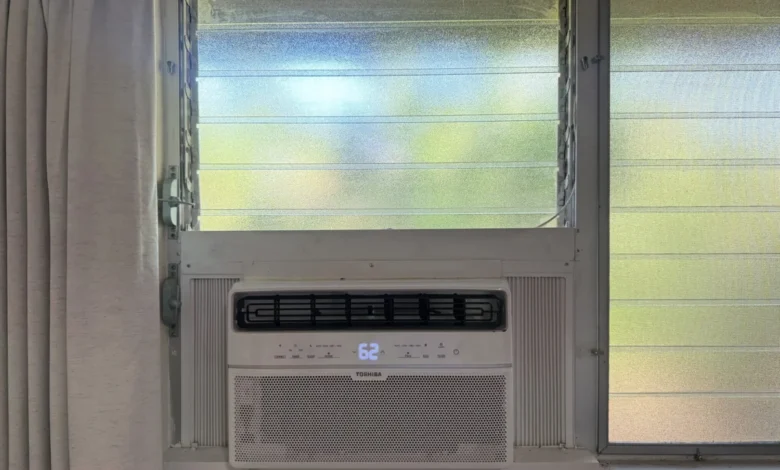
Recent observations in high-cost-of-living areas like Honolulu, Hawaii, illustrate the disconnect between liquid assets and quality of life. In one notable case study, a retired couple with no debt and stable government pensions continued to live in a residence equipped with a 42-year-old, non-functional air conditioning unit despite summer temperatures regularly exceeding 90 degrees Fahrenheit with high humidity.
The resolution of this discomfort required a total investment of approximately $500—$260 for a modern unit and $250 for professional labor. Despite the modest cost relative to the residents’ net worth, the repair remained unaddressed for years. This pattern extended to the family vehicle, a 28-year-old Toyota Avalon. The vehicle’s air conditioning system had been blowing ambient-temperature air for three years, creating a "hot box" effect where cabin temperatures could exceed 100 degrees. The eventual fix—a simple refrigerant recharge—cost only $80 and took less than 24 hours to arrange.
These instances suggest that the barrier to safety and comfort is rarely financial. Instead, it is a psychological and logistical hurdle termed "activation energy"—the mental effort required to research, schedule, and oversee home or automotive repairs.

Chronology of Neglect: How Small Issues Become Catastrophic
The progression from a minor inconvenience to a life-threatening hazard often follows a predictable timeline in elderly households.
- Adaptation Phase: As sensory perception dulls with age, residents "normalize" discomfort. A leaking pipe is managed with a rag; a blurry television is accepted as standard; a warm room is handled with a fan rather than a repair.
- The Logistic Barrier: The prospect of finding a trustworthy contractor, negotiating prices, and managing the intrusion of a stranger into the home becomes a "boulder to push uphill." For an individual over 80, these steps represent a significant cognitive and physical load.
- The Critical Failure Point: A heatwave, a severe leak leading to structural rot, or a mechanical failure in a vehicle occurs. Because the residents have adapted to a baseline of "functioning failure," they are often ill-equipped to handle an acute crisis.
Supporting Data: The Lethal Impact of Heat on the Elderly
The consequences of this inertia are documented in global mortality statistics. According to the World Health Organization (WHO), heat stress is now the leading cause of climate-related death in the European Region.
- Annual Mortality: More than 175,000 lives are claimed by heat annually across the WHO European Region.
- Demographic Vulnerability: Approximately 85% to 90% of these heat-related deaths occur in individuals over the age of 65.
- Physiological Factors: Aging reduces the body’s ability to thermoregulate. The efficiency of sweating and cardiovascular response to heat decreases significantly after age 60, making the elderly more susceptible to heatstroke even in environments that younger individuals might find merely "uncomfortable."
The irony remains that this demographic is statistically the wealthiest. In the United States, households headed by those aged 65 and older have a median net worth significantly higher than those under 35, yet they represent the highest risk group for deaths resulting from a lack of $500 climate control solutions.
Analysis of Mind-Body Incongruency
Geriatric specialists point to a "mind-body incongruency" as a primary driver of this neglect. As individuals age, their internal perception of their own resilience often remains tethered to their younger selves. An 80-year-old may believe they can withstand a 90-degree afternoon because they did so in their 30s, failing to account for the diminished capacity of their heart and lungs to process that stress.
Furthermore, "lifestyle inflation" often works in reverse for the elderly. While younger generations struggle with the urge to upgrade, the elderly may experience "frugal conditioning"—a mindset often rooted in the economic scarcity of their youth—that views any spending on "comfort" as wasteful, even when that comfort is synonymous with safety.
Broader Implications: The Gene Hackman Case and Extreme Neglect
The dangers of frugal inertia are not limited to middle-class retirees. The 2025 discovery of the deaths of legendary actor Gene Hackman and his wife, Betsy Arakawa, serves as a grim benchmark for the "activation energy" problem. Despite a reported net worth of $80 million, the couple was found in their Santa Fe home over a week after their passing.
Investigators reported the presence of rodent nests and evidence of hantavirus—a disease spread by rodent droppings. In this instance, wealth was no shield against the logistical exhaustion required to maintain a large estate. The "energy" to hire pest control, cleaners, or caretakers had apparently dissipated, leading to a situation where a multi-millionaire lived in conditions that were fundamentally unsafe. This underscores the reality that money is a useless tool if the "activation energy" to employ it is missing.
Recommendations for Adult Children and Caretakers
Financial and health advocates are increasingly urging the adult children of aging parents to move beyond the role of "advisor" and into the role of "logistics coordinator." The following strategies are recommended to bridge the activation energy gap:
1. Extended Observational Visits
Short visits often only reveal the "highlight reel" of a parent’s life. Experts suggest stays of at least one to two weeks to identify "blind spots," such as expired food, leaking fixtures, or inadequate cooling systems that parents may have simply stopped noticing.
2. The "Direct Action" Protocol
Parents often refuse offers of help to maintain a sense of independence. Family advocates suggest "fixing without a committee meeting." Instead of asking for permission to repair a leaking ceiling or a broken AC, children should simply schedule the professional and oversee the work, absorbing the "logistical friction" that the parents find overwhelming.

3. Gradual Introduction of Convenience
Introducing technology-enabled services—such as grocery delivery apps, ride-sharing accounts, or smart thermostats—can reduce the physical toll of daily chores. However, these must be set up and demonstrated by the child to ensure the "entry barrier" is removed.
4. Establishing Consistent Check-in Rhythms
A weekly phone call is no longer considered sufficient for elderly parents living in aging infrastructure. A daily text or a quick "check-in" call serves as a low-cost insurance policy against undiscovered accidents or health crises.
Conclusion: The Utility of Wealth in the Final Quarter
The ultimate goal of accumulating wealth is to provide security and ease in the later stages of life. When frugality transitions into neglect, the utility of that wealth drops to zero. As climate volatility increases and heatwaves become more frequent and intense, the ability to overcome "activation energy" and spend the "boring" costs of maintenance becomes a matter of life and death.
Protecting a family in the modern era requires more than just a healthy bank account; it requires the recognition that the most significant risks—heatstroke, household accidents, and environmental illness—are often removed by the smallest, most mundane investments. For the wealthy elderly and their families, the challenge is not finding the money, but finding the will to act before the "normal" discomfort of an aging home becomes a catastrophic failure.