The year 2014 marked a period of ambitious expansion for Mixpanel, a data analytics platform. Their Series B pitch deck outlined a bold vision for growth over the subsequent two years, fueled by a substantial $65 million funding round. The plan was aggressive, particularly on the sales front. Mixpanel began the year with a modest team of five sales representatives, aiming to scale that to 33 by the end of 2014. The trajectory projected an astonishing 100-person sales force by 2016. However, the reality that unfolded was starkly different. In early 2016, Mixpanel announced layoffs impacting 18 employees, predominantly from its sales department. This was not an isolated incident; shortly thereafter, Optimizely, another high-growth Software-as-a-Service (SaaS) startup, also underwent significant workforce reductions.
These layoffs, while seemingly driven by immediate cost-cutting and budget tightening, signaled a deeper, systemic shift within the SaaS industry. Optimizely CEO Dan Siroker, in a public statement on Quora, articulated the underlying strategic re-evaluation. He explained that the company had embarked on a path in August 2015 to achieve sustained growth and profitability without further venture capital. By March 2016, it became evident that the company had "over-invested in some parts of the business," leading to the difficult decision to let go of 10% of its employees. This introspection highlighted a growing pressure on SaaS companies to demonstrate not just rapid growth, but also a clear path to profitability.
Historically, the SaaS landscape had been characterized by a seemingly straightforward formula for rapid expansion, a model successfully employed by pioneers like HubSpot and New Relic. This established playbook often involved aggressive sales team expansion, significant marketing spend, and a reliance on venture capital to fuel rapid customer acquisition. However, for emerging players like Mixpanel and Optimizely in the mid-2010s, this tried-and-true approach appeared to be faltering. The era of "easy money" and relatively unfettered growth in the SaaS sector seemed to be drawing to a close, forcing a re-evaluation of business strategies.
Has the SaaS Market Reached Peak Saturation?
The notion of "peak SaaS" began to gain traction amidst these industry shifts. Venture capital investment in SaaS had seen a dramatic surge, climbing from approximately $1.5 billion in 2010 to an impressive $7 billion by 2016. The proliferation of cloud infrastructure, particularly Amazon Web Services (AWS), had significantly lowered the barrier to entry for software development. Startups could now build and deploy applications much faster and more cost-effectively, eliminating the need for substantial upfront investment in physical servers. This technological democratization, coupled with an expanding array of readily available development tools and the rise of self-service SaaS models, enabled companies to achieve rapid distribution and scale at an unprecedented pace.
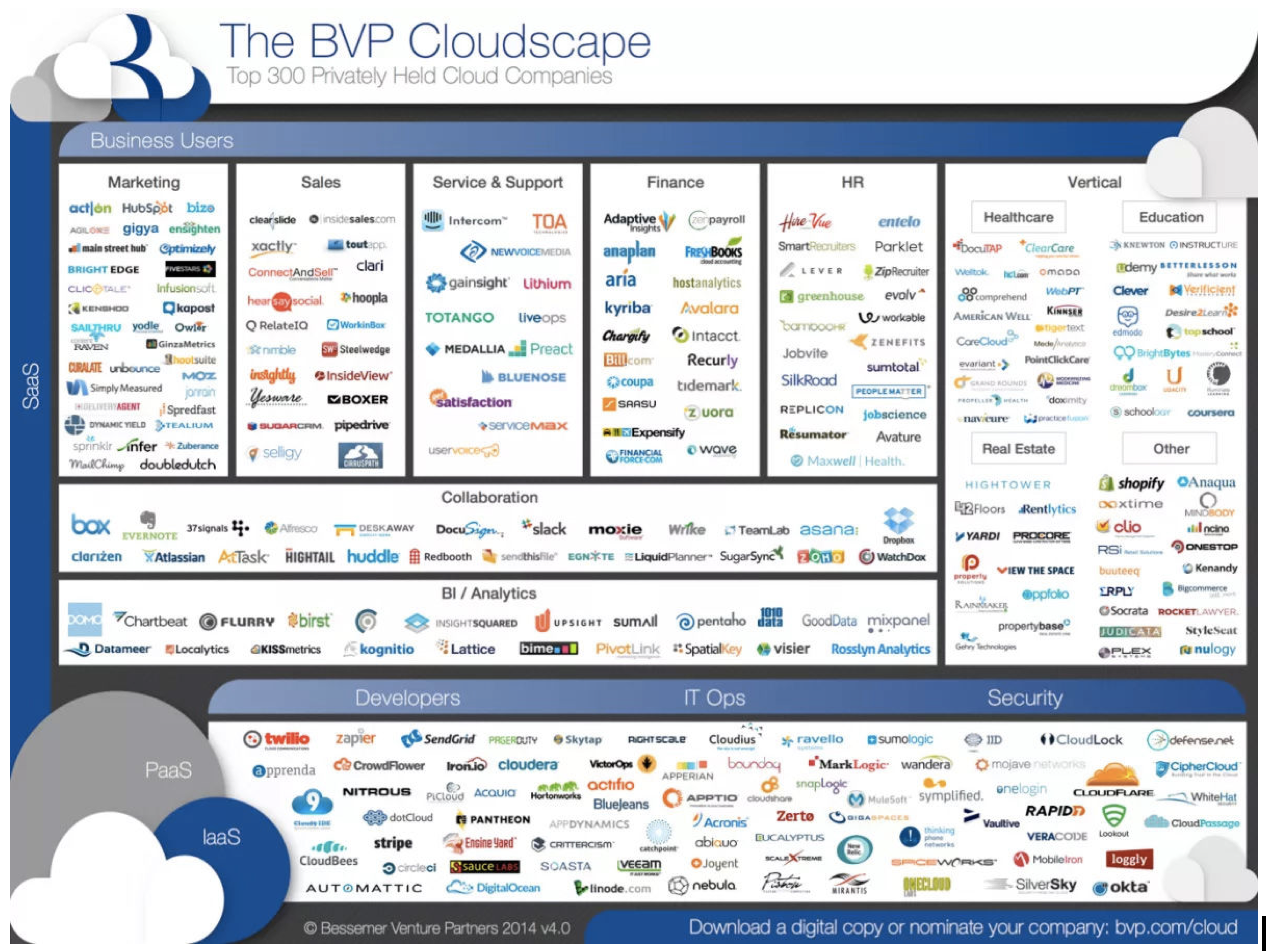
However, this surge in innovation and accessibility had also created an intensely competitive marketplace. Attention had become a scarce and highly valuable commodity. To capture and retain customers in this crowded environment, SaaS products needed to be exceptionally polished, offering clear and demonstrable value from the outset. The challenge was no longer just about building a functional product; it was about differentiating oneself in a sea of similar offerings and convincing potential clients to allocate their limited budgets and attention. This hyper-competitive landscape led many to conclude that the market was becoming more efficient, potentially leaving less room for outsized profits.
In this context, industry observers began to question the sustainability of the previous growth models. A prominent tweet from Hiten Shah in November 2016 captured this sentiment, stating, "We’ve haven’t hit peak SaaS. We’re at the start of SaaS commoditization. Bar is getting higher for hitting product/market fit in #SaaS." This perspective suggested that rather than a peak, the industry was entering a phase of commoditization, where differentiation and value proposition would become even more critical.
Despite the challenges, the overarching consensus was that SaaS was not in decline but undergoing a significant transformation. Companies that wished to thrive in this evolving ecosystem would need to adapt their strategies and embrace new approaches.
The Dawn of the Next SaaS Evolution
The success of consumer-facing platforms like Facebook, Snapchat, and Instagram, which often monetize user attention through free access, offered a glimpse into the future of SaaS. These models demonstrated that value could be delivered upfront, fostering user engagement and loyalty before direct monetization. SaaS products were beginning to converge around similar principles, shifting from a purely transactional sales model to one that prioritized ongoing value and user experience.
While the fundamental principles of SaaS – recurring revenue, cloud-based delivery, and scalability – remained relevant, the path to success was becoming more nuanced. To win customers’ attention in a crowded market, products needed to be not only good but demonstrably better, faster, and cheaper than alternatives. Crucially, retaining that attention required a proactive approach to building brand loyalty by consistently delivering tangible value to customers. This meant moving beyond simply providing a service to becoming an indispensable partner in a client’s operations.

The industry was moving towards a more diversified landscape of SaaS business models, offering entrepreneurs a range of options beyond the traditional subscription-based approach.
1. Expanding SaaS Beyond the Tech Bubble: Targeting Underserved Niches
A significant trend emerging was the move to build SaaS solutions for markets that had historically been overlooked by the software industry. For many years, a common strategy for SaaS companies involved targeting other technology firms, leveraging the shared understanding of digital tools and the inherent need for efficiency. However, this approach had become increasingly saturated, with a multitude of SaaS providers already vying for the attention of fellow tech companies.
The innovation lay in identifying and serving niche markets that lacked readily available, tailored software solutions. Much like the early successes of HubSpot and New Relic in establishing themselves as early market leaders, new SaaS ventures could gain a significant advantage by being the first to address the unique needs of specific industries.
Consider the example of ATI, a physical therapy company operating a network of 600 clinics across the United States. ATI integrated SaaS into its business model to streamline its operations and enhance the patient experience. Their marketing website highlighted key features such as online appointment booking, therapist directories, and health insurance navigation. By providing a software solution that made the business of physical therapy more efficient and accessible for small business owners, ATI tapped into an underserved market. While this strategy proved successful in carving out a unique space, the long-term challenge would be to adapt and evolve as competition inevitably increased within this niche. This demonstrated that the SaaS model could be applied effectively to a wide array of industries, provided there was a clear need and a well-executed solution.
2. Strategic Infiltration: Leveraging Free Tools to Capture Market Share
In a highly saturated market characterized by a proliferation of similar products, traditional aggressive marketing tactics, extensive sales teams, and substantial venture capital funding were becoming less effective. Established players in the SaaS space had already cemented their positions with comprehensive product suites and deeply entrenched market presence. For new entrants, directly competing with these giants on a large scale was often a prohibitively expensive and time-consuming endeavor.
The strategic imperative shifted to finding an unconventional entry point into the market, a "lever" to disrupt the status quo and capture customer attention. Offering free tools emerged as a powerful marketing strategy for achieving this. While paid acquisition and content marketing focused on educating potential customers, free tools provided immediate, tangible value by directly assisting users with their tasks.

Clearbit, a company specializing in lead generation and data enrichment through APIs, exemplified this approach. They offered a suite of free tools designed to showcase the capabilities of their paid API services. These included a "Clearbit Prospector" for finding sales leads, a "Clearbit Reveal" to identify anonymous website visitors, and a "Clearbit Logo" API for company branding. As Matt Sornson, Clearbit’s Head of Growth, explained, "There’s no better marketing than building an incredibly useful and valuable tool that people use every day, and then giving it away for free. That generates an insane amount of brand awareness, which makes your company the most visible provider of the underlying data."
By embedding distribution within its product offerings, Clearbit was able to generate over 100,000 inbound leads. These were not merely marketing-qualified leads who signed up for a newsletter; they were product-qualified leads who had actively demonstrated a need for the free tool, significantly increasing their likelihood of recognizing the value of Clearbit’s paid offerings. This strategy allowed Clearbit to bypass traditional marketing channels and build a strong user base by providing immediate utility.
3. Rethinking Monetization: Value-Centric Business Models
The ubiquitous 30-day free trial, a cornerstone of the traditional SaaS model, was increasingly being scrutinized. This approach often pressured prospective customers to commit to payment before they had fully realized the product’s value, a model that was becoming less palatable to users. In an era where consumers and businesses alike were more discerning about where they allocated their resources, paying simply to use software was losing its appeal.
Consumer products often monetize by identifying specific moments within the user experience where value is being delivered. Business-to-business SaaS companies were beginning to adopt a similar, more targeted, and value-focused approach to monetization.
Dotloop, a SaaS platform for the real estate industry, illustrated this evolution. Dotloop organizes real estate transactions into "loops," collaborative online workspaces where agents, clients, and service providers can share and sign documents, manage tasks, and communicate. Users can invite new participants to a loop similarly to adding friends on social media platforms.
While Dotloop offered a subscription plan for premium services, free users retained access to the core functionalities. This strategy fostered network growth, as more users joined the platform, leading to increased transaction volume. A higher volume of transactions, in turn, incentivized users to spend more time on Dotloop. With a critical mass of users, Dotloop could then explore monetization strategies beyond direct subscriptions, such as taking a percentage of transactions or offering advertising space to real estate service providers. This model began to resemble social networks more than traditional SaaS companies, demonstrating a paradigm shift in how value could be captured and revenue generated.

The Ubiquity of SaaS: A Fundamental Shift
The challenges faced by companies like Mixpanel and Optimizely did not signify the end of SaaS, but rather a profound inflection point. The landscape had fundamentally changed, demanding a more sophisticated and adaptable approach from all players. The ease with which SaaS companies could scale in the past had given way to an environment where excellence across all facets of the business was paramount.
In this new era, innovation was required not just in product development but across the entire business execution spectrum. This included:
- Product Development: Moving beyond incremental improvements to creating genuinely differentiated and indispensable solutions.
- Distribution: Rethinking how products reach customers, potentially through freemium models, strategic partnerships, or embedded distribution channels.
- Sales and Marketing: Shifting from purely acquisition-focused strategies to building genuine customer relationships and demonstrating long-term value.
- Customer Success: Investing in proactive support and ongoing engagement to ensure customer retention and advocacy.
- Business Models: Exploring diverse monetization strategies that align with the value delivered to the customer at different stages of their engagement.
- Talent Acquisition and Retention: Building agile teams capable of adapting to rapid market changes and fostering a culture of continuous learning.
The increased competition in the SaaS market did not signal its saturation but rather its maturation. The next decade promised to witness the emergence of a far more diverse array of SaaS offerings. This would include sophisticated market network companies, platforms built entirely on APIs, and solutions that might not even be immediately recognizable as traditional SaaS. The companies that achieve significant success in the coming years would likely not mirror the giants of the past like Salesforce or HubSpot. Instead, they would be characterized by their innovative approaches to value creation, customer engagement, and business model design, potentially redefining what it means to be a SaaS company in the process. The future of SaaS was not about hitting a peak, but about embarking on a continuous journey of evolution and adaptation.