Tech Innovator Jeff Atwood Commits $50 Million to Pioneering Rural Guaranteed Minimum Income Initiative

Jeff Atwood, the renowned co-founder of Stack Overflow and influential voice behind the Coding Horror blog, has announced a substantial $50 million commitment to establish and expand the Rural Guaranteed Minimum Income Initiative (RGMII). This significant philanthropic endeavor, representing half of his remaining personal wealth, marks a pivotal expansion of his family’s "Share the American Dream" pledge, aiming to address systemic poverty across rural America through direct cash transfers.
The Genesis of a Philanthropic Vision
Atwood’s journey into large-scale philanthropy began with a profound period of reflection following the 2021 acquisition of Stack Overflow, a company he co-founded, for a reported $1.8 billion by Prosus. This financial milestone prompted a deeply personal inquiry for Atwood and his wife, Betsy: "When, exactly, is enough?" This question became the cornerstone of their subsequent philanthropic philosophy, driving a desire to leverage their newfound resources for broader societal benefit.
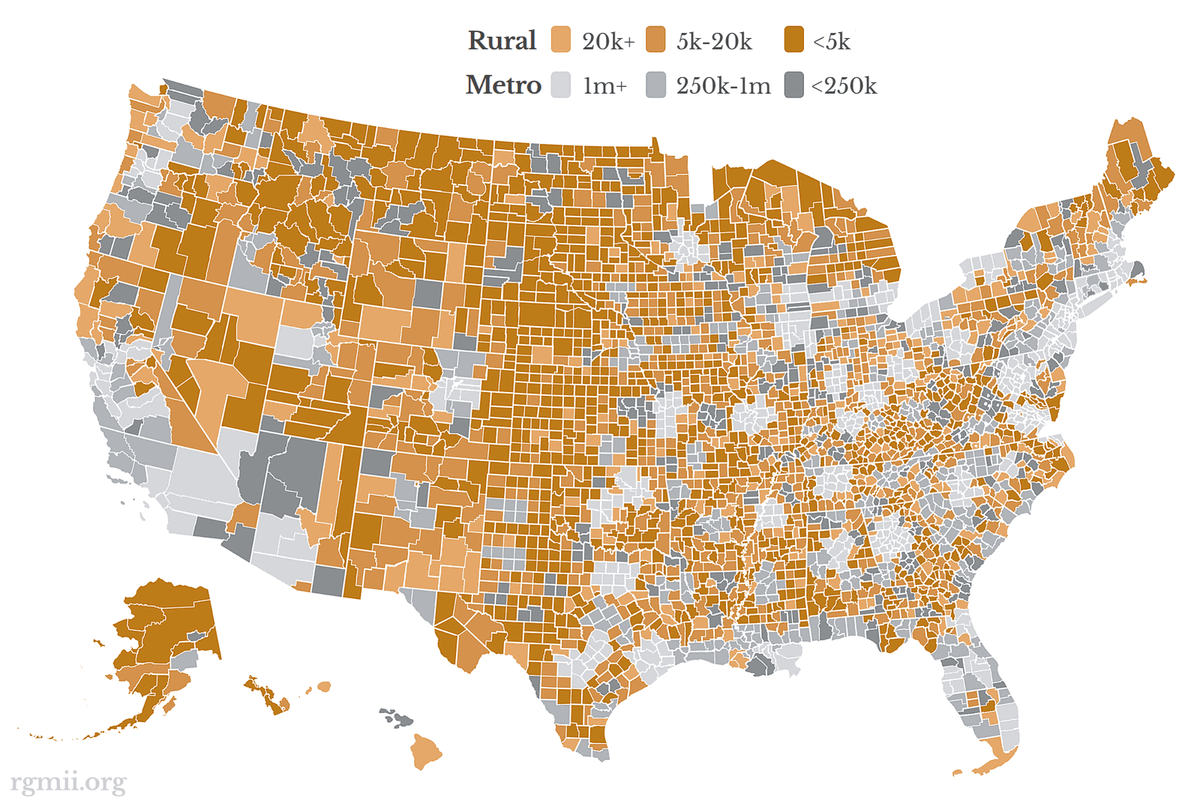
Their guiding principle emerged from a powerful quote by Mary Gates, mother of Bill Gates: "From those to whom much is given, much is expected." This ten-word maxim, delivered in a specific and impactful context, resonated deeply with the Atwoods, shaping their conviction that their significant fortune carried a commensurate responsibility. As Betsy Atwood eloquently articulated on a recent podcast, "We have everything we need! That’s how I’ve always phrased it to [our children]… how do we make sure everybody has what they need? Because that’s the basic thing – Do you have a comfortable place to live? Do you have enough to eat? Do you have healthcare? If you have the basics, you’re in a good place in life, and everybody should have that opportunity." This ethos underscores the core motivation behind their ambitious initiative.
The "Share the American Dream" Pledge: A Two-Pronged Approach
A year prior to this major announcement, Atwood publicly invited Americans to join him in a "pledge to Share the American Dream." This pledge outlined a dual strategy for civic engagement and philanthropy:
- Immediate Support: To back organizations effectively assisting those most in need across America "right now."
- Long-Term Commitment: Within five years, to contribute public dedications of time or funds towards sustained efforts to keep the American Dream fair and attainable for all children.
Demonstrating the first facet of their pledge, the Atwood family initially committed $1 million to eight non-profit charities in January 2025. Recognizing the escalating urgency of immediate societal needs, they swiftly augmented this with an additional $13 million in donations within a few months, bringing their total short-term philanthropic contributions to a remarkable $21 million. These substantial funds were directed towards acute challenges, providing crucial, immediate support where it was most needed across the country.

Transitioning to Systemic Change: The $50 Million Commitment
While acknowledging the critical importance of immediate relief, Atwood emphasized the necessity of addressing the root causes of poverty and inequality. "You can’t take a completely short term view and fight each individual fire reactively, as it comes. You’ll never stop firefighting," he stated. This perspective propelled the family towards the second, longer-term part of their pledge, culminating in the $50 million commitment. This sum, representing half of their remaining wealth, is dedicated to tackling the underlying, systemic issues that impede the American Dream for millions.
Initially, Atwood had proposed exploring new organizational models, drawing inspiration from the research-oriented RAND Corporation and impact-driven platforms like Lever for Change. The objective was to empower experts to identify a realistic and achievable path towards preserving the American Dream for everyone. By March 2025, after extensive deliberation and research, a clear consensus emerged regarding the most promising long-term solution: Guaranteed Minimum Income (GMI).
Understanding Guaranteed Minimum Income (GMI)
The Rural Guaranteed Minimum Income Initiative is founded on the principles of GMI, an evolved concept distinct from Universal Basic Income (UBI). While UBI typically involves an indiscriminate distribution of funds to all citizens, GMI adopts a more targeted approach. It directs financial support specifically to those who need it most, with a particular focus on families experiencing generational poverty. This precision aims to maximize impact by addressing the most critical economic vulnerabilities and ensuring that resources are deployed where they can make the most significant difference.
The decision to focus on GMI was informed by extensive research and the growing body of evidence supporting the effectiveness of direct cash transfers in alleviating poverty and fostering economic stability. Proponents argue that GMI empowers individuals with autonomy over their financial decisions, allowing them to address their most pressing needs, whether it be food, housing, healthcare, or transportation.
The Rural GMI Initiative (RGMII): A Strategic Focus
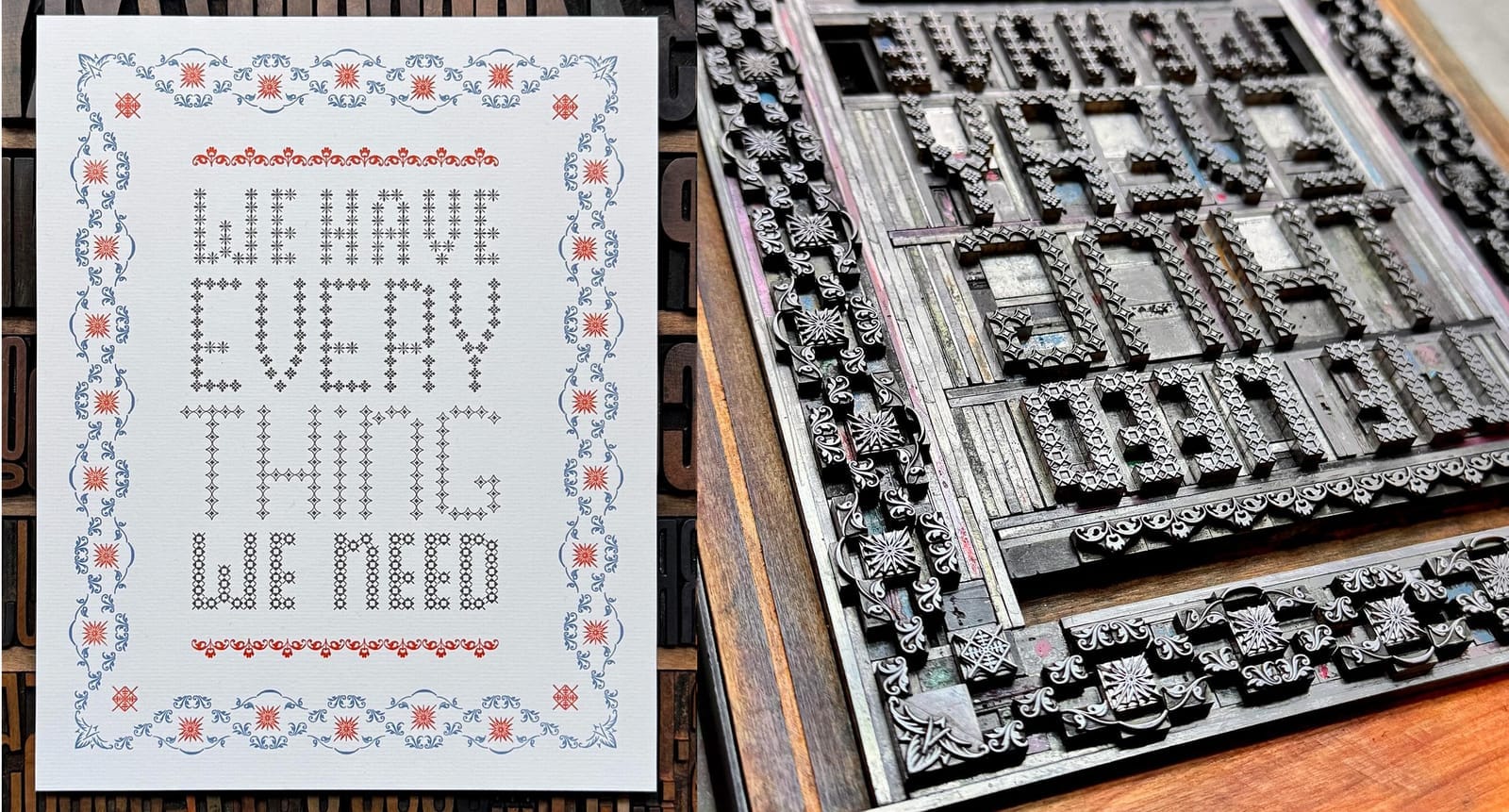
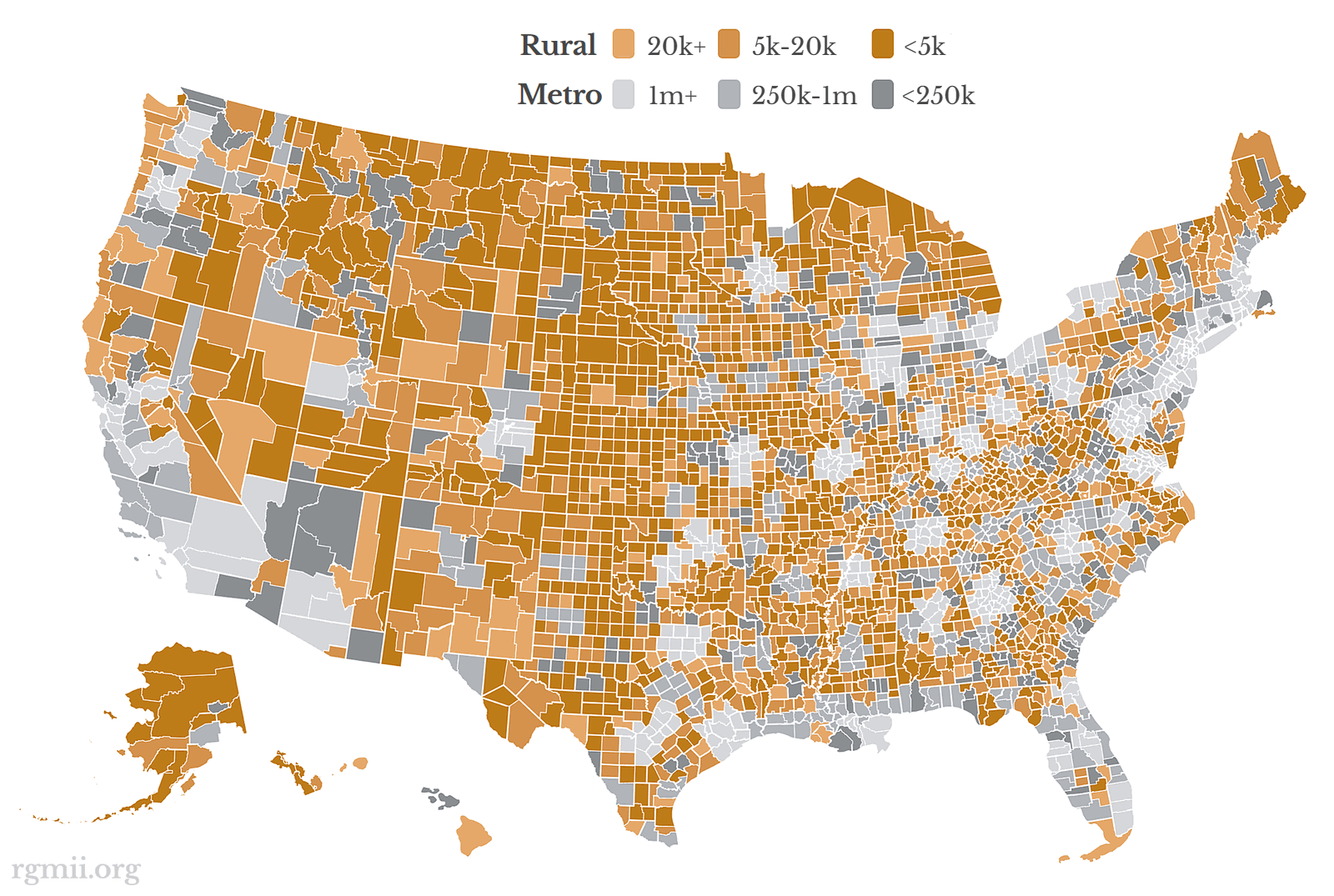
The RGMII’s specific targeting of rural counties across the United States is a deliberate strategic choice, driven by several key factors:

- Cost-Effectiveness: Dollars often stretch further in rural areas due to generally lower costs of living compared to urban centers, allowing the initiative to impact more lives with the same investment.
- Prevalence of Poverty: Rural regions frequently exhibit higher rates of poverty and fewer economic opportunities, often compounded by limited access to social services, healthcare, and educational resources. This makes them critical areas for intervention.
- Manageable Populations for Studies: The smaller populations in many rural counties allow for tighter, more controlled studies, yielding clearer and more robust data on program effectiveness, which is vital for evidence-based policy advocacy.
- Personal Connection: Atwood’s own upbringing in rural America deeply informs his belief in the immense, often untapped, talent and potential within these communities, which he feels are often overlooked by national philanthropic and policy efforts.
Pilot Programs Underway and Human Impact
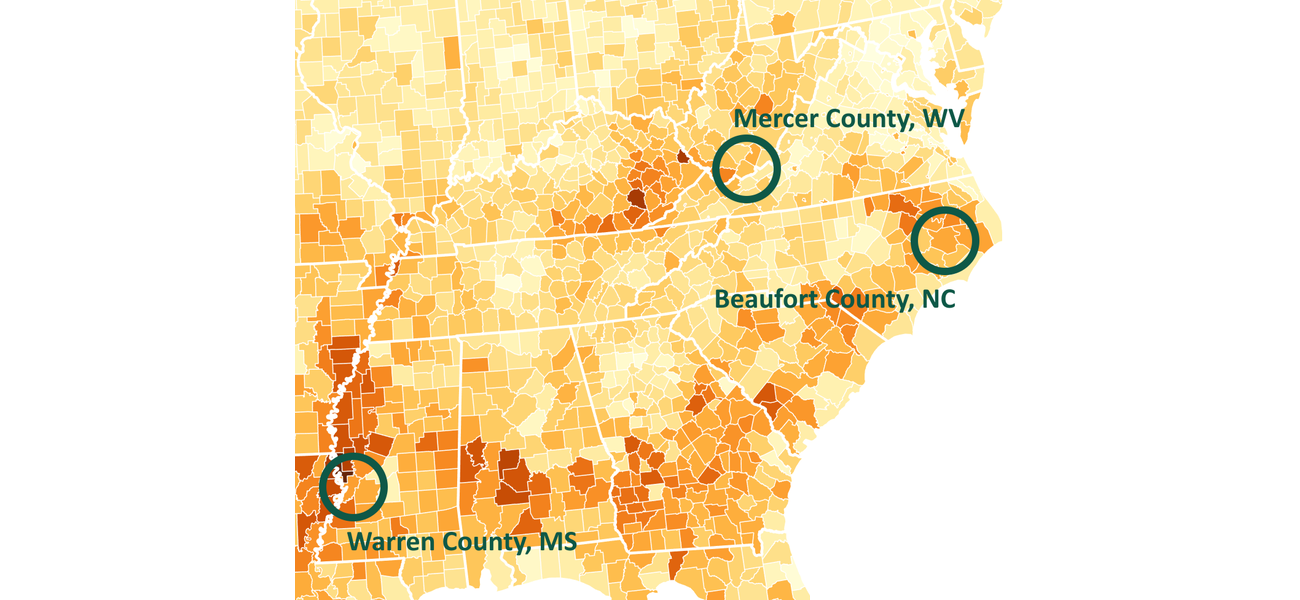
The RGMII has swiftly moved from conceptualization to execution, funding three inaugural county-level pilot programs. These initiatives are currently active in Mercer County, West Virginia; Beaufort County, North Carolina; and Warren County, Mississippi. Over a 16-month period, these programs are designed to provide direct financial assistance, aiming to lift thousands of individuals out of poverty. A critical component of these pilots is comprehensive data collection and analysis, with results and findings slated for transparent sharing with the global community, contributing to the broader understanding of GMI’s impact. The ultimate ambition for the RGMII is to scale this successful model to all 50 states, creating a nationwide network of GMI support.
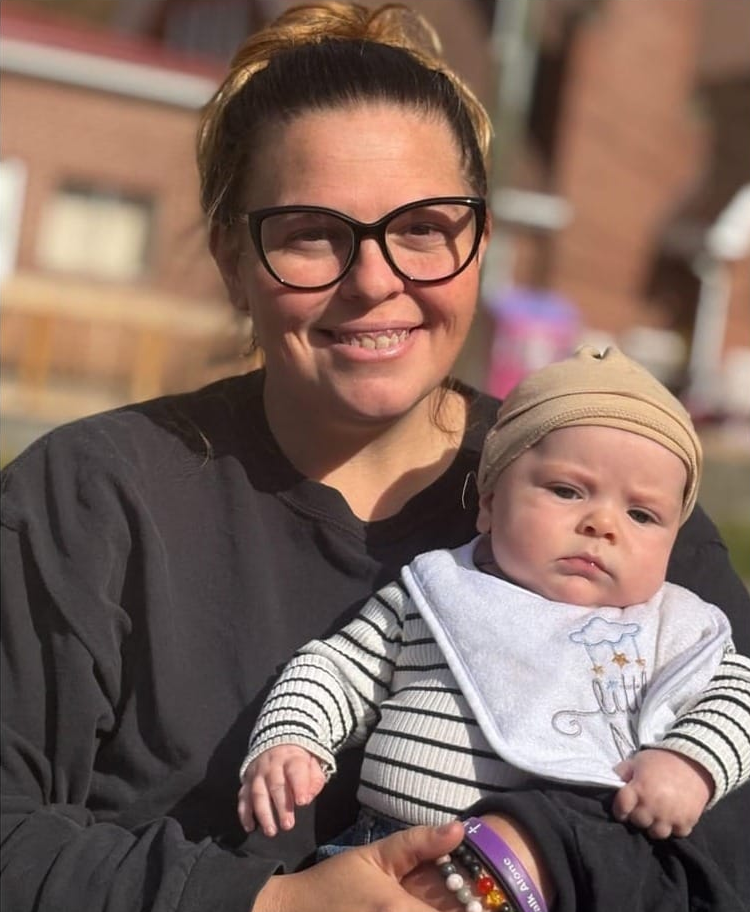
The tangible impact of GMI is profoundly illustrated through the experiences of its recipients. Stacy D., a RISE recipient in West Virginia, shared a poignant account of her struggles, highlighting the critical role GMI plays in her life. "I moved here with my family. And I have no family up here other than who I brought with me. So, how most people can be like, ‘Hey, I’m having a hard time. Got $20 or a pack of diapers.’ I have nobody up here to do that. So, if me and my husband don’t figure it out, it don’t get figured out."
Stacy’s narrative, detailing the challenges of raising five children, navigating a high-risk pregnancy that forced her to stop working, and then facing a debilitating vehicle breakdown, underscores the immediate relief and stability that GMI can provide. "The day I got cleared to go back to work, my vehicle broke down. It was the only vehicle that we had that carried all the kids. So, I’ve been four months without my car… This is gonna… it’s going to do a lot!" For Stacy, the support means getting her vehicle back on the road, enabling crucial access to necessities, medical appointments, and potential employment, thereby transforming a cycle of precarity into one of renewed agency and opportunity.

Historical Context and Evidence for Direct Cash Transfers
The concept of direct cash transfers, while sometimes perceived as a modern or even radical idea, possesses a surprisingly long and varied history. Roots can be traced back to thinkers like Thomas More in his 16th-century "Utopia" and later, proposals for national dividends or social minimums from figures like Thomas Paine and Martin Luther King Jr. In the latter half of the 20th century, concepts like Universal Basic Income (UBI) gained traction, particularly in response to automation concerns and persistent poverty.
Modern iterations of GMI and UBI pilots, both internationally and within the United States, have accumulated a growing body of evidence demonstrating their efficacy. Programs such as the Stockton Economic Empowerment Demonstration (SEED) in California, the Magnolia Mother’s Trust in Mississippi, and numerous initiatives in countries like Finland and Canada, have consistently reported positive outcomes. Studies often indicate significant improvements in recipients’ financial stability, with participants predominantly using funds for basic necessities like food, housing, and utilities. Beyond material needs, research frequently points to enhanced mental and physical health, reduced stress and anxiety, improved educational outcomes for children, and even reduced crime rates. Crucially, many studies challenge the common misconception that direct cash transfers disincentivize work, often showing stable or even increased employment rates as recipients gain the stability to pursue better job opportunities or address barriers to employment. This robust evidence base underpins Atwood’s confidence in GMI as a potent tool for poverty alleviation.
Broader Implications and the Future of Philanthropy
Atwood’s Rural GMI Initiative represents a significant philanthropic investment not merely in direct aid but in policy innovation and data-driven advocacy. By rigorously testing GMI in rural contexts and committing to transparent, open data sharing, the RGMII aims to build an irrefutable evidence base that can inform and influence broader public policy discussions. This approach seeks to shift existing paradigms in poverty alleviation, moving beyond reactive measures to proactive, systemic solutions.
This initiative also highlights a growing trend within modern philanthropy, where benefactors are increasingly moving beyond traditional charitable giving to invest in the research, development, and scaling of innovative social policy models. Such ventures, often too experimental or politically contentious for government funding in their nascent stages, can be catalyzed by private capital, demonstrating viability and building public support. The RGMII’s focus on rural areas also sheds light on communities often marginalized in national discourse, potentially drawing much-needed attention and resources to their unique challenges and untapped potential.
A Call to Action for Shared Prosperity
Jeff Atwood emphasizes that the RGMII is not a solitary endeavor but a collective mission, inviting "everyone to help." This call to action encompasses several avenues for engagement: sharing study results to demystify GMI, learning about its rich history to correct misconceptions, and engaging with elected representatives to advocate for informed policy. A significant number of people, he notes, remain unfamiliar with the terms UBI or GMI, or hold misinformed views about their operation and potential impact.
For those "to whom much is given" and who are in a position to sponsor county-scale work, Atwood extends a direct invitation to join the RGMII. By becoming a donor, individuals and organizations can help bring a GMI study to a new rural county, accelerating the initiative’s ambitious goal of reaching all 50 states. This collaborative effort promises to continue generating valuable open data for the world, advancing the scientific understanding of poverty solutions.
A Lifetime Commitment to the "Path of Love"
Describing the RGMII as his "third and final startup," Jeff Atwood articulates a profound personal commitment to advancing the concept of direct cash transfer. He posits that simply "giving money to those most in need" is perhaps "the most radical act of love we can take on," an assertion he backs with comprehensive data indicating its effectiveness in helping people afford basic needs, maintain stable housing, and manage unexpected expenses.
This philosophy echoes his earlier sentiment from "Stay Gold, America," where he observed that American history offers two paths – love and hate – and that "the path of love is the only survivable path." This work, he acknowledges, will be "a lifetime of work," demanding considerable effort and dedication. However, he deems it infinitely more valuable and impactful than any material acquisition, representing the ultimate investment in a shared future.
The Rural GMI Initiative, spearheaded by Jeff Atwood and his family, stands as a bold and rigorously structured experiment in social welfare. By coupling significant financial investment with a strategic, data-driven approach focused on often-overlooked rural communities, the initiative seeks to demonstrate the transformative power of direct cash transfers. Its ultimate goal is to foster a future where the promise of the American Dream is not an elusive ideal, but a tangible reality for all, proving that dreams, like happiness, are only truly real when shared. For further information and engagement, the initiative maintains dedicated online platforms at staygold.us and rgmii.org.