The Ultimate Guide to Social Media Content Calendars: 11 Free Templates and How to Build Your Own

The modern digital landscape demands unwavering consistency from brands, creators, and marketers alike. In an era where social media algorithms favor regular posting habits, navigating the demands of multiple platforms without a structured plan often leads to burnout and disjointed digital strategies. To combat this, digital strategists and content creators increasingly rely on social media content calendars—centralized systems that map out publishing schedules, track content categories, and automate the distribution of digital assets. Recent industry insights indicate that establishing a structured content framework not only prevents the friction of facing a blank screen each week but also maximizes audience engagement through data-driven timing.
Background Context of Content Planning Evolution
The transition from ad-hoc posting to systematic scheduling marks a significant maturity phase in digital marketing. In the early days of social media, posting was predominantly reactive, driven by real-time events or spontaneous creative bursts. However, as platforms multiplied—spanning legacy giants like Facebook and Twitter/X alongside newer ecosystems such as TikTok, Threads, and Bluesky—the operational complexity of managing multiple digital storefronts grew exponentially.
Marketing departments and independent creators quickly realized that manual publishing caused significant workflow inefficiencies. This realization catalyzed the development of dedicated content management tools, collaborative Notion databases, and automated schedulers. Today, a content calendar serves as the operational backbone of any comprehensive marketing strategy, aligning daily execution with overarching business objectives.
Comparative Analysis of Available Calendar Formats
Choosing the right framework depends heavily on individual workflow preferences and team structures. Industry professionals generally categorize content planning tools into four distinct operational formats:
-
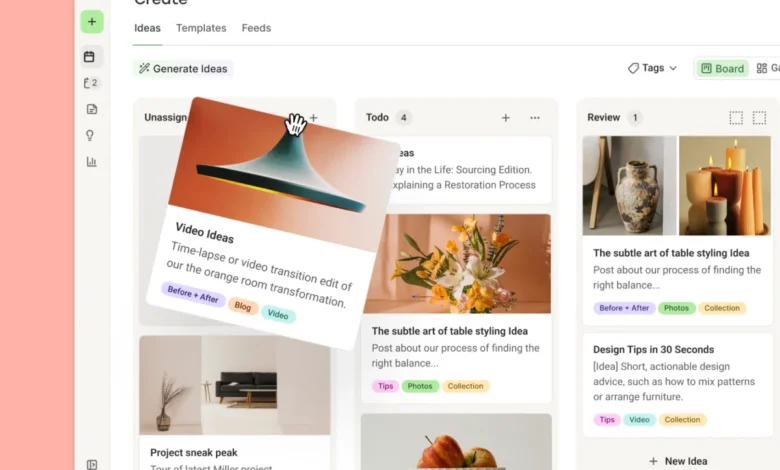
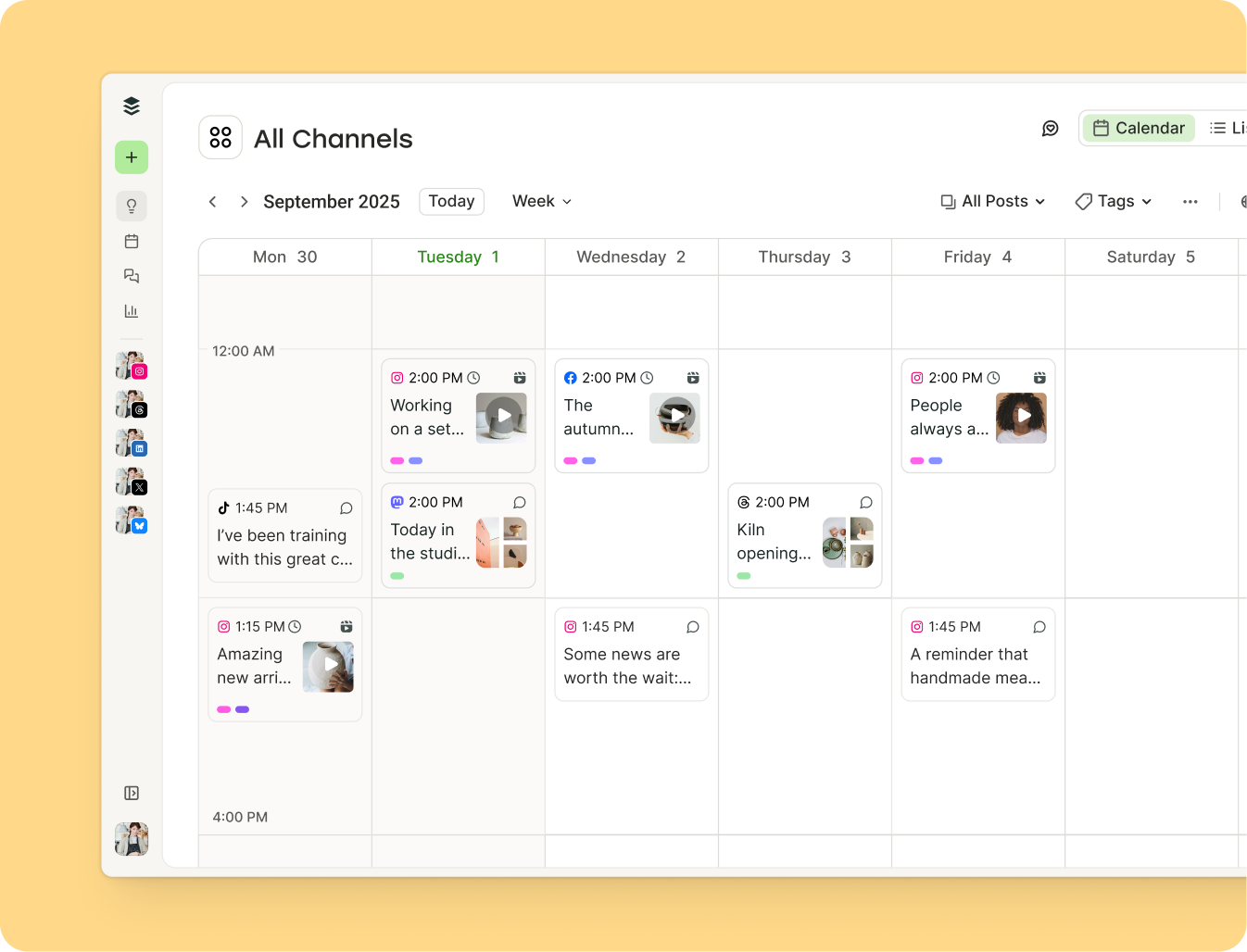
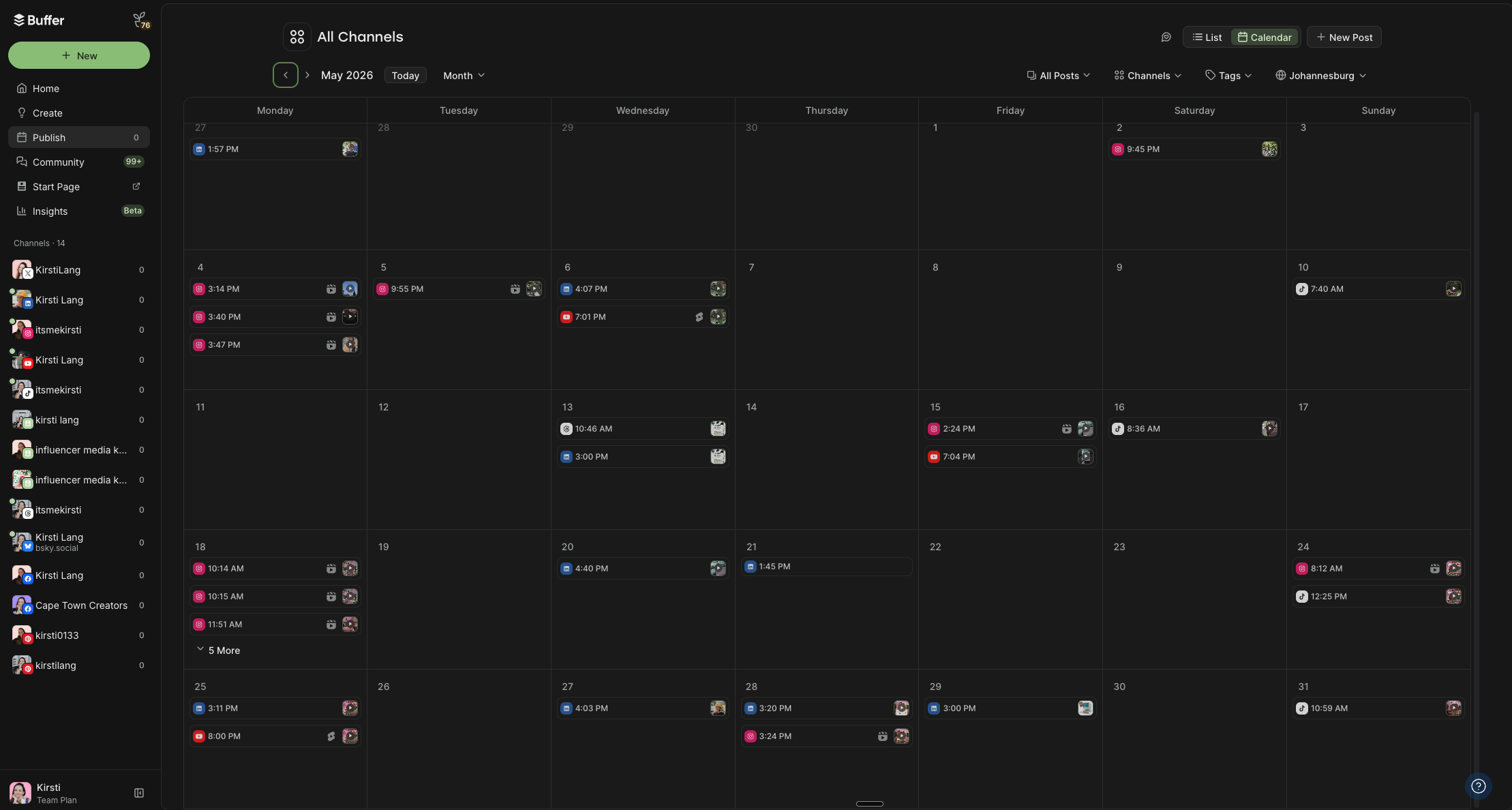
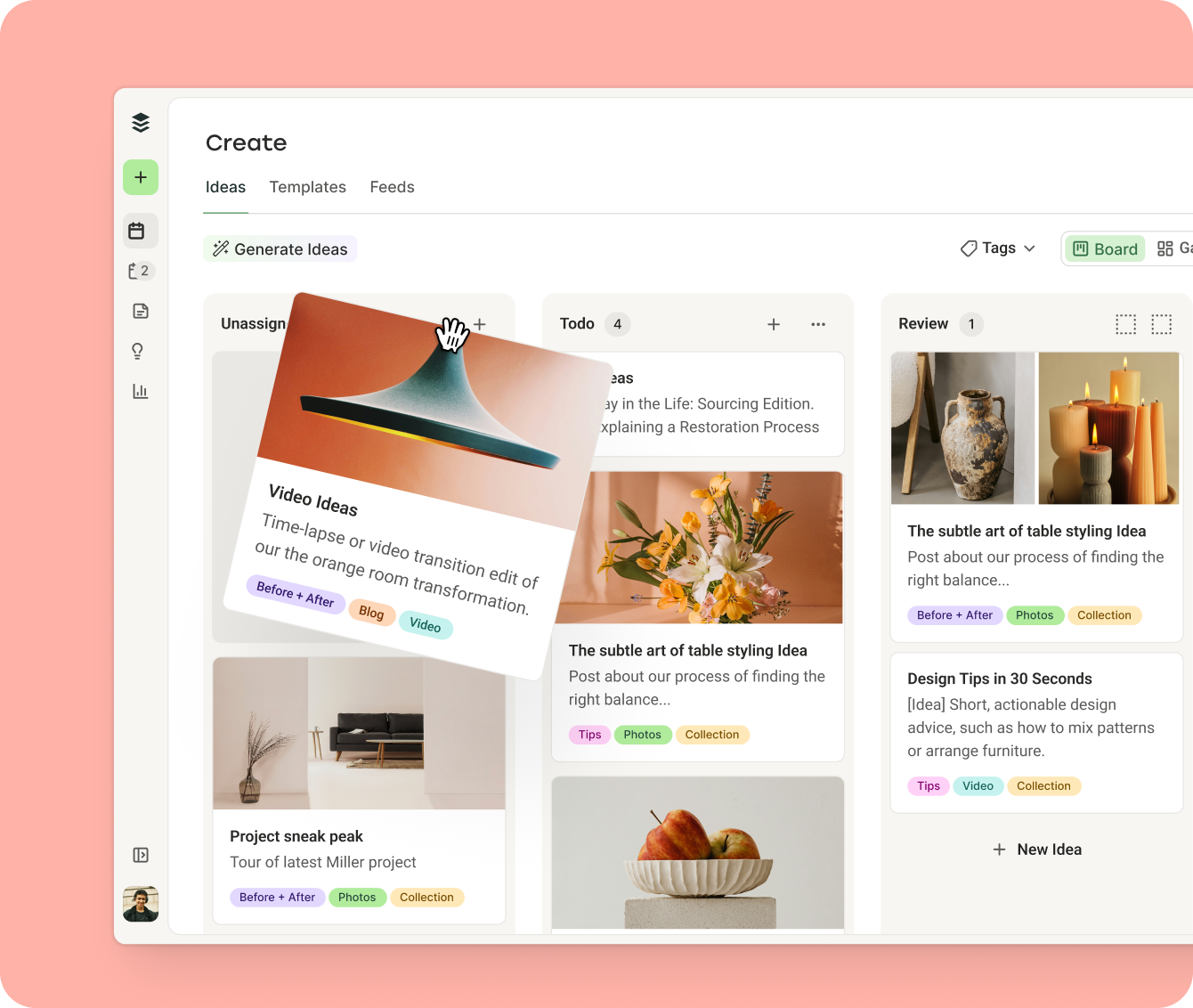
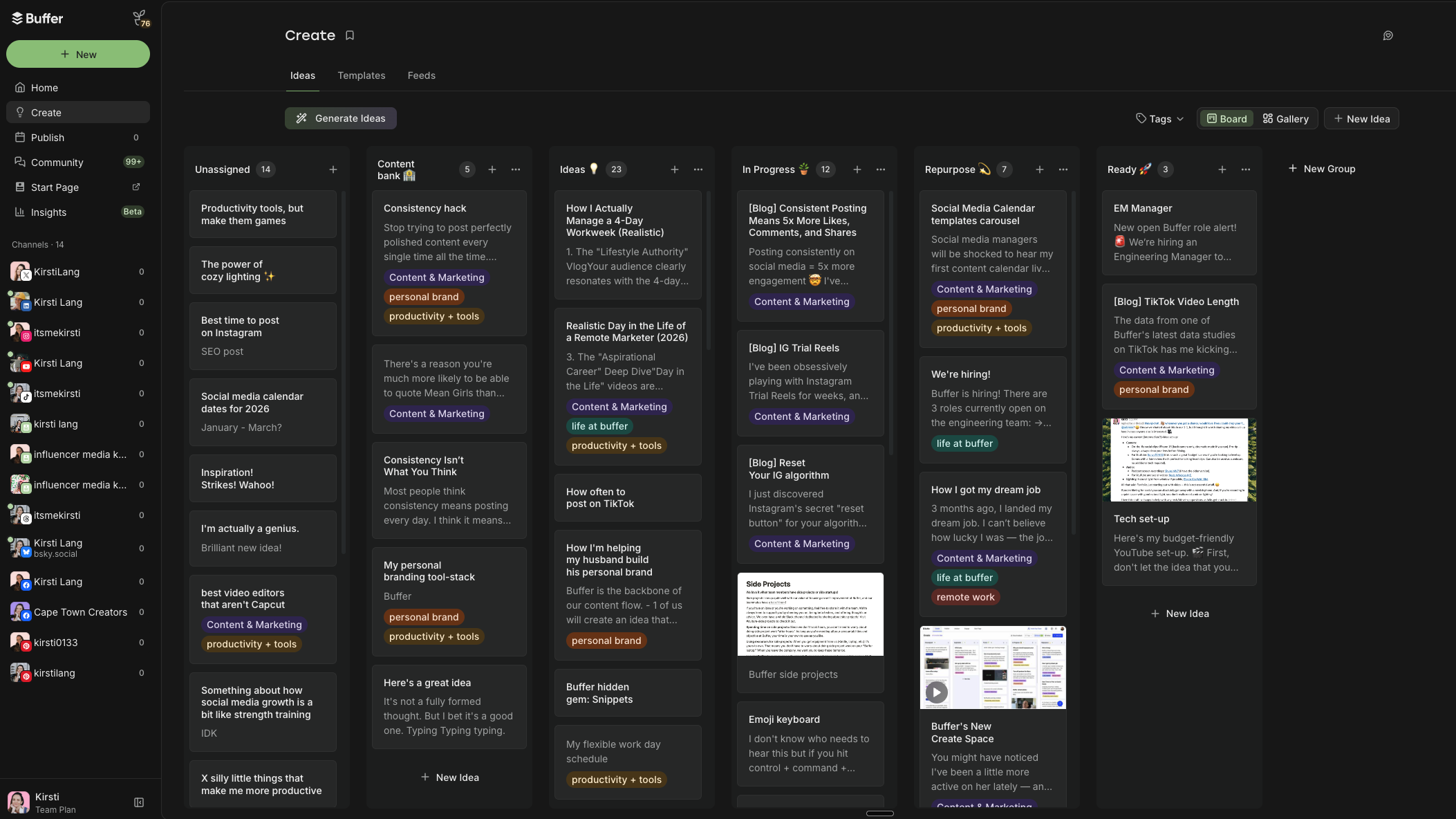
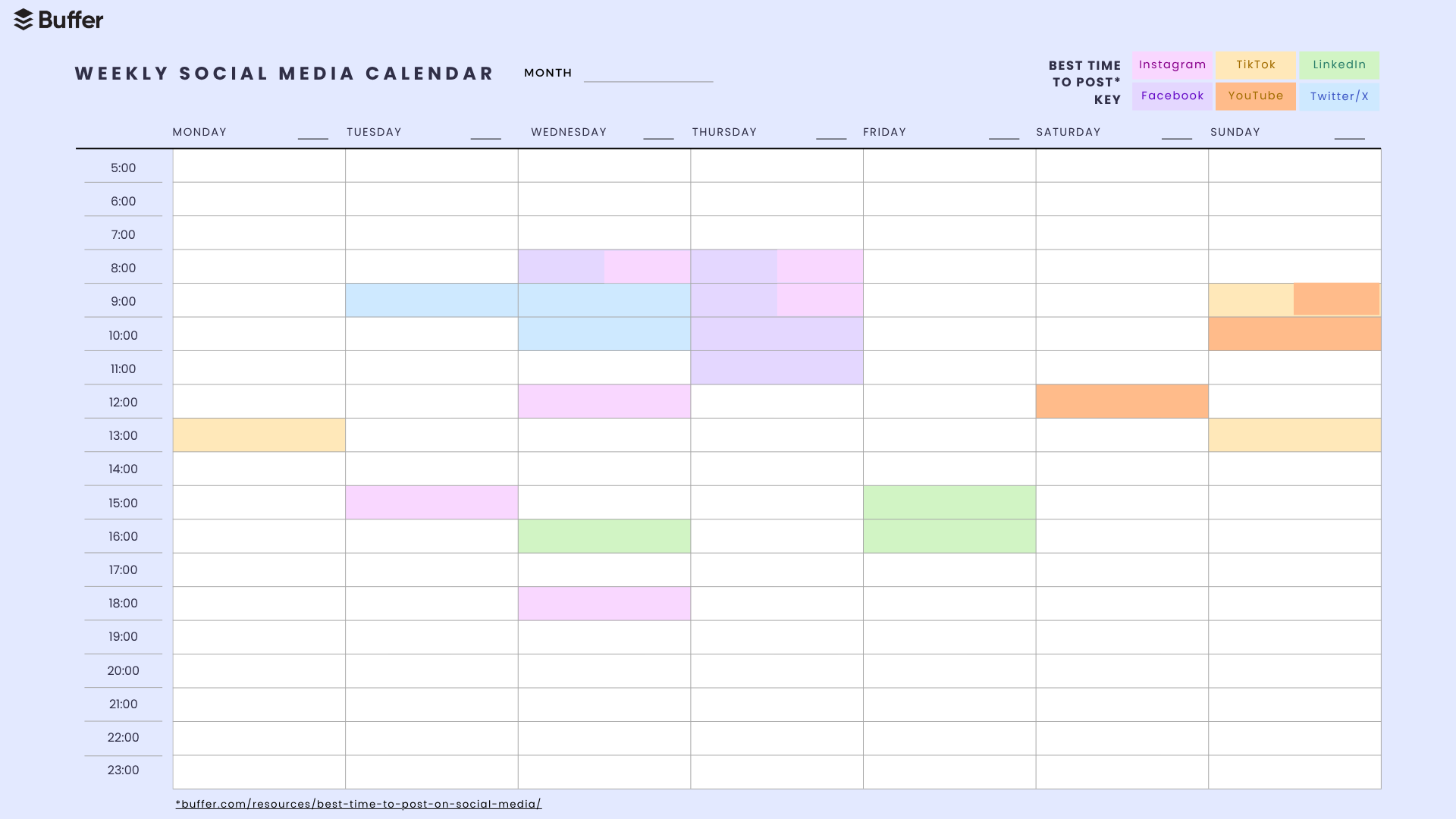
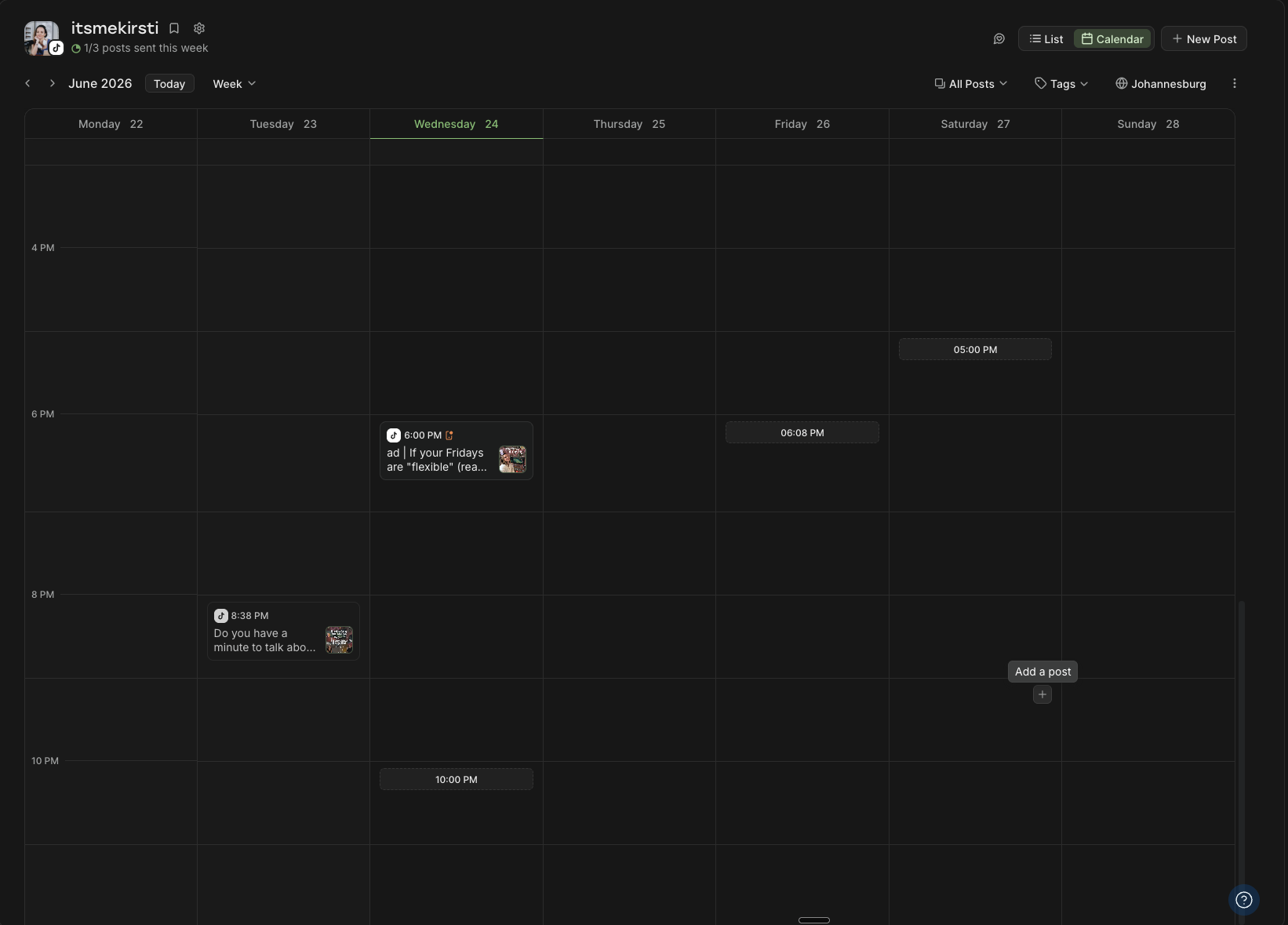
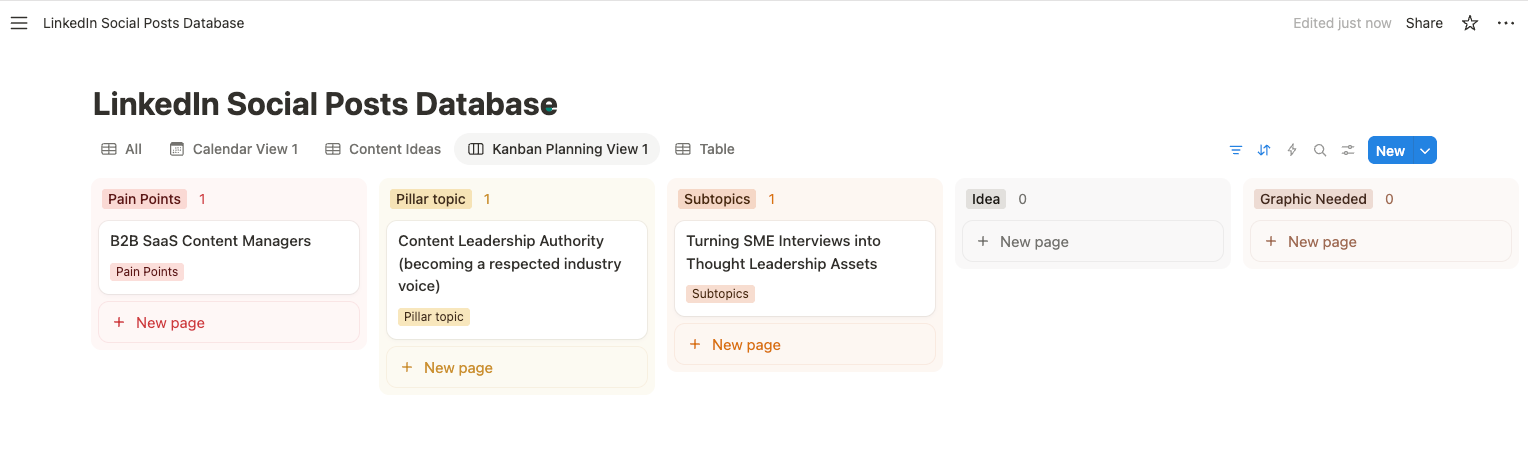
Automated Scheduling Tools: Platforms such as Buffer represent the pinnacle of execution efficiency. Unlike static templates, automated tools combine visual weekly and monthly calendar interfaces with direct auto-publishing capabilities. This eliminates manual intervention, allowing posts to go live simultaneously across twelve or more major platforms. Furthermore, advanced features like customizable tags and integrated Kanban idea boards (such as Buffer’s Create Space) enable users to categorize content pillars and track production workflows seamlessly.
-
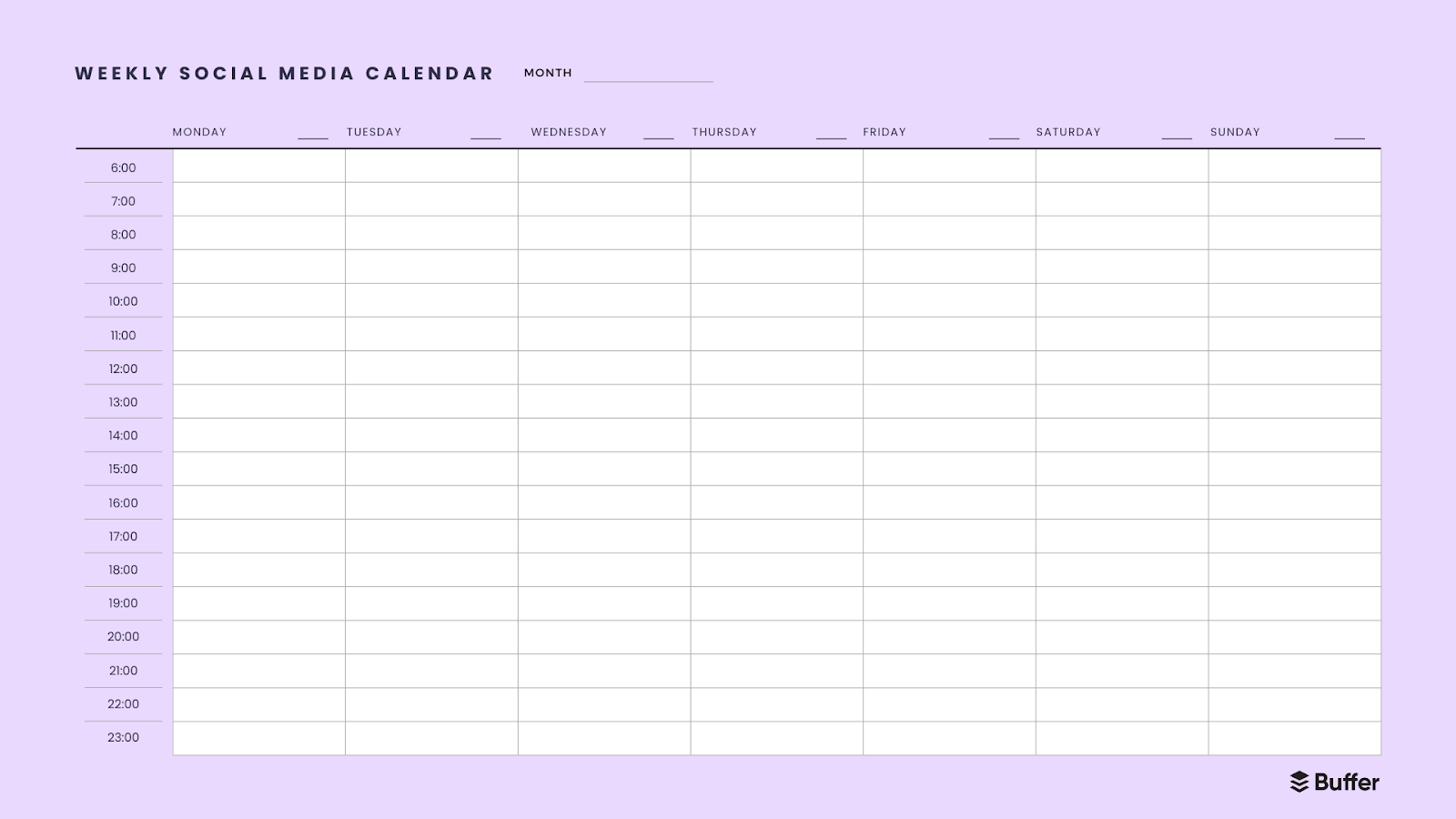
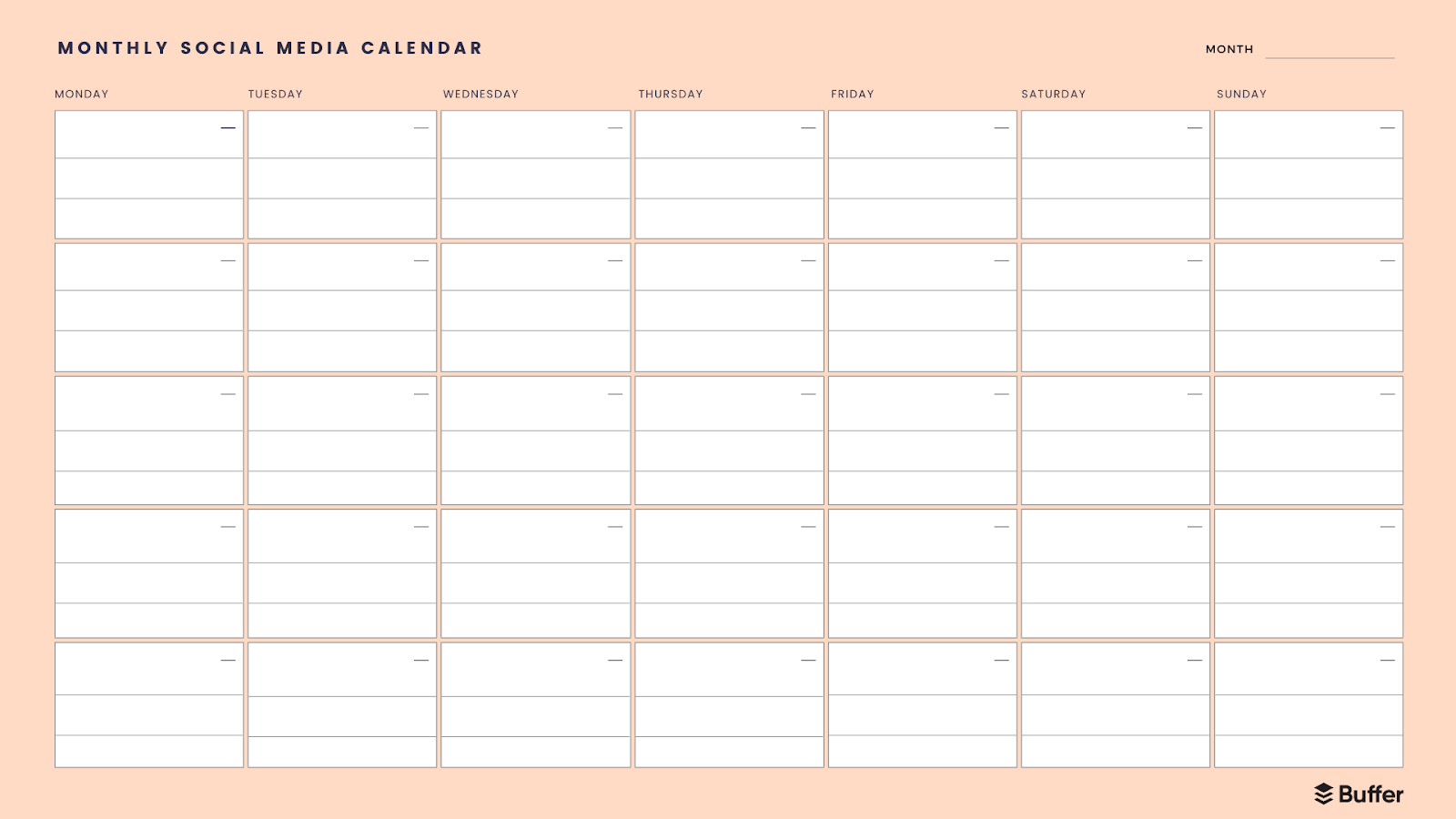
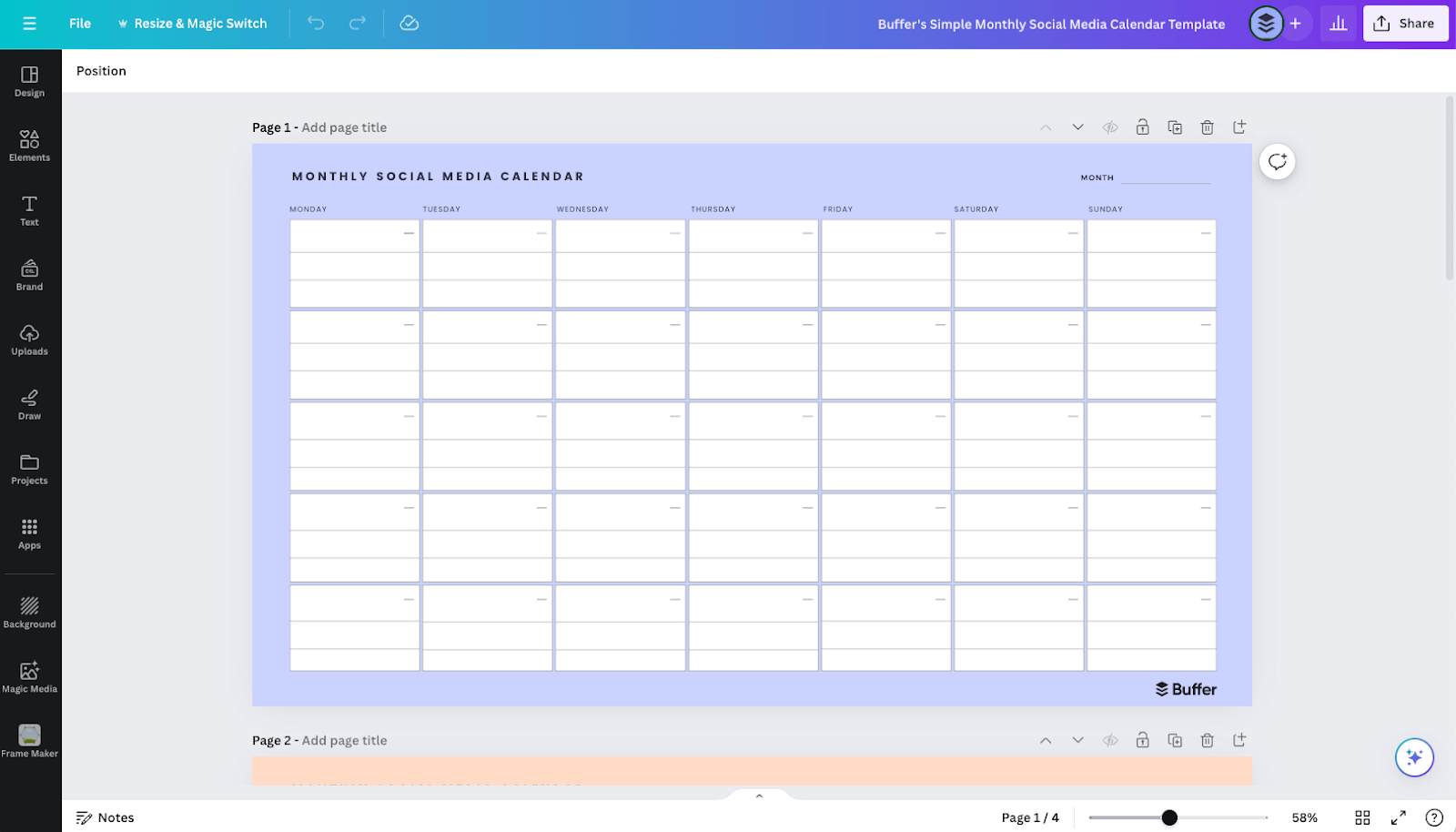
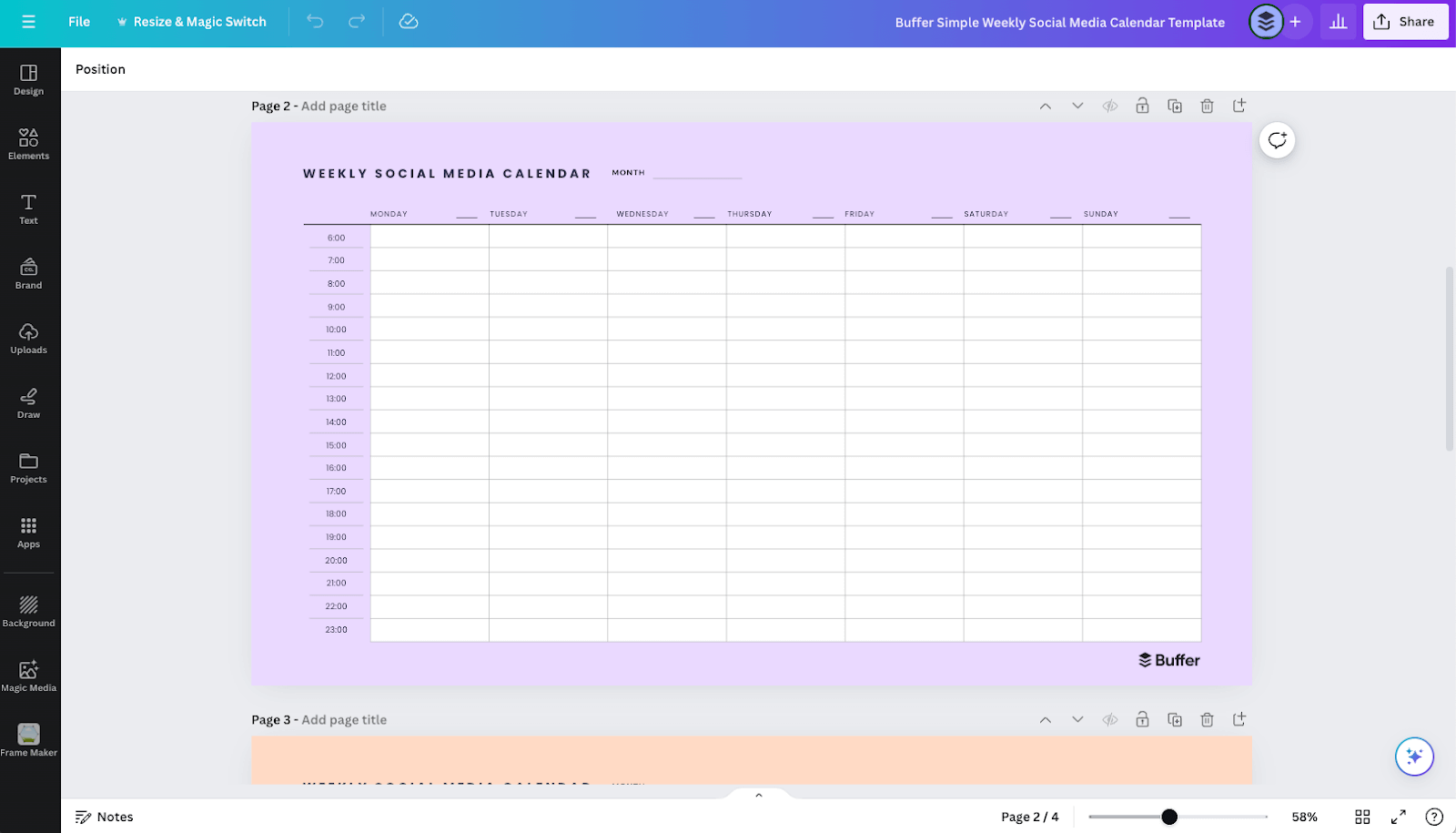
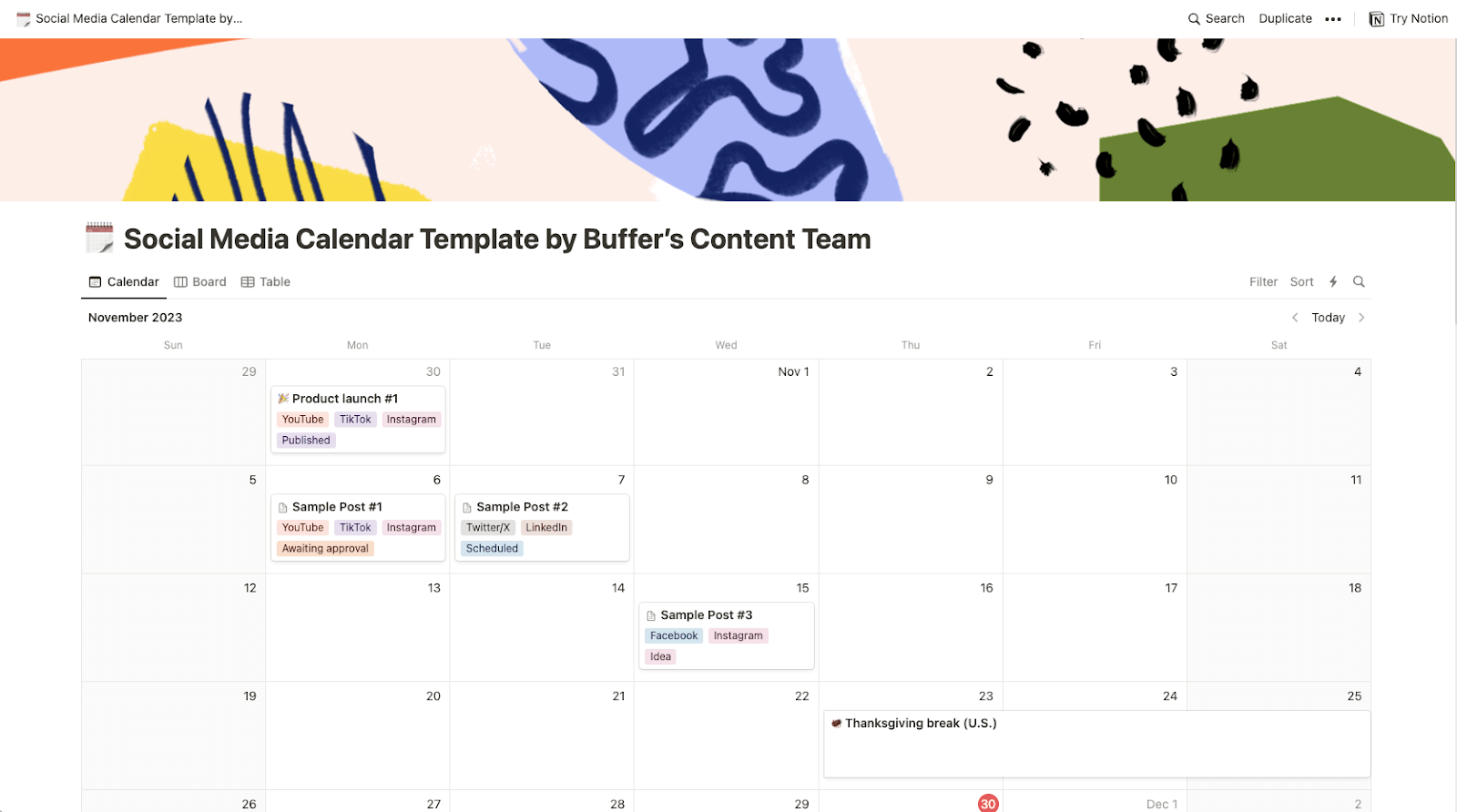
Visual and Collaborative Workspaces: Tools like Notion and Canva appeal heavily to creators building personal brands or managing editorial workflows. Notion offers relational databases that store rich media, long-form copy, captions, and Kanban stages in a single location. Meanwhile, Canva provides fully customizable visual templates, allowing marketers to adapt simple monthly and weekly grids to match brand aesthetics.
-
Spreadsheet-Based Planners: Google Sheets and Microsoft Excel remain perennial favorites for budget-conscious teams and data-oriented planners. These cloud-based spreadsheets offer infinite customizability, color-coding capabilities, and structured data entry fields for tracking post statuses, media links, and platform-specific variations without the need to learn proprietary software interfaces.
-
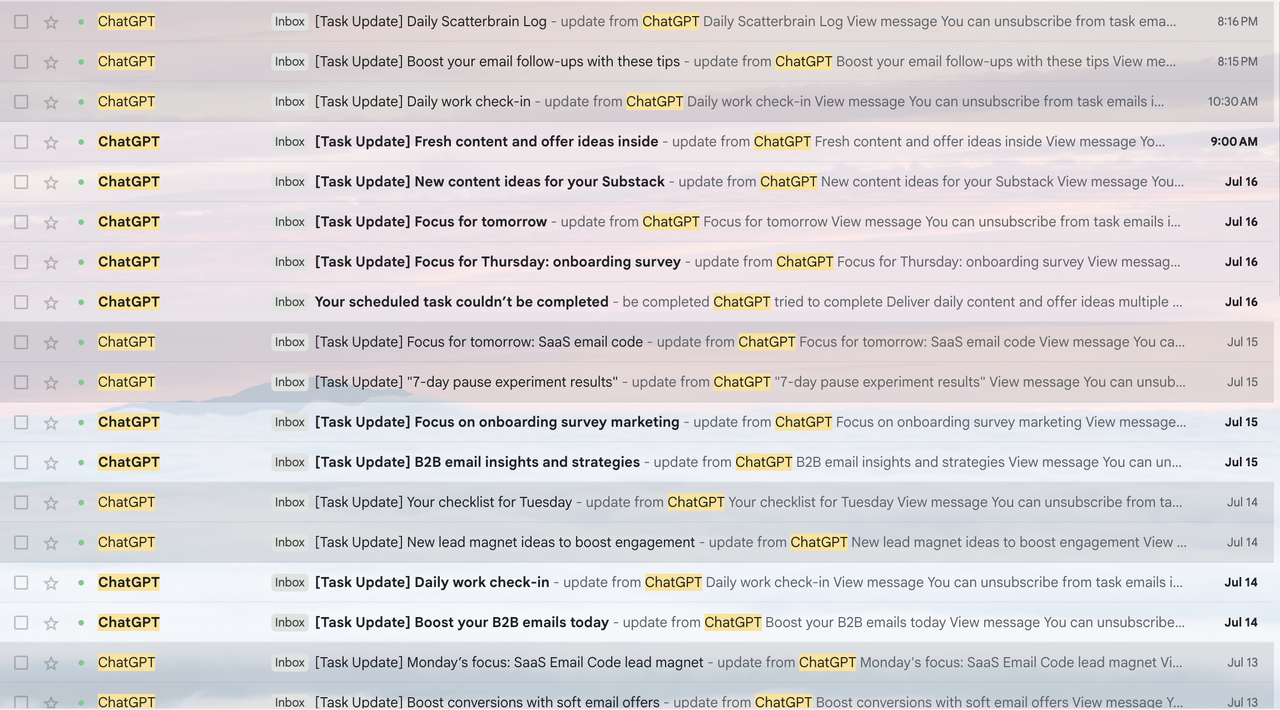
Specialized AI and Experimental Workflows: Emerging methodologies incorporate artificial intelligence into the planning phase. Frameworks popularized by independent digital marketers involve prompting AI large language models like ChatGPT to generate recurring content ideas, which are then automated via email reminders or integrated directly into publishing queues.
Strategic Methodology: How to Build a Custom Calendar from Scratch
For professionals whose specific operational needs are not met by pre-made templates, constructing a bespoke content calendar involves an eight-step structural process:
First, practitioners must establish a foundational strategy. This entails defining target demographics, clarifying brand goals, and outlining core content pillars that resonate with the intended audience. Identifying key annual dates, product launches, and industry events ensures the calendar serves a strategic purpose rather than merely filling space.
Second, selecting the appropriate hosting tool is critical. Whether opting for a cloud spreadsheet, a collaborative workspace, or a dedicated scheduler, the chosen platform must align with the user’s daily habits to ensure long-term adoption.
Third, setting a realistic posting cadence prevents creator fatigue. Digital marketing experts consistently emphasize that maintaining a sustainable schedule of two to three high-quality posts per week yields better algorithmic and audience results than an erratic high-frequency schedule that cannot be maintained.
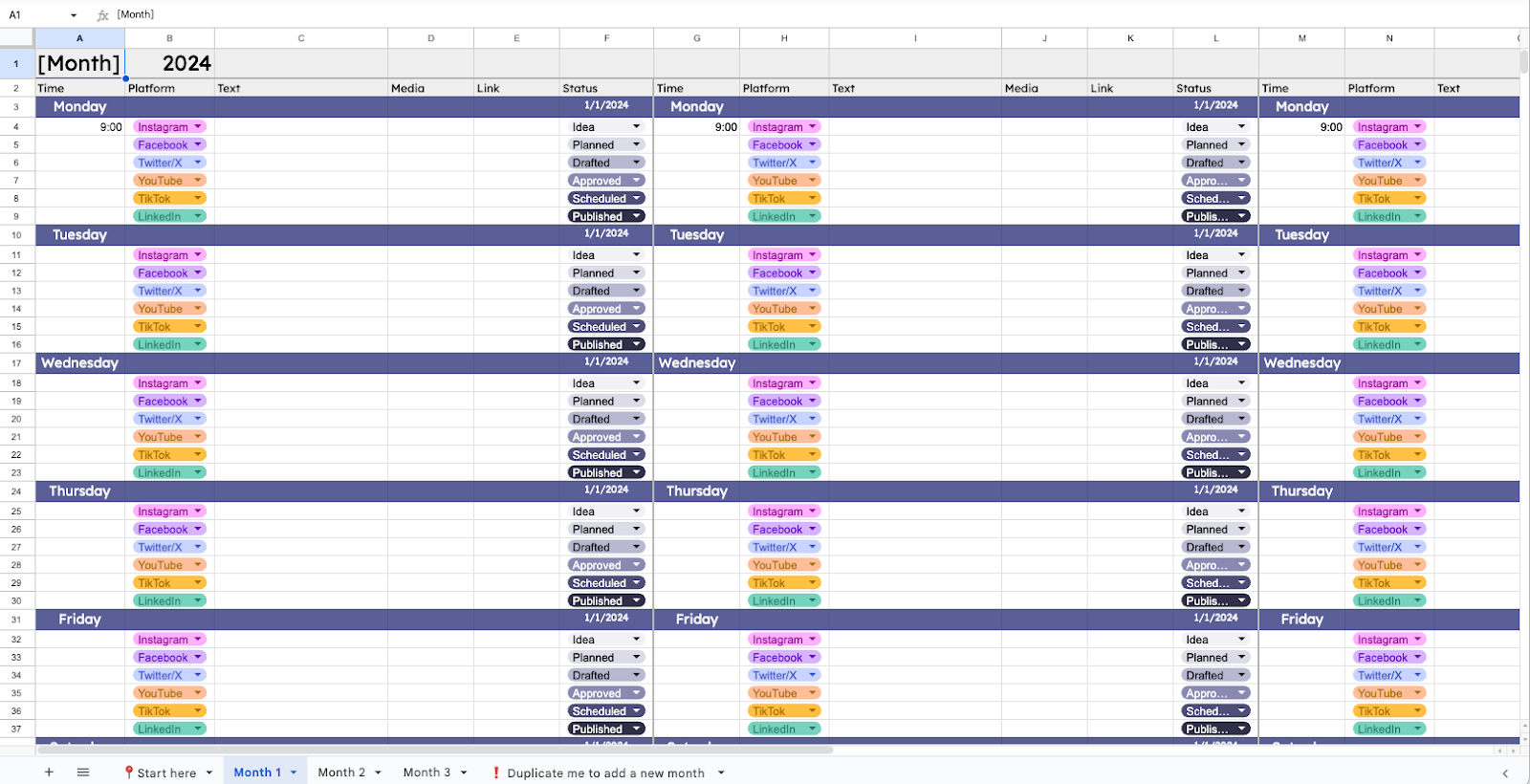
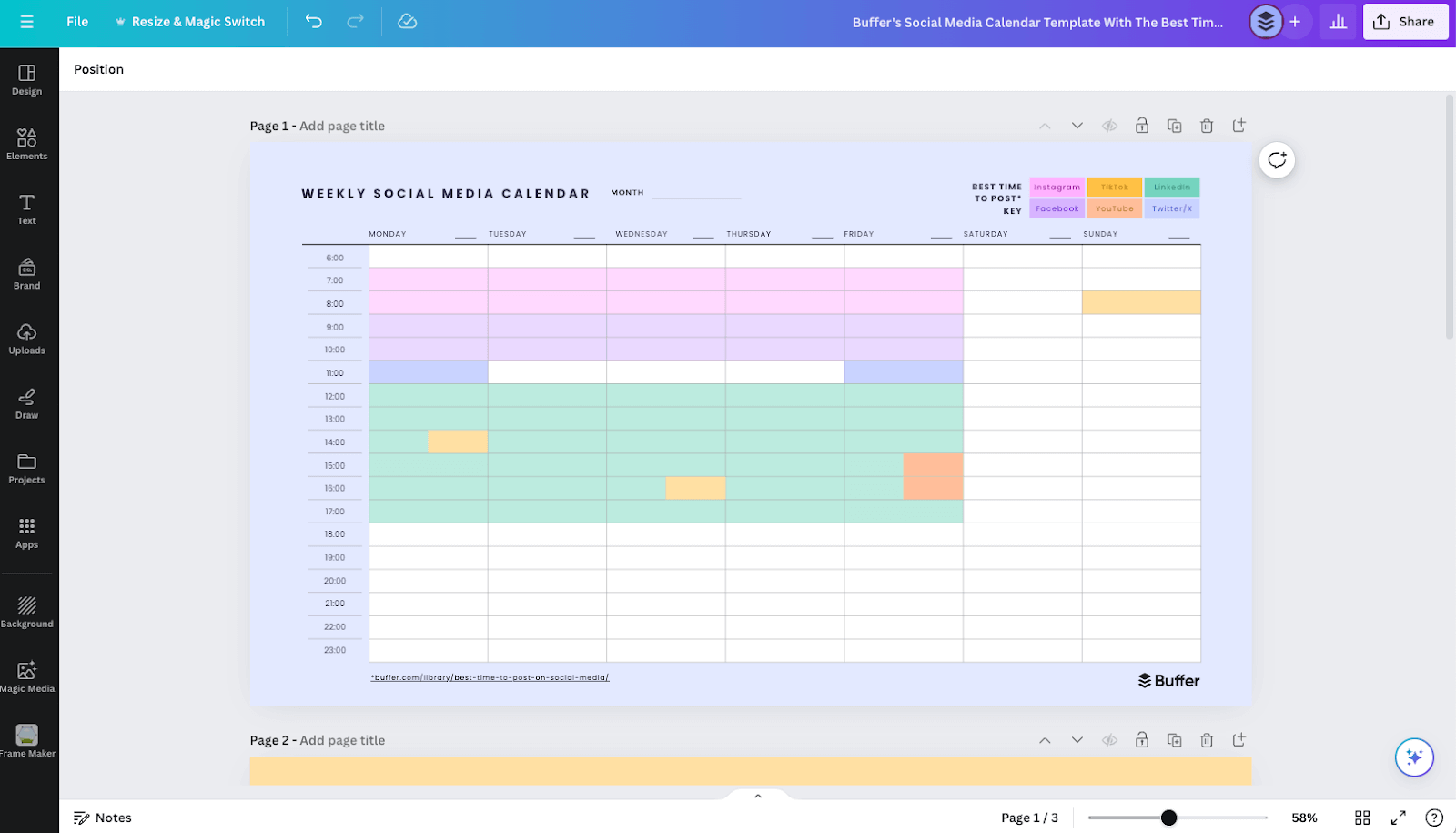
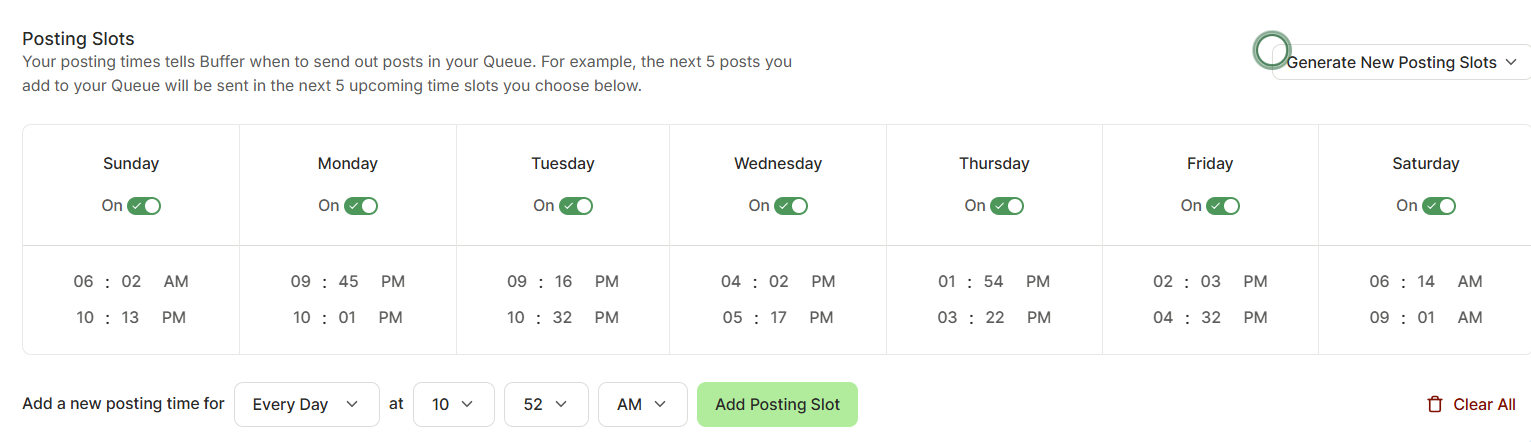
Fourth, establishing the calendar skeleton involves defining precise publishing time slots, often referred to as a "Queue." By analyzing platform-specific data regarding peak user activity—such as studies analyzing millions of posts to find optimal engagement windows—creators can automate their weekly time slots to coincide with maximum audience reach.
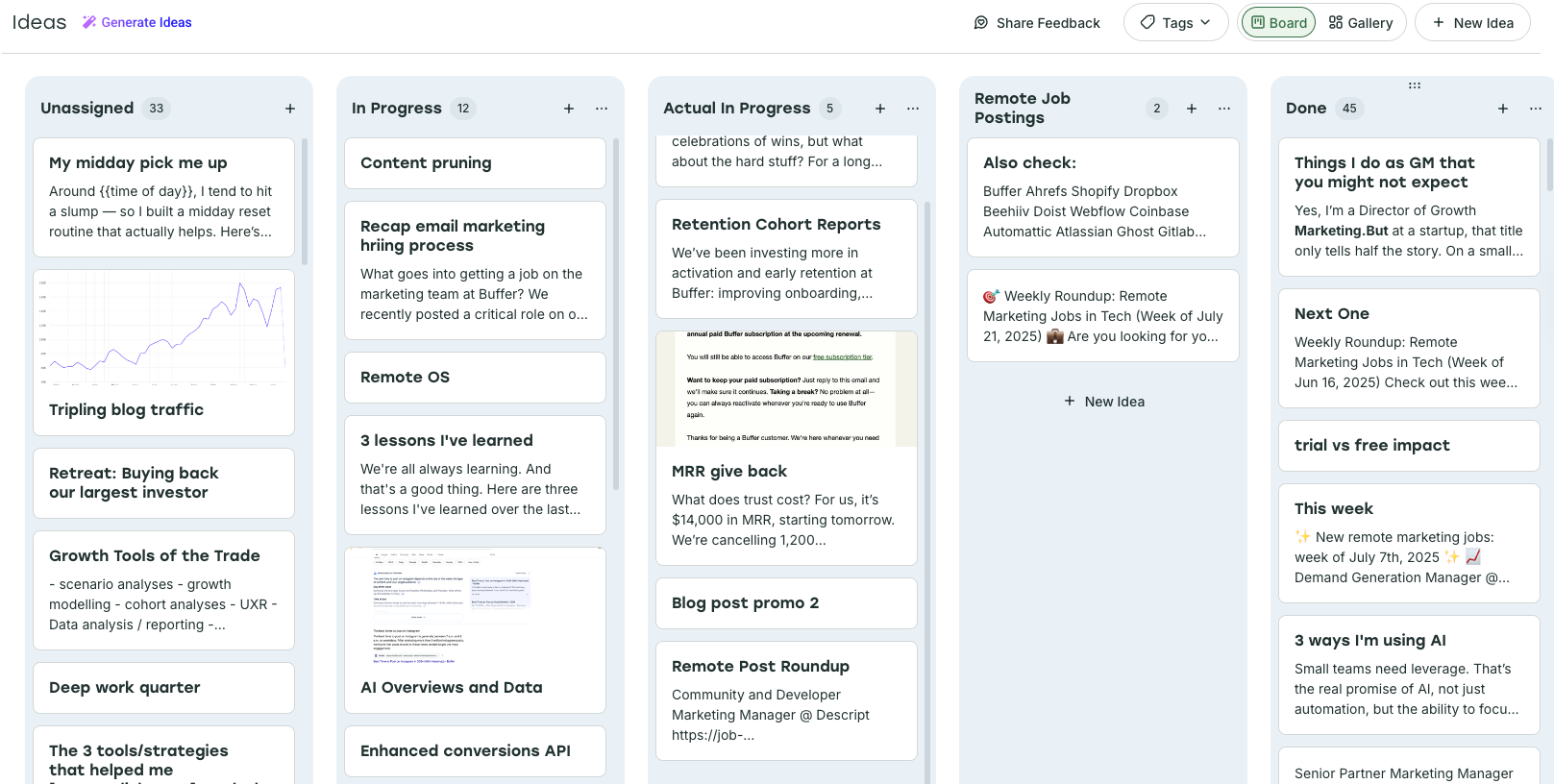
Fifth, the ideation phase requires capturing raw concepts without immediate pressure for aesthetic perfection. Utilizing dedicated brainstorming spaces allows creators to log brief notes, product reminders, or headline ideas that can be refined later using AI writing assistants or manual editing.
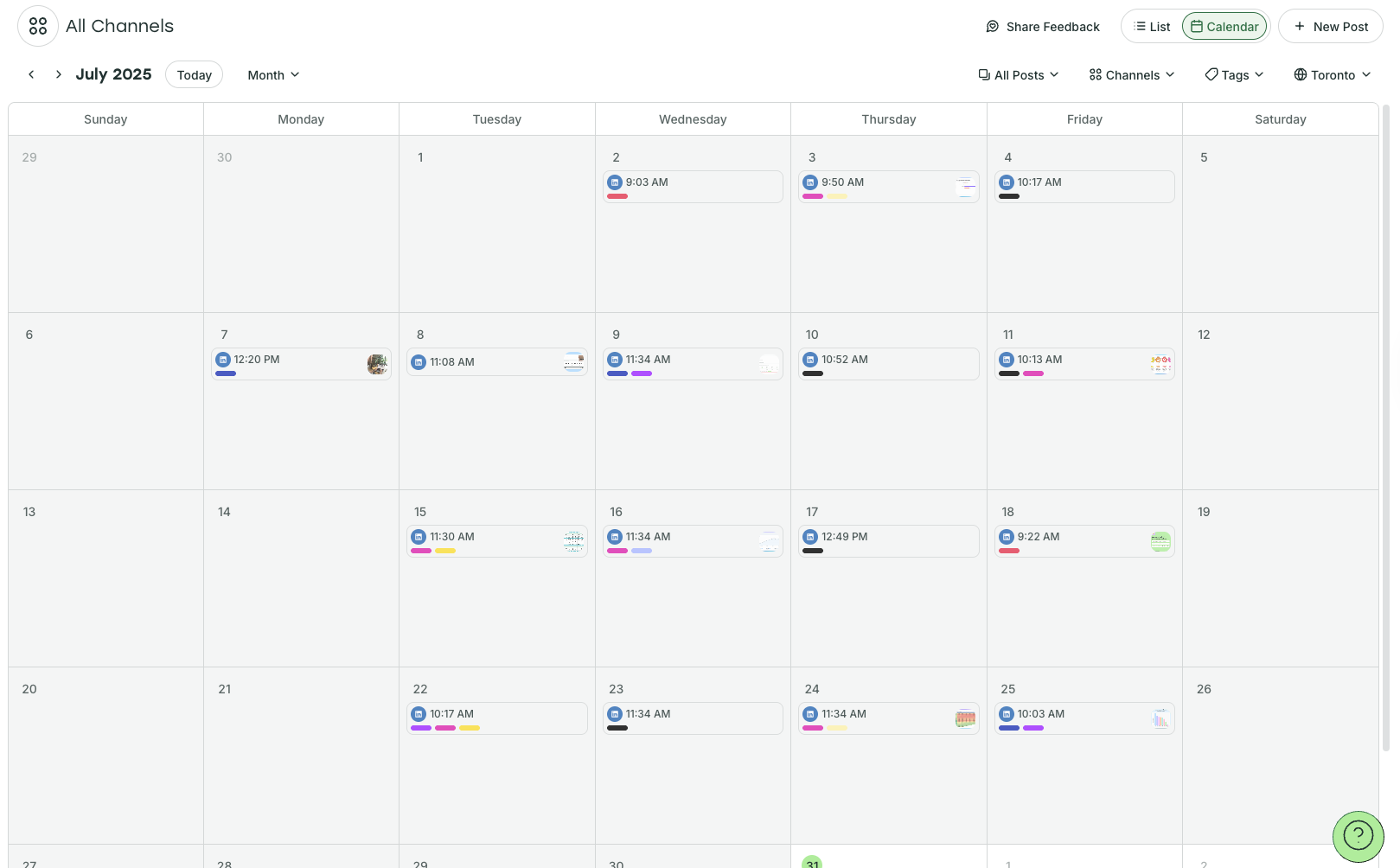
Sixth, organizing content through color-coding and categorization helps maintain content balance. Tagging posts by format, status, or content pillar prevents common publishing traps, such as consecutive promotional posts or an absence of video content.
Seventh, active planning and scheduling bridge the gap between ideation and execution. Once ideas are fully formed, they are slotted into the designated publishing times, tailored for specific platform requirements, and queued for automatic deployment.
Finally, continuous review and performance analysis complete the cycle. By regularly monitoring key performance indicators such as impressions, clicks, shares, and comments through built-in analytics dashboards, creators can identify patterns, repurpose top-performing content, and refine their ongoing strategy.
Broader Industry Implications and Future Outlook
The increasing sophistication of social media planning tools reflects a broader trend toward workflow automation and data-driven decision-making in digital marketing. As algorithms become more sensitive to audience retention and engagement signals, the margin for error in content timing and quality narrows significantly.
Industry analysts project that the integration of artificial intelligence and automated scheduling will become standard baseline requirements for small businesses and enterprise marketing teams alike. By removing the administrative burden of manual posting, content calendars empower creators to focus on high-level narrative development and community engagement. Ultimately, whether utilizing a simple printable PDF, a dynamic spreadsheet, or a comprehensive automated publishing suite like Buffer, maintaining a disciplined content calendar remains the most reliable pathway to sustainable digital growth and audience consistency.