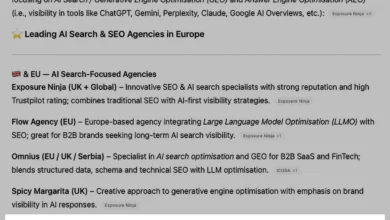
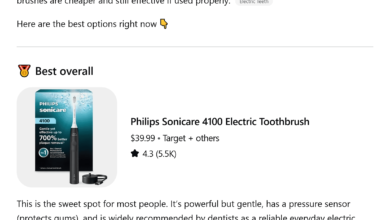
The Rise of Prompt Tracking: How Brands Measure Visibility in the Age of Generative AI Search

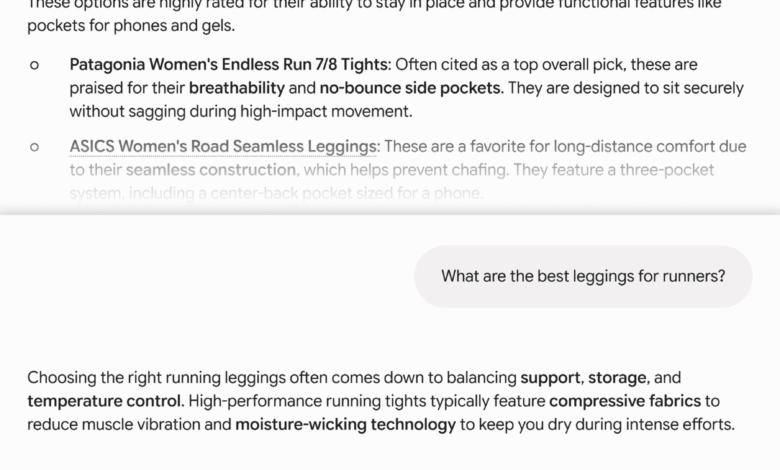
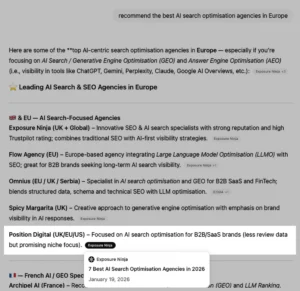
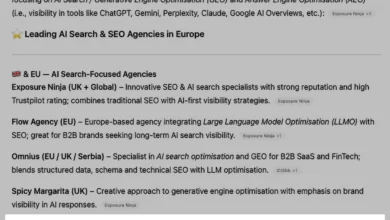
A company can secure the coveted number-one spot on traditional search engine results pages and still remain entirely invisible to artificial intelligence. As consumer behavior shifts rapidly away from static blue links and toward conversational interfaces, digital marketing and visibility strategies are undergoing a fundamental transformation. Modern consumers increasingly rely on large language models (LLMs) and conversational agents like ChatGPT, Google Gemini, and Perplexity for product research, category analysis, and purchasing recommendations. If a brand is missing from these generative conversations, or if it is represented inaccurately due to outdated or incorrect data, its sales pipeline can suffer silently.
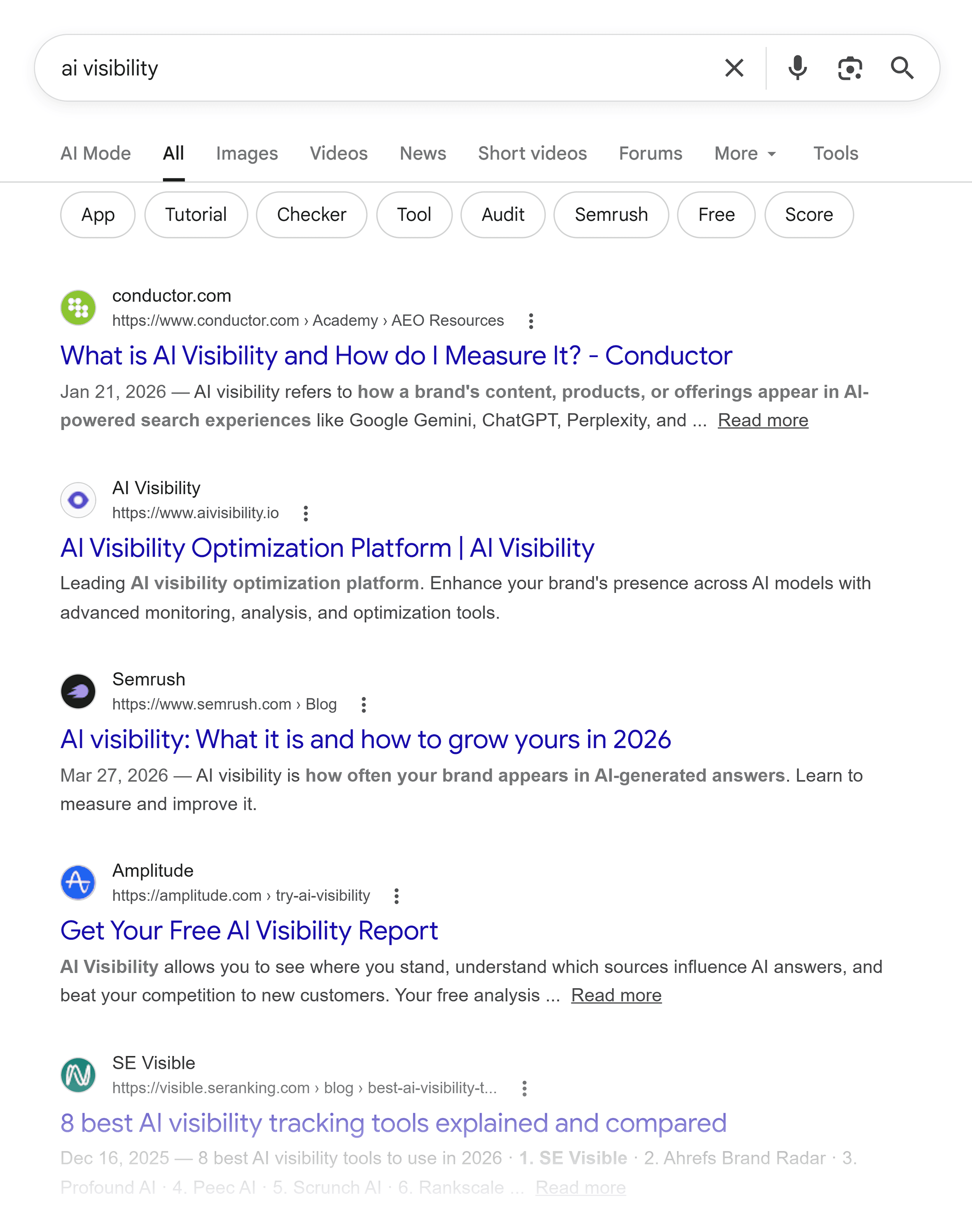
To combat this phenomenon, digital strategists have introduced prompt tracking—also known as LLM visibility tracking—as a vital component of modern search optimization. Unlike conventional search engine optimization (SEO) rank tracking, which measures where a specific URL appears for a rigid keyword string, prompt tracking monitors how a brand is mentioned, cited, or evaluated across dynamic, AI-generated answers over time. Because LLMs synthesize vast corpuses of data to produce unique responses tailored to individual user contexts, a brand cannot rely on static monitoring metrics. Without an active tracking system, corporate marketing teams are operating blind in what industry experts term the "answer economy."
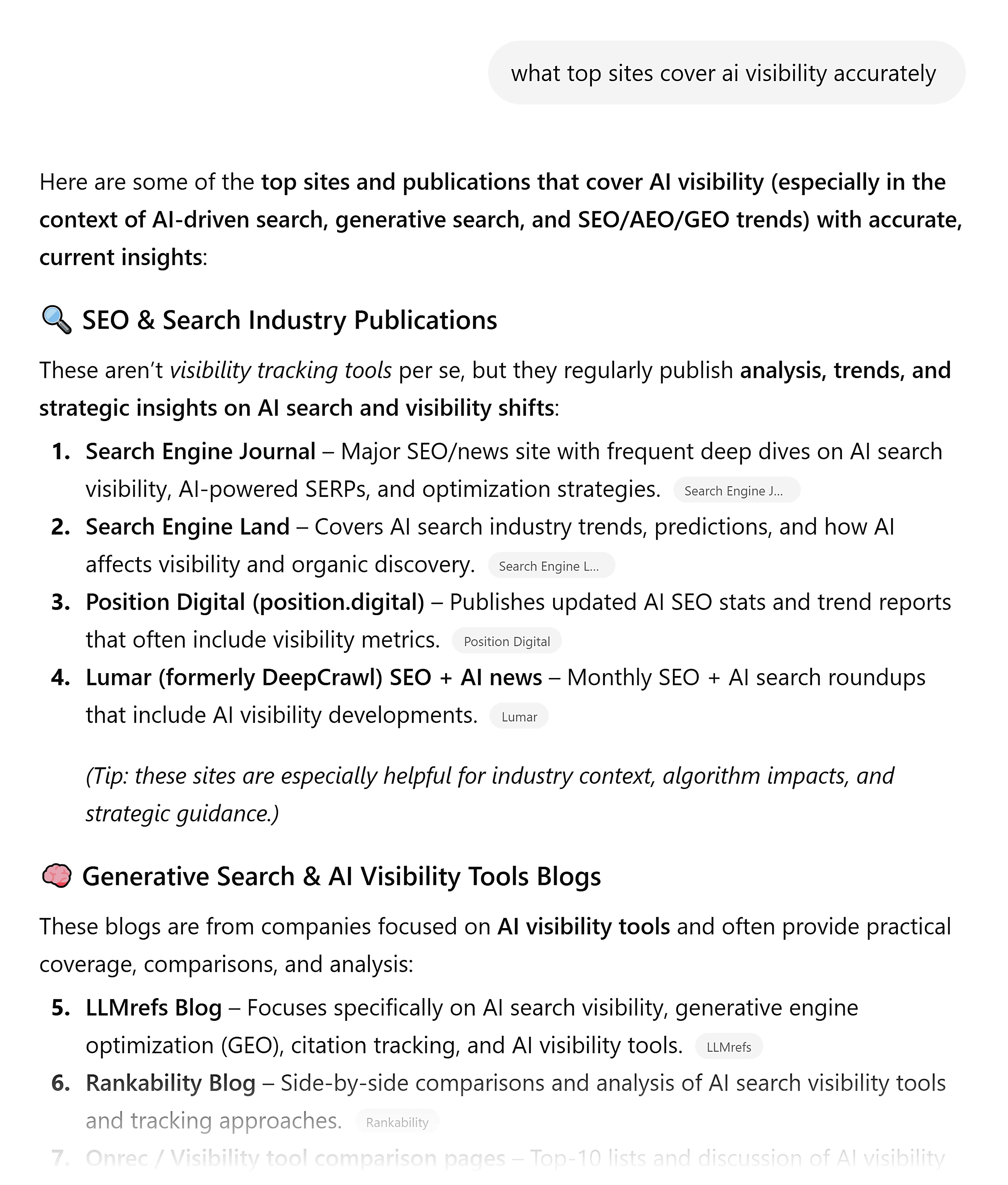
The Paradigm Shift from Traditional SEO to AI Discovery
The necessity of prompt tracking is underscored by evolving user data. Recent industry research indicates that more than half of internet users in the United States rely on artificial intelligence as a primary or frequent research tool, with a significant percentage utilizing these platforms specifically for product recommendations. B2B software buyers, in particular, have accelerated this trend; studies show that over seventy percent of enterprise software purchasers now consult AI chatbots during their vendor evaluation process, marking a dramatic increase from previous years.
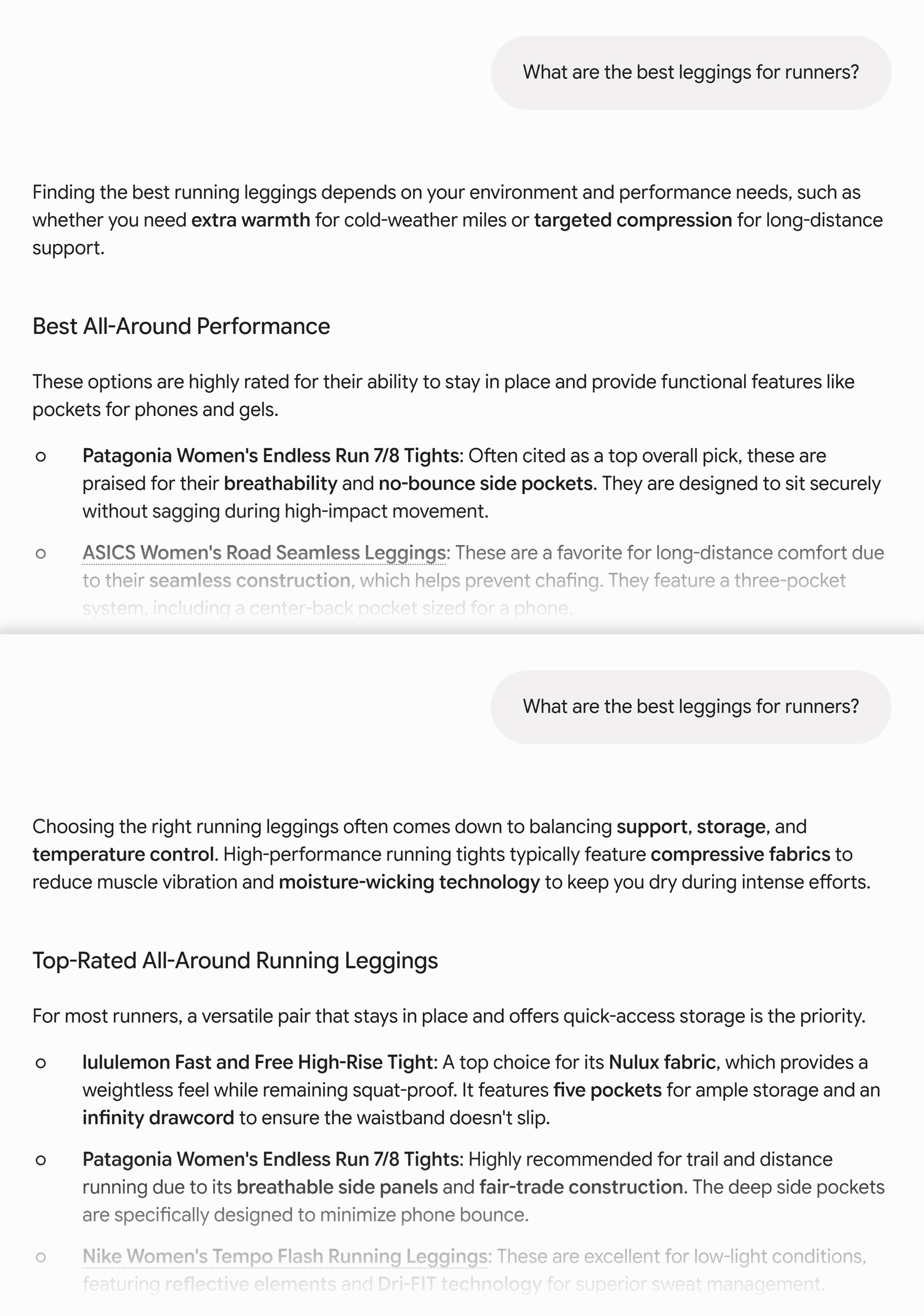
This behavioral shift highlights a critical vulnerability for brands that anchor their digital strategies exclusively to traditional search engines. Traditional rank tracking asks a straightforward question: How close is a specific URL to the top position on a results page? In contrast, LLMs do not present a predictable list of ten blue links. Instead, they generate non-deterministic responses that change based on conversational context, prompt phrasing, and model updates. Consequently, the primary objective in AI search is not merely achieving the first mention, but ensuring that the AI consistently associates the brand with accurate, positive attributes among the target demographic.
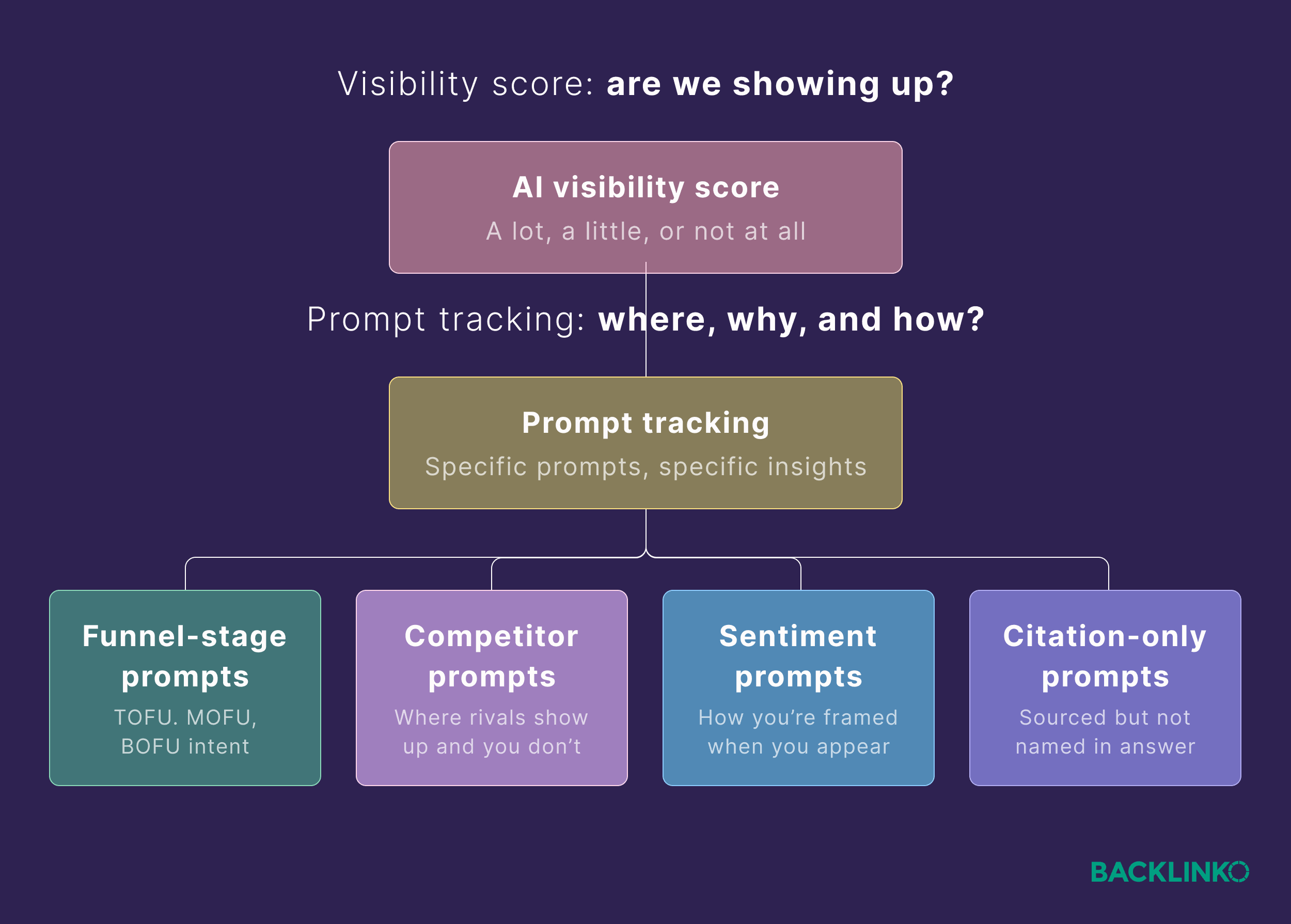
Understanding the Mechanics of Prompt Tracking
Prompt tracking involves establishing a structured inventory of high-value user queries—known as a prompt set—and systematically evaluating how multiple AI platforms respond to them. Experts generally categorize these prompts into four distinct clusters:
- Evaluation Prompts: Queries where users seek recommendations for software, services, or products within a specific category (e.g., "What are the best sales enablement platforms for enterprise teams?").
- Comparison Prompts: Queries that pit a brand directly against its competitors (e.g., "How does Company A compare to Company B for workflow automation?").
- Reputation Prompts: Queries exploring customer satisfaction, pricing fairness, or reliability (e.g., "Is Company A worth the price for mid-market businesses?").
- Gap Prompts: Queries identifying specific features, integrations, or use cases where a brand currently lacks visibility compared to its rivals.
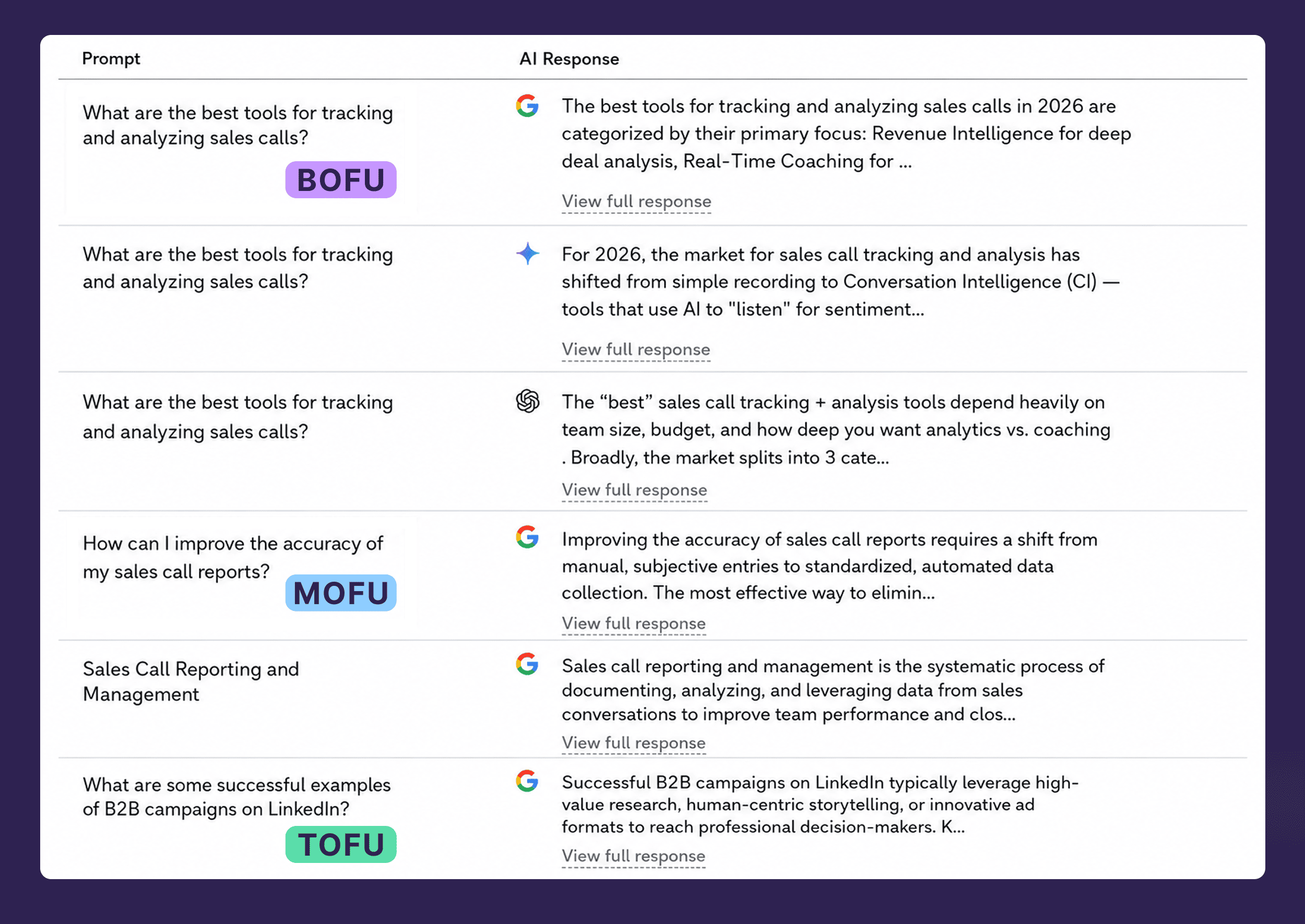
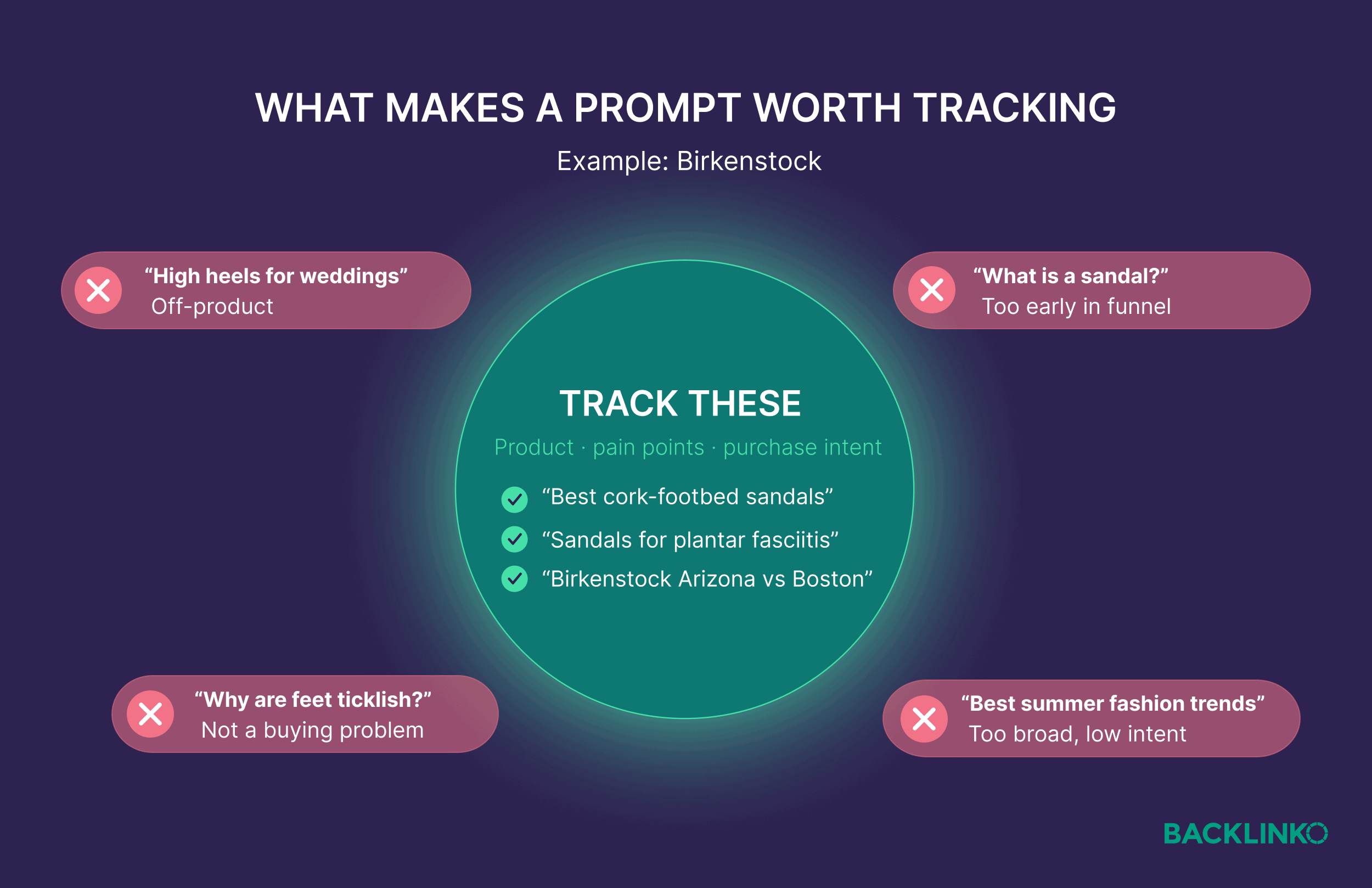
Rather than monitoring generic, top-of-funnel definitions that fail to drive conversions, sophisticated organizations focus their tracking efforts on bottom-of-funnel (BOFU) and middle-of-funnel (MOFU) interactions. By auditing these prompts weekly across multiple LLMs—including OpenAI’s ChatGPT, Google’s Gemini, and Anthropic’s Claude—marketing teams can identify recurring visibility gaps and measure the efficacy of their digital PR and content strategies.
Industry Frameworks and Strategic Implementation
Leading digital agencies and enterprise marketing departments have developed specialized methodologies to manage prompt tracking at scale. For instance, some strategy firms utilize "constraint mapping," an approach that analyzes the specific jobs customers need to accomplish alongside the operational constraints they face, such as budget limitations or software integrations. Every intersection of a job and a constraint generates a unique prompt to be monitored via automated APIs.
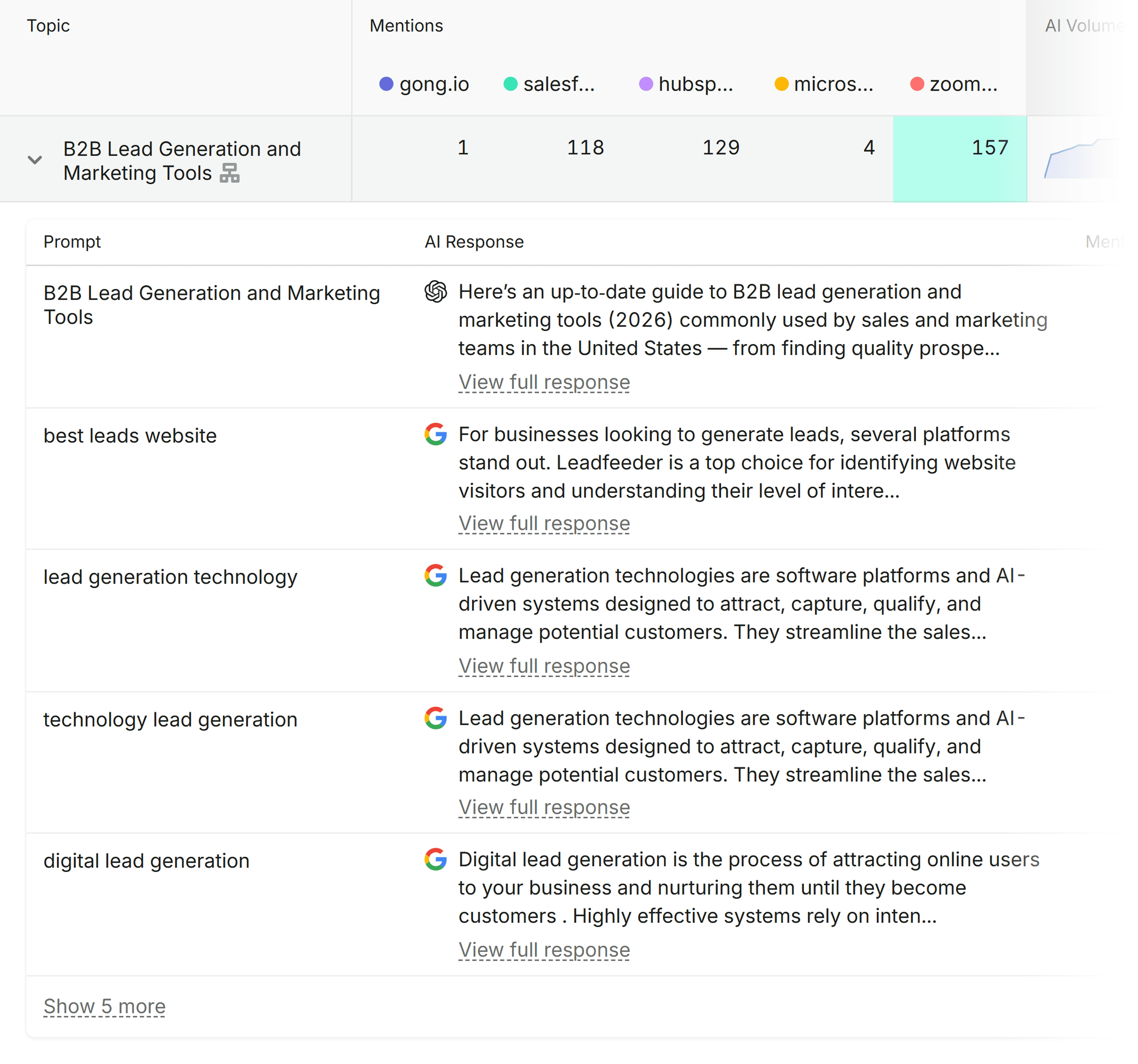
When building a prompt tracking program, practitioners typically follow a structured workflow:
- Establish a Baseline: Compile a targeted list of twenty to thirty prompts aligned with core product offerings and organize them into thematic clusters.
- Execute Multi-Platform Audits: Run prompts across major LLM platforms, accounting for response variance by conducting multiple runs per session where feasible.
- Track Third-Party Citations: Monitor not only direct brand mentions but also the external sources—such as review sites, Reddit forums, and industry publications—that LLMs cite to support their answers. Research indicates that the vast majority of brand mentions in AI search originate from third-party authority pages rather than a brand’s own domain.
- Analyze Trends Over Time: Avoid reacting to single-week fluctuations, which are often the result of natural model variance. Instead, evaluate performance over consistent four-week blocks to identify genuine upward or downward trends.
Fact-Based Analysis of Implications and Actionable Fixes
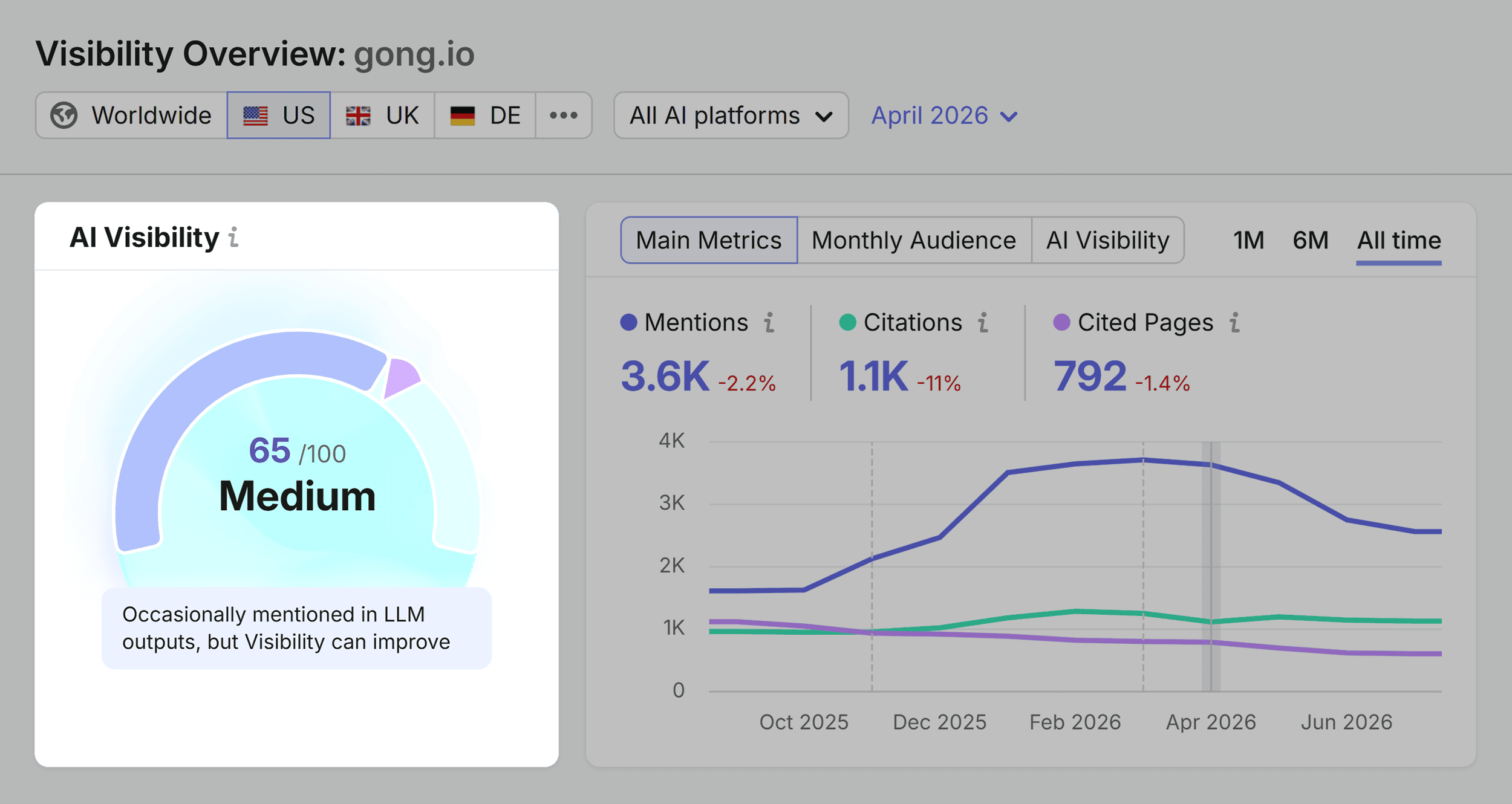
The implications of prompt tracking extend far beyond vanity metrics; they directly influence digital revenue generation. When a brand identifies a persistent decline in its AI visibility score, or discovers that it is frequently subjected to "ghost ranking"—a scenario where an AI cites a brand’s documentation in its source panel but ultimately recommends a competitor—targeted corrective action is required.
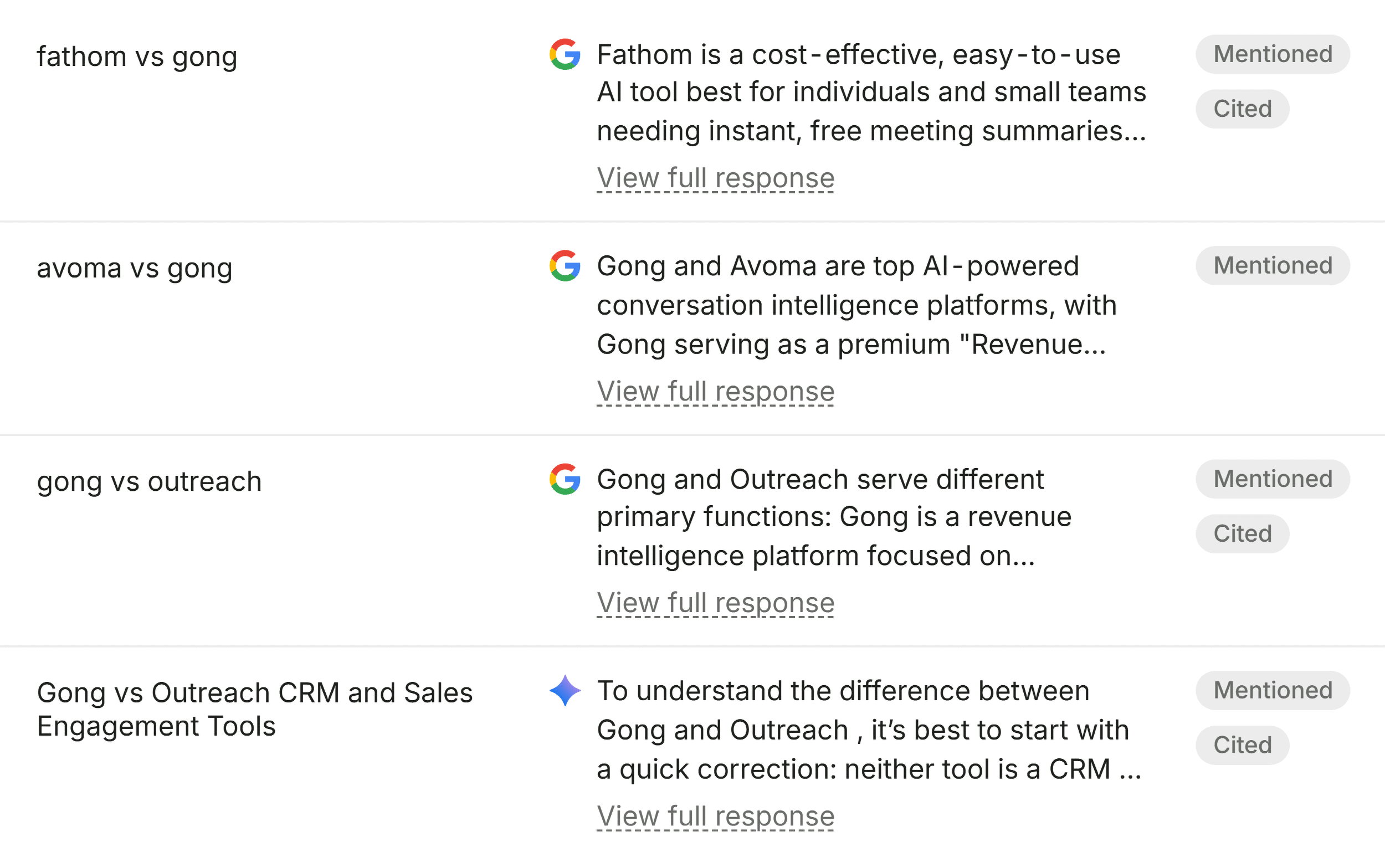
Marketing leaders recommend several evidence-based responses to visibility gaps:
- Optimizing External Footprints: Because LLMs heavily favor established third-party consensus, brands must audit and enhance their profiles on authoritative platforms, software review directories, and industry forums. Ensuring that product details are accurate and up to date on these external sites increases the likelihood of favorable AI citations.
- Content Refinement: If an organization consistently loses visibility in specific feature categories, updating on-site case studies, technical documentation, and comparison pages with clear, structured data helps AI parsers accurately index the brand’s capabilities.
- Public Relations and Media Outreach: Aligning PR campaigns with the specific third-party publications and creators most frequently cited by LLMs in a given industry can significantly elevate off-site authority and subsequent AI recommendation rates.
Ultimately, prompt tracking serves as a strategic compass rather than a static scoreboard. As generative search continues to reshape how consumers discover, evaluate, and purchase products, organizations that systematically monitor and optimize their AI visibility will maintain a distinct competitive advantage in the modern digital marketplace.