The Architecture of Legacy: Why True Leadership Is Measured in Depth Rather Than Reach


The recent memorial service for a prominent industry leader served as a stark departure from the typical high-profile commemorations that define modern corporate culture. Held on an overcast afternoon, the gathering provided a rare window into the dichotomy between public perception and the reality of professional impact. While the individual’s career was defined by significant quarterly growth, strategic market shifts, and high-level networking, the proceedings were conspicuously devoid of industry metrics or performance reviews. Instead, the service highlighted a growing trend in leadership studies: the transition from valuing performative visibility to prioritizing foundational, transformative influence.
Chronology of a Career and the Final Assessment
The career of the deceased spanned several decades, beginning with entry-level operational roles before moving into executive leadership. Throughout the 1990s and early 2000s, the subject was recognized for aggressive expansion strategies and a penchant for digital innovation. However, a retrospective analysis of the individual’s professional trajectory—compiled by colleagues and associates in the weeks following the passing—reveals a timeline that prioritizes human capital development over mere fiscal output.
According to testimonies provided by long-term associates, the subject’s approach underwent a subtle but definitive shift approximately fifteen years ago. Rather than focusing solely on the "highlight reel" of public accolades, the leader began investing heavily in mentorship programs and internal leadership development. This period, now identified as the "Small Circle Phase," saw a departure from external speaking engagements and industry panel appearances in favor of one-on-one coaching sessions and internal team-building initiatives. By the time of the funeral, this transition was evidenced by the demographic of the attendees, which was heavily weighted toward former protégés and direct reports rather than industry competitors or high-profile public figures.
Data on Leadership and Employee Retention
Recent industry data suggests that this focus on "depth" rather than "reach" is not merely anecdotal but is increasingly vital for organizational sustainability. A 2023 report from the Harvard Business Review indicated that employees who perceive their managers as "invested in their personal growth" report a 40% higher retention rate compared to those who view their leadership as primarily focused on "deliverables and brand visibility."
Furthermore, psychological studies from the Journal of Applied Psychology demonstrate that "transformational leadership"—defined by individualized consideration—has a direct, measurable impact on organizational health. While social media metrics often conflate reach with impact, the data confirms that high-volume digital presence rarely translates to internal organizational trust. In fact, excessive focus on public personal branding can often lead to a 15% decrease in team morale, as employees feel the leader’s priorities lie with external validation rather than internal support.
Official Perspectives on the Shift in Corporate Culture
"The modern leader is caught in a paradox," notes Dr. Elena Vance, a senior analyst at the Global Leadership Institute. "We are incentivized to optimize for the algorithm. We are taught that if a success isn’t witnessed by a wide audience, it is somehow diminished. However, when we look at the legacy of those who truly transform organizations, we see a complete disregard for that metric."

During the funeral proceedings, a senior executive who worked alongside the deceased for twenty years offered a poignant perspective on this shift: "We spent years analyzing his performance based on the bottom line. We looked at the quarterly forecasts and the expansion into international markets. But standing here today, those numbers are silent. What remains are the conversations that happened in the hallway, the moments when he chose to mentor a junior employee over attending a high-profile industry gala. That is the true currency of his leadership."
The False Currency of Visibility
The contemporary obsession with "personal branding" has fundamentally altered the professional landscape. A 2024 survey conducted by the Professional Networking Association found that 68% of executives feel "extreme pressure" to maintain a consistent digital presence, fearing that a lack of visibility will equate to a lack of professional relevance. This "visibility trap" often compels leaders to prioritize content creation over critical decision-making.
However, the implications of this shift are becoming increasingly clear. Organizations led by individuals who prioritize external validation over internal culture often face higher rates of burnout and lower levels of long-term strategic alignment. When a leader spends more time curating their image than cultivating their team, the foundation of the organization becomes fragile. In contrast, those who focus on the "small circle"—the immediate team and direct reports—tend to build institutions that are more resilient to market volatility.
Implications for Future Leadership Models
The broader impact of this realization is forcing a re-evaluation of how we define "success" in the boardroom. If a legacy is built in the ordinary, mundane moments of professional life—the difficult conversations, the ethical choices made in private, and the time spent fostering talent—then the current metrics of success are inherently flawed.
The movement toward "intentional leadership" suggests that future organizational models will favor leaders who:
- Prioritize Presence over Publicity: Reducing reliance on external branding in favor of deep, consistent interaction with internal teams.
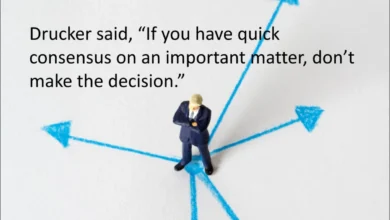
- Valuing Truth over Consensus: Making decisions based on long-term viability rather than short-term political capital.
- Investing in "Invisible" Growth: Focusing on the development of employees who may never contribute to the leader’s public "reputation capital" but who are essential to the organization’s health.
Conclusion: The Legacy of Depth
As the service concluded, the prevailing sentiment was not one of mourning a public icon, but of honoring a private anchor. The transition from the public image of a successful executive to the private reality of a human being who shaped the trajectories of others serves as a reminder of the limitations of modern metrics.
The weight of a career is not measured by the number of followers, the reach of a personal brand, or the density of a LinkedIn profile. It is measured by the resonance of one’s presence in the lives of those they lead. For organizations and individuals alike, the lesson is clear: the most significant work is that which is done when no one is watching. In the end, the small circle is not a restriction on one’s influence; it is the laboratory in which true, lasting transformation is forged. As the industry continues to navigate a landscape obsessed with the quantifiable, the example set by those who prioritize depth offers a sustainable path forward—a reminder that when the noise of the public sphere fades, the only things that remain are the lives we have touched and the values we have lived.
Related posts: