The ability to successfully initiate a project is widely recognized by industry veterans as one of the most critical competencies for any modern project manager. Regardless of whether an initiative is a localized departmental adjustment or a multi-million-dollar enterprise rollout, every successful endeavor begins with fundamental steps that scale over time. While the final execution relies heavily on the diligence of the workforce, the methodology deployed during the earliest conceptual phases often dictates whether the initiative achieves its intended objectives or suffers from scope creep and budget failure. Industry data consistently indicates that a significant percentage of project failures stem not from technical execution errors, but from poor alignment, inadequate scoping, and flawed initial planning during the kickoff phase.
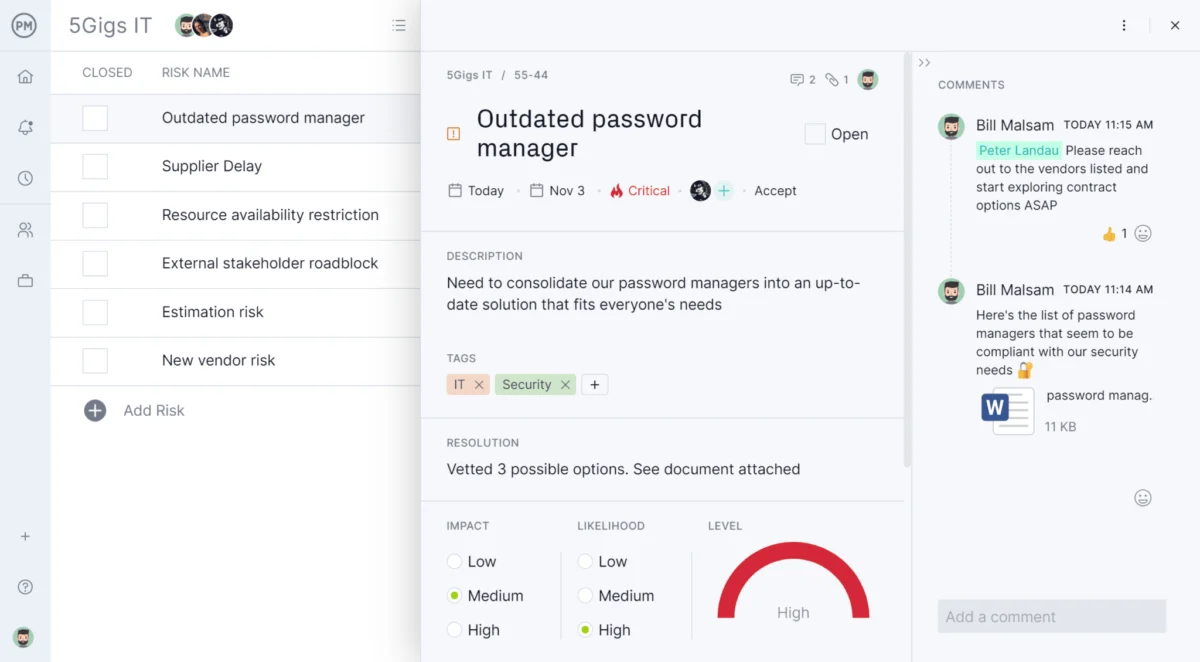
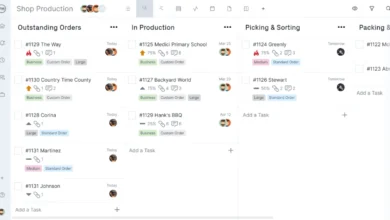
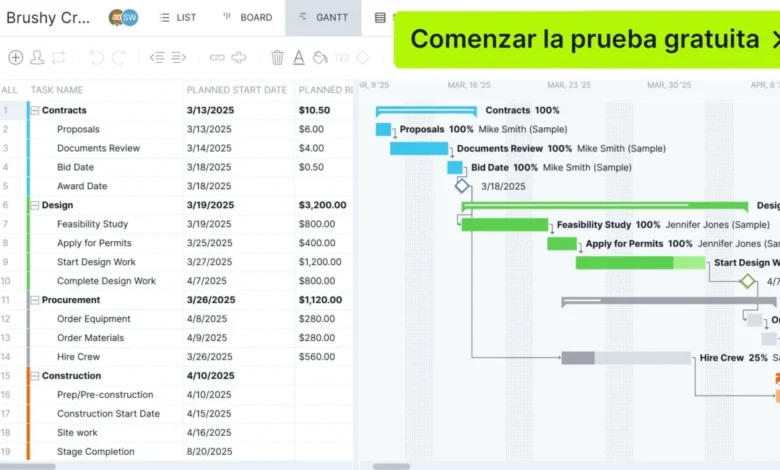
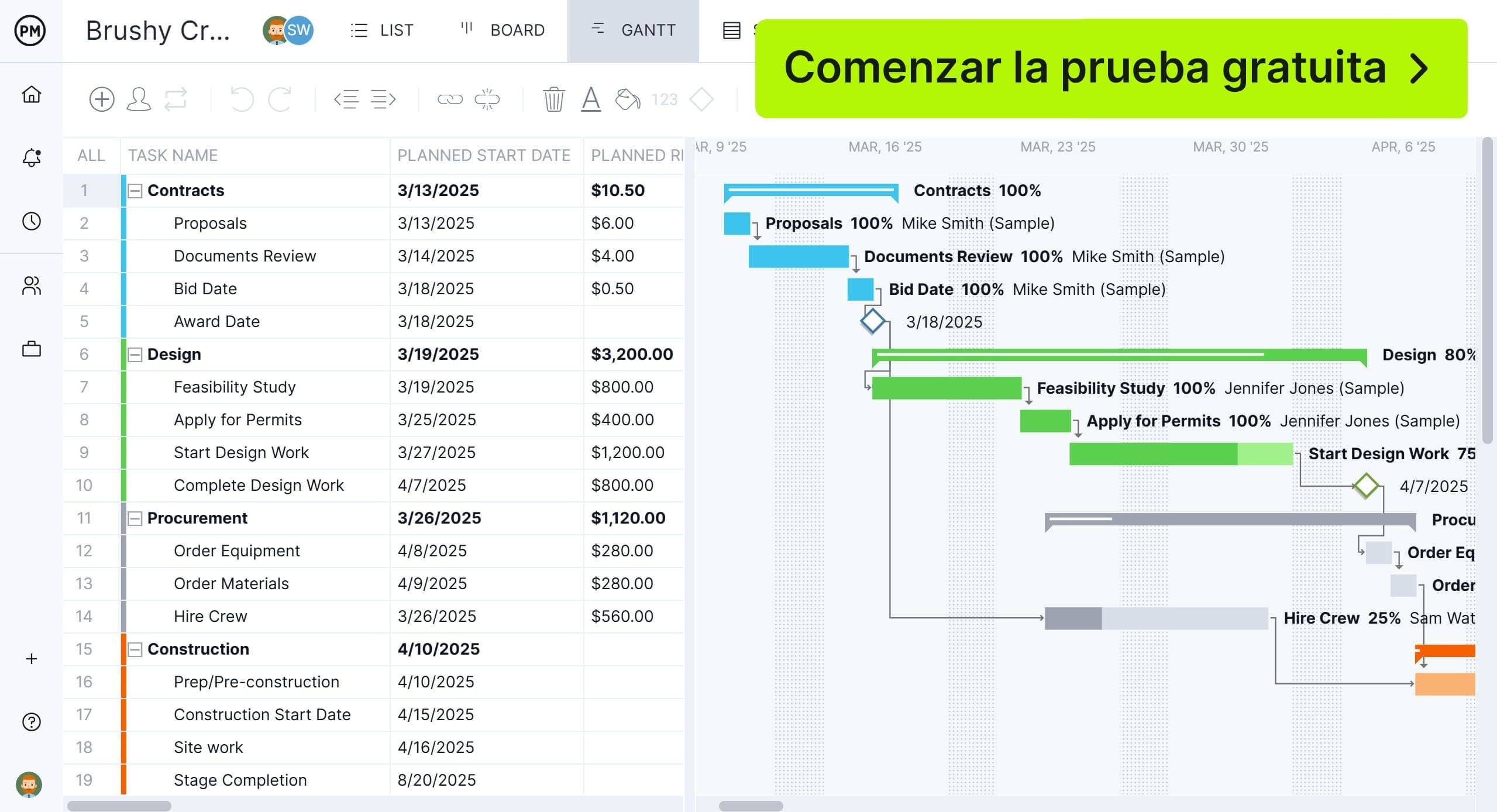
Understanding the structured lifecycle of project initiation requires breaking down complex workflows into manageable phases. Modern enterprise environments rely heavily on specialized project management software to transition an idea from a theoretical proposal into an active, measurable workflow. Platforms equipped with interactive Gantt charts, real-time workload tracking, and automated dependency mapping allow teams to establish reliable baselines. By comparing planned effort against real-time data, organizations can significantly mitigate operational risks from day one.

1. Determining the Core Purpose and Vision
Before any operational tasks are assigned or resources allocated, project leaders must articulate the foundational purpose of the initiative. This phase requires answering a fundamental question: Why does this project exist, and what problem is it designed to solve? Establishing a clear, concise vision statement prevents ambiguity and ensures that leadership, team members, and external stakeholders share a unified understanding of the primary mission. Without a defined purpose, organizations risk investing valuable capital into ventures that lack strategic alignment with overarching business goals.
2. Defining SMART Goals and Measurable Objectives
Moving beyond the high-level purpose requires translating vision into concrete targets. Project managers must establish explicit goals and objectives using the established SMART framework—ensuring they are Specific, Measurable, Achievable, Relevant, and Time-bound. For instance, rather than stating a goal to "improve software performance," a SMART objective would specify "reducing server latency by 25% within the next two quarters." This precision enables project teams to evaluate progress objectively and provides a transparent framework for executive evaluation.
3. Establishing the Project Scope
The project scope serves as the definitive boundary of the initiative, dictating what is included and, equally important, what is excluded. Developed during the initial planning phase, the scope document itemizes all deliverables, required tasks, milestones, and projected resource costs. Creating a meticulous scope baseline prevents scope creep—the tendency for a project’s requirements to grow unchecked—which remains a primary driver behind budget overruns and missed deadlines according to global project management benchmarks.

4. Estimating Project Duration and Timelines
Calculating the total duration required to complete an initiative relies on breaking down deliverables into a Work Breakdown Structure (WBS). By dissecting major deliverables into granular, actionable tasks, project managers can assign realistic start and end dates to each component. Utilizing historical data from past projects enhances the accuracy of these timeline estimates. Factoring in potential bottlenecks and resource availability ensures that the final schedule remains both ambitious and realistic.
5. Estimating Comprehensive Project Costs
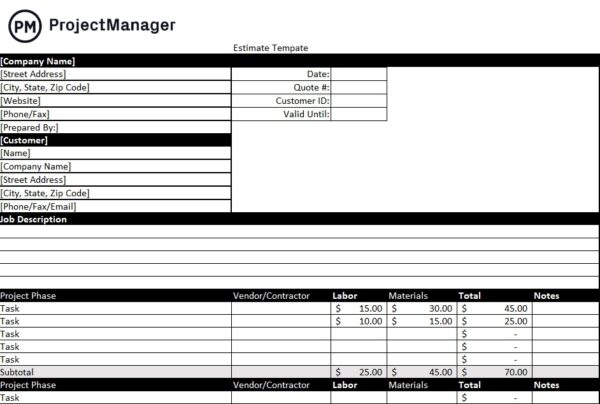
Financial oversight begins during the initiation phase with a rigorous estimation of total project costs. Every discrete task within the work breakdown structure carries associated expenses, including internal labor salaries, contractor fees, software licenses, hardware procurement, and operational overhead. Financial analysts and project managers must compile these estimates meticulously to formulate a comprehensive baseline budget, incorporating contingency funds to absorb unforeseen market fluctuations or technical hurdles.
6. Conducting a Rigorous Feasibility Study
An effective feasibility study acts as an analytical safeguard, determining whether an initiative is viable before the organization commits substantial capital and human resources. This evaluation reviews the proposed project plan against technical, economic, legal, and operational parameters. By assessing potential market demand, resource constraints, and regulatory hurdles, leadership can verify whether the projected return on investment (ROI) justifies the upfront expenditure, thereby preventing costly commitments to unviable concepts.
7. Compiling Initiation Documentation
The initiation phase generates a robust portfolio of administrative and strategic documents that guide the project through its lifecycle. Beyond the feasibility study, teams compile a Project Charter, a Stakeholder Register, and a high-level Milestone Schedule. These documents serve as the official authorization for the project, granting the designated project manager the authority to apply organizational resources to project activities and establishing clear lines of accountability.
8. Finalizing the Budget and Securing Financing
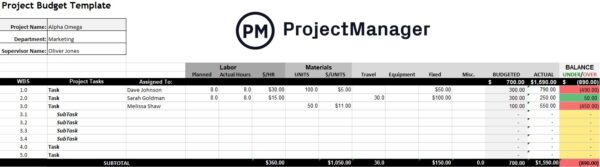
Once comprehensive cost estimations and feasibility reports are complete, the project manager formalizes the master budget. This financial blueprint—frequently incorporating profit margins for management teams in industries such as construction and engineering—must be formally presented to executive sponsors, investors, or client boards. Securing official financial approval and capital allocation is the definitive milestone that transitions an idea into an officially funded operational initiative.
9. Assembling the Project Team
With funding secured and documentation approved, the focus shifts to human capital. Assembling a cross-functional project team requires identifying individuals whose specific skill sets, technical expertise, and professional experience align with the project’s demands. The project manager must clearly define individual roles, reporting structures, and accountability matrices (such as RACI charts) to ensure every team member understands their specific contribution to the deliverables.
10. Executing the Official Project Kickoff Meeting
The formal kickoff meeting marks the official operational launch of the project. This gathering serves a dual purpose: it signals to all internal and external stakeholders that work has officially commenced, and it establishes transparent communication channels. During this session, leadership introduces the project team, reviews background context, outlines quality expectations, and reiterates key milestones, ensuring complete alignment before execution begins.
Strategic Framework: Three Essential Practices for Long-Term Success
While formal kickoff checklists provide procedural rigor, seasoned professionals emphasize that human elements and collaborative foundations are equally vital. Industry research highlights three foundational pillars that consistently separate high-performing project teams from those that struggle with execution.
Aligning All Stakeholders Early
Building consensus requires involving all affected parties—including executive sponsors, end-users, IT architects, and operational staff—from the earliest conceptual stages. Experts recommend collaborative planning sessions, such as co-authoring project briefs or working documents directly with stakeholders. When business units actively participate in defining risks, deliverables, and constraints, their long-term commitment and organizational support increase significantly.
Cultivating Deep Team Familiarity
Project teams often spend more operational hours interacting with one another than with their families, making interpersonal dynamics a critical factor in productivity. Effective managers schedule dedicated one-on-one sessions during the initiation phase to understand each team member’s professional aspirations, skill gaps, and personal motivations. Recognizing these goals allows leadership to assign tasks that foster professional growth while enhancing overall team cohesion through targeted team-building milestones.
Deploying Centralized Management Tools
Operational efficiency relies heavily on the technological infrastructure provided to the workforce. Relying on fragmented spreadsheets or disconnected communication channels often leads to informational silos and administrative friction. Equipping teams with centralized, cloud-based project management platforms ensures that task assignment, document sharing, real-time budgeting, and performance tracking occur within a single, unified workspace. Implementing these scalable systems from day one empowers organizations to maintain transparency, streamline collaboration, and successfully deliver complex initiatives on schedule and within budget.
Related posts: