The Ultimate Guide to Production Scheduling: Optimizing Manufacturing Efficiency, Supply Chain Integration, and Resource Management


Modern manufacturing relies heavily on the intricate choreography of production scheduling, a critical operational phase that bridges raw material procurement and final market delivery. In an era marked by fluctuating global supply chains, rising operational costs, and intensifying consumer demand, the ability to accurately schedule manufacturing operations can mean the difference between market leadership and costly insolvency. Industry analysts note that production scheduling is no longer a localized administrative task; rather, it is a dynamic, data-driven discipline that impacts every echelon of an enterprise, from shop-floor supervisors to executive financial controllers.
To understand the modern manufacturing landscape, one must examine how production scheduling fits into the broader operational lifecycle. Sourcing, planning, scheduling, and execution form a continuous pipeline where a failure in any single segment compromises the entire system. Without reliable raw materials, manufacturing grinds to a halt. Without a robust strategic plan, goods fail to reach distributors on schedule. Consequently, contemporary manufacturing facilities increasingly deploy specialized software suites to synchronize inventory levels, labor availability, and financial forecasting in real time.
Defining Production Scheduling and the Master Production Schedule
At its core, a production schedule is an exhaustive operational blueprint designed to facilitate the timely delivery of goods to the marketplace. Encompassing raw material procurement, labor allocation, logistical frameworks, cost estimations, and strict timeframes, the schedule dictates the rhythm of the manufacturing floor. Manufacturers must finalize these schedules before initiating production runs, as the scheduling process directly dictates cost structures, workforce requirements, and capital allocation.

A common point of confusion in industrial operations lies in distinguishing between a general production schedule and a Master Production Schedule (MPS). While a standard production schedule focuses on specific, short-term production batches and shop-floor activities, an MPS provides a long-term, macro-level overview spanning weeks, months, or entire quarters. The MPS effectively connects sales demand forecasts with the organization’s total production capacity, preventing warehouse overstocking while safeguarding on-time delivery metrics. Furthermore, production scheduling differs fundamentally from production planning. Planning establishes the broad, conceptual framework of when and how a product should be manufactured, whereas scheduling provides the granular, highly detailed roadmap required for daily execution.
The Four-Step Production Scheduling Process
Implementing an effective production scheduling framework requires a systematic, multi-phase approach designed to balance production orders against available resources economically. Industry best practices outline four critical stages:
- Production Planning: Serving as the foundational bedrock of the entire pipeline, this initial phase involves executive review of budgetary constraints, demand forecasts, and raw material requirements. Modern operations increasingly favor dynamic plans over static ones, acknowledging that supply chain disruptions and shifting market demands necessitate operational flexibility.
- Production Routing: Once planning is complete, routing determines the exact physical and operational path that raw materials will take as they transform into finished goods. The objective of routing is to identify the most economical sequence of operations to minimize transit time, reduce handling costs, and optimize machinery usage.
- Production Scheduling: This phase assigns exact calendar dates and times for the completion of specific manufacturing operations. It is typically categorized into master scheduling, manufacturing operation scheduling, and retail distribution scheduling. Crucially, robust scheduling incorporates contingency plans to mitigate unforeseen bottlenecks.
- Dispatching and Execution: The final operational stage involves translating the schedule into actionable job assignments, standard operating procedures, and assembly instructions for the shop floor. Staff members execute the sequence while managers continuously monitor performance to remove emerging bottlenecks and prevent project delays.
Key Elements Required in a Comprehensive Production Schedule
To maintain operational integrity, a professional production schedule must incorporate several mandatory data points. Omitting any of these variables frequently results in costly manufacturing delays and missed delivery windows.
Forecasted Production Volume: Anticipated manufacturing quantities based on rigorous demand analysis and historical sales data. Accurate volume forecasting ensures that plant capacity aligns cleanly with consumer demand without creating wasteful overproduction.
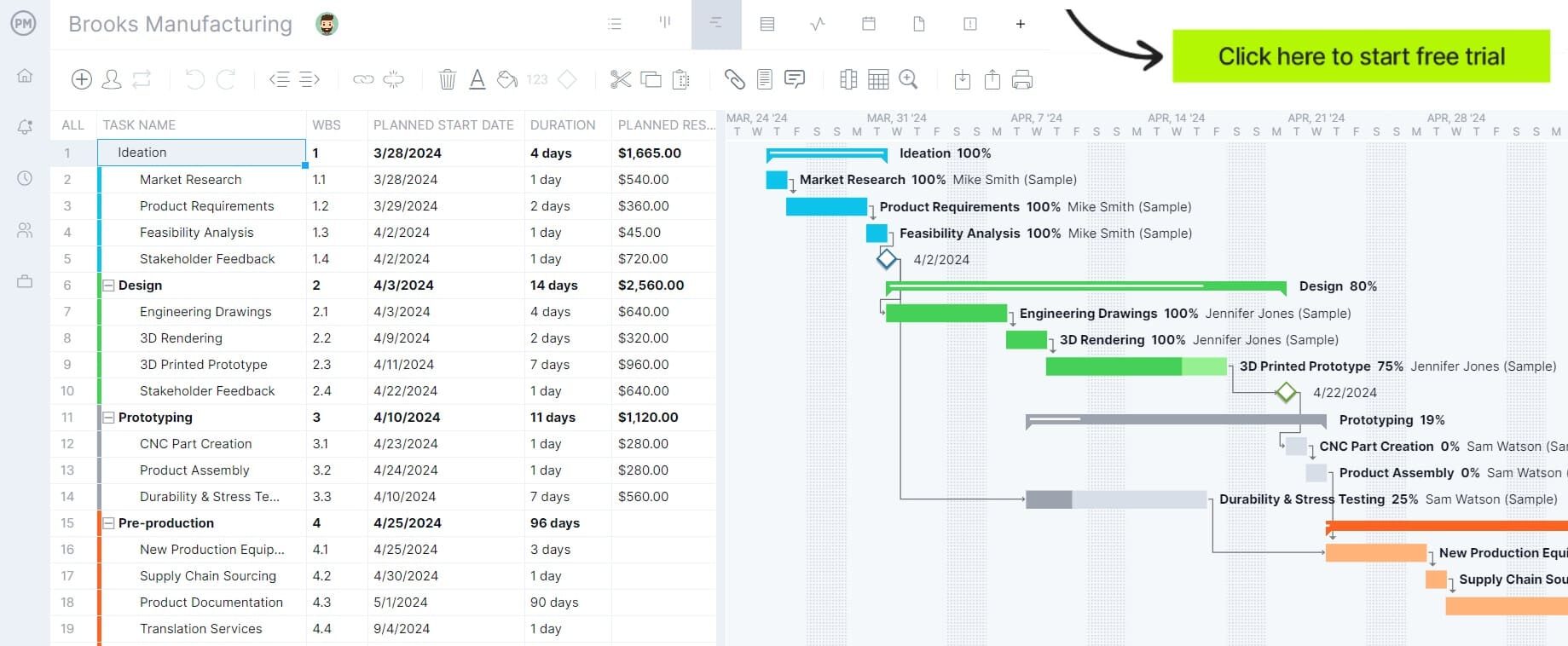
Detailed Production Timelines: A structured roadmap outlining sequential tasks, key milestones, and definitive start and end dates. Timelines enable management to monitor progress relative to baseline projections.
Lead Times: A multifaceted metric encompassing procurement lead times (acquiring raw materials and machinery), production lead times (manufacturing duration per unit), and delivery lead times (shipping finished goods to distributors or retail outlets).
Comprehensive Resource Requirements: An exhaustive inventory of all inputs necessary to execute scheduled tasks, including raw materials, skilled personnel, specialized machinery, and allocated financial budgets.
Production Tasks and Processes: A granular breakdown of every operational step, from initial material sourcing and supplier coordination to equipment setup and workflow execution.
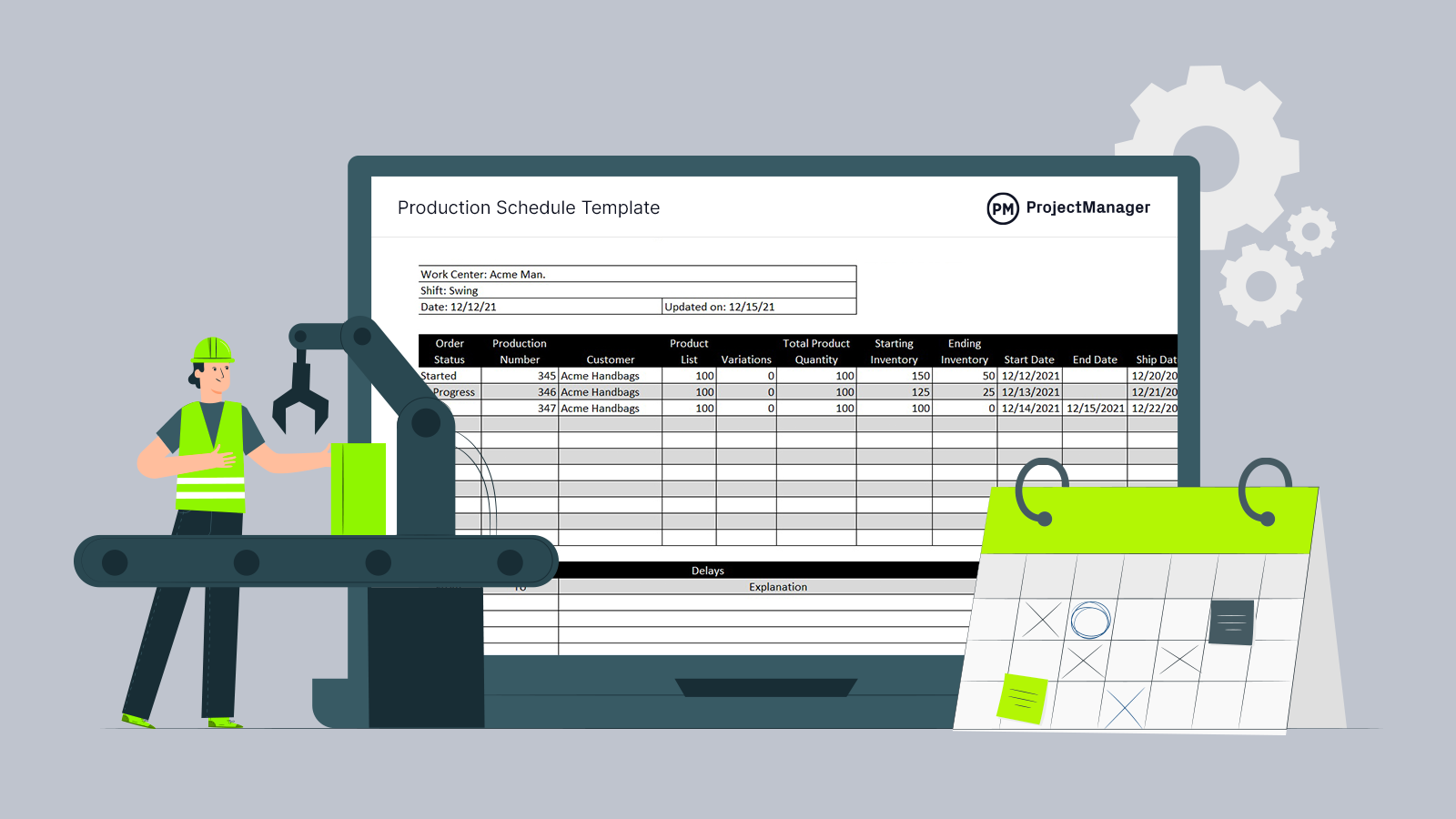
Estimated Production Costs: A complete financial projection covering direct material costs, direct labor wages, and manufacturing overhead expenses such as factory utilities and routine equipment maintenance.
Cross-Functional Participation in Modern Manufacturing
Achieving a seamless production schedule requires active collaboration across multiple corporate departments. Industry experts emphasize that production scheduling cannot exist in a silo; it demands continuous communication among several key stakeholders:
Production Managers: These professionals oversee overall facility operations, establish realistic timelines, coordinate resource deployment, and monitor deliverables to ensure strict adherence to quality standards.
Production Schedulers: Specialists tasked with managing daily schedules and strategically allocating resources to ensure the organization can rapidly respond to incoming customer orders. Schedulers must balance deep technical knowledge of workflow optimization with advanced project management capabilities.
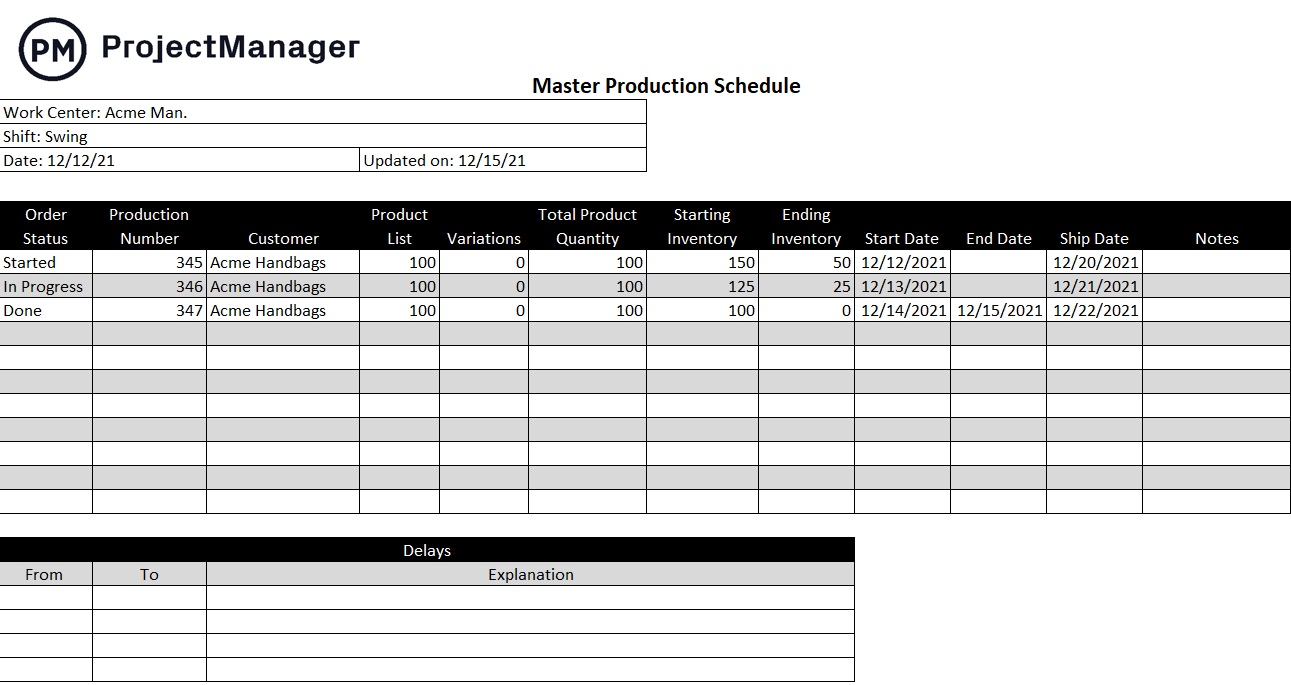
Procurement Teams: Responsible for material sourcing, vendor management, and issuing purchase orders. Procurement specialists analyze forecasts to ensure necessary components arrive cost-effectively and on schedule.
Inventory Managers: Professionals who monitor stock levels, oversee work-in-progress (WIP) inventories, and execute material planning strategies to prevent costly stockouts or inventory bloat.
Production Engineering Teams: Technical experts who design and optimize manufacturing processes, analyze workflows, and assess equipment capacity to eliminate operational bottlenecks.
Marketing and Sales Teams: Departments that supply vital market intelligence, customer feedback, and demand forecasting data to help align manufacturing output with actual consumer purchasing trends.
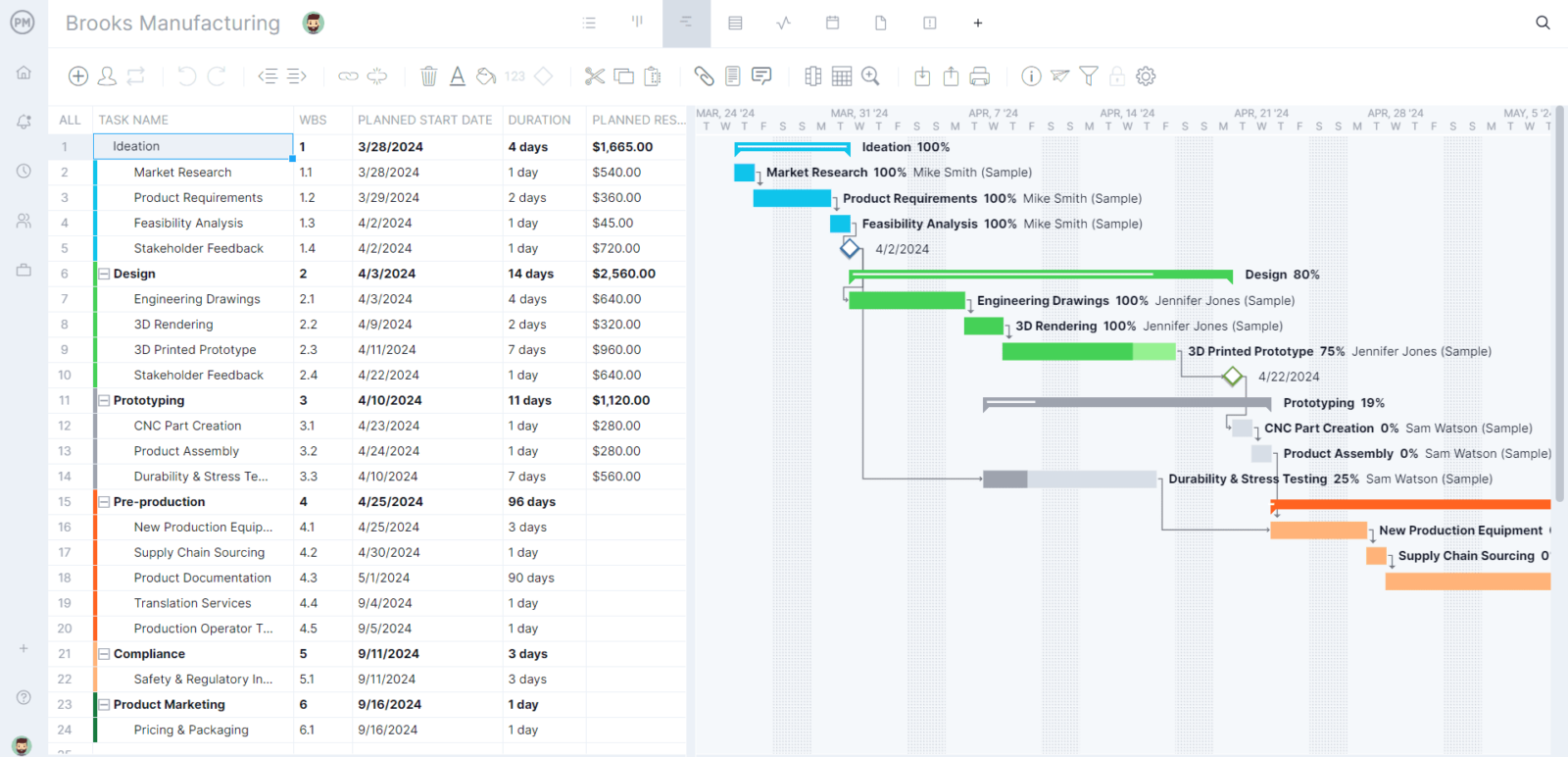
Maintenance Teams: Personnel responsible for executing preventive maintenance schedules, monitoring equipment health, and performing emergency repairs to minimize unexpected operational downtime.
Methodologies and Techniques in Production Scheduling
Manufacturers employ various scheduling techniques depending on their industry, product type, and resource availability. Selecting the appropriate methodology is essential for maximizing asset utilization:
Forward Scheduling: Involves initiating manufacturing orders immediately upon receipt or as soon as raw materials and resources become available. This maximizes worker and equipment utilization but can severely limit an organization’s flexibility to accommodate rush orders.
Backward Scheduling: Operates in reverse, beginning the manufacturing process on the latest possible date that still allows the order to be completed by the promised delivery deadline. This approach preserves operational capacity and defrays capital expenditure until the last viable moment.
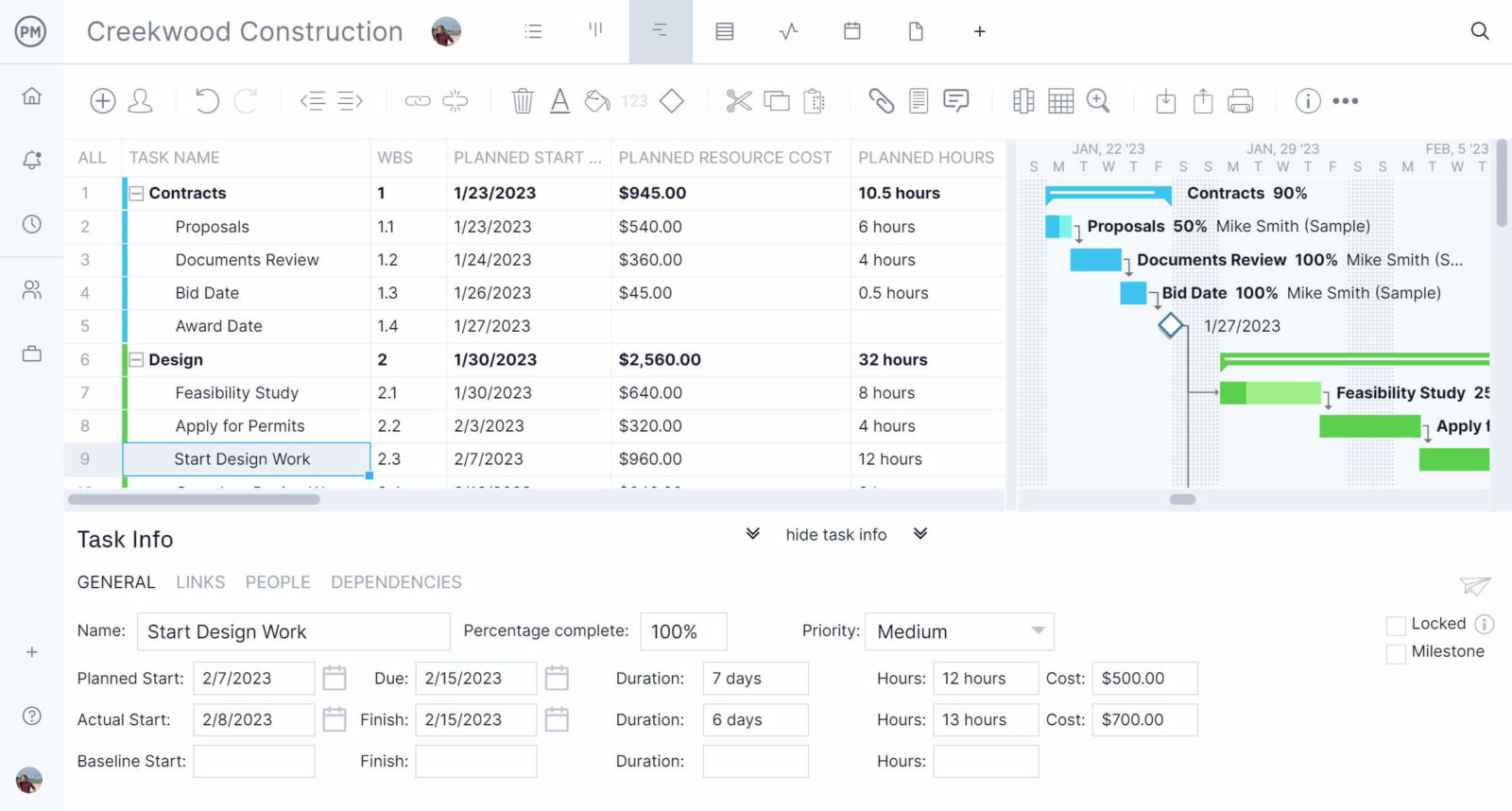
Make-to-Order (MTO) Scheduling: Tailored for custom or low-volume goods where manufacturers maintain zero finished-product inventory, initiating production runs exclusively upon securing confirmed customer orders.
Make-to-Stock (MTS) Scheduling: Utilized primarily by high-volume consumer goods manufacturers. Production schedules are continuously adjusted to replenish retail inventories based on predicted consumption rates.
Finite Capacity Scheduling (FCS): A conservative model that schedules production strictly within the boundaries of available facility resources. FCS prevents over-commitment, making it ideal for small-to-midsize enterprises with limited capital assets.
Infinite Capacity Planning: A model used by large-scale enterprises that schedules production based strictly on lead times while disregarding immediate resource constraints, relying on dynamic resource reallocation as production progresses.
Industry Implications and Technological Integration
As global markets become increasingly competitive, the implications of poor production scheduling extend directly to corporate profitability. Inaccurate scheduling leads to inflated carrying costs, delayed order fulfillment, damaged client relationships, and compromised product quality. Conversely, organizations that adopt advanced scheduling tools and maintain absolute transparency between their inventory data, shop-floor activity, and financial accounting systems consistently achieve superior operational efficiency.
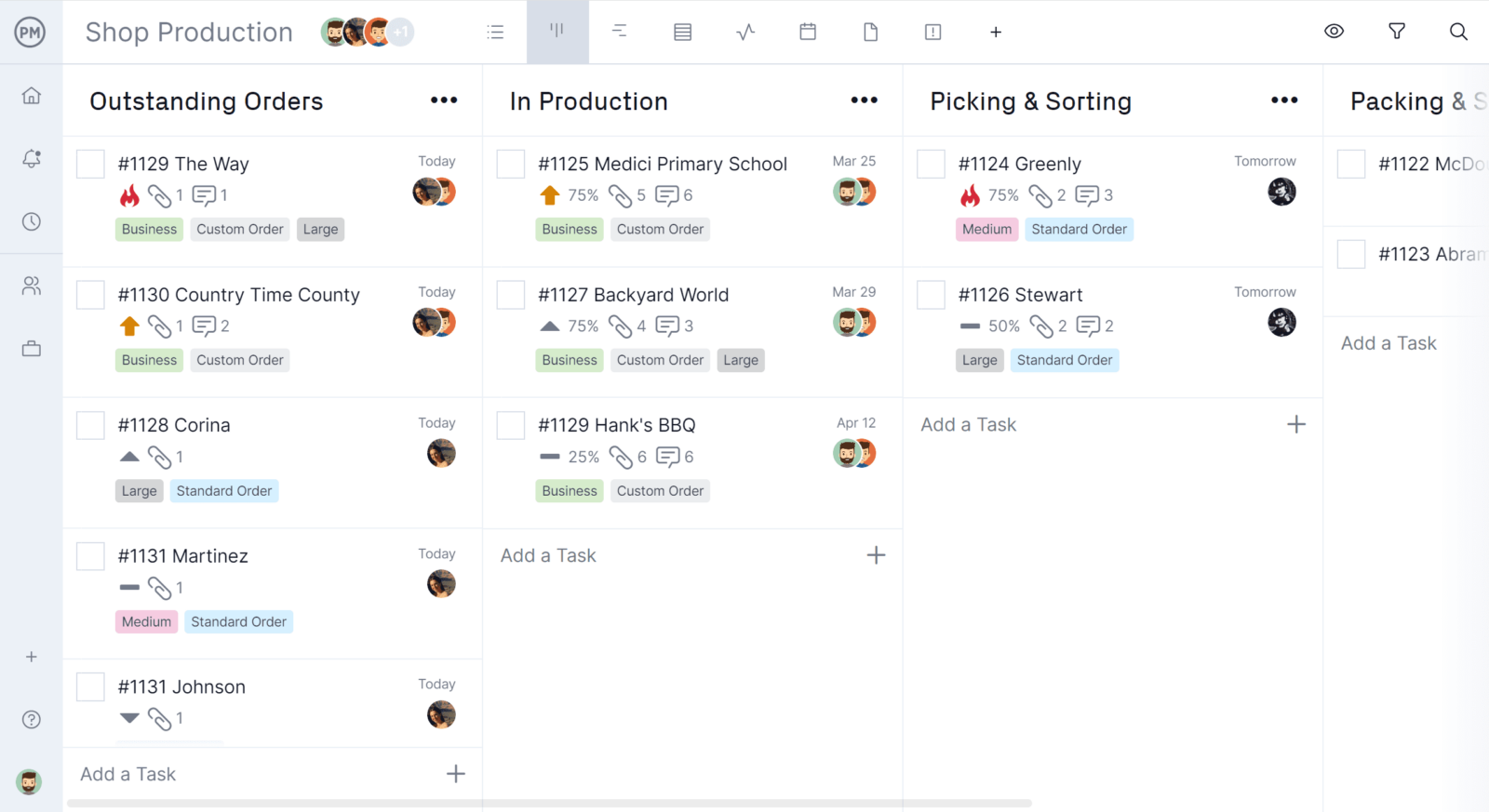
The integration of specialized production scheduling software and enterprise resource platforms has transformed modern manufacturing. By replacing legacy spreadsheets with real-time Gantt charts, automated workflows, and centralized inventory tracking, manufacturers can dynamically adjust to supply chain shocks, optimize resource utilization, and ensure that financial metrics accurately reflect physical operational realities. Ultimately, mastering production scheduling remains an indispensable competency for sustainable industrial growth in the twenty-first century.