In the modern corporate landscape, decision-making is often viewed as a singular, intellectual exercise performed by experienced professionals. However, a growing body of research suggests that even the most seasoned experts are subject to unpredictable, unwanted variability—a phenomenon termed "noise." A noise audit acts as a diagnostic tool, providing a structured framework to measure the degree of inconsistency among qualified reviewers when they assess identical cases. By identifying where decision systems falter, organizations can implement "decision hygiene," ensuring that critical choices in hiring, underwriting, and compliance are guided by objective criteria rather than ambient, irrelevant influences.
The Anatomy of Decision Error: Bias vs. Noise
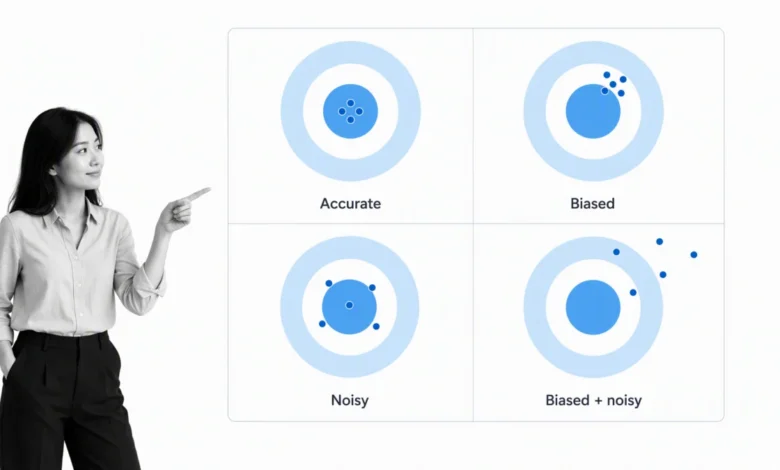
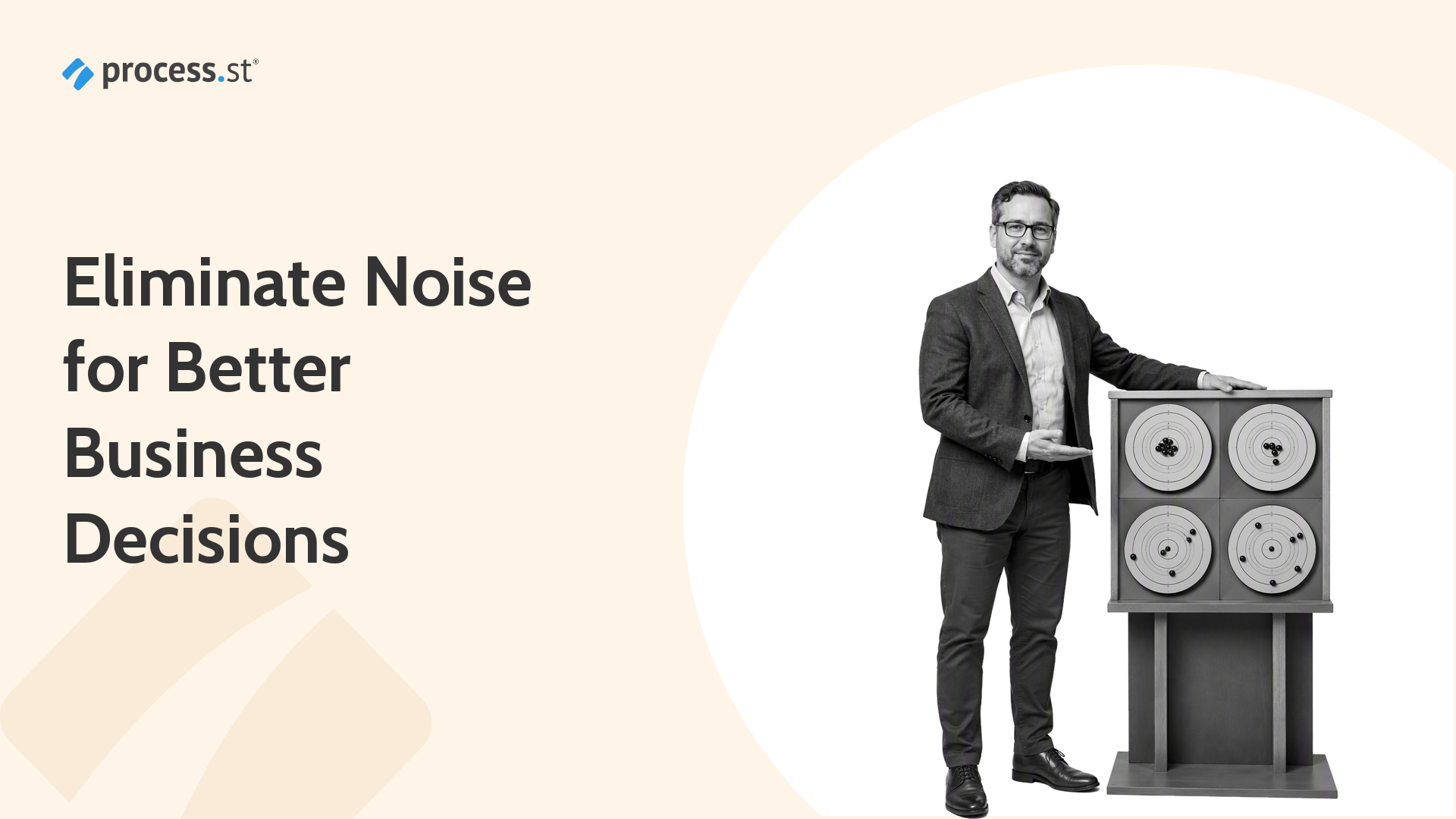
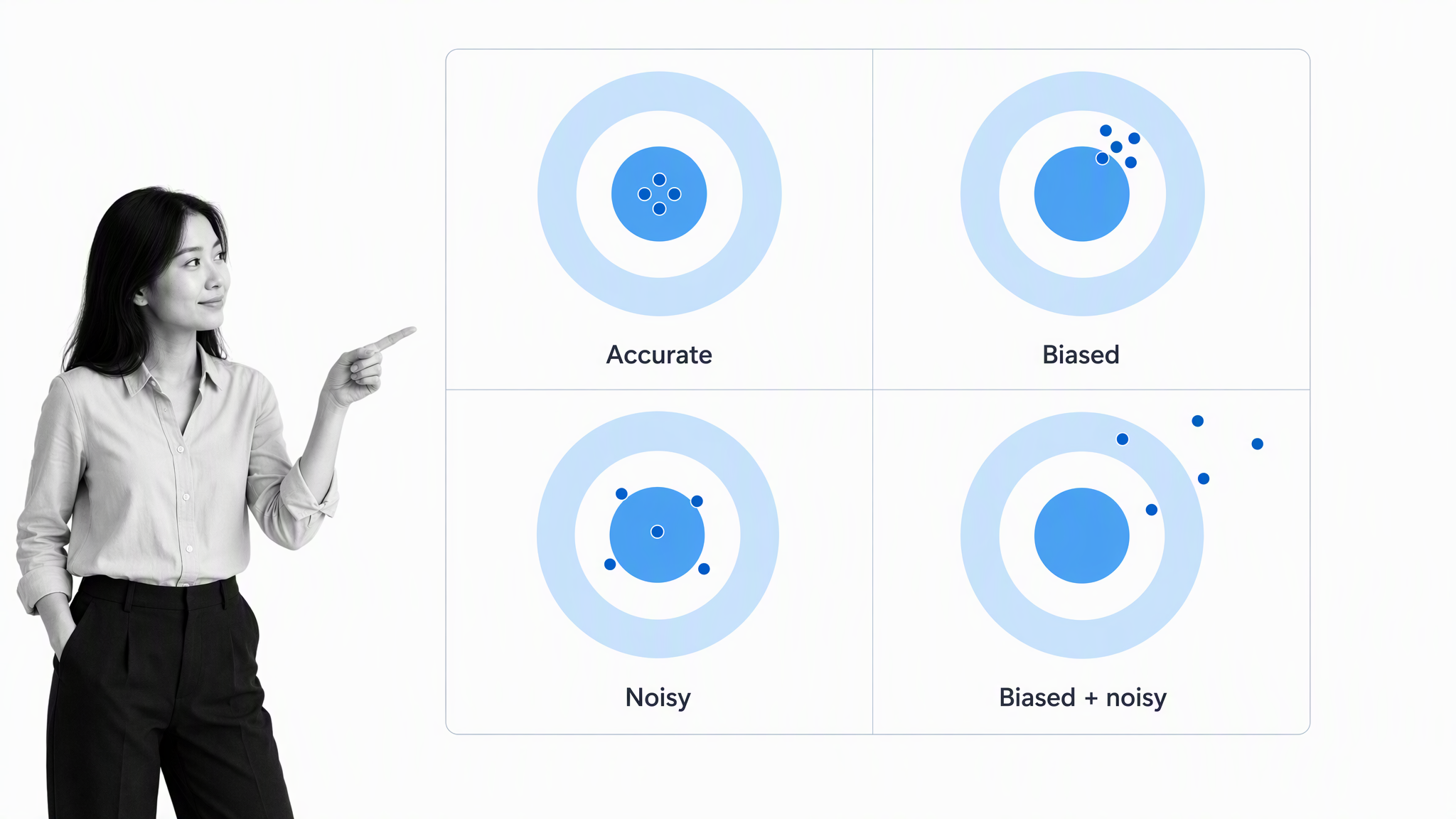
To understand the necessity of a noise audit, one must first distinguish between the two primary drivers of poor judgment: bias and noise. As codified by Nobel laureate Daniel Kahneman, Olivier Sibony, and Professor Cass R. Sunstein in their seminal work, Noise: A Flaw in Human Judgment, bias is a systemic, directional error. It represents a consistent tilt in one direction, such as a recruiter who systematically underestimates candidates from certain academic backgrounds.
Noise, conversely, is the scatter—the unpredictable variance in judgments that should, theoretically, be identical. If four underwriters examine the same insurance claim and produce four vastly different risk assessments, the system is noisy. While bias is often easier to spot because it follows a pattern, noise is frequently ignored because it feels like the natural, unavoidable variation of human intuition. Yet, in high-stakes environments, this lack of consistency represents a significant financial and operational risk.
Chronology of a Decision Crisis
The recognition of decision noise as a distinct business risk has evolved over several decades. In the 1990s and early 2000s, behavioral economics focused heavily on cognitive biases, such as anchoring or confirmation bias. However, a landmark 2016 study published by the American Economic Association shifted the focus toward external, environmental noise. By analyzing juvenile court sentencing data between 1996 and 2012, researchers discovered that judicial decisions were influenced by factors as trivial as the outcome of local football games.
Following this, the 2021 publication of Noise provided the academic architecture for businesses to apply these findings to organizational behavior. Since then, major firms have begun adopting "decision hygiene" protocols. The timeline of this transition typically involves:
- Initial Assessment (2021-2022): Recognition that expert intuition is not a substitute for standardized processes.
- Pilot Audits (2023-2024): Adoption of controlled, independent testing where reviewers assess anonymized cases without prior collaboration.
- Institutionalization (2025-Present): The integration of digital workflows, such as those provided by Process Street, to mandate independent scoring and evidence-based justification before group deliberation.
Supporting Data and the Cost of Inconsistency
The financial implications of high-noise environments are profound. In insurance, for example, a noise audit can reveal that two underwriters at the same firm, looking at the same risk profile, vary their premiums by as much as 20% to 50%. According to research cited in the Annual Review of Organizational Psychology and Organizational Behavior, this variability does not lead to a "mean" that is accurate; rather, it introduces a level of uncertainty that inflates capital reserves and increases the risk of adverse selection.
In corporate hiring, the cost is equally measurable. When recruiters are influenced by "background noise"—such as the weather, the time of day, or the interviewer’s personal mood—the organization loses the ability to scale talent acquisition effectively. Data suggests that companies that implement independent, pre-discussion scoring systems see a reduction in the time-to-hire by approximately 15% and a higher retention rate for new recruits, as the quality of the candidate selection becomes more reliable.
The Mechanics of a Noise Audit
A noise audit does not require a complex statistical overhaul; it requires a disciplined, procedural approach. The methodology involves three core phases:
- Selection of Representative Cases: The organization selects a subset of past cases that are typical of the daily workload. These cases must be stripped of identifying markers that might trigger individual bias.
- Independent Review: Qualified personnel review the cases in isolation. Crucially, they are prohibited from discussing their findings or comparing notes during this stage. This prevents "anchoring," where the first person to speak sets the tone for the entire group.
- Quantitative Analysis of Scatter: Once the independent assessments are collected, the organization maps the results. If the variance between reviewers is high, the system is noisy. The "scatter" becomes the evidence that the current process is failing to provide a unified standard.
Perspectives on Process Hygiene
Industry leaders in compliance and operations increasingly argue that the "human element" in decision-making must be supported by, not replaced by, structured technology. "The goal is not to turn employees into robots," says a spokesperson for operational excellence firm Process Street. "The goal is to ensure that when two people are tasked with the same decision, they are singing from the same hymn sheet. By using a documented, repeatable workflow, we minimize the impact of human fluctuation—like fatigue or external distractions—on the business outcome."
Critics often argue that structure stifles creativity. However, the distinction lies in the nature of the decision. While creative departments require flexibility, departments like finance, legal, and HR require consistency. A noise audit is only intended for the latter, where the objective is to maintain a standard of fairness and accuracy.
Broader Impact and Organizational Implications
The implications of adopting a noise-audit culture extend beyond mere efficiency. It is a matter of corporate governance. Regulators are increasingly scrutinizing the "black box" of decision-making. When a firm can demonstrate that its underwriting or hiring processes are audited for consistency and that its decisions are the result of independent, evidence-based review, it builds a robust defense against claims of arbitrary or discriminatory practices.
Furthermore, the rise of Artificial Intelligence in the workplace has made noise audits more relevant than ever. As AI systems are integrated into decision-making, they must be calibrated against human benchmarks. If the human benchmark is noisy—meaning the experts themselves cannot agree on the "correct" outcome—the AI will inherit that noise, potentially amplifying it at scale. By auditing human decisions first, firms create the "ground truth" necessary to train more accurate and equitable machine learning models.
Conclusion: The Necessity of Testing
The only way to determine if a decision-making framework is reliable is to subject it to a stress test. A noise audit is that test. Whether an organization is evaluating loan applications, conducting performance reviews, or assessing compliance risks, the presence of unwanted variability is a silent drain on resources.
By shifting the focus from the "correctness" of an individual decision to the "consistency" of the process, companies can strip away the background noise that clouds judgment. In an era where information is abundant but clarity is rare, the ability to make reliable, consistent decisions is perhaps the most significant competitive advantage an organization can cultivate. The implementation of a noise audit is not merely an administrative exercise; it is a foundational step toward building a more resilient, objective, and efficient enterprise. As the tools to perform these audits become more accessible, the standard for organizational consistency will inevitably rise, leaving those who ignore their "noise" at a distinct disadvantage in the marketplace.