The Architecture of Legacy: Redefining Leadership Beyond the Metrics of Modern Visibility


The death of a prominent business leader often triggers a predictable public response: an outpouring of press releases detailing quarterly earnings, market capitalization growth, and strategic acquisitions. However, recent observations from memorial services of high-profile executives suggest a widening gap between the metrics of corporate success and the realities of human impact. As the digital era forces a premium on reach, engagement, and follower counts, a shift is occurring in how organizations evaluate the enduring effectiveness of their leadership.
The Anatomy of a Memorial: Beyond the Quarterly Report
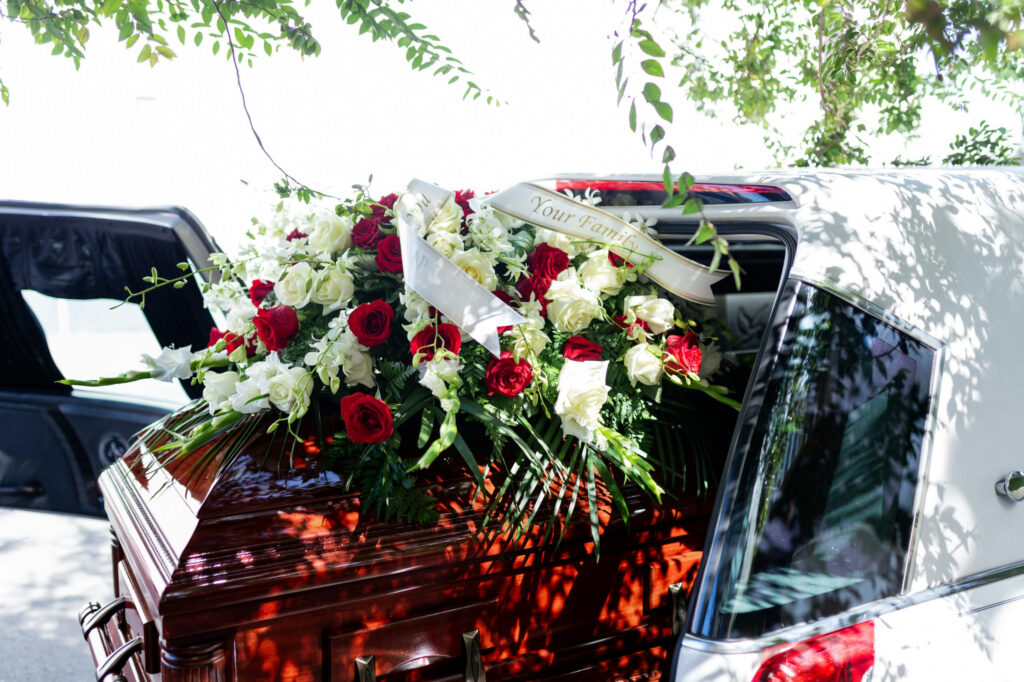
At a recent funeral service held for a veteran business leader, the atmosphere provided a stark contrast to the boardroom environment typical of the deceased’s life. Attendees, including senior executives and former subordinates, arrived in a climate that eschewed the performative nature of corporate networking. Despite the subject’s tenure as a titan of industry, the eulogies and private conversations ignored common KPIs—such as profit margins, stock performance, and industry awards—in favor of anecdotal evidence of mentorship and character.
Sociologists note that this phenomenon is increasingly common at the conclusion of long careers. When the "noise" of public perception is stripped away, the data points that remain are exclusively relational. The focus shifts from the macro-level achievements reported in annual filings to the micro-level interactions that defined the leader’s daily conduct.
The Quantifiable Crisis: Impact vs. Reach
In the current professional landscape, the metrics of success have become inextricably linked to visibility. Data from the 2024 Digital Professionalism Survey indicates that 78% of executives believe their personal brand, measured by social media engagement and public speaking frequency, is a critical component of their career progression. This reliance on "vanity metrics" creates a feedback loop where volume is prioritized over substance.
However, historical analysis of organizational longevity suggests that high-visibility leadership often fails to build the internal resilience required for institutional stability. While an executive may boast a high Klout or influence score, this does not correlate to employee retention or organizational trust. According to the Gallup State of the American Workplace report, 70% of the variance in team engagement is attributed solely to the manager. This suggests that the "small circle"—the immediate team and direct reports—is the primary theater of a leader’s success, yet it is the one least represented in the public metrics of achievement.
Chronology of a Shifting Paradigm
The evolution of leadership expectations can be traced through three distinct phases over the last two decades:
- The Era of Authority (2000–2010): Leadership was characterized by hierarchical control and institutional prestige. Success was measured by title and the physical size of the organization.
- The Era of Visibility (2010–2020): With the rise of platforms like LinkedIn and Twitter, leadership became a performative act. The "Personal Brand" emerged as a core requirement, and reach became a proxy for influence.
- The Era of Resonance (2020–Present): Following global disruptions and the "Great Resignation," there has been a documented pivot back to human-centric leadership. Current organizational data suggests that employees are now prioritizing psychological safety and authentic mentorship over corporate prestige, marking a return to the values observed at the recent memorial service.
Fact-Based Analysis: The Fallacy of Visibility
The correlation between public image and internal impact is, at best, weak. Management researchers often cite the "Image-Trust Gap," where an executive’s external reputation is inversely proportional to their internal credibility. When an organization’s leadership becomes preoccupied with public perception, resources are frequently diverted from internal development to external public relations.
The implication for modern business is clear: high-visibility leaders who fail to invest in their "small circle" often find their organizations collapsing upon their departure. This is because they have curated an image, not a culture. An image requires constant maintenance and is easily disrupted by scandal or market volatility. A culture, conversely, is built on trust and is inherently resilient, functioning even when the leader is absent.
Official Perspectives on Sustainable Leadership
Leading experts in organizational behavior argue that the focus must return to the "transformational leadership" model. This model, first conceptualized in the late 20th century, focuses on the leader’s ability to inspire individuals to exceed their own expectations.
"The most effective leaders are not those who are most visible, but those who are most present," says Dr. Elena Vance, a senior fellow at the Institute for Organizational Excellence. "The data shows that when a leader spends time on one-on-one development, the ripple effect on the organization’s bottom line is statistically significant. It is a slow, quiet process that doesn’t generate social media engagement, but it builds a foundation that outlasts any single quarterly cycle."
The Small Circle as a Strategic Asset
A leader’s "small circle"—the immediate direct reports and those within their direct sphere of influence—serves as the true laboratory of leadership. In these environments, the pressure of public scrutiny is absent, forcing the leader to reveal their true decision-making criteria.
The primary components of this internal impact include:
- Cognitive Empathy: The ability to understand the struggles of team members and provide support before a crisis occurs.
- Integrity under Pressure: The willingness to choose the difficult, ethical path when the easier, unethical one would remain hidden from the public eye.
- Succession Readiness: The degree to which a leader has empowered others to perform without their intervention.
When these factors are absent, the "small circle" becomes a source of attrition. When they are present, the circle acts as a multiplier, creating leaders who will eventually lead others with the same values.
Conclusion: Reframing the Legacy
As the business world continues to navigate an environment obsessed with digital metrics, the lessons learned from the funeral of a quiet, effective leader serve as a corrective measure. The transition from "reach" to "resonance" is not merely a moral imperative; it is a strategic necessity for the long-term survival of any institution.
The metrics that appear in annual reports are essential for accountability, but they do not capture the entirety of a leader’s contribution. The true legacy of a professional life is not found in the number of followers or the size of a public profile, but in the specific, unquantifiable ways that one person changed the trajectory of another’s life. As the industry looks toward the future, the challenge for the next generation of leaders will be to ignore the siren call of modern visibility and focus on the quiet, rigorous work of building a legacy that survives the finality of their own departure.
Leadership, when stripped of its performative layers, is revealed to be a simple, human act of service. It is the decision to show up when it is difficult, to speak the truth when it is costly, and to invest in the potential of others when they cannot yet see it themselves. This is the only form of influence that carries weight in the long term, and it remains the only metric that truly endures.