The End of the Easy Growth Era: Why the SaaS Landscape is Undergoing a Fundamental Transformation

In 2014, Mixpanel, a prominent analytics firm, secured $65 million in Series B funding backed by a growth trajectory that appeared invincible on paper. Their roadmap was aggressive, projecting an expansion from five sales representatives to 33 within a single year, with a stated goal of reaching 100 sales personnel by 2016. However, the reality of the market proved far more unforgiving than the spreadsheets of 2014 suggested. By early 2016, Mixpanel was forced to pivot, executing a layoff of 18 staff members—predominantly from the sales department—as the company recalibrated its expectations to match a tightening capital environment.
This retrenchment was not an isolated incident; it served as a bellwether for a broader shift in the Software as a Service (SaaS) sector. Shortly after the Mixpanel layoffs, Optimizely, another high-growth darling of the tech scene, announced its own workforce reduction. These events signaled the end of a long, prosperous era defined by easy access to venture capital and a "growth at any cost" mindset.
The Chronology of a Shift
The mid-2010s marked an inflection point for the industry. From 2010 to 2016, venture capital investment in SaaS surged from $1.5 billion to $7 billion annually. This massive influx of capital created a "gold rush" mentality, where companies like HubSpot and New Relic thrived by following a standardized three-step growth formula: aggressive customer acquisition, heavy investment in sales teams, and high-frequency marketing campaigns.
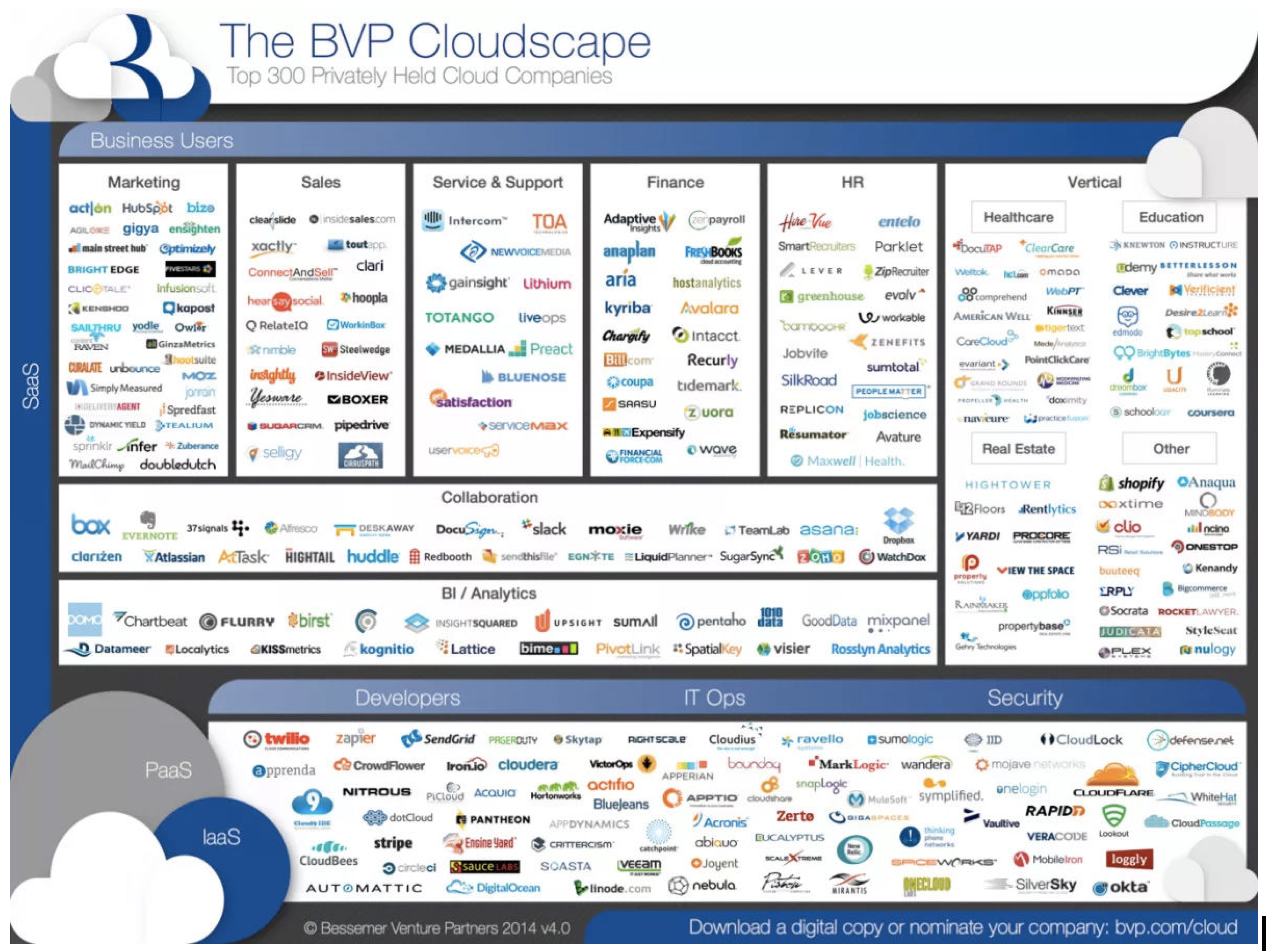
By 2016, however, the strategy began to fracture. The market was no longer starved for solutions; it was saturated. When Optimizely CEO Dan Siroker addressed the 10% staff reduction in a public statement, he highlighted a strategic pivot: "This was a journey we committed to back in August 2015 to put us on a path to sustained growth and profitability without additional venture capital. In March 2016, it ultimately became clear that we were over-invested in some parts of the business."
This sentiment echoed across Silicon Valley. The transition from growth-at-any-cost to capital efficiency marked a maturation of the sector. Founders were no longer being rewarded solely for "land and expand" metrics; they were being tasked with proving unit economics, long-term retention, and path-to-profitability.
The Dynamics of Market Saturation
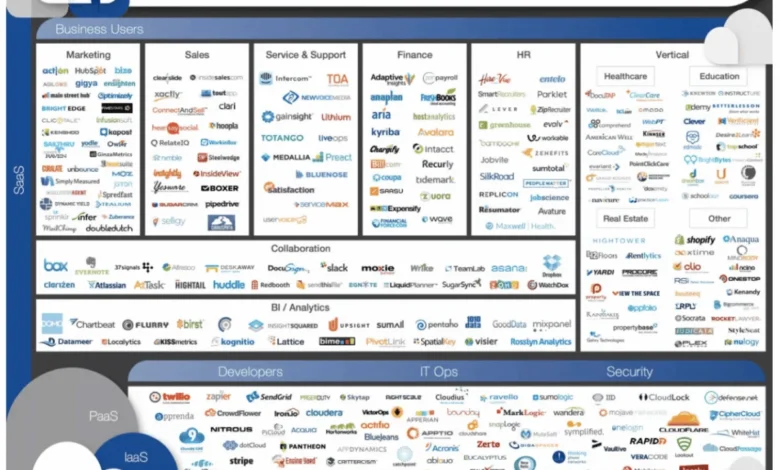
The saturation of the SaaS market is driven by several technological and economic factors. The rise of Amazon Web Services (AWS) and other cloud infrastructure providers effectively democratized software development. Startups no longer required significant capital to build and maintain physical servers, lowering the barrier to entry and enabling a proliferation of niche tools.
As Hiten Shah, a notable entrepreneur and industry analyst, observed in late 2016, the sector has not reached "peak SaaS," but rather entered a period of commoditization. "The bar is getting higher for hitting product/market fit in SaaS," Shah noted. In a landscape where every business function—from CRM to HR—has dozens of competing tools, customer attention has become a scarce, expensive commodity. Products must now be highly polished, intuitively designed, and immediately valuable to avoid the high churn rates that plague companies failing to differentiate themselves.

Implications for Modern SaaS Development
For companies entering the market today, the old playbook of hiring massive sales teams and spending heavily on paid ads is increasingly ineffective. The new generation of successful SaaS businesses is diverging from the standard subscription-only model and focusing on three core pillars: vertical-specific solutions, "sideways" market entry, and value-based monetization.
1. The Pivot to Niche Markets
Rather than selling "SaaS to SaaS"—where products are designed by tech firms for other tech firms—the next wave of winners is focusing on underserved, non-tech industries. A primary example is ATI, a physical therapy firm that has successfully integrated SaaS capabilities into its operational model. By providing a platform that handles online scheduling, therapist matching, and insurance processing, ATI provides tangible, daily value to a specific niche. These platforms succeed by solving real-world operational friction rather than merely automating software workflows.
2. The Free Tool Strategy
In a saturated market, incumbents often possess deep moats formed by years of feature development and brand equity. Challengers are finding that the most efficient way to enter such markets is not through aggressive sales, but through "product-led growth." Clearbit, for example, has successfully leveraged free, high-utility API tools to gain brand awareness and user trust. By providing developers with free utilities that solve immediate problems, they establish their brand as a trusted authority. This strategy generates "product-qualified leads"—users who have already interacted with the company’s technology and verified its efficacy—resulting in higher conversion rates when they eventually transition to paid tiers.
3. Redefining the Monetization Model
The traditional 30-day free trial followed by a recurring subscription is becoming increasingly viewed as a friction point rather than a sales tool. Modern platforms are shifting toward "networked" business models. Dotloop, an online workspace for real estate transactions, exemplifies this. By allowing all parties—agents, brokers, and clients—to collaborate within a single "loop," the software becomes an essential utility.

Because the platform thrives on network effects, Dotloop does not need to gate its core functionality behind a paywall to the same extent as legacy tools. Instead, it positions itself to monetize the transaction itself or offer premium services, moving closer to the monetization models of consumer platforms like Facebook or Instagram, which monetize user attention and engagement rather than just software seats.
The Future of the SaaS Industry
The current turbulence in the SaaS market is not a sign of death, but an indicator of an ecosystem reaching maturity. The "easy" growth of the previous decade was an anomaly facilitated by cheap capital and a lack of competition. The next decade will favor companies that treat SaaS as a utility rather than a luxury.
Investors and founders must now contend with an environment where:
- Customer Acquisition Cost (CAC) is rising: The efficiency of every marketing dollar is being scrutinized.
- Retention is the primary metric: It is no longer enough to sign a client; the product must prove its value daily to prevent churn.
- Brand is a differentiator: As software becomes commoditized, brand authority and trust become the primary drivers of long-term survival.
The companies that emerge as the next generation of industry leaders will likely look very different from the titans of the early 2010s. They will be more focused on operational efficiency, more integrated into the specific workflows of their users, and more innovative in how they capture value. We are witnessing the end of the "SaaS era" as a singular, monolithic industry and the beginning of a diverse, fragmented, and hyper-competitive landscape where the only constant is the need for genuine, measurable value.

The transition, while painful for those reliant on the old funding-heavy models, is ultimately a positive development for the end user. The competitive pressure forces higher standards of product quality, better user experiences, and more transparent pricing. While the "easy" days may be over, the potential for building sustainable, high-impact software businesses remains as strong as ever—provided that companies are willing to adapt to the new realities of the market.