Tech Industry Veteran Jeff Atwood and Partner Betsy Launch $50 Million Rural Guaranteed Minimum Income Initiative to Rebuild the American Dream

The landscape of modern American philanthropy is experiencing a significant shift as prominent software developer and Stack Overflow co-founder Jeff Atwood, alongside his partner Betsy, commits half of their remaining personal wealth—totaling $50 million—to combat systemic poverty in rural communities. This ambitious initiative, formally designated as the Rural Guaranteed Minimum Income Initiative (RGMII), transitions Atwood’s philanthropic focus from reactive, short-term crisis management to long-term economic structural reform. The project targets overlooked rural counties across the United States, utilizing targeted direct cash transfers to provide financial stability for families trapped in generational poverty while gathering open data to influence national policy.
Background and Context of the Initiative
The genesis of Atwood’s modern philanthropic journey traces back to the monumental tech acquisitions of recent years, most notably the $1.8 billion acquisition of Stack Overflow by Prosus in 2021. Finding himself with substantial personal capital, Atwood frequently returned to a foundational philosophical question regarding extreme wealth accumulation: When, exactly, is enough? Inspired by the philanthropic philosophy of Mary Gates—famously encapsulated in the mandate, "From those to whom much is given, much is expected"—Atwood and his family concluded that their personal threshold of security had long been met. Their primary objective evolved into ensuring that basic human necessities—stable housing, sufficient nutrition, and reliable healthcare—are accessible to every American.
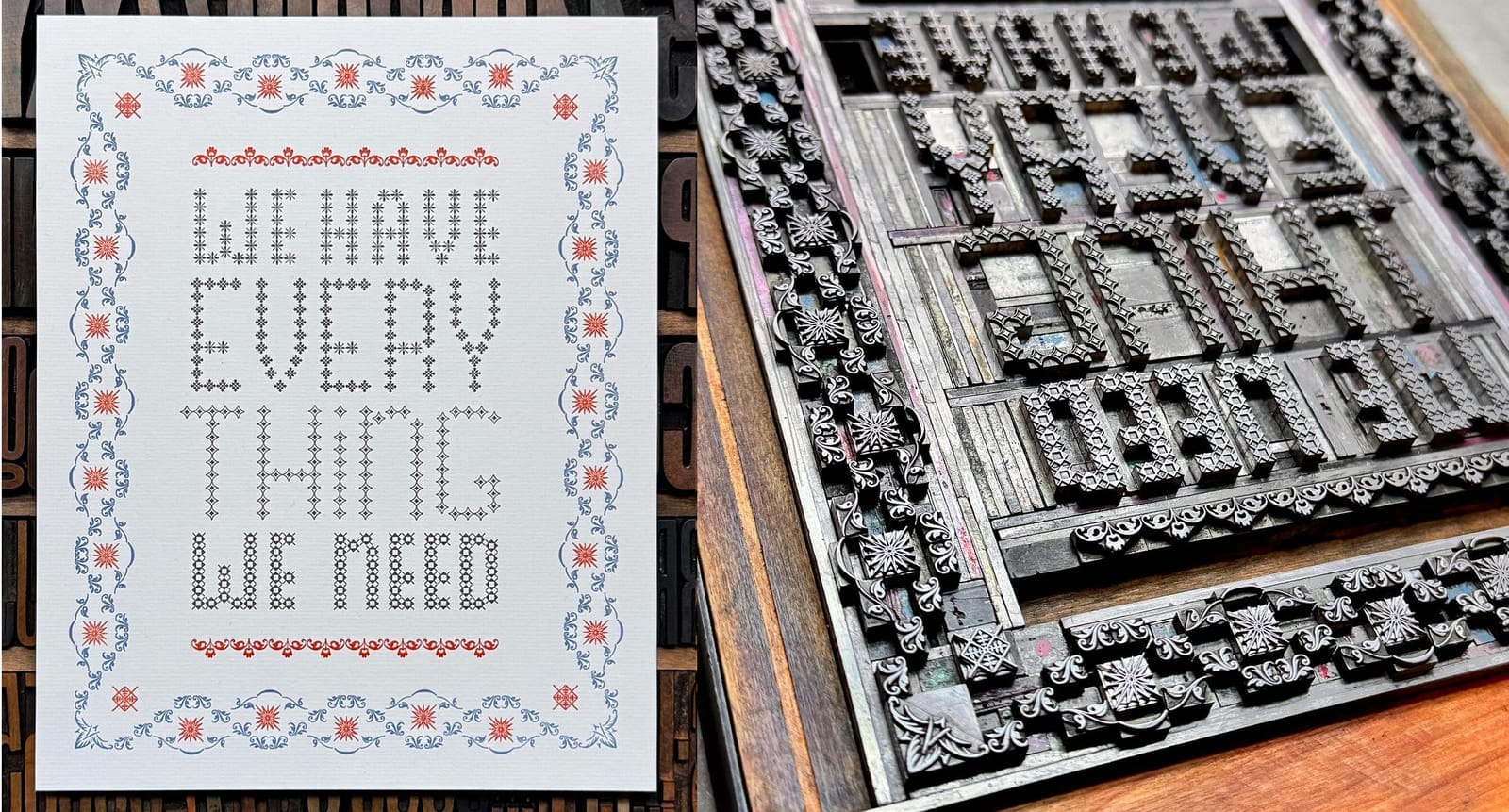
Initially, Atwood’s philanthropic efforts followed a traditional framework. In January 2025, he publicly invited Americans to participate in a pledge to share the American Dream, supporting organizations vetted by charity evaluators while committing to long-term societal investments. Early efforts involved immediate financial distributions. Beyond an initial $1 million allocation distributed among eight non-profit organizations, mounting socio-economic pressures prompted the family to inject an additional $13 million in rapid-response donations within months. By mid-2025, total short-term funding had reached approximately $21 million.

However, Atwood recognized the limitations of traditional philanthropy, describing short-term interventions as an endless cycle of fighting fires without engaging in systemic fire abatement. To address root causes rather than symptoms, the couple dedicated an additional $50 million toward structural economic reform, modeling their long-term vision on a hybrid between the historical research rigor of the RAND Corporation and the modern scaling mechanisms of Lever for Change.
The Evolution Toward Guaranteed Minimum Income
By March 2025, after extensive research and community consultation, the initiative coalesced around a specific economic model: Guaranteed Minimum Income (GMI). While distinct from the broader concept of Universal Basic Income (UBI)—which distributes funds indiscriminately across an entire demographic regardless of socioeconomic status—GMI specifically directs capital toward populations experiencing acute financial distress and generational poverty.
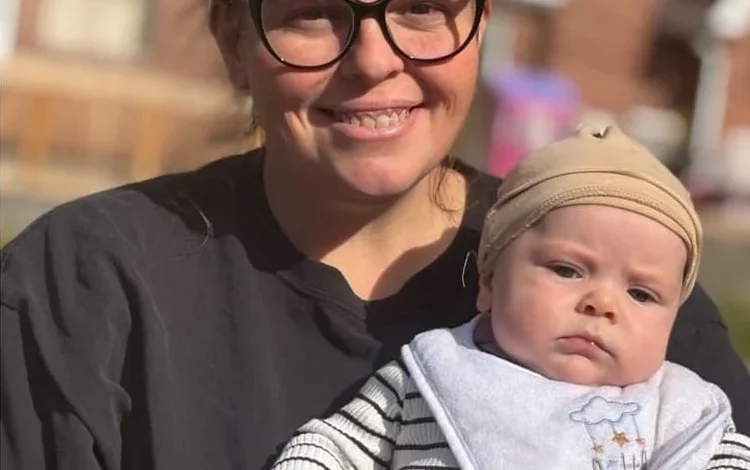
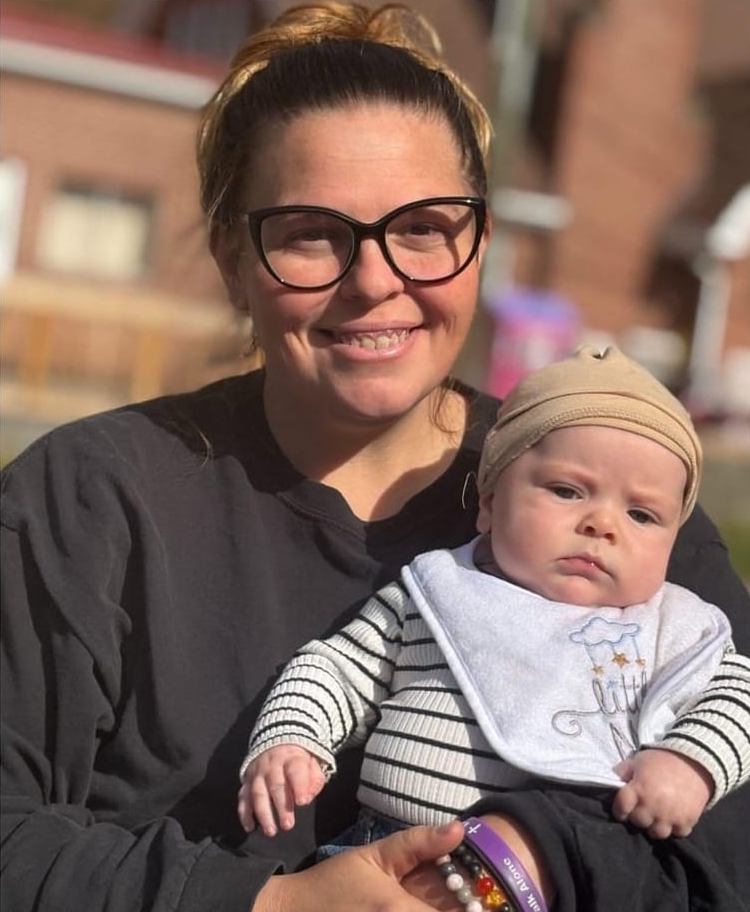
The rationale behind GMI is rooted in empirical research demonstrating that direct cash transfers offer recipients the autonomy to address their most immediate, individualized needs. Case studies highlighted by the initiative illustrate the fragility of rural economic security. For instance, Stacy D., a resident of Mercer County, West Virginia, and a participant in a pilot program, detailed how the unexpected breakdown of her sole family vehicle stranded her for four months after she was medically cleared to return to work following a high-risk pregnancy. Without local family networks to bridge financial gaps, basic logistical tasks—such as purchasing groceries or attending infant medical appointments—became insurmountable hurdles. Direct cash infusion provided the necessary liquidity to repair her vehicle, immediately restoring her mobility, employment potential, and family stability.
Chronology and Implementation of the RGMII
The rollout of the Rural Guaranteed Minimum Income Initiative has moved with notable operational speed. Eschewing the creation of a traditional bureaucratic foundation—such as a legacy-named family endowment—Atwood structured the RGMII specifically to advance empirical research on direct cash transfers.

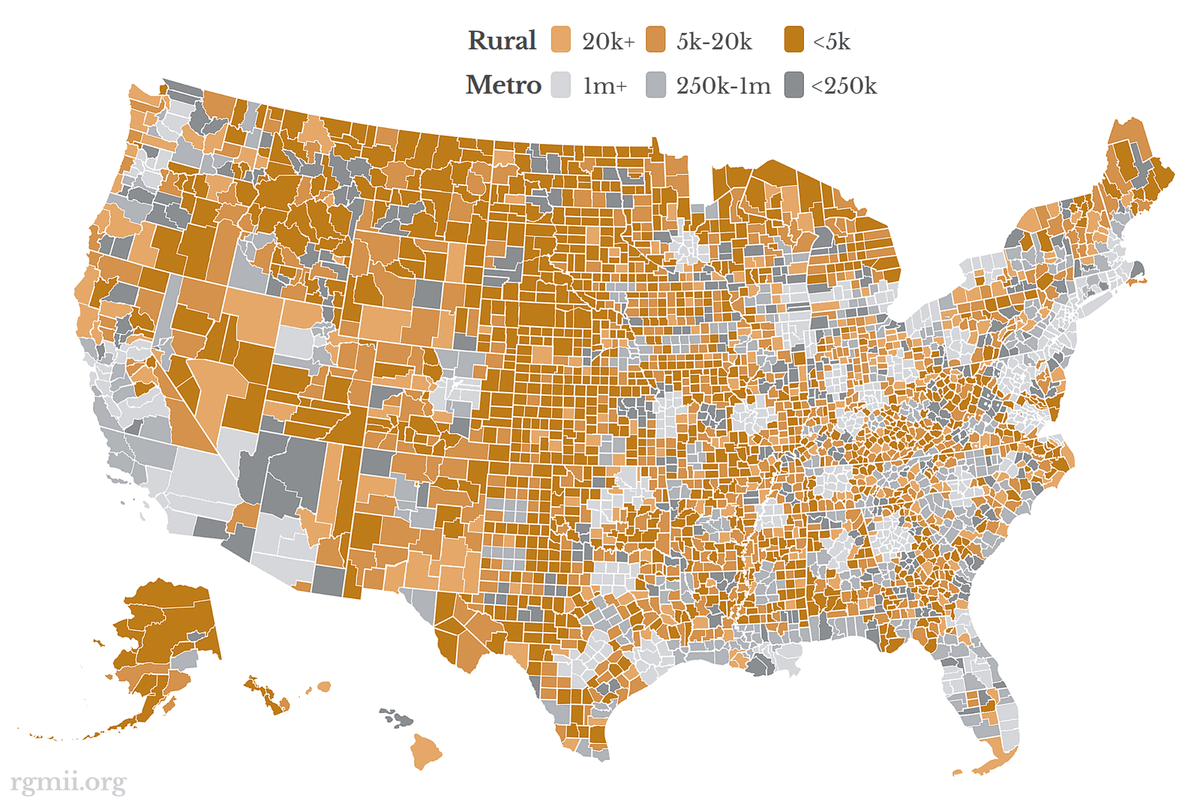
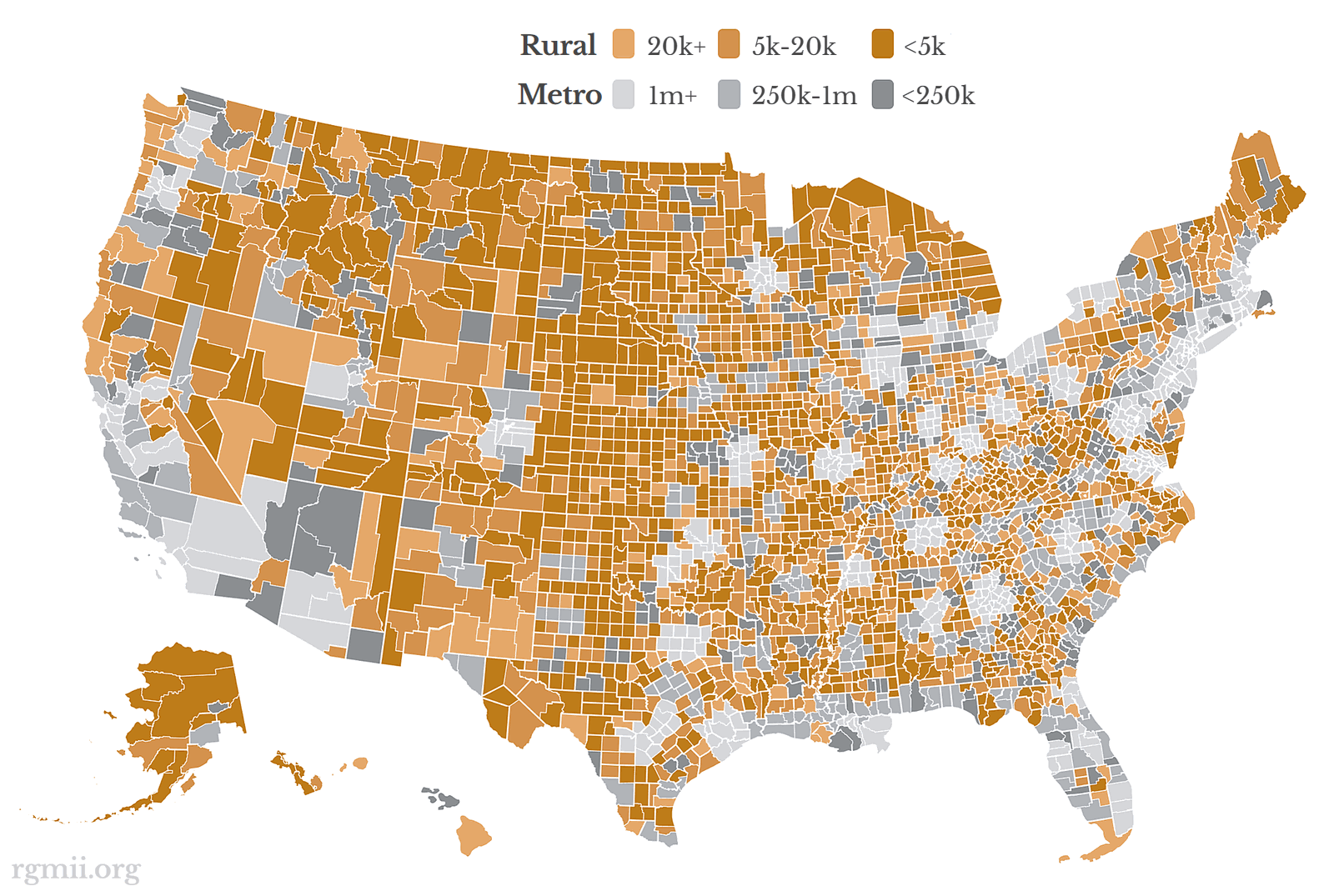
The initiative strategically focuses on rural counties for several empirical and logistical reasons. Rural regions frequently exhibit higher poverty rates and lower population densities than metropolitan centers, allowing research teams to conduct more controlled, manageable studies while maximizing the purchasing power of each distributed dollar. Furthermore, rural communities have historically suffered from systemic underinvestment and oversight, despite possessing significant untapped human capital—a dynamic personally familiar to Atwood, whose own familial roots are grounded in rural America.
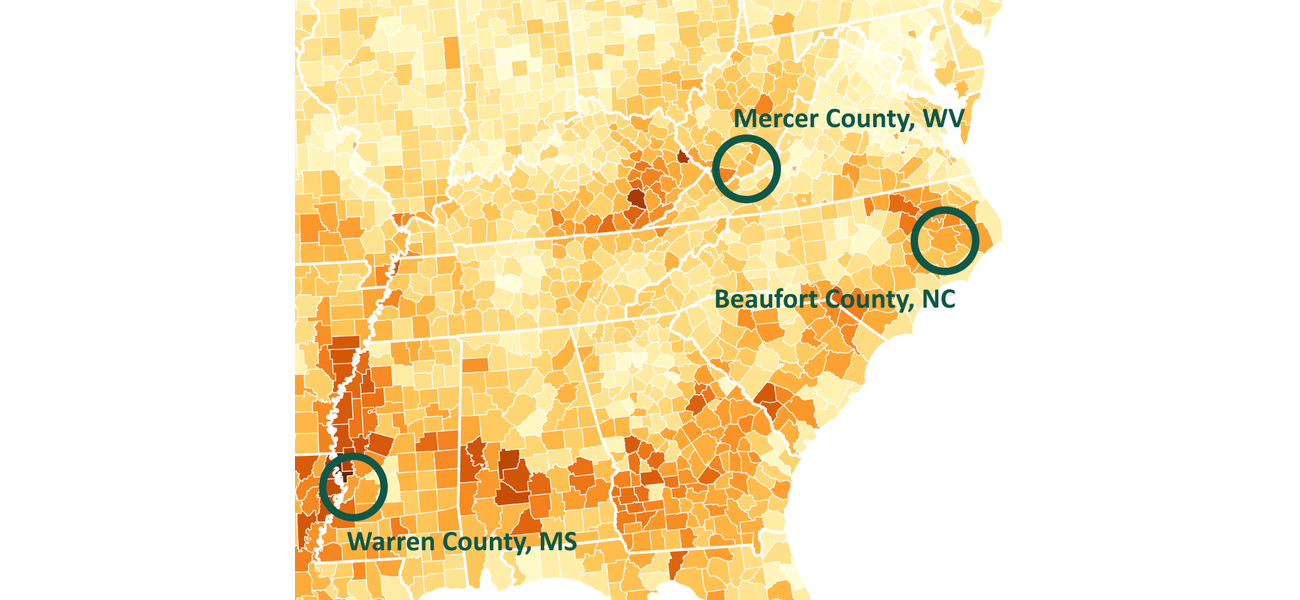
The initial rollout phase targets three distinct rural counties across different regions of the United States:

- Mercer County, West Virginia
- Beaufort County, North Carolina
- Warren County, Mississippi
In these counties, the initiative has funded localized programs designed to lift thousands of individuals out of poverty over a structured 16-month period. Crucially, these programs operate as scientific studies, systematically gathering quantitative and qualitative data to share openly with economists, policymakers, and the public. The long-term trajectory of the RGMII aims to expand these county-level interventions across all 50 states.
Fact-Based Analysis of Economic and Policy Implications
Economists and policy analysts have observed that the RGMII enters the national discourse at a time of renewed interest in guaranteed income models. Past municipal UBI and GMI pilots—such as those conducted in Stockton, California, and various rural communities nationwide—have consistently shown that direct cash transfers do not disincentivize employment, as critics frequently allege. Instead, data indicates that recipients primarily utilize funds to secure stable housing, pay down high-interest debt, invest in education, and manage unexpected medical or mechanical emergencies.
By concentrating efforts on rural counties, Atwood’s initiative provides a unique dataset that contrasts with previous urban-centric Universal Basic Income studies. Rural economies often feature distinct structural challenges, including limited public transit infrastructure, geographic isolation, and fewer employment alternatives. Consequently, the RGMII’s findings are expected to offer critical insights into how direct financial interventions perform in economically depressed agricultural and post-industrial regions.
Furthermore, the open-data mandate of the initiative ensures transparency. Rather than operating behind closed doors, the project invites academic researchers, lawmakers, and community advocates to analyze study metrics and evaluate policy outcomes. This open-science approach is designed to counter persistent public misconceptions surrounding direct welfare mechanisms and provide verifiable evidence for legislative review.
Broader Impact and Future Outlook
The launch of the Rural Guaranteed Minimum Income Initiative marks a definitive transition in Atwood’s public career. Having stepped away from traditional tech startups, he has designated this enterprise as his third and final startup venture—one entirely dedicated to social infrastructure rather than software development.
The overarching philosophy of the initiative challenges wealthy stakeholders to leverage their assets proactively to preserve socioeconomic mobility. By committing half of their remaining wealth to the project, Atwood and Betsy have established a benchmark for modern high-net-worth philanthropy, emphasizing risk-tolerant capital allocation toward unproven or politically sensitive structural reforms.
As the RGMII continues to scale operations across Mercer, Beaufort, and Warren counties, project leadership is actively seeking additional philanthropic partners and sponsors capable of underwriting county-scale studies in remaining states. Through a combination of rigorous empirical research, transparent data sharing, and targeted financial support, the initiative seeks to reshape the national conversation surrounding poverty alleviation, proving that direct economic trust in struggling Americans can yield measurable, lasting societal dividends.
Related posts: