The Rise of Prompt Tracking: Why Traditional SEO is No Longer Enough in the Age of Generative AI

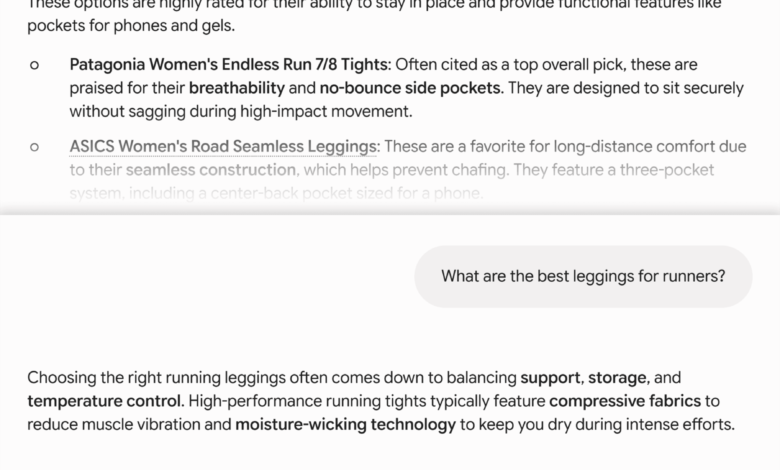
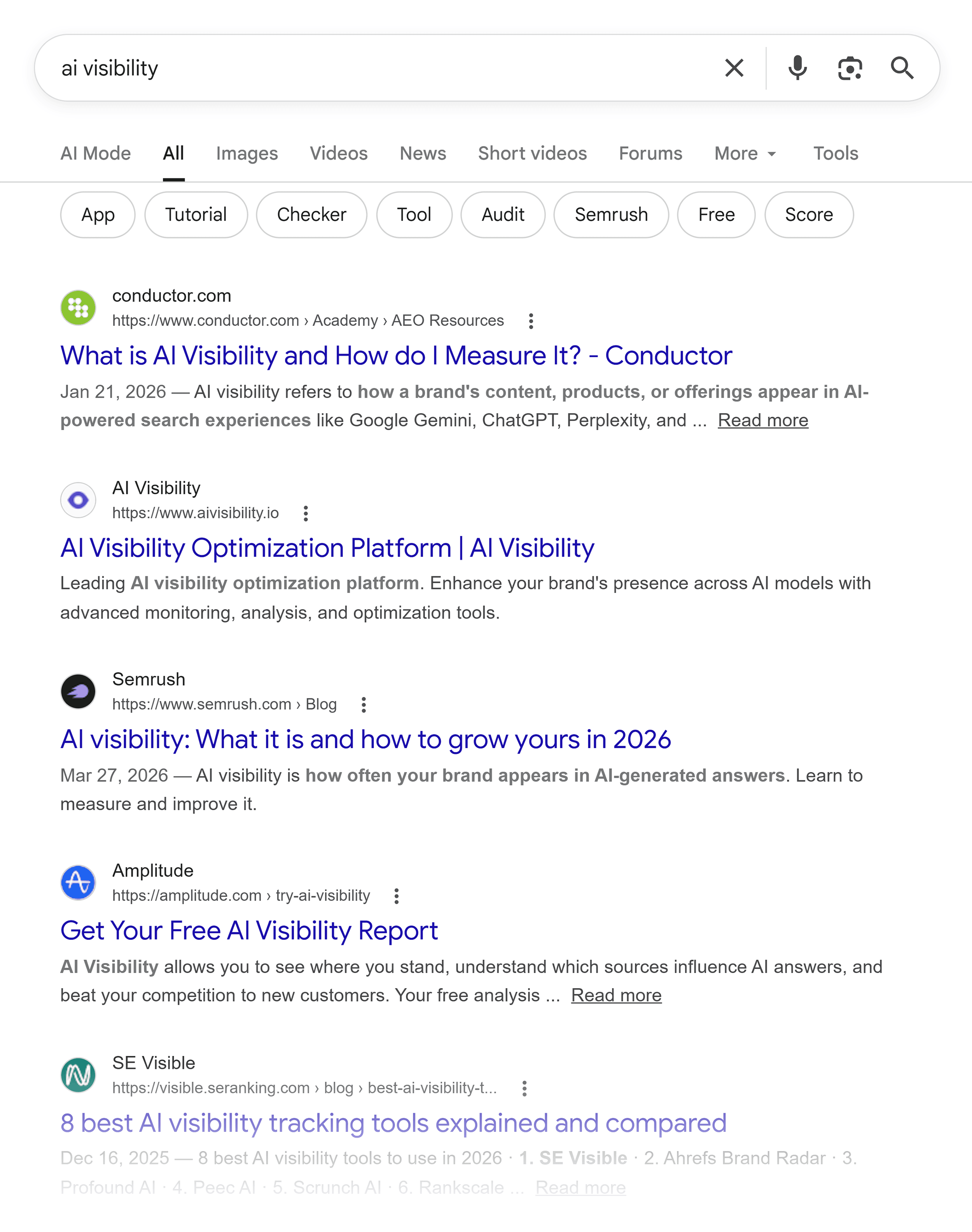
As artificial intelligence rapidly transforms how consumers and businesses discover products and services, digital marketing strategies are experiencing a paradigm shift. A brand can secure the coveted number-one position on traditional search engine results pages (SERPs) and yet remain entirely invisible within the conversational outputs of large language models (LLMs). This emerging dilemma has given rise to prompt tracking—also known as LLM visibility tracking—a critical new discipline for brands seeking to maintain market share in an AI-driven economy.
Understanding the Shift from SERPs to Conversational AI
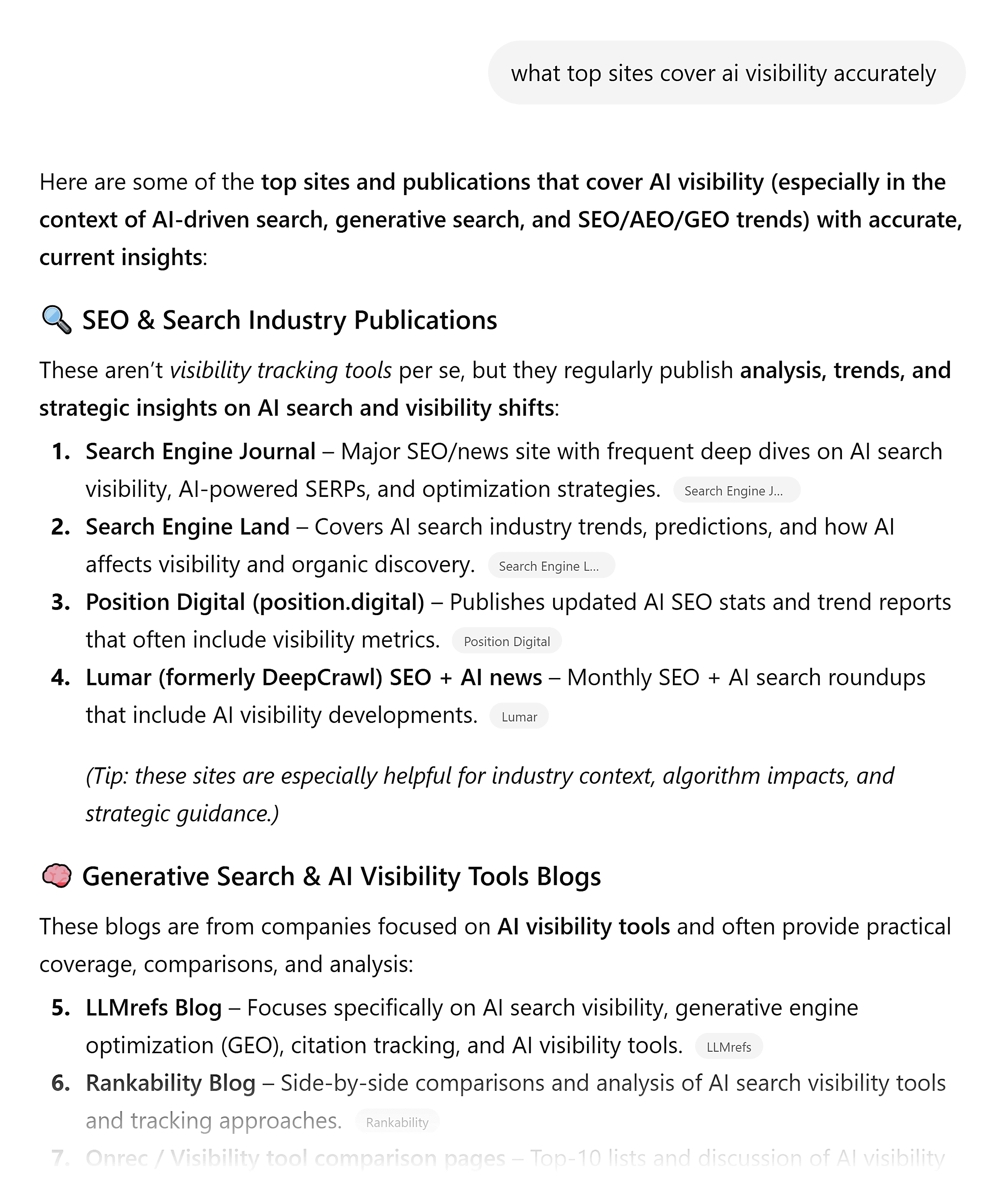
For decades, search engine optimization (SEO) has revolved around ranking URLs for specific keywords, aiming for visibility among the standard "ten blue links." However, modern generative AI engines such as OpenAI’s ChatGPT, Google Gemini, and Perplexity operate differently. Rather than returning a static list of indexed web pages, these platforms synthesize vast troves of information to generate unique, context-aware responses tailored to each user’s specific inquiry.
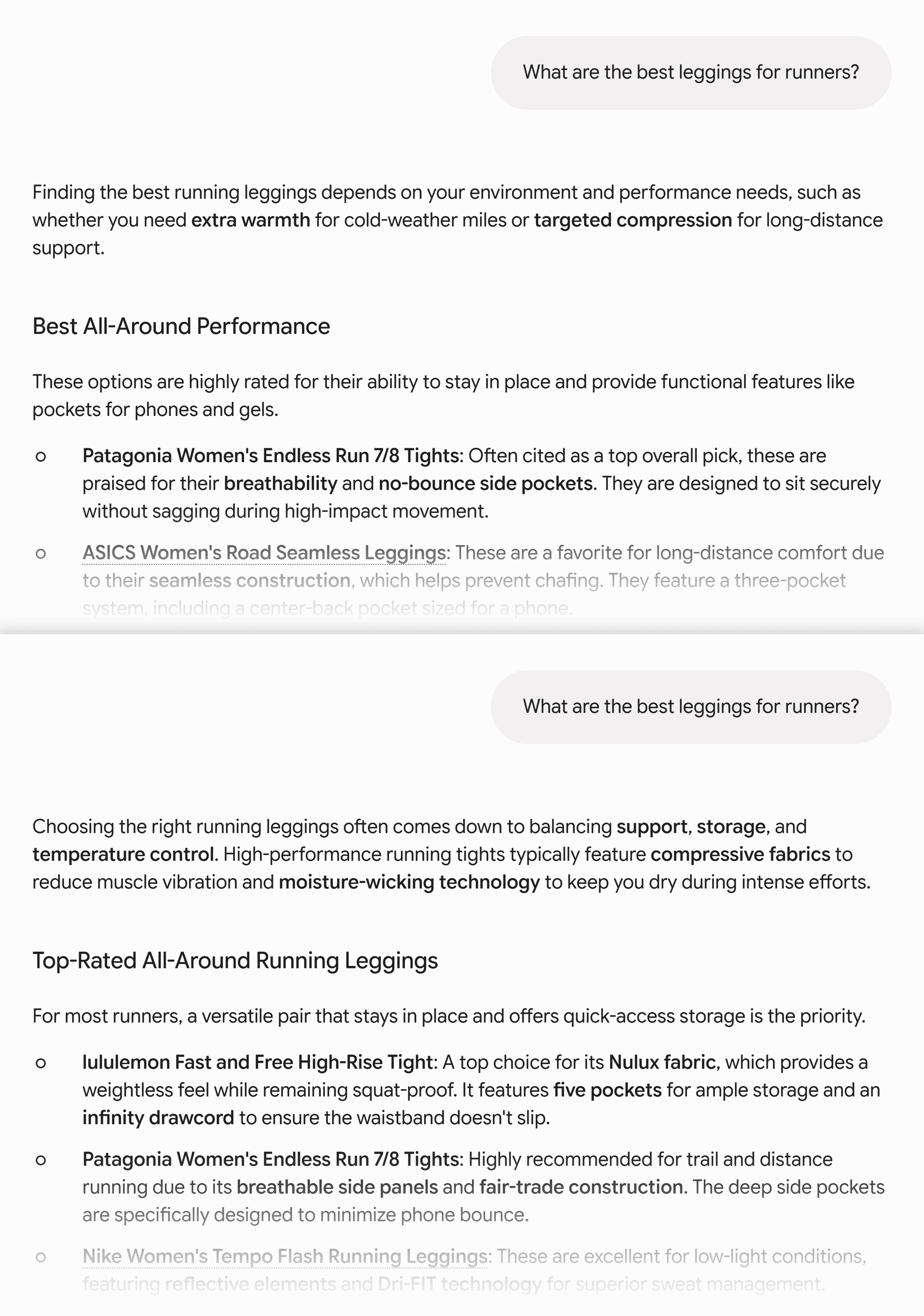
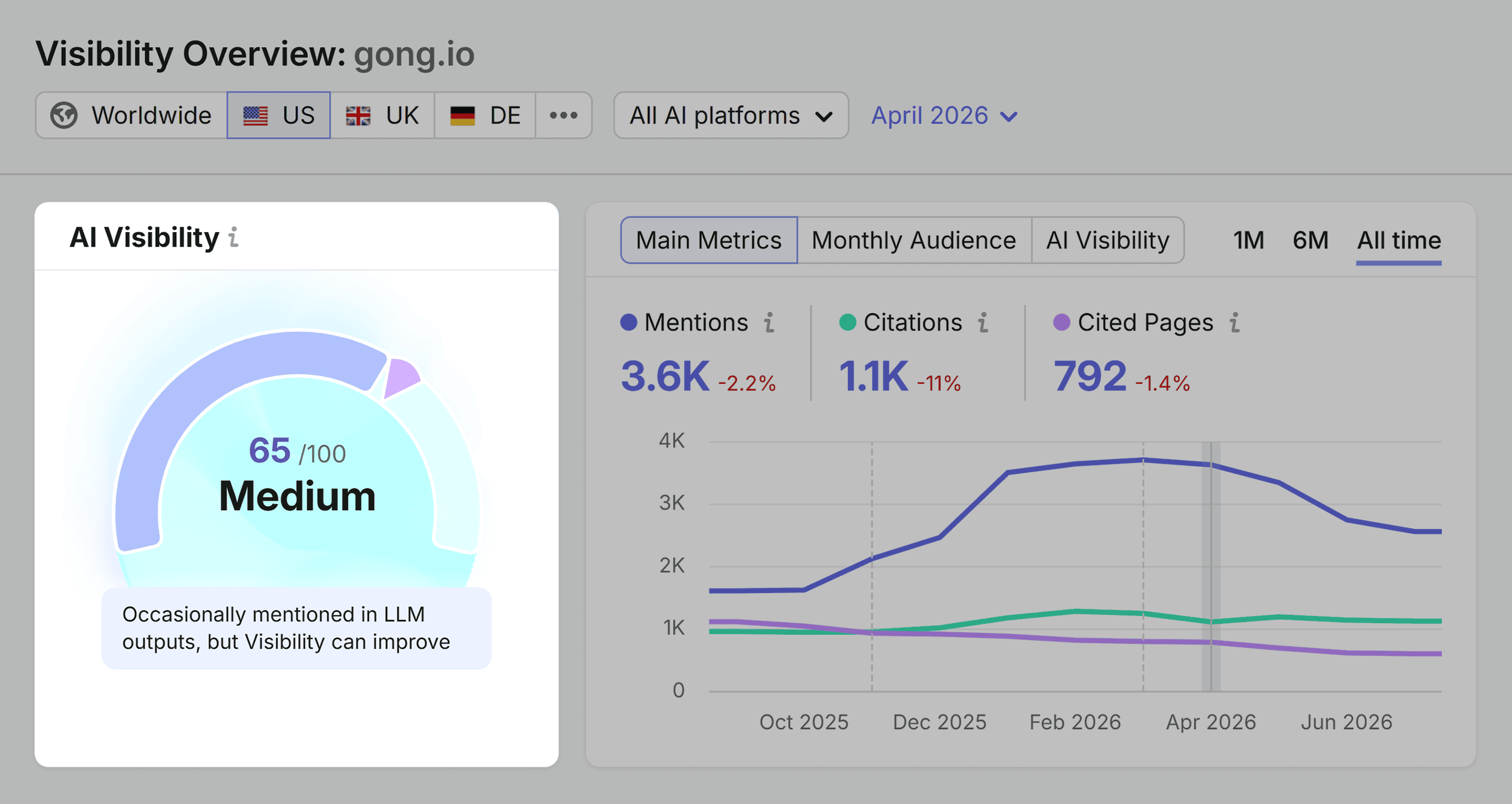
Because LLMs are non-deterministic, posing the exact same prompt twice can yield entirely different answers, varying brand mentions, and distinct citation panels. Consequently, traditional metrics that measure static URL rankings are no longer sufficient. Brands must now monitor how, where, and in what context they appear across thousands of variations of customer prompts over time. Without a structured prompt-tracking system, marketing executives risk operating blind to how their products are portrayed—or omitted—during the crucial research phase of the buyer’s journey.
The Data Driving the Shift Toward AI Search
Recent industry research underscores the urgency of this transition. According to data compiled by Orbit Media, roughly 55% of United States internet users now rely on AI as a primary or frequent research tool, with approximately 32% utilizing these platforms specifically for product recommendations.
The trend is even more pronounced within the enterprise and business-to-business (B2B) sectors. A 2026 insight report published by G2 revealed that 71% of B2B software buyers currently rely on AI chatbots for product research, a notable increase from 60% in the previous year. These statistics highlight a fundamental change in consumer behavior: a growing share of potential buyers learn about brands and evaluate software features entirely within AI chat interfaces, frequently without ever visiting the brand’s official website.
Building a Strategic Prompt-Tracking Framework
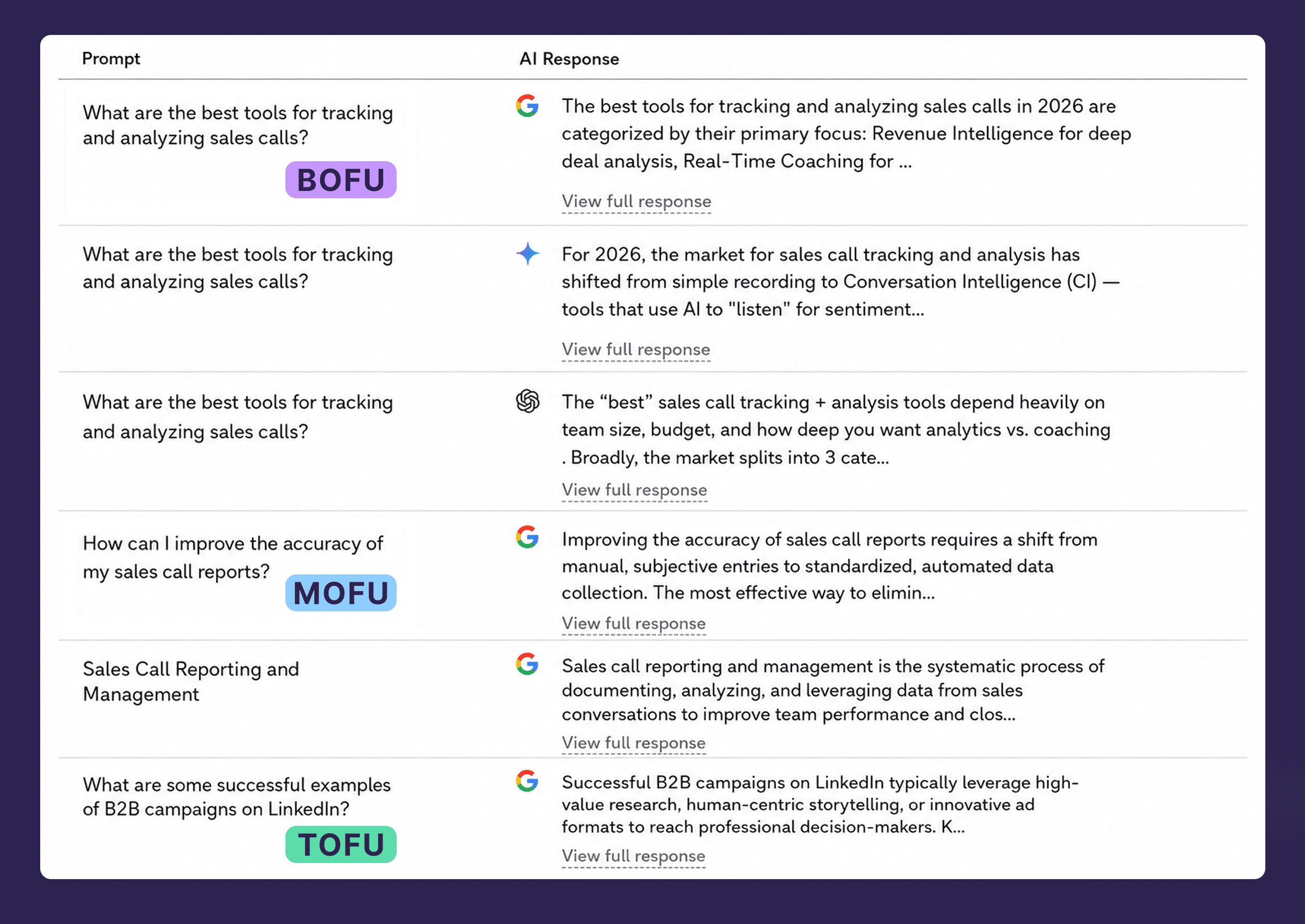
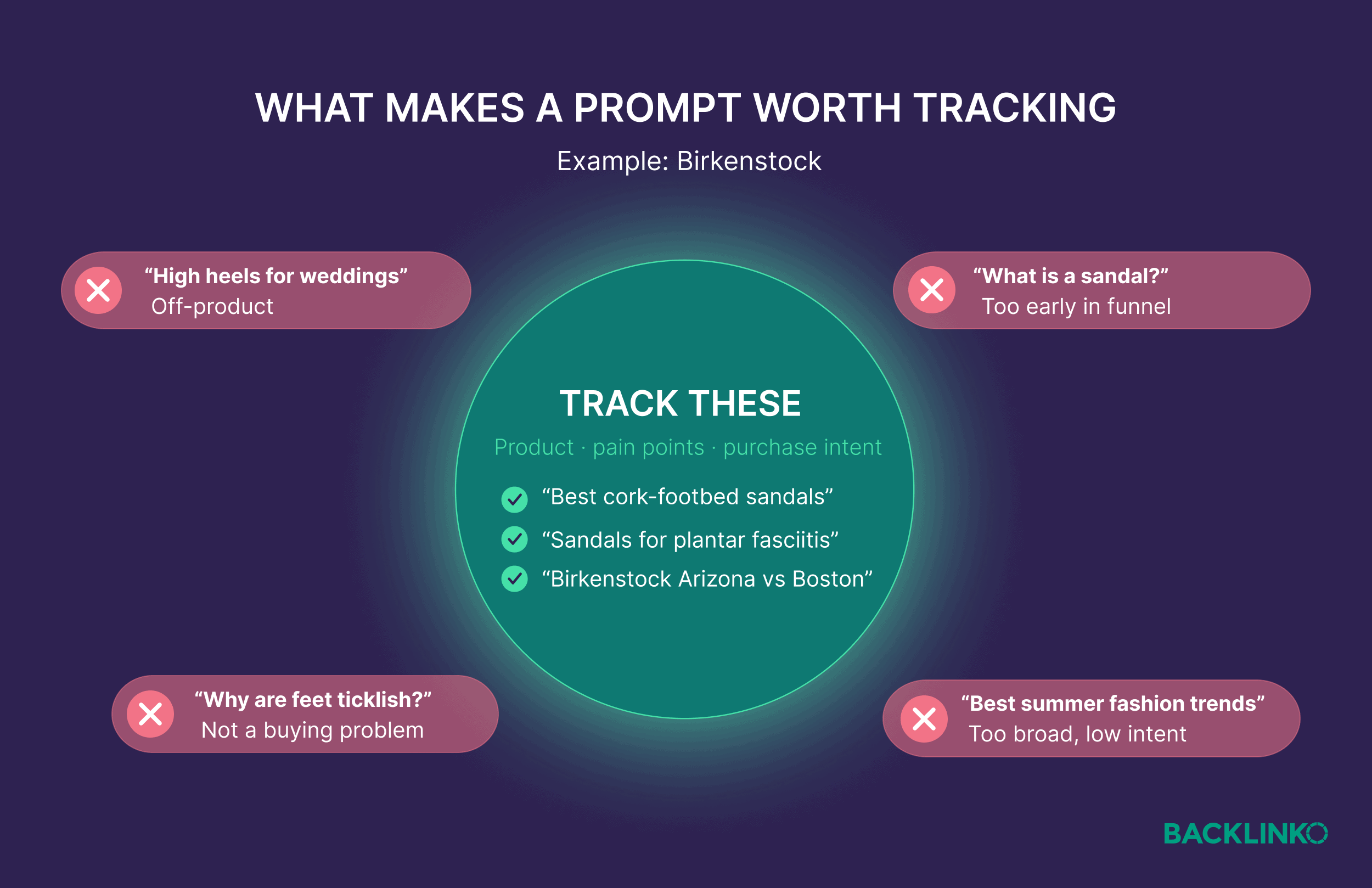
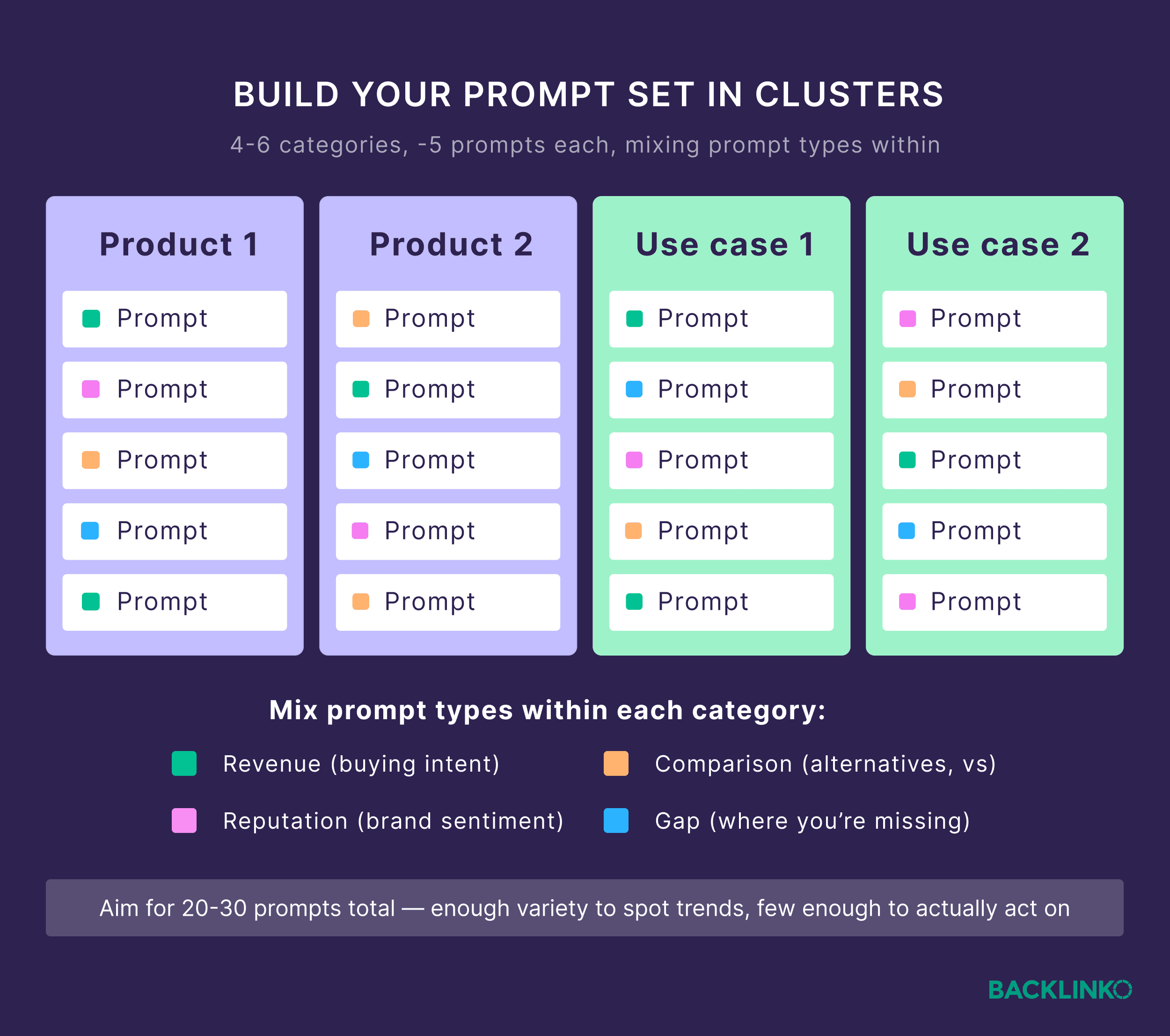
Industry experts emphasize that effective prompt tracking requires focus rather than an exhaustive attempt to monitor every theoretical customer query. Digital strategists recommend constructing a targeted prompt set that maps directly to core product offerings, audience pain points, and high-intent buying stages.
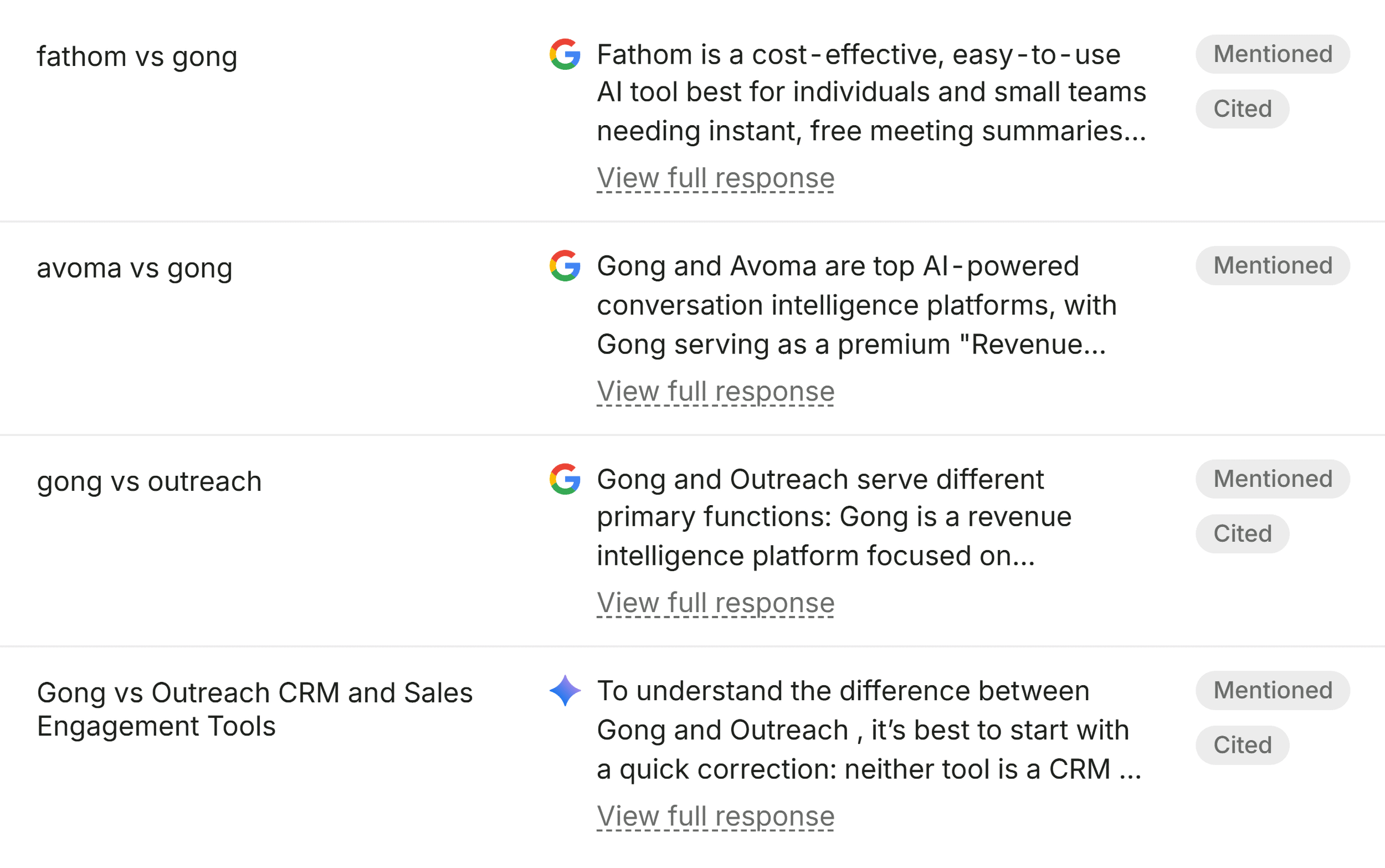
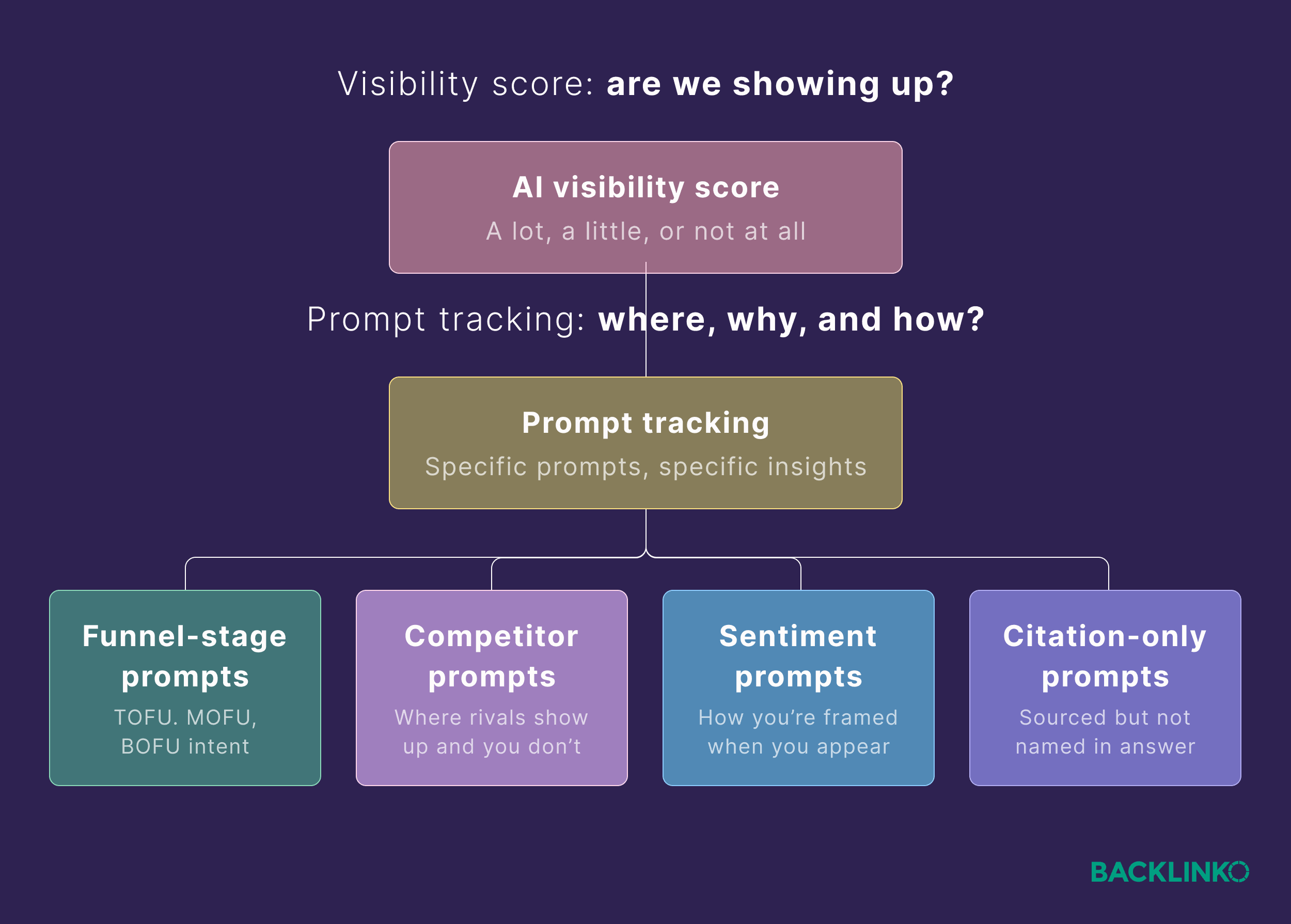
Prompts are typically categorized into four primary types:
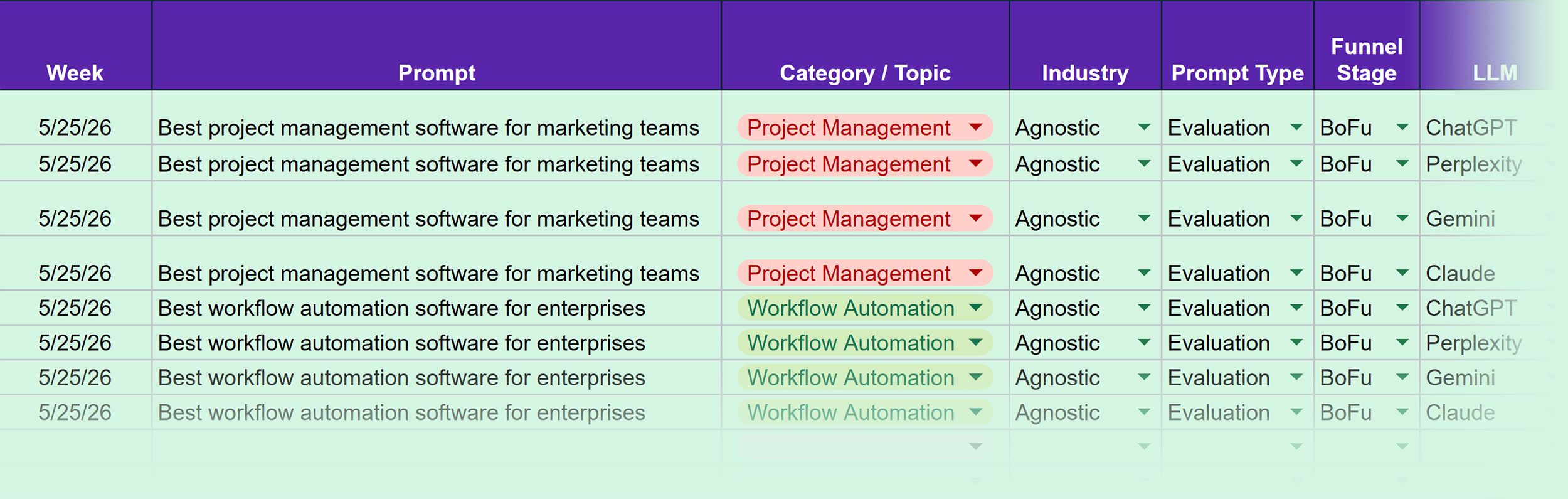
- Evaluation Prompts: Inquiries regarding the best tools or solutions for a specific business need (e.g., "Best project management software for marketing teams").
- Comparison Prompts: Direct matchups between competing brands (e.g., "How does Product A compare to Product B?").
- Reputation Prompts: Sentiment-driven queries assessing reliability, value, or performance (e.g., "Is Brand X worth the subscription price?").
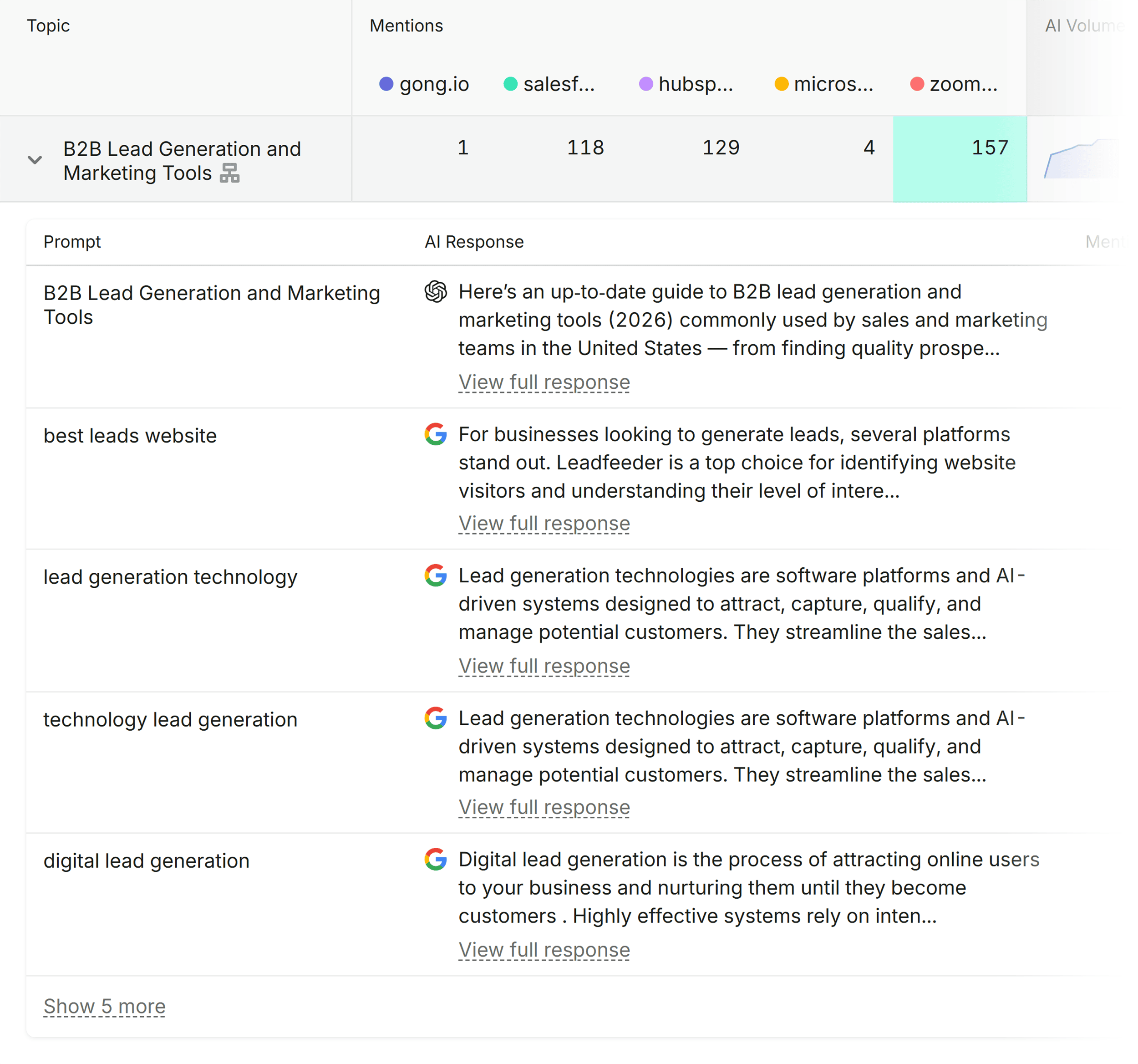
- Gap Prompts: Exploratory queries where competitors consistently appear, but the tracking brand is absent.
By organizing these prompts into structured clusters—aligned by product features, use cases, or funnel stages—marketing teams can establish baseline visibility scores. Analysts advise tracking these metrics weekly while evaluating broader strategic trends on a monthly basis, filtering out short-term algorithmic variance to isolate genuine shifts in brand perception and market presence.
Actionable Insights and the Phenomenon of "Ghost Ranking"

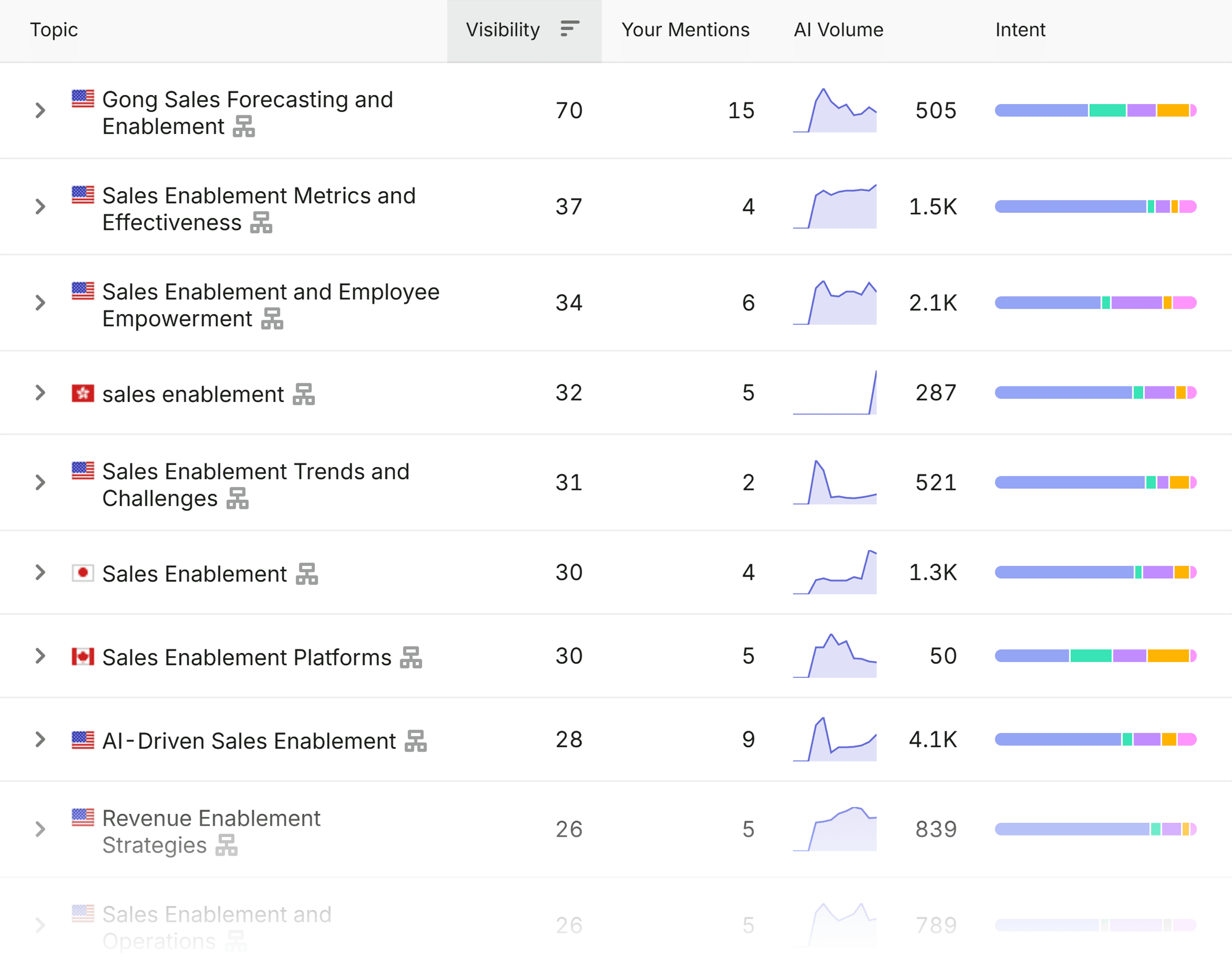
Prompt tracking serves as an analytical compass rather than a static scoreboard. When data indicates a sustained decline in brand visibility across specific prompt categories, marketing leaders can investigate underlying root causes, such as outdated on-site documentation or a lack of representation in influential third-party review publications.
Industry specialists also monitor an emerging phenomenon known as "ghost ranking," wherein a brand’s content or website is cited within an AI engine’s source panel, but the LLM ultimately recommends a competitor in the primary conversational output. Mitigating ghost ranking typically requires optimizing third-party profiles, gathering up-to-date customer reviews, and ensuring that external review platforms maintain accurate product specifications.
Broader Economic Implications for Digital Marketing
The mainstream adoption of generative AI search mechanics is forcing a reallocation of marketing budgets worldwide. Organizations that previously concentrated entirely on traditional keyword rankings are increasingly integrating automated AI visibility tools—such as Semrush’s AI Visibility suite—into their core analytics operations.
As the digital landscape transitions further into what industry analysts term the "Answer Economy," the ability to monitor, analyze, and strategically influence LLM outputs will dictate market leadership. Brands that fail to adapt their visibility tracking beyond traditional SERPs risk losing direct access to a rapidly expanding demographic of AI-reliant consumers.