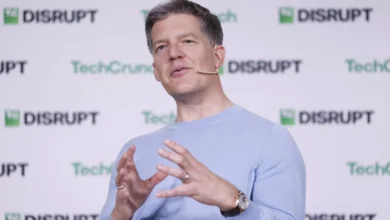
The Sweet Science of Scaling: How Kevin McCarthy Transformed Unreal Snacks into a Category Leader

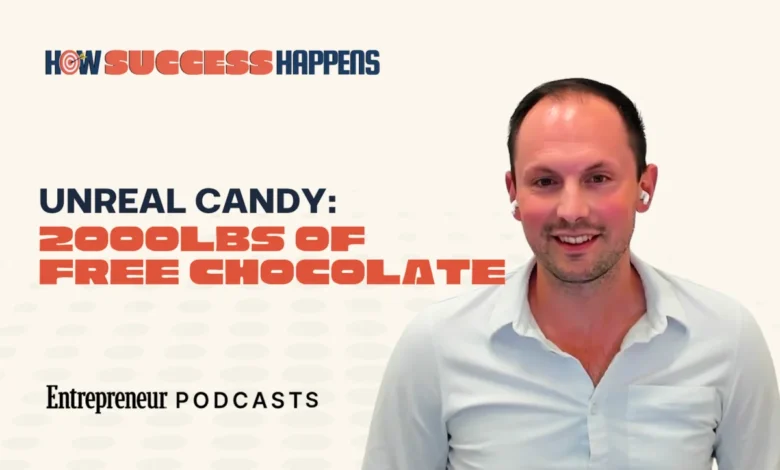
The confectionery industry, historically dominated by monolithic conglomerates with century-old supply chains and massive marketing budgets, has undergone a significant transformation in the last decade. At the forefront of this shift is Unreal Snacks, a company that has redefined the "better-for-you" chocolate segment. Under the stewardship of CEO Kevin McCarthy, the company has evolved from a nascent startup into a powerhouse presence in over 35,000 retail locations across the United States and Canada. McCarthy’s tenure serves as a case study in strategic contraction, product-led growth, and the disciplined management of hyper-growth companies.
A Non-Traditional Path to Confectionery Leadership
Kevin McCarthy’s entry into the food and beverage sector remains a quintessential example of professional agility. Joining Unreal in 2014 at the age of 22, McCarthy brought no formal training in food science or supply chain management. His background, rooted in the high-stakes, fast-paced environment of congressional campaigning, proved to be an unconventional but effective precursor to his role at the helm of a rapidly scaling consumer packaged goods (CPG) firm.
At the time of his arrival, Unreal was a team of just three individuals navigating a crowded, high-barrier-to-entry market. The company was tasked with disrupting a category long anchored by legacy brands—companies that benefited from deep shelf penetration and established consumer loyalty. McCarthy’s rapid ascent from a junior role to CEO highlights a shift in corporate culture where adaptability and operational intuition are increasingly valued over sector-specific pedigree.
Chronology and the Strategic Pivot
Unreal Snacks was founded in 2011 with the mission of removing corn syrup, artificial colors, and hydrogenated oils from popular candy formats. Initial growth was aggressive, but as McCarthy observed upon his arrival, the company’s expansion had outpaced its operational infrastructure. By 2014, the brand had achieved an enviable reach—appearing in 34,000 retail outlets—but this footprint was unsustainable.
The subsequent "reset" remains one of the most critical pivots in the brand’s history. McCarthy orchestrated a voluntary contraction, pulling the product from the vast majority of those 34,000 stores to refocus on a core set of 38 locations. This decision, while counterintuitive to the prevailing "growth-at-all-costs" venture capital narrative of the mid-2010s, allowed the company to refine its supply chain, tighten its product quality, and establish a repeatable retail success model.
By prioritizing learning cycles over sheer volume, the company was able to build the organizational stamina required to return to the market in a more sustainable, scalable fashion. This period of deliberate downsizing acted as the foundation for the company’s current status as the largest independent better-for-you chocolate brand in North America.
The Product as the Primary Marketing Engine
In the modern CPG landscape, where digital advertising costs are at an all-time high, McCarthy’s philosophy centers on the concept of the "moment of truth"—the initial consumer experience of the product itself. According to internal metrics and retail performance data, Unreal’s high repeat-purchase rate is not the result of massive television campaigns, but rather the sensory experience of the product.
In an era of brand dilution, the company treats the physical bite as its most potent marketing asset. By ensuring that the product delivers on taste, texture, and quality, the brand fosters organic consumer advocacy. For investors and industry analysts, this represents a low-cost acquisition strategy: when the product functions as the primary marketing vehicle, the reliance on top-of-funnel paid media decreases, significantly improving the company’s customer lifetime value (LTV) and overall profit margins.
Operational Transparency and Collective Intelligence
A notable facet of Unreal’s internal operations is its "unlimited chocolate" policy, a practice that serves as more than a standard corporate perk. By encouraging employees to consume and analyze both their own products and those of direct competitors, McCarthy has effectively turned his workforce into a highly specialized research and development team.
This democratization of feedback informs every level of production, from the granularity of a peanut butter center to the visual appeal of a product on a shelf. The practice encourages a culture of objective critique. By fostering an environment where internal debates are encouraged but followed by decisive action, the company maintains a velocity of innovation that is rare for a brand of its size. This collaborative approach ensures that the "voice of the consumer" is represented within the boardroom, keeping the brand aligned with shifting dietary preferences and taste trends.
The Risks of Prosperity: Managing Hyper-Growth
McCarthy’s leadership philosophy is defined by a rigorous, almost stoic, approach to organizational stability. He argues that unexpected success—such as securing a contract with a major retailer like Costco—is not a moment for complacency, but rather a warning sign that the company must immediately prepare for the increased operational burden.
This perspective challenges the traditional celebratory culture of the startup world. For McCarthy, a "win" is simply the start of a new, more demanding to-do list. This risk-averse approach to success ensures that the company does not overextend itself when scaling into new markets. By treating "good surprises" with the same level of analytical scrutiny as challenges, the company mitigates the dangers of operational drift—a common cause of failure in businesses that expand too quickly without sufficient institutional support.
Broader Implications for the CPG Sector
The success of Unreal Snacks offers several takeaways for the broader consumer goods industry. First, the importance of "unit economics" over total market share cannot be overstated. By focusing on the health of individual retail relationships before pursuing broad-market saturation, companies can build more resilient businesses.
Second, the shift toward cleaner labels and healthier alternatives is not merely a passing trend but a permanent change in consumer expectation. Data from market research firms suggests that the "better-for-you" candy category is growing at a rate significantly higher than traditional confectionery segments. Unreal’s growth trajectory validates the hypothesis that consumers are willing to pay a premium for products that align with their health values, provided the product does not require a sacrifice in sensory enjoyment.
Finally, McCarthy’s career trajectory underscores the value of cross-disciplinary skills. The ability to synthesize complex information, manage stakeholder relationships, and maintain focus under pressure—skills honed in politics—are highly transferable to the executive management of food manufacturing.
Looking Toward the Future
As Unreal continues to solidify its presence in major retailers like Target and Whole Foods, the challenge shifts from initial penetration to long-term category dominance. The company’s focus remains on maintaining the agility of a startup while managing the complexities of a large-scale distributor.
For the aspiring entrepreneur, the lesson from McCarthy’s tenure is clear: the path to a massive brand is not built on a single, singular idea, but on a succession of small, disciplined steps. It requires a willingness to shrink before growing, a commitment to product excellence that supersedes marketing fluff, and a level of operational discipline that treats every milestone as a new starting point rather than a finish line.
As the confectionery market continues to evolve, the influence of brands that prioritize transparency and health-conscious innovation is likely to increase. Unreal Snacks stands as a testament to the fact that, in the competitive world of global commerce, the most effective business strategy is often the one that focuses on the simplest, most fundamental elements of the product experience. By maintaining this focus, the company has not only secured its place on store shelves but has also established a blueprint for sustainable success in an increasingly crowded and conscious marketplace.