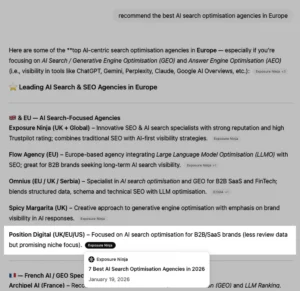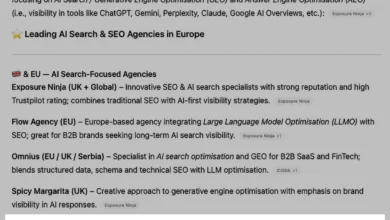
The traditional rules of search engine optimization are undergoing a fundamental transformation as generative artificial intelligence redefines how information is discovered, synthesized, and presented to users. For years, digital marketers and content creators operated under a clear assumption: securing a spot on the first page of Google meant your brand would inevitably be seen. However, recent data across major AI platforms like ChatGPT, Perplexity, and Google AI Overviews reveals a disconnect. A webpage can hold a top-three organic ranking and still remain completely ignored by modern large language models.
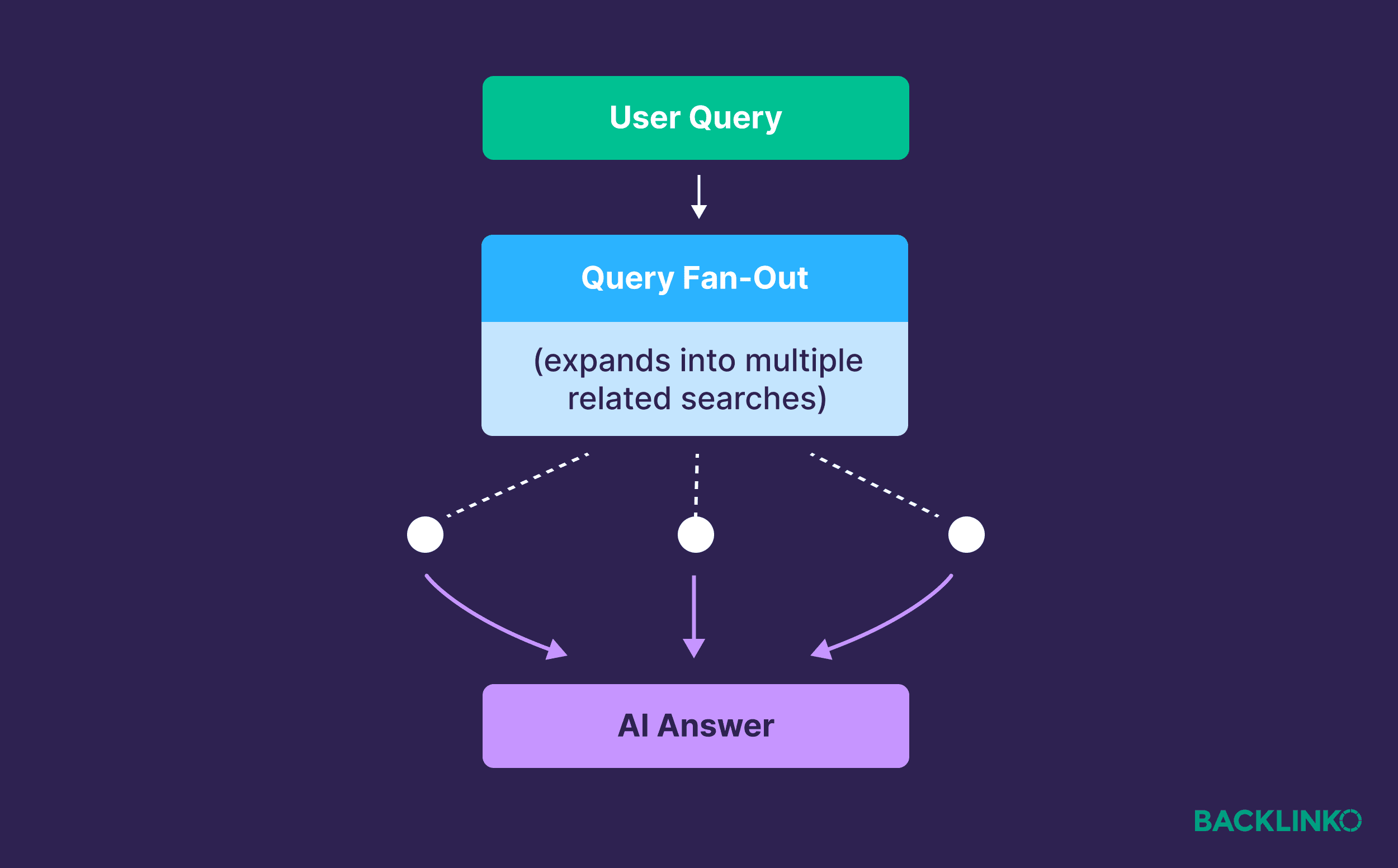
This paradox becomes clear when examining query fan-out, a background computational process that AI engines employ to construct comprehensive answers. As consumers shift away from keyword-based searches toward complex, conversational prompts, the mechanics of information retrieval have evolved from matching keywords to executing multi-layered information gathering campaigns. For content creators, understanding this architectural shift is no longer optional; it is the core determinant of whether a brand achieves digital visibility in modern search ecosystems.
Understanding the Mechanics of Query Fan-Out
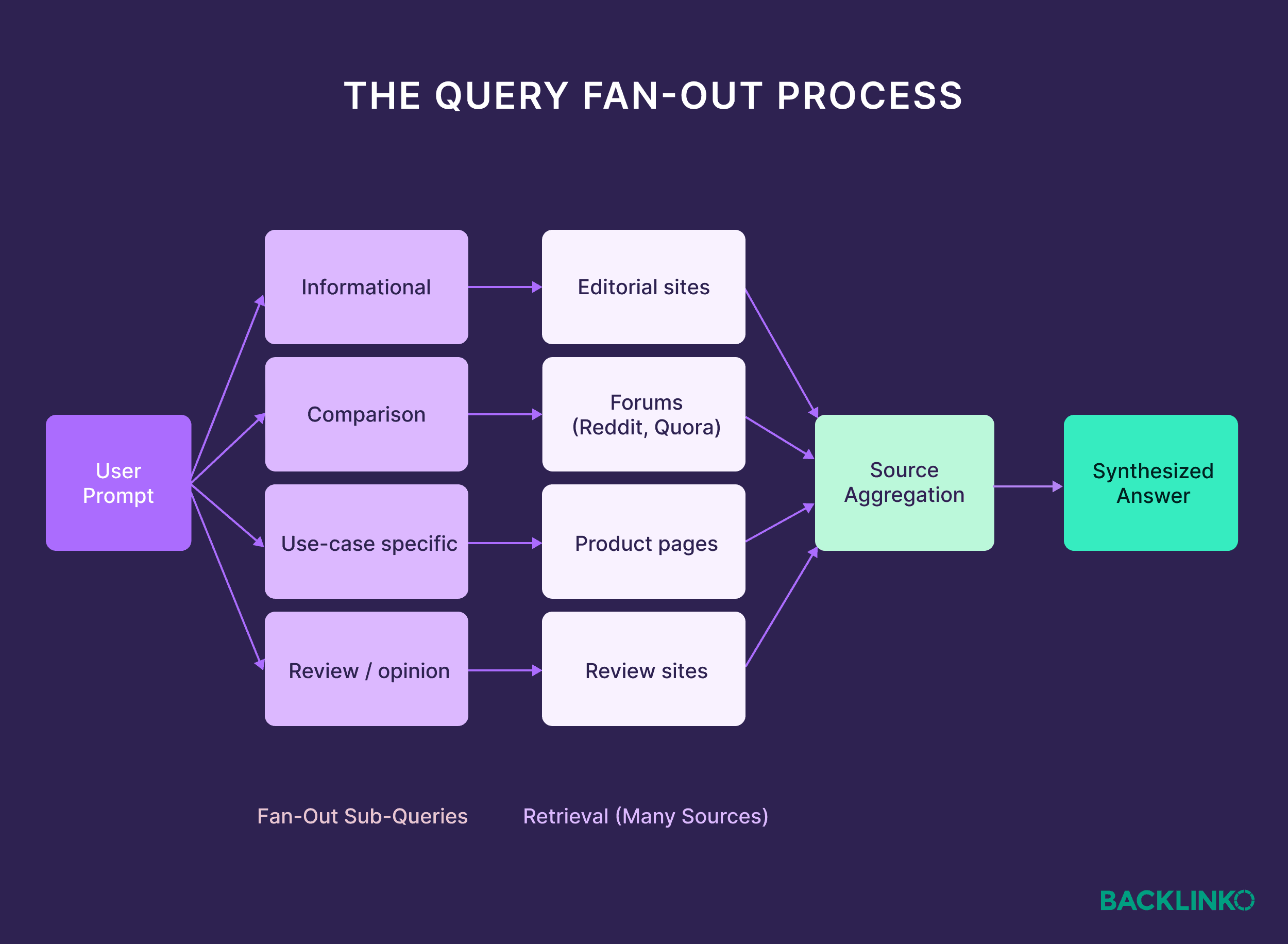
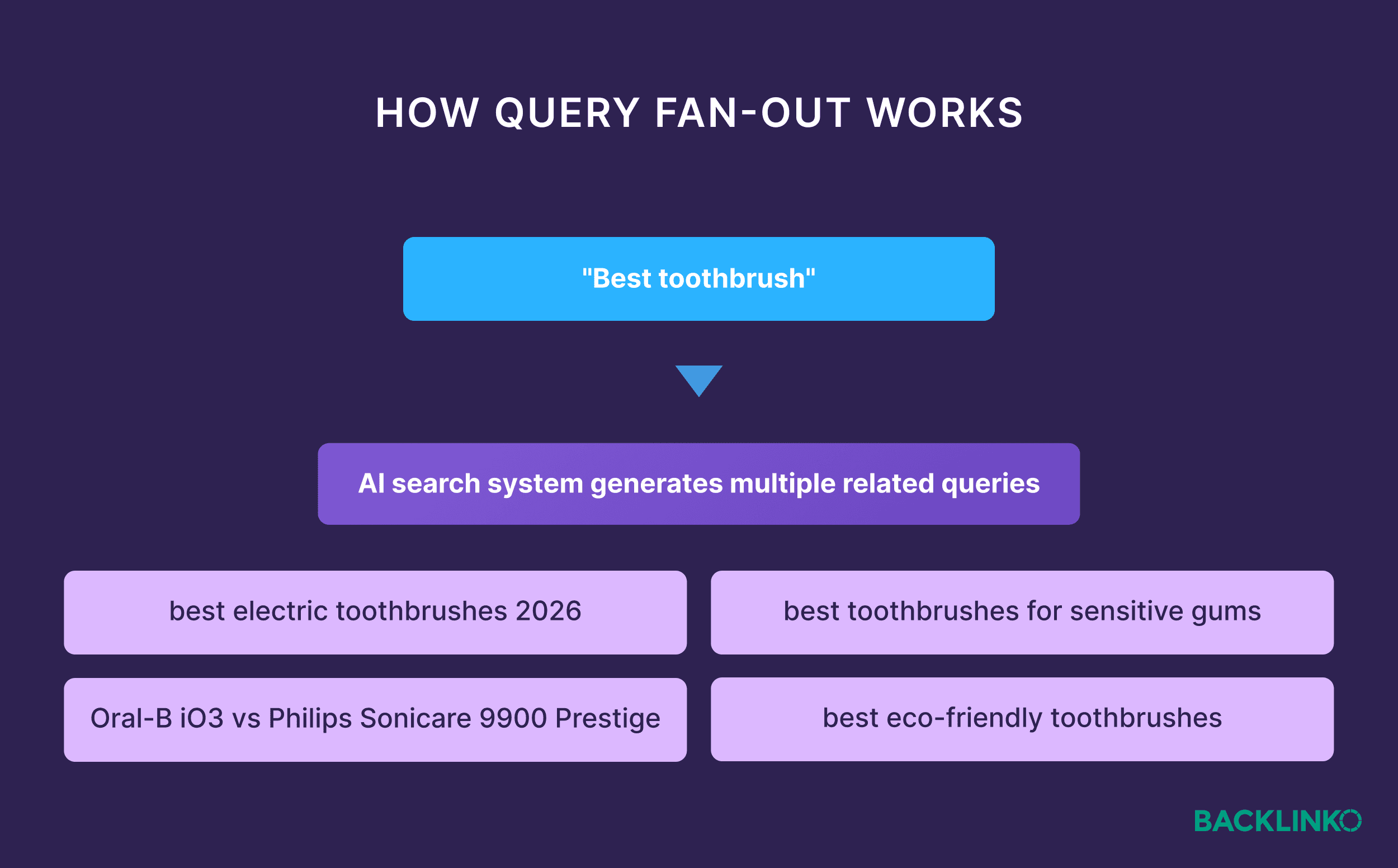
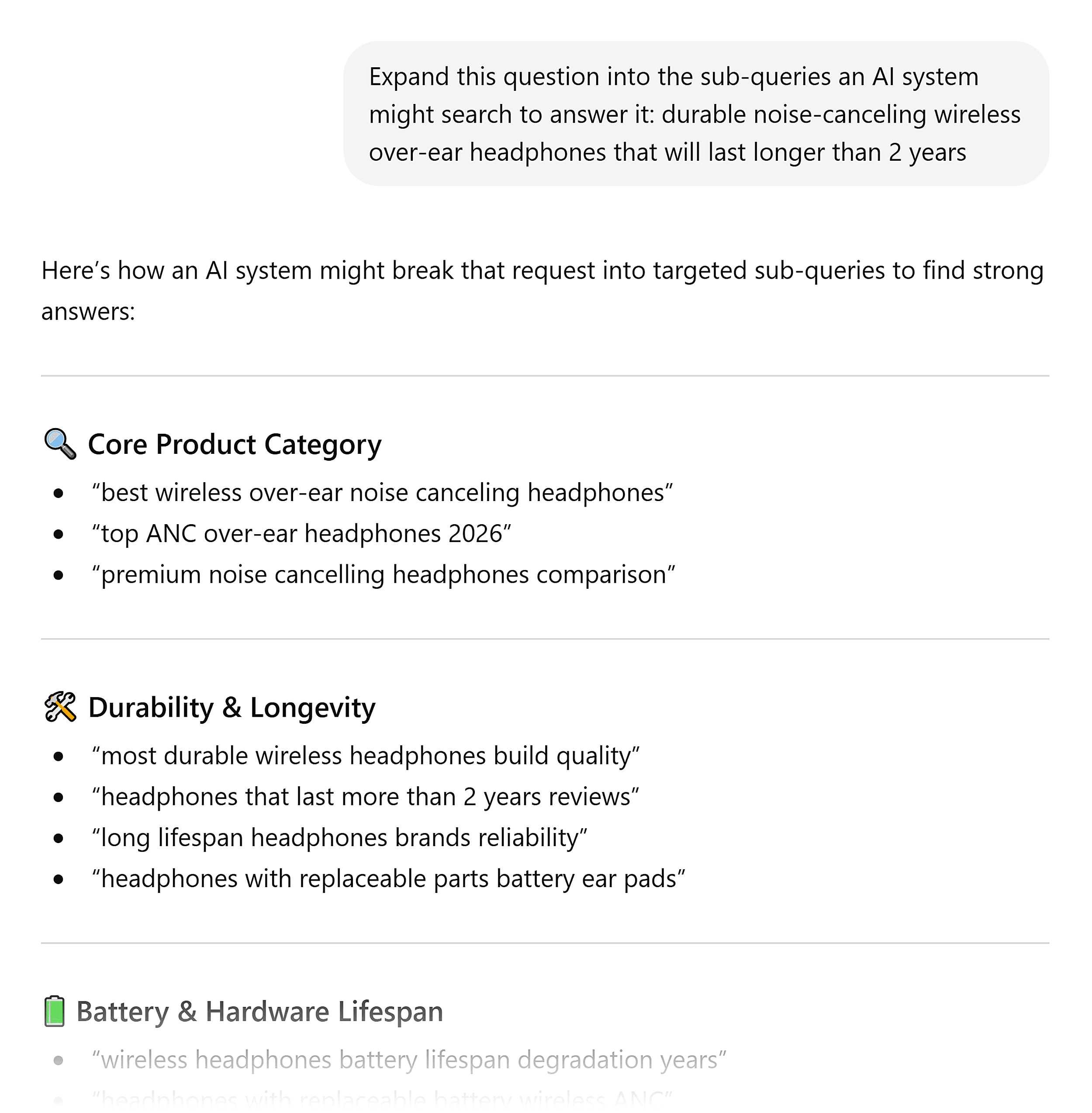
To comprehend why traditional rankings no longer guarantee AI citations, one must first examine what query fan-out is and how it operates beneath the user interface. When an individual inputs a broad or multi-faceted question into an AI conversational assistant, the system does not simply retrieve the highest-ranking web page for that exact phrase. Instead, the model analyzes the prompt, identifies its underlying intents and informational gaps, and automatically breaks—or "fans"—the original prompt out into a series of distinct sub-queries executed in the background.
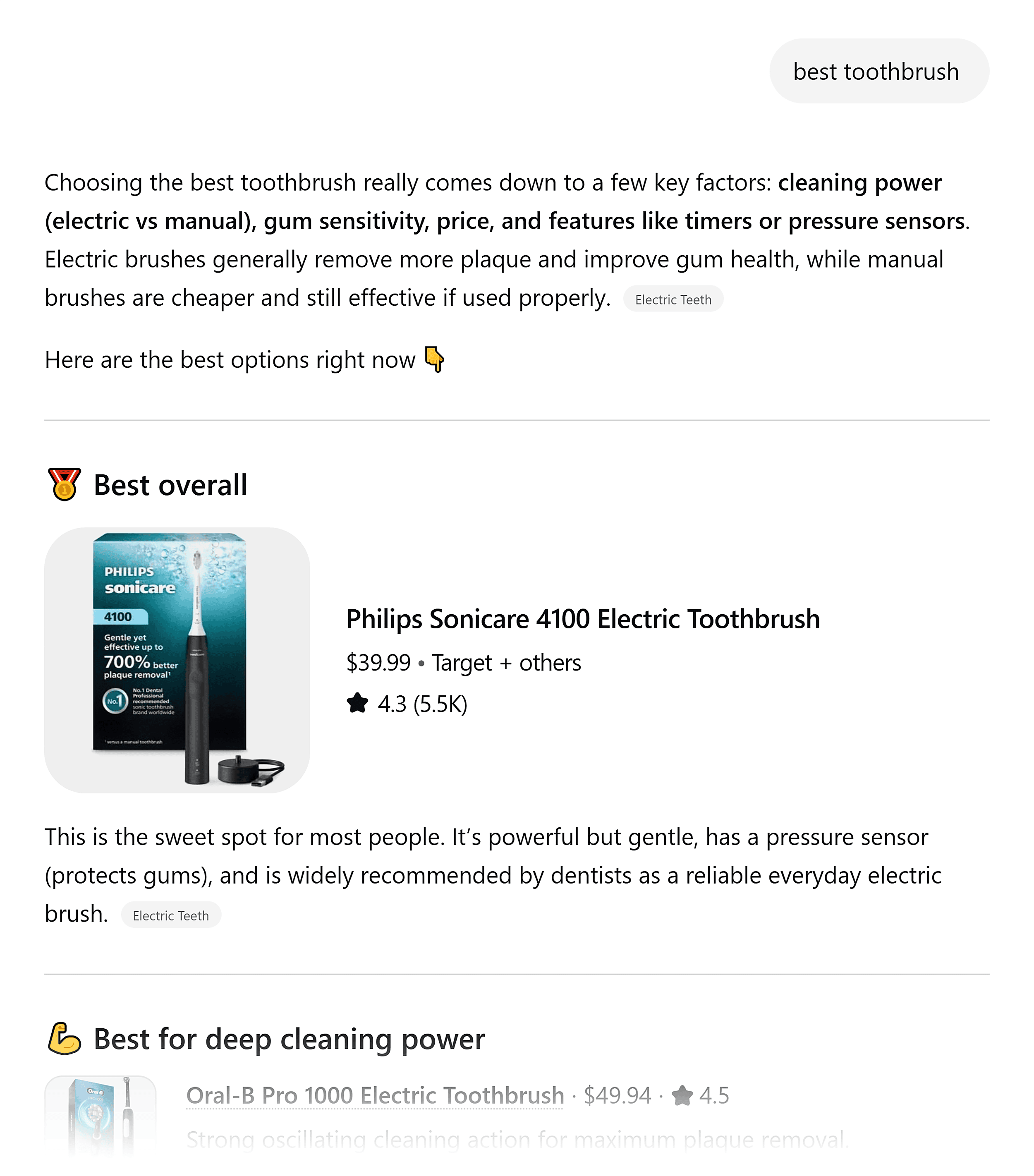
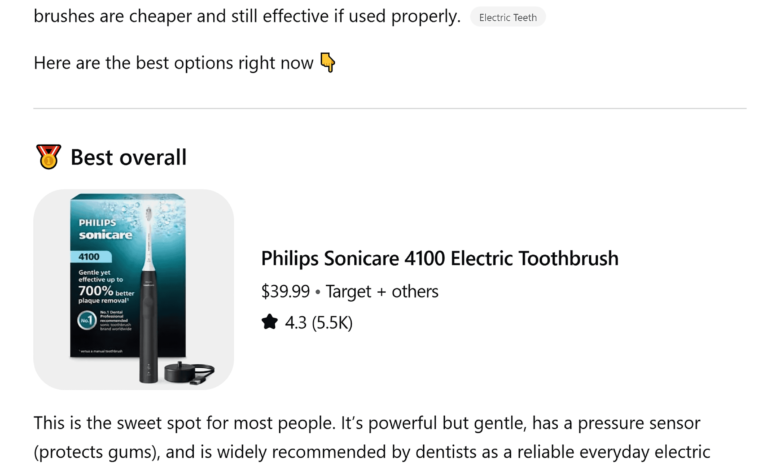
For example, a user typing a short query like "best electric toothbrush" triggers a cascade of automated sub-queries behind the scenes. The AI system might simultaneously search for "best electric toothbrushes for sensitive gums," "Oral-B vs. Philips Sonicare head-to-head comparison," and "affordable eco-friendly toothbrushes with long battery life." By running these parallel sub-searches, the AI aggregates diverse data points, comparing prices, technical specifications, and editorial reviews. It then synthesizes these disparate elements into a single, cohesive response that anticipates the user’s unstated needs.
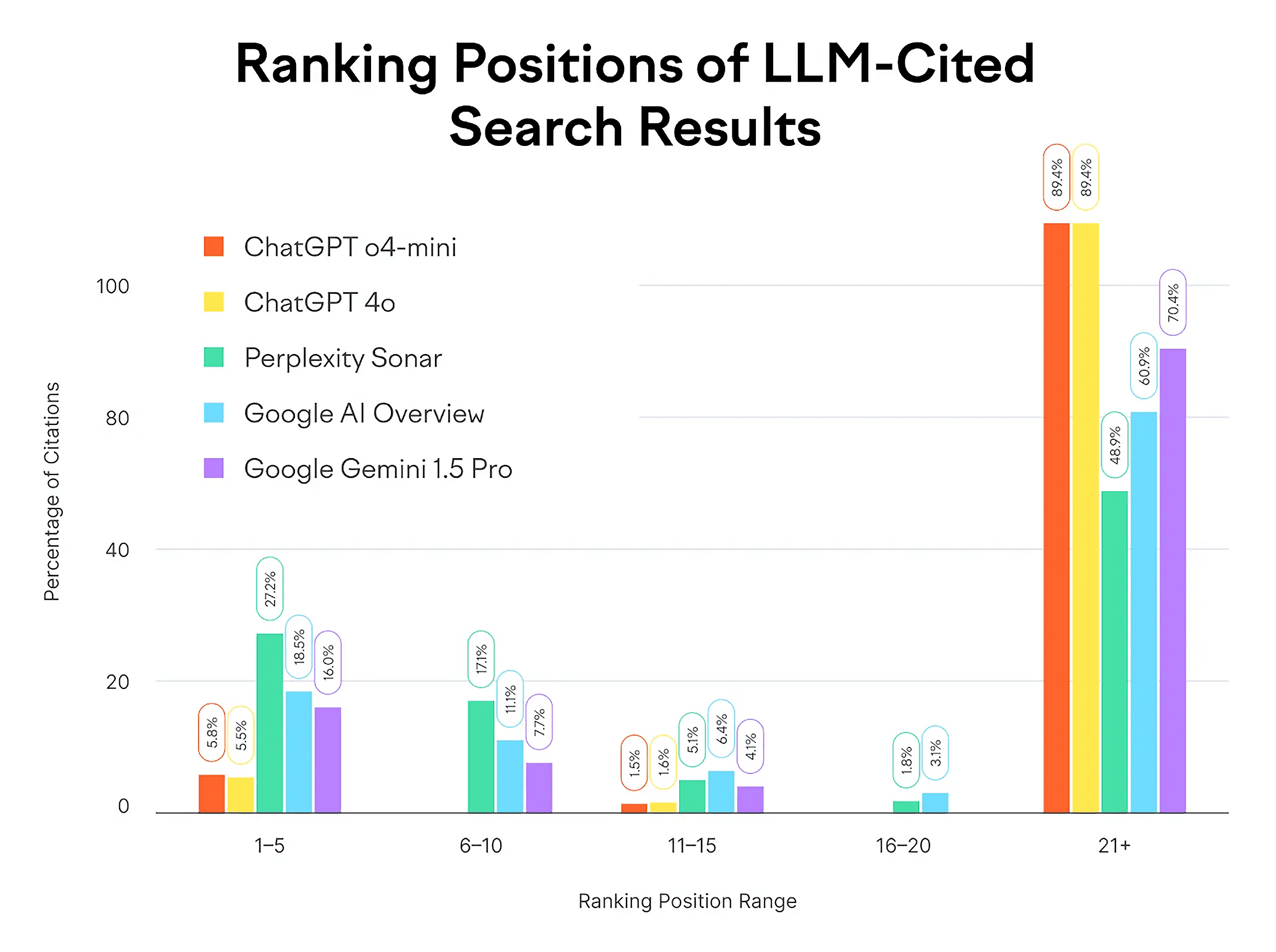
This process fundamentally alters the competitive landscape. Because the AI evaluates sources based on their relevance to each individual sub-query rather than the parent prompt, a page buried deep within traditional search engine results—such as a specialized review sitting at position 25—frequently wins the citation. Industry analyses from platforms like Semrush and digital strategy groups indicate that a vast majority of LLM citations originate from pages ranking outside the top organic tiers, provided those pages contain precise, highly relevant passages that resolve a specific sub-query.
The Evolution of Search Intent and the Collapsing Buying Journey
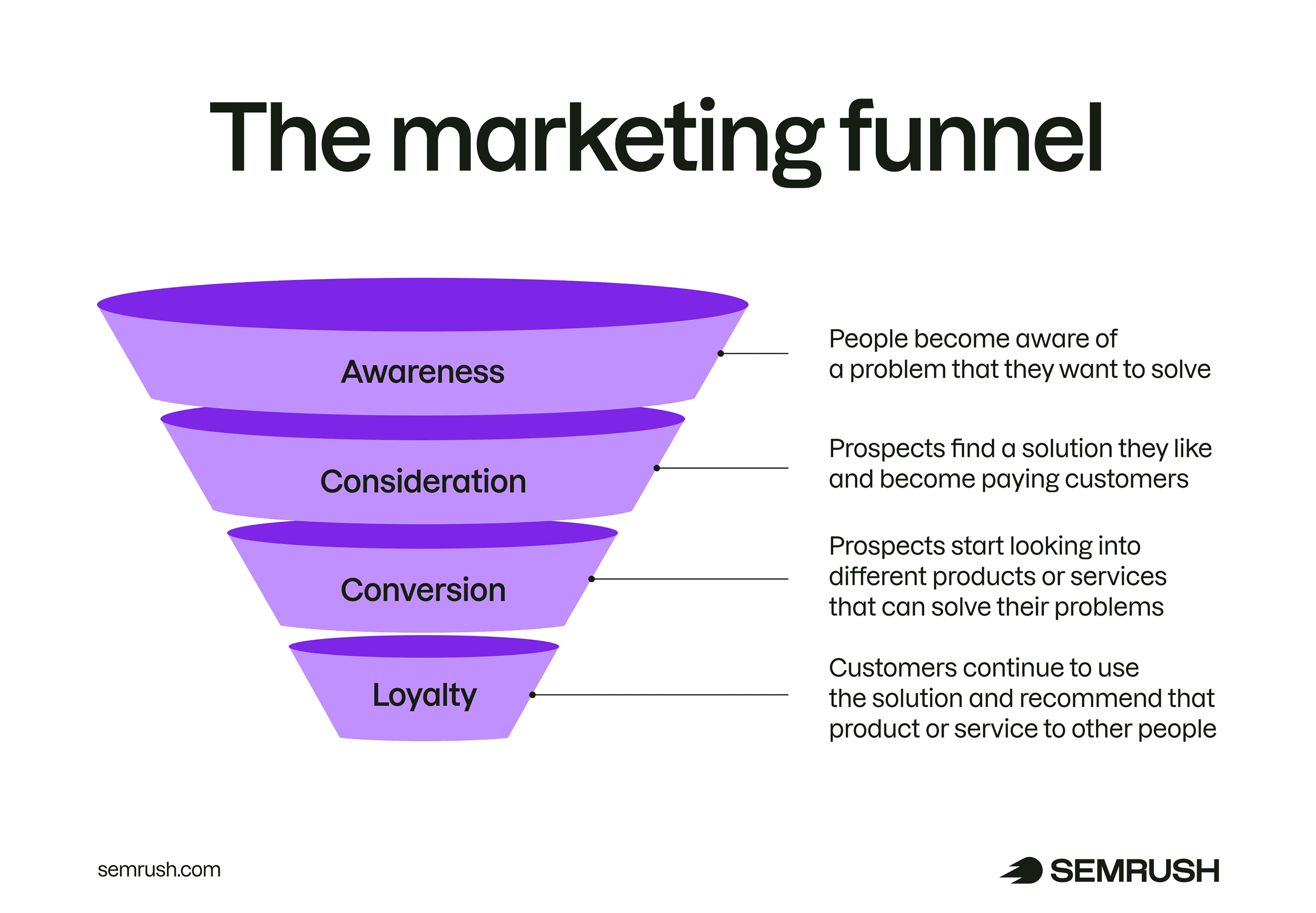
The implications of query fan-out extend far beyond technical SEO tactics, fundamentally altering how consumers move through the digital marketplace. Historically, consumer behavior was viewed through a linear marketing funnel consisting of distinct stages: awareness, consideration, and decision. Content strategies were meticulously partitioned to target users at precise moments along this journey, separating educational blog posts from hard-hitting product comparison pages.
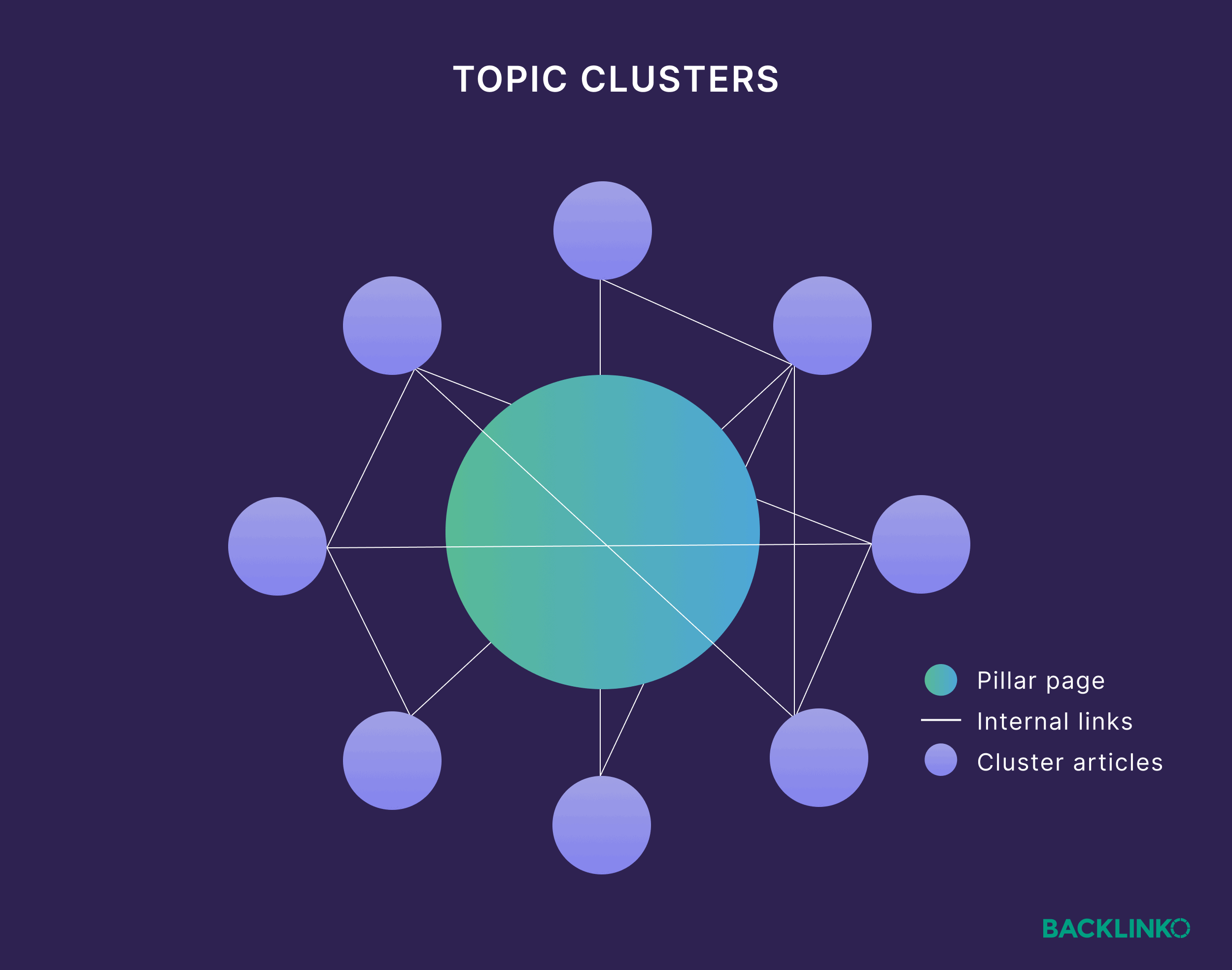
Generative AI search collapses this traditional funnel into a single interaction. When a consumer inputs a high-intent prompt, the query fan-out process simultaneously retrieves awareness-level definitions, consideration-level comparison metrics, and decision-level pricing data. The entire consumer journey occurs within the span of a single AI-generated response. Consequently, isolated pieces of content that target only one narrow stage of the buying cycle are less effective than comprehensive, interconnected content ecosystems, such as pillar pages and robust topic clusters, which capture multiple facets of a subject.
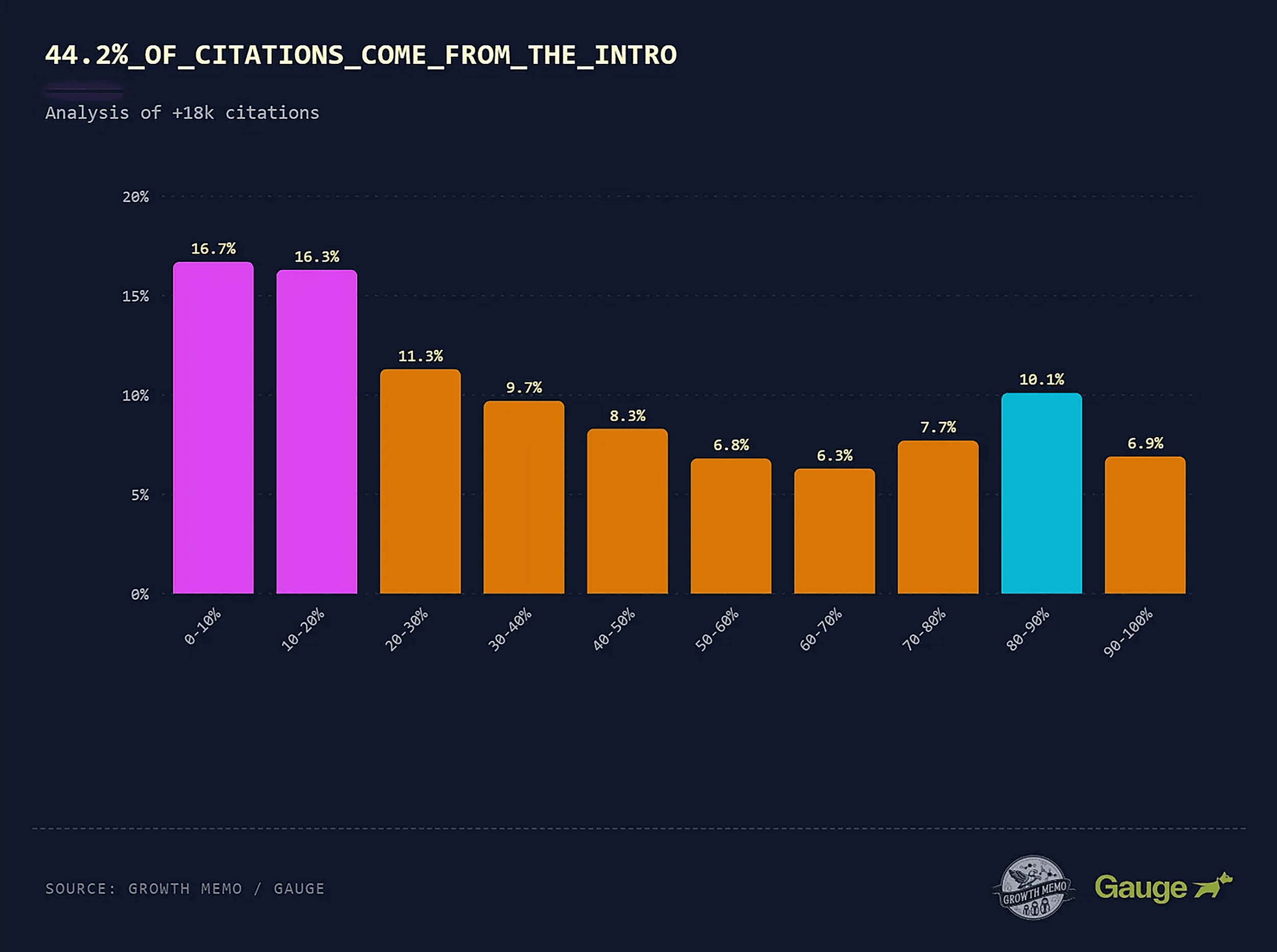
Furthermore, AI search engines retrieve passages rather than entire web pages. Data tracking user attention spans and extraction patterns within large language models demonstrates that the positioning of information within a document dictates its retrievability. Studies tracking millions of AI responses indicate that nearly half of all extracted citations derive from the top third of a webpage, while the middle and final sections account for the remainder. This emphasizes the need for structured formatting, clear subheadings, and front-loaded answers that allow automated crawlers to parse and extract specific insights without relying on surrounding context.

A Strategic Workflow for Optimizing AI Visibility

Adapting to the realities of query fan-out requires a deliberate, six-step framework designed to align content strategies with the multi-query architecture of generative search engines.
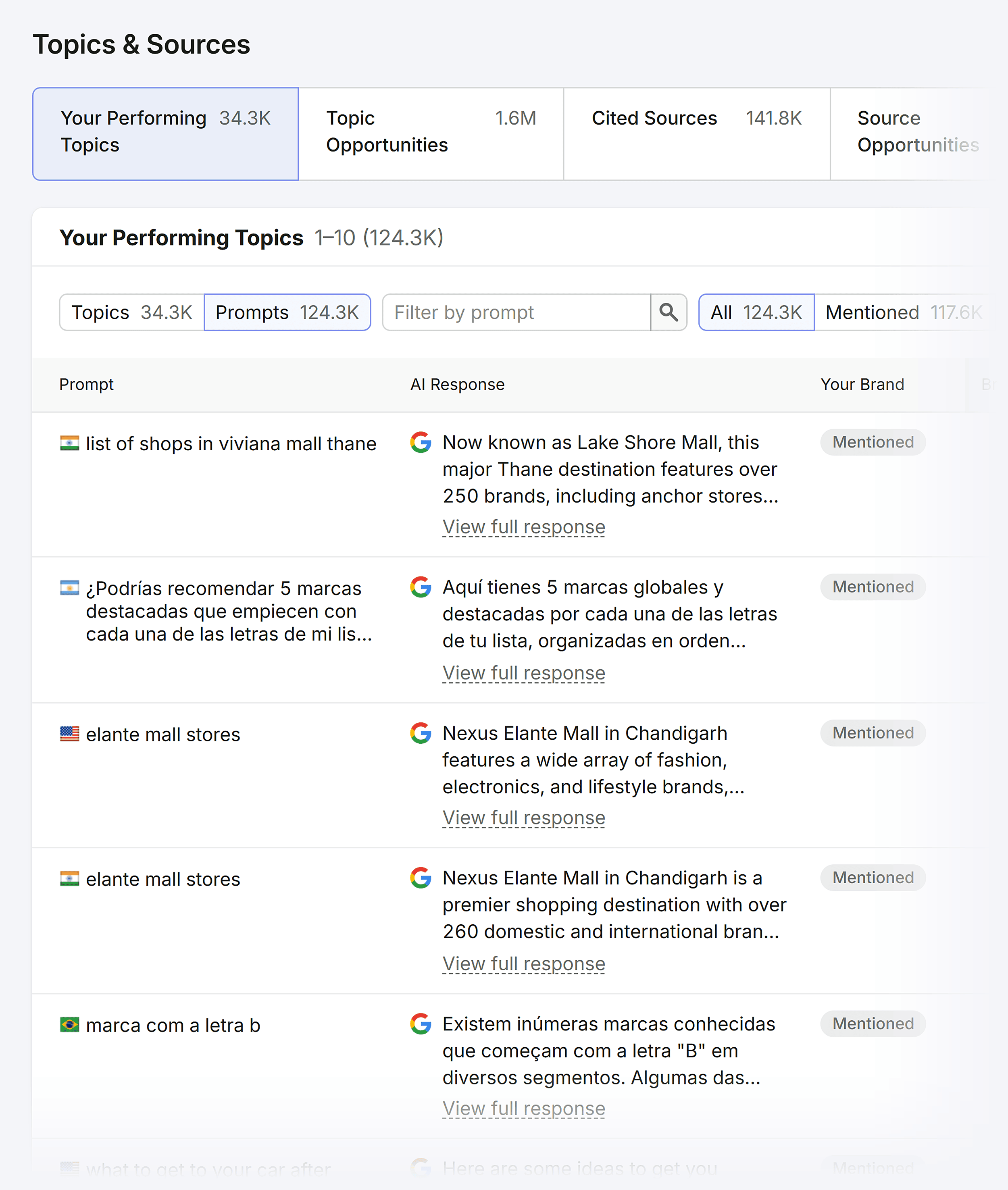
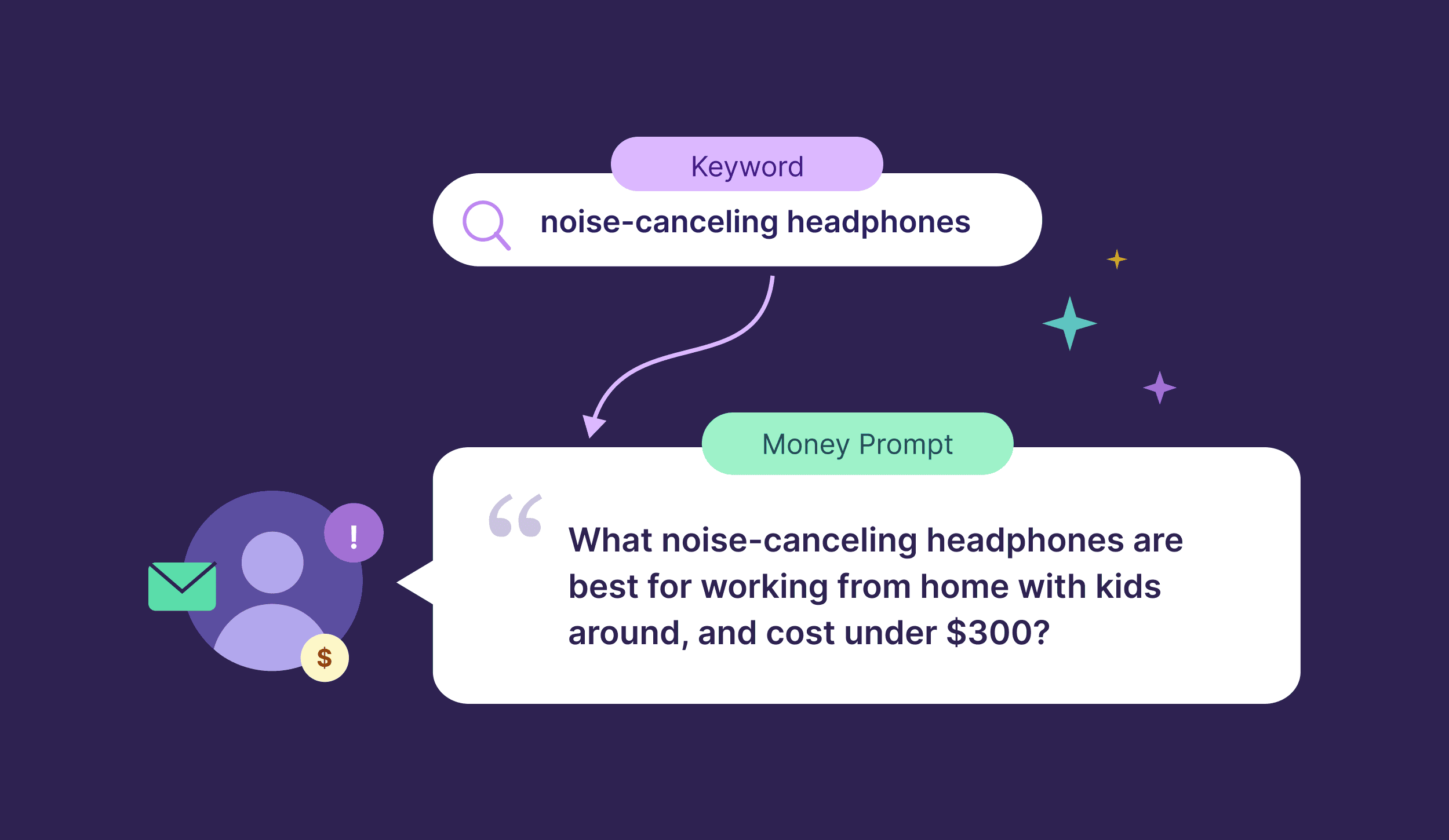
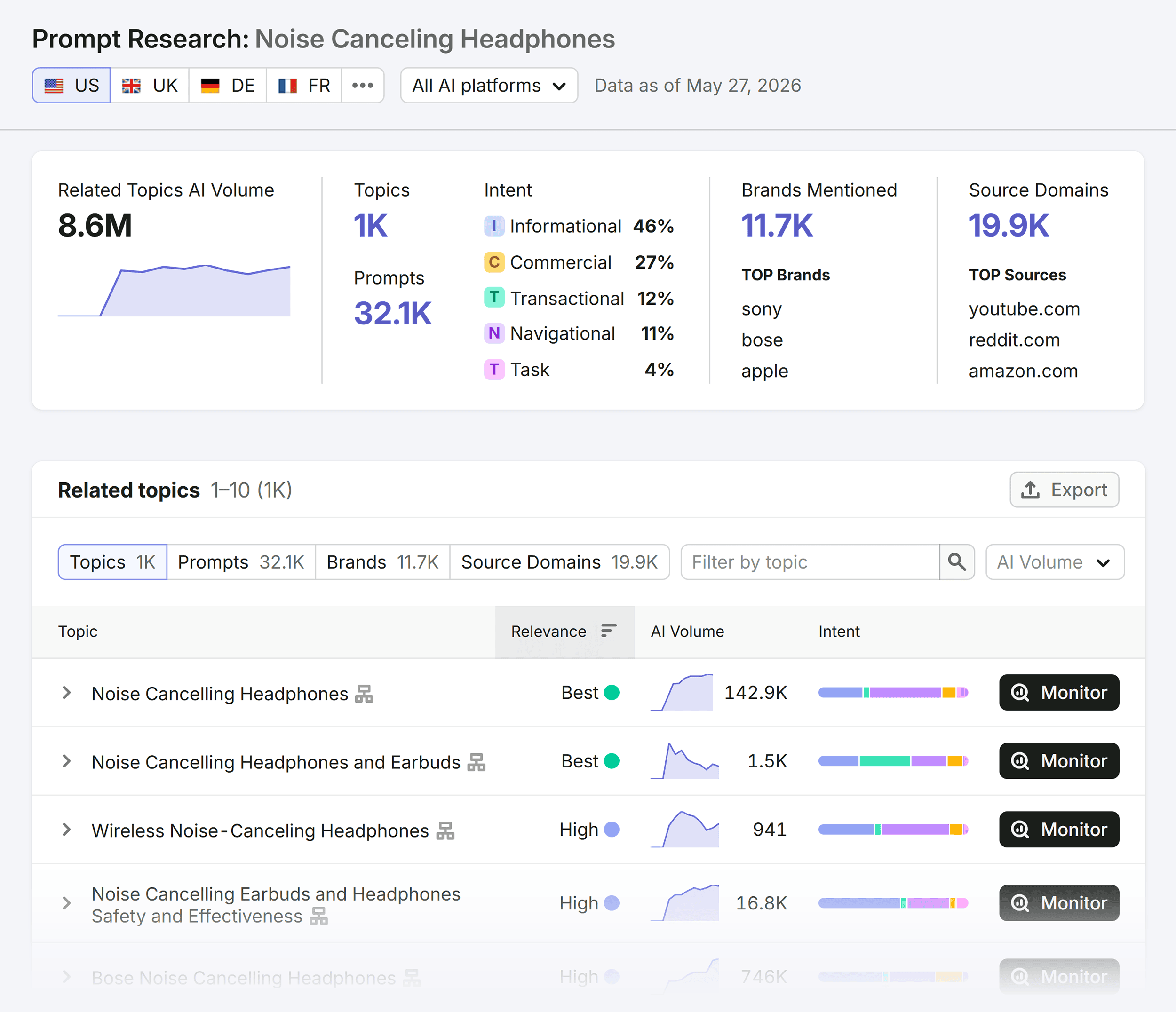
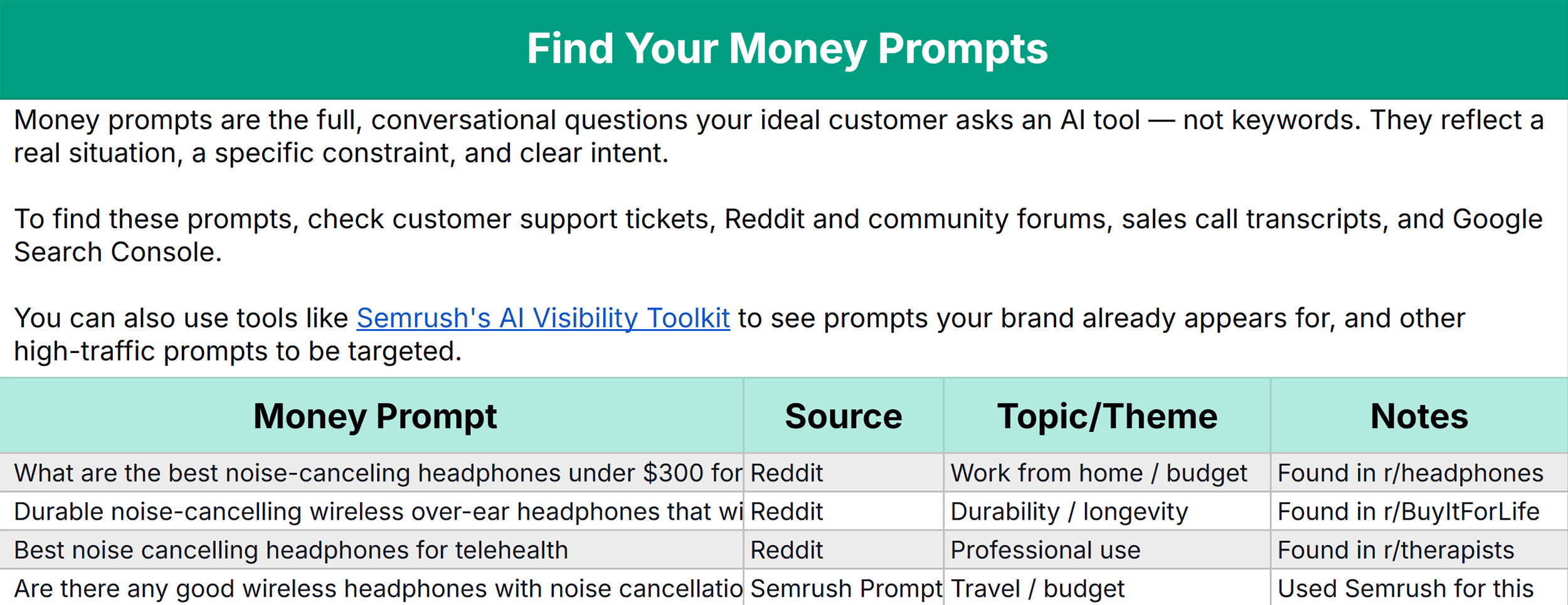
The first phase involves identifying "money prompts"—the conversational, high-intent questions your target audience poses to AI tools when seeking solutions to problems your product or service addresses. Unlike commercial intent keywords, which rely on abbreviated phrases like "noise-canceling headphones," money prompts capture nuanced constraints, such as "What noise-canceling headphones are best for working from home with children nearby while costing under $300?" Leveraging specialized AI visibility toolkits allows digital strategists to analyze existing brand mentions, uncover uncaptured prompt opportunities, and examine the precise sources cited by competitors.
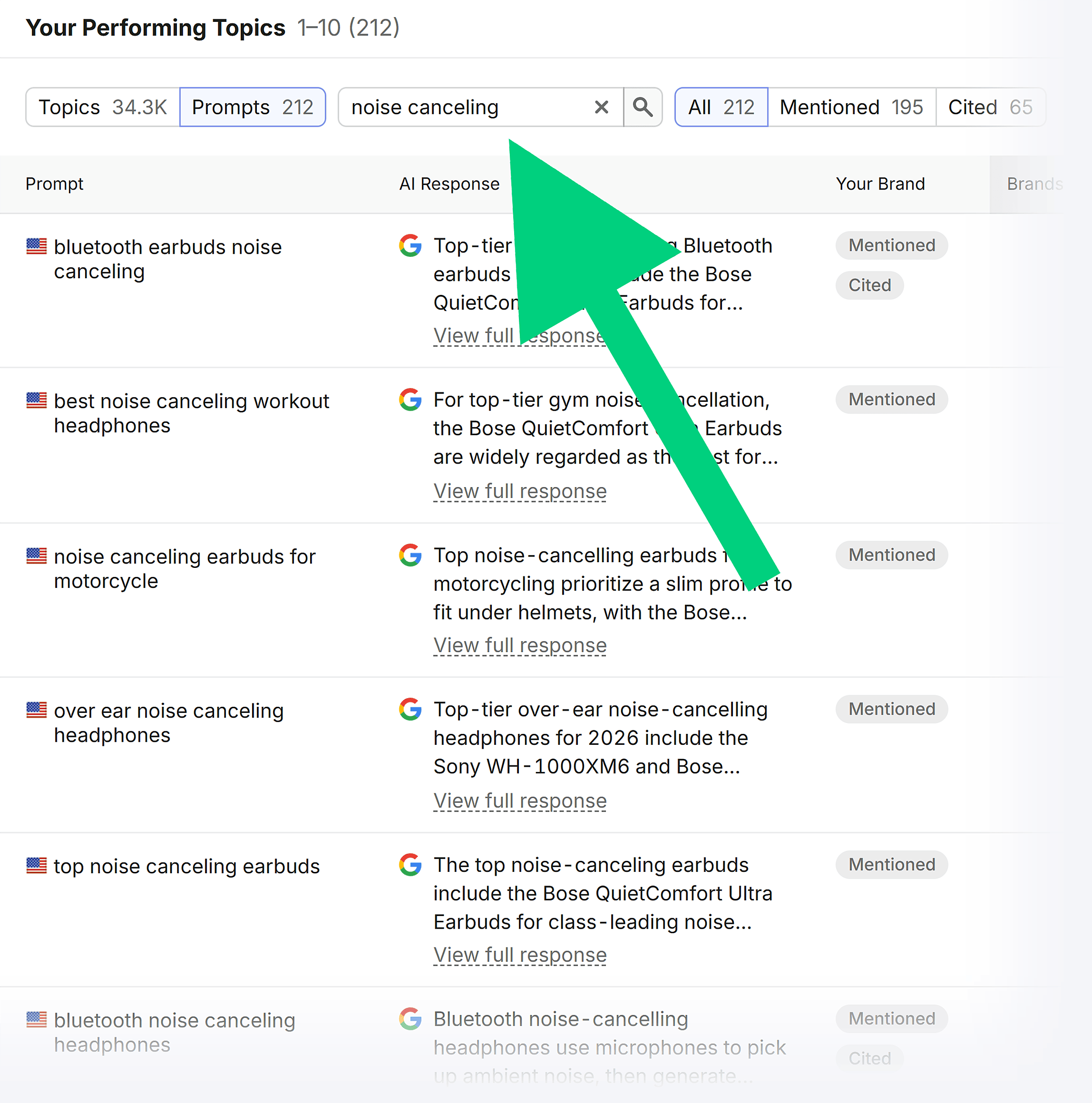
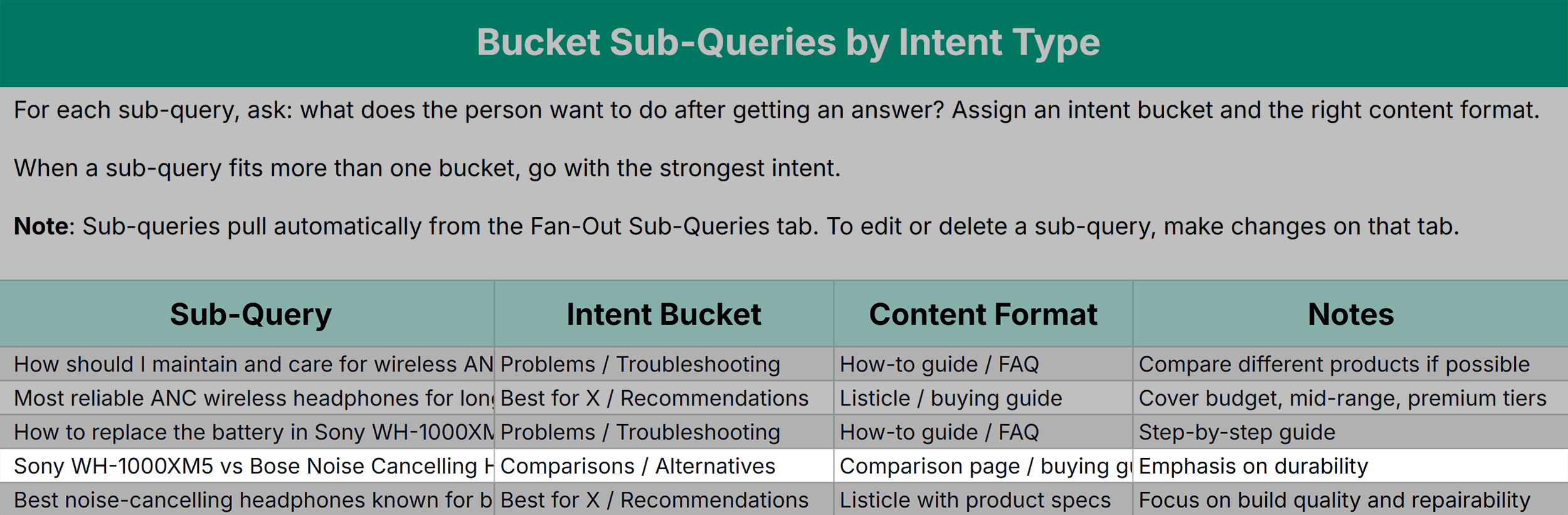
The second and third steps center on generating and categorizing the fan-out set. By examining the sub-queries generated by platforms during complex searches, content teams can group these inquiries into distinct intent buckets: definitions, direct comparisons, best-for recommendations, troubleshooting guides, pricing details, and social proof discussions. Each bucket dictates a specific content format, ensuring that comparative queries are met with structured tables rather than generic narrative overviews.
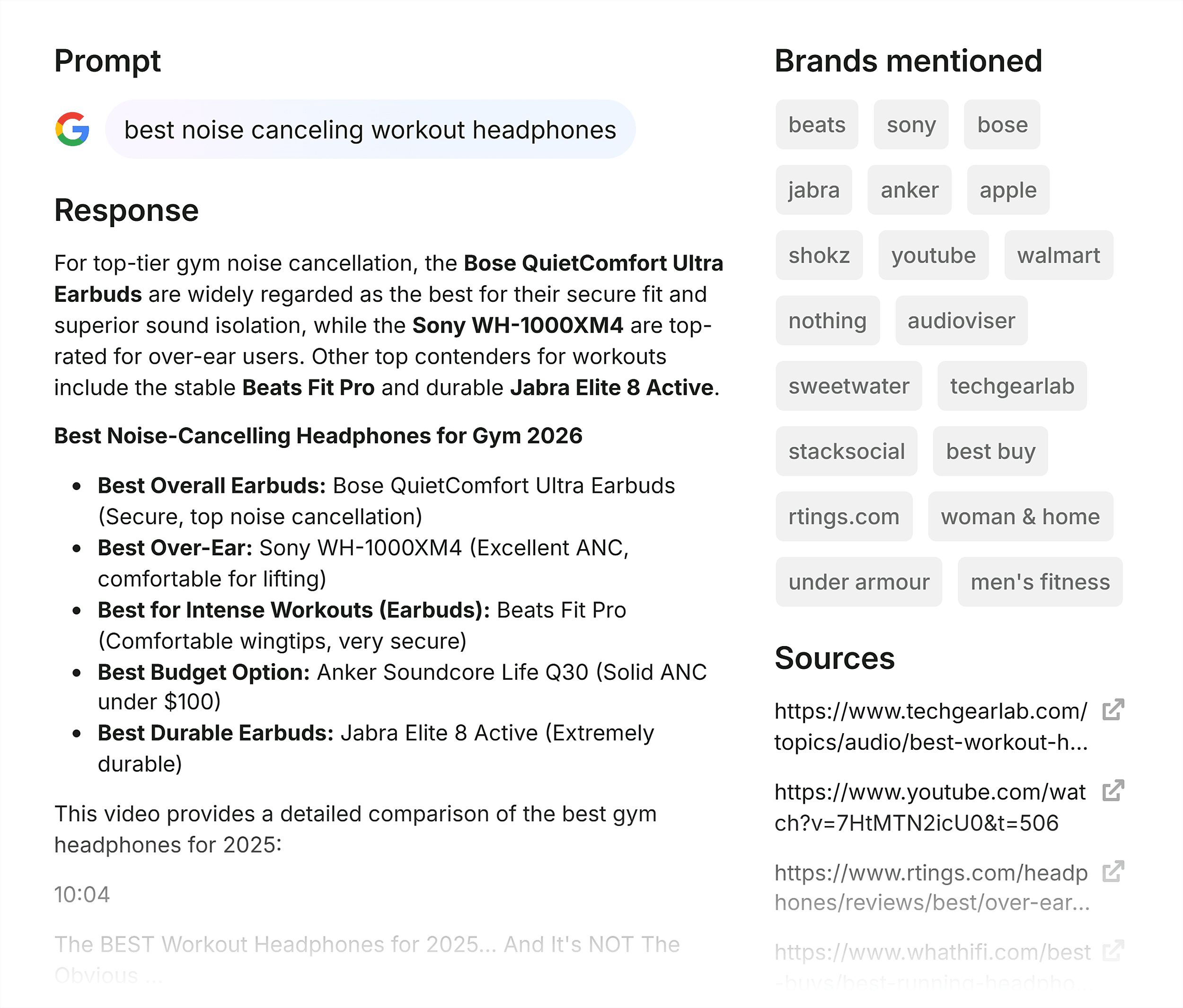
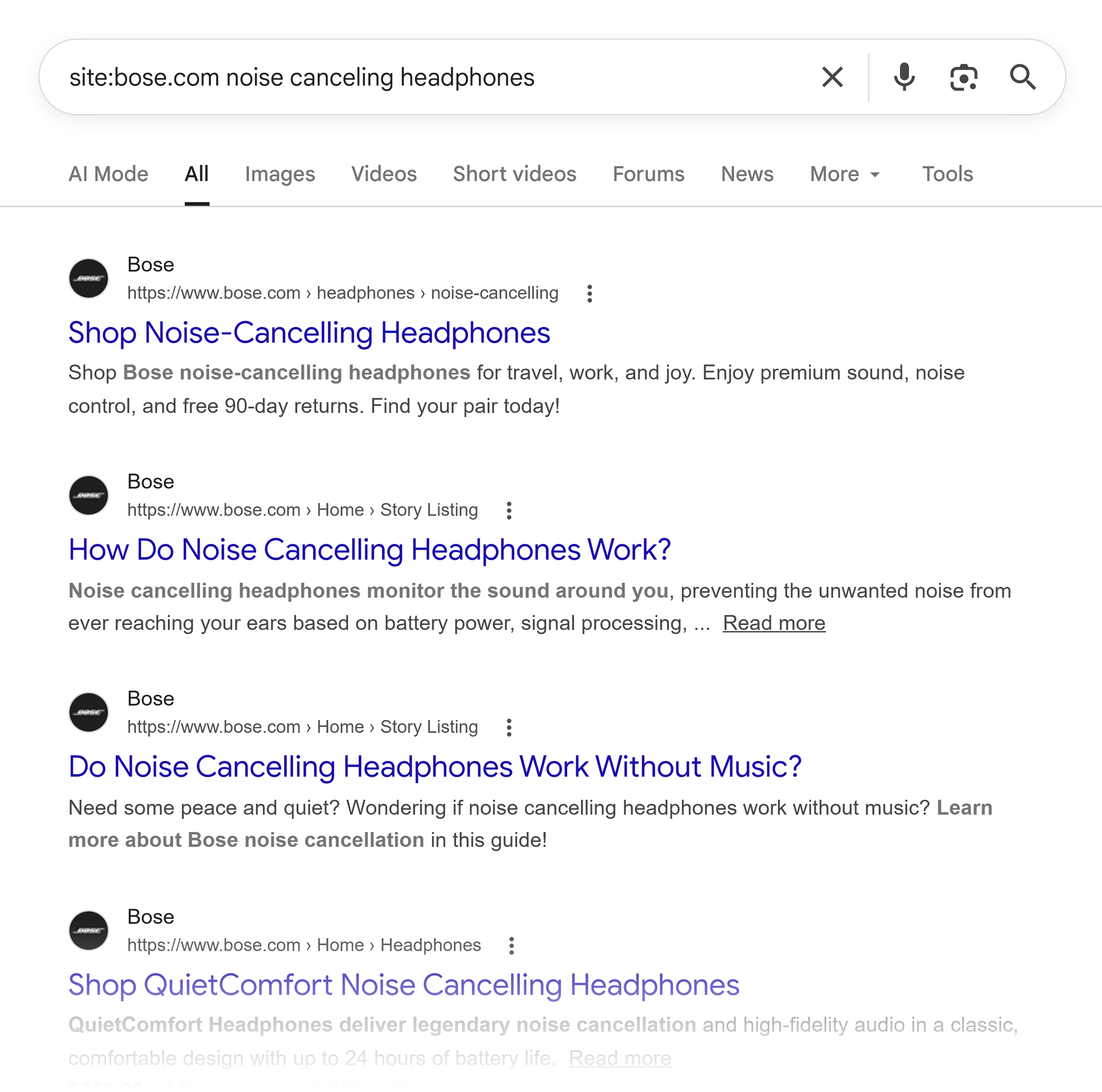
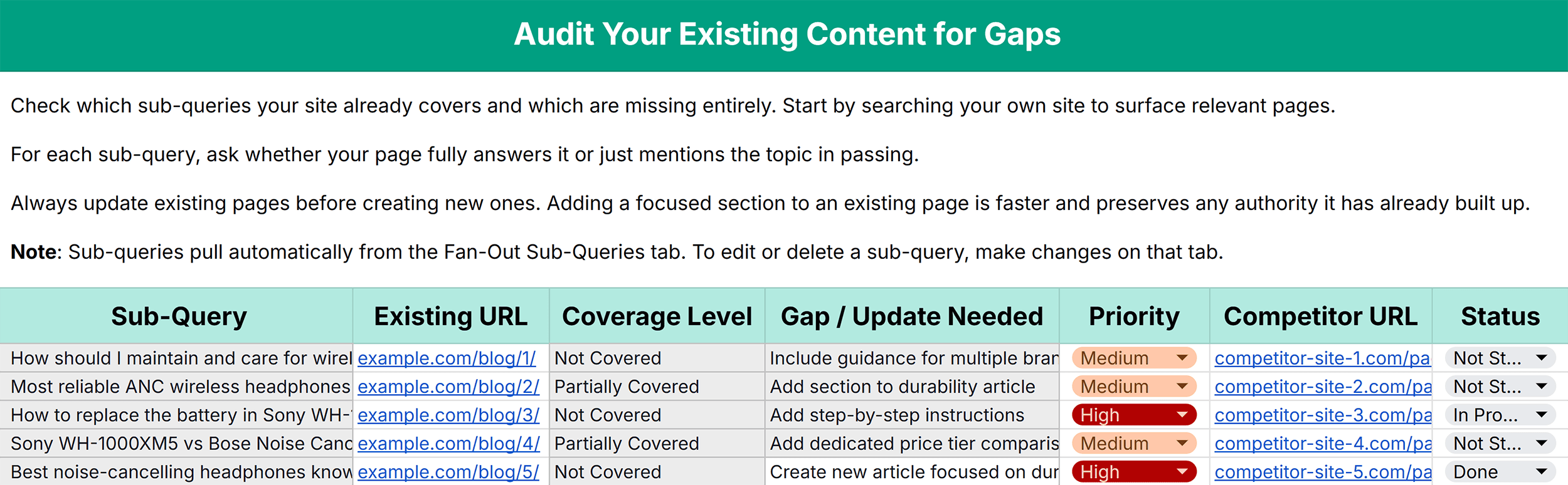
The fourth step requires a rigorous content gap audit. By systematically evaluating existing web assets against the discovered sub-queries, organizations can identify whether topics are entirely unaddressed, partially mentioned, or fully covered. This analysis highlights where new landing pages are required and where existing resources need enhanced, self-contained sections.
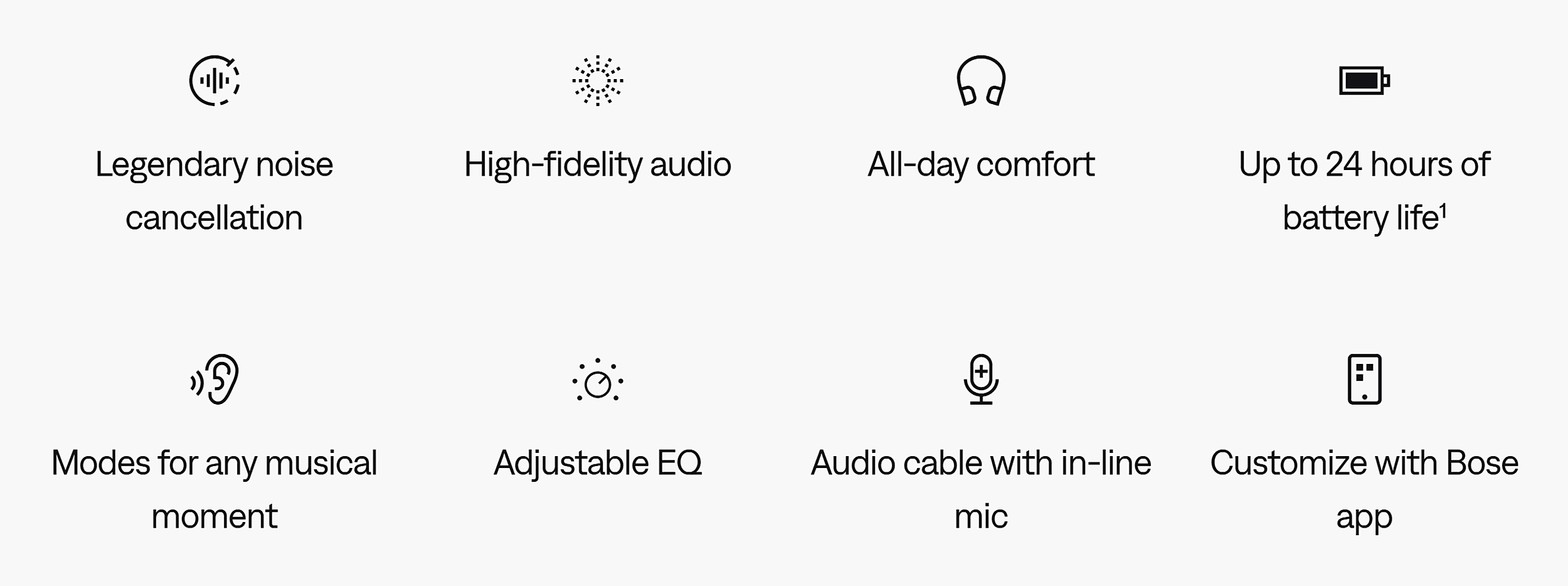
The fifth step focuses on structural optimization. Because AI systems parse text for direct, extractable answers, content must be formatted using scannable elements, clear bullet points, and explicit specification tables. Brands that structure their product claims and use-case scenarios directly into their digital architecture—similar to how leading consumer brands build dedicated landing pages for specific environments like air travel or sensory accommodations—position themselves favorably for automated extraction.
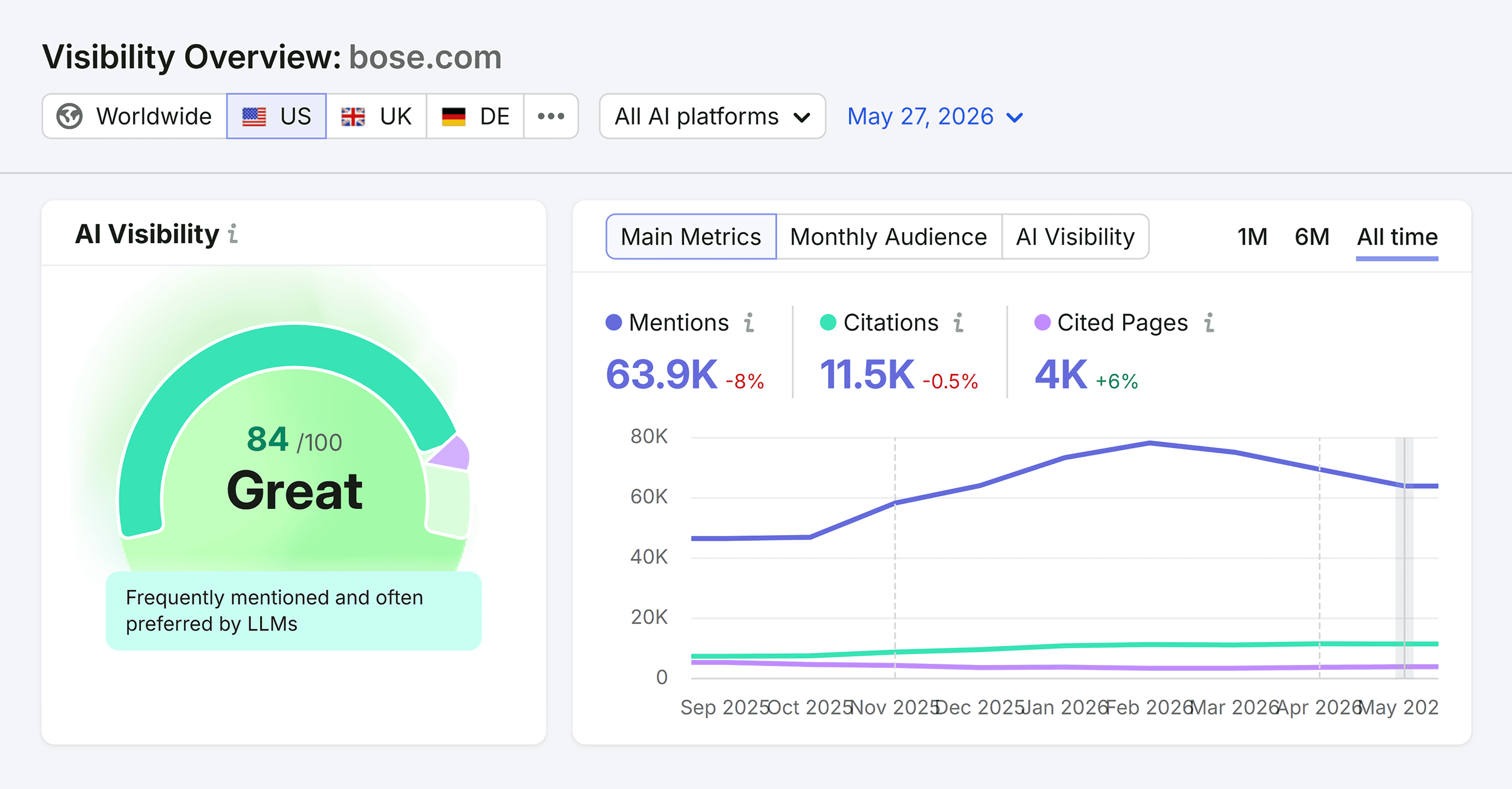
Finally, the sixth step establishes continuous performance measurement. Because AI search behavior fluctuates based on model updates and shifting user trends, relying on traditional position tracking is insufficient. Utilizing specialized tools to monitor AI visibility scores, sentiment perception drivers, and real-time prompt tracking ensures that content strategies remain resilient and responsive to market dynamics.
Platform-Specific Nuances in AI Information Retrieval
Navigating the generative search landscape also requires recognizing that different platforms execute query fan-out through distinct architectural pathways. ChatGPT frequently relies on internal reasoning and training data for standard informational queries, reserving live web searches for questions requiring real-time data or complex comparisons. Advanced reasoning modes execute extensive internal deliberation before pulling from dozens of external citations.
Perplexity operates by combining conversational memory with dual-layered search strategies, frequently evaluating past user interactions, contextual constraints, and preferences before deploying external web queries. This means a webpage may be paired with unpredictable background context, reinforcing the necessity for self-contained, highly accurate content passages. Claude, by contrast, often prioritizes clarifying user intent through interactive prompts before initiating its search routines, resulting in a more targeted, narrower set of sub-queries.
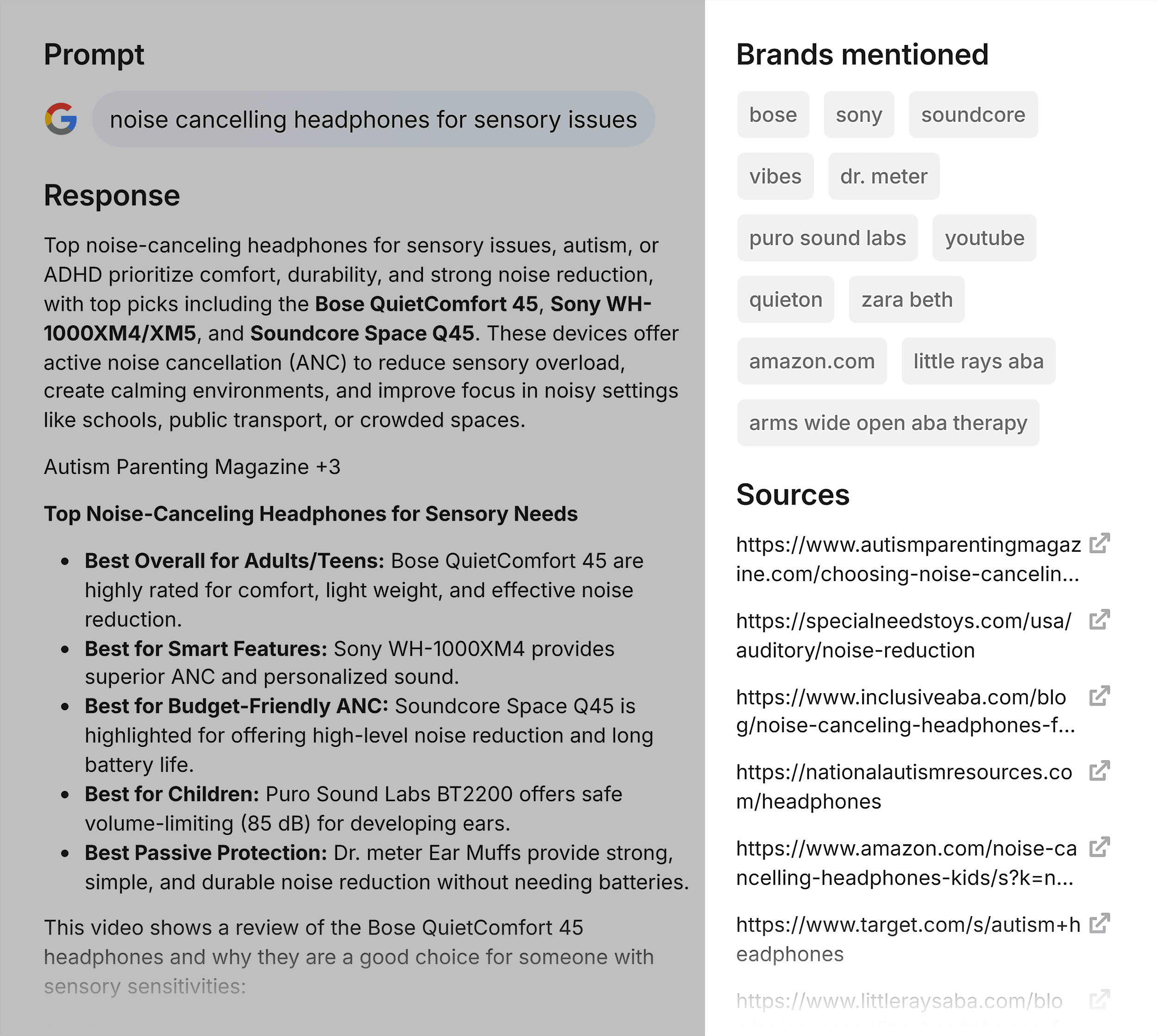
Google’s ecosystem, encompassing both AI Overviews and the dedicated AI Mode, synthesizes the platform’s extensive web index into concise, structured summaries. While AI Overviews condense traditional search engine results into featured snapshot formats, AI Mode manages complex, multi-part prompts by executing distributed searches across the index. Across all platforms, the underlying optimization mandate remains consistent: clarity, structured formatting, and comprehensive topical coverage are the primary drivers of digital authority.
Implications and Future Outlook for Digital Content
The emergence of query fan-out marks a permanent shift in digital information discovery. As generative AI continues to intermediate the relationship between content creators and consumers, the traditional metrics of search engine optimization are giving way to new standards of retrievability and contextual coverage. Brands that continue to focus exclusively on optimizing for isolated keywords risk obsolescence, as their top-ranking pages remain invisible to models that synthesize answers from deeper, more comprehensive sources.
By adopting a structured framework that anticipates sub-queries, categorizes user intent, and formats content for seamless machine extraction, organizations can secure their presence in the AI-driven answers of tomorrow. The future of search belongs not to those who merely rank at the top of a single list, but to those who provide the most comprehensive, accessible, and structured answers across the entire spectrum of a topic.