Rewriting Computing History: The Global Open-Source Initiative to Modernize 101 BASIC Computer Games

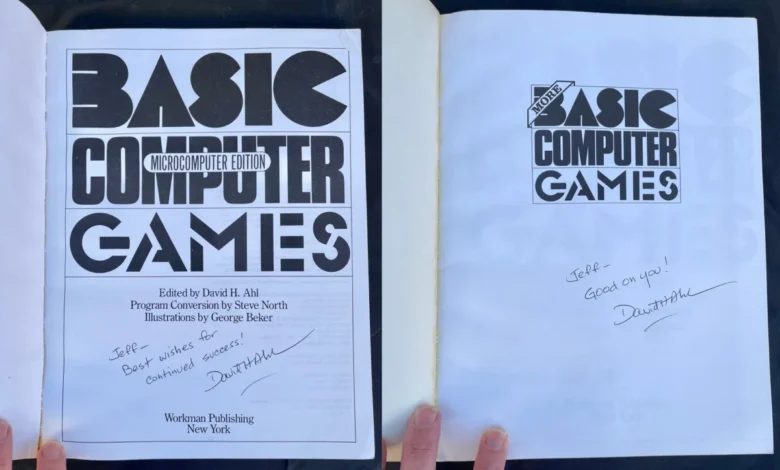
Veteran software developer and industry commentator Jeff Atwood has launched an ambitious open-source initiative hosted on GitHub to rewrite and modernize the foundational code of David H. Ahl’s legendary 1973 text, 101 BASIC Computer Games. This collaborative archiving and translation project seeks to preserve computing artifacts from the dawn of personal computing while translating obsolete, line-numbered BASIC syntax into modern, memory-safe programming languages. By engaging a global community of developers, the project bridges a crucial generational divide in computer science, transforming historical novelties into contemporary educational tools.
The Genesis of a Digital Revolution
To understand the cultural and technical weight of Ahl’s original work, one must examine the state of computing in the early 1970s. Long before graphical user interfaces, web browsers, and touchscreens dominated consumer technology, computers booted directly to a sparse command line interface. Hardware was expensive, enterprise-bound, and largely inaccessible to the general public.
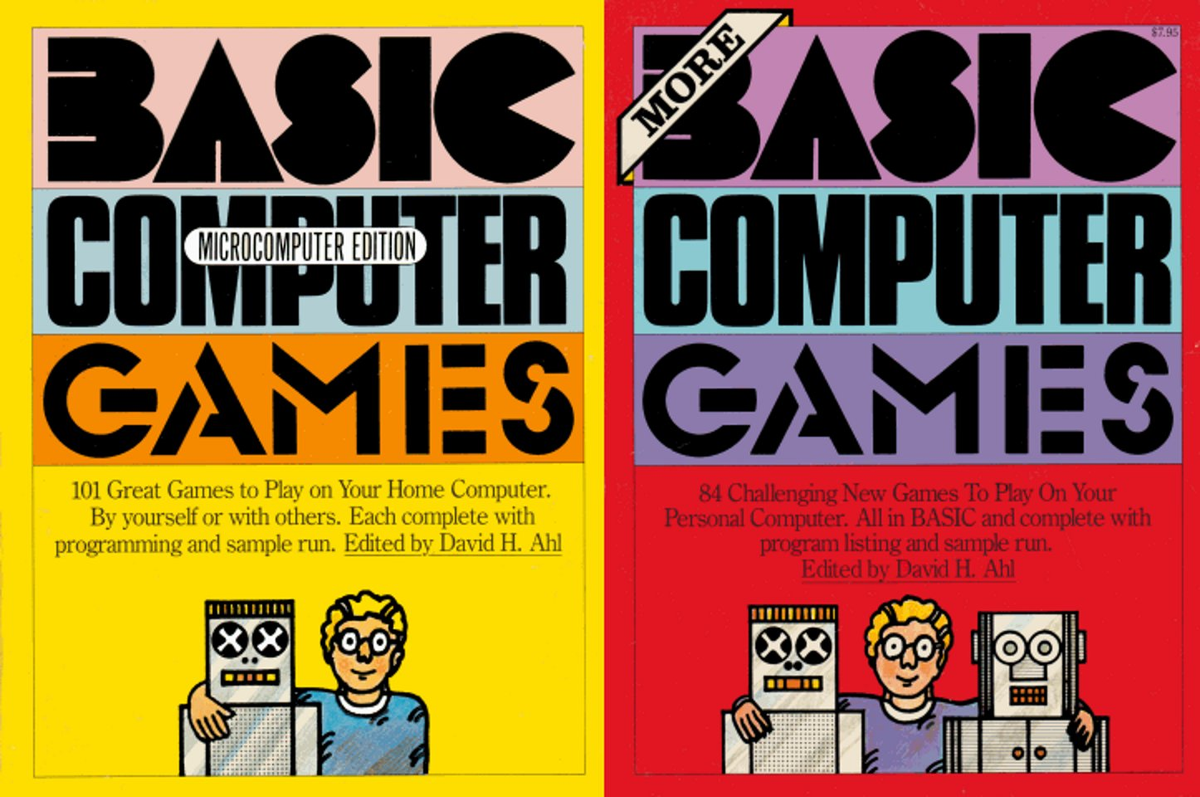
David H. Ahl, then an executive at Digital Equipment Corporation (DEC), recognized the urgent need to make computers approachable, engaging, and understandable. In 1973, DEC published 101 BASIC Computer Games, an anthology compiling simple text-based simulations, number-guessing games, and strategy diversions originally featured in Ahl’s pioneering publication, Creative Computing magazine.

The book’s impact defied all publishing conventions. Industry records indicate that the initial print run of 10,000 copies significantly exceeded the global population of personal microcomputers at the time. Educational institutions and hobbyists routinely purchased multiple copies per machine. By the late 1970s, the publication achieved a historic milestone, becoming the first computer-related book to surpass one million copies in print. For an entire generation of software engineers, system administrators, and technology leaders, manually typing these BASIC scripts into early systems served as the definitive introduction to software development.
Chronology and Evolution of the Codebase
The lifecycle of these primitive programs spans five decades, tracking the evolution of consumer hardware and software engineering paradigms:
- 1973–1974: David H. Ahl compiles early mainframe and minicomputer games, culminating in the publication of 101 BASIC Computer Games by DEC and the subsequent launch of Creative Computing magazine.
- Late 1970s–1980s: As affordable microcomputers such as the Commodore PET, TRS-80, and Apple II proliferate, the book becomes a ubiquitous household manual, inspiring sequels and derivative programming guides.
- 2010: An early, rudimentary attempt is made to modernize the anthology through SmallBasic. While removing line numbers, these ports fail to incorporate contemporary software architecture, omitting foundational concepts like modular subroutines and memory safety.
- 2022: Jeff Atwood formally secures permission from David H. Ahl to initiate a comprehensive, community-driven overhaul. The project launches on GitHub, initially targeting ten memory-safe programming and scripting languages. Subsequent iterations refine the language stack, incorporating modern standards such as Rust, Kotlin, and Lua while eliminating outdated or non-memory-safe alternatives.
Technical Analysis and Modernization Challenges
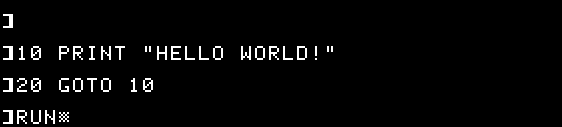
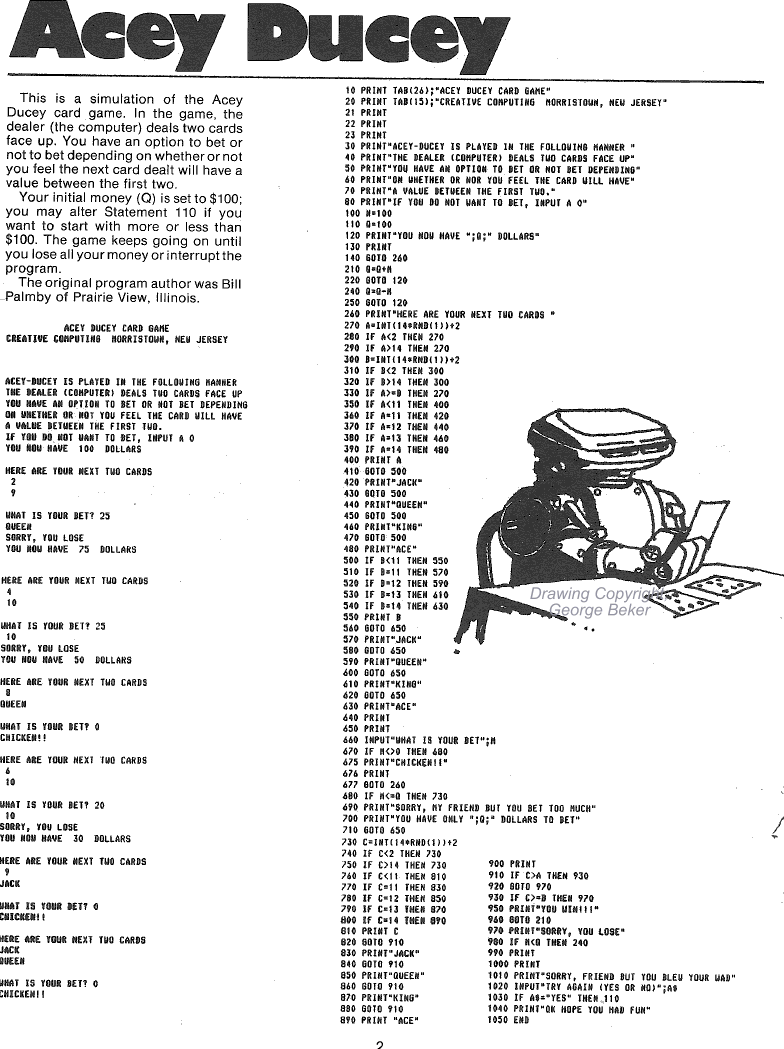
Transitioning software written in 1970s Microsoft BASIC or DEC BASIC into modern paradigms presents unique structural challenges. Original implementations relied heavily on explicit line numbers and the notorious GOTO statement, a practice later criticized for creating entangled, unmaintainable codebases commonly referred to as "spaghetti code."
Furthermore, early BASIC implementations lacked native support for structured programming constructs, robust variable scoping, and modular subroutines—concepts widely recognized as foundational pillars of computer science. Previous porting efforts, such as the 2010 SmallBasic initiative, largely restricted updates to syntax translation rather than structural re-engineering.
The current GitHub initiative mandates that participating contributions adhere to contemporary software engineering standards. The project utilizes a curated selection of ten memory-safe languages designed to eliminate vulnerabilities such as buffer overflows while encouraging modular design, proper error handling, and code readability. By requiring modern implementations to incorporate subroutines and logical flow control, the repository converts historical curiosities into masterclasses in clean code architecture.
Community Engagement and Philanthropic Impact
The modernization effort relies on distributed, collaborative peer review reminiscent of open-source pillars like the Linux kernel or Git. Rather than solitary programmers manually transcribing text in isolated rooms—as occurred during the microcomputer boom of the 1980s—developers worldwide coordinate via pull requests, code reviews, and issue trackers.
To accelerate participation and foster inclusivity within the technology sector, the project incorporates a philanthropic incentive structure. Project leadership pledged financial contributions to Girls Who Code, a national non-profit organization dedicated to closing the gender gap in technology by training young women for engineering careers. This integration of historical preservation with educational advocacy aligns the initiative with broader industry goals of diversity and technical mentorship.
Broader Implications for Computer Science
Preserving early software artifacts serves a vital function within the academic and technical communities. While modern applications prioritize distributed cloud architecture, artificial intelligence integration, and high-performance concurrency, the fundamental logic underpinning algorithmic problem-solving remains unchanged.
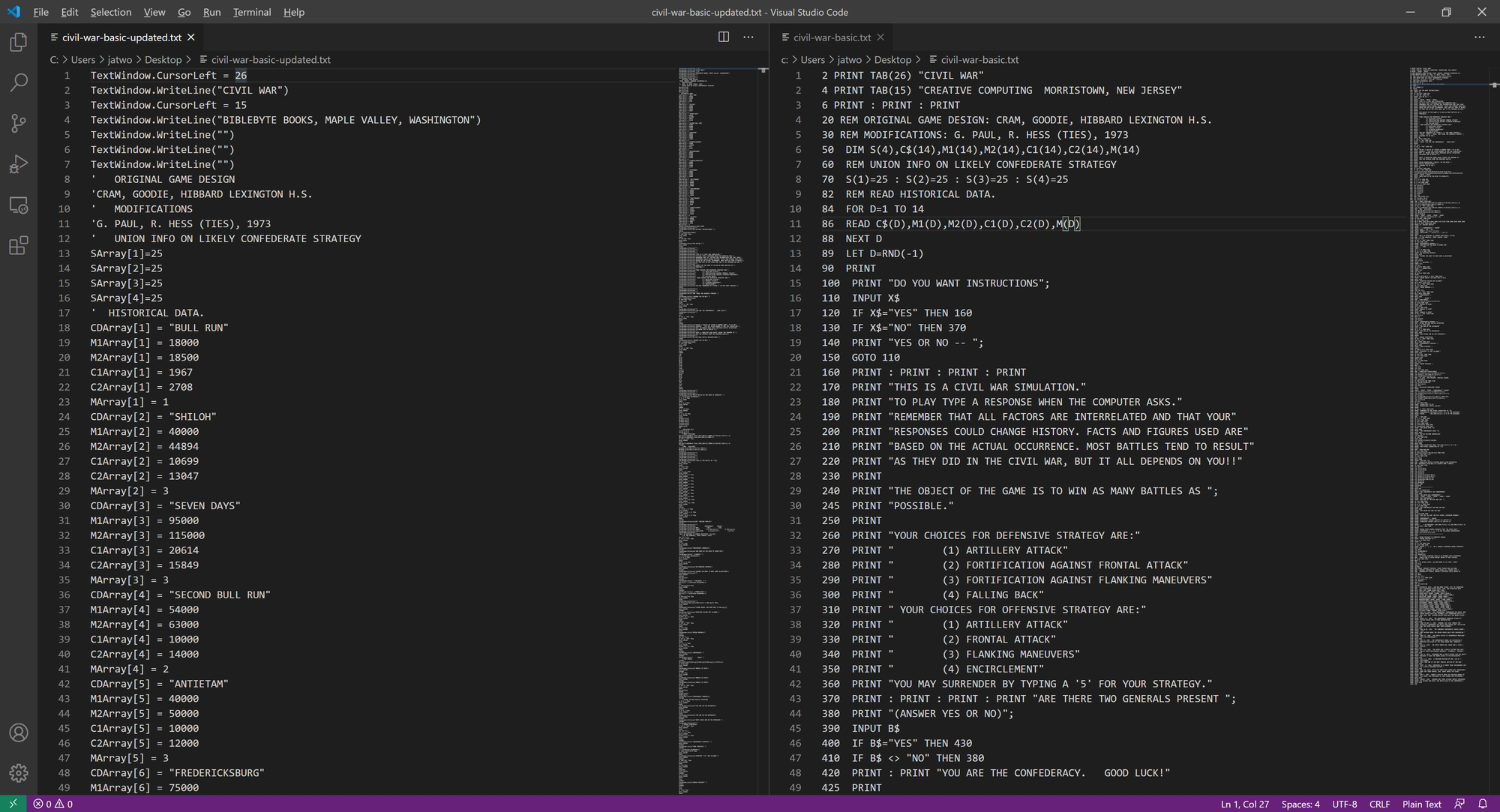
By deconstructing games like CivilWar, Hamurabi, and Lunar Lander and rebuilding them according to strict modern standards, software engineers gain historical perspective alongside practical refactoring experience. The project demonstrates how foundational programming logic evolves across generations, offering junior and senior developers alike a structured environment to practice clean architecture, documentation, and collaborative open-source stewardship. Ultimately, bridging the gap between 1973 BASIC and modern memory-safe execution environments ensures that the formative building blocks of the digital age remain accessible, functional, and instructive for decades to come.