Employee Retention Strategies: Building Long-Term Organizational Stability in a Shifting Labor Market

Employee retention strategies comprise the essential policies, management frameworks, and daily operational experiences that provide professionals with compelling reasons to remain within an organization. While the volatility of the mid-2020s, often categorized as the "Great Resignation," forced a global reckoning regarding labor loyalty, the most enduring lesson for modern enterprise is the widening gap between corporate promises and the day-to-day realities managed by leadership and systems. Even as the initial surge of mass resignations has subsided, retention remains a critical operational priority. According to the U.S. Bureau of Labor Statistics, the quits rate stabilized at 1.9% in July 2026, with approximately 38 million employees voluntarily leaving their positions throughout 2025. Crucially, data from Gallup indicates that 42% of those voluntary departures were deemed preventable, suggesting that systemic organizational failures, rather than purely external market forces, drive the majority of attrition.
A Chronology of the Modern Labor Shift
The phenomenon known as the Great Resignation emerged in early 2021 as a direct consequence of the global COVID-19 pandemic. As lockdowns eased and economic activity resumed, a record number of U.S. workers began reevaluating their professional trajectories. In 2021 alone, tens of millions of workers exited their roles. Historical analysis from the Pew Research Center identified three primary catalysts for this exodus: inadequate compensation, a perceived lack of advancement opportunities, and a pervasive sense of disrespect within the workplace. These factors were exacerbated by secondary pressures, including childcare instability, rigid scheduling, and eroding benefit packages.
By 2023, the market began to transition from a period of high-volume turnover to one of "quiet quitting" and strategic talent reallocation. As the economy grew more complex, the competition for specialized talent intensified, creating a demand-supply gap that incentivized employees to jump to competitors offering higher salaries, flexible work arrangements, and more robust leave policies. Organizations that failed to evolve their operating models during this window found themselves struggling to maintain productivity, as talent migrated toward environments that prioritized transparency and work-life integration.
The Anatomy of Retention Failure
Retention challenges are rarely the result of a single isolated factor. Instead, they are typically the byproduct of a misaligned operating model. When an organization relies on superficial perks—such as one-time bonuses or "pizza parties"—to offset deep-seated issues like unclear role expectations, poor onboarding, or managers who fail to facilitate career development, the result is predictable churn.
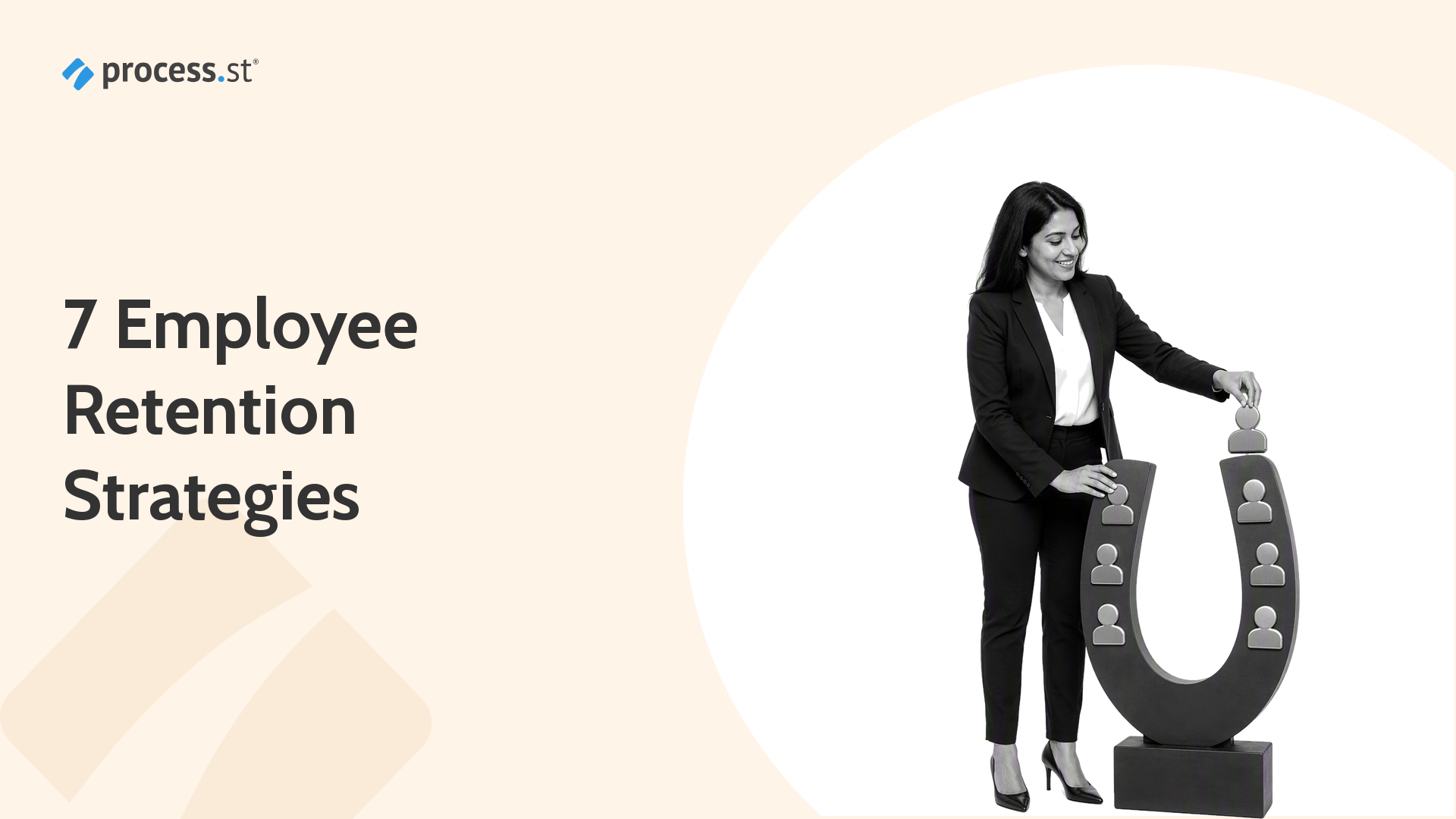
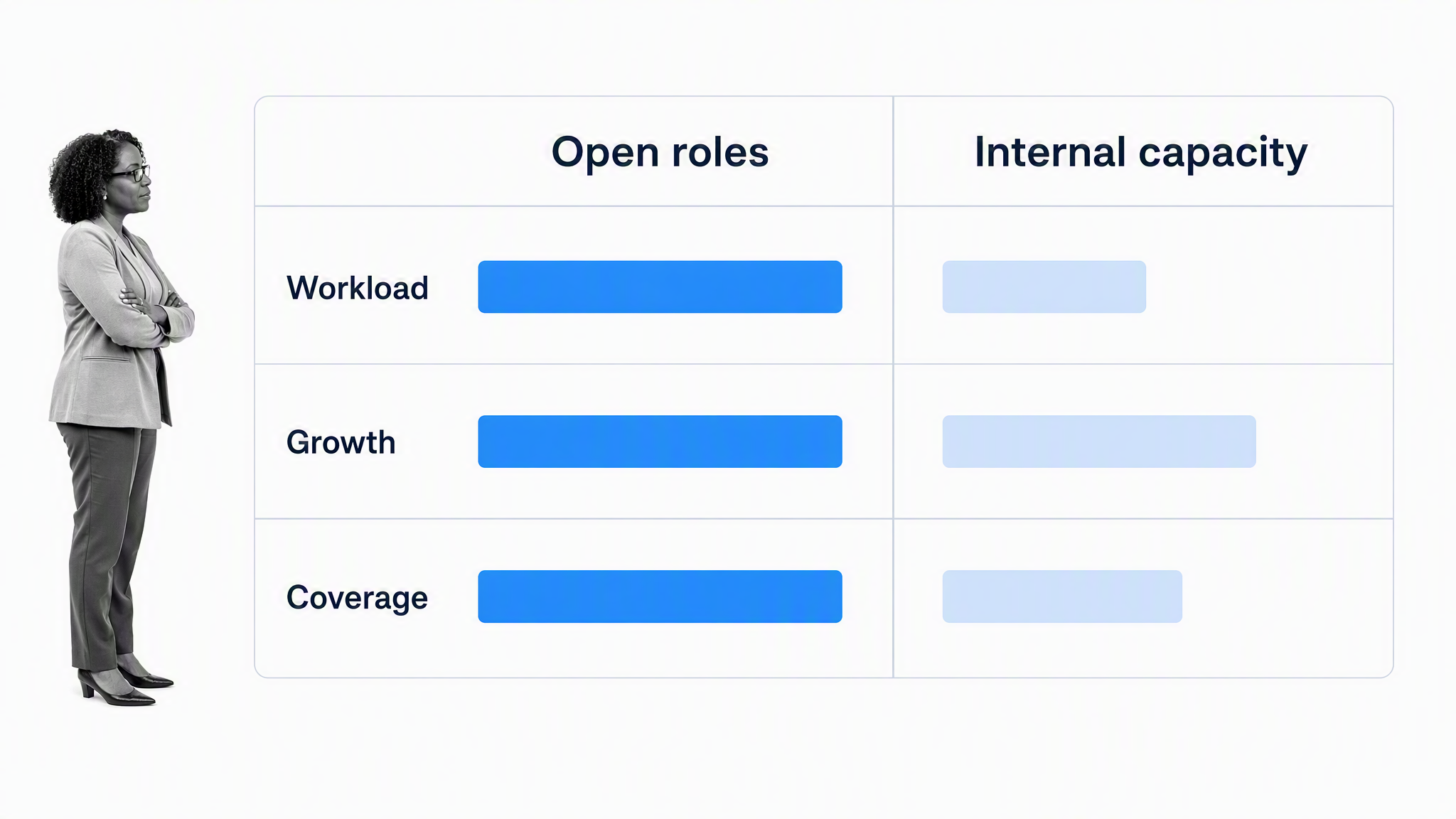
Workforce planning is the fundamental defense against such attrition. Leaders must conduct a rigorous comparison between the demand for specific roles and the internal capacity already present within the firm. When workloads are consistently unbalanced or when growth opportunities are inaccessible, employees perceive the organization as fundamentally broken. Exit interview data, when aggregated with stay interviews and team-specific turnover metrics, often reveals that the "employee problem" is actually a management or structural defect.
Core Strategies for Sustainable Retention
To foster a culture of retention, organizations must view the employee lifecycle as a holistic, interconnected process.
1. Optimization of the Onboarding Workflow
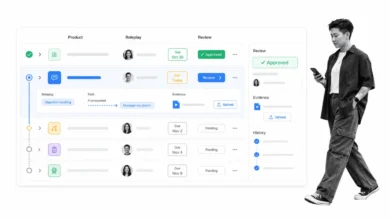
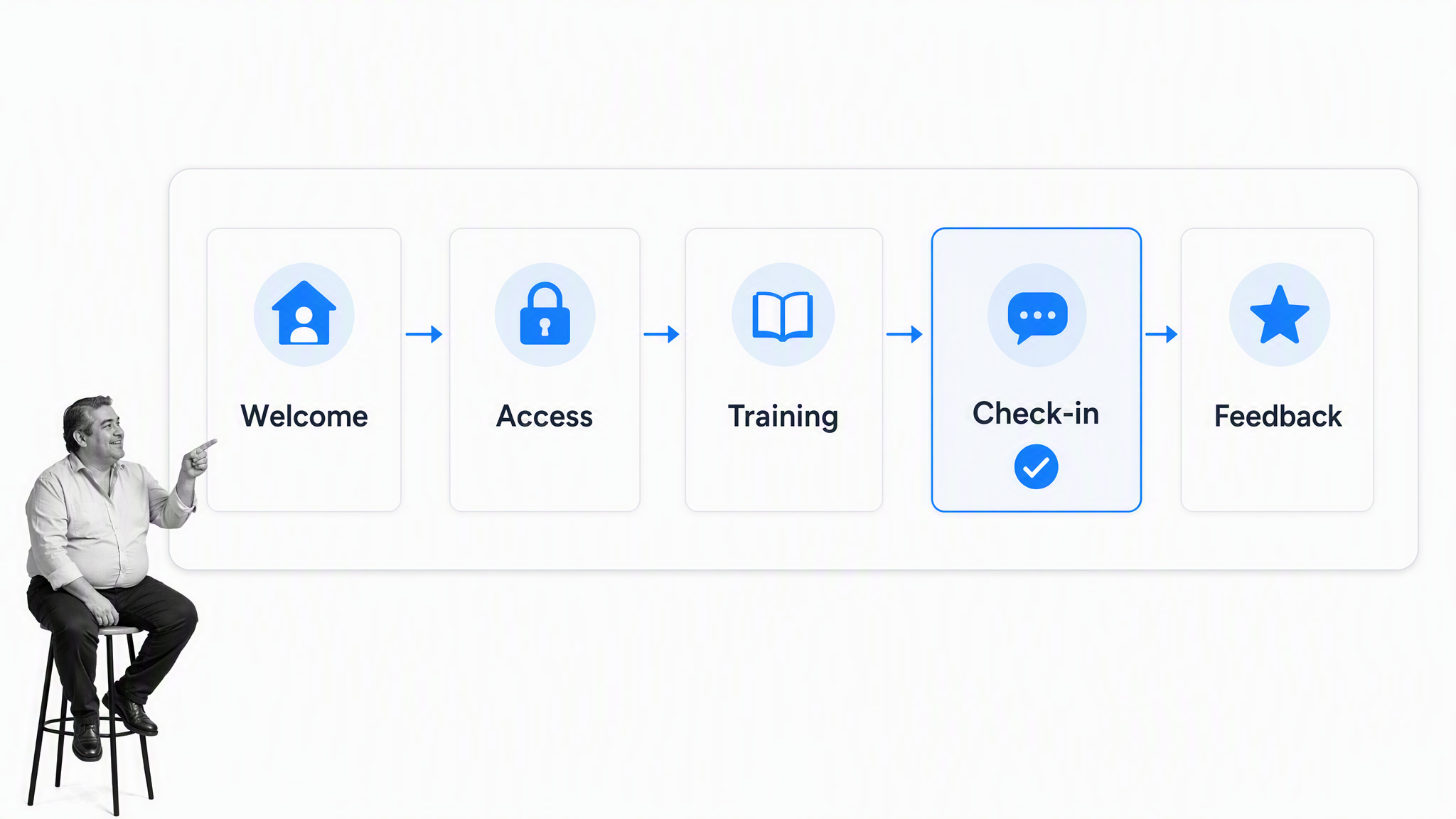
Retention begins at the pre-boarding stage. Data from Gallup confirms that employees who experience an exceptional onboarding process are 2.6 times more likely to report high levels of job satisfaction. A successful onboarding program must be a governed, repeatable workflow that includes clear job previews, manager preparedness, and a structured 30-60-90-day plan. Remote and hybrid employees require additional attention to ensure they feel integrated into the social and operational fabric of the company.
2. Redefining Flexibility as an Operational Standard
Flexibility is no longer a perk; it is a structural requirement. Organizations must define which outcomes are essential, which meetings require synchronous presence, and where employees have autonomy over their location and schedule. This requires a move away from activity monitoring toward outcome-based management. When policies are transparent and applied consistently, they mitigate the frustration associated with "proximity bias," where office-based workers receive preferential treatment over their remote counterparts.
3. Formalized Employee Development Plans
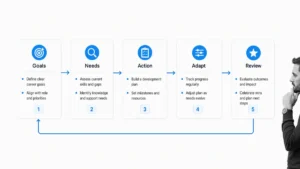
Retention is heavily correlated with the perception of progress. An effective development plan acts as a shared record between an employee and their manager, outlining skills to be acquired, experiences to seek, and the coaching support to be provided. This is not a static document but a dynamic, regular conversation. When employees are denied the chance to build portable skills, they are forced to leave the organization to pursue professional growth.
4. Establishing Transparent Career Pathways
Ambiguity regarding advancement is a primary driver of turnover. Organizations must publish clear criteria for promotion, lateral moves, and skill-based progression. When internal openings are hidden or selection processes appear arbitrary, top performers lose faith in their future at the firm. Internal mobility programs that facilitate lateral movement allow employees to build expertise across departments, which is often as valuable as a vertical promotion in retaining high-potential staff.
5. Strengthening Organizational Connectivity
Connection is not about mandatory social events; it is about ensuring that employees have the relationships necessary to perform their roles efficiently. By fostering cross-functional planning and communities of practice, organizations reduce the "knowledge silos" that often lead to employee isolation. Managers must facilitate these connections by being present and responsive, as no software tool can replace effective leadership communication.
6. Personalized and Meaningful Recognition
Recognition must be timely, specific, and aligned with what the employee values. Research indicates that well-recognized employees are 45% less likely to leave their roles within a two-year period. However, recognition should never be used to mask systemic issues like underpayment or burnout. Instead, it should serve to reinforce the organizational values that the company wishes to cultivate.
7. Building Trust Through Autonomy
Trust is the antithesis of micromanagement. When leaders define the boundaries—the outcomes, quality standards, and decision rights—and then grant employees the autonomy to operate within those boundaries, engagement increases. Micromanagement, conversely, signals a lack of trust and forces employees to optimize for "visible activity" rather than meaningful impact.
Broader Implications and Future Outlook
The cost of replacing an employee—ranging from recruitment fees to lost institutional knowledge and training time—is substantial. Beyond the financial impact, excessive turnover disrupts team morale and erodes customer trust. By redirecting the energy typically spent on constant recruitment toward the refinement of internal development and retention, organizations can cultivate a more stable, productive workforce.
However, the objective of a retention strategy should not be "zero turnover." Some attrition is natural and healthy for both the individual and the organization. The goal is to eliminate avoidable churn by fixing systemic friction. As the modern labor market continues to evolve, companies that prioritize transparency, clear career frameworks, and evidence-based management will be the best positioned to thrive.
The integration of technology, such as the Process Street Compliance Operations Platform, allows companies to operationalize these strategies. By documenting policies and standardizing onboarding, check-ins, and development reviews, leaders can remove the "human error" factor that often leads to inconsistent employee experiences. Ultimately, the most successful organizations of the future will be those that treat retention not as an HR project, but as a core business function—one that requires ongoing monitoring, data-driven analysis, and an unwavering commitment to the employee experience.
Related posts: