The Blurring Lines of Remote Work: Navigating the ‘Gray Zone’ for a Sustainable Future

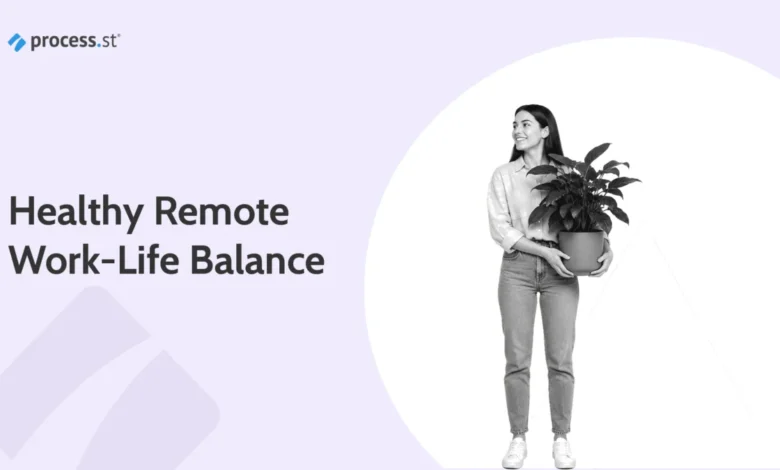
Our homes are no longer just homes, and our offices are no longer just offices. For millions of people worldwide, the advent and subsequent normalization of remote work has irrevocably blurred the boundaries between professional and personal life. This shift, accelerated by global events and now cemented as a foundational element of the modern workforce, presents both unprecedented opportunities and significant challenges for employers and employees alike. The "gray zone," a term describing the intermingling of living and working spaces, has become a pervasive reality, demanding new strategies for recruitment, hiring, and management to foster a healthy and productive remote work environment.
The transition to widespread remote work was not a gradual evolution but a rapid adaptation. Initially, many companies and their employees scrambled to establish functional home offices, often improvising with whatever space and resources were available. Research has consistently highlighted the varied environments remote workers utilize, from dedicated spare rooms to corners of living areas or even bedrooms. This lack of distinct separation between work and life has led to a phenomenon where homes become multifunctional spaces, blurring the lines between professional responsibilities and personal well-being. This reality has become so ingrained that flexibility, once a coveted perk, is now a baseline expectation for a significant portion of the global workforce. A 2022 survey by Gallup found that 57% of remote-capable workers would consider quitting if their employer mandated a full return to the office, underscoring the deep-seated preference for continued flexibility.
Understanding the ‘Gray Zone’ in Remote Work
The "gray zone" in the context of remote work refers to the absence of clear physical or temporal boundaries between an individual’s professional duties and their personal life. This often means living, working, sleeping, eating, and attempting to relax within the same general living space. For many remote workers, particularly those in urban environments or smaller living quarters, the luxury of a dedicated home office is unattainable. Consequently, individuals have had to adapt by carving out makeshift workspaces within their existing homes. This can involve setting up a laptop on a kitchen counter, a desk in a corner of the living room, or even utilizing dining tables.
The profound impact of this spatial blurring was underscored by early research conducted during the widespread adoption of remote work. A Pew Research Center study from December 2020 revealed that for those who transitioned to remote work due to the pandemic, common challenges included difficulty unplugging from work, distractions at home, and inadequate workspace. These challenges are not merely inconveniences; they are significant contributors to employee burnout and disengagement. The continuous immersion in a work-conducive environment, even when not actively working, can lead to a feeling of being perpetually "on call," eroding mental well-being and diminishing the restorative power of personal time.
The Evolving Landscape of the Workforce
The shift to remote work has been dramatic. Prior to the COVID-19 pandemic, only approximately 20% of employed adults in the United States regularly worked from home. This figure surged exponentially as the pandemic necessitated widespread lockdowns and social distancing measures. While some companies have pushed for a return to traditional office settings, a significant portion of the workforce has maintained remote or hybrid arrangements. Data from the Bureau of Labor Statistics indicates that as of 2023, the percentage of workers with at least some remote work experience remains substantially higher than pre-pandemic levels. This sustained presence of remote work underscores its permanence in the labor market and the necessity for organizations to adapt their operational frameworks accordingly.
This sustained shift poses a critical challenge for employers: how to maintain business efficiency and productivity while genuinely championing a healthy work-life balance for a geographically dispersed workforce. Failure to address this challenge effectively risks increased employee burnout, decreased engagement, and a significant loss of valuable talent—the very individuals companies invested heavily in recruiting and retaining. The implications extend beyond individual well-being, impacting organizational culture, innovation, and long-term sustainability.
Strategies for Attracting, Hiring, and Managing Remote Employees
The era of remote work necessitates a fundamental re-evaluation of traditional recruitment, hiring, and management practices. Companies that embrace this evolution can unlock significant advantages.
Attracting Remote Talent
One of the most significant benefits of offering remote work is the expansion of the talent pool. Companies are no longer geographically constrained, allowing them to recruit from anywhere in the world. This necessitates a strategic review of existing recruitment strategies to effectively reach this broader audience. Job postings should be disseminated across a wider range of platforms, including global and local job boards, as well as social media channels that can tap into diverse networks of potential candidates. Highlighting the company’s commitment to flexible work arrangements and a supportive remote work culture can be a powerful differentiator in attracting top talent.
Streamlining the Remote Hiring Process
The hiring process itself must also adapt. When candidates are not expected to be physically present, traditional in-person interviews become obsolete. Modern HR teams and hiring managers leverage a variety of remote interview tools, including synchronous video conferencing, asynchronous video interviews where candidates record responses to questions, and hybrid approaches. The efficiency of the hiring process is paramount, as top candidates often expect timely offers. Industry data consistently shows that extended hiring timelines can lead to losing desirable candidates to competitors. For example, the average time to hire in many sectors can range from three to four weeks, a duration during which highly sought-after professionals may have already accepted other positions. Utilizing applicant tracking systems (ATS) and specialized hiring software can help streamline candidate tracking, automate communications, and expedite decision-making. Video interview platforms with integrated assessment tools can further accelerate the evaluation process, allowing hiring teams to review key moments and make informed decisions more rapidly, ensuring an inclusive and skills-focused assessment.
Effective Management of Remote Teams
Once a candidate accepts an offer, the onboarding process becomes critical. Remote onboarding requires a structured and supportive approach to ensure new hires feel integrated and equipped for success. A well-defined remote onboarding process, often facilitated by workflow management platforms, ensures that all necessary steps are consistently followed, from IT setup to initial training and cultural integration. This systematic approach minimizes confusion and provides new employees with a clear roadmap, fostering confidence and reducing feelings of isolation, which can be particularly acute for new remote team members. Platforms like Process Street, for example, offer customizable workflows designed to standardize and track onboarding tasks, ensuring a consistent and positive experience for every new remote employee.
Best Practices for Cultivating a Thriving Remote Work Environment
Successful management of remote employees hinges on proactive strategies that prioritize well-being, communication, and flexibility.
Prioritizing Mindfulness and Productivity
The constant influx of digital notifications and the inherent distractions of a home environment can be overwhelming for remote workers. Employers should consider investing in tools and software that promote focus and support asynchronous work styles. This might include project management software, communication platforms with clear status indicators, and tools designed to minimize distractions. Tailoring these resources to individual employee needs and work styles can provide targeted support and enhance productivity.
Fostering Regular, Meaningful Check-ins
While ensuring employees know they can reach their managers is crucial, it is equally important to model and promote a healthy work-life balance. This involves actively discouraging work outside of designated hours. For instance, managers can schedule emails to be sent at the start of the workday or include email signatures that explicitly state that responses are not expected outside of regular working hours. Offering scheduled, informal catch-up calls can provide employees with dedicated time to connect with their managers, fostering a sense of support and addressing any emerging concerns.
Embracing Flexibility with Structure
One of the key advantages of remote work is the potential for employees to structure their day more flexibly, completing tasks during times that best suit their productivity cycles. Allowing employees this autonomy can significantly boost morale and demonstrate trust. However, this flexibility must be balanced with robust organizational structure to ensure deadlines are met and overall operations run smoothly. Clear project management, transparent goal setting, and regular progress tracking are essential to maintaining efficiency.
The Imperative of Continuous Communication
Managing a remote team demands a deliberate and consistent communication strategy. Unlike in-office environments where informal interactions are common, remote communication requires more intentionality. A key strategy is to understand and adapt to individual communication preferences. Some employees may thrive with daily check-ins, while others might feel micromanaged. Open dialogue about preferred communication styles and channels is essential. Selecting appropriate team communication tools—ranging from instant messaging and video conferencing to collaborative document platforms—and finding the right balance between over-communication and under-communication is a continuous process.
Empowering Through Active Listening
Effective communication is a two-way street. Managers must actively solicit and listen to their team’s feedback. Informal surveys or pulse checks can provide valuable insights into team morale and identify areas for improvement. Anonymous surveys are particularly effective in encouraging candid feedback. Crucially, when feedback is requested, organizations must demonstrate that it is heard and acted upon. Metrics such as Employee Net Promoter Score (eNPS) can serve as valuable indicators of employee satisfaction and their willingness to recommend the organization as a workplace.
Celebrating Successes in a Distributed Environment
Recreating the spontaneous celebrations of an office environment can be challenging in a remote setting. However, acknowledging and celebrating both individual and team successes remains vital for morale and engagement. This can take various forms, such as sharing success stories on company-wide platforms, creating short celebratory videos, or implementing peer-to-peer recognition programs. Sending small tokens of appreciation, like gift cards or curated care packages, can also serve as meaningful gestures of recognition, reinforcing a positive and supportive work culture.
Adapting to a New Era of Work
The landscape of work has fundamentally transformed, and the trend towards remote and hybrid models appears to be a permanent fixture. For managers and organizations, this presents a complex but ultimately rewarding challenge. The pervasive "gray zone" of blurred work-life boundaries necessitates a conscious and strategic effort to support employee well-being and prevent burnout. By implementing deliberate strategies focused on attracting, hiring, and managing remote employees effectively, companies can not only navigate these new challenges but also unlock significant opportunities for growth, innovation, and the cultivation of a resilient, engaged, and productive workforce for the future. The success of this transition hinges on a commitment to adaptability, empathy, and a deep understanding of the evolving needs of the modern employee.