Enterprise Content Management: The Strategic Blueprint for Governing Modern Organizational Information

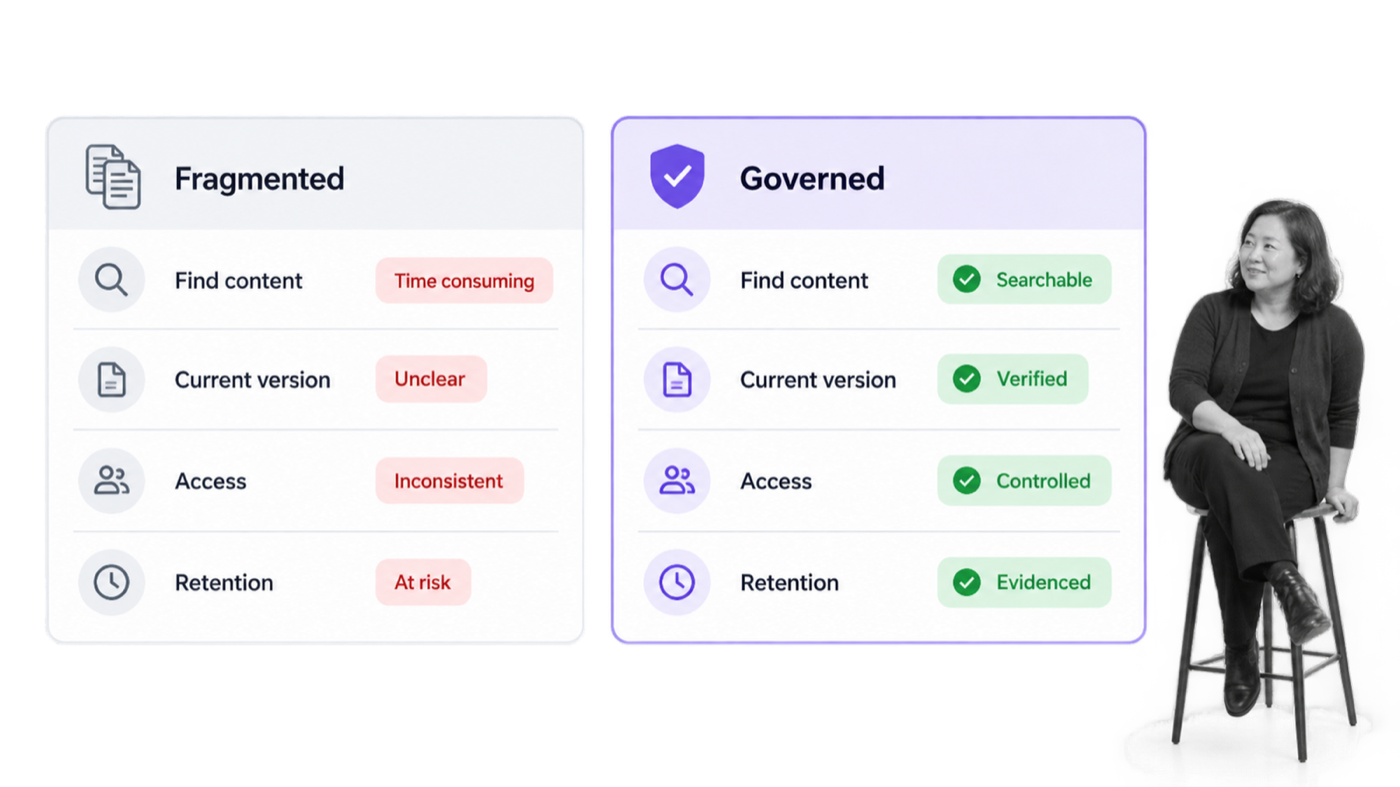
Enterprise content management (ECM) represents the comprehensive fusion of strategy, governance, and technology, designed to orchestrate the entire lifecycle of an organization’s digital assets—from initial capture and classification to secure retention and eventual disposal. In an era where information sprawl is a primary driver of operational inefficiency and security risk, ECM serves as the foundational architecture that prevents critical business data from languishing in fragmented email threads, unsecured shared drives, and disconnected cloud applications.
At its core, an effective ECM program is more than a digital filing cabinet; it is an operating model for information. By centralizing business documents—ranging from legal contracts and sensitive invoices to intellectual property and customer records—organizations can ensure that every asset is governed by defined metadata, access controls, and retention policies. This structured approach ensures that the "authoritative version" of any document is always identifiable, reducing the costly errors associated with version conflicts and unauthorized access.
The Evolution of Content Governance
The discipline of ECM has undergone a significant transformation since its inception. Historically, the field emerged from the narrow requirements of document imaging and basic optical character recognition (OCR) storage. Throughout the late 1990s and early 2000s, the focus shifted toward "document management," which prioritized the storage of digital files. However, the rise of web-based collaboration, social media, and the rapid proliferation of mobile devices forced the industry to adopt a broader definition.
By 2010, the industry began pivoting toward "content services," a move that prioritized the integration of content into business processes rather than treating it as a static repository. Today, the integration of Artificial Intelligence (AI) and Machine Learning (ML) has become the new frontier. Modern ECM systems now utilize AI-assisted classification to automatically tag documents, extract key data points, and identify potential compliance risks in real-time. Despite these technological leaps, the fundamental objective remains unchanged: the deliberate control of information to ensure that businesses can meet their legal, regulatory, and operational obligations.
The Five Pillars of the Content Lifecycle
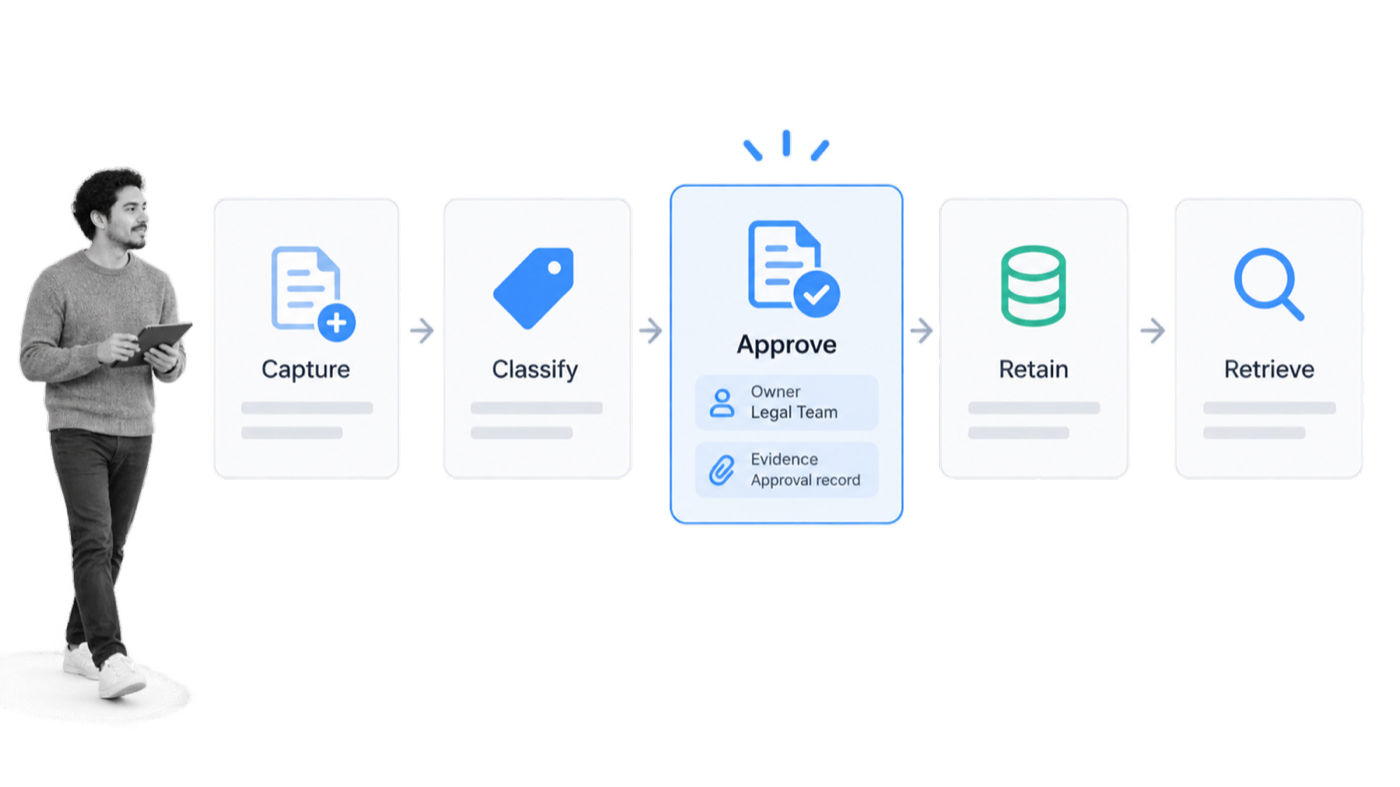
To maintain control over vast information ecosystems, organizations typically map their content through five distinct lifecycle stages:
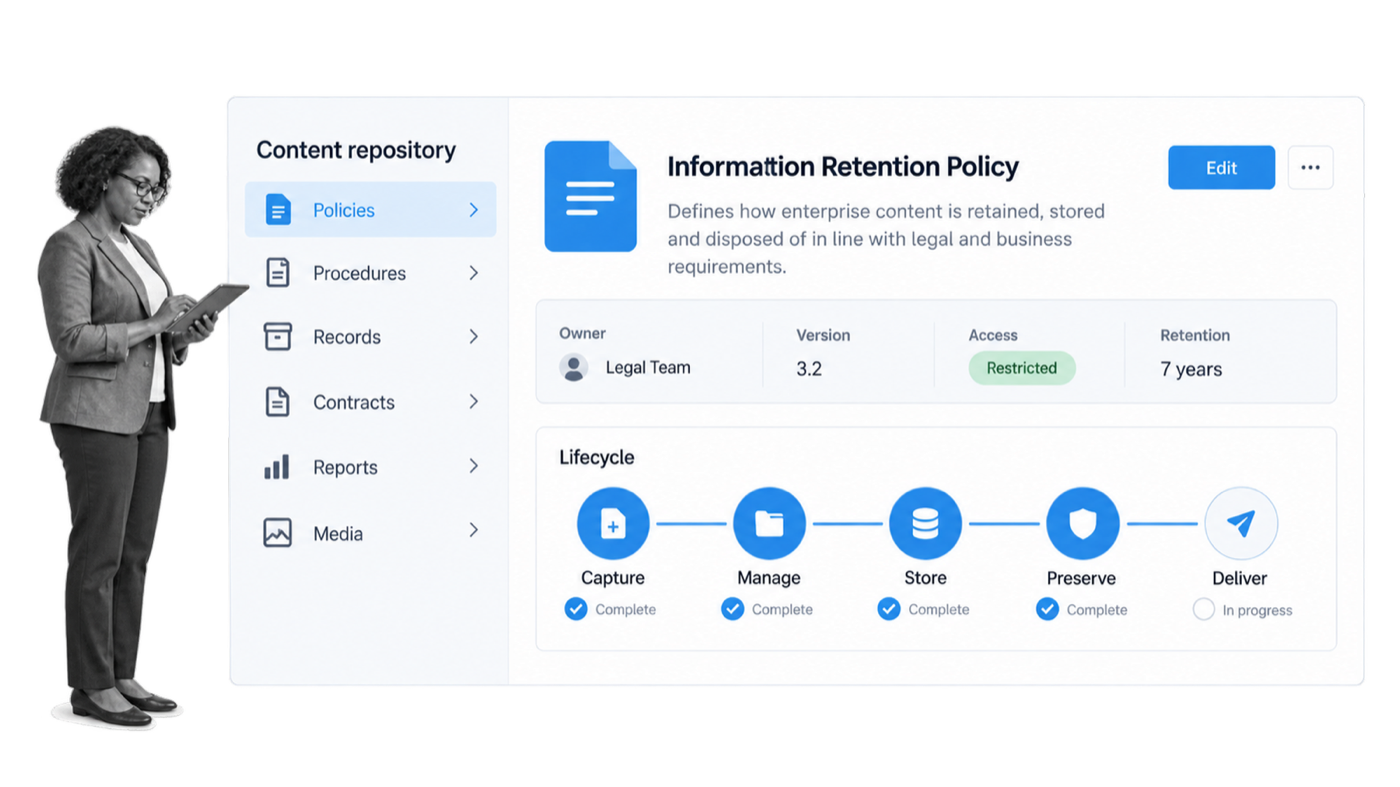
- Capture and Classification: The intake of information, whether through automated ingestion from APIs, scanning, or manual entry. This stage requires rigorous validation to ensure metadata is accurately applied.
- Management and Storage: The secure housing of content in a repository where version history is maintained, and access is governed by strict, role-based permissions.
- Collaboration and Processing: The stage where content is actively used in business workflows, such as contract reviews, approval chains, or project management.
- Preservation and Retention: The application of automated rules that determine how long a document must be kept, often dictated by industry-specific regulations like HIPAA, GDPR, or Sarbanes-Oxley.
- Defensible Disposition: The final stage, where information is securely destroyed or archived, providing an audit trail that confirms the action was taken in accordance with company policy and legal requirements.
Operational Benefits and Risk Mitigation
The primary catalyst for implementing a robust ECM system is the reduction of operational friction. Statistics from recent industry surveys suggest that knowledge workers spend upwards of 20% of their work week searching for internal information or tracking down the status of a document. By centralizing content, organizations realize immediate productivity gains.
Furthermore, ECM acts as a critical bulwark against organizational risk. In the event of an external audit or legal discovery, the ability to produce a complete, authenticated chain of custody for a record is invaluable. Without an ECM system, businesses often struggle to prove that specific retention schedules were followed, exposing them to massive fines and reputational damage. By automating the application of "legal holds"—which prevent the deletion of specific records during litigation—ECM systems provide a level of security that decentralized storage methods cannot match.
Comparative Analysis of Leading ECM Platforms
Selecting the correct ECM software requires an evaluation of an organization’s specific risk profile and workflow complexity. The current market features a variety of solutions, each with distinct strengths:
- Box: Frequently lauded for its cloud-first approach and ease of use, Box integrates effectively with modern SaaS stacks, making it a preferred choice for organizations prioritizing cross-functional collaboration.
- Microsoft SharePoint: As the default choice for organizations already embedded in the Microsoft 365 ecosystem, SharePoint provides an extensive, albeit complex, framework that requires disciplined information architecture to avoid the "sprawl" it is designed to prevent.
- Hyland OnBase: Known for its deep integration into document-heavy sectors like healthcare and finance, OnBase excels in structured case management where content must move through complex, high-stakes workflows.
- Laserfiche and M-Files: These platforms distinguish themselves through advanced automation and metadata-driven architectures, respectively. M-Files, in particular, is noted for its ability to organize content based on context (e.g., customer or project) rather than just directory location.
Integrating Process Operations with Content Governance
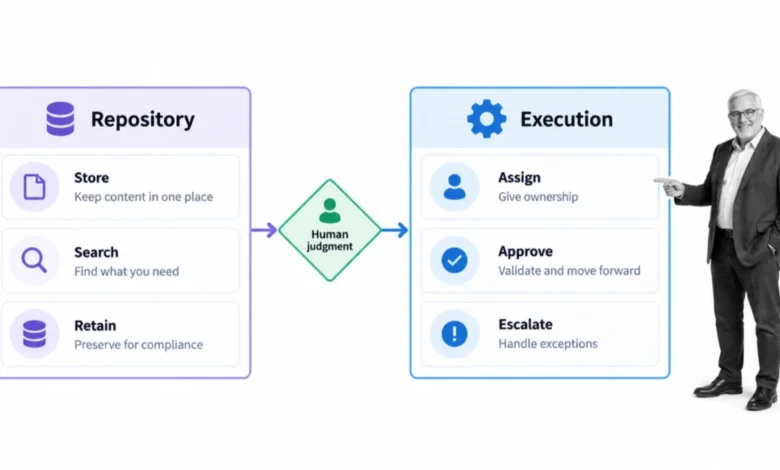
A common misconception is that the ECM repository is the final destination for all work. In practice, the repository is the "system of record," but it is often divorced from the "system of execution." This is where a Compliance Operations Platform like Process Street bridges the gap.
While an ECM system safely stores a contract, it does not necessarily manage the human-centric tasks required to execute that contract. By connecting an ECM platform to an operational workflow tool, organizations can trigger automated actions—such as routing a document for managerial approval or initiating a new-hire onboarding sequence—the moment a file is uploaded. This synergy ensures that the "what" (the document in the ECM) is inextricably linked to the "who, when, and how" (the process in the operations platform).
Future Implications and AI Integration
The trajectory of ECM is moving toward "intelligent governance," where systems become predictive rather than reactive. Future iterations of these platforms are expected to utilize Generative AI not just for search, but for policy enforcement. For instance, an AI agent could automatically flag a document if it contains PII (Personally Identifiable Information) that violates a new international data privacy regulation, or it could suggest specific retention adjustments based on the document’s content classification.
However, industry experts caution against "AI dependency." While automation can optimize classification and extraction, it cannot replace human judgment in matters of policy and ethics. The responsibility for defining the rules, managing exceptions, and ensuring that the organization’s "information culture" is sound rests with leadership.
Conclusion: A Strategic Necessity
Enterprise content management is no longer a luxury for large-scale corporations; it is a strategic necessity for any organization navigating the complexities of the digital economy. Whether it involves maintaining ISO compliance, streamlining supply chain documentation, or protecting proprietary intellectual property, the goal is consistent: to move from a state of information chaos to one of total information clarity.
As organizations look toward the next decade, the success of their digital transformation efforts will depend largely on how well they govern the content they create. By integrating robust ECM platforms with agile, process-driven operations, businesses can not only mitigate risk but also unlock the latent value trapped within their own data. In the final analysis, managing content effectively is the equivalent of managing the organization’s institutional memory—a task that, when done right, yields a sustainable competitive advantage.
Related posts: