Rebuilding the Future: Philanthropists and Veterans Join Forces at Cooper Union to Redefine the American Dream for the Second Gilded Age

The historic Great Hall at Cooper Union in New York City recently played host to a pivotal discussion on the evolving trajectory of the United States socio-economic landscape, drawing national attention to the widening chasm between national ideals and contemporary economic realities. Prominent figures, including Lieutenant Colonel Alexander Vindman and long-time tech writer and philanthropist Bill Sourour, convened beneath the vaulted ceilings of a venue renowned for hosting abolitionist and labor speeches to dissect the future of the American Dream. The central thesis of the gathering was direct and sobering: the promise of upward mobility, originally articulated during the height of the Great Depression, is increasingly out of reach for a significant portion of the population due to historic levels of wealth concentration.
This high-profile dialogue serves as the backdrop for a major philanthropic initiative aimed at restructuring the foundational economic safety net in rural America. The effort relies on targeted, long-term capital deployment toward Guaranteed Minimum Income (GMI) studies, seeking to address chronic poverty through empirical research and direct community investment.

Historical Context and the Evolution of the American Dream
To understand the urgency of the current socioeconomic climate, historians and economists frequently look back to the origins of the phrase itself. In 1931, amidst the devastation of the Great Depression, historian James Truslow Adams defined the American Dream not merely as material acquisition, but as a social order where every individual could attain their innate potential regardless of the circumstances of their birth. Yet, nearly a century later, contemporary data indicates that the architecture of modern American society actively obstructs this vision for millions.
The late-nineteenth-century Gilded Age—characterized by rapid, unregulated industrialization, severe labor disputes such as the 1892 Homestead Strike, and staggering income disparities—has found a modern parallel. According to recent economic data, the United States has entered what analysts now designate as the Second Gilded Age. Statistical breakdowns from the Federal Reserve and economic research institutions reveal that wealth concentration has reached historic peaks, with the top one percent of households commanding a disproportionate share of national wealth while the bottom half controls a marginal fraction.

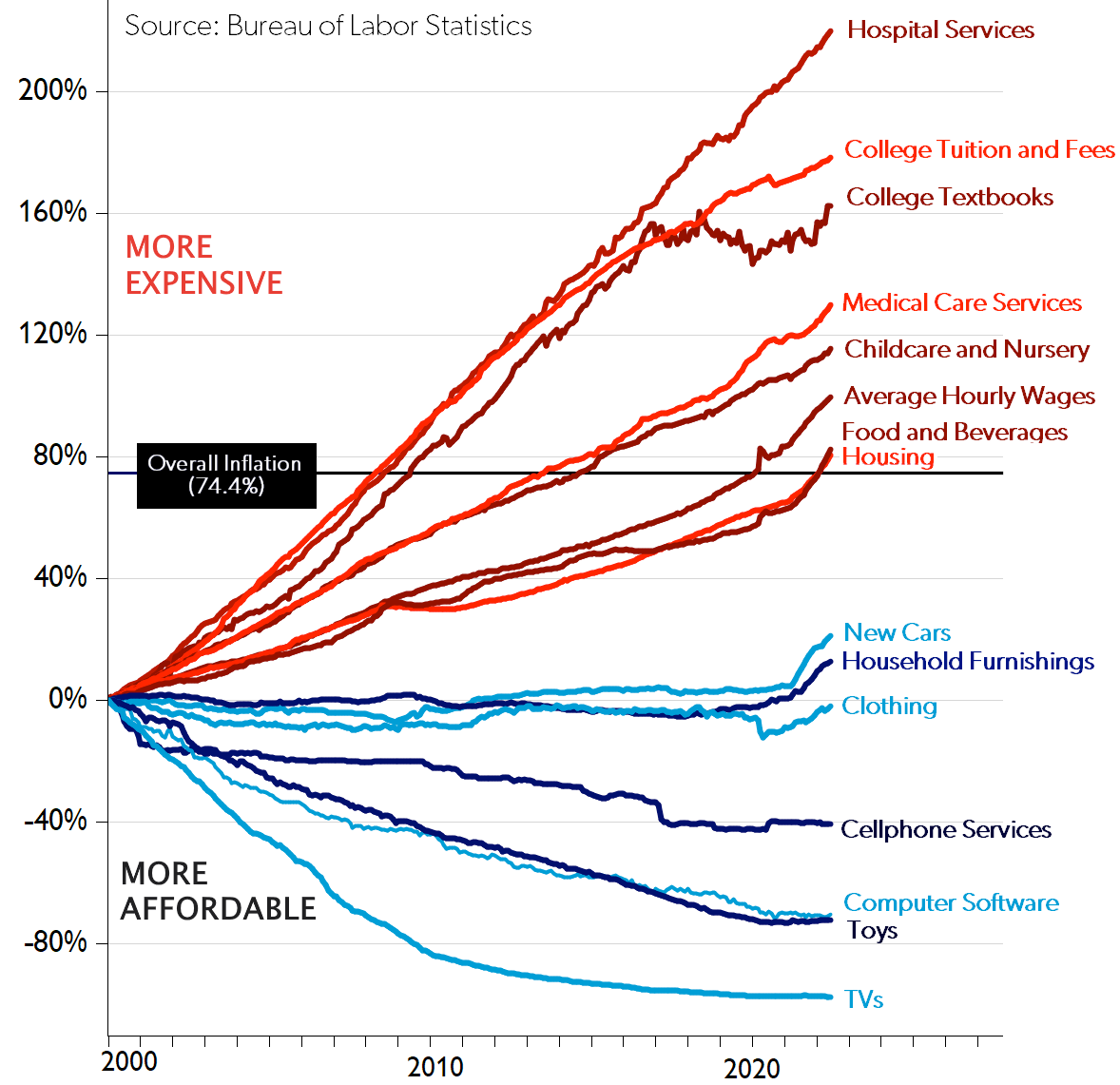
This extreme stratification manifests in daily life as prohibitive costs for higher education, inadequate access to healthcare, and a severe housing affordability crisis. Consequently, millions of Americans find themselves trapped in a cycle of survival, lacking the financial stability required to pursue career advancement, entrepreneurship, or long-term planning.
Chronology of the Pledge to Share the American Dream
The path toward the Cooper Union address and the subsequent philanthropic campaign began to crystallize in late 2024 and early 2025:
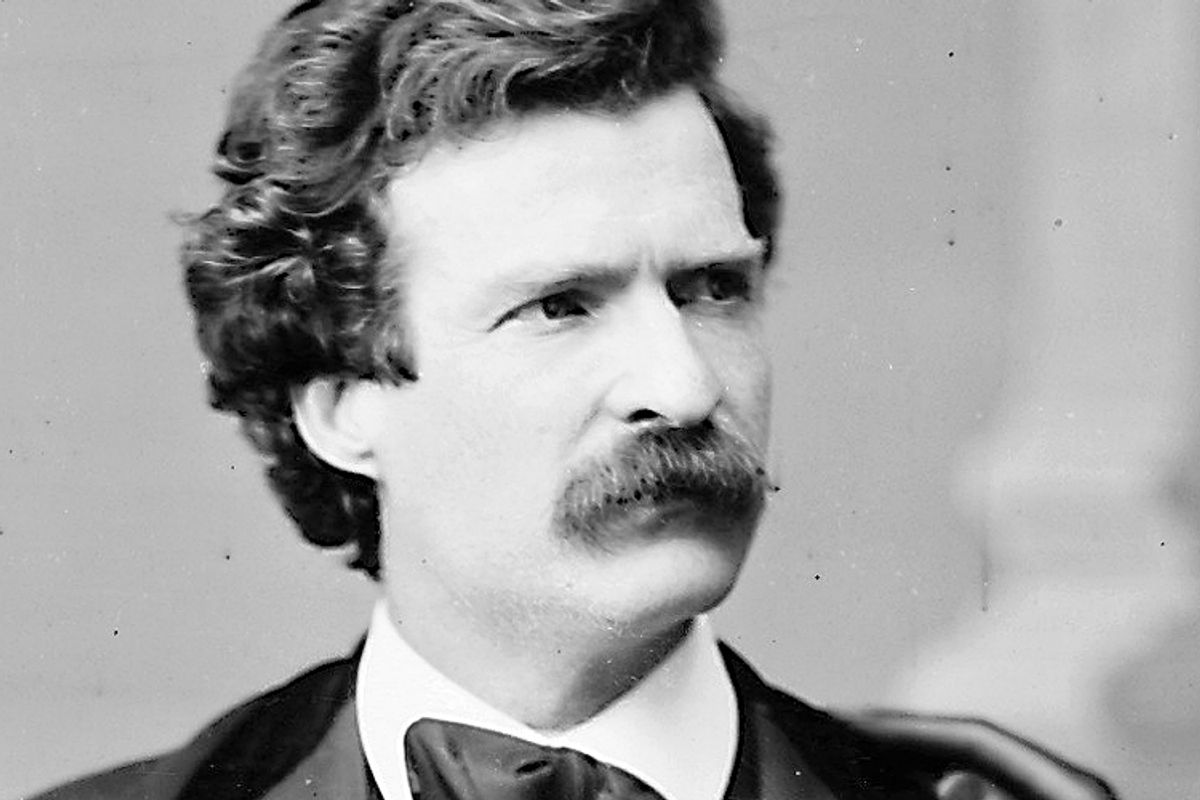
- November 2024: Amidst an extended writing process regarding national identity, the author attended a high school theatrical adaptation of S.E. Hinton’s classic novel The Outsiders. The famous thematic imperative to "stay gold" served as a conceptual catalyst, reframing the American Dream not as an individual milestone to be attained, but as a collective obligation to be shared.
- January 7, 2025: The essay "Stay Gold, America" was officially published, accompanied by the launch of the Pledge to Share the American Dream. The initial phase involved immediate, high-value donations totaling millions of dollars directed toward critical nonprofit sectors, internet infrastructure preservation, and independent journalism.
- Early 2025: Planning commenced for the second, more ambitious phase of the pledge: a multi-year commitment of half the family’s remaining wealth dedicated to funding long-term structural solutions for economic security, specifically through Guaranteed Minimum Income (GMI) pilots in rural American communities.
- March 2025: The public address at Cooper Union formally introduced these initiatives to a national audience, aligning with researchers and military veterans to build localized support networks.
Targeted Philanthropy and Critical Infrastructure Support
The immediate phase of the Pledge to Share the American Dream deployed substantial financial resources to stabilize both social support systems and the digital commons. Major contributions were directed toward organizations addressing immediate humanitarian and civil needs, including Team Rubicon, the Children’s Hunger Fund, PEN America, The Trevor Project, the NAACP Legal Defense and Educational Fund, First Generation Investors, Global Refuge, and Planned Parenthood.
Simultaneously, the initiative recognized the vital importance of foundational digital infrastructure by funding entities such as Wikipedia, the Internet Archive, the Common Crawl Foundation, and Let’s Encrypt. By supporting open-source software projects and independent journalism, the initiative sought to protect public access to information—a parallel drawn to the legacy of digital rights activist Aaron Swartz, whose efforts to democratize public domain documents and academic research highlighted the societal value of open information.
The Case for Guaranteed Minimum Income
Moving beyond short-term charitable interventions, the core of the long-term strategy focuses on Guaranteed Minimum Income (GMI). Proponents of GMI argue that unconditional cash transfers represent the most direct and least bureaucratic method to dismantle the roots of systemic poverty. This approach builds upon a long historical lineage of economic policy experimentation in the United States:
- 1797: Thomas Paine proposed an early form of retirement pension funded through estate taxes to prevent destitution in old age.
- 1935: President Franklin D. Roosevelt signed the Social Security Act during the New Deal, drastically reducing senior poverty rates from historical highs.
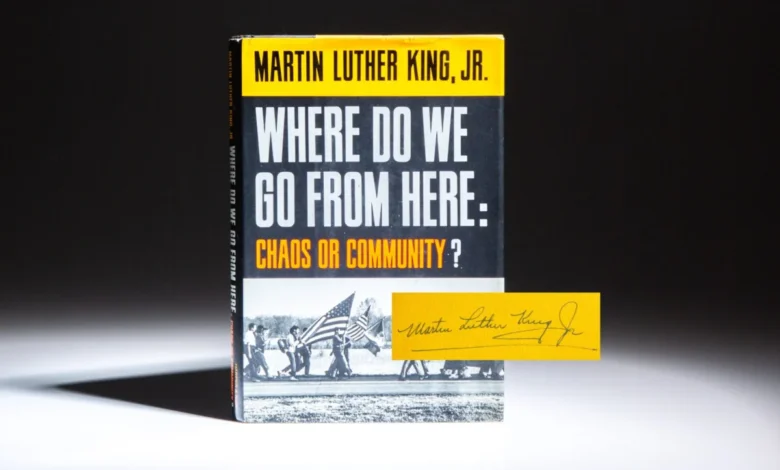
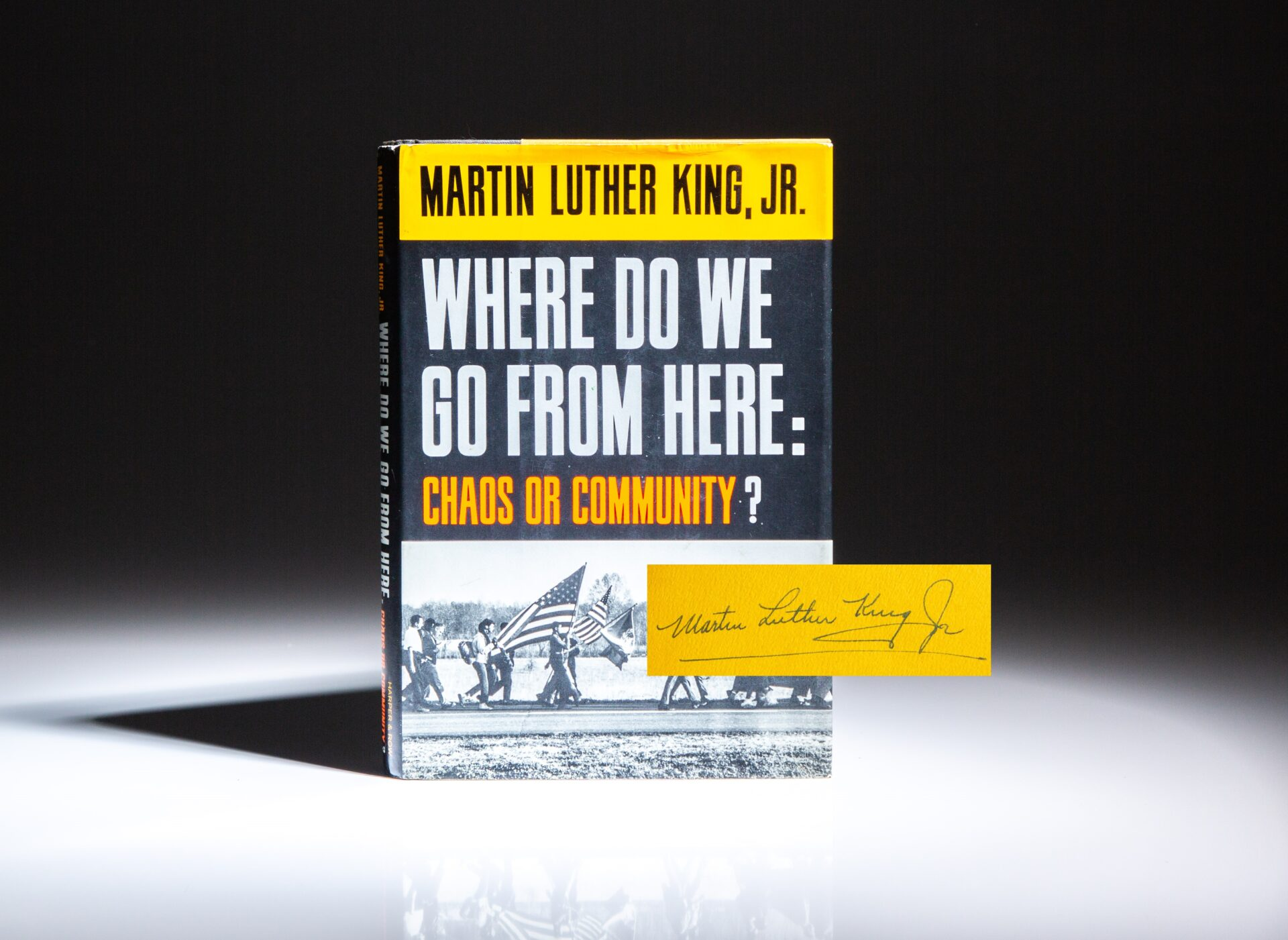
- 1967: Civil rights leader Martin Luther King Jr. advocated for guaranteed income as a moral necessity to eliminate economic inequality.
- 1972: The establishment of Supplemental Security Income (SSI) provided direct cash assistance to low-income elderly, blind, and disabled individuals.
- 1975: The introduction of the Earned Income Tax Credit (EITC) established a mechanism to supplement the wages of low-income workers, currently recognized as one of the nation’s most effective anti-poverty tools.
- 2019: Former Mayor Michael Tubbs launched the Stockton Economic Empowerment Demonstration (SEED), providing unconditional cash payments that demonstrated improved stability and employment outcomes among recipients.
Building on these precedents, the new initiative partners with research organizations such as GiveDirectly and OpenResearch—the latter having recently completed the largest unconditional cash study in U.S. history in 2023. Data from these studies consistently indicate that when economically disadvantaged individuals receive unconditional cash support, they utilize the funds for basic needs and frequently share resources within their local communities, creating positive network effects that strengthen social cohesion.
Focus on Rural Communities and Veteran Involvement
Rather than concentrating solely on urban centers, the upcoming GMI pilots will target rural counties experiencing chronic, generational poverty. Regions such as parts of Appalachia and the Mississippi Delta exhibit some of the highest poverty rates in the nation, compounded by geographic isolation, fewer employment opportunities, and limited healthcare access. Rural areas also offer manageable population sizes for controlled, scalable empirical studies.
To execute these programs effectively, organizers plan to collaborate with local institutions, including community colleges, churches, civic associations, and veteran-serving organizations. Engaging military veterans—who return from service with advanced leadership skills and a proven dedication to public service—ensures that the initiatives reflect traditional values of self-reliance and community support.
Broader Implications and Economic Analysis
Economists and policy analysts note that extreme wealth concentration poses not only a moral dilemma but a systemic threat to democratic stability. When a significant portion of the populace is consumed by the daily struggle for basic survival—securing housing, food, and healthcare—civic participation, entrepreneurship, and democratic engagement inevitably decline.
By injecting baseline financial stability into economically depressed regions, GMI initiatives aim to restore individual agency. Proponents assert that removing the constant threat of destitution acts as a catalyst for human potential, allowing citizens to invest in education, start local businesses, and actively participate in civic life. As the pilot programs launch across selected rural counties in collaboration with leading social science researchers, the resulting data is expected to provide critical insights into the viability of permanent, large-scale economic security measures in the twenty-first century.