Rebuilding the American Dream: A Comprehensive Path Forward through Guaranteed Minimum Income and Wealth Redistribution

The historic Cooper Union Great Hall in New York City served as the backdrop for a significant discourse on the trajectory of the United States, where technology essayist and philanthropist joined Lieutenant Colonel Alexander Vindman to examine the structural evolution of the American Dream. Set against an era defined by historic wealth concentration and widening socioeconomic divides, the event brought national attention to a newly launched philanthropic initiative aimed at redefining how economic opportunity is distributed across the country.

At the core of the discussion was a critical reassessment of James Truslow Adams’ foundational 1931 definition of the American Dream during the Great Depression. Adams characterized the concept not merely as material acquisition, but as a social order enabling every individual to achieve their maximum innate potential regardless of birth circumstances. Modern economic analysis, however, suggests this ideal faces unprecedented hurdles in the twenty-first century, as wealth inequality reaches levels surpassing those of the late nineteenth-century Gilded Age.
Historical Context and the Ascent of the Second Gilded Age
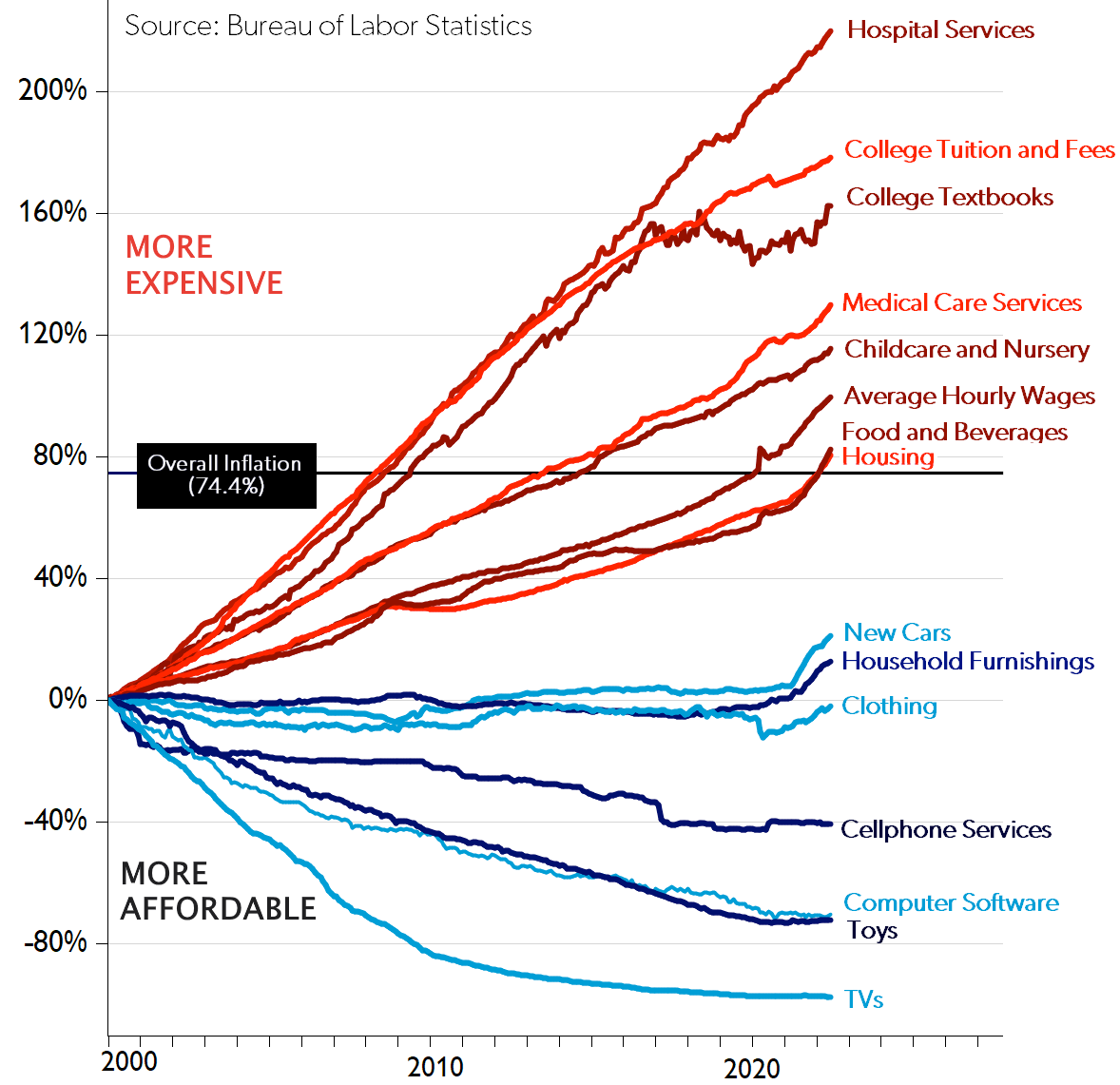
Economic data reveals that the concentration of capital in the United States has accelerated dramatically over recent decades. Federal Reserve and census statistics from the early 2020s indicate that the top one percent of households control approximately one-third of the nation’s total wealth, while the bottom half possesses a fraction of that amount. This dynamic has driven historians and economists to designate the current epoch as the Second Gilded Age, characterized by severe labor disparities, skyrocketing costs of higher education, and widespread housing unaffordability.

In response to these systemic pressures, philanthropic efforts have emerged to test structural interventions. The initiative introduced at Cooper Union outlines a multi-tiered funding model. In its initial phase, the donor family allocated significant capital—totaling millions of dollars—to essential public infrastructure and civil society organizations, including Wikipedia, the Internet Archive, the Common Crawl Foundation, Let’s Encrypt, civil liberties organizations, and various independent journalism and open-source software projects. Additionally, support was directed toward humanitarian, legal defense, and public health entities such as Team Rubicon, the NAACP Legal Defense and Educational Fund, and Planned Parenthood.
The Evolution and Mechanics of Guaranteed Minimum Income
Moving beyond short-term philanthropic relief, the core of the newly announced strategy focuses on long-term systemic reform through Guaranteed Minimum Income (GMI) pilot programs. Proponents of GMI argue that direct, unconditional cash disbursements offer a streamlined, low-bureaucracy mechanism to eradicate extreme poverty and stabilize vulnerable populations.
The lineage of guaranteed income in American public policy spans over two centuries, evolving through several key legislative and conceptual milestones:
- 1797: Thomas Paine advanced an early proposal for a national retirement fund financed through estate taxes to support citizens upon reaching adulthood and old age.
- 1935: Amid the economic devastation of the Great Depression, the Franklin D. Roosevelt administration signed the Social Security Act into law, establishing a foundational income floor for retirees and reducing elderly poverty from nearly fifty percent to historical lows.
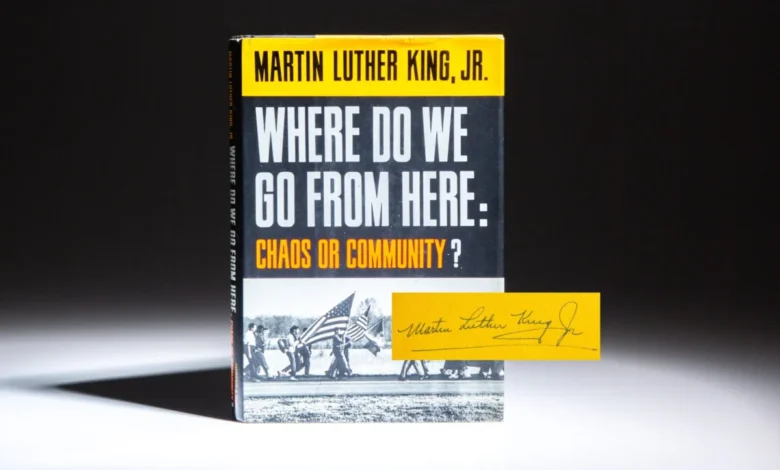
- 1967: Civil rights leader Martin Luther King Jr., in his book Where Do We Go from Here: Chaos or Community?, made a moral and economic case for a guaranteed annual income as the most direct method to eliminate racial and economic inequality.
- 1972: Congress institutionalized direct financial support for low-income aged, blind, and disabled demographics through the Supplemental Security Income (SSI) program.
- 1975: The implementation of the Earned Income Tax Credit (EITC) established a mechanism to reward low-income labor, subsequently lifting millions of families out of poverty annually.
- 2019: Stockton, California Mayor Michael Tubbs initiated the Stockton Economic Empowerment Demonstration (SEED), providing unconditional cash transfers to residents, which demonstrated positive outcomes in employment stability and psychological well-being.
- 2023: OpenResearch published the findings of the largest unconditional cash study in United States history, offering empirical data on how recipients utilize financial assistance to support their broader communities.
Targeting Rural Vulnerability and Designing Empirical Studies
Unlike previous urban-centric pilot programs, the newly proposed GMI initiatives will concentrate heavily on rural American communities. Economic research from the United States Department of Agriculture (USDA) and the U.S. Census Bureau demonstrates that rural counties—particularly within the Appalachian region, the Mississippi Delta, and various Native American reservations—experience persistent poverty rates that frequently eclipse urban centers. Factors such as geographical isolation, limited industrial diversification, and constrained access to quality healthcare and education compound the economic precarity of these areas.
By partnering with organizations experienced in direct cash transfers, such as GiveDirectly and OpenResearch, the initiative aims to deploy controlled, randomized studies in select economically distressed rural counties. These studies are designed to measure long-term metrics including local entrepreneurship, educational attainment, health outcomes, and civic participation. Proponents emphasize that small-scale, data-driven pilots are essential for gathering robust empirical evidence before considering broader policy scaling.
Implications for Democratic Stability and Civic Infrastructure
The broader discourse at Cooper Union linked economic security directly to the preservation of democratic institutions. Scholars and organizers argue that chronic financial instability strips citizens of the fundamental liberties necessary to participate meaningfully in civic life, including voting, community organizing, and career mobility. When a significant portion of the populace is consumed by basic survival needs, democratic engagement diminishes.
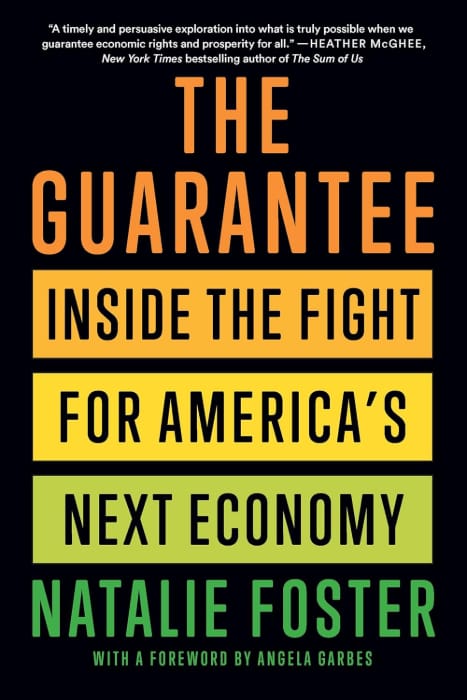
Furthermore, the initiative draws parallels to historical figures who advocated for the democratization of knowledge and public resources, such as Aaron Swartz. The intersection of open-source technology, public access to information, and economic equity forms a unified thesis: that systemic reform requires both the distribution of capital and the safeguarding of public goods.
As the multi-million-dollar pledge transitions into active field studies across rural America, the experiment is expected to generate extensive quantitative data for policymakers, economists, and sociologists. Whether these localized interventions will catalyze a broader national reevaluation of welfare architecture remains a central question for the future of American socioeconomic policy.
Related posts: