In the modern digital economy, customer acquisition costs (CAC) across major paid media channels have risen steadily, forcing businesses to re-evaluate organic growth strategies. Among the most resilient, yet historically underutilized, organic growth frameworks is the customer referral engine. Industry data consistently indicates that word-of-mouth marketing yields higher conversion rates, superior customer lifetime value (LTV), and significantly lower acquisition costs compared to traditional paid acquisition channels. Despite these proven metrics, a vast majority of entrepreneurs and business founders treat referral programs as static website features rather than active, automated marketing campaigns.
The traditional approach to referrals often consists of a single hyperlink buried in a website footer or an isolated announcement broadcast to an entire email database. This passive model routinely produces negligible engagement. Market analysts note that successful referral systems require strategic infrastructure, precise timing, double-sided incentives, and advanced customer segmentation. As brands navigate an increasingly competitive e-commerce and SaaS landscape, transforming an existing email list into an active referral engine has emerged as a critical imperative for sustainable, cost-effective scaling.
The Economic Advantage of Word-of-Mouth and Referral Marketing
To understand the mechanics of a high-performing referral engine, businesses must first examine consumer psychology. When a trusted peer recommends a product or service, the psychological friction associated with evaluating a new brand is largely eliminated. Consumers are bombarded daily with thousands of targeted advertisements designed by complex algorithms. In contrast, a personal recommendation bypasses consumer skepticism through pre-existing social trust.
Statistical analyses across retail and software-as-a-service (SaaS) sectors demonstrate that referred customers exhibit distinct behavioral advantages. They typically convert at rates two to three times higher than traffic acquired via display ads or social media campaigns. Furthermore, retention metrics reveal that customers acquired through peer referrals boast a significantly higher retention rate over a 12-month period. Because the vetting process is essentially outsourced to existing buyers, the overall cost of acquisition plummets, allowing businesses to reallocate capital toward product development and customer experience initiatives.
Despite these clear economic benefits, many corporate strategies fail because they lack operational follow-through. A referral program cannot function as an afterthought; it requires an intentional ecosystem built on behavioral triggers, frictionless sharing mechanisms, and mutually beneficial incentives.
Perfecting the Timeline: The Importance of the Moment of Delight
A fundamental flaw in many corporate referral strategies is improper timing. Broadcasting a generic referral request to an unsegmented email list on a random Tuesday afternoon yields minimal engagement. Market research indicates that the success of a referral prompt depends heavily on the emotional state of the customer at the moment of receipt.
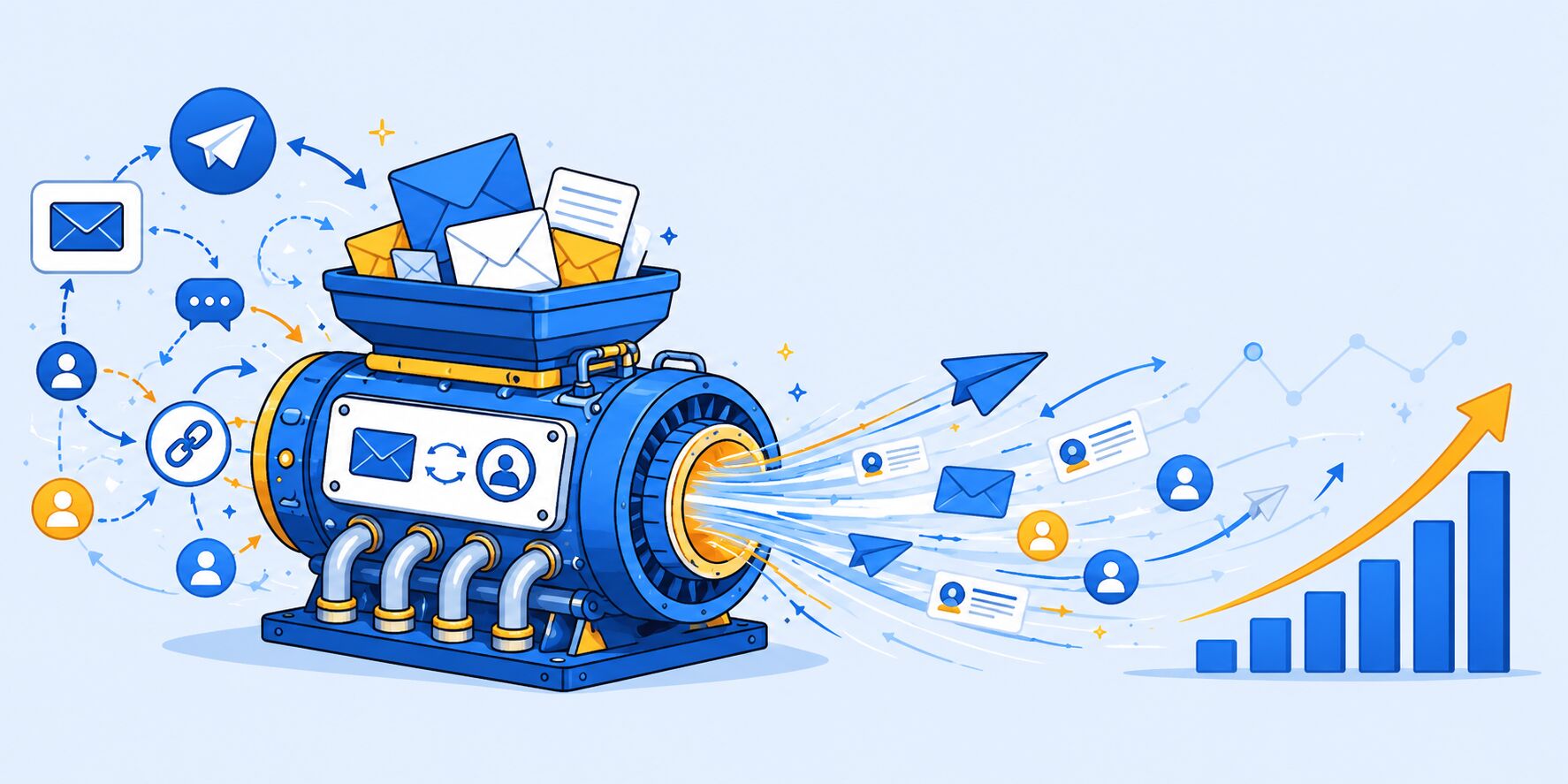
Industry experts emphasize the concept of the "moment of delight." These are specific, high-satisfaction milestones within the customer lifecycle where brand affinity peaks. Key triggers include:
- Completing a second or third repeat purchase, signaling brand loyalty.
- Submitting a positive five-star product or service review.
- Responding warmly to a customer service interaction or resolving a complex support ticket.
- Publicly praising the brand on social media channels.
When a referral request arrives immediately following one of these positive milestones, the ask feels natural and conversational rather than transactional. Manually monitoring thousands of customer interactions to identify these windows is impractical. Consequently, modern marketing automation platforms have become indispensable. By configuring automated workflows—such as triggering a referral invitation three days after a repeat order is delivered or embedding share links within positive review confirmation emails—businesses can systematically capture high-intent moments at scale.
Structuring Incentives: Why Double-Sided Rewards Drive Action
The debate over reward structures has long divided marketing strategists, but empirical evidence heavily favors double-sided incentive models. One-sided programs—where only the person making the referral receives a financial bonus or discount—often create psychological friction. Referrers may feel as though they are monetizing their personal relationships, turning a genuine recommendation into a commercial transaction. Conversely, programs that only reward the incoming referee fail to motivate the existing customer to take action.
Double-sided incentives, such as a "Give $10, Get $10" model, successfully align the economic interests of all parties involved. The existing customer feels validated in sharing a valuable resource with a friend, and the new customer receives an immediate financial incentive to complete their first transaction.
Industry data suggests that the monetary value of the reward is secondary to the simplicity of the transaction. While large cash incentives can attract low-quality leads, modest discounts, free shipping options, or exclusive early access to new product releases often perform exceptionally well. The primary barrier to success is rarely a small reward; rather, it is operational friction in the sharing process.
Eliminating Friction in the Sharing Flow
Friction is the primary point of failure for most corporate referral pipelines. If a customer is required to log into a separate portal, copy a cumbersome tracking code, and draft a message from scratch, engagement rates drop precipitously.
Optimized referral flows are engineered for extreme simplicity, adhering to a strict fifteen-second rule: from the moment a customer opens an email to the completion of the share, the process should require minimal effort. Best practices implemented by top-tier brands include:
- Unique Tracking Links: Automatically generating personalized URLs that handle attribution seamlessly without requiring manual code entry.
- Pre-Written Messaging: Providing short, conversational copy templates that users can send as-is or customize quickly.
- One-Tap Share Buttons: Integrating native sharing options for mobile-first channels such as SMS, WhatsApp, and primary email clients.
While brand superfans—who typically represent a small fraction of a total audience—may tolerate a complex sharing process, the quietly satisfied majority requires effortless execution. Furthermore, consistency is vital. A referral program announced during a single promotional launch will experience an initial engagement spike followed by prolonged stagnation. Sustainable programs integrate referral reminders naturally into post-service sequences, digital receipts, and periodic newsletters, ensuring the brand remains top-of-mind when peer conversations occur.
Advanced Segmentation and the Role of Marketing Automation
Broadcasting a generic referral campaign to an entire database is an inefficient strategy that often leads to lower overall open rates and subscriber fatigue. Asking a customer who made a single purchase eight months ago and has since ignored all communications to recommend the brand to their friends is ineffective.
Modern email service providers and customer data platforms emphasize advanced segmentation to resolve this issue. By isolating high-engagement segments—such as repeat buyers, active reviewers, and frequent responders—brands can tailor their messaging specifically to those most likely to act.
Platforms such as Omnisend have gained traction among growing businesses by integrating customer segmentation with loyalty and referral tools like Smile and Yotpo. These integrations automate the complex backend plumbing of point systems, tier tracking, and reward fulfillment. When a customer reaches a milestone or a referred friend completes a purchase, the system triggers the appropriate communication automatically, allowing marketing teams to focus on copywriting and strategic campaign design.
Broader Market Implications and Industry Outlook
The shift toward automated, email-driven referral engines reflects a broader industry trend: the decentralization of customer acquisition. As privacy regulations tighten, cookie tracking diminishes in efficacy, and ad-blocker usage rises, brands are increasingly looking inward at their proprietary customer databases to drive growth.
Economic analysts project that companies optimizing their organic referral infrastructure will experience significantly lower customer acquisition volatility over the coming decade. By converting existing brand advocates into an active sales force through structured automation, businesses can insulate themselves against rising ad platform costs.
Ultimately, word-of-mouth marketing occurs organically regardless of whether a formal corporate program exists. The implementation of a structured referral engine simply provides the necessary infrastructure to capture, amplify, and reward the goodwill that a brand has already earned. As digital marketing tools continue to evolve, the ability to operationalize peer recommendations will likely remain a defining characteristic of high-growth commercial enterprises.