Kara Swisher on the Strategic Blueprint for Building an Independent Media Empire

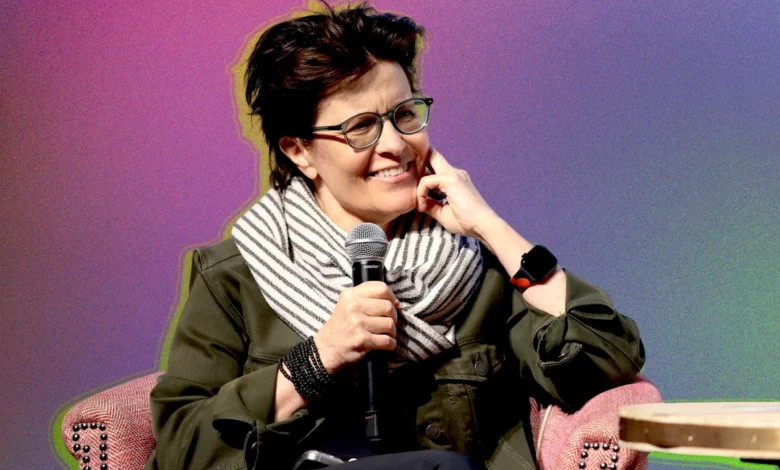
After three decades of navigating the volatile corridors of Silicon Valley as a journalist for The Washington Post and The Wall Street Journal, Kara Swisher arrived at a pivotal conclusion: the traditional constraints of institutional media were no longer sufficient to contain her professional ambitions. Her transition from a high-profile staff reporter to an independent media titan serves as a masterclass in risk management, personal branding, and the strategic identification of market gaps. Swisher’s career trajectory is not merely a story of individual success, but a reflection of the tectonic shifts occurring within the broader media landscape, where the rise of the creator economy has challenged the dominance of legacy institutions.
A Chronology of Influence: From Reporter to Entrepreneur
Swisher’s career is defined by a series of deliberate moves that bridged the gap between journalistic integrity and entrepreneurial risk-taking. Long before she became a household name in tech journalism, she established her credibility as a relentless reporter with an uncanny ability to access Silicon Valley’s most guarded figures.
In the late 1990s and 2000s, while at The Wall Street Journal, Swisher co-produced and hosted a series of industry-leading conferences that laid the groundwork for the prestigious Code Conference. This period served as her proving ground, demonstrating that she possessed not just the skills of a journalist, but the networking prowess and vision of a conference producer.
The most significant turning point arrived in 2014, when Swisher launched Recode. At the time, the move was viewed as a bold, if not risky, departure from the safety of legacy media. Recode quickly became an essential destination for tech industry news, proving that a specialized, personality-driven platform could outpace broader news organizations in terms of both influence and audience loyalty. This success was not accidental; it was the result of decades of cultivating trust and expertise within the technology sector.
Following the acquisition and eventual integration of Recode into larger media ecosystems, Swisher did not rest. Instead, she pivoted toward the burgeoning podcast market. Her partnership with NYU Stern professor Scott Galloway on the Pivot podcast has since become a definitive audio resource for business and technology discourse. This, coupled with the 2024 publication of her memoir, Burn Book, and a combined social media following of over two million, illustrates a deliberate strategy of multi-platform engagement that keeps her at the forefront of the cultural conversation.
The Philosophy of Independence: More Than Just Quitting
In a recent dialogue with the staff at Business Insider, Swisher articulated the core tenets of her philosophy on professional independence. She posits that the decision to leave a secure, traditional role is not a casual choice but a strategic one that requires an honest assessment of both risk and reward. For Swisher, the primary barrier to entry for many would-be entrepreneurs is not a lack of talent, but a lack of comfort with uncertainty.
"I was like, what’s the worst thing? I have to come back? I’m a good reporter. That’s always saleable," she noted. This pragmatic approach underscores her belief that the most effective hedge against failure is the cultivation of an undeniable, high-value skill set.
However, Swisher cautions that independence is not a panacea. She emphasizes that simply launching a newsletter or a website is insufficient in a saturated market. True success requires a "point of view"—a unique, authoritative perspective that forces an audience to seek out your content rather than the standardized output of competitors. This customer-centric philosophy, which she describes as "starting with the user," is the engine of her brand. By identifying unmet needs—such as the demand for unfiltered, direct, and insightful analysis of Silicon Valley’s power brokers—she ensured that her work remained indispensable.
Supporting Data and Market Context
The media industry is currently undergoing a structural transformation, often referred to as the "unbundling" of the newsroom. According to recent industry reports, the rise of the independent creator economy has led to a significant reallocation of ad spend and reader attention toward individual journalists and niche platforms. Data from the Reuters Institute for the Study of Journalism indicates that trust in individual personalities often exceeds trust in legacy news brands, particularly among younger, tech-savvy demographics.
Swisher’s success aligns with broader economic trends observed in the post-pandemic labor market. The growth of independent media platforms, such as Substack, Patreon, and various podcast networks, has created a viable infrastructure for professionals to monetize their expertise directly. In 2023 alone, thousands of media professionals left traditional roles to pursue independent ventures, a trend that is expected to accelerate as artificial intelligence tools further lower the barrier to entry for content production.
The Reality of Entrepreneurial Risk
Despite the allure of autonomy, Swisher is quick to manage expectations. She frequently advises individuals to remain in stable, institutional roles if they lack the temperament for constant volatility. Building a business is not, she argues, for everyone. It requires an innate tolerance for risk and a level of restlessness that is often at odds with the stability provided by a corporate paycheck.
Swisher describes her own personality as fundamentally "unemployable." Her willingness to challenge authority—even when it creates professional friction—is a hallmark of her career. "I’m sort of restless as a person in general. I always joke, I’m a bad employee. I hate being an employee," she told the Business Insider staff. This self-awareness is a critical component of her success; she recognized early on that her personality was better suited to leadership and self-direction than to the hierarchical structure of a traditional newsroom.
Broader Implications for the Media Sector
The shift of high-profile journalists into the independent sphere carries significant implications for the future of journalism. As more veteran reporters strike out on their own, legacy media outlets face a "brain drain," forcing them to rethink their retention strategies and value propositions. If traditional newsrooms cannot offer the same level of creative autonomy or financial upside as an independent platform, they will likely continue to lose their most influential voices.
Furthermore, the rise of independent, personality-driven journalism raises questions about the future of objectivity. When an audience consumes content primarily because of a specific individual’s point of view, the traditional standards of journalistic neutrality are often replaced by a focus on authenticity and perspective. While this fosters deeper connections with audiences, it also creates new challenges regarding transparency and the potential for echo chambers.
The Path Forward
Kara Swisher’s career trajectory offers a roadmap for the modern media professional. It is a path defined by the relentless pursuit of expertise, the strategic use of personal branding, and the courage to embrace uncertainty. Her transition from a reporter to a media mogul demonstrates that in the modern information economy, the most valuable asset is not the institution, but the individual who can consistently deliver high-quality, distinctive content to an engaged audience.
As the media landscape continues to evolve, the lessons from Swisher’s career will remain relevant. Whether for the aspiring entrepreneur or the institutional leader, her focus on identifying unmet needs, maintaining a unique voice, and prioritizing the user experience provides a framework for sustained relevance in an era of constant disruption. The future of media, it seems, belongs to those who, like Swisher, are willing to bet on themselves.
Related posts: