The Strategic Pivot: Inside John Ternus’s Ambitious Plan to Overhaul Apple for a New Era of Competition

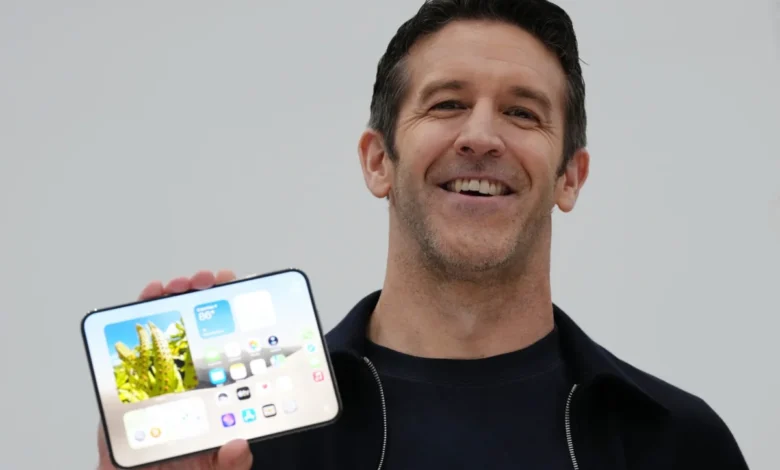
John Ternus has spent his first month as CEO of Apple operating with a sense of urgency that signals a profound shift for the $4.8 trillion technology giant. Having succeeded Tim Cook—a leader whose 15-year tenure focused on operational perfection and steady, incremental growth—Ternus is now tasked with steering a massive corporate ship through turbulent waters defined by rapid AI integration, aggressive competition in hardware, and a shifting consumer demand for more experimental technology. His early moves, which include the introduction of the iPhone Duo, suggest that Apple is no longer content to merely refine existing categories; it is preparing to aggressively reclaim its reputation as a first-mover in high-stakes markets.
The transition to a new executive era is rarely seamless, yet Ternus’s approach has been remarkably swift. A former hardware engineering chief who played a pivotal role in the development of the Mac and the Vision Pro, Ternus brings a technical pedigree to the corner office that emphasizes velocity and leaner organizational structures. By dismantling the long-standing silos that have historically distanced frontline engineers from high-level decision-makers, he aims to flatten the hierarchy and accelerate the product development lifecycle.
The Competitive Landscape: Playing Catch-Up in Emerging Tech
Apple’s current strategic focus is heavily influenced by the competitive success of its rivals. While Apple maintained a disciplined, if somewhat conservative, approach to new form factors for over a decade, competitors like Samsung moved rapidly to dominate the foldable device market. The launch of the iPhone Duo is not merely a product release; it is a tactical response to seven years of market saturation by Samsung. By entering this space, Apple is attempting to bridge the gap and leverage its ecosystem—which remains the most lucrative in the world—to convert loyalists who had previously sought foldable technology elsewhere.
However, the foldable market is only one front in a broader war. The smart glasses sector has become a high-stakes arena where Meta currently holds the pole position. With the popularity of its Ray-Ban smart glasses, Meta has successfully socialized the concept of wearable AI, while companies like Snap continue to push the boundaries of augmented reality hardware. Reports suggest that Apple is currently eyeing a deep entry into this space, moving beyond the niche, high-cost positioning of the Vision Pro toward more accessible, everyday wearables. This pivot is indicative of a broader strategy to integrate artificial intelligence directly into the hardware users interact with daily, rather than relegating it to software features.
A New Cadence: Dismantling the Launch Calendar
Perhaps the most significant structural change under consideration by Ternus is the potential abandonment of Apple’s rigid spring and fall product launch cycle. For years, the September iPhone event and the spring developer conferences have served as the anchor for global tech media and supply chain logistics. However, this predictable cadence has often been criticized for slowing the release of experimental hardware that may not be ready in time for fixed dates.
Sources within Apple indicate that Ternus is exploring a more fluid, frequent release schedule. The logic is compelling: by decoupling products from specific seasons, Apple can ship devices as they reach maturity, rather than holding them back to fit a calendar or rushing them to market before they are fully polished. Such a shift would require a total transformation of the company’s supply chain and marketing departments, which have been optimized for decades around the existing, highly efficient schedule. Industry analysts suggest that while this could provide a massive competitive advantage, it also risks "feature fatigue" among consumers if not managed with the surgical precision for which Apple is famous.
Financial Realities and The Service Revenue Imperative
The urgency behind these structural changes is rooted in the performance of Apple’s services division. While the segment—comprising the App Store, Apple Music, iCloud, and advertising—reported a record $30.74 billion in the June quarter, the 12% year-over-year growth failed to satisfy the aggressive expectations of Wall Street analysts. In a market where hardware sales have faced plateauing cycles, services have long been the engine of Apple’s valuation.
Ternus is reportedly looking for new "growth engines" within this segment. This includes a more aggressive push into advertising and the bundling of services to increase the "stickiness" of the Apple ecosystem. By integrating more hardware, such as potential AI-enabled AirPods or smart glasses, Apple hopes to capture more data and user attention, which in turn drives service subscriptions. The challenge, however, is maintaining the high margins that investors have come to expect while investing heavily in the research and development required for this next wave of hardware.
Efficiency and the Threat of Downsizing
Central to the "Ternus doctrine" is the mandate to do more with less. Throughout his career as a leader in hardware engineering, Ternus has been a proponent of controlled headcount growth. In internal presentations, he has reportedly shown charts tracking the company’s massive growth in employees over the last decade, arguing that the rate of hiring has outpaced the rate of innovation. His philosophy is clear: Apple must improve its output efficiency rather than simply throwing more resources at problems.
This focus on operational efficiency has created an atmosphere of anxiety within the company. Employees are bracing for potential restructuring or even targeted job cuts, particularly in departments deemed non-essential to the primary goal of accelerating the product pipeline. This comes at a precarious time, as the company prepares to roll out an ambitious 20th-anniversary iPhone, high-tech smart glasses, and a new generation of wearables with integrated camera technology. The fear is that in the drive to become "leaner and faster," the company may inadvertently prune the very talent required to execute these complex projects.
The 20th Anniversary Milestone
The upcoming 20th-anniversary special edition iPhone represents a significant symbolic moment for the company. Historically, these milestones have been opportunities for Apple to demonstrate its design prowess and set the tone for the next decade of mobile computing. For Ternus, this release is not just a product launch; it is an opportunity to assert his vision for the company.
The device is expected to incorporate advanced AI capabilities that move beyond current generative text models, focusing instead on contextual awareness and seamless interaction with the user’s environment. If Apple can successfully marry this hardware with a more responsive, frequent software update cycle, it could define the next stage of the smartphone era. However, failure to deliver a truly "groundbreaking" device at this critical juncture would likely embolden critics who believe the company has lost its innovative edge.
Future Outlook: Navigating the Transition
The challenge facing John Ternus is arguably the most significant in the history of the company. Steve Jobs transitioned Apple from a computer company to a consumer electronics titan; Tim Cook transformed it into a service-oriented, global financial juggernaut. Ternus is now tasked with evolving Apple into an AI-first, hardware-agile organization.
The risks are clear. Moving away from the disciplined, slow-and-steady approach that defined the Cook era could lead to uncharacteristic product failures or internal cultural friction. Yet, standing still is not an option in a landscape where AI and spatial computing are shifting the foundations of the industry. The next eighteen months will serve as a litmus test for Ternus’s leadership. If he can successfully implement his leaner, faster, and more aggressive strategy, he may well usher in a period of growth that keeps Apple at the center of the technological world. If not, the company risks being relegated to a legacy status, slowly losing its grip on the consumers who have powered its historic rise. As the market waits for the next move, the consensus remains that under Ternus, the "Apple way" of doing business is changing—and for better or worse, there is no going back.