Mastering Change Orders in Construction Projects: A Comprehensive Guide to Cost, Scope, and Schedule Control

The reality of project management is that no blueprint survives contact with execution entirely unchanged. Whether driven by unforeseen site conditions, regulatory shifts, architectural redesigns, or supply chain bottlenecks, modifications are an inevitable facet of modern project execution. However, the margin between a successfully managed adaptation and a budget-busting crisis lies in the rigorous administration of change orders. In the construction industry—where contracts involve millions of dollars, complex supply chains, and multiple tiers of subcontractors—the change order serves as the definitive legal and operational instrument to redefine scope, pricing, and timelines. Without a standardized protocol, these modifications risk devolving into costly disputes, strained contractor-owner relationships, and significant schedule overruns.
Defining the Anatomy of a Change Order
At its core, a change order functions as a formal, legally binding amendment to an existing project contract. When an alteration to the original scope of work is deemed necessary, this document articulates precisely what modifications must occur, the financial investment required, and the adjusted completion deadline. Because every change order directly influences a project’s critical path and financial baseline, industry standards dictate that no physical work or procurement can commence until all involved parties—typically the project owner, general contractor, and affected subcontractors—mutually agree upon and sign the revised terms.
Change orders generally manifest in two primary classifications: additive and deductiv. Additive change orders introduce new elements, materials, or labor tasks to the project site. These adjustments range from minor aesthetic modifications, such as altering interior paint specifications, to substantial structural revisions. Conversely, deductive change orders involve the elimination of specific work items originally outlined in the contract. While deductive modifications typically reduce overall project expenditures and can compress timelines, they require careful recalculation to prevent hidden costs associated with de-mobilization or altered material procurement economies.

The Chronology of a Change Order Lifecycle
Navigating a change order requires a disciplined, step-by-step workflow to ensure transparency and accountability. Industry best practices recommend a structured chronological approach from conception to final archiving.
The lifecycle typically begins with the identification of a discrepancy or an evolving requirement, often triggered by a Request for Information (RFI) submitted during execution. Once the catalyst is identified, the requesting party—whether the owner seeking an upgrade or a contractor encountering unforeseen subterranean conditions—prepares a formal change order request. This document references the original contract terms and outlines the proposed addendum to the scope of work.
Following formal drafting, stakeholders enter a period of negotiation. This phase requires meticulous review to resolve any ambiguous language, reconcile cost estimates, and verify material availability. Once terms are mutually established, the parties execute formal written authorization, locking in the revised budget and timeline. Finally, the approved modification is entered into a centralized change order log. This master registry tracks the cumulative impact of all adjustments across the lifecycle of the project, ensuring that financial forecasting and scheduling remain accurate and auditable.
Data and Economic Implications of Unmanaged Scope Creep
Industry analyses consistently highlight that unmanaged scope creep is among the leading drivers of project failure, particularly within the heavy civil and commercial construction sectors. According to recent construction management benchmarks, projects without strict change order controls experience an average cost escalation of 12% to 15% beyond the initial contract value. Furthermore, cumulative delays resulting from disputed or delayed change order approvals account for nearly 20% of total schedule slippage in large-scale builds.
When changes are handled informally—relying on verbal agreements or handshake deals—the economic fallout can be severe. Contractors face cash flow compression as they expend labor and capital on unbilled variations, while owners face unexpected liabilities that can trigger litigation or lien filings. Establishing a transparent change order process mitigates these risks, providing verifiable data for accounting teams and legal protection for all contractual stakeholders.
The Role of Digital Transformation and Project Management Software
As construction projects grow increasingly complex, traditional paper-based change order management has proven inadequate. Modern project management methodologies leverage cloud-based software platforms to streamline documentation, enhance collaboration, and maintain real-time visibility over project metrics.
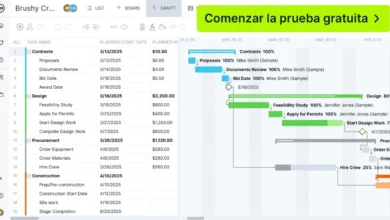
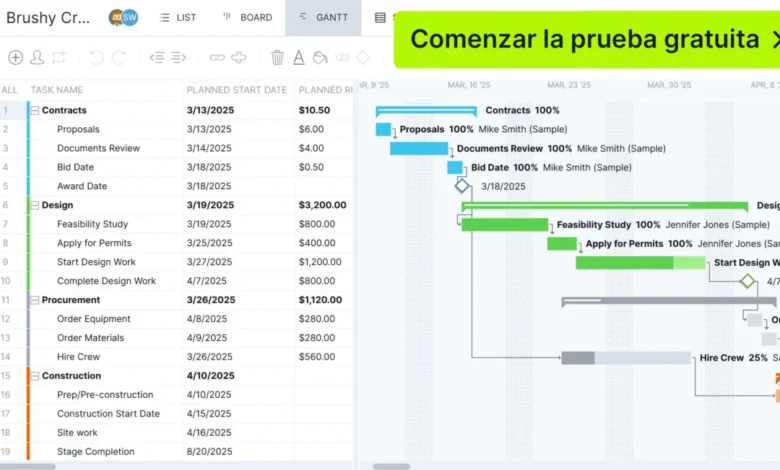
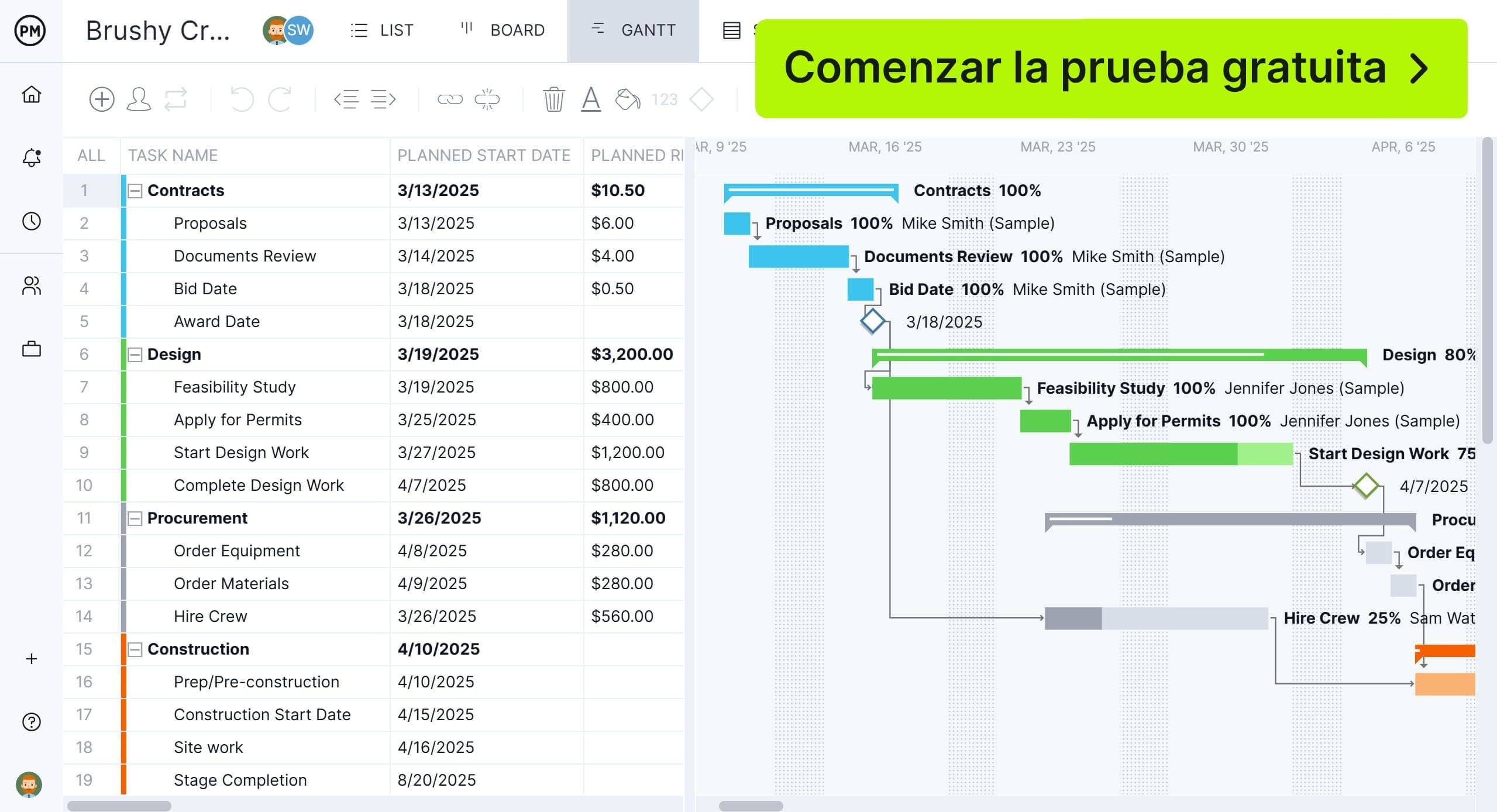
Advanced software ecosystems integrate change order tracking directly with digital scheduling tools, such as Gantt charts equipped with baseline tracking. When a change order is approved, project managers can instantly visualize its ripple effects on the critical path, resource allocation, and task dependencies. Furthermore, mobile-enabled applications allow site superintendents to submit documentation, attach photographic evidence, and secure digital signatures directly from the field, significantly reducing administrative latency.

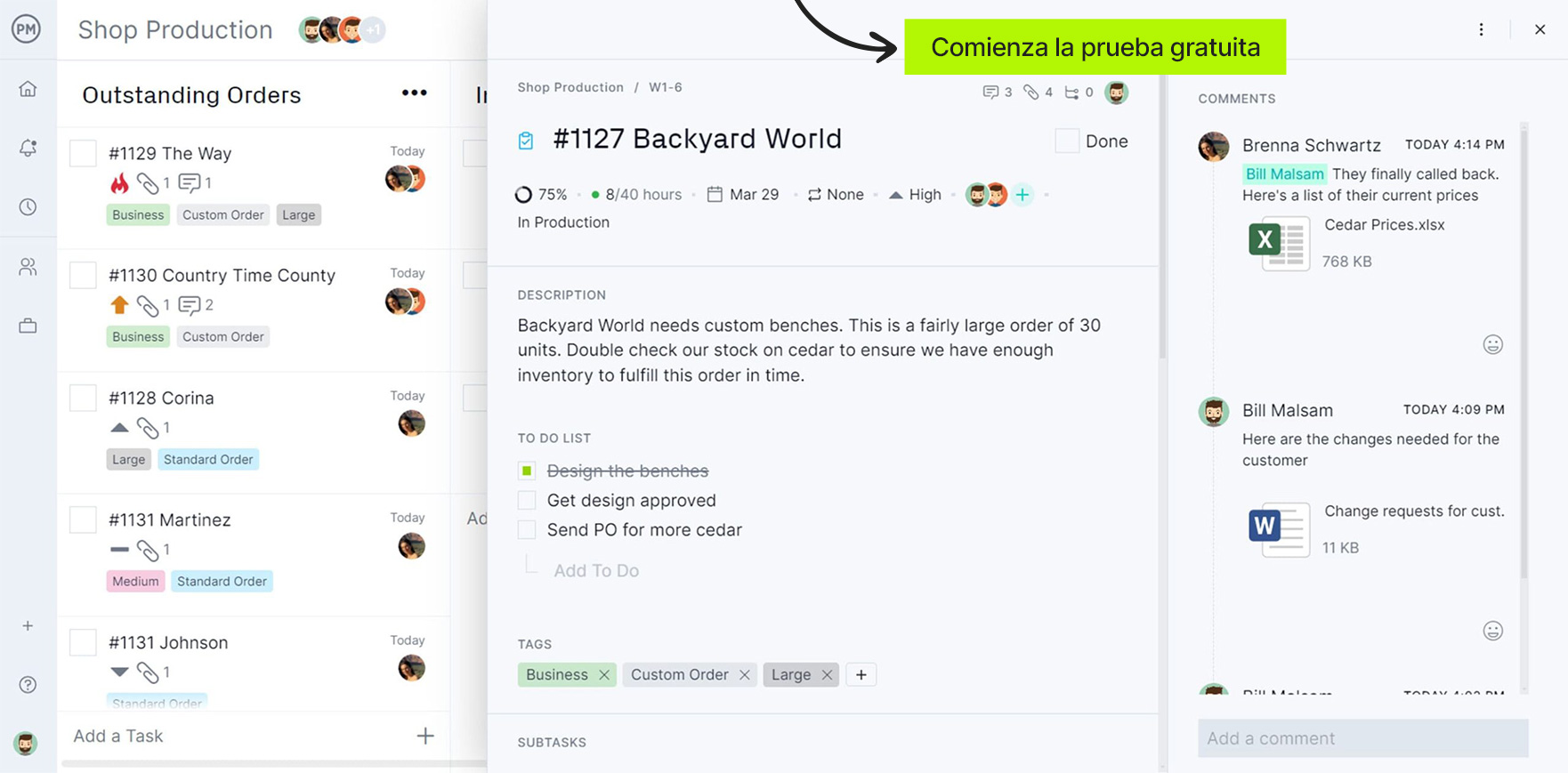
Integrated platforms also utilize Kanban boards to visualize the workflow of change requests, categorizing them by production stages from initial submission to final approval. Time-tracking tools and digital timesheets seamlessly capture the labor hours dedicated to executing approved modifications, facilitating accurate payroll processing and transparent billing cycles. By centralizing communication and documentation within a single digital environment, project teams eliminate silos, minimize disputes, and maintain absolute control over project governance.
Best Practices for Effective Change Management
Industry veterans emphasize several core strategies to optimize the change order process and safeguard project health. First, stakeholders must maintain an exhaustive familiarity with the original contract. Understanding the baseline scope of work establishes the benchmark against which all modifications are evaluated, preventing overlapping claims for work already included in the initial agreement.
Second, strict adherence to the "price before progress" rule is mandatory. Initiating work prior to the formal agreement of costs invites severe financial exposure. All pricing, including overhead, markup, and indirect schedule impacts, must be settled and signed off before tools touch the material.
Third, comprehensive documentation must govern every phase of the process. In the event of a legal dispute, courts and arbitrators rely strictly on written records. Verbal authorizations hold little weight against signed contractual amendments, making a meticulous paper trail the ultimate safeguard for both contractors and owners.
Finally, establishing a standardized, repeatable process across all organizational tiers ensures consistency. Whether managing a single residential build or a multi-million-dollar commercial enterprise, treating change orders not as disruptions, but as managed components of the project lifecycle, remains the hallmark of elite construction management.