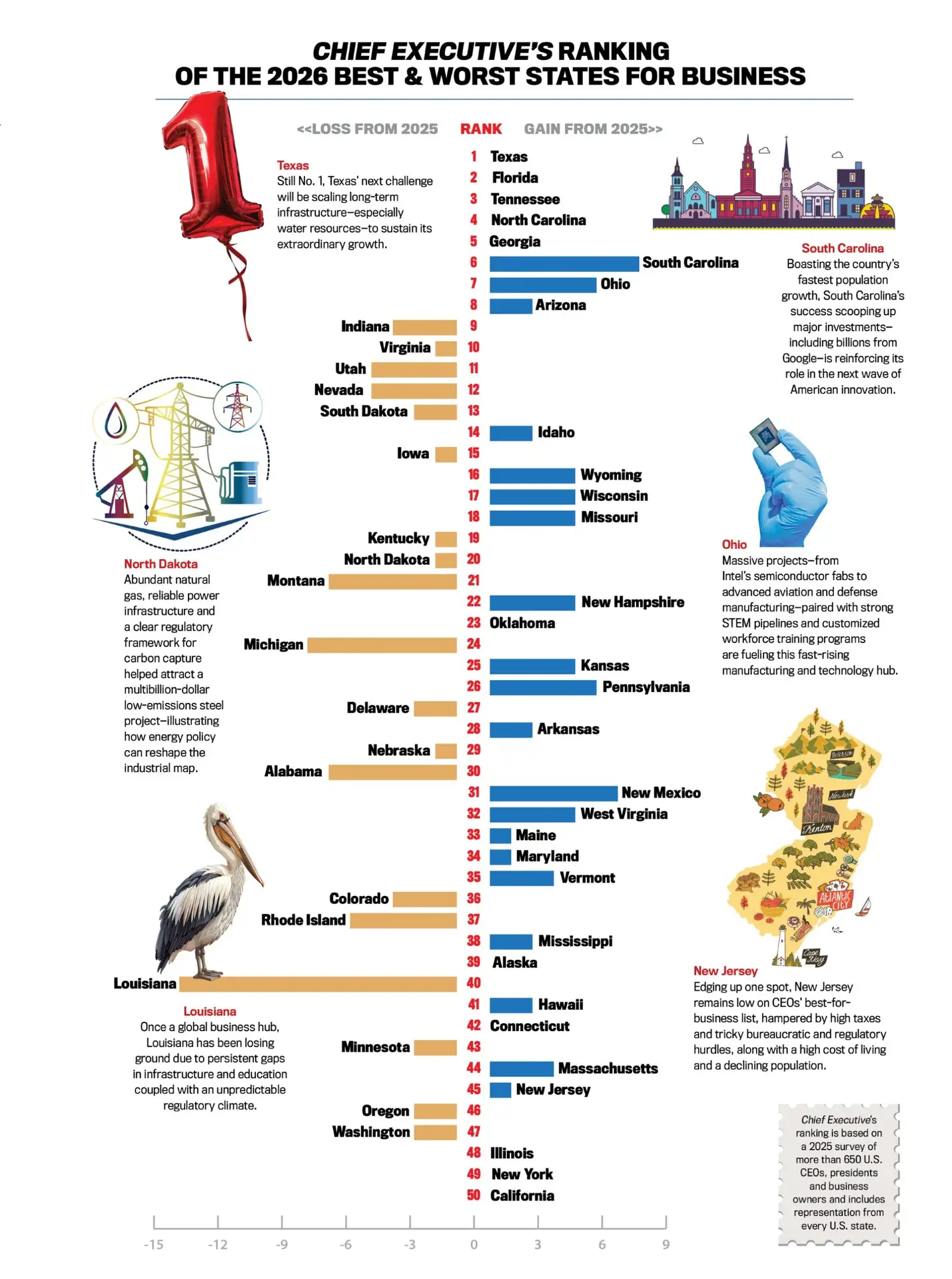
Virginia is turning workforce development into an economic development advantage with innovative training pipelines.

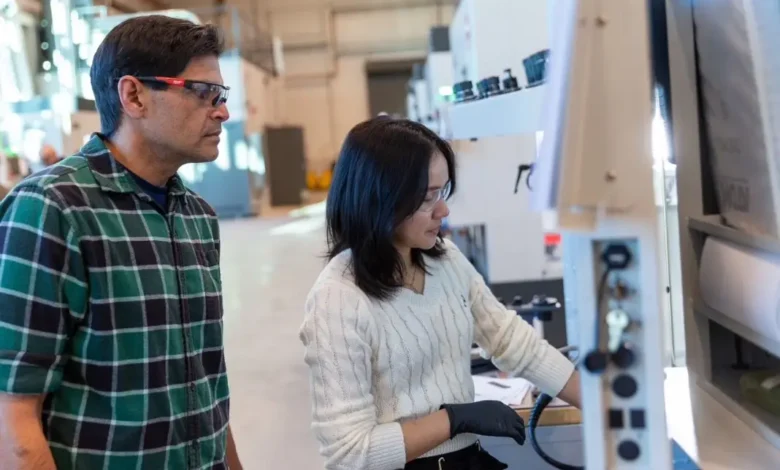
In the rolling hills of Southern Virginia, far removed from the spray of the Atlantic, the city of Danville has emerged as an unlikely, yet pivotal, cornerstone of the United States’ maritime industrial base. This transformation is not the result of happenstance, but rather the culmination of a two-decade strategic investment in human capital. By aligning vocational education with the specific, high-stakes requirements of the defense and aerospace sectors, Virginia is creating a replicable blueprint for national workforce readiness, bridging the gap between classroom instruction and the industrial frontlines.
A Two-Decade Strategic Evolution
The genesis of this shift began over twenty years ago when Virginia leadership recognized that the traditional economic development model—simply offering tax incentives to attract established businesses—was insufficient. Instead, the Commonwealth pivoted toward an infrastructure-first approach, prioritizing the development of a skilled trade and manufacturing pipeline.
By the time federal agencies began seeking solutions to the critical labor shortages within the submarine and shipbuilding industrial base, Virginia had already laid the groundwork. This long-term foresight transformed the Institute for Advanced Learning and Research (IALR) in Danville into a national laboratory for defense-ready talent.
The Accelerated Training in Defense Manufacturing (ATDM)
At the heart of this initiative is the Accelerated Training in Defense Manufacturing (ATDM) program. Developed by the IALR with federal support, the program represents a departure from traditional four-year degree models. It operates on a high-intensity, 16-week cadence designed to produce "day-one ready" workers.
The curriculum is exhaustive, comprising over 600 hours of specialized, hands-on instruction. Students cycle through rigorous certifications in fields where the defense industry faces the most acute shortages: CNC machining, welding, additive manufacturing, and metrology. By stripping away non-essential coursework and focusing entirely on technical competencies required by the U.S. Navy and its prime contractors, the IALR has fundamentally altered the recruitment landscape.
"Our goal is to reduce the time to talent," says IALR President Telly Tucker. For defense contractors operating on tight production schedules, the impact is measurable. Tucker notes that companies have reported saving as much as two years in training and onboarding time per recruit—a critical metric when the defense industry is struggling to keep pace with global security mandates. The program currently aims to matriculate up to 1,000 students annually, providing a scalable model that the Department of Defense is now looking to replicate in other industrial corridors across the country.
The Hampton Roads Maritime Training System
While Danville handles specialized manufacturing, the Hampton Roads region—the traditional hub of U.S. maritime activity—is scaling the labor force required to build and maintain the nation’s naval fleet. The Hampton Roads Workforce Council (HRWC) coordinates this massive logistical undertaking through the Hampton Roads Maritime Training System (HRMTS).
Shawn Avery, president and CEO of the HRWC, describes the region as the "nation’s military metro," noting that it hosts the largest concentration of shipbuilding and ship repair facilities in the United States, anchored by the massive operations at Newport News Shipbuilding. The HRMTS acts as a connective tissue, linking federal investment from the Navy’s Submarine Industrial Base (SIB) program with regional community colleges, including Tidewater, Virginia Peninsula, and Paul D. Camp.
The impact of this coordination is significant. Five years ago, the region struggled to fill basic trade roles, with welding programs meeting only 50 percent of the industry’s demand. Through the HRMTS, the pipeline has been optimized to the point where there is now one qualified welder for every open position. Currently, the system produces between 5,000 and 6,000 workers annually. Projections indicate that within the next 24 to 36 months, this capacity will reach 10,000 graduates per year, directly feeding into the naval industrial ecosystem.
The AUKUS Factor and Global Implications
The urgency of Virginia’s training initiative is compounded by the trilateral AUKUS security agreement, involving the United States, the United Kingdom, and Australia. This landmark pact, which focuses on providing Australia with nuclear-powered, conventionally armed submarines, has placed unprecedented stress on the American submarine industrial base.
To fulfill the commitment of supplying five Virginia-class submarines to the Royal Australian Navy, the U.S. must simultaneously increase its own production rate and support its international partners. Newport News Shipbuilding, as the state’s largest industrial employer, has become a primary architect of the AUKUS Workforce Alliance. This international partnership involves collaboration with three Australian universities to standardize training and share technical expertise.
The College of William & Mary in Williamsburg has been designated the U.S. academic anchor for this partnership. This integration of higher education, technical vocational training, and international diplomacy underscores the strategic importance of Virginia’s workforce pipelines. It is no longer just about filling factory floors; it is about sustaining a global security architecture that relies on the consistent, high-quality output of Virginia’s skilled labor.
Economic and Industrial Analysis
The broader implications of Virginia’s workforce model extend beyond defense. By creating a standardized, portable, and high-quality certification system, the Commonwealth is building an industrial "moat" that protects its economy from cyclical downturns.
Economists point to three primary benefits of this model:
- Reduced Skill Mismatch: By working directly with employers to design the curriculum, the IALR and HRWC ensure that there is zero lag between training and employment.
- Capital Efficiency: Federal and state investments in these programs yield higher returns than traditional subsidies, as the capital is tied to measurable output—the number of certified, employed workers.
- Regional Economic Resilience: By spreading training infrastructure across both rural areas like Danville and urban hubs like Norfolk, Virginia prevents the "brain drain" that typically plagues manufacturing-dependent states.
However, the model faces challenges. The primary hurdle is the sheer scale of the labor requirement. As defense budgets fluctuate and technology evolves, the programs must remain agile enough to update their curricula. The rise of automation and artificial intelligence in manufacturing means that the "day-one ready" worker of 2024 will need to be re-skilled by 2027. The current infrastructure, with its deep ties to community colleges and industry leaders, is uniquely positioned to handle these shifts, but it requires continuous, long-term capital commitment.
A Blueprint for the Future
The evolution of Virginia’s workforce development strategy serves as a case study for industrial policy in the 21st century. It replaces the reactive, fragmented training systems of the past with a proactive, integrated network. By treating workforce development as a critical component of national security, Virginia has effectively secured its status as the primary industrial engine for the U.S. maritime sector.
As the U.S. Navy moves toward its target fleet size and the AUKUS agreement progresses into its next phases, the demand for precision-skilled labor will only grow. The success of the Danville and Hampton Roads programs provides a clear message to other states: the key to attracting and retaining high-value industry is not just in the availability of land or capital, but in the institutional capacity to create talent on demand.
For the thousands of individuals currently moving through these 16-week training blocks, the program offers more than just a job; it offers a pathway into a high-technology career that is shielded from the volatility of traditional manufacturing. By aligning the needs of the individual with the requirements of the nation, Virginia has turned the challenge of workforce development into its most significant economic advantage. As the industrial sector continues to demand higher levels of technical proficiency, the Commonwealth’s commitment to these innovative pipelines ensures that its role in the national security mission—and its position as an economic powerhouse—will remain secure for the foreseeable future.