The landscape of software-as-a-service (SaaS) growth marketing is undergoing a fundamental structural evolution, driven by a growing consensus among industry leaders that traditional attribution frameworks are fundamentally ill-equipped for modern subscription businesses. For the past decade and a half, marketing attribution in the tech sector has retained an unenviable reputation for complexity, exorbitant costs, and unreliability. Revenue teams have historically over-indexed on rigid dashboards and reporting infrastructure explicitly designed to justify existing budgets to boards and executives. Consequently, thousands of collective hours have been squandered debating the merits of first-touch versus last-touch attribution models, diverting vital human and financial capital away from creative, high-impact top-of-funnel demand generation.
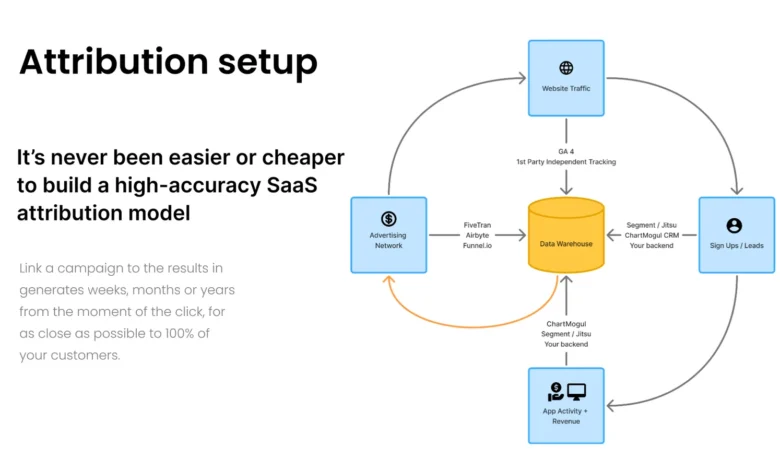
Recent industry analyses, punctuated by collaborative workshops between revenue executives at ChartMogul and analytics specialists at InnerTrends, suggest a turning point. According to Sara Archer, Chief Revenue Officer at ChartMogul, and Claudiu Murariu, co-founder of InnerTrends, it has never been easier or more financially accessible to construct a high-accuracy attribution model specifically tailored for SaaS enterprises. This shift arrives at a critical juncture for the industry, where climbing customer acquisition costs (CAC) and tightening venture capital markets demand rigorous fiscal accountability without sacrificing strategic agility.

The Structural Mismatch of Legacy Attribution Models
To understand the current paradigm shift, industry analysts point to the historical origins of digital attribution. The earliest iterations of digital tracking tools were engineered for e-commerce transactions—environments characterized by linear, transactional consumer journeys. An e-commerce purchase typically involves a direct click, a single browsing session, and an immediate checkout. In this simplified ecosystem, basic browser cookies, straightforward UTM parameters, and native ad platform reporting provided sufficient visibility.
SaaS business models, however, operate under entirely different operational dynamics. A typical enterprise or mid-market SaaS buyer journey routinely spans several weeks, months, or even quarters. It is rarely a solo endeavor; multiple stakeholders within an organization evaluate, test, and influence a single purchasing decision. Furthermore, modern product-led growth (PLG) motions mean that users frequently trial software, invite colleagues, and experience core product value long before a human sales representative ever initiates contact.
Compounding these complexities is the deterioration of traditional third-party tracking mechanisms. Regulatory changes, widespread implementation of privacy-centric browser policies, aggressive ad blockers, and virtual private networks (VPNs) have systematically dismantled cookie-based tracking. Modern buyers discover, research, and validate software solutions through decentralized channels—ranging from private Slack communities and encrypted messaging groups to niche podcasts, YouTube interviews, and peer recommendations—that leave virtually no trace in standard web analytics dashboards. Consequently, an escalating share of inbound traffic defaults to "Direct" or "Unknown," fueling the false narrative that digital attribution is entirely broken.

Embracing Consistency Over Impossible Precision
A core revelation emerging among modern revenue operations (RevOps) leaders is that absolute mathematical precision in attribution is both unattainable and unnecessary. Founders and chief revenue officers frequently experience acute anxiety over their inability to map every dollar of marketing spend to an exact, verifiable conversion path. If a prospective enterprise client learns about a platform via a recommendation in a private WhatsApp channel, observes a brand mention in an industry Slack community, and ultimately completes a registration form weeks later via a corporate laptop, no automated tracking script can fully capture that trajectory.
Rather than chasing an illusion of 100 percent data perfection, successful SaaS organizations are pivoting toward statistical consistency. Thomas Anastaselos, Director of Revenue Operations and Data Analytics at ChartMogul, emphasizes that achieving clean, reliable visibility into 60 to 75 percent of user journeys using first-party data is more than sufficient to drive confident strategic decisions.
"People block tracking, scripts won’t load, random errors happen. Guess what? It doesn’t matter," Anastaselos notes. Once an organization verifies its tracking approach against robust benchmarks like server logs, and confirms that its results remain consistent and accurate despite capturing only a majority of leads, decision-making quality remains entirely unimpaired. Teams are empowered to compare campaigns on a standardized baseline, rendering the uncaptured margin statistically irrelevant to overarching budgeting strategies.
The Technical Shifts Reshaping the Data Landscape
Several structural developments have converged to make high-accuracy attribution significantly more attainable for SaaS companies of all sizes, independent of enterprise-grade budgets.
First, the industry has witnessed a decisive migration from unreliable third-party tracking scripts to owned, first-party data infrastructures. The most critical conversion events—such as account creation, user authentication, and core in-app interactions—occur securely within environments controlled directly by the SaaS provider, bypassing browser-level restrictions entirely.
Second, the democratization of cloud data warehouses has transformed data centralization. Modern infrastructure platforms including Snowflake, Google BigQuery, and PostgreSQL have drastically reduced both the cost and technical overhead required to aggregate disparate data streams. Tasks that a decade ago necessitated dedicated data engineering teams can now be orchestrated by lean SaaS revenue operations units with minimal friction.
Third, identity stitching has evolved beyond cookie dependency. Once a user authenticates or registers an account, organizations can seamlessly link historical and future interactions using stable, internal user identifiers. This continuity persists smoothly even if initial touchpoints occurred within heavily restricted, cookie-blocked browsing sessions.
Finally, the maturation of product-led growth (PLG) analytics provides a richer narrative context. User behavior within the application serves as one of the most reliable predictors of long-term customer lifetime value (LTV) and upgrade propensity. Integrating native PLG behavioral data directly into centralized warehouse models elevates attribution from a surface-level marketing exercise into a comprehensive business intelligence strategy.
Implications of Misleading Metrics: A Case Study in Volume vs. Value
The danger of relying on superficial marketing metrics is vividly illustrated by historical operational shifts within prominent software firms. Several years ago, ChartMogul heavily invested in an extensive gated content acquisition strategy. From a conventional top-of-funnel perspective, the initiative appeared to be an unqualified triumph; overall lead volume doubled within quarters, and traditional dashboards flashed green indicators across executive summaries.
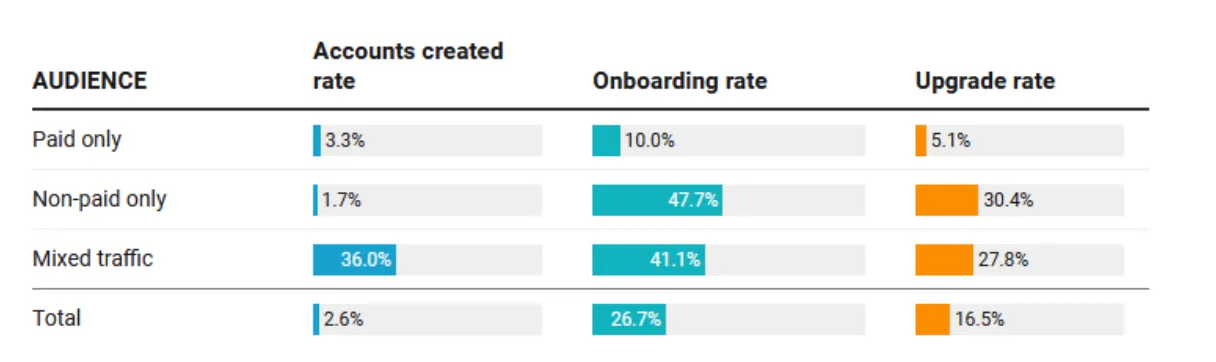
However, a deeper cross-examination against actual subscription revenue told a profoundly different story. When data teams segmented customer cohorts by monthly recurring revenue (MRR) contribution and net retention, it became glaringly apparent that leads generated via free-trial product motions consistently outperformed gated content leads by wide margins in long-term value.
This phenomenon underscores a widespread economic reality in SaaS: lead volume and revenue quality are frequently inversely correlated. Paid acquisition channels may successfully generate high volumes of low-intent signups, whereas organic, referral, or content-driven avenues often yield deeply engaged users with superior activation rates and reduced churn. Without modern attribution models connecting channel-level expenditures directly to downstream customer outcomes, organizations risk celebrating vanity metrics while misallocating capital.
Rising Customer Acquisition Costs Elevate the Stakes
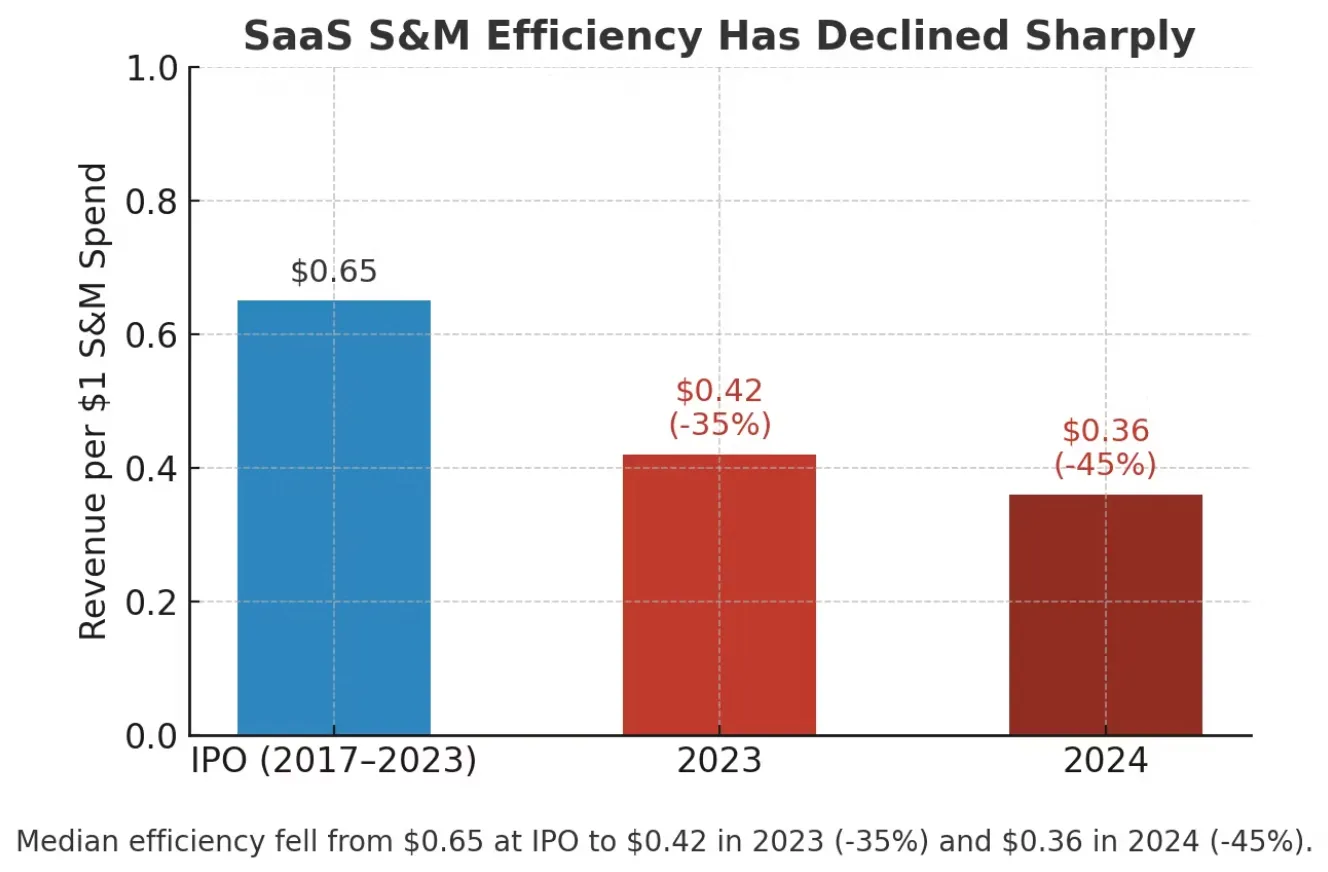
The urgency surrounding modern attribution is further amplified by macroeconomic pressures. Across the global software sector, customer acquisition costs have traced a steady upward trajectory over recent years, precipitating a notable decline in overall sales and marketing efficiency. Venture capital benchmarks and industry analyses from firms such as Blossom Street Ventures highlight persistent challenges in maximizing return on marketing investment.
In an operating environment defined by capital discipline and compressed valuation multiples, executive leadership cannot afford to sustain underperforming acquisition channels based on intuition or flawed last-touch reporting models. Precise attribution provides the analytical foundation required to identify profitable customer cohorts, prune inefficient spending, and optimize budget distribution dynamically.
A Five-Step Framework for Modern SaaS Attribution
Industry experts advocate for a pragmatic, data warehouse-first framework that enables SaaS companies to build a robust attribution model without expanding headcount or investing in prohibitive enterprise software suites.
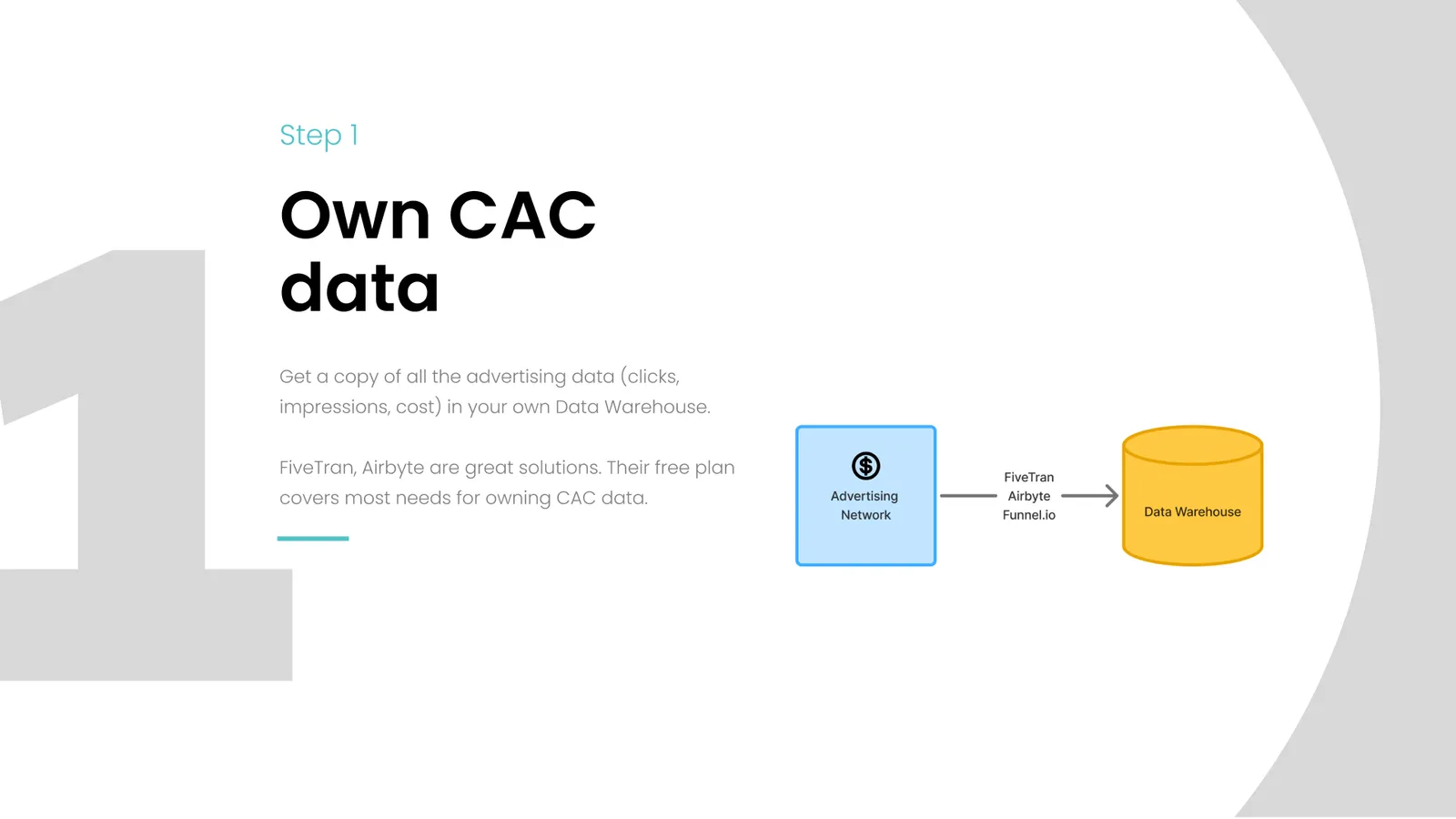
Step 1: Own Your CAC Data
Organizations must centralize core advertising cost data directly within their proprietary data warehouses. By bypassing native ad platform reporting interfaces—which frequently employ self-serving attribution logic—revenue leaders retain absolute ownership and objectivity over their baseline expenditure metrics.
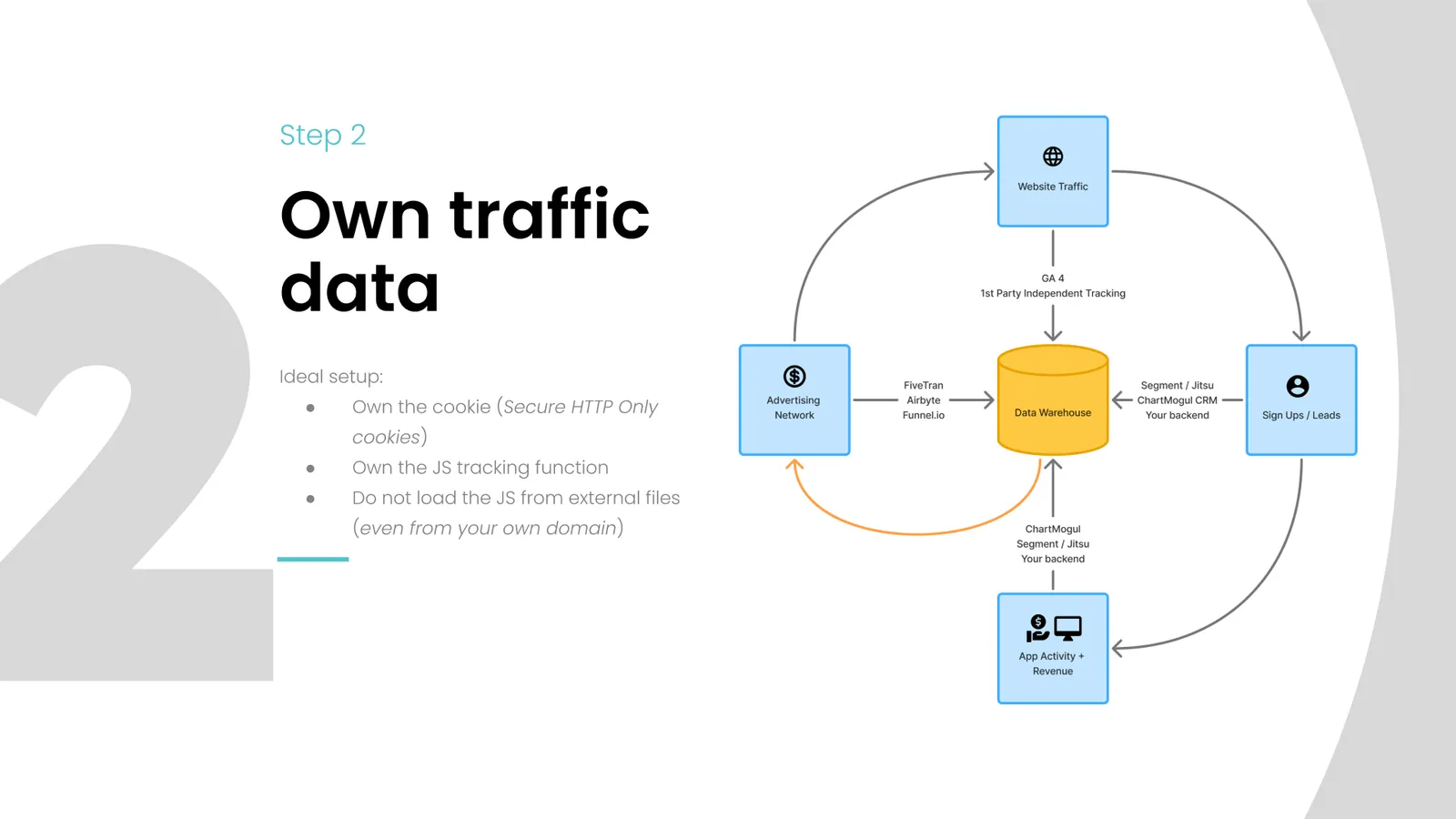
Step 2: Own Your Traffic and Cookie Tracking
Taking control of site traffic tracking is essential. Ad blockers and browser privacy restrictions routinely compromise traditional scripts like Google Tag Manager or standard analytics deployments. Implementing server-side tracking and hosting tracking logic internally helps bypass automated script-blocking patterns, preserving first-party data integrity.
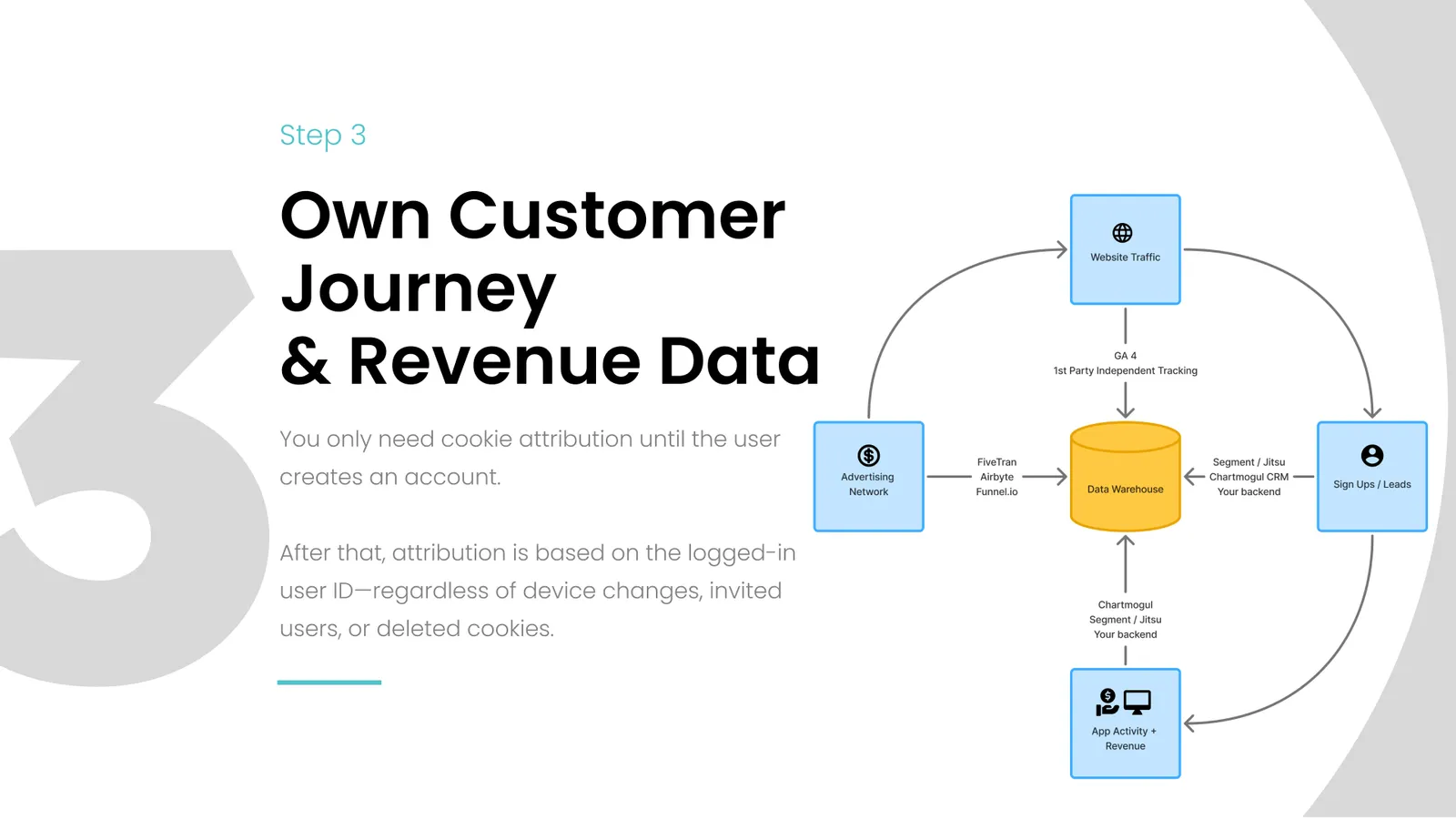
Step 3: Own the Customer Journey and Revenue Events
Cookie-based tracking is only necessary prior to user registration. Once a prospect creates an account, teams should transition immediately to tracking via authenticated user IDs. From that juncture forward, every behavioral touchpoint is anchored securely to a verified account rather than a fragile browser cookie.
Step 4: Integrate Subscription Revenue and LTV Data
Connecting specialized subscription analytics platforms directly into the central data warehouse bridges the financial gap. By unifying acquisition data with real-time recurring revenue metrics, organizations gain complete visibility into the ultimate financial return generated by specific marketing campaigns.
Step 5: Compute and Activate the Model
With clean traffic data, verified CAC metrics, authenticated user journeys, and subscription revenue unified within a single data warehouse, revenue teams can compute reliable attribution models. This infrastructure enables leadership to transition away from endless debates regarding touchpoint credit, empowering them to allocate capital toward initiatives that demonstrably accelerate sustainable, profitable growth.