Tag Eu Finance
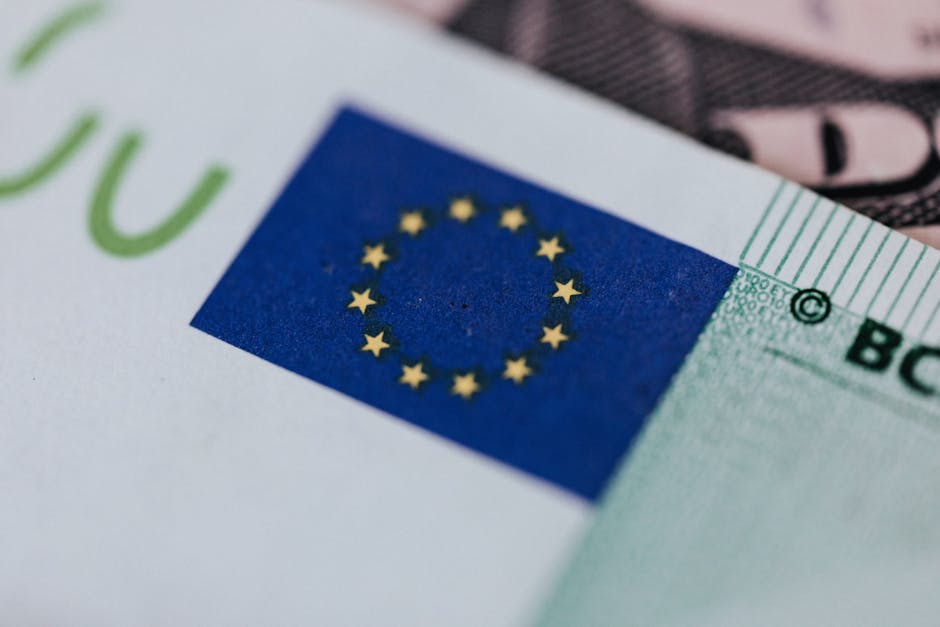
EU Finance: Navigating the Complex Landscape of European Economic Policy and Investment
The European Union’s financial architecture represents a multifaceted and dynamic system, intricately woven to foster economic stability, growth, and integration among its member states. Understanding EU finance is paramount for businesses, investors, policymakers, and citizens alike, as it directly influences economic opportunities, regulatory frameworks, and the very currency that underpins a significant portion of global trade. This intricate web encompasses a range of policies, institutions, and funding mechanisms, each playing a crucial role in shaping the economic trajectory of the continent and its global standing. At its core, EU finance is driven by the overarching objectives of creating a single market, promoting economic convergence, and ensuring financial stability. The pursuit of these goals necessitates a coordinated approach to fiscal policy, monetary policy, banking supervision, and investment promotion.
The foundational element of EU finance is the establishment and maintenance of the single market, a cornerstone of the European project since its inception. This market aims to eliminate barriers to the free movement of goods, services, capital, and people across member states. In the realm of finance, this translates to harmonized regulations, the removal of discriminatory practices, and the facilitation of cross-border financial transactions and investments. For businesses, this means access to a larger customer base and a more diverse pool of suppliers, while for investors, it opens up opportunities across a wider geographical area with potentially greater returns. The single market’s success is intrinsically linked to the robust functioning of EU financial markets, which are subject to a comprehensive set of regulations designed to ensure transparency, fairness, and efficiency. These regulations, often referred to as "acquis communautaire" in financial matters, are developed and enforced at both the EU and national levels, creating a complex but ultimately cohesive regulatory environment.
Monetary policy within the Eurozone, a subset of EU member states that have adopted the euro as their common currency, is managed by the European Central Bank (ECB). The ECB’s primary mandate is to maintain price stability, defined as inflation below, but close to, 2% over the medium term. This single monetary policy, orchestrated by the ECB, aims to ensure stable and predictable economic conditions for all Eurozone members, thereby supporting the smooth functioning of the single market and fostering investment. The ECB’s tools include setting interest rates, conducting open market operations, and implementing quantitative easing or tightening measures as deemed necessary. The effectiveness of the ECB’s monetary policy is crucial for managing inflation, stimulating economic growth, and responding to financial shocks. Beyond the Eurozone, other EU member states retain their own independent monetary policies, though they are expected to adhere to certain fiscal rules and coordinate their economic strategies within the broader EU framework.
Fiscal policy, on the other hand, remains largely within the purview of individual member states. However, the EU exerts significant influence through the Stability and Growth Pact (SGP). This pact establishes rules designed to prevent member states from running excessive budget deficits and accumulating unsustainable levels of public debt. The SGP aims to ensure sound public finances, which are essential for long-term economic stability and for preventing negative spillover effects from one member state to another. While the SGP has faced challenges and revisions over the years, it remains a key instrument for coordinating fiscal policies and promoting fiscal discipline across the EU. The European Semester, an annual cycle of economic and fiscal policy coordination, further strengthens this coordination by allowing member states to discuss their economic plans with the European Commission and the Council of the EU, and receive country-specific recommendations.
The European Investment Bank (EIB) plays a pivotal role in financing EU policy objectives, particularly in areas such as infrastructure development, innovation, climate action, and support for small and medium-sized enterprises (SMEs). As the EU’s long-term lending institution, the EIB provides financing for projects that contribute to the EU’s goals, both within and outside its borders. The EIB’s activities are crucial for bridging funding gaps, mobilizing private investment, and fostering sustainable economic growth. Its lending operations are often co-financed with national promotional banks and private financial institutions, leveraging its expertise and financial strength to de-risk projects and attract additional capital. The EIB’s strategic focus areas are regularly updated to reflect evolving EU priorities, currently emphasizing the green and digital transitions.
The European Union budget, funded primarily through contributions from member states, customs duties, and a share of VAT revenue, is a key instrument for implementing EU policies and financing programs. This budget allocates funds to a wide range of areas, including agriculture, regional development, research and innovation, security and justice, and external relations. Specific funds, such as the Cohesion Fund and the European Regional Development Fund, are dedicated to reducing economic disparities between regions and promoting balanced development across the EU. The European Social Fund (ESF) focuses on improving employment opportunities, fostering social inclusion, and investing in human capital. Understanding the EU budget and its associated funding programs is essential for organizations and entities seeking financial support for projects that align with EU priorities.
Banking union is a crucial pillar of EU finance, particularly for the Eurozone. It comprises two main elements: the Single Supervisory Mechanism (SSM) and the Single Resolution Mechanism (SRM). The SSM, overseen by the ECB, directly supervises the largest and most significant banks in the Eurozone, ensuring consistent application of supervisory rules and promoting financial stability. The SRM provides a framework for the orderly resolution of failing banks, preventing taxpayer bailouts and protecting the stability of the financial system. The Banking Union aims to break the doom loop between weak banks and indebted sovereigns, thereby strengthening the resilience of the European financial sector. This has been particularly important in the aftermath of the 2008 global financial crisis and subsequent sovereign debt crises.
Capital Markets Union (CMU) is another ambitious initiative aimed at deepening and integrating capital markets across the EU. The CMU seeks to create a truly single market for capital by removing barriers to cross-border investment, diversifying funding sources for businesses, and providing citizens with more investment choices. Key objectives of the CMU include facilitating access to finance for SMEs, developing deeper and more liquid sovereign and corporate bond markets, and enhancing the development of pan-European capital markets infrastructure. The CMU is seen as essential for unlocking private investment, fostering innovation, and supporting the economic recovery and growth of the EU. Its successful implementation relies on harmonized regulations, robust market infrastructure, and increased investor confidence.
The role of the European Commission in EU finance cannot be overstated. It is responsible for proposing legislation, implementing EU policies, managing the EU budget, and ensuring that member states comply with EU law, including financial regulations. The Directorate-General for Economic and Financial Affairs (DG ECFIN) is the primary body within the Commission responsible for economic policy, financial services, and the EU budget. DG ECFIN plays a crucial role in monitoring member states’ economic and fiscal performance, coordinating economic policies, and developing proposals for financial market regulation and integration. The Commission’s oversight and enforcement powers are critical for maintaining the integrity and stability of the EU’s financial system.
Beyond the core institutions and policies, EU finance also encompasses a complex web of regulations governing various aspects of financial activity. These include regulations on financial reporting (e.g., International Financial Reporting Standards – IFRS), prudential requirements for banks and investment firms (e.g., Capital Requirements Regulation – CRR, Capital Requirements Directive – CRD), market abuse regulations (e.g., Market Abuse Regulation – MAR), and consumer protection rules for financial services. The ongoing evolution of these regulations, driven by technological advancements, emerging risks, and the pursuit of policy objectives, creates a constantly shifting landscape for financial market participants. Staying abreast of these regulatory changes is essential for compliance and for capitalizing on new opportunities.
In conclusion, EU finance is a vast and intricate domain characterized by a commitment to economic integration, stability, and growth. Its mechanisms, ranging from the single market and monetary policy to fiscal coordination, investment financing, and regulatory oversight, are continuously evolving to address contemporary challenges and opportunities. For any entity engaged in economic activities within the European Union, a thorough understanding of this financial architecture is not merely advantageous but imperative for successful navigation and sustained prosperity. The interplay of these diverse elements shapes the economic fortunes of member states and contributes significantly to the global financial order.
