September Remote Job Market Kicks Off with Major Openings from Leading Virtual Employers

As the calendar turns to September, the North American labor market experiences a well-documented psychological and operational shift. Often viewed by career professionals as a secondary "new year," September brings a renewed sense of purpose, signaling the final push for businesses aiming to meet their annual targets before the holiday season. For remote jobseekers, this transitional period represents a critical window of opportunity. Companies entering the final four months of the fiscal year frequently secure additional budgetary allocations and workforce requirements to wrap up ongoing projects, scale customer support operations, and prepare for fourth-quarter surges.
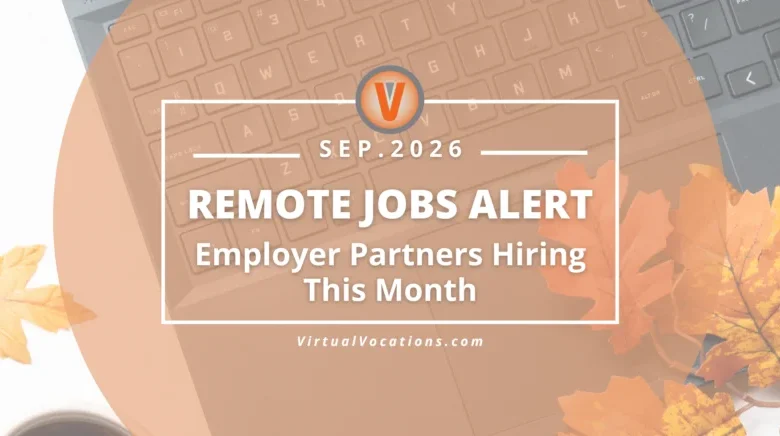
Amidst this broader economic backdrop, Virtual Vocations has announced its curated slate of Employer Partner updates for September 2026. Highlighting fully remote opportunities across diverse sectors—including financial business services, digital IT, customer relationship management, and multilingual outsourcing—the platform serves as a vital bridge connecting qualified talent with forward-thinking organizations. With listings continuously updated throughout the month, experts advise applicants to act swiftly, recommending submission within 48 hours of posting to maximize interview viability in a competitive digital hiring ecosystem.
The Macroeconomic Context: Why September Drives Remote Hiring
The late-third-quarter hiring surge is not a random occurrence; it is deeply rooted in corporate planning cycles. According to labor market analysts, organizations typically evaluate their mid-year performance during August, identifying workforce gaps that must be filled to achieve year-end revenue and service-level goals. Simultaneously, the normalization of remote work infrastructure has allowed companies to cast wider nets, bypassing geographical constraints to source specialized talent.
For remote-first or remote-friendly enterprises, September is an optimal time to onboard new personnel. Training cycles initiated in early autumn allow new hires to integrate seamlessly into team workflows before the traditional productivity slowdowns of November and December. Furthermore, industries heavily reliant on consumer engagement—such as insurance, financial planning, and digital business process outsourcing (BPO)—scale up operations early to handle anticipated seasonal demand. Consequently, jobseekers who align their search strategies with this autumn cadence often find a higher concentration of active, intent-driven job openings compared to the slower mid-summer months.
Chronology of September 2026 Employer Partner Updates
The recruitment landscape for September 2026 has rolled out in structured phases, reflecting the proactive hiring strategies of Virtual Vocations’ premier employer network.

Week 1: Launching the Autumn Recruitment Wave (Sept 2, 2026)
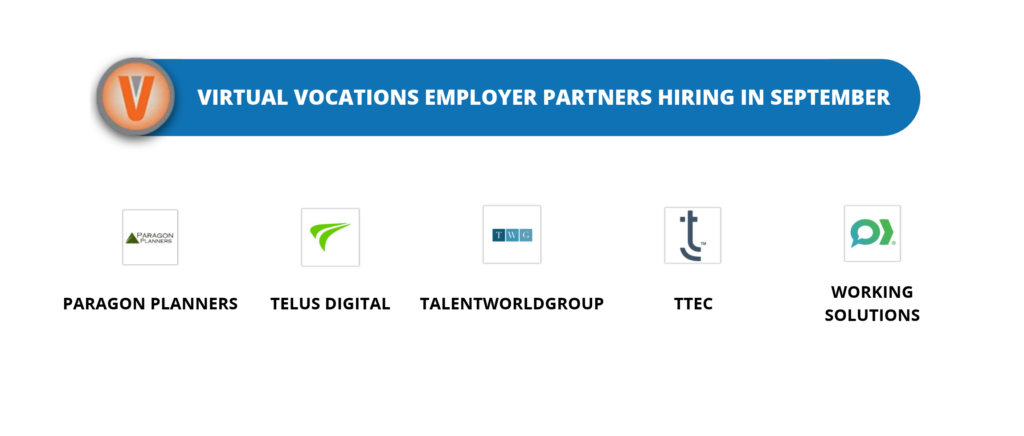
The month commenced with a robust release of listings targeting administrative, technical, and client-facing competencies. On September 2, 2026, major partners such as Paragon Planners, TELUS Digital, TalentWorldGroup, TTEC, and Working Solutions populated the platform with specialized remote roles. This initial wave catered to professionals seeking structured administrative support positions as well as those with linguistic capabilities and customer service expertise. The emphasis during this first week was heavily weighted toward operational continuity and client retention services.
Week 2: Sustained Momentum and Role Expansion (Sept 9, 2026)
Building on the momentum of the initial week, the September 9, 2026 update reinforced the availability of key positions while highlighting continued recruitment needs across partner networks. Rather than scaling back, employers maintained active pipelines for high-demand roles, such as administrative schedulers and multilingual sales representatives. This ongoing availability underscores a persistent labor shortage in specialized remote support sectors, giving qualified candidates ample opportunity to secure interviews.

Detailed Breakdown of Featured Employer Partners and Openings
A closer examination of the companies participating in the September 2026 hiring initiative reveals diverse career pathways across multiple industries.
Paragon Planners: Financial Business Services
Specializing in business support services tailored specifically to the financial sector, Paragon Planners occupies a crucial niche where precision, confidentiality, and organization are paramount. For the September intake, the company is actively recruiting for a Remote Administrative Scheduler.

- Role Overview: The Remote Administrative Scheduler acts as a vital liaison between assigned financial clients and their prospects or customers.
- Key Responsibilities: Managing, organizing, and coordinating complex appointment calendars to ensure seamless communication and engagement.
- Ideal Candidate Profile: Professionals with exceptional organizational skills, a background in administrative support, and familiarity with customer relationship management (CRM) tools thrive in this capacity.
TELUS Digital: IT and Business Process Outsourcing
A global leader in digital IT services, software development, and business process outsourcing, TELUS Digital continues to expand its remote footprint.
- Role Overview: TELUS Digital is searching for a diverse array of remote roles spanning various experience levels.
- Strategic Implications: Because the company operates at the intersection of technology and human-centric outsourcing, its openings frequently appeal to tech-savvy professionals, data annotators, content moderators, and IT project coordinators looking for flexible, long-term remote careers.
TalentWorldGroup: Multilingual Contact Center Services
Operating extensively within the global customer service industry, TalentWorldGroup provides specialized, multilingual contact center solutions to international clientele.

- Role Overview: The organization is recruiting a remote Bilingual German Sales Representative.
- Key Responsibilities: Unlike traditional sales roles focused heavily on closing transactions, this position centers on outbound calling and lead qualification.
- Target Audience: Native or fluent German speakers with strong communication skills and an aptitude for relationship-building find this role ideal for entering the remote sales and marketing sector without the pressure of hard-close quotas.
TTEC: Digital Services and Customer Experience
TTEC Holdings, Inc. is a prominent name in customer experience (CX) technology and services, helping major brands manage complex customer interactions across digital channels.
- Role Overview: TTEC is hiring a remote Insurance Customer Service Representative.
- Key Responsibilities: Answering incoming calls, emails, and chats from customers and insurance members. Representatives address inquiries regarding account information, member profiles, policy coverage, and general service-related questions.
- Industry Context: The insurance sector requires empathetic, detail-oriented communicators who can navigate sensitive financial and health-related information securely from a home office environment.
Working Solutions: Business Services Solutions
As a recognized leader in the business services industry, Working Solutions utilizes a flexible, distributed workforce model to deliver comprehensive customer care and sales support.

- Role Overview: The firm is recruiting for a variety of remote positions catering to different skill sets within the business process sector.
- Workplace Model: Known for offering independent contractor and employee remote models, Working Solutions provides scheduling flexibility that attracts caregivers, freelancers, and career-transitioners seeking autonomy.
Industry Analysis: Implications of the Current Remote Labor Market
The ongoing recruitment efforts by firms like Paragon Planners, TELUS Digital, TalentWorldGroup, TTEC, and Working Solutions offer a clear window into broader macroeconomic trends shaping the remote work ecosystem.
- The Rise of Specialized BPO and Client Services: Companies are increasingly outsourcing customer-facing and administrative functions to specialized remote providers. This trend shifts the traditional office job into a decentralized model, reducing overhead for corporations while offering workers geographic freedom.
- Value on Niche Skill Sets: The inclusion of roles such as the Bilingual German Sales Representative at TalentWorldGroup highlights the globalized nature of remote work. Companies are no longer restricted by local talent pools; they actively seek linguistic and technical competencies globally.
- The 48-Hour Application Window: With digital application platforms streamlining the submission process, competition for remote roles remains fierce. Career advisors emphasize that top-tier remote openings often receive hundreds of applications within days of posting. Consequently, adhering to the 48-hour application recommendation significantly enhances a candidate’s visibility before hiring managers begin initial screening phases.
Conclusion and Next Steps for Jobseekers
As September progresses, the remote job market offers tangible pathways for professionals eager to pivot, advance, or re-enter the workforce. With employers actively securing talent to close out the year, candidates are encouraged to leverage curated platforms like Virtual Vocations, tailor their resumes to highlight relevant remote competencies (such as digital communication, self-discipline, and CRM proficiency), and apply promptly. By treating the autumn hiring season with the same strategic urgency as the traditional spring job market, remote jobseekers can successfully position themselves for long-term career fulfillment.