Brain Sensei CAPM Training: An In-Depth Review of Its Story-Based Approach for Project Management Certification

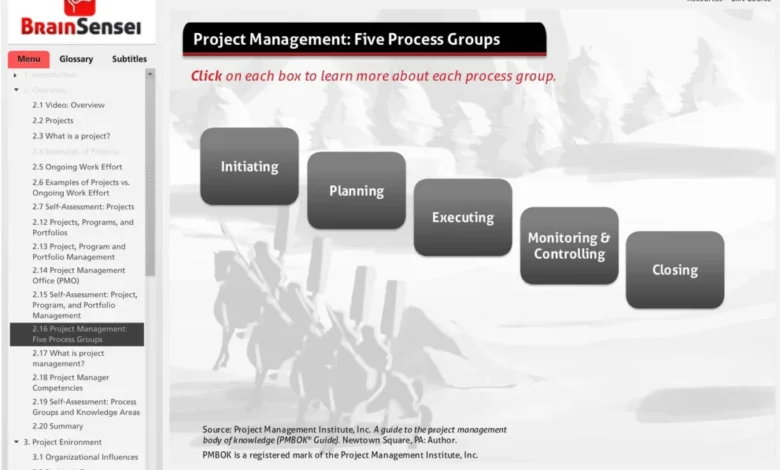
The landscape of professional development in project management continues to evolve, with the Certified Associate in Project Management (CAPM) certification from the Project Management Institute (PMI) serving as a pivotal credential for aspiring project professionals. Amidst a multitude of training options, Brain Sensei’s CAPM exam preparation course distinguishes itself through a unique, story-based learning methodology set in feudal Japan. This review delves into the course’s comprehensive features, pedagogical efficacy, cost-effectiveness, and overall suitability for candidates pursuing the CAPM certification.
Contextualizing the CAPM Certification and Its Market Relevance
The Certified Associate in Project Management (CAPM) is an entry-level certification for project practitioners. It is designed for individuals who are relatively new to project management but possess some project experience or wish to demonstrate their commitment to the profession and understanding of fundamental project management principles. According to PMI, the CAPM certification validates a candidate’s understanding of the PMBOK® Guide (Project Management Body of Knowledge) – a globally recognized standard for project management. Earning a CAPM can open doors to new opportunities, increase earning potential, and provide a solid foundation for further career advancement, including eventually pursuing the more advanced Project Management Professional (PMP) certification.
The demand for skilled project managers remains robust across various industries. Reports from organizations like the Project Management Institute consistently highlight a talent gap, projecting millions of new project management roles by 2030. Certifications like CAPM play a crucial role in validating the competencies required to fill these positions, offering employers a standardized measure of a candidate’s foundational knowledge. As a result, the market for CAPM training is highly competitive, featuring diverse offerings ranging from intensive bootcamps to self-paced online modules. Online training platforms, in particular, have seen significant growth, driven by the need for flexible, accessible, and cost-effective learning solutions for working professionals.
Brain Sensei’s Distinctive Pedagogical Approach: The Feudal Japan Narrative
Brain Sensei’s CAPM Exam Prep Course stands out from its competitors by adopting an innovative, story-based learning model. Unlike traditional courses that often rely on straightforward lectures, readings, and quizzes, Brain Sensei immerses learners in an interactive narrative set in feudal Japan, where the main character is a female Samurai tasked with critical project management challenges. This gamified approach aims to transform potentially dry and complex project management concepts into an engaging and memorable learning experience.
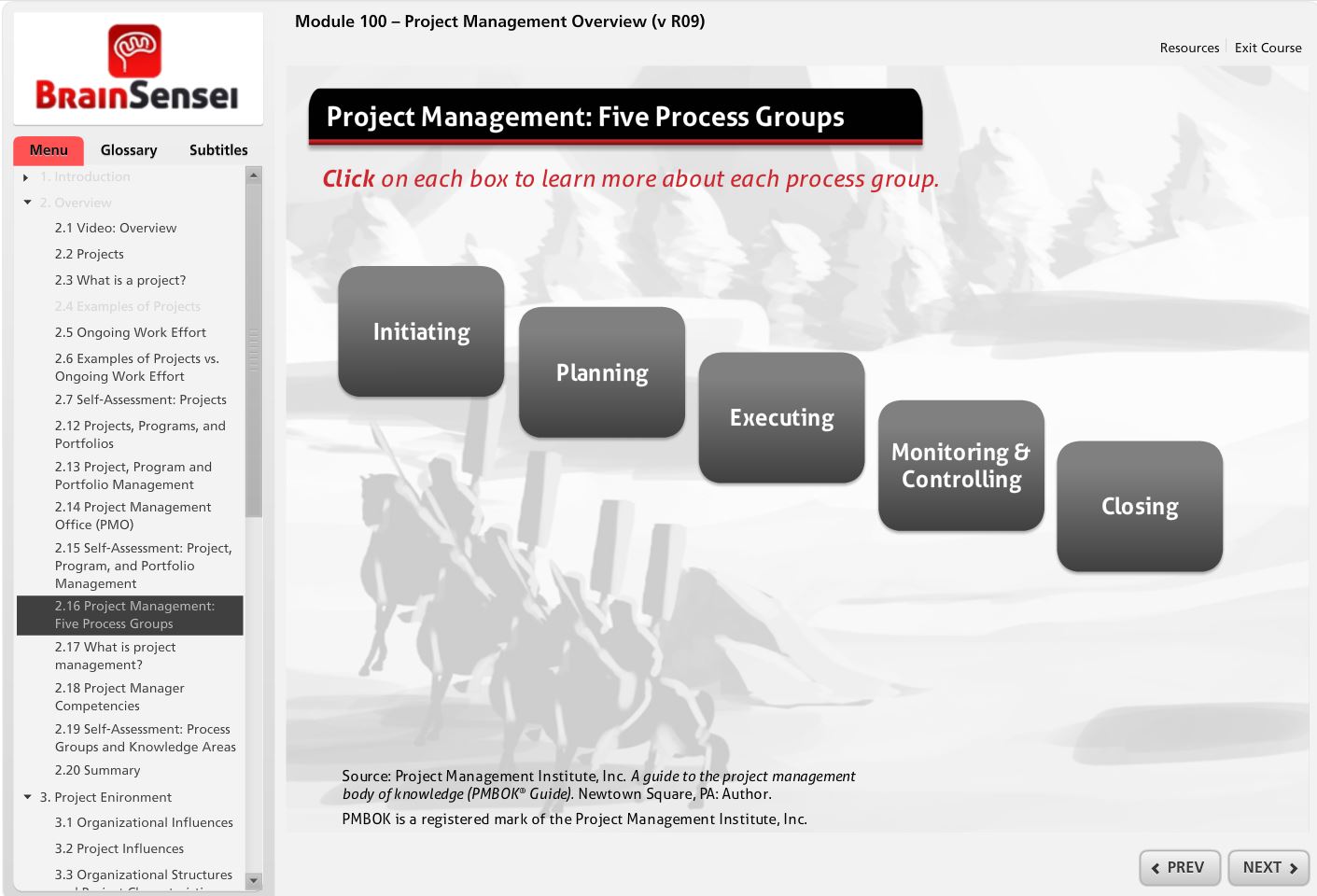
The core premise is that learning through storytelling and active participation significantly enhances memory retention and understanding. Educational psychology research supports the idea that narratives provide a context that makes information more relatable and easier to recall. By framing the curriculum around the challenge of rallying a community to build a castle – a clear project with defined scope, resources, and stakeholders – Brain Sensei effectively demonstrates project management principles in action. This methodology contrasts with the previous Brain Sensei PMP training course, which, despite once featuring a similar story element, removed it in its 2026 update, making the CAPM course’s narrative aspect a unique selling proposition within their current offerings.
Key Features and Value Proposition
Brain Sensei’s CAPM training is delivered as an online, video-based program, providing the mandatory 23 contact hours required for CAPM exam eligibility. The course structure is divided into 10 modules, meticulously covering the entire CAPM exam content outline. While the course is comprehensive, candidates are still advised to consult the PMBOK® Guide, which PMI members can access as a free PDF. Each module comprises short, manageable lessons, a design choice intended to accommodate learners juggling exam preparation with work and family commitments. The content builds progressively, making sequential completion advisable, though not strictly enforced.
The platform’s interactivity is a cornerstone of its design. Built on the Articulate platform, the course incorporates numerous interactive elements such as self-assessment quizzes, drag-and-drop exercises, and selection-based tasks. This hands-on engagement is crucial for active learning, moving beyond passive information absorption. The scientific basis for this approach is clear: active participation in learning materials strengthens neural pathways, leading to improved recall and deeper understanding. This ensures that grasping key knowledge areas does not feel like a burdensome task but rather an engaging challenge.
Beyond core content delivery, Brain Sensei offers a robust suite of support tools designed to maximize exam success. These include:
- Cost and Access: Priced at $249.99, a rate maintained for several years, the course provides 12 months of access to all materials. While some competitors may offer cheaper alternatives, Brain Sensei positions itself on value derived from its unique interactive methodology and comprehensive support. A monthly subscription option is also available, offering flexibility for those aiming for a shorter, intensive study period.
- Exam Simulator and Practice Questions: The course integrates built-in knowledge assessments at the end of lessons and modules, designed to identify areas where a student needs further study. Critically, it offers unlimited full practice exams drawn from a pool of 1,500 realistic questions. This extensive practice is vital for familiarizing candidates with the exam format, question types, and time management strategies required for the lengthy certification test.
- Guarantee and Support: Brain Sensei provides a 100% pass guarantee, extending course access for free if a student fails the exam, subject to specific terms. This commitment underscores their confidence in the course’s effectiveness, which is further supported by a reported 99.6% pass rate among their students. A 30-day refund policy is also in place, provided the student has not attempted more than one practice exam, allowing for a risk-free evaluation. Support channels include a Facebook group, email sequence, and a comprehensive FAQ section, with user reviews often commending the responsiveness of their support team.
- Offline Mode: For enhanced flexibility, Apple Podcast users can access video walkthroughs of learning modules offline, while both Android and Apple users can stream the animated stories via Spotify and Apple Podcast apps, facilitating learning on the go.
Performance and User Experience: Strengths and Considerations
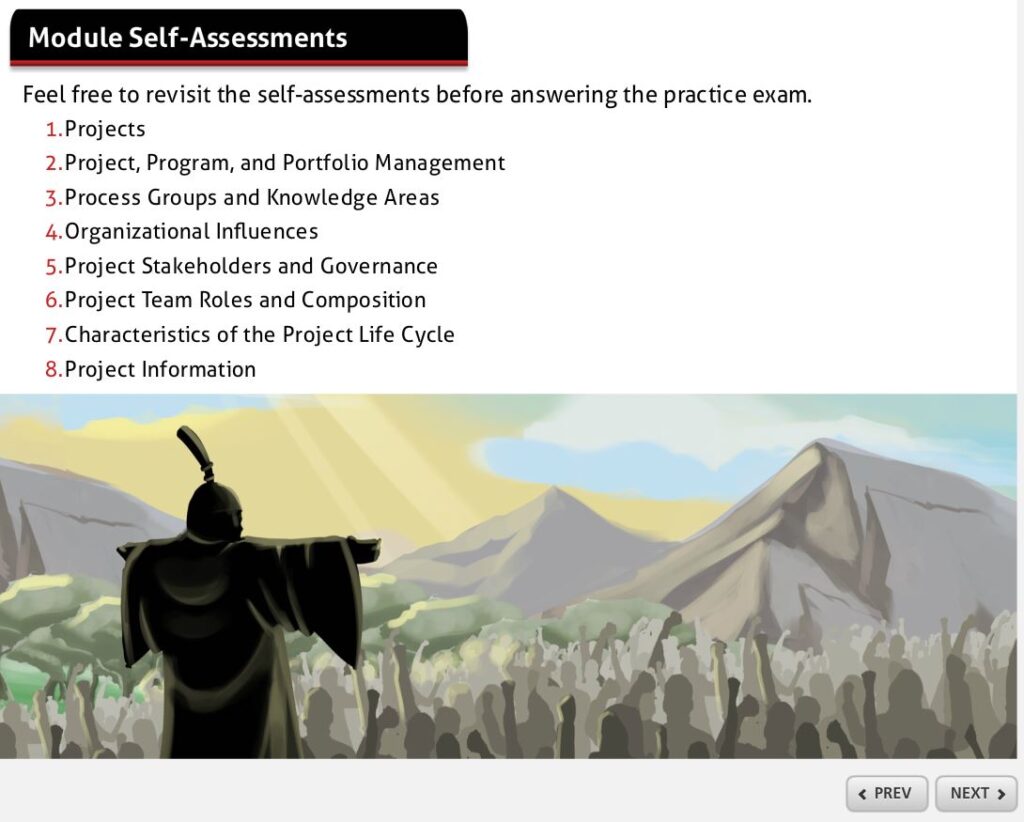
The highly interactive nature of Brain Sensei’s platform is consistently cited as a significant strength. The engagement level fostered by the story-based learning, coupled with frequent interactive exercises, makes the study process more enjoyable and less prone to monotony. This approach caters effectively to learners who thrive on active participation and visual stimulation, making complex project management concepts more digestible and memorable. The embedded knowledge assessments are particularly useful, guiding learners to focus their revision efforts on weaker areas, thereby optimizing study time.
However, certain aspects warrant consideration for prospective users. Some users have reported slow page load times, which, while potentially influenced by individual internet connections, can disrupt the flow of a study session. The course’s high level of interactivity translates into frequent clicking, which might be a minor inconvenience for users accustomed to keyboard shortcuts or those without touch-screen devices. While the 12-month access period is generally sufficient for most candidates to prepare for and take the CAPM exam, individuals who prefer a longer study timeline or wish to retain access to materials for extended periods might find this limited duration a minor drawback. However, this fixed timeframe can also serve as a motivator, encouraging students to commit to a structured study plan and complete the certification within a reasonable timeframe.
Accreditation and Industry Standing
Brain Sensei was historically approved by PMI under the Registered Education Provider (REP) scheme. However, PMI has since transitioned to a new accreditation framework: the Authorized Training Partner (ATP) program. Brain Sensei is not currently part of the ATP program. It is important to clarify that enrollment in an ATP-accredited course is not a mandatory prerequisite for CAPM exam eligibility. Many online, self-paced courses, including Brain Sensei’s, continue to provide the required 23 contact hours and cover all relevant content for the exam, allowing candidates to fulfill the eligibility criteria. The ATP program appears to be more geared towards in-person training providers, suggesting a market segmentation where self-paced online platforms operate under a different validation model for contact hours. Therefore, candidates can be assured that choosing Brain Sensei’s CAPM course will still provide the necessary eligibility certificate and comprehensive content coverage.
Strategic Considerations for Prospective Learners
The time commitment for completing Brain Sensei’s CAPM course is estimated at 23 hours for the core content. While this might seem short, it necessitates a dedicated study plan to integrate exam preparation into daily life. Most users, especially those balancing work and other responsibilities, can realistically aim to complete the material and be ready for the exam within 1 to 3 months. The flexibility offered by the monthly subscription option further caters to individuals who might want to condense their study period, for instance, during periods of unemployment or reduced workload. The ability to access materials on tablets and smartphones also enhances the course’s adaptability to various lifestyles.
When evaluating Brain Sensei, prospective learners should consider their individual learning styles. The course is ideally suited for self-motivated individuals who benefit from interactive engagement and narrative structures to maintain focus and aid memory. It particularly appeals to those who might struggle with rote memorization and prefer a learning approach grounded in understanding and recall, leveraging cognitive science principles. Conversely, individuals who prefer passive learning through traditional video lectures or extensive textual content, with minimal interaction, might find other platforms more aligned with their preferences. For such learners, alternatives like the PM PrepCast CAPM (though noted to be phasing out its self-paced CAPM offering) could be considered, although they may offer a different pedagogical experience.
To assist in the decision-making process, Brain Sensei offers a free trial, albeit for its PMP materials. This trial provides a valuable opportunity for prospective students to experience the platform’s interactive design, story-based learning, and overall user interface. Engaging with the trial can significantly inform whether the Brain Sensei methodology aligns with a student’s personal learning style and preferences, thereby ensuring a more confident investment in their professional development.
Broader Implications for Professional Development
Brain Sensei’s approach to CAPM training highlights a growing trend in professional education: the integration of advanced pedagogical techniques and technology to enhance learning outcomes. By leveraging storytelling and gamification, the course not only prepares candidates for certification but also aims to foster a deeper, more intuitive understanding of project management principles that can be applied in real-world scenarios. This goes beyond mere exam preparation, contributing to more effective project professionals.
In a competitive job market, certifications like CAPM are increasingly important signals of competence and dedication. A training platform that can make the journey to certification more engaging and effective ultimately supports the broader goal of elevating project management standards and capabilities across industries. While the cost may be a point of comparison, the investment in a highly interactive and engaging course like Brain Sensei’s can be justified by its potential to improve pass rates and foster a more robust understanding of the subject matter, leading to long-term career benefits.
In conclusion, Brain Sensei’s CAPM training stands out as a highly interactive and engaging option for individuals seeking to achieve their CAPM certification. Its unique story-based approach, comprehensive content, robust exam simulator, and strong pass guarantee collectively offer a compelling value proposition. While considerations regarding page load times and the highly click-intensive interface exist, these are minor in comparison to the significant benefits of its pedagogical design. For learners who thrive on interactivity and narrative engagement, Brain Sensei offers a potent and cost-effective pathway to professional certification in project management.
Related posts: