Virtual Vocations Announces September 2026 Employer Partner Initiatives Highlighting Remote Job Openings Across Diverse Industries

As the employment landscape enters the final quarter of the year, remote work advocates and job placement platforms are shifting their focus toward end-of-year hiring trends. Virtual Vocations, a prominent online job board and career services platform, has officially rolled out its comprehensive September 2026 Employer Partner hiring initiative. Designed to capture the seasonal momentum often associated with the autumn months—frequently viewed by job seekers as a period of professional renewal comparable to the start of a new academic year—the program highlights a curated selection of fully remote employment opportunities across multiple sectors, experience tiers, and geographic footprints.
The initiative comes at a critical juncture in the modern labor market. While remote and hybrid work models have matured significantly since their rapid, pandemic-driven expansion in the early 2020s, securing a fully remote position remains highly competitive. Organizations increasingly demand specialized skill sets, robust digital literacy, and proven self-management capabilities from applicants. In response, Virtual Vocations has structured its September 2026 campaign to provide a transparent, regularly updated roadmap for professionals seeking long-term remote arrangements. By collaborating directly with established Employer Partners, the platform aims to bridge the gap between reputable enterprises looking for scalable workforce solutions and qualified candidates navigating an evolving digital economy.
The Chronology of September 2026 Recruitment Windows
The strategic rollout of the September 2026 hiring push is organized across weekly updates, ensuring that job seekers have continuous access to fresh opportunities rather than facing a single, overwhelming surge of listings. According to the platform’s administrative schedule, the multi-week campaign features rolling updates designed to accommodate both immediate hiring needs and longer-term talent acquisition pipelines.
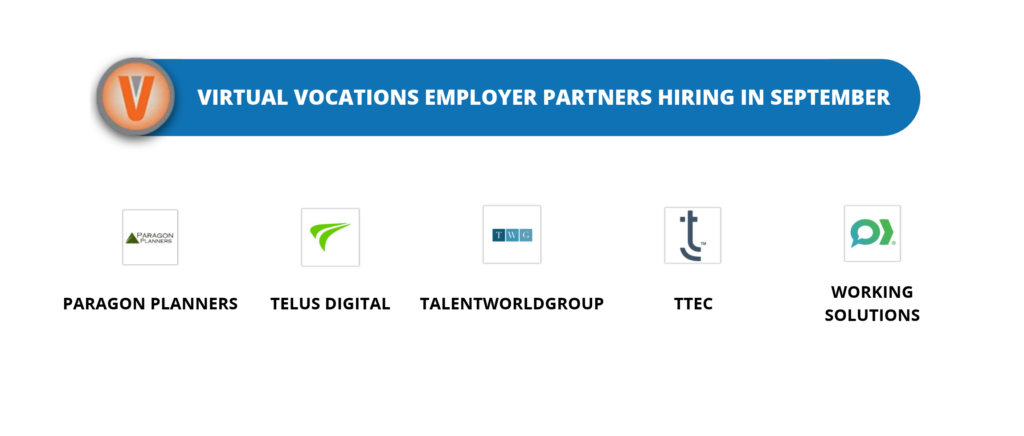
The initiative commenced on September 2, 2026, setting an early baseline for the month’s hiring activities. During this initial launch window, foundational partnerships were emphasized, showcasing organizations that specialize in business-to-business (B2B) services, customer relationship management, and specialized administrative support. These early listings targeted candidates looking for immediate stability entering the fourth quarter, particularly in customer-facing and operational roles.

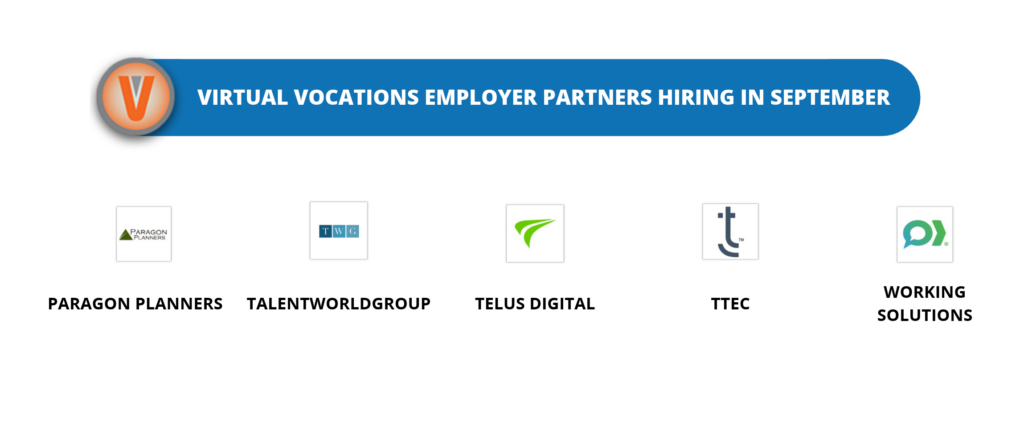
Following the initial kickoff, subsequent updates deployed on September 9, 2026, and September 16, 2026, maintained momentum by introducing secondary waves of vacancies. These mid-month updates placed a heavier emphasis on niche digital competencies, including multilingual communication support, financial software troubleshooting, and specialized virtual assistance. Finally, the September 23, 2026 update expanded the employer network further, introducing new strategic partners specializing in specialized consumer goods, digital marketing, and complex customer support architectures.
Industry-Specific Overview of Participating Employer Partners

The breadth of industries represented in the September 2026 initiative underscores the ongoing diversification of the remote workforce. Far from being restricted to traditional software engineering or digital writing, contemporary remote employment spans complex financial administration, technical customer support, international sales development, and specialized marketing services.
Financial Services and Administrative Scheduling

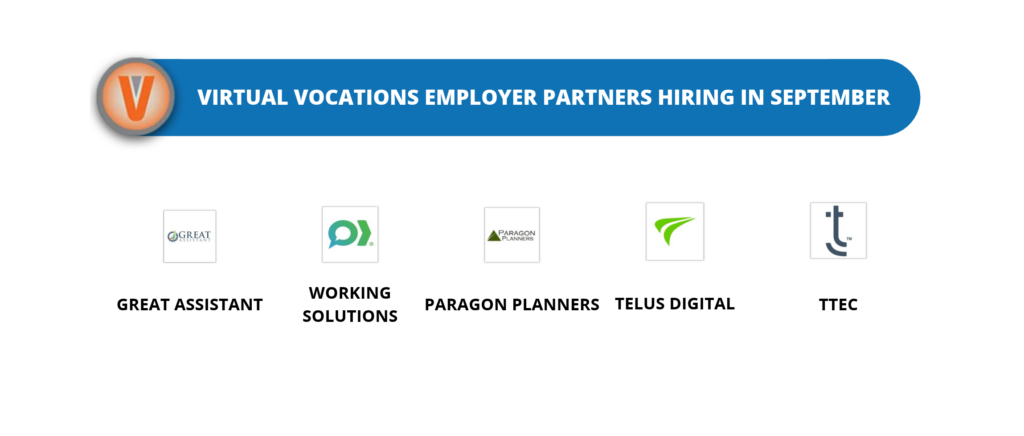
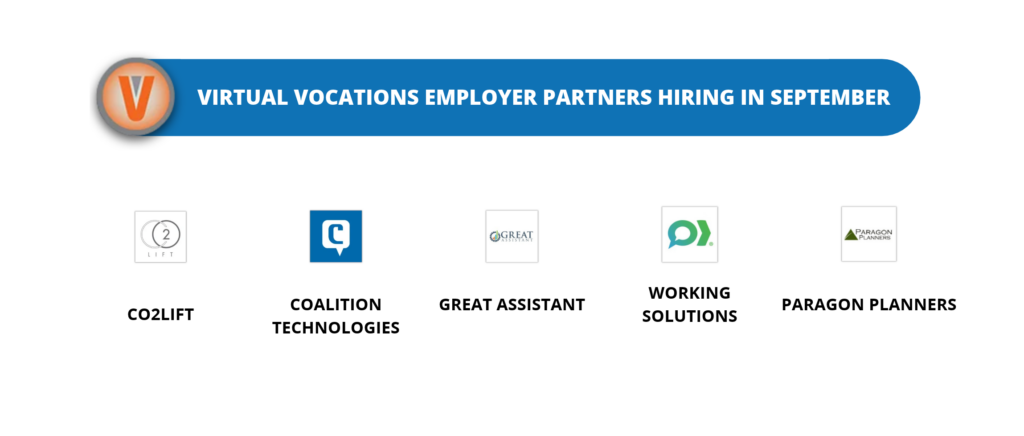
Among the primary partners featured throughout the month is Paragon Planners, a firm specializing in high-level business services tailored to the financial industry. Paragon Planners utilized the September recruitment drive to seek candidates for Remote Administrative Scheduler roles. In this capacity, remote workers are tasked with maintaining communication channels between financial professionals and their client bases, overseeing complex appointment calendars, and ensuring that prospect engagement remains seamless. The inclusion of financial services highlights the sector’s reliance on secure, remote administrative infrastructure to handle sensitive client interactions without requiring physical office spaces.
Customer Experience, Outsourcing, and Multilingual Support

Customer relationship management and business process outsourcing (BPO) continue to serve as major drivers for remote job creation. Several prominent BPO and customer service enterprises featured prominently in the September 2026 Employer Partner roster:
- TalentWorldGroup: Operating within the multilingual contact center space, TalentWorldGroup focused its recruitment efforts on specialized roles such as Bilingual German Sales Representatives. Diverging from traditional closing-heavy sales roles, these positions emphasize strategic outbound calling and lead qualification, reflecting a targeted approach to international market penetration.
- TTEC: A global leader in digital IT services and customer experience solutions, TTEC recruited remote Insurance Customer Service Representatives. These positions require professionals to navigate intricate policy details, handle incoming inquiries regarding member profiles and coverage, and deliver compliant, empathetic support via digital communication channels.
- Working Solutions: As a prominent provider in business process outsourcing, Working Solutions offered a rotating selection of remote positions throughout the month. A notable highlight included recruiting QuickBooks Support Specialists, tasked with providing real-time software troubleshooting, technical guidance, and platform navigation assistance to business software users.
- Great Assistant: Specializing in matching entrepreneurs with experienced virtual assistants, Great Assistant sought talent for specialized roles such as Tax Advice Virtual Assistants, demonstrating the growing demand for remote administrative support equipped with industry-specific knowledge.
Digital Marketing and Specialized Consumer Goods

The latter half of the September initiative brought forward specialized enterprises reflecting distinct consumer and business markets:
- CO2Lift: Representing the specialized skincare and wellness sector, CO2Lift recruited Customer Support Specialists to manage product inquiries, supply chain logistics, and post-treatment guidance for its carboxytherapy product lines. This partnership illustrates how niche consumer brands leverage remote support teams to scale customer service operations globally.
- Coalition Technologies: As a prominent digital marketing agency specializing in search engine optimization (SEO), pay-per-click (PPC) advertising, and web development, Coalition Technologies posted diverse remote openings. These opportunities cater to digital marketing professionals seeking dynamic agency environments with decentralized operational structures.
- TELUS Digital: Continuing its active participation in remote hiring, TELUS Digital featured multiple technical and digital service roles spanning IT support, software solutions, and outsourcing services.
Labor Market Analysis and Strategic Implications
The timing and composition of the September 2026 remote hiring campaign offer valuable insights into broader macroeconomic and labor trends. As organizations finalize their fiscal fourth-quarter strategies, hiring managers frequently utilize early autumn to onboard staff who can support year-end customer service surges, tax preparation preparation, and annual financial planning cycles.
Data compiled by workforce analysts indicate that remote job seekers face a distinct set of operational dynamics in 2026. While the volume of remote listings remains robust compared to pre-2020 baselines, employer expectations regarding digital competence, asynchronous communication proficiency, and data security compliance have escalated. Roles that involve handling sensitive financial data—such as Paragon Planners’ scheduling positions or Working Solutions’ QuickBooks support roles—require stringent home-office security protocols and verifiable administrative backgrounds.
Furthermore, the prominence of multilingual roles, such as TalentWorldGroup’s German-speaking sales positions, underscores the borderless nature of modern remote teams. Companies increasingly source talent globally or across diverse linguistic regions to service international clientele without establishing physical foreign subsidiaries.
Expert Recommendations for Remote Job Seekers

Career advisors and employment specialists monitoring the September 2026 initiative emphasize that speed and precision are critical factors in the remote application process. Due to the high volume of applicants attracted to fully remote postings, hiring managers often review and act upon incoming resumes rapidly.
Experts recommend the following best practices for candidates navigating the September 2026 employer partner alerts:
- Timely Submissions: Candidates are strongly encouraged to apply within 48 hours of a job listing’s publication to ensure their materials are reviewed before applicant pools reach capacity.
- Tailored Documentation: Remote roles heavily prioritize written communication skills; consequently, cover letters and resumes should explicitly highlight previous remote work experience, proficiency with collaborative software suites (such as Slack, Microsoft Teams, and specialized CRM platforms), and independent time-management capabilities.
- Continuous Monitoring: Because platforms like Virtual Vocations update their Employer Partner directories on a weekly basis throughout the month, maintaining active oversight of newly posted roles maximizes a candidate’s exposure to unadvertised or newly opened positions.
Looking Ahead: The Fourth Quarter Outlook
As September transitions into the final months of the calendar year, the remote job market is expected to experience sustained activity driven by holiday retail support, year-end financial closing, and corporate budgeting cycles for the upcoming year. Initiatives like the Virtual Vocations September 2026 Employer Partner program serve as a vital barometer for this hiring season, offering job seekers structured pathways to secure stable, flexible employment. By aligning professional competencies with the verified openings of established corporate partners, candidates can better navigate the complexities of the modern remote employment landscape and position themselves for long-term career resilience.