As businesses across Australia and New Zealand (ANZ) navigate an increasingly complex economic landscape, cloud Enterprise Resource Planning (ERP) systems have evolved from luxury tools into absolute operational necessities. At the forefront of this digital transformation is MYOB Acumatica—formerly known as MYOB Advanced—a robust cloud-based ERP engineered to manage financials, inventory, customer relationships, projects, and payroll for mid-market and growing enterprises. Particularly dominant in sectors such as construction, manufacturing, professional services, distribution, and multi-entity operations, MYOB Acumatica provides a centralized foundation for organizational data.

However, even the most comprehensive ERP solutions cannot operate in a vacuum. Modern enterprises rely on a specialized ecosystem of software applications to execute daily tasks, ranging from project management and automated accounts payable to advanced business intelligence and e-commerce fulfillment. Recognizing this need, independent software vendors and technology developers have created specialized connectors leveraging MYOB Acumatica’s open APIs. These integrations enable real-time or scheduled data synchronization, effectively eliminating redundant data entry, mitigating human error, accelerating month-end financial closes, and establishing a unified single source of truth across disparate departments.
To assist business leaders, chief financial officers, and IT directors in building an optimized technology stack, industry analysts have evaluated the leading add-ons available in the market. Below is a detailed review of the 10 best MYOB Acumatica integrations, categorized by their primary business functions, core capabilities, limitations, and strategic value.

1. ProjectManager
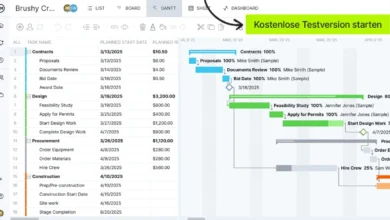
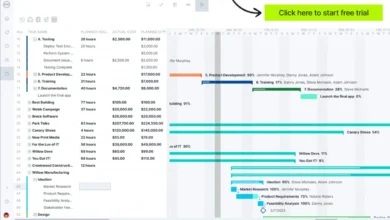
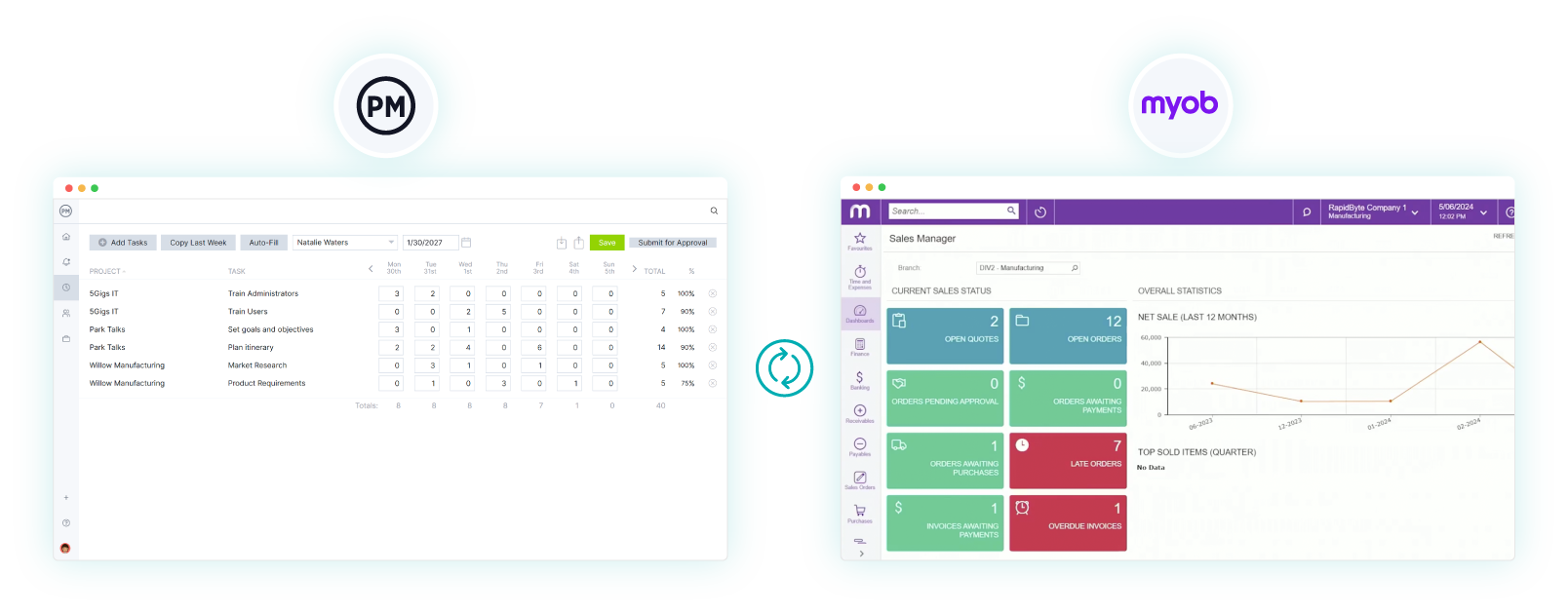
For organizations executing client-facing or internal initiatives that require robust scheduling, ProjectManager serves as the premier MYOB Acumatica integration for project and portfolio management. While MYOB Acumatica excels at tracking financial metrics, budgets, and general accounting, it lacks advanced scheduling capabilities. ProjectManager bridges this gap through a certified two-way synchronization engine that links project, operational, and financial data seamlessly.
Project tasks, employee timesheets, resource allocations, and expense reports sync dynamically between the platforms. This integration empowers project managers to optimize schedules and track milestones while providing finance teams with GST-ready data required for accurate revenue recognition and client invoicing. The software offers comprehensive Gantt charts, Kanban boards, real-time workload management charts, and executive dashboards.
- Verdict: Best for comprehensive project management and resource scheduling.
- Key Features: Two-way financial and operational sync, interactive Gantt charts, real-time workload balancing, and automated timesheet tracking.
- Limitations: Advanced enterprise features require higher-tier subscription plans.
- Pricing: Scaled subscription tiers with a free 30-day trial available.
2. TRAILD
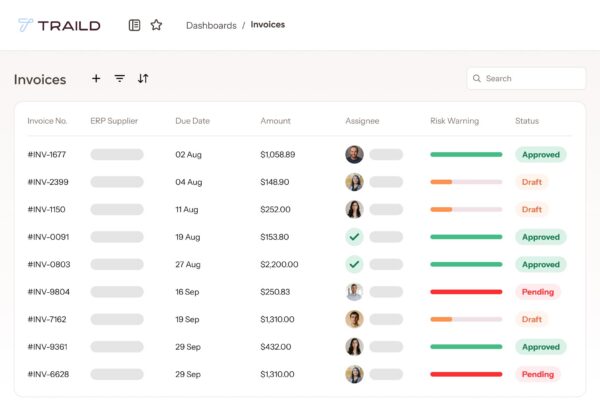
Accounts payable (AP) departments face continuous risks regarding invoice processing bottlenecks and corporate fraud. TRAILD is an Australian-engineered AP automation and payment protection solution embedded directly within MYOB Acumatica. Utilizing advanced machine learning and artificial intelligence, TRAILD automatically extracts invoice data, codes operational costs, and reconciles incoming invoices against existing purchase orders and delivery receipts. Furthermore, its proprietary AI risk-flagging mechanisms analyze vendor details to protect enterprises against emerging payment fraud schemes.
- Verdict: Best for accounts payable automation and fraud mitigation.
- Key Features: AI-driven invoice data extraction, automated purchase order matching, intelligent cost coding, and proactive payment risk detection.
- Limitations: Primarily optimized for Australian and New Zealand regulatory and banking frameworks.
- Pricing: Volume-based subscription models tailored to invoice throughput.
3. ProSpend
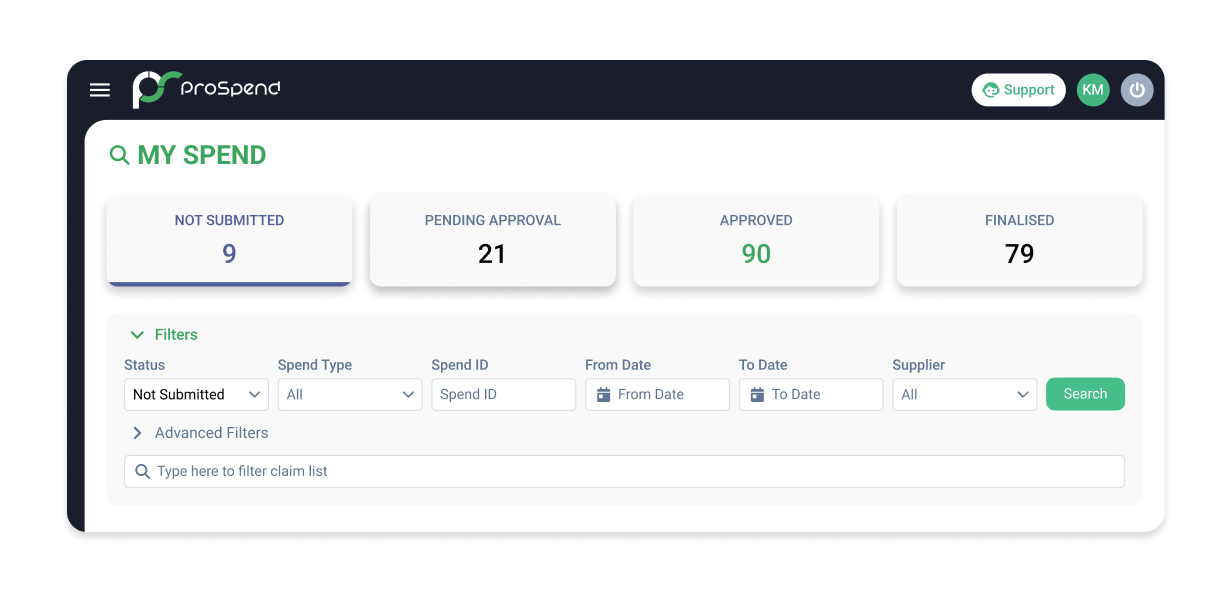
Expense management remains a perennial administrative burden for scaling enterprises. ProSpend is a localized spend management platform designed to capture employee expenses, corporate card transactions, supplier invoices, and purchase orders prior to general ledger posting in MYOB Acumatica. The system enforces organizational spend policies, applies consistent accounting codes across multi-entity branches and subaccounts, and exports clean, reconciled financial data directly into the ERP’s payables module.
- Verdict: Best for end-to-end expense and corporate spend control.
- Key Features: Multi-entity spend policy enforcement, corporate card reconciliation, automated receipt capture, and granular general ledger coding.
- Limitations: Requires initial configuration to match complex, multi-layered chart of accounts structures.
- Pricing: Tiered pricing based on active user counts and transaction volume.
4. ezyCollect
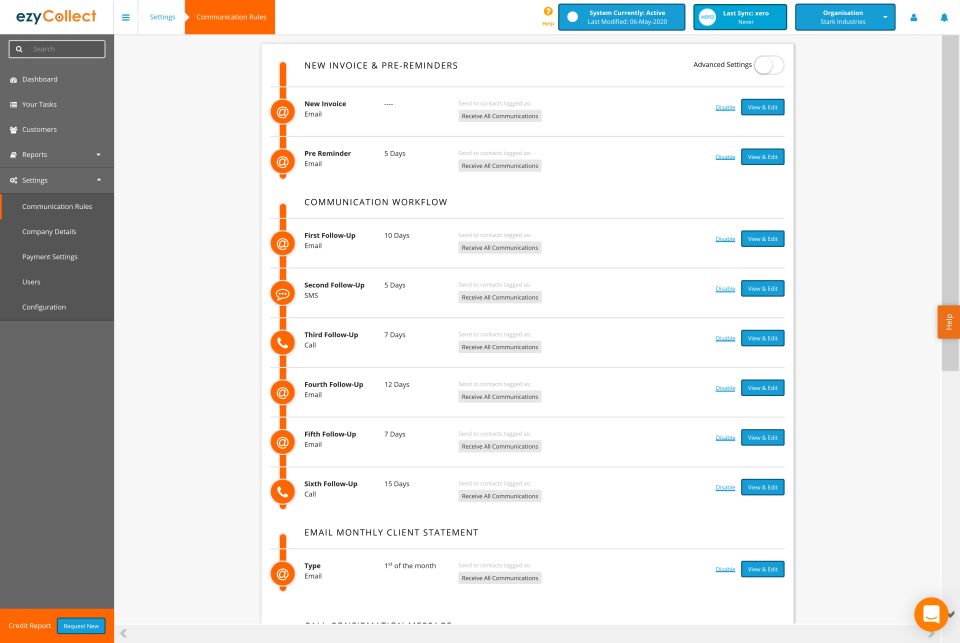
Cash flow optimization is critical for maintaining healthy business operations, particularly for B2B enterprises operating on standard credit terms. ezyCollect automates accounts receivable (AR) and debt collection workflows for MYOB Acumatica users. The platform automates the dispatch of customized payment reminders, provides secure customer payment portals supporting credit cards, direct debits, and bank transfers, and automatically posts reconciled payments back into the ERP.
- Verdict: Best for accounts receivable automation and cash flow acceleration.
- Key Features: Automated multi-channel customer reminders, integrated payment gateway portals, and real-time ledger allocation.
- Limitations: Customer adoption of digital payment portals can vary based on industry norms.
- Pricing: Subscription tiers scaling with customer database size and invoice volume.
5. Velixo
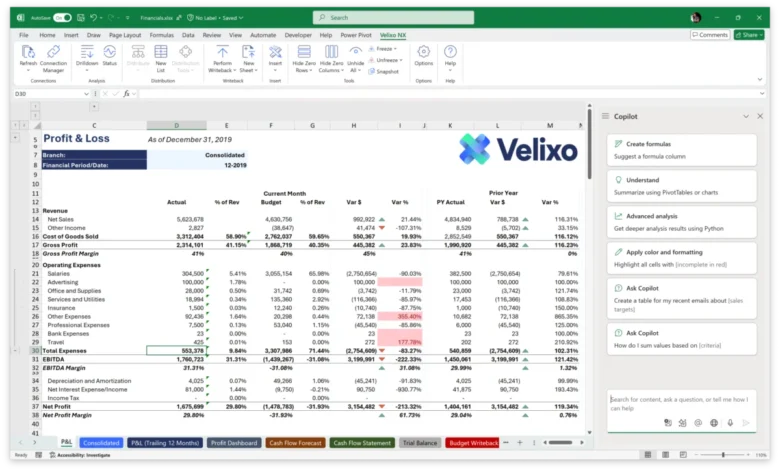
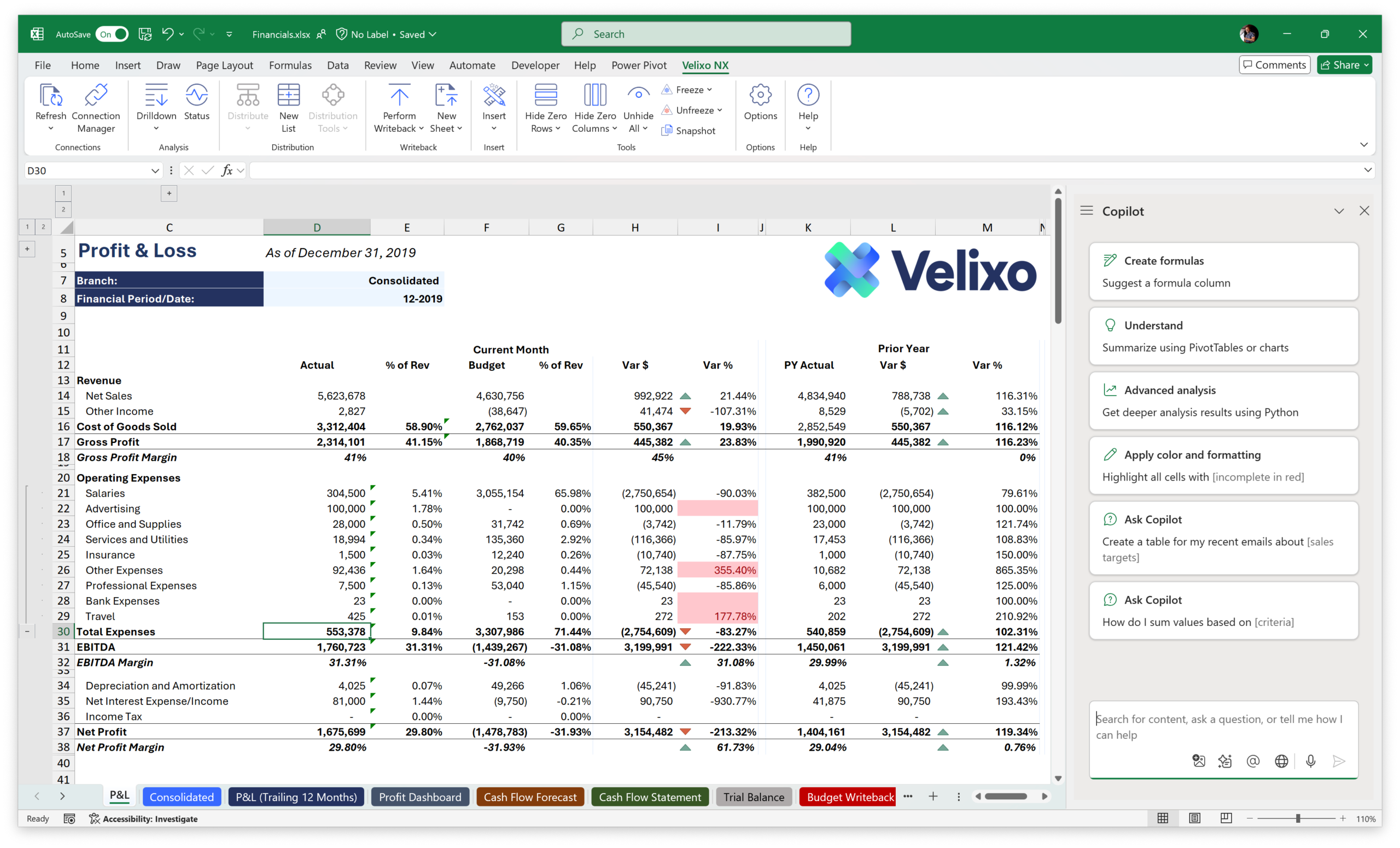
Despite the power of cloud ERP systems, finance professionals routinely turn to Microsoft Excel for complex modeling, budgeting, and ad-hoc reporting. Velixo is a specialized, Excel-based reporting and planning add-on built exclusively for MYOB Acumatica. It establishes a live, secure connection between spreadsheets and the ERP, enabling finance teams to construct multi-company consolidations, detailed financial statements, and operational budgets within Excel while retaining the ability to write data back to MYOB Acumatica securely.
- Verdict: Best for advanced, Excel-centric financial reporting and budgeting.
- Key Features: Live data connection formulas, consolidated multi-entity reporting, write-back capabilities, and project budget forecasting.
- Limitations: Requires a strong internal competency in advanced Microsoft Excel functions.
- Pricing: Annual user-based licensing structure.
6. Phocas
Business intelligence (BI) empowers organizational leaders to transform raw operational data into actionable strategic insights. Phocas integrates directly with MYOB Acumatica to consolidate enterprise-wide data from multiple functional areas. The platform enables non-technical business users to generate visual dashboards, analyze sales trends, monitor inventory turns, and execute financial planning without requiring intervention from internal IT departments.
- Verdict: Best for enterprise business intelligence and data visualization.
- Key Features: User-friendly data discovery tools, customizable dashboards, integrated financial planning, and multi-source data consolidation.
- Limitations: Comprehensive enterprise rollouts require structured data governance protocols.
- Pricing: Customized enterprise quotes based on user seats and data volume.
7. Netstock
Balancing inventory availability against working capital constraints is a central challenge for wholesale, distribution, and manufacturing enterprises. Netstock is an inventory optimization and supply chain planning tool that interfaces directly with MYOB Acumatica. Utilizing predictive analytics and AI-powered demand forecasting, Netstock analyzes historical sales data and seasonal trends to generate precise replenishment recommendations, helping firms minimize stockouts while reducing excess inventory carrying costs.
- Verdict: Best for supply chain planning and inventory optimization.
- Key Features: AI-driven demand forecasting, automated replenishment planning, excess stock identification, and service-level tracking.
- Limitations: Maximizing utility requires accurate historical ERP data and disciplined warehouse receiving practices.
- Pricing: Modular subscription pricing determined by inventory SKU counts and warehouse locations.
8. InSyncer
As digital commerce expands, maintaining synchronized inventory and pricing data between online storefronts and backend enterprise systems is vital. InSyncer connects MYOB Acumatica with Shopify, catering to both B2B wholesale and B2C retail models. The connector synchronizes real-time inventory levels across multiple warehouses, applies customer-specific pricing tiers defined in the ERP directly to the Shopify interface, and automatically reconciles web-store transactions back to the general ledger.
- Verdict: Best for Shopify-powered e-commerce integration.
- Key Features: Multi-warehouse inventory synchronization, customer-specific B2B pricing mapping, and automated order reconciliation.
- Limitations: Highly customized Shopify storefront themes may require bespoke API mapping adjustments.
- Pricing: Monthly subscription plans based on order volume thresholds.
9. Straightsell
For Australian businesses operating dedicated B2B e-commerce portals, Straightsell provides a pre-built, robust integration framework tailored for MYOB Acumatica users. The platform ensures that complex inventory availability, stock matrix configurations, and individualized customer pricing structures maintained within the ERP are accurately reflected on the webstore, while concurrently pushing completed sales orders and customer registrations back into the accounting system.
- Verdict: Best for localized B2B e-commerce integration in the Australian market.
- Key Features: Native MYOB Acumatica integration, matrix item support, customer-specific pricing display, and automated order processing.
- Limitations: Primarily targeted at Australian and New Zealand commercial compliance standards.
- Pricing: Implementation project fees combined with ongoing hosting and support subscriptions.
10. PencilPay
Managing commercial credit applications and collections securely remains an administrative challenge for distributors and wholesalers. PencilPay digitizes the credit onboarding process, allowing prospective business clients to complete branded digital credit applications that integrate directly into MYOB Acumatica. Additionally, the platform provides automated billing, payment scheduling, and credit limit monitoring to safeguard cash flow.
- Verdict: Best for digital credit application processing and B2B credit management.
- Key Features: Digital credit application workflows, automated credit decisioning tools, recurring B2B billing, and secure payment collection.
- Limitations: Focused strictly on the credit onboarding and accounts receivable settlement phases.
- Pricing: Tiered monthly subscription plans based on business size and application volume.
Strategic Implications for ANZ Businesses
The selection of an appropriate technology stack around MYOB Acumatica directly influences operational efficiency, employee productivity, and corporate profitability. By deploying targeted integrations—such as pairing ProjectManager for resource scheduling and financial tracking with specialized tools like TRAILD or Netstock—growing enterprises can eliminate operational silos.
As the business environment in Australia and New Zealand continues to prioritize automation, data security, and real-time visibility, integrating specialized applications with a core cloud ERP represents a proven strategy for sustainable competitive advantage. Organizations must carefully audit their specific departmental workflows, regulatory obligations, and growth trajectories to select the integrations that deliver maximum return on investment while maintaining a cohesive, unified digital ecosystem.
Related posts: