The Block Protocol aims to standardize modular web content through an open and universal interface

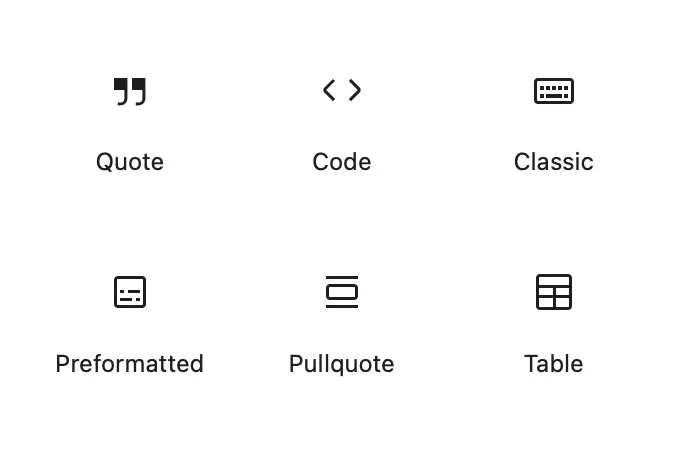
The modern web experience has increasingly gravitated toward a modular design philosophy, characterized by the use of "blocks"—discrete, interactive elements that users can drop into a page to build content. From the Gutenberg editor in WordPress to the collaborative workspaces of Notion and the minimalist writing environments of Medium, the "slash-to-insert" interface has become the de facto standard for digital authoring. Despite this widespread adoption, the underlying technology for these blocks remains fragmented, proprietary, and isolated within individual ecosystems. To address this fragmentation, a new initiative known as the Block Protocol has been introduced to establish a universal, open-source standard for embedding and managing web blocks across different platforms.
The Current Landscape of Content Management
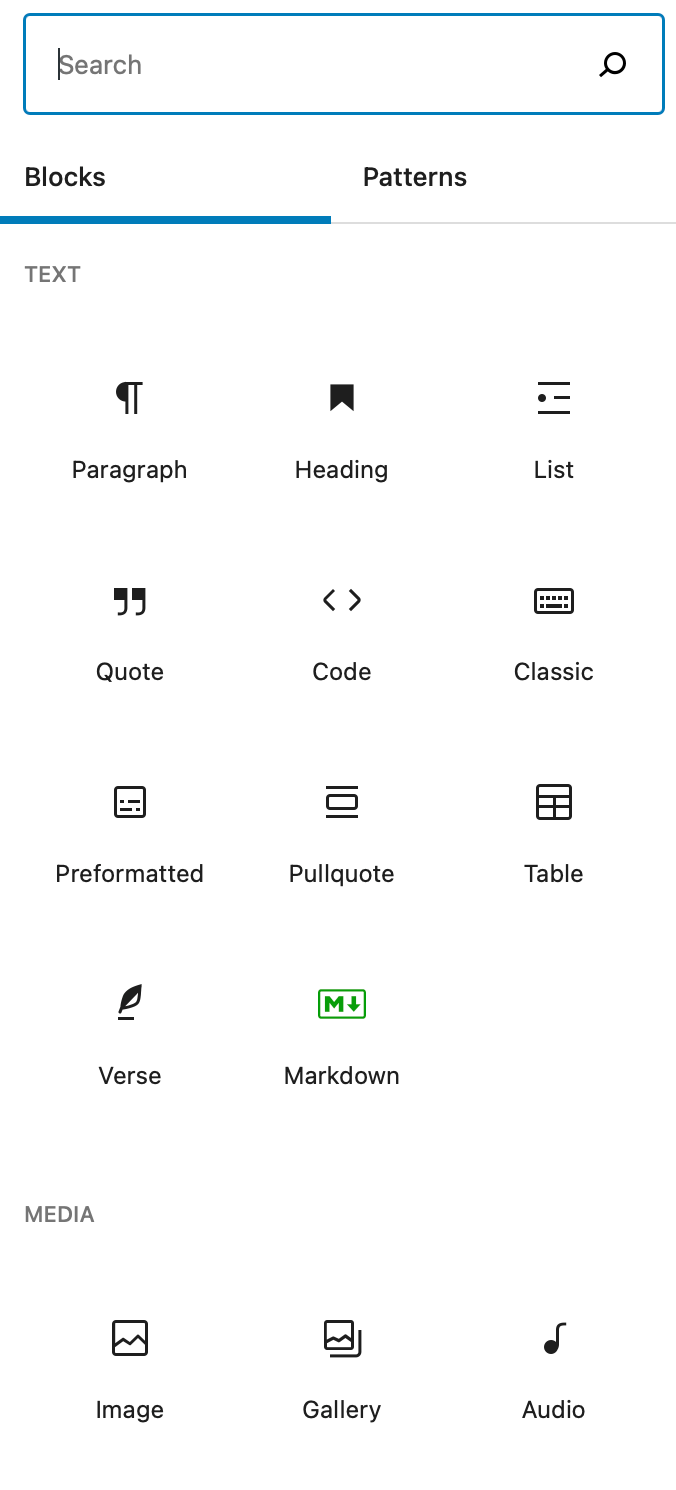
For the past decade, web editors have undergone a significant transition from traditional "What You See Is What You Get" (WYSIWYG) text fields to modular, component-based architectures. This shift was largely popularized by platforms seeking to lower the barrier for non-technical users to create sophisticated layouts. By allowing users to drag and drop images, galleries, Kanban boards, and complex data visualizations, these platforms have revolutionized content creation.
However, this innovation has created a significant technical debt for developers. Currently, if a software company builds a blogging platform or a note-taking application, they are forced to develop their own suite of block components from the ground up. This redundant labor leads to a "walled garden" effect. If a developer spends weeks building a sophisticated calendar block for one application, that component remains functionally locked within that specific system. Furthermore, for the end-user, this creates a disjointed experience; a user might prefer the interface of one platform but find themselves missing the specific block capabilities offered by another.
A Chronology of the Block Protocol
The development of the Block Protocol represents a concerted effort to treat blocks as interoperable assets rather than platform-specific features. The initiative, currently in its early developmental stages (version 0.1), follows a logical progression toward web standardization:
- Early 2020s: The proliferation of block-based editors reaches a saturation point, with major platforms like WordPress, Ghost, and Notion cementing their own proprietary block schemas.
- Late 2021 to Early 2022: Initial architectural discussions begin regarding the feasibility of an open protocol that could allow an arbitrary "embedding application" to host any "block" built to the standard.
- January 2022: The Block Protocol project is officially announced, accompanied by a rudimentary editor and a small library of sample blocks to demonstrate proof-of-concept.
- Ongoing: The project enters a public-facing phase, soliciting feedback from the developer community and seeking contributors to expand the protocol’s capabilities.
Technical Implications of a Universal Standard
The core premise of the Block Protocol is to provide a standardized interface between the "embedding application" (the website or app where the block lives) and the "block" itself. By defining a clear protocol for communication, the project removes the need for developers to rewrite code for every new environment.
From a technical standpoint, the protocol utilizes an open-source schema that allows for high levels of structure. This structure is perhaps the most significant departure from traditional web content. Current web pages are often just collections of HTML, which are difficult for search engines and third-party tools to interpret without sophisticated scraping. By contrast, a block built on the Block Protocol can be typed. For instance, an "Event Block" would contain structured data—date, time, location, and metadata—defined in a way that is immediately machine-readable.
This transformation of "dumb" content into "smart" data has profound implications. It suggests a future where data does not need to be exported into spreadsheets or CSV files to be shared. Instead, a calendar application could theoretically "read" an event block directly from a webpage, interpret the schema, and allow the user to add the event to their own calendar with a single click.

Broader Impact and Industry Reception
The introduction of an open protocol for web components has been met with cautious optimism by industry analysts. The potential for a "standard library" of blocks could significantly lower the cost of entry for new startups and independent developers. By tapping into an existing ecosystem of pre-built, standardized blocks, a new note-taking app could launch with hundreds of features on day one, rather than spending months coding basic components like galleries or code snippets.
However, the challenge for the Block Protocol lies in adoption. For the protocol to become a true web standard, it must overcome the "network effect" of proprietary systems. Large platforms, which derive value from their exclusive feature sets, may be hesitant to embrace a standard that allows their content to be easily migrated or integrated elsewhere. Proponents of the protocol argue that the benefit of increased user engagement and the reduction of maintenance costs will eventually outweigh the desire for proprietary control.
Addressing the Data Silo Problem
One of the most persistent frustrations in digital content management is the "data silo." When data is locked inside a proprietary block, it is effectively invisible to the broader web. The Block Protocol aims to render this legacy approach obsolete. By enabling semantic, machine-readable data, the protocol supports the vision of a "Web 3.0" or "Semantic Web," where information is interconnected and easily accessible by machines.
If successful, the protocol could eliminate the need for common but inefficient practices like manually downloading datasets or re-entering information across platforms. Instead, the data itself becomes the medium of exchange. A flight-tracking block, for instance, could be developed once by a specialized engineering team and then deployed on travel blogs, airline corporate sites, and personal dashboards simultaneously.

The Road Ahead: Community and Iteration
The decision to release the Block Protocol at such an early stage of development underscores the organizers’ commitment to open-source principles. By engaging the developer community early, the team hopes to avoid the pitfalls of "top-down" standardization. Version 0.1 is intentionally simple, designed to be a foundation upon which others can build.
The success of this initiative will ultimately depend on three factors:
- Developer Adoption: The ability to attract a core group of early adopters who are willing to build and maintain blocks that adhere to the protocol.
- Ease of Integration: The protocol must remain lightweight and easy to implement, ensuring that it does not become a performance bottleneck for hosting applications.
- Governance: As an open-source project, establishing a transparent governance model will be essential to ensure that the protocol remains neutral and free from the influence of any single corporate entity.
In summary, the Block Protocol represents a shift in how we perceive the fundamental units of the web. By moving away from proprietary, siloed editors toward a standardized, interoperable ecosystem, the initiative promises to make the web more modular, more machine-readable, and ultimately more useful for both creators and consumers. While the road to widespread adoption is long and fraught with technical and industry-wide hurdles, the potential to fundamentally improve the architecture of digital content is substantial. Developers and content platform owners are encouraged to review the documentation and participate in the ongoing discourse as the project evolves toward its goal of becoming a universal web standard.